Why Cheap Sandals Cause Blisters And How Strap Placement Matters
Cheap sandals often lead to painful blisters, but price is only part of the problem. Poor strap placement, rough materials and weak soles increase friction on the skin, turning everyday walks into uncomfortable experiences.
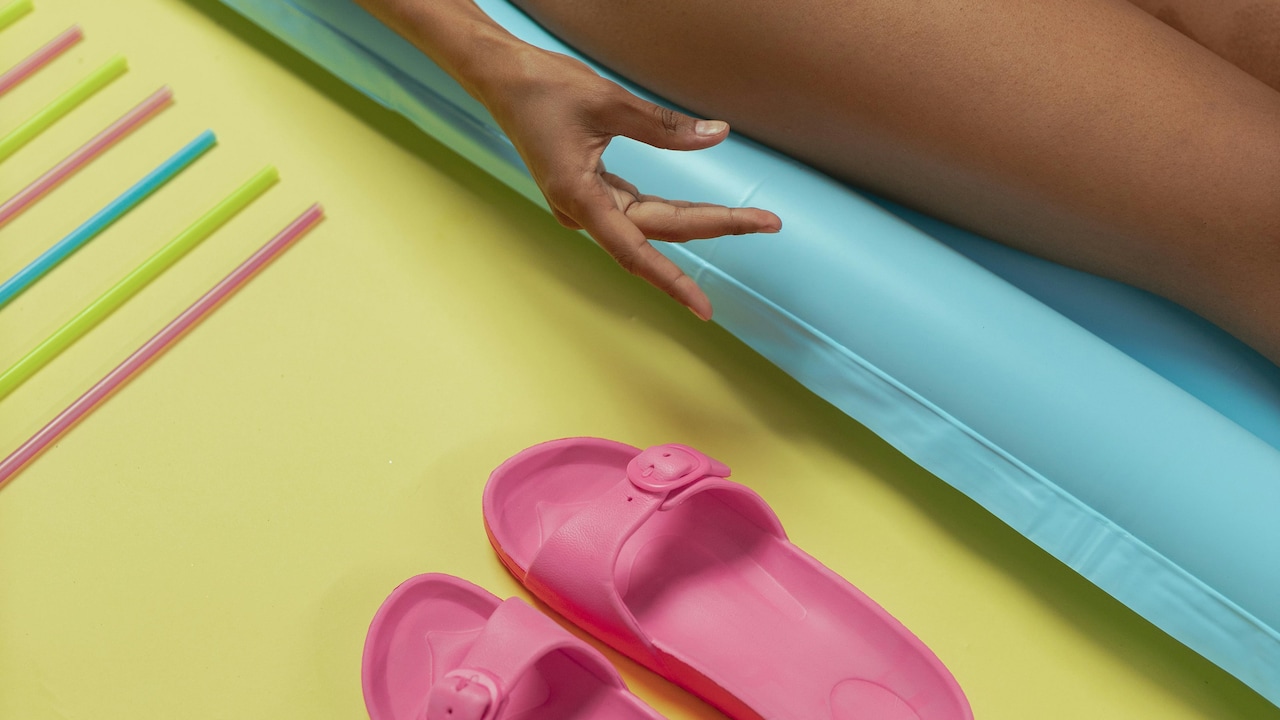
Why Cheap Sandals Cause Blisters And How Strap Placement Affects Foot Comfort.
Footwear sits at the centre of daily life. A quick walk to the market, an evening stroll after dinner, a long day navigating crowded streets or hopping on and off trains, sandals handle it all. Their open design feels breathable in warm weather, which explains why they remain a popular everyday choice.
Yet anyone who has worn a cheap pair for more than an hour knows the familiar sting. A strap digs into the skin. The heel rubs against stiff material. Within a short time, a blister forms and every step becomes a reminder of a poor purchase decision.
Many assume the problem lies purely in low price. Cheap sandals must hurt, while expensive ones must feel comfortable. Reality proves more complicated. A sandal priced at ₹400 can feel far better than one priced at ₹2,000 if the straps sit in the right places and the design respects the natural movement of the foot.
Footwear design blends anatomy, material science and a little bit of practical wisdom. When straps sit too high, too tight or too loose, friction increases. When the sole lacks support, the foot shifts around inside the sandal. That movement causes rubbing, heat and eventually blisters.
Understanding why this happens helps shoppers choose smarter footwear. Instead of relying on brand names or price tags, attention can shift to strap positioning, cushioning and construction.
Because when sandals fit well, they disappear into the background of daily life. When they do not, they make their presence painfully obvious.
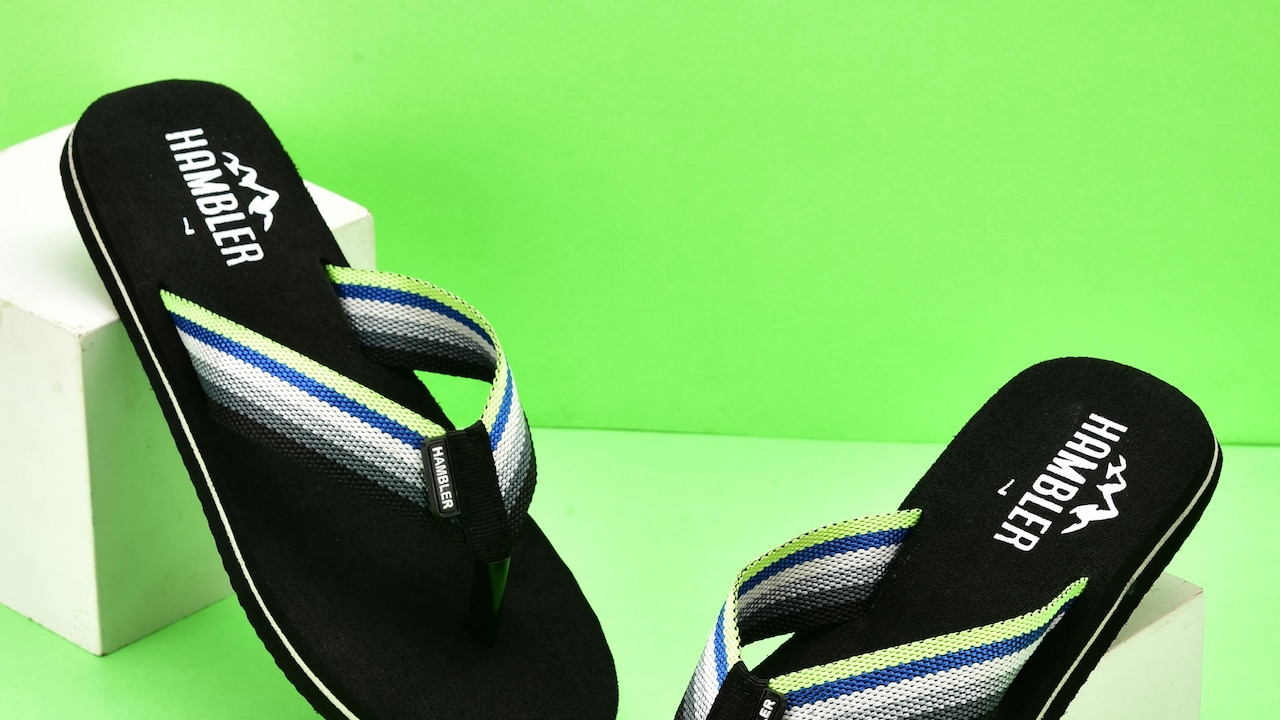
Why Cheap Sandals Cause Blisters And How Strap Placement Matters
Photo Credit: Pexels
Understanding Why Sandal Design Matters For Foot Comfort
The Hidden Cost Of Cheap Materials
A sandal priced under ₹300 often cuts corners in one key area: materials. Synthetic straps made from rigid plastic or poorly treated faux leather rarely adapt to the shape of the foot. Instead, they stay stiff and stubborn.
Skin moves naturally while walking. The foot expands slightly with every step as weight shifts from heel to toe. Quality materials flex with that motion. Cheap ones resist it. That resistance creates friction.
Imagine dragging a rough ribbon across the same patch of skin repeatedly. The first few minutes feel harmless. After a while, the skin reddens. Continue long enough and a blister forms. Cheap sandal straps behave in a similar way.
Another issue lies in edge finishing. Well-made straps feature smooth, rounded edges. Low-cost versions often feel sharp or unfinished. Those tiny ridges scrape the skin with every step.
Heat makes matters worse. Warm weather causes feet to sweat. Moist skin softens and becomes more vulnerable to rubbing. A rigid strap against damp skin practically invites a blister.
So while the low price may feel satisfying at the checkout counter, the real cost often appears later, measured in sore feet and regret.
Why Strap Placement Changes Everything
A sandal's comfort depends heavily on where the straps sit across the foot. Even small shifts of a few millimetres can determine whether the design feels supportive or irritating.
The human foot contains several pressure points. The arch curves gently upward, the toes spread while walking and the heel absorbs impact. A well-designed strap avoids these areas or supports them evenly.
Cheap sandals often ignore these natural contours. Manufacturers prioritise simple patterns that reduce production costs. As a result, straps sometimes cross sensitive areas such as the base of the toes or the outer edge of the foot.
When a strap sits directly on a high-movement zone, friction increases dramatically. The skin slides under the strap with each step. That repeated motion causes irritation within minutes.
Better designs place straps where the foot remains relatively stable, such as across the midfoot. That position holds the sandal securely without forcing the skin to rub constantly.
So strap placement acts like silent engineering. Done well, it keeps the foot stable and comfortable. Done poorly, it turns a harmless sandal into a blister factory.
The Role Of Foot Movement During Walking
Walking may seem simple, yet the foot performs a complex series of movements with every step. The heel lands first, the arch compresses and the toes push forward to propel the body.
A sandal must accommodate this motion. If it restricts movement or allows too much sliding, friction begins.
Cheap sandals often lack a secure structure. The foot slides forward, backward and sideways inside the sole. Each movement causes the straps to rub against the skin.
That constant micro-movement may seem minor at first. Yet after thousands of steps, the effect becomes obvious. Red patches appear near the toes, along the sides of the foot or behind the heel.
A properly designed sandal stabilises the foot without squeezing it. The straps guide the foot's natural motion instead of fighting it.
Think of it like holding a cup of tea while walking. Hold it loosely and the tea spills everywhere. Grip it too tightly and the hand becomes tense. The right balance keeps everything steady.
Footwear works in much the same way.
Why Toe Straps Often Cause Pain
Toe straps, commonly seen in flip-flop styles, remain popular due to their simplicity and low cost. Yet they also rank among the biggest causes of blisters.
The area between the toes contains delicate skin that rarely experiences pressure from other surfaces. When a thin strap presses into that space, irritation begins quickly.
Walking adds another complication. Each step pulls the strap slightly forward and backwards between the toes. That constant movement creates friction against soft skin.
Cheap flip-flops often use hard plastic posts for the toe strap. After a short walk, the skin between the toes may become red or raw.
Better designs widen the strap or cushion the base. Some shift the angle slightly to reduce pulling during movement.
Still, the basic structure of toe-post sandals places stress on a sensitive area. For short walks, they may feel fine. For longer distances, many people discover why their feet protest loudly by evening.
How Sole Quality Affects Strap Pressure
Most shoppers focus on straps when judging sandals, yet the sole plays an equally important role in comfort.
A thin or overly hard sole fails to absorb shock. Each step sends force straight through the foot. That impact pushes the foot downward and outward against the straps.
The result feels like the straps have suddenly tightened, even though their size remains the same.
Soft cushioning distributes weight more evenly. The foot sinks slightly into the sole, which reduces pressure along the edges. With less force pressing outward, straps create less friction.
Cheap sandals often rely on flat rubber sheets with minimal padding. They feel light and flexible in the shop, yet long walks reveal their shortcomings.
Even a modest layer of cushioning can make a noticeable difference. The sole works like a suspension in a vehicle. Without it, every bump travels straight through the system.
And in this case, the system happens to be a pair of tired feet.
The Problem With Poor Stitching And Rough Edges
Take a closer look at many inexpensive sandals, and one detail stands out quickly: rough stitching.
Threads may stick out. Edges may feel uneven. Sometimes glue lines appear where materials meet.
These tiny imperfections might seem harmless. After all, they appear small enough to ignore.
Yet when the foot rubs against them repeatedly, those little bumps behave like sandpaper.
Rough stitching near the heel often causes painful rubbing during long walks. Similarly, poorly finished strap edges can scrape the skin across the top of the foot.
Better sandals invest time in finishing details. Edges receive polishing or padding. Stitching sits flush against the material instead of poking outward.
This level of craftsmanship rarely appears in extremely cheap footwear. Lower production costs often mean faster assembly and fewer quality checks.
Unfortunately, the foot notices every shortcut.
Heat, Sweat And Friction: The Perfect Storm
Warm weather creates a challenging environment for footwear. Heat causes the body to sweat, including the feet. Moisture softens the skin, making it more vulnerable to damage.
Now add friction from poorly placed straps, and the situation worsens quickly.
A dry strap sliding across dry skin might cause mild irritation. A stiff strap rubbing against damp skin can produce a blister in less than an hour.
Cheap sandals often use synthetic materials that trap heat. Instead of allowing air circulation, they hold warmth close to the skin.
As the foot becomes hotter, sweat increases. The surface grows slippery, causing the foot to shift more inside the sandal.
That movement multiplies friction, which leads to more irritation.
It becomes a small cycle of discomfort. Heat leads to sweat, sweat leads to friction and friction leads to blisters.
Good design breaks this cycle with breathable materials and thoughtful strap placement.
Why Proper Fit Matters More Than Price
Price tags often dominate footwear decisions. A ₹500 sandal may appear like a bargain compared to one priced at ₹2,500.
Yet comfort rarely follows price alone.
A well-fitting sandal distributes pressure evenly across the foot. The straps hold the foot gently without squeezing it. The sole supports natural movement.
Even an affordable sandal can achieve this balance if the design respects foot anatomy.
On the other hand, an expensive sandal that fits poorly will cause the same problems as a cheap one.
Trying footwear properly makes a significant difference. Walk around the shop. Pay attention to pressure points. Notice whether the foot slides or whether a strap digs into the skin.
A few minutes of careful testing can prevent hours of discomfort later.
Feet rarely care about brand names. They simply respond to fit and design.
The Influence Of Daily Walking Habits
Footwear behaves differently depending on how people use it. Someone who walks only short distances may never notice minor design flaws.
Yet those who walk frequently experience the full impact of poor sandals.
Consider a typical day that includes errands, public transport and an evening outing. The total distance can easily exceed several kilometres.
Cheap sandals often struggle under such conditions. Straps stretch slightly over time, which changes how they sit on the foot. As they loosen, the foot slides more inside the sole.
That extra movement increases rubbing along the sides and near the toes.
Regular walkers, therefore, benefit from sandals with secure strap placement and durable construction. Spending slightly more on a reliable pair can prevent frequent replacements and sore feet.
After all, the most expensive sandal often turns out to be the one that needs replacing every month.
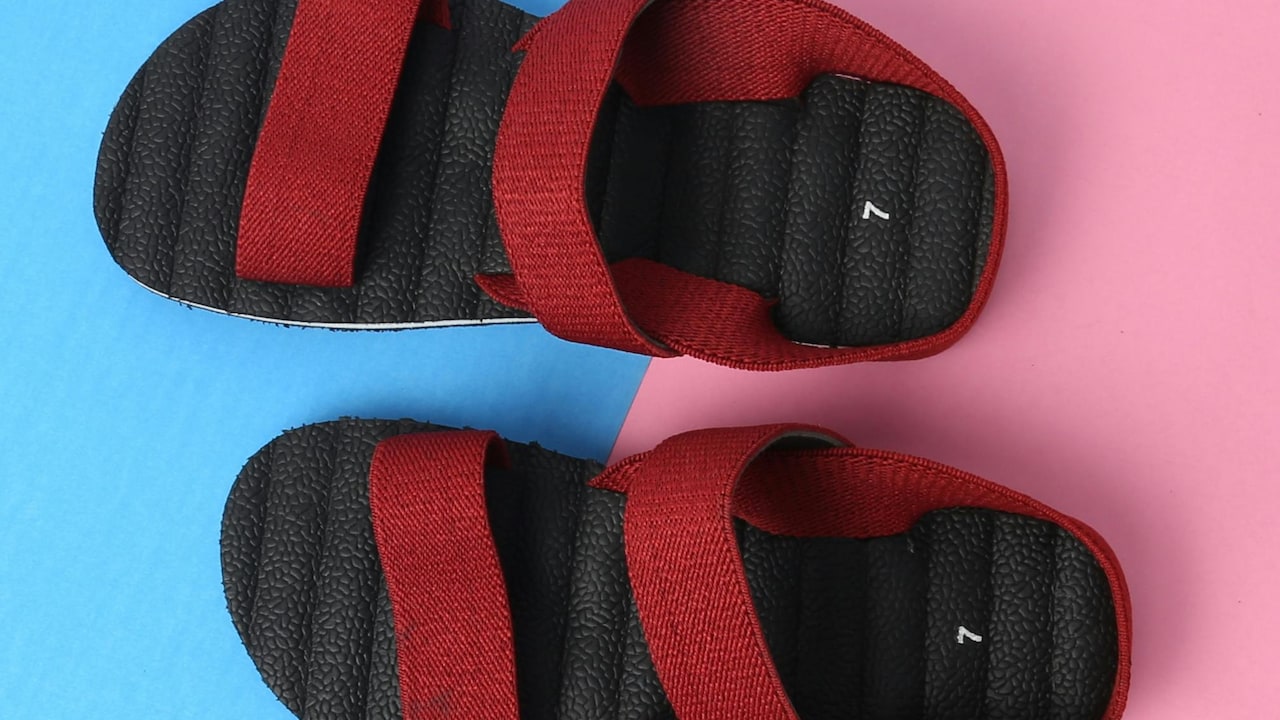
Why Cheap Sandals Cause Blisters And How Strap Placement Matters
Photo Credit: Pexels
Small Design Details That Prevent Blisters
Comfortable sandals rarely rely on a single feature. Instead, they combine several thoughtful details.
Rounded strap edges reduce scraping against the skin. Slight padding softens pressure points. Adjustable straps allow wearers to customise the fit.
Another clever design trick involves strap angles. When straps follow the natural lines of the foot, they hold the sandal securely without creating tension.
Even the texture of the footbed matters. A lightly textured surface prevents the foot from sliding around while still feeling comfortable.
These subtle features rarely stand out during a quick glance in the shop. Yet they make a huge difference during long walks.
The best sandals quietly support the foot without drawing attention to themselves.
When footwear disappears from awareness, comfort has done its job well.
Products Related To This Article
1. Metro Women Comfort Sandals
2. Mochi Men Comfort Sandals
3. Skechers Women Sports Sandals
4. J.FONTINI Men Comfort Sandals
5. NoStrain Women Buckle Sandals
6. Balujas Women Comfort Sandals
7. Koblerr Men Comfort Sandals
Blisters rarely appear by accident. They develop through a predictable mix of friction, pressure and poor design.
Cheap sandals often create this problem through stiff materials, rough stitching and poorly placed straps. The foot moves naturally while walking, yet poorly designed footwear resists that movement. The result becomes rubbing, heat and eventually painful blisters.
Price alone does not determine comfort. Strap placement, cushioning and overall fit matter far more. A thoughtfully designed sandal holds the foot securely while allowing natural motion.
Paying attention to these small details can transform everyday footwear choices. Instead of focusing only on style or price tags, shoppers benefit from examining how straps sit across the foot and how the sole supports each step.
Feet carry the body through busy streets, crowded markets and long days on the move. Treating them to well-designed sandals simply makes sense.
Because the best pair of sandals does something remarkable. It allows a long walk to feel effortless, leaving nothing behind except the quiet rhythm of comfortable steps.
(Disclaimer: This article may include references to or features of products and services made available through affiliate marketing campaigns. NDTV Convergence Limited (“NDTV”) strives to maintain editorial independence while participating in such campaigns. NDTV does not assume responsibility for the performance or claims of any featured products or services.)