Wrap Dresses Fit Myth: Flattering for Everyone? Explained
Are wrap dresses really flattering for everyone? This article breaks down the famous fashion myth, exploring body shapes, fabrics, styling tricks, and why this iconic dress works for many, but not always for all.
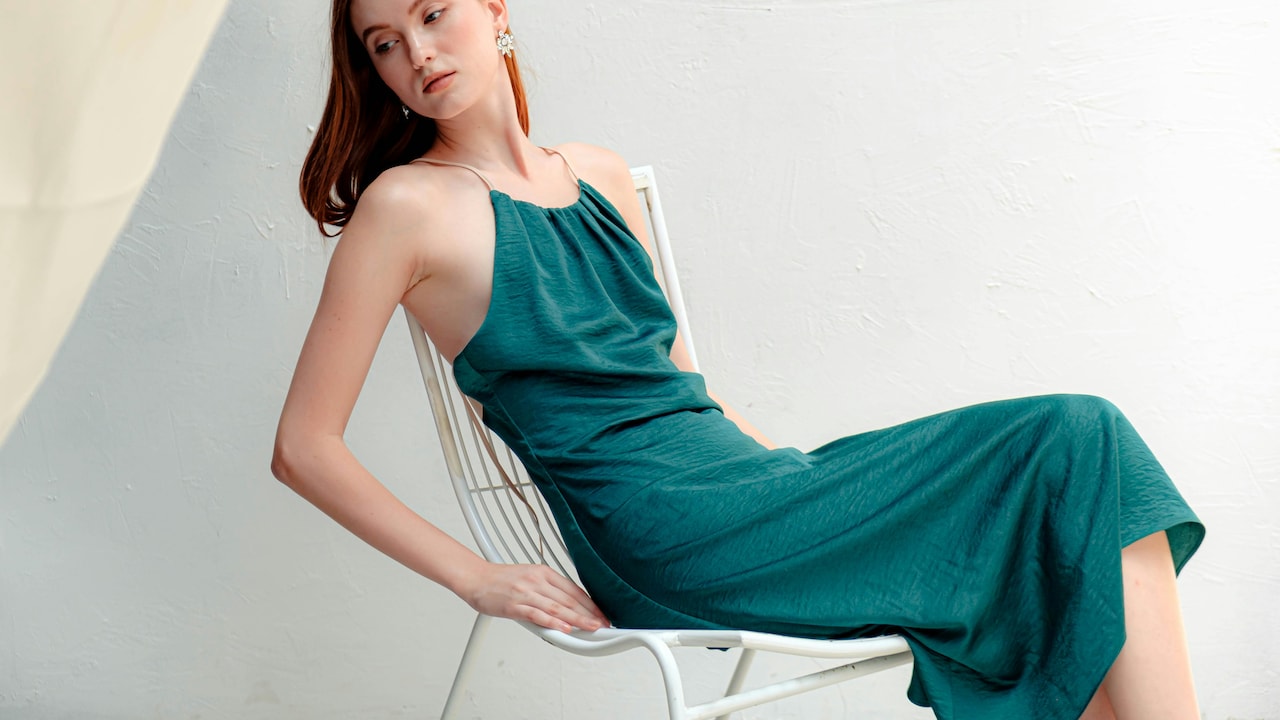
Wrap Dress Fit Myth Explained: Are Wrap Dresses Really Flattering For Everyone?
Few garments carry the legendary status of the wrap dress. Since its rise in global fashion during the 1970s, the design has promised effortless elegance. A simple tie at the waist, a soft drape across the body, and suddenly the silhouette appears defined, graceful and relaxed all at once.
Fashion magazines frequently describe the wrap dress as a miracle outfit. The message appears everywhere: one casual dress, every body type. Whether curvy, petite, tall or athletic, the wrap supposedly adapts to all shapes.
Reality, however, tends to be more complicated than a glossy headline. Anyone who has tried one on in a crowded mall changing room knows the truth. Some wrap dresses look stunning immediately. Others pull awkwardly at the bust, gape while sitting, or feel oddly bulky around the waist.
Still, the popularity of the wrap dress continues. From festive brunches to office meetings, the silhouette remains a trusted option. Walk through any high-street store in Mumbai, Delhi or Bengaluru and racks will display floral prints, satin versions and breezy cotton styles.
So where does the myth come from? And does the wrap dress genuinely flatter everyone, or simply flatter many?
Understanding the answer requires a closer look at body shapes, fabrics, tailoring and styling tricks. The wrap dress remains powerful, but not because it magically suits every body. Its real strength lies in adaptability.
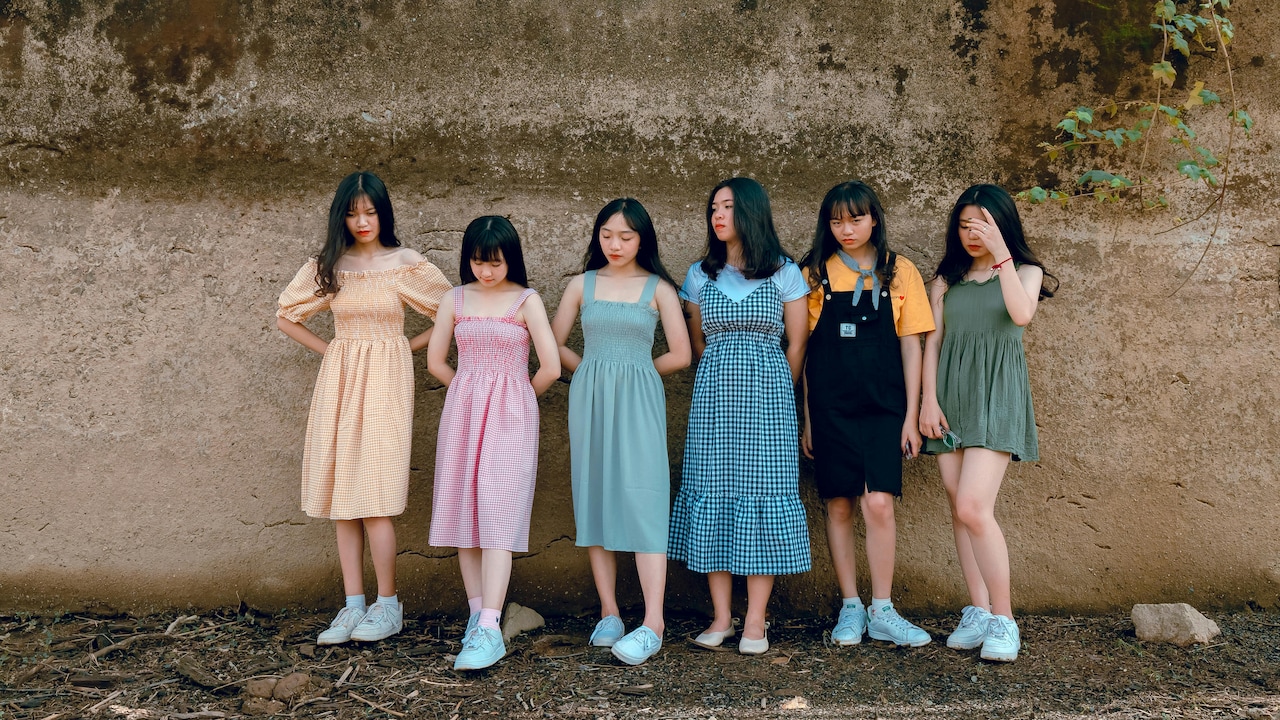
Wrap Dresses Fit Myth: Flattering for Everyone? Explained; Photo Credit: Pexels
Why The Wrap Dress Is Considered Universally Flattering
The Origin Of The Wrap Dress Myth
The idea that wrap dresses suit everyone did not appear overnight. It emerged through decades of clever marketing and celebrity influence. When the wrap dress entered mainstream fashion in the 1970s, the design felt revolutionary. Women wanted clothing that felt practical yet elegant, especially as more professionals joined workplaces across cities.
The wrap dress delivered that balance perfectly. The adjustable tie waist created a personalised fit, something rare in ready-made clothing at the time. Instead of relying entirely on standard sizes, the wearer could tighten or loosen the waist tie.
Fashion editors quickly noticed the versatility. Magazine covers showed the dress on actresses, businesswomen and television personalities. Each appeared confident, relaxed and stylish.
The myth grew stronger because the dress worked well on camera. The V-neckline framed the face beautifully. The waist tie created shape even under bright studio lights.
Over time, retail brands amplified the message. Shop assistants promised the wrap dress would suit “any figure”. Marketing campaigns repeated the claim until it became fashion wisdom.
Yet clothing rarely works like magic. Every garment interacts differently with body proportions, fabric choice and tailoring quality. The wrap dress earned its reputation honestly, but the promise of universal perfection oversimplified the story.
The Power Of The Adjustable Waist
One reason the wrap dress gained such loyal fans lies in its adjustable waist. Unlike rigid dresses with fixed seams, the wrap style allows the wearer to control the fit. This feature feels especially helpful when body measurements fluctuate slightly, something that happens after festive seasons full of biryani, sweets and late-night celebrations.
The waist tie naturally draws attention to the narrowest point of the torso. For many people, this creates a flattering hourglass illusion even if the body shape differs completely.
Shoppers often appreciate the flexibility during long days. After a heavy lunch at a work event or family gathering, the tie can loosen slightly without sacrificing elegance. Few other dresses offer that quiet comfort.
However, the adjustable waist works best when the fabric cooperates. Stiff materials resist the wrap effect and create bulky folds. Soft fabrics drape smoothly and shape the body more gracefully.
Placement also matters. If the waist tie sits too high or too low, the silhouette may feel awkward. Petite wearers sometimes struggle when the tie falls closer to the ribcage than the waist.
So while the adjustable waist provides flexibility, success still depends on proportion and fabric choice. The wrap dress remains helpful, not magical.
Also Read: Why Wrap Dresses Work So Well for Pear-Shaped Bodies And Where To Find Them
Necklines That Shape The Upper Body
One of the most celebrated features of the wrap dress lies in its V-shaped neckline. This design naturally elongates the neck and frames the collarbone, which creates a balanced look across many body shapes.
The neckline also draws attention upward. Instead of focusing entirely on the waist or hips, the eye travels along the diagonal lines created by the wrap.
For individuals with fuller busts, this shape can feel both flattering and comfortable. Unlike high necklines that create tightness, the wrap allows space and movement. The result often feels breathable and elegant.
Yet the neckline sometimes creates challenges. Some designs plunge deeper than expected. Sitting down during a long meeting or reaching for something on a shelf may lead to unexpected wardrobe adjustments.
Many stylists quietly recommend a small camisole underneath for added security. This simple trick maintains the elegant neckline without constant worry.
People with smaller busts sometimes find the neckline slightly loose. In such cases, a tailor can add a discreet stitch to keep the wrap secure.
So while the neckline flatters many people, small adjustments often transform a good fit into a perfect one.
Fabric Choice Makes A Huge Difference
Fabric determines whether a wrap dress feels dreamy or disappointing. Two dresses may share the same design yet behave completely differently depending on the material.
Soft fabrics such as jersey, crepe and lightweight cotton adapt easily to body curves. They drape gently and create fluid movement while walking. These materials often deliver the classic wrap dress effect seen in fashion campaigns.
Heavier fabrics like thick polyester or stiff satin may behave stubbornly. Instead of wrapping smoothly, the fabric forms bulky folds near the waist tie.
Climate also plays a role. Breathable cotton wrap dresses work beautifully during humid summer days, especially in coastal cities. The fabric feels light and relaxed, perfect for outdoor brunches or shopping trips.
For evening events, silk or satin wrap dresses bring elegance. Paired with delicate jewellery and comfortable heels, the look feels effortlessly refined.
Prints influence perception as well. Small floral patterns soften the silhouette, while large geometric prints highlight body proportions.
Understanding fabric transforms the wrap dress from a gamble into a reliable wardrobe choice. The same design can flatter dramatically once the right material enters the picture.
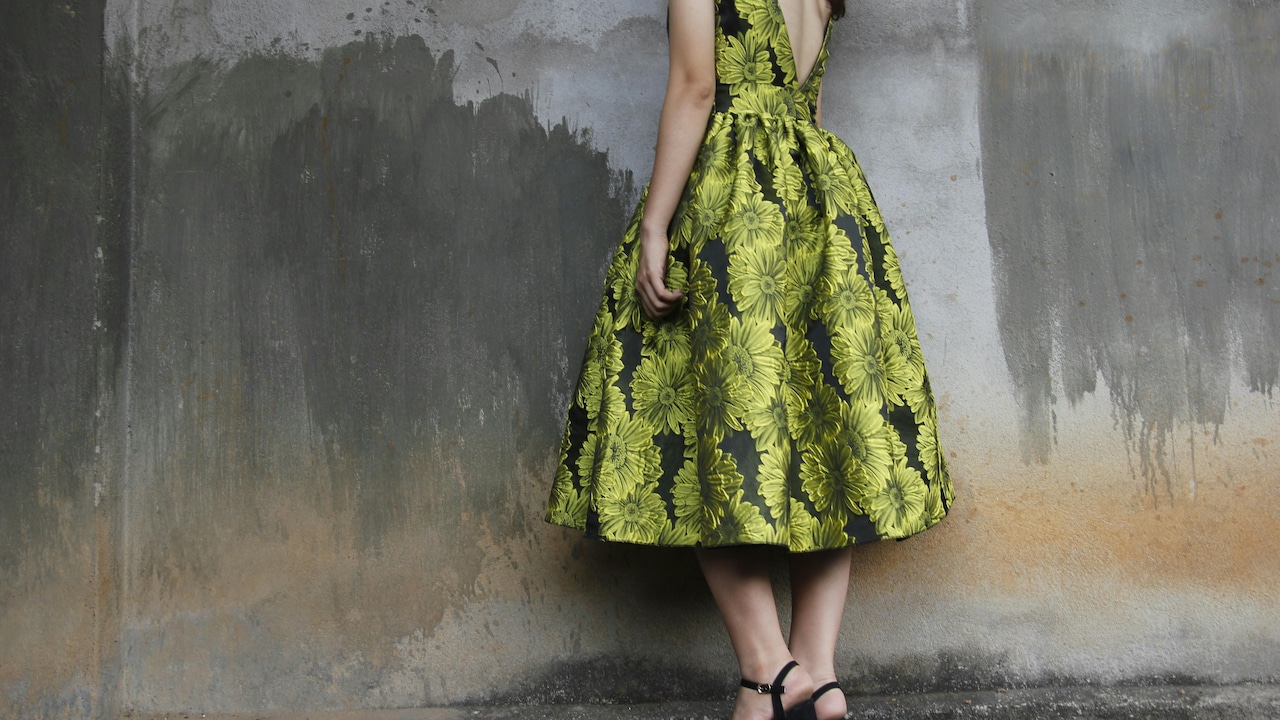
Wrap Dresses Fit Myth: Flattering for Everyone? Explained; Photo Credit: Pexels
Body Shape Still Matters
Fashion often celebrates the idea that clothing should suit everyone equally. While inclusivity matters deeply, garments still interact differently with body proportions.
Wrap dresses typically work well for hourglass and pear shapes because the waist tie highlights the narrow middle while allowing room around the hips.
For athletic body types with straighter silhouettes, the wrap dress creates the illusion of curves. The diagonal lines break the straight structure and introduce softness.
However, people with apple shapes sometimes notice the fabric gathering around the midsection. If the wrap starts too close to the stomach, the dress may emphasise the area instead of smoothing it.
Length also affects perception. A wrap dress that ends just below the knee often feels balanced. Extremely short versions may shift attention toward the hips.
None of this means the wrap dress cannot work across different bodies. Instead, it highlights the importance of trying different cuts and lengths.
The myth suggests one design suits everyone automatically. Reality proves that subtle variations make all the difference.
The Fit Challenges Nobody Talks About
Despite its popularity, the wrap dress carries a few quiet frustrations. Shoppers rarely hear about these challenges until they try the garment personally.
One common issue involves gaping. If the inner wrap panel feels too small, the dress may open slightly while walking. The problem becomes noticeable when sitting down or climbing stairs.
Another challenge appears with windy weather. Anyone who has navigated a breezy evening in a wrap dress understands the sudden need for strategic handbag placement.
Waist ties can also shift throughout the day. After hours of movement, the knot may loosen and alter the silhouette.
Fortunately, simple solutions exist. Safety pins, discreet snaps or hidden buttons often solve the gaping problem quickly.
A good tailor can also adjust the inner panel for better coverage. Many shoppers overlook tailoring, yet a ₹300 alteration can transform the entire fit.
These small adjustments explain why the wrap dress works brilliantly for some wardrobes. Success often depends on preparation rather than luck.
Styling Tricks That Improve The Fit
Even when the dress itself feels slightly imperfect, styling tricks can elevate the overall look. Fashion thrives on small details.
Layering offers one easy solution. A fitted camisole beneath the dress prevents neckline worries while adding subtle colour contrast.
Belts sometimes replace the traditional waist tie. A slim leather belt sharpens the silhouette and prevents the fabric from bunching.
Footwear also changes the visual balance. Heeled sandals elongate the legs, while ankle boots create a modern edge during cooler months.
Jewellery plays a quiet role as well. Long pendant necklaces echo the V-neckline and enhance the vertical effect.
Handbags influence posture too. A structured bag often encourages a more upright stance, which improves the overall appearance of the wrap silhouette.
These small touches transform the wrap dress into a flexible styling canvas. Rather than relying solely on the dress itself, thoughtful accessories complete the look.
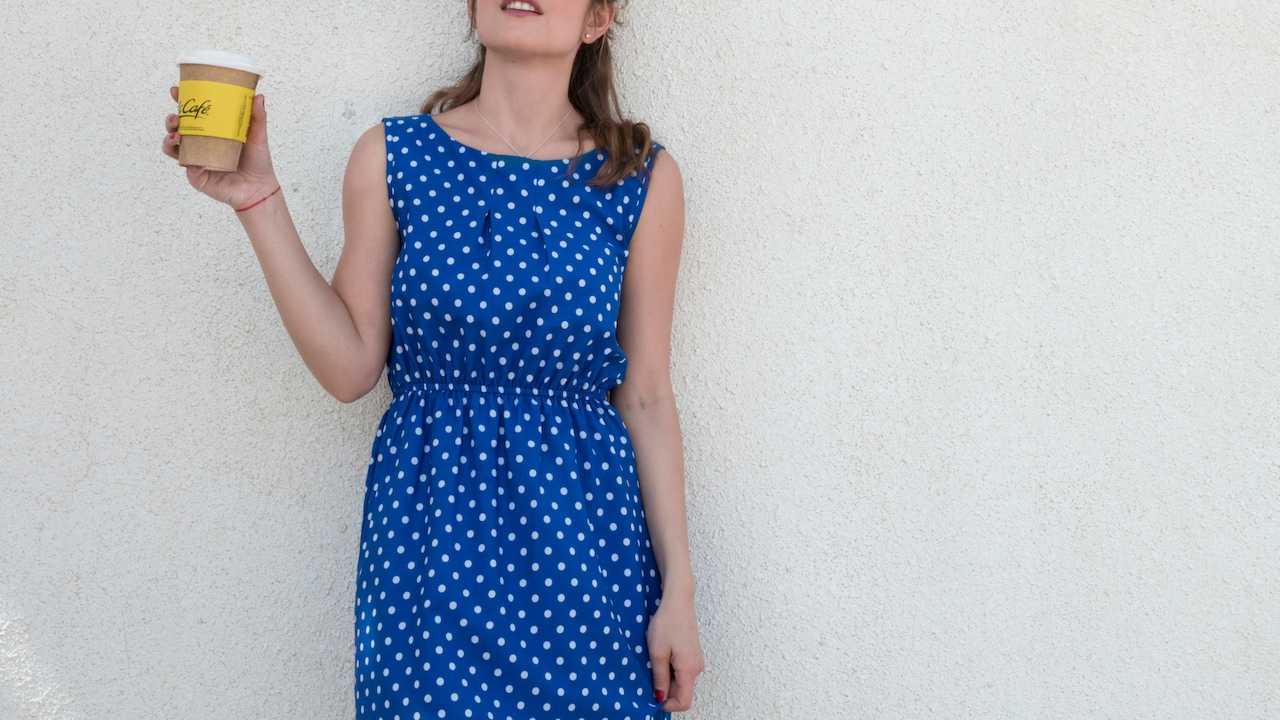
Wrap Dresses Fit Myth: Flattering for Everyone? Explained; Photo Credit: Pexels
The Psychological Appeal Of The Wrap Dress
Beyond design and fabric, the wrap dress holds emotional appeal. Many wearers describe feeling instantly polished when wearing one.
Part of this confidence comes from the ease of the design. The dress slips on quickly, ties at the waist and requires minimal styling. On rushed mornings, that simplicity feels priceless.
The wrap shape also allows movement. Walking through crowded streets, climbing stairs or attending long events becomes easier compared with rigid bodycon styles.
Cultural familiarity adds comfort too. The concept of wrapping fabric around the body echoes traditional garments worn across the country for generations. That familiarity subtly influences how the dress feels.
Confidence often transforms how clothing appears. A garment that feels comfortable naturally looks better because posture improves and movements feel relaxed.
Perhaps the wrap dress flatters many people because it encourages comfort rather than perfection.
Why Fashion Loves Universal Myths
The fashion industry thrives on simple promises. Statements such as “this dress suits everyone” make shopping easier and marketing stronger.
Consumers appreciate clarity. When standing inside a busy mall after a long workday, quick decisions feel appealing.
Universal myths also reduce hesitation. If a garment supposedly suits every body type, shoppers feel less nervous about trying it.
Yet fashion remains deeply personal. Two friends wearing identical dresses may look completely different due to posture, styling and confidence.
Designers understand this complexity, but advertising rarely highlights nuance. Simple messages sell faster.
The wrap dress myth survived because it contains partial truth. The design adapts more easily than many garments, but perfection still depends on fit and styling.
Recognising this difference helps shoppers approach fashion more realistically.
The Future Of Wrap Dresses In Modern Wardrobes
Despite debates around the myth, the wrap dress continues evolving. Designers experiment with asymmetrical hems, structured fabrics and hybrid silhouettes that blend wrap styles with shirt dresses.
Sustainable fashion also influences new designs. Many brands now produce wrap dresses using organic cotton or recycled fabrics.
The adjustable waist supports sustainability as well. A flexible fit allows garments to remain wearable even when body measurements change slightly.
Modern wardrobes increasingly prioritise versatility. A dress that transitions from office meetings to evening dinners holds strong value.
Wrap dresses deliver exactly that convenience. Paired with flats during the day and heels at night, the same outfit adapts effortlessly.
Rather than disappearing, the wrap dress appears poised to remain a wardrobe staple. Its adaptability suits busy lifestyles and evolving fashion preferences.
The myth may fade, but the dress itself shows no sign of leaving.
Products Related To This Article
1. Aayu Georgette Maxi Wrap Dress
2. StyleCast x Revolte Midi Dress
3. HERE&NOW Floral Print Ruffled Midi Dress
4. all about you Box Pleats Wrap Dress with Belt
5. Antheaa Women V-Neck Wrap Midi Dress
The wrap dress earned its legendary reputation for good reason. Few garments combine comfort, elegance and adaptability so effectively.
Yet the claim that it flatters everyone equally simplifies reality. Body proportions, fabric choice, neckline depth and styling all influence how the dress behaves.
For some people, the wrap dress truly feels transformative. The waist tie shapes the silhouette beautifully and the fabric drapes effortlessly.
Others may need minor adjustments, thoughtful layering or tailoring to achieve the same result.
Fashion rarely offers universal solutions. What matters more lies in understanding how garments interact with individual bodies.
The wrap dress succeeds not because it magically suits everyone, but because it offers flexibility. With the right fabric, fit and styling, it adapts to many wardrobes and occasions.
Perhaps that adaptability explains its enduring charm. The wrap dress does not promise perfection. Instead, it offers a possibility, tied neatly at the waist.
(Disclaimer: This article may include references to or features of products and services made available through affiliate marketing campaigns. NDTV Convergence Limited (“NDTV”) strives to maintain editorial independence while participating in such campaigns. NDTV does not assume responsibility for the performance or claims of any featured products or services.)