Why New Clothes Start Looking Tired Shockingly Fast Today: 10 Smart Ways To Buy Clothes That Actually Last
Fast fashion fades fast. From weak fabrics to poor stitching, modern clothes rarely last. These 10 smart shopping habits help build a wardrobe that stays stylish, durable, and worth every rupee.
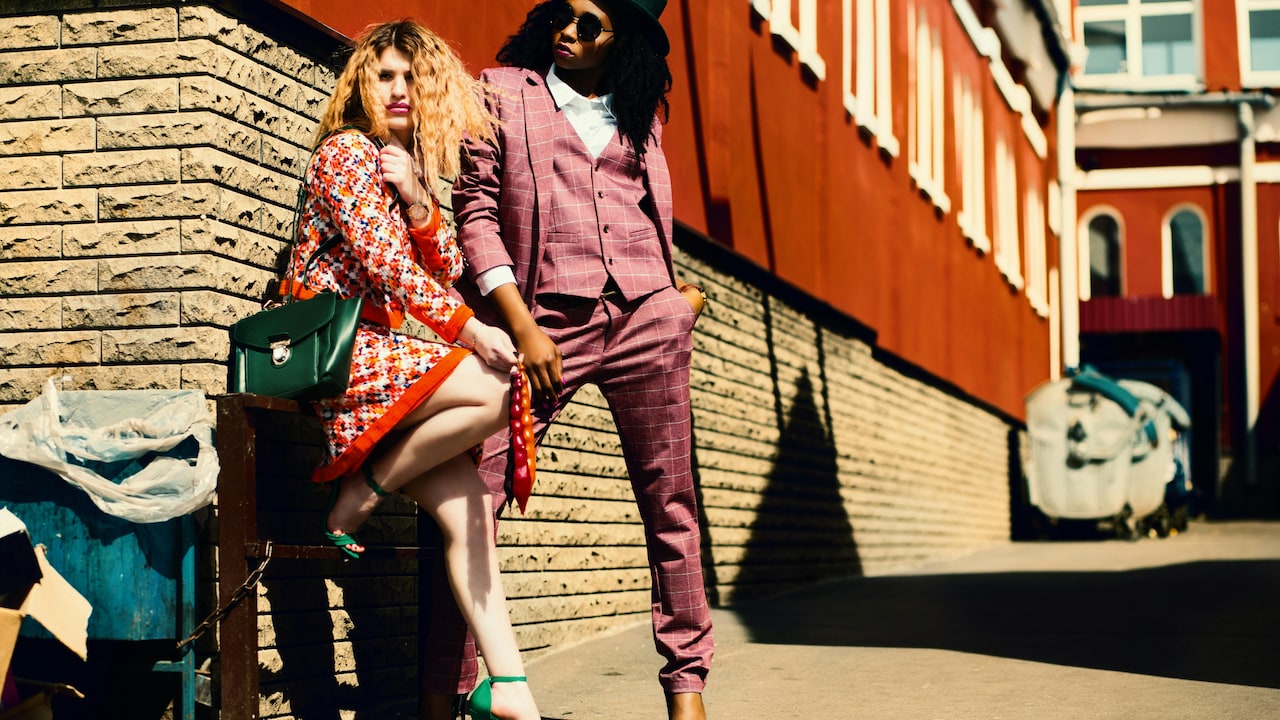
Sick Of Clothes Fading Fast? 10 Shopping Tricks For Long-Lasting Fashion
Buying clothes used to feel simple. A sturdy pair of jeans lasted for years. School uniforms survived playground battles, endless washes, and accidental paint disasters. Even a basic cotton T-shirt stayed wearable long enough to become a beloved “home clothes” favourite. Now things feel different. A trendy shirt may shrink after one hot wash. Kurtas lose colour before the next family gathering. Elastic waistbands surrender halfway through the season. Fashion moves faster than traffic near a busy market on a Saturday evening, and sadly, quality often gets left behind.

Sick Of Clothes Fading Fast? 10 Shopping Tricks For Long-Lasting Fashion
Photo Credit: Pexels
Many brands focus heavily on speed. New collections arrive every few weeks, pushing factories to produce more at lower costs. Fabrics become thinner. Stitching becomes weaker. Shoppers get tempted by huge discounts and stylish designs, only to discover the clothes barely survive regular use. It creates a frustrating cycle of buying, replacing, and spending again.
Yet lasting clothes still exist. Finding them simply requires sharper observation and a little patience. Expensive labels alone do not guarantee quality anymore. Sometimes a ₹1,200 shirt outlasts a ₹4,500 one because the fabric and construction are better.
A durable wardrobe does not mean dressing boringly. It means shopping smarter, noticing details most people ignore, and choosing pieces that continue looking fresh long after trends disappear. Here are ten practical ways to buy clothes that actually last.
Why Clothes Today Wear Out Faster Than Ever
Check Fabric Before Falling For Design
A beautiful outfit can become a complete disappointment if the fabric feels weak. Many shoppers focus on colour, fit, or brand name first, but fabric quality quietly decides how long clothes survive.
Natural fabrics like cotton, linen, wool, and denim usually age better when woven properly. Heavier cotton often lasts longer than paper-thin material that feels almost transparent under bright shop lights. Blended fabrics can also work brilliantly, especially when mixed thoughtfully. A little elastane adds comfort, while polyester can improve durability in activewear.
The trick lies in touching the fabric carefully. Rub it lightly between fingers. Does it feel overly rough or strangely plastic-like? Does it stretch oddly and fail to return to shape? Cheap fabric often reveals itself quickly.
Many trendy fast-fashion pieces rely on ultra-thin material because it reduces production costs. Sadly, these fabrics fade, pill, and lose shape rapidly. That ₹799 shirt may seem like a bargain until the collar twists after two washes.
Good fabric also reacts better to heat, sweat, humidity, and regular washing. In cities where temperatures climb aggressively for months, breathable materials matter even more. Clothes should survive real life, not just trial room lighting.
Examine Stitching Like A Tailor
Most people never inspect seams while shopping. They hold clothes against a mirror, check selfies, and move on. Meanwhile, poor stitching quietly predicts future disaster.
Strong stitching keeps clothes structured. Weak stitching creates loose threads, uneven hems, and embarrassing tears at exactly the wrong moment. Usually, during weddings, office presentations, or while climbing onto a crowded train.
Turn garments inside out whenever possible. Seams should look neat, tight, and consistent. Loose threads hanging everywhere signal rushed manufacturing. Uneven stitches often mean corners got cut during production.
Pay attention to stress points too. Areas around pockets, underarms, buttons, and zips face heavy pressure during daily use. Reinforced stitching in these sections usually indicates better craftsmanship.
Even premium-looking clothes can hide terrible construction. Some brands invest heavily in advertising and trendy storefronts but save money on manufacturing details that customers rarely notice immediately.
A quick two-minute inspection can prevent months of regret later. Think of it like checking tyres before a road trip. Nobody notices the importance until something suddenly bursts.
Well-stitched clothes also maintain shape longer. Trousers hang properly. Shirts sit better on shoulders. Dresses move naturally instead of twisting awkwardly after washing. Tiny details make a massive difference over time.
Stop Chasing Every Viral Trend
Fashion trends now move faster than streaming app recommendations. One week, oversized cargo trousers dominate social media. The next week, everyone suddenly wants minimalist neutrals. Constantly chasing trends usually leads to overflowing wardrobes filled with short-lived clothes.
Trend-heavy items often receive lower quality production because brands know their popularity may disappear quickly. There is little incentive to create lasting pieces when shoppers might stop wearing them within months.
Classic styles survive because they work repeatedly. A well-fitted white shirt, dark jeans, sturdy chinos, solid kurtas, or a versatile black dress remain useful across seasons and occasions. They also mix easily with trendier accessories later.
This does not mean dressing like an old family photograph. It simply means balancing fashion excitement with practical thinking. Buying one or two trend-focused pieces each season works far better than rebuilding an entire wardrobe every few months.
Smart shoppers also calculate “cost per wear”. A ₹3,500 jacket worn twice becomes expensive quickly. Meanwhile, a ₹2,000 pair of reliable jeans worn weekly for three years offers incredible value.
Clothes should support daily life rather than constantly demand replacement. Nobody enjoys opening a cupboard full of garments that suddenly feel outdated before the next festive sale arrives.
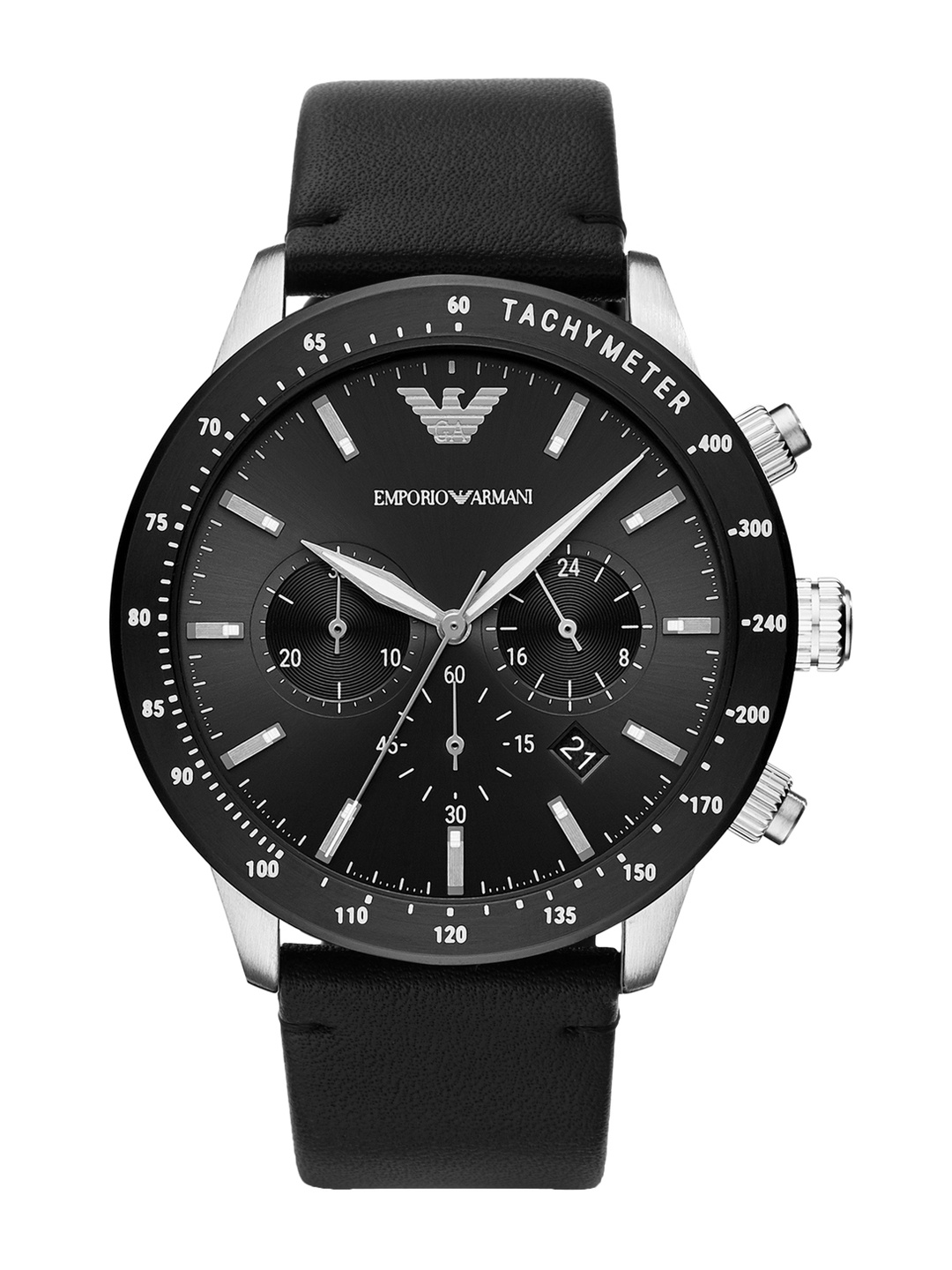
Also Read: Shop Statement Watches For Men At Up To 50% Off For Timeless Upgrades
Learn To Read Clothing Labels Properly
Tiny clothing labels often get ignored faster than terms and conditions online. Yet these small tags reveal crucial information about durability, care requirements, and overall quality.
Fabric composition matters enormously. A shirt labelled “100% cotton” behaves differently from one containing high synthetic content. Blends are not automatically bad, but understanding percentages helps predict longevity.
Care instructions also reveal how demanding an item may become. If clothes require complicated washing methods just to survive, daily use becomes frustrating quickly. Busy schedules rarely leave time for delicate handwashing rituals every weekend.
Look closely at washing temperature recommendations, too. Some low-quality dyes fade rapidly under normal washing conditions. Others shrink dramatically even with mild care.
Country of manufacture can occasionally provide clues, though quality now varies everywhere. More important is consistency in finishing and labelling. Brands that provide detailed fabric and care information usually pay greater attention to production standards overall.
Labels may also mention special treatments like pre-shrunk fabric or anti-pilling technology. These details genuinely improve long-term wear when done properly.
Ignoring labels often leads to accidental damage later. Many wardrobes contain at least one tragic story involving a favourite outfit shrinking into child-sized proportions after one careless wash. Some lessons arrive painfully.

Sick Of Clothes Fading Fast? 10 Shopping Tricks For Long-Lasting Fashion
Photo Credit: Pexels
Choose Fit Over Fancy Branding
Logos have become status symbols. Yet giant brand names printed across clothing do not magically improve durability. Sometimes, heavily branded clothes actually rely more on marketing than craftsmanship.
Fit matters far more than flashy labels. Well-fitting clothes experience less strain during movement, reducing wear and tear naturally. Overly tight garments stretch seams constantly. Extremely loose clothes often lose shape faster.
Try moving properly in the trial rooms. Sit down. Lift arms. Walk naturally. If clothes already feel uncomfortable under bright shop lighting and calm conditions, imagine surviving long office hours, crowded events, or summer heat.
A good fit also improves appearance dramatically. A perfectly fitted ₹1,500 shirt often looks sharper than an expensive designer piece sitting awkwardly on the body.
Tailoring can help enormously, too. Spending ₹200 adjusting trouser length or waist fit may extend the life and wearability of clothes significantly. Small alterations transform average purchases into wardrobe favourites.
Many shoppers buy poorly fitting clothes because discounts seem irresistible. Then those items remain untouched in cupboards while reliable favourites get worn repeatedly.
Confidence rarely comes from giant logos alone. Comfortable, flattering clothes naturally look better and stay useful longer.
Pay Attention To Hardware Quality
Buttons, zips, hooks, and elastic rarely receive much attention until they fail publicly. Then suddenly they become the most important thing in the world.
Cheap zips break astonishingly fast. Weak buttons loosen after minimal use. Poor elastic stretches permanently within months. These small details often determine whether clothes remain wearable.
Test zips carefully while shopping. They should glide smoothly without snagging. Buttons should feel securely attached, not hanging desperately by a few threads. Metal hardware generally outlasts flimsy plastic alternatives.
Check trouser waistbands too. Weak elastic ruins comfort quickly, especially in frequently worn casual clothes or activewear. Good elastic should feel firm but flexible.
Many shoppers blame themselves for damaging clothes when the real problem lies in low-quality components from the start. No amount of careful washing can rescue a terrible zip.
Strong hardware also signals better manufacturing standards overall. Brands willing to spend slightly more on durable buttons and quality fasteners often invest more carefully in stitching and fabric, too.
Think about handbags as well. Weak straps and poor metal clasps frequently destroy otherwise attractive bags within months. The frustration feels particularly painful after spending several thousand rupees.
Tiny details quietly separate clothes built for temporary display from clothes designed for real life.
Avoid Buying Clothes Purely During Massive Discounts
Huge discount signs trigger excitement instantly. “Flat 70% Off” can make perfectly sensible adults behave like contestants in a shopping game show. Yet heavy discounts sometimes hide poor quality or outdated stock.
Not every sale item is bad. Some offer genuine value. The problem begins when shoppers buy clothes simply because prices appear irresistible.
A ₹900 shirt nobody truly likes remains a waste of ₹900. Cheap clothes worn twice cost more emotionally and financially than quality clothes worn repeatedly.
Massive sale racks often contain garments with weak stitching, awkward fits, or strange fabric blends that failed to attract buyers earlier. Fast-fashion brands especially use aggressive discounts to clear short-lived inventory quickly.
Before buying discounted clothes, ask one simple question: “Would this still feel worth buying without the sale sign?” If the answer feels uncertain, walk away.
Smart shoppers create wardrobes slowly instead of impulsively. They prioritise durability, versatility, and comfort over temporary excitement.
Festival sales and end-of-season offers work best when shoppers already know exactly what they need. Entering sales without a plan often leads to random purchases and future regret hiding inside cupboards.
Shopping should feel satisfying long after payment happens, not disappointing by the second wash.
Wash Clothes Properly To Make Them Last Longer
Even excellent clothes suffer when treated carelessly. Many garments die young because washing habits become too aggressive.
Overwashing damages fibres gradually. Not every outfit needs immediate laundering after a few hours of wear. Jackets, jeans, and certain shirts survive perfectly well with airing out between uses.
Sorting clothes properly matters too. Dark colours bleed onto lighter fabrics surprisingly often. Heavy items like jeans can damage delicate materials during machine cycles.
Excess detergent creates another common problem. More soap does not equal cleaner clothes. Instead, residue builds up and weakens fibres over time.
Heat also destroys fabrics faster. Extremely hot water fades colours, shrinks cotton, and weakens elasticity. Gentle washing preserves appearance far longer.
Drying habits matter equally. Harsh sunlight can fade vibrant colours quickly, especially during intense summer afternoons. Delicate garments often last longer when dried in the shade.
Many people spend thousands building wardrobes yet ignore basic clothing care entirely. It resembles buying a beautiful car and never servicing it.
Simple habits dramatically increase longevity. Clothes maintain colour, shape, and softness much longer when treated thoughtfully.
Invest In Fewer Better Pieces
Modern shopping culture constantly encourages quantity. More tops. More shoes. More jackets. More options for every possible occasion. Yet overcrowded wardrobes often contain surprisingly few truly reliable pieces.
Buying fewer high-quality clothes usually works better financially over time. A durable ₹4,000 pair of shoes lasting four years offers better value than repeatedly replacing ₹1,200 pairs every few months.
Better clothes also tend to feel more comfortable. Fabrics breathe properly. Fits improve. Stitching holds together. Daily wear becomes easier instead of irritating.
This approach reduces clutter, too. Cupboards become manageable rather than chaotic mountains of forgotten purchases and “maybe someday” outfits.
Building a strong wardrobe slowly creates better decision-making habits. Shoppers become more selective, noticing quality details more carefully.
The emotional side matters as well. Favourite clothes often carry memories. A trusted jacket worn during road trips or celebrations becomes more meaningful over time than disposable trend purchases.
Owning fewer but better things feels surprisingly freeing. Mornings become simpler. Shopping becomes intentional rather than impulsive.
Quality rarely screams loudly from store displays. Often it hides quietly among simpler pieces overlooked by hurried shoppers chasing dramatic trends.
Trust Your Instincts While Shopping
Sometimes clothes simply feel wrong immediately. The fabric scratches slightly. The fit seems awkward. The stitching looks suspicious. Yet shoppers still buy the item because sales staff insist it “looks amazing”.
Trusting instincts prevents many poor purchases.
If something already feels uncomfortable inside an air-conditioned store, real-world use probably becomes worse. Clothes should inspire confidence, not uncertainty.
Impulse buying also increases when shopping emotionally. Stress, boredom, or frustration often lead people toward unnecessary purchases. Suddenly, another pair of nearly identical black trousers appears at home for absolutely no logical reason.
Taking time helps enormously. Walk around the shop. Compare options. Try different sizes. Think about how often the item realistically fits daily life.
Reliable clothes usually create an immediate sense of ease. The fabric feels right. The fit works naturally. Movement feels comfortable.
Good shopping resembles choosing long-term companions rather than short-term entertainment. The goal is not simply filling wardrobes but building collections that continue serving well through changing seasons and busy routines.
The smartest shoppers rarely rush. They observe carefully, choose thoughtfully, and avoid getting distracted by flashy marketing tactics.

Sick Of Clothes Fading Fast? 10 Shopping Tricks For Long-Lasting Fashion
Photo Credit: Pexels
Products Related To This Article
1. Suo Men Loose Fit Easy Wash Trousers
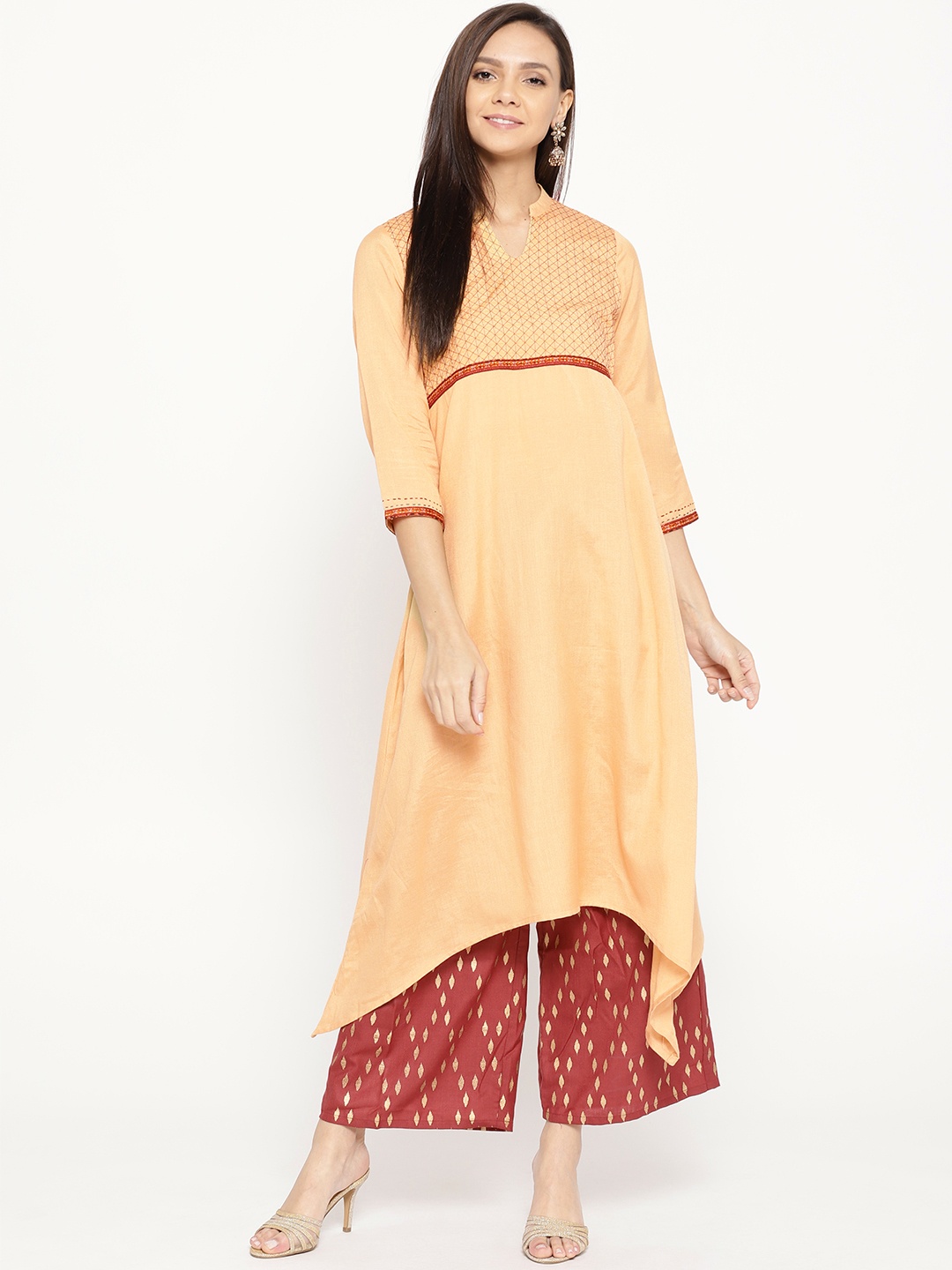
2. BELLO DONA CLOTHING Women Striped Mandarin Collar Cotton Top
3. ELAROO CLOTHING Men Pinstripes Striped Casual Shirt
4. Akashi Clothing Printed Cotton Shirt Style Top
5. Being Human Clothing Men Slim Fit Casual Shirt
6. Chhaya Gandhi Design Studio Wrap Top
7. Banana Club Men Relaxed Corduroy Trousers
Clothes today often age faster because modern fashion prioritises speed, volume, and trends over lasting quality. Yet shoppers are far from powerless. A few smarter habits can completely transform how wardrobes perform.
Checking fabric carefully, inspecting stitching, understanding labels, and resisting impulsive discounts all help separate durable clothes from temporary disappointments. Proper washing and thoughtful shopping matter just as much as the purchase itself.
The goal is not perfection or luxury. It is practicality. Clothes should survive daily life comfortably while still looking good months later. Nobody wants a shirt that behaves beautifully for exactly three Instagram photos before collapsing emotionally and structurally.
A reliable wardrobe saves money, reduces waste, and removes endless frustration from shopping. Better clothes often feel better too, bringing confidence that lasts far beyond the latest trend cycle.
Fashion may keep moving faster every year, but smart shopping never goes out of style.
(Disclaimer: This article may include references to or features of products and services made available through affiliate marketing campaigns. NDTV Convergence Limited (“NDTV”) strives to maintain editorial independence while participating in such campaigns. NDTV does not assume responsibility for the performance or claims of any featured products or services.)