Why Do Denim Jackets Never Seem To Go Out Of Style
Denim jackets have stayed a wardrobe staple for decades now. Here is why they never go out of style, plus how to style one for every occasion and season.
Why Do Denim Jackets Never Seem To Go Out Of Style
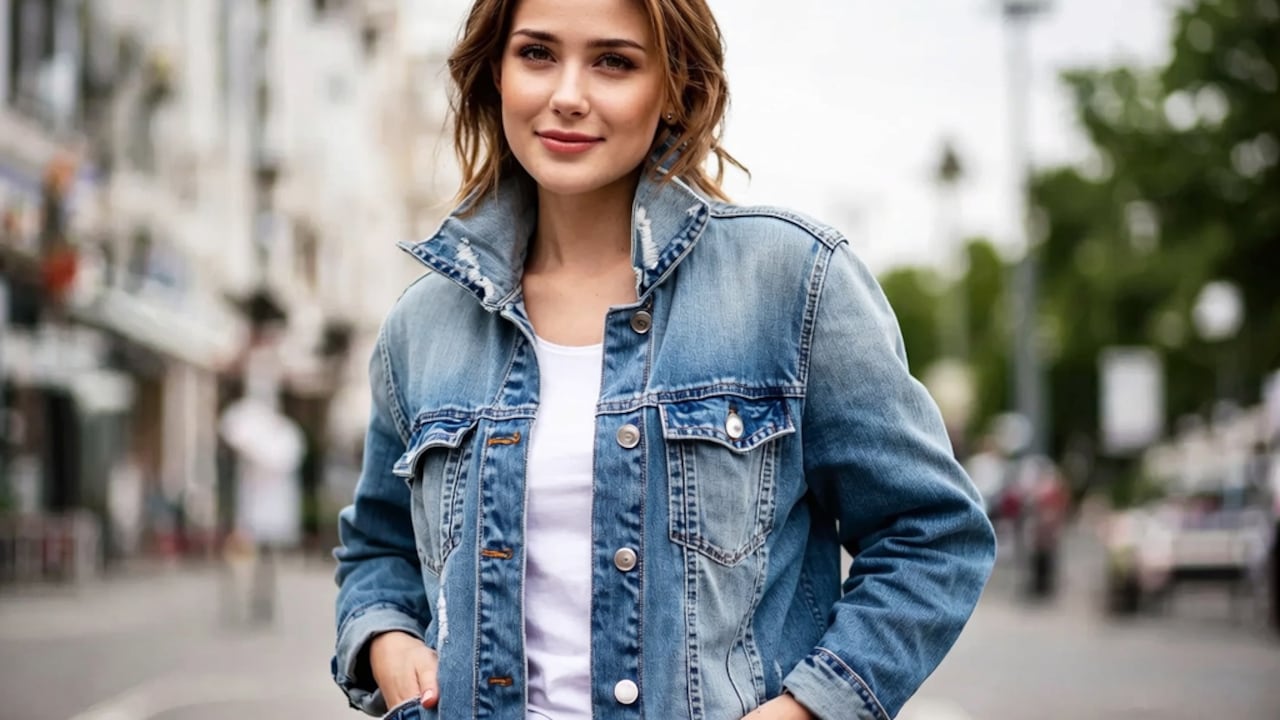
Open any wardrobe, old photo, or Bollywood flashback from the last three decades, and you're likely to find a denim jacket somewhere in it. Trends surrounding it keep shifting. The jacket itself barely does. If you've ever wondered why this one jacket keeps showing up season after season while everything else gets replaced, you're not alone. Denim jackets stick around for reasons that go beyond nostalgia, from the fabric's durability to the silhouette's flexibility.
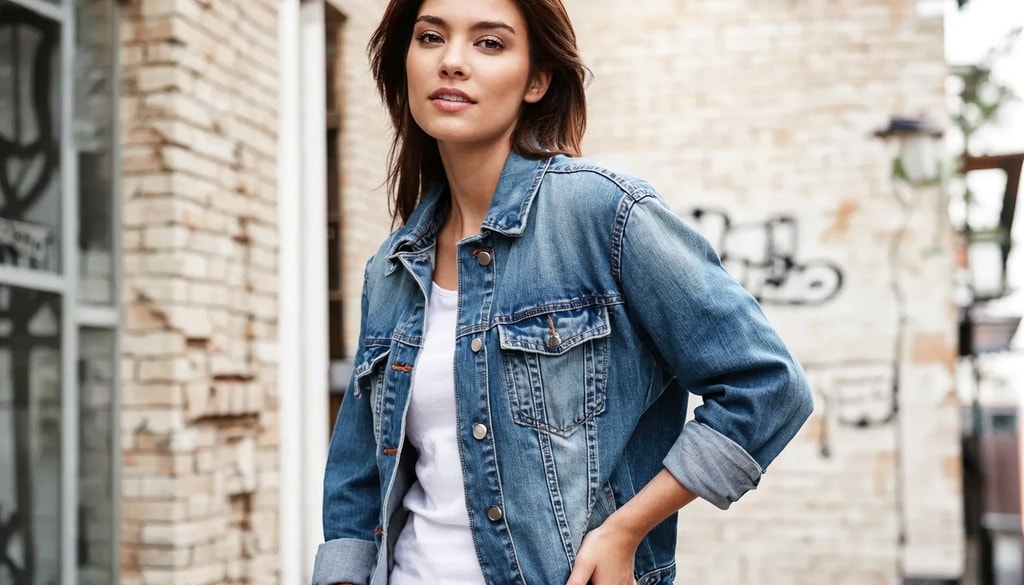
Discover why the classic denim jacket remains a versatile wardrobe staple for every single occasion.
Photo Credit: iStock
Below is a practical look at why the denim jacket holds on, how to actually style it, and which options are worth picking up right now.
Why do denim jackets never go out of style?
A denim jacket survives changing trends mainly because it was never built around one trend to begin with. The fabric itself, sturdy cotton twill, ages well instead of falling apart, and the classic silhouette, collar, button front, and chest pockets don't scream any particular decade. Add to that the fact that it works across genders, age groups, and body types without needing a redesign, and you've got a piece that fashion cycles simply don't have much leverage over. It's less of a trend and more of a wardrobe constant that trends tend to revolve around.
Common mistakes that make a denim jacket look off
One of the most common errors people make is buying a size too large and thinking it will work as an intentionally oversized fit. There's a difference between deliberately roomy and just baggy, and it shows at the shoulders. If the seams are sliding down your arm, the jacket is too big, and no amount of rolling the sleeves fixes that.
Another common issue is matching the jacket's wash too closely to the jeans. Denim-on-denim works, but it needs contrast between the two pieces. A dark jacket with light jeans or the reverse reads as deliberate. The same-shade top and bottom read as a matching set, which is a harder look to pull off than it appears.
Leaving it completely unbuttoned all the time is also a habit worth reconsidering. Buttoning just the middle one or two buttons changes the silhouette and gives the jacket a bit more shape. It's a small adjustment that makes the outfit look more considered without any real effort.
How to style a denim jacket for every occasion
A denim jacket adapts fast once you know which combination fits the moment. Here's how to make it work across the situations that come up most often.
Step 1: Over a kurta or ethnic wear
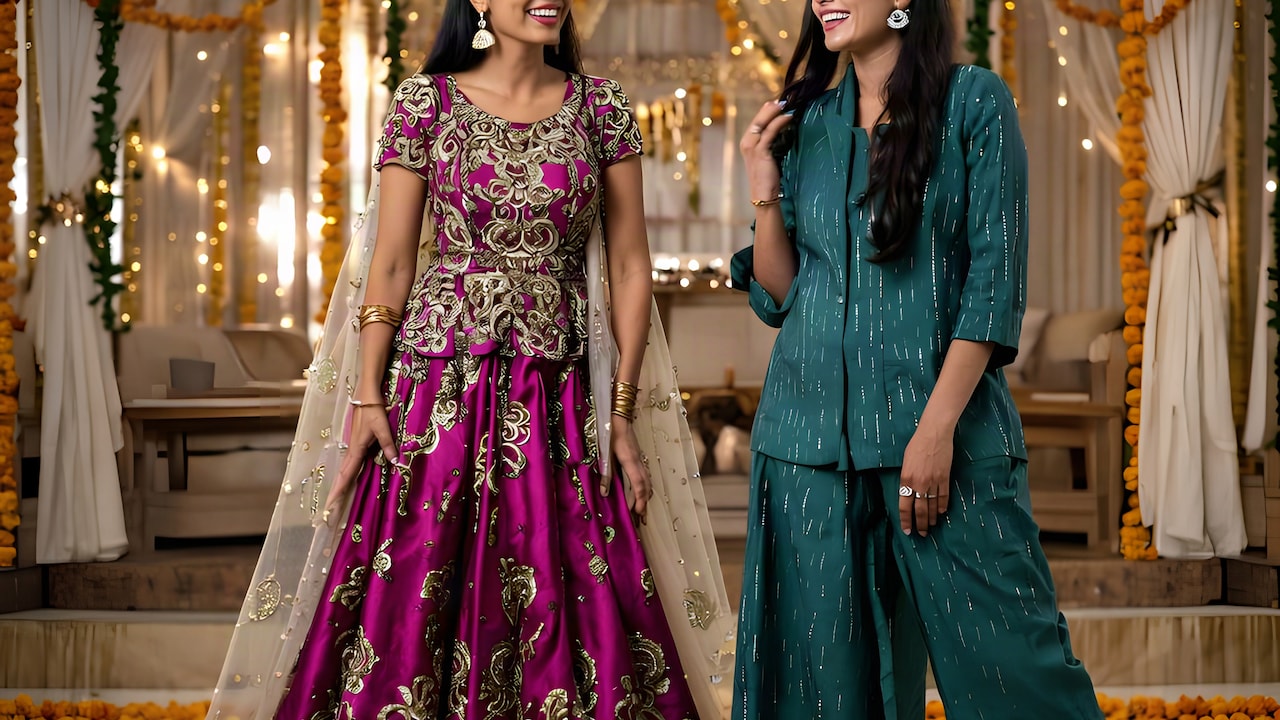
Throw a denim jacket over a plain or lightly printed kurta for an effortless fusion look. It cuts the formality of ethnic wear just enough to make it feel everyday rather than occasion-only.
Step 2: Paired with a dress
A cropped denim jacket over a summer dress balances out the softness of the fabric with something a bit more structured. This works particularly well when the weather turns cooler in the evening but a full jacket feels like overkill.
Step 3: Layered over a hoodie
For a casual, street-style look, layer a relaxed-fit denim jacket over a hoodie. The two textures play off each other, and the combination handles a chilly morning without looking like you tried too hard.
Step 4: With ripped or straight-fit jeans
Denim-on-denim works better than people expect, as long as the washes don't match exactly. A darker jacket with lighter ripped jeans, or the reverse, avoids looking like a matching set and reads as more deliberate.
Step 5: Dressed up for office-casual days
A well-fitted denim jacket over a collared shirt or a simple top can work for office-casual settings, especially paired with trousers rather than jeans. It appears polished without becoming too formal.
Step 6: Accessorised with boots or sneakers
Footwear changes the whole tone. Boots push the look toward edgy or western, while clean white sneakers keep it relaxed and everyday. The jacket stays the same. The rest of the outfit does the shifting.
Step 7: Over gym or athleisure wear
On cooler days, a denim jacket thrown over joggers and a fitted tee works as a quick outer layer for the walk to the gym or back, without needing a separate jacket just for that short stretch.
Step 8: Layered for seasonal transitions
During the shift between seasons, a denim jacket often does the job a heavier coat would later in the year. It's warm enough for a cool evening without being excessive, which makes it the easiest layer to grab without checking the weather twice.
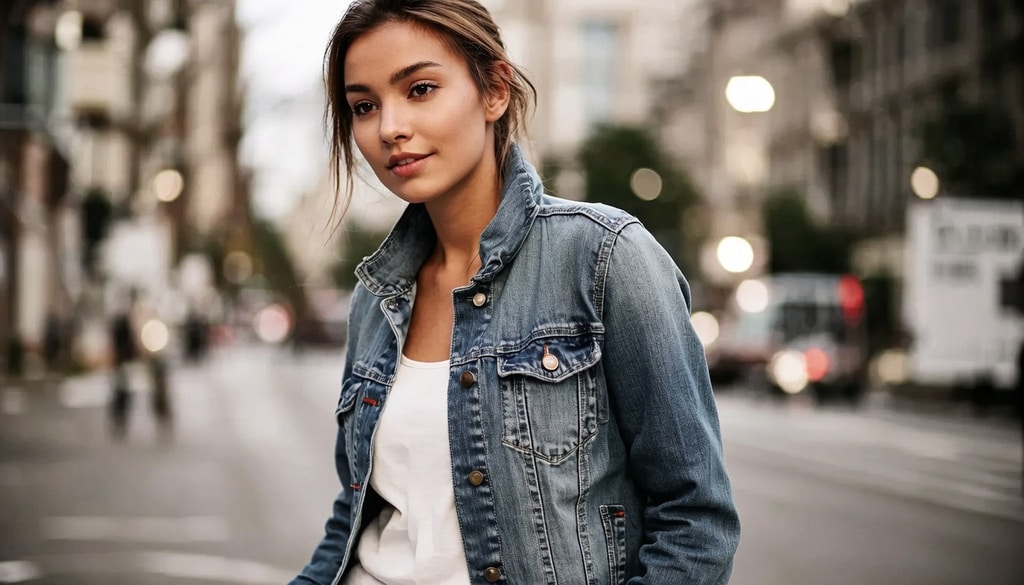
Master the art of styling a timeless denim jacket for any occasion and every season.
Photo Credit: istock
Some denim jacket options you may like
1. Urbano Plus Men Plus Size Black Relaxed Fit Full Sleeve Harrington Denim Jacket
2. Kiddopanti Boys' Blue Washed Crop Denim Jacket With Badge
3. Sassafras Women's Blue Solid Denim Jacket
4. Pantaloons Junior Boys Denim Jacket
5. Tokyo Talkies Women Denim Jacket
6. The Roadster Life Co. Pure Cotton Denim Jacket
7. The Indian Garage Co. Men's Black Typography Lightweight Cotton Denim Jacket
8. Hrikshika Fashion Women's Washed Denim Jacket
Fit changes how a denim jacket reads more than almost any other factor. An oversized fit leans casual and streetwear-adjacent, a cropped fit works better with higher-waisted bottoms and dresses, and a classic relaxed fit sits in the middle, which is why it remains the most commonly picked option across age groups.
Getting the fit right also affects how long the jacket stays in rotation. A well-fitting jacket at the shoulders and the right length gets worn constantly, while an awkward fit gets pushed to the back of the closet, no matter how excellent the wash or denim quality is.
Frequently Asked Questions (FAQs)
1. Why does a denim jacket suit almost every body type?
The classic silhouette isn't fitted too closely anywhere, which means it sits reasonably well across different shapes without needing major tailoring.
2. Can a denim jacket be worn in warmer weather?
A lightweight cotton denim jacket works fine as an early-morning or evening layer even in warmer months, as long as it's not a heavier winter-weight fabric.
3. Should the jacket colour match the jeans?
No. A slightly different wash between the jacket and jeans looks more put-together than an exact match, which can look accidental rather than styled.
4. How do I keep a denim jacket looking new for longer?
Wash it inside out on a cold cycle and air dry it, since heat and frequent washing are what cause denim to fade and wear out fastest.
5. Is a cropped or full-length denim jacket more versatile?
A full-length relaxed fit tends to work across more outfits and occasions, while a cropped fit suits a narrower range built around dresses and high-waisted bottoms.
(Disclaimer: This article may include references to or features of products and services made available through affiliate marketing campaigns. NDTV Convergence Limited (“NDTV”) strives to maintain editorial independence while participating in such campaigns. NDTV does not assume responsibility for the performance or claims of any featured products or services.)