How To Choose A Sewing Machine That Works On Denim, Knits And Fine Fabrics
Choose the right sewing machine for denim, knits and fine fabrics by comparing motor strength, stitch options, fabric feeding, tension control and essential accessories.
How To Choose A Sewing Machine For Denim, Knits And Fine Fabrics
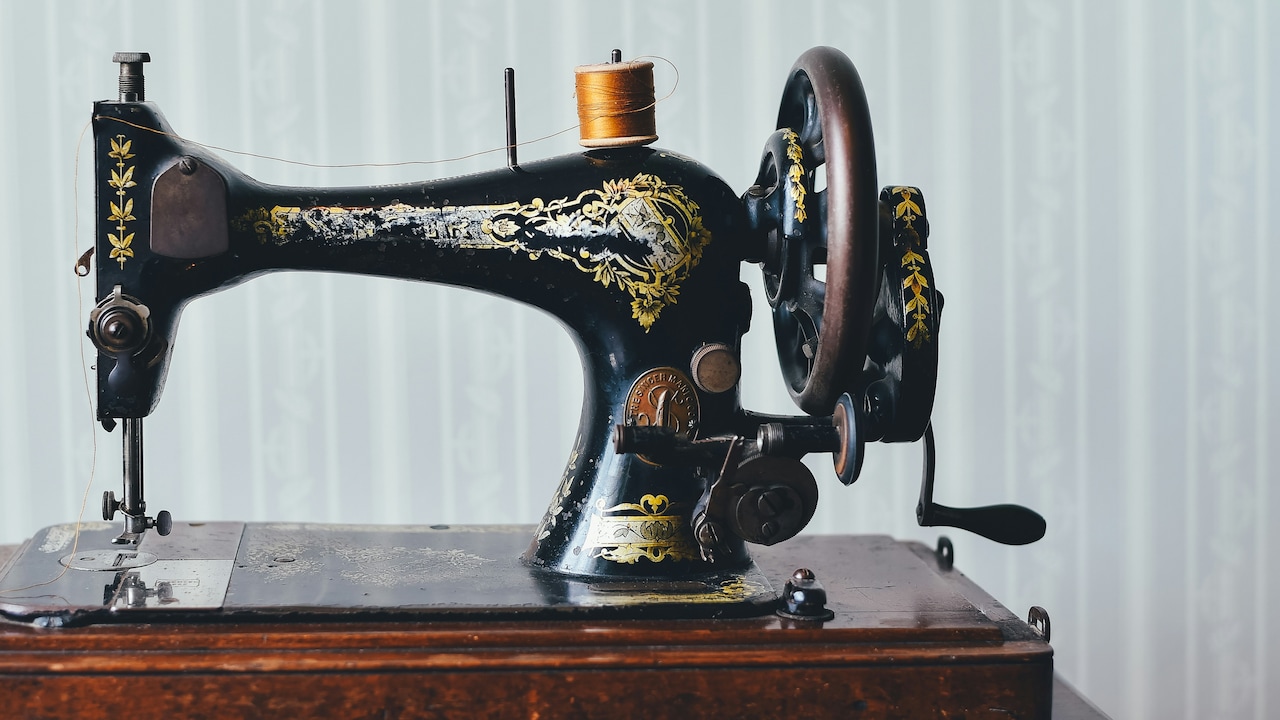
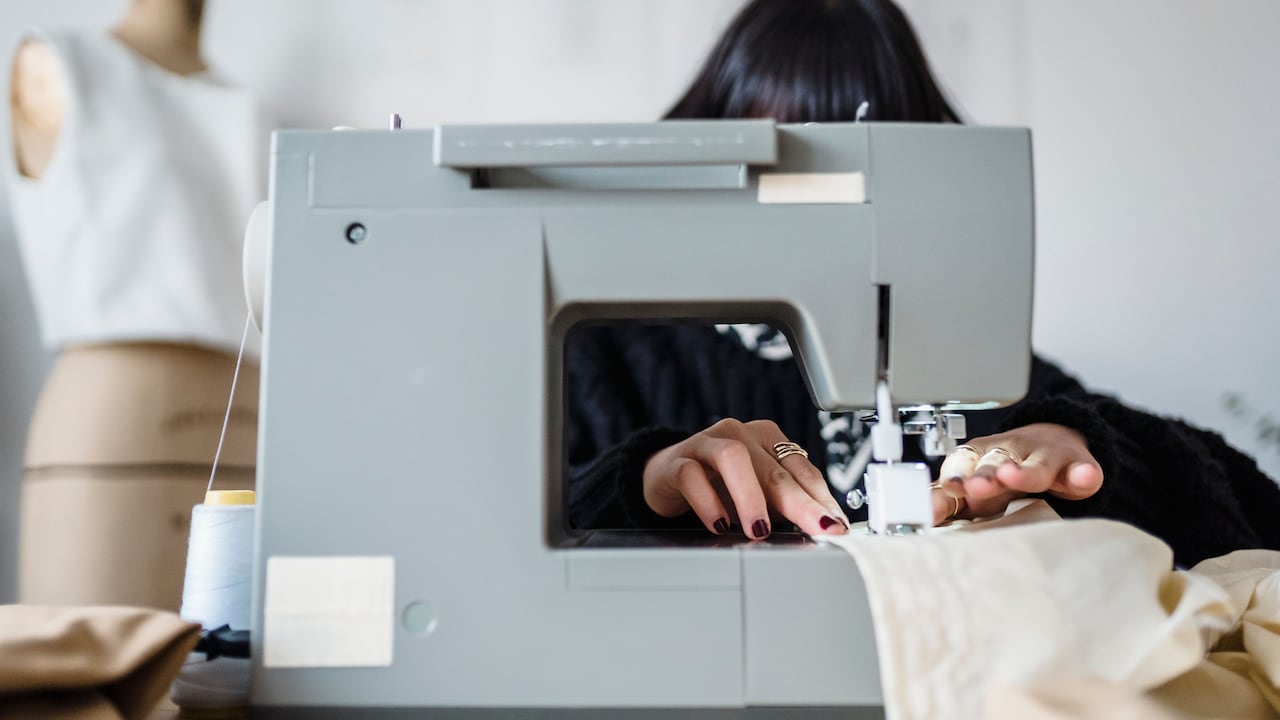
Choosing a sewing machine often feels simple until three very different fabrics land on the cutting table. Denim demands strength. Knits need flexibility. Fine fabrics call for a gentle touch. A machine that performs beautifully with one material may behave like a stubborn auto-rickshaw in rush-hour traffic when faced with another. The good news is that home sewists do not need three separate machines. A well-designed model, paired with suitable needles, feet and settings, can manage everything from sturdy tote bags to soft T-shirts and festive chiffon dupattas. The challenge lies in recognising which features genuinely matter and which ones merely make the brochure look impressive.
How To Choose A Sewing Machine For Denim, Knits And Fine Fabrics
Photo Credit: Pexels
A large stitch library may sound exciting, but it cannot compensate for weak feeding, poor tension control or an unreliable motor. Likewise, the most expensive machine on the shelf may offer more technology than a beginner will ever use.
Before comparing prices, think about the fabrics that will appear most often in your projects. Consider how much control you want, how frequently you sew and whether local servicing is available. The following ten factors will help you choose a dependable sewing companion for denim, knits and fine fabrics alike.
Key Factors To Consider Before Buying
Match The Machine To Your Regular Projects
Begin with the projects you genuinely plan to sew, not the ambitious wardrobe that exists only in a saved inspiration folder. Someone who repairs jeans, makes cushion covers and stitches canvas organisers needs a machine with strong penetration power. A person creating T-shirts, leggings or baby clothes needs stretch stitches and smooth fabric feeding. Delicate garments in georgette, organza or satin require accurate tension and controlled speed.
Write down your five most likely projects. This simple exercise prevents attractive but unnecessary features from taking over the decision. A machine with hundreds of decorative patterns may look impressive, yet those patterns offer little value when the motor struggles with folded denim seams.
For mixed sewing, choose a versatile domestic model rather than an ultra-light basic machine. Entry-level machines priced around ₹7,000 may work well for simple cotton projects, but frequent denim sewing can push them beyond their comfort zone. A reliable mid-range machine often costs between ₹12,000 and ₹30,000, depending on its controls and accessories.
Your machine should suit everyday reality. Buy for the fabric stack near your sewing table, not for a fantasy fashion studio.
Check Motor Strength And Piercing Power
Denim does not simply need a fast machine; it needs steady torque. Several layers often meet at hems, pockets and side seams. A weak motor may slow down, skip stitches or make an unhappy buzzing sound when the needle reaches a bulky junction.
Look for a machine described as heavy-duty or suitable for thicker materials, but do not trust labels alone. Ask for a demonstration using folded denim similar to the fabric you plan to sew. The machine should move through the layers without forceful hand-wheel turning or dramatic needle bending.
A metal internal frame usually offers better stability than a very light plastic build. Weight can also reveal useful clues. A solid machine stays planted on the table instead of dancing towards the edge during faster stitching.
However, power should remain controllable. Fine fabrics need a calm start, not a sudden leap. Machines with electronic speed control often balance strength and sensitivity well. They allow slow stitching through delicate sections while retaining enough power for thicker seams.
Think of the motor as the heart of the machine. It should handle pressure without becoming noisy, hot or temperamental halfway through a project.
Look For Adjustable Presser-Foot Pressure
Presser-foot pressure controls how firmly the machine holds fabric against the feed dogs. This feature may sound minor, but it makes a remarkable difference when switching between denim, knits and fine fabrics.
Thick denim usually needs firm, even contact so the layers move together. Knits may stretch or ripple when the foot presses too hard. Chiffon and other fine materials can pucker, shift or develop marks under excessive pressure. Adjustable pressure lets the machine respond to each fabric rather than treating every material like plain cotton.
Some mechanical models use a dial or screw at the top. Computerised machines may adjust pressure through a menu. Either method works well when the settings offer noticeable variation.
Test the machine with a soft jersey strip. The fabric should feed without turning the seam into a wavy noodle. Then try a delicate fabric. It should remain smooth, with no obvious drag lines.
Many budget machines come with fixed presser-foot pressure. They can still sew different materials with careful technique, but they offer less freedom. For a mixed-fabric wardrobe, adjustable pressure saves frustration and reduces the need for improvised solutions involving tissue paper, starch or stern words.
How To Choose A Sewing Machine For Denim, Knits And Fine Fabrics
Photo Credit: Pexels
Prioritise Useful Stretch Stitches
Knitted fabrics expand with movement, so their seams must stretch too. A standard straight stitch may look neat at first, then snap when the garment slips over a shoulder or bends at the knee.
Choose a machine with at least one dependable stretch option. A narrow zigzag works for many knit seams, while a lightning stitch provides flexibility with a straighter appearance. A three-step zigzag helps with elastic and edge finishing. Some machines also include an overcasting stitch that creates a tidy finish without a separate overlocker.
Do not get distracted by machines advertising two hundred stitch patterns. Most sewists rely on a small group of practical stitches. What matters is whether the stitch width and length can be adjusted. Fine control lets you match the seam to lightweight jersey, rib knit, fleece or interlock.
During a shop demonstration, stretch the stitched sample gently. The thread should move with the fabric instead of breaking. Check the reverse side too. Loose loops may signal poor tension or unsuitable threading.
A good stretch stitch turns knit sewing from a risky experiment into an enjoyable project. It also opens the door to comfortable clothes that people actually reach for on busy mornings.
Examine The Feed System Carefully
Feed dogs are the small metal teeth beneath the presser foot. They move fabric through the machine. When they work evenly, seams stay smooth, and layers remain aligned. When they struggle, fabric creeps, gathers or wanders away from the seam allowance.
Denim benefits from strong feeding, particularly where several layers overlap. Knits need balanced movement without stretching. Fine fabrics require gentle, precise handling so the edges do not twist.
Look for machines with multiple feed-dog points or a box-feed mechanism. These systems maintain contact with the fabric for longer during each stitch cycle. Some models include a walking foot or offer one as an accessory. A walking foot feeds the upper layer along with the lower layer, making it useful for thick hems, slippery fabrics and matching checks.
Bring fabric scraps when testing a machine. Sew two layers together and inspect whether the edges still match at the end. Try a curved seam as well as a straight one.
Reliable feeding matters more than flashy lettering stitches. It keeps the fabric moving at the correct pace while your hands guide rather than pull. That difference protects both the seam and the needle.
Choose Precise Tension And Speed Controls
Thread tension determines how the upper and lower threads meet inside the fabric. Correct tension creates balanced stitches. Poor tension leaves loops, puckers or tight lines that make even careful sewing look rushed.
Fine fabrics expose tension problems quickly. A setting that works on denim may pull lightweight satin into tiny ridges. Knits can also develop tunnelling when the tension remains too tight. Choose a machine with an accessible tension dial or clear digital control, then check whether changes produce predictable results.
Speed control deserves equal attention. A foot pedal that jumps from stillness to full speed can make delicate seams difficult. Machines with a speed-limiting slider provide greater confidence, especially for beginners. Slow stitching helps around necklines, narrow hems and bulky denim crossings.
Test the pedal before buying. It should respond smoothly to light pressure. The machine should also maintain enough piercing strength at a slower speed. Some inexpensive models lose momentum when slowed down, which defeats the purpose.
Good controls feel calm and logical. They let the sewist concentrate on the fabric rather than fight the machine. Precision may not sound exciting in a showroom, but it becomes priceless when finishing a silk blouse late at night.
Confirm Needle Compatibility And Easy Changes
No machine can perform well with the wrong needle. Denim needles have strong shafts and sharp points. Ballpoint or stretch needles slide between knit fibres without cutting them. Microtex needles have fine, sharp points that create clean stitches in delicate or tightly woven fabrics.
Choose a machine that accepts commonly available domestic needle systems. Standard compatibility makes replacements easier to find in local sewing shops and online. Avoid models that depend on rare or brand-specific needles unless the supplier guarantees steady availability.
The needle clamp should feel secure and easy to access. Changing needles must not require awkward balancing or unusual tools. Since mixed-fabric sewing demands frequent needle changes, convenience matters more than expected.
Check the machine's manual for supported needle sizes. Heavy denim may require a size 16 or 18 needle, while fine fabrics often need size 60/8 or 70/10. The machine should accommodate that range safely.
Remember to change needles regularly. A dull needle can cause skipped stitches, fabric damage and mysterious knocking sounds. Needles cost far less than ruined fabric. Treat them like pressure-cooker gaskets: small, inexpensive and capable of causing unnecessary drama when ignored for too long.
Also Read: Gold Trim Fountain Pens: Timeless Gift Or Outdated Office Accessory?
Assess Presser Feet And Fabric Clearance
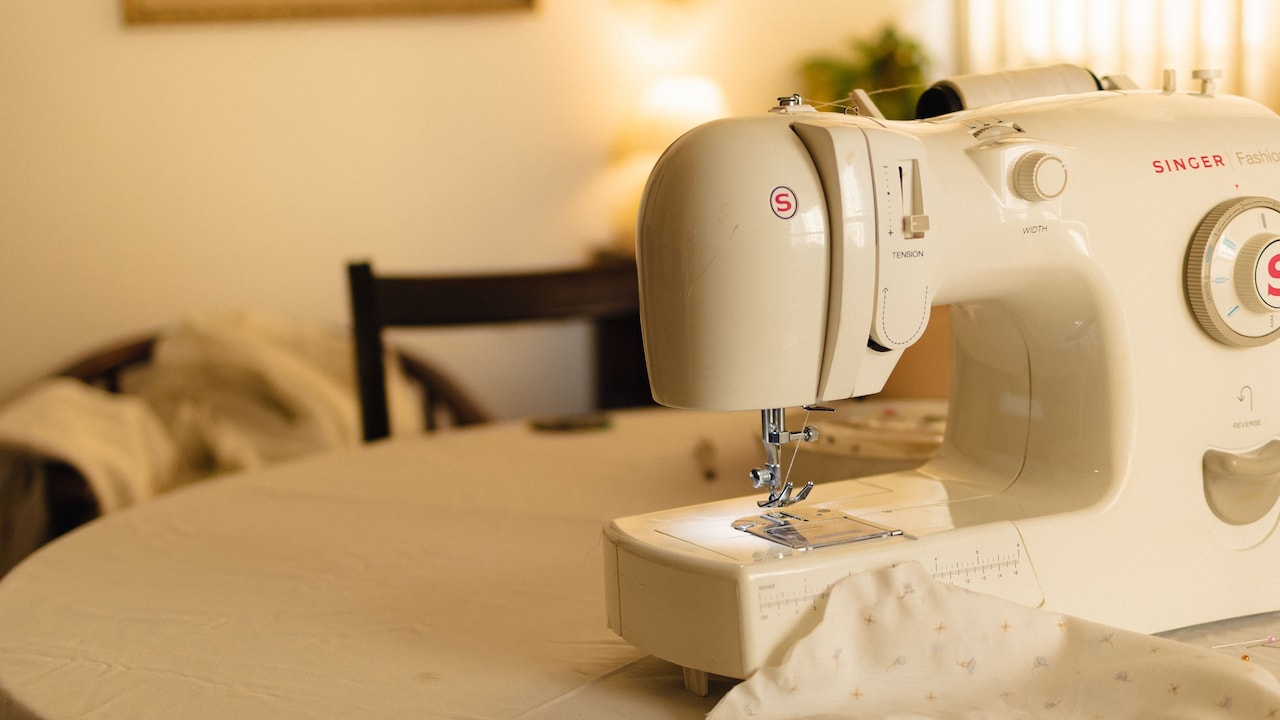
Presser feet shape how the machine handles specific tasks. A standard foot covers everyday stitching, but mixed fabrics benefit from a few thoughtful additions. A walking foot helps feed denim layers and slippery materials. A roller foot moves smoothly over sticky or delicate surfaces. A knit foot can reduce stretching, while a narrow hem foot creates neat finishes on fine fabrics.
Check which feet come with the machine and which ones require separate purchase. A low-priced model may become less economical after adding several essential accessories. Confirm that compatible feet remain easily available and reasonably priced.
Presser-foot lift also matters. A machine with extra-high lift creates more room beneath the foot, which helps when placing bulky denim hems or layered bags. The space should feel generous without compromising control over thinner fabric.
Snap-on feet make changes quick and simple. Screw-on feet offer stability for certain heavy-duty tasks but take longer to replace. A machine that supports both systems provides useful flexibility.
Accessories should solve real problems rather than fill a plastic box. Five well-chosen feet often deliver more value than twenty unusual attachments that never leave their packaging.
Test Stitch Quality On All Three Fabric Types
Never judge a sewing machine only by its appearance or the sample stitched by a salesperson earlier that morning. Carry your own scraps of denim, knit fabric and something delicate. Testing with familiar materials reveals how the machine behaves under realistic conditions.
Fold the denim into several layers and sew across the thickness. Listen for strain and check for skipped stitches. On the knit, sew both with and across the stretch. The seam should lie flat and retain flexibility. For the fine fabric, try a straight seam and a narrow edge. Look for puckering, thread nests and fabric damage.
Inspect the stitches from both sides. They should appear balanced and consistent. Vary the length, width, speed and presser-foot pressure. Thread the machine yourself if possible. A design that feels confusing in the showroom may become even more annoying after months of use.
Testing also reveals noise and vibration. A smooth machine produces a steady sound. Harsh clattering may indicate instability or poor construction.
Fabric scraps tell the truth that advertising cannot. Ten minutes of careful testing may prevent years of regret and several unfinished garments hiding inside a cupboard.
Consider Service Support And Long-Term Value
A sewing machine is a working tool, not a decorative appliance. Even a reliable model needs cleaning, oiling, adjustment or replacement parts over time. Before buying, check whether the brand has authorised service centres within a practical distance.
Ask how long repairs usually take and whether technicians handle the model locally. Confirm the warranty period and read what it actually covers. Some warranties protect the motor but exclude electronic panels, labour or transport. Those details matter when the machine stops during wedding-season stitching.
Spare parts, bobbins, feet and power pedals should remain easy to source. A bargain machine loses its charm when a simple component takes months to arrive. Established brands often charge more, but their service networks can justify the difference.
Consider the total cost rather than the purchase price alone. A dependable ₹20,000 machine that works smoothly for years may offer better value than a ₹9,000 model that struggles, needs repeated repairs and eventually gathers dust.
Read user experiences, but focus on comments about durability, service and fabric handling. Long-term satisfaction rarely comes from decorative features. It comes from a machine that starts each time, stitches consistently and does not turn every minor repair into a family discussion.
How To Choose A Sewing Machine For Denim, Knits And Fine Fabrics
Photo Credit: Pexels
Products Related To This Article
1. SINGER 1408 Sewing Machine – 8 Built-in Stitches
2. Bernette Sew&Go 8 Computerized Sewing Machine by BERNINA Switzerland
3. Usha Janome Dream Stitch Automatic Zig-Zag Electric Sewing Machine
4. Akiara Sewing Machine Electric with 12 Stitch Patterns
5. SINGER C5955 Computerized Sewing Machine | LCD Display
6. Usha Janome Automatic Stitch Magic Sewing Machine with 57 Stitch Function
7. Bernette b05 ACADEMY Heavy Duty High Speed Electric Sewing Machine with Extension Table & Accessory Kit
The best sewing machine for denim, knits and fine fabrics does not need to perform magic. It needs to deliver strength without roughness, control without complication and versatility without unnecessary clutter.
Start with the fabrics and projects that appear most often in your life. Look for steady motor power, adjustable presser-foot pressure, practical stretch stitches and reliable feeding. Check the tension controls, speed response, needle compatibility and available presser feet. Most importantly, test the machine using real fabric scraps before paying for it.
A thoughtful purchase can support years of alterations, creative experiments, handmade gifts and late-evening sewing sessions. The right machine will not eliminate every crooked seam or misplaced pocket, but it will make mistakes easier to fix and successes far more satisfying.
Choose a model that feels comfortable, serviceable and strong enough for your plans. Denim should not intimidate it. Knits should not confuse it. Fine fabrics should not fear it. When one machine can treat all three with the care they need, it has earned its place on the sewing table.
(Disclaimer: This article may include references to or features of products and services made available through affiliate marketing campaigns. NDTV Convergence Limited (“NDTV”) strives to maintain editorial independence while participating in such campaigns. NDTV does not assume responsibility for the performance or claims of any featured products or services.)