Why Earrings Hurt After Long Wear: Design, Metal and Fit Issues Explained
Earrings that hurt after long wear often suffer from poor design, harsh metals or bad fit. This article explores common causes of ear pain and simple ways to choose earrings that stay comfortable all day.
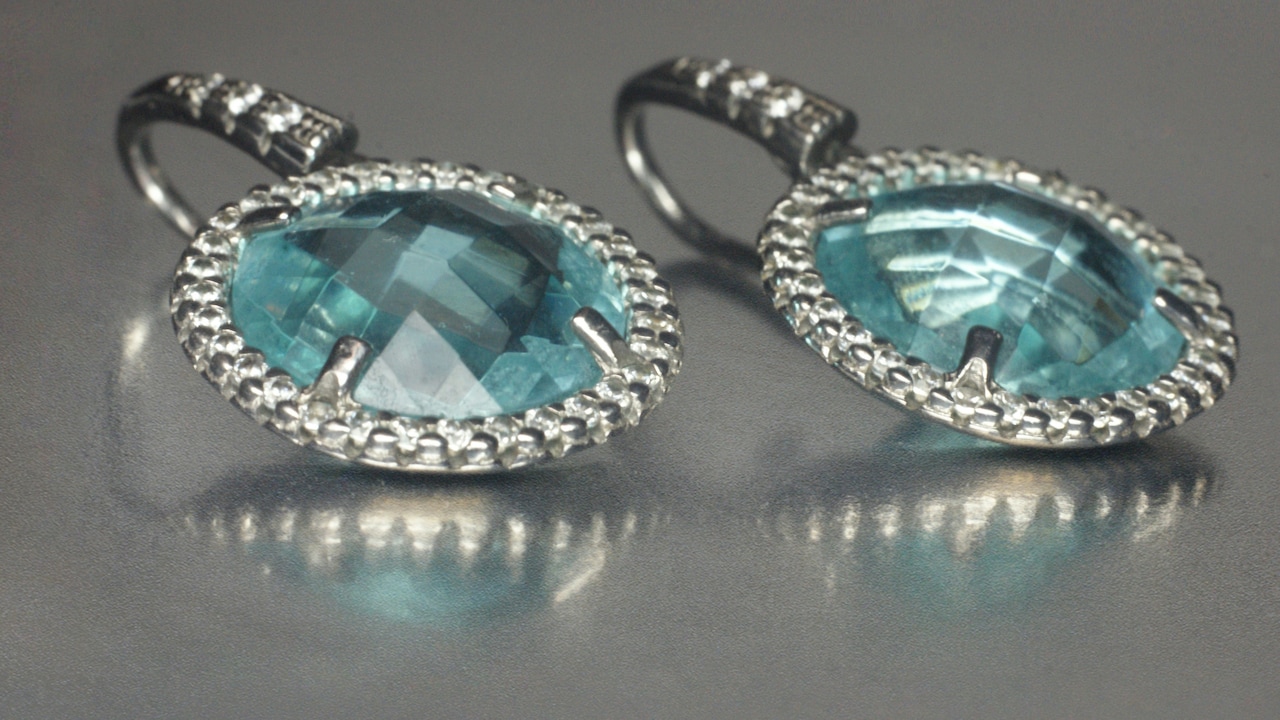
Earrings Hurt After Long Hours Of Wearing? We Explain Design Flaws, Metal Choices and Fit Issues.
Earrings hold a special place in daily dressing. They slip on effortlessly, frame the face and often carry emotional value, whether bought for ₹499 from a street market or gifted during a milestone moment. Yet by late afternoon, the same earrings can start tugging, itching or burning. The ears feel sore, the mood dips, and the joy of wearing jewellery fades.
This discomfort rarely comes from one single reason. More often, it results from a mix of design flaws, unsuitable metals and fit issues that only reveal themselves after hours of wear. Many accept this pain as normal, quietly switching earrings mid-day or rubbing aching lobes in frustration. That resignation feels unnecessary.
Understanding why earrings hurt opens the door to better choices. Comfort does not need to clash with beauty. With thoughtful design, skin-friendly materials and proper fit, earrings can stay pleasant from morning chai to late-night conversations. This article breaks down the most common causes of ear pain and offers clarity, relief and a few knowing smiles along the way.
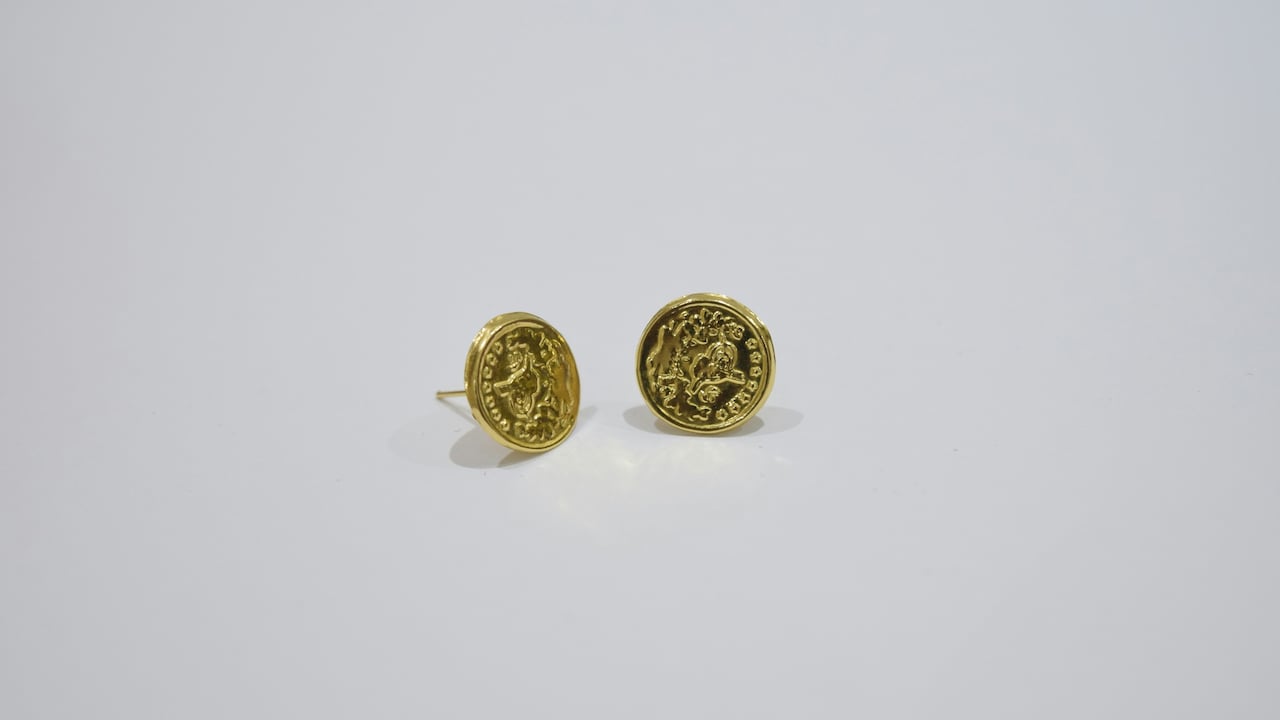
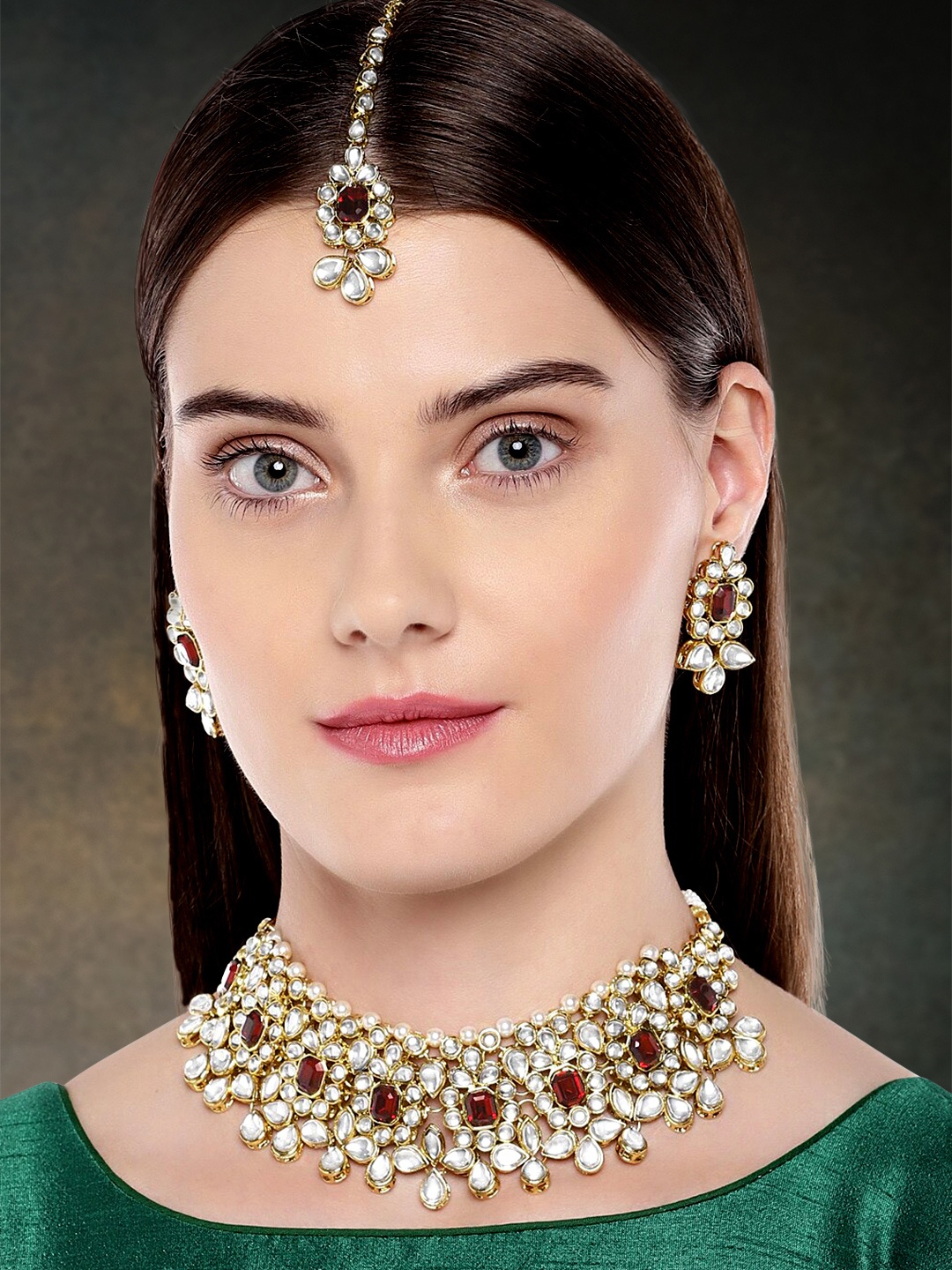
Why Earrings Hurt After Long Wear: Design, Metal, and Fit Issues Explained; Photo Credit: Pexels
Why Earrings Start Hurting After a Few Hours
1. Heavy Designs That Pull More Than They Please
Weight tops the list of discomfort triggers. Earrings that look stunning on display often turn troublesome once worn for long stretches. Heavy jhumkas, oversized hoops and stone-laden drops place constant downward pressure on the earlobe. Over time, that pull leads to soreness, redness and even stretched piercings.
The problem lies in physics rather than fashion. Earlobes consist of soft tissue with limited support. Add a few extra grams and gravity takes charge. Many people notice discomfort only after three or four hours, when the ears begin to feel warm and tender. By evening, the jewellery feels heavier than it did in the morning.
Designers sometimes prioritise drama over wearability. Thick metal bases and dense embellishments increase weight without improving balance. A smarter approach spreads weight evenly or uses hollow structures to achieve volume without bulk. Lightweight alloys and minimal backings also help. Earrings should enhance expressions, not distract with constant awareness of their presence.
2. Sharp Edges and Poor Finishing
A beautiful earring can hide a cruel secret in its finishing. Rough edges, uneven surfaces and poorly polished joints irritate the delicate skin around the piercing. During movement, these tiny flaws rub repeatedly against the ear, causing micro-cuts and soreness.
This issue often appears in mass-produced jewellery or hastily finished pieces sold at attractive prices, sometimes around ₹299 or ₹399. The savings feel satisfying until the ear starts throbbing. Even high-end earrings can suffer from poor finishing if quality checks slip.
Discomfort from rough edges builds gradually. At first, the ear feels itchy. Later, the skin turns sensitive and inflamed. Cleaning and polishing help, but prevention works better. Smooth posts, rounded backs and well-sealed joints make a noticeable difference. Running a finger gently over new earrings before wearing them can reveal potential trouble. If it feels scratchy to the touch, the ear will feel it tenfold.
Also Read: Top 6 Lightweight, Stylish Earrings That Stay Comfortable For All-Day, Pain-Free Wear
3. Nickel and Other Metal Allergies
Metal sensitivity remains one of the most underestimated causes of ear pain. Nickel, commonly used in affordable jewellery, triggers allergic reactions in many people. Symptoms include itching, burning, swelling, and sometimes oozing. These reactions rarely show up instantly, making them harder to link to the earrings.
Gold-plated jewellery often hides nickel beneath a thin layer. Over time, that layer wears off, exposing the skin to the irritant. Earrings worn daily or during humid weather accelerate this process. The ear responds with discomfort that worsens the longer the jewellery stays on.
Safer options include sterling silver, surgical steel, titanium and high-quality gold. Though these choices cost more, often starting around ₹1,500, they protect ear health in the long run. Hypoallergenic metals allow ears to breathe and remain calm, even after a full day of wear. Choosing wisely spares both pain and repeated healing cycles.
4. Tight Backs That Cut Off Comfort
Earring backs play a bigger role than they receive credit for. Tight butterfly backs or screw-on fasteners press against the skin behind the ear, restricting blood flow. After hours, this pressure creates soreness that feels deep and persistent.
Many tighten their backs excessively out of fear of losing earrings. That anxiety proves understandable, especially with cherished pieces. Yet ears need space. A back pressed flush against the skin leaves no room for natural swelling that occurs throughout the day.
The solution lies in balance. Silicone backs, adjustable clasps, and wider disc backs distribute pressure evenly. They hold earrings securely without digging in. Removing earrings periodically also helps, especially during long events. Comfort increases when ears receive the same consideration given to the front-facing design.
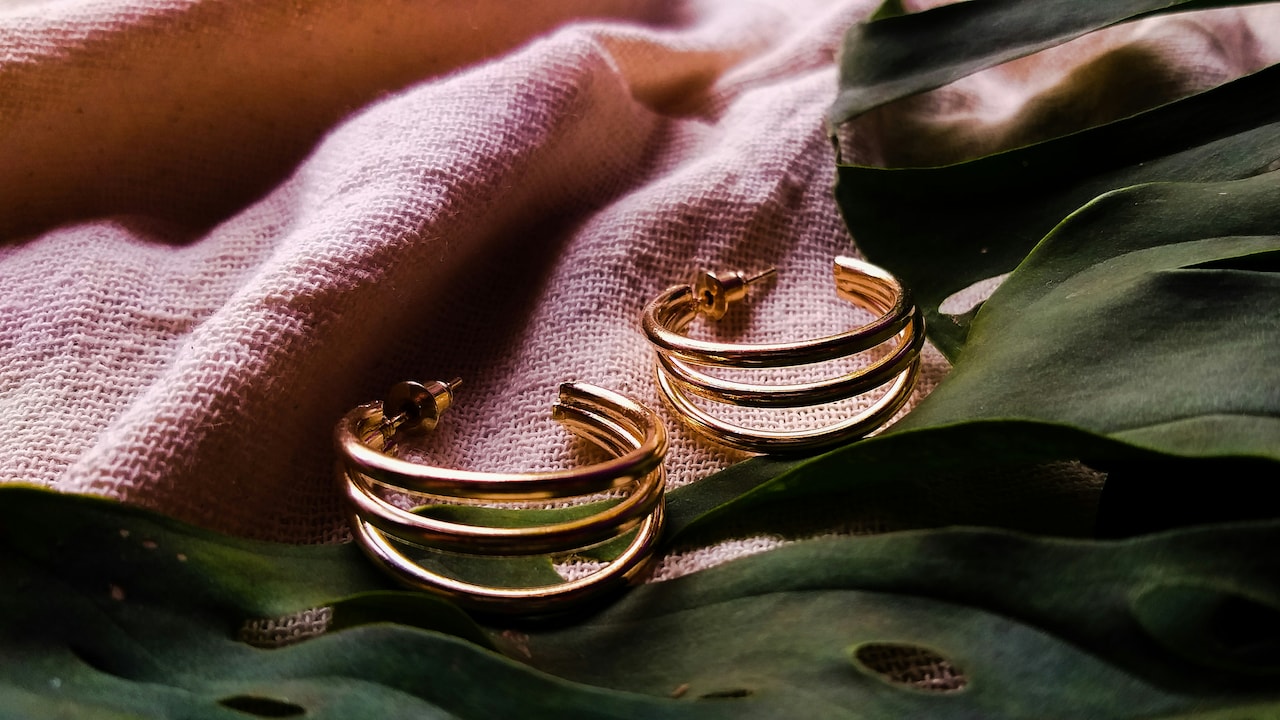
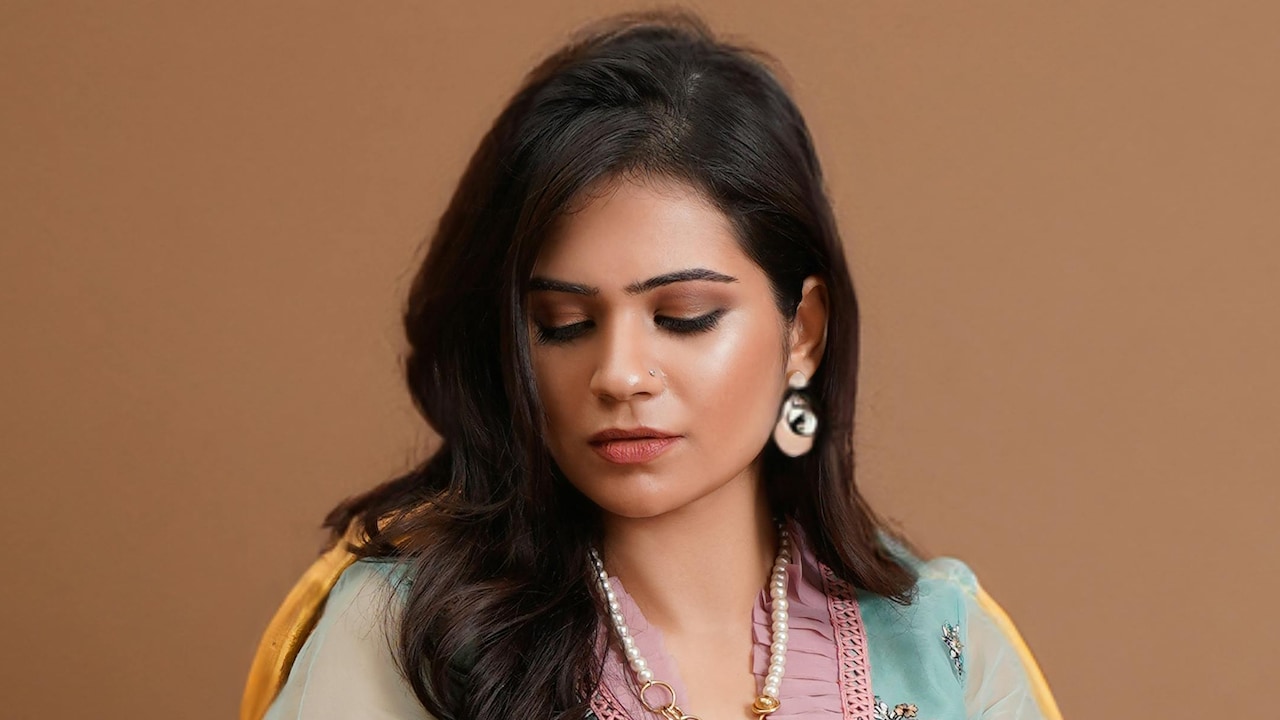
Why Earrings Hurt After Long Wear: Design, Metal, and Fit Issues Explained; Photo Credit: Pexels
5. Poor Balance and Awkward Weight Distribution
Some earrings feel uncomfortable despite being lightweight. The culprit often lies in poor balance. When the centre of gravity sits too far forward or sideways, the earring tilts, pulling at the piercing unevenly.
This imbalance causes constant micro-adjustments. The wearer keeps touching or straightening the earring, unaware of the strain building up. By evening, the piercing aches, even though the earring itself weighs very little.
Designers sometimes focus heavily on the front aesthetic, neglecting how the earring sits on the ear. Longer hooks, counterweights or redesigned posts can restore balance. A well-balanced earring stays upright without effort. Comfort follows naturally when jewellery works with the ear rather than against it.
6. Hooks and Posts That Don't Match the Piercing
Not all piercings share the same size or angle. Earrings with thick posts or narrow hooks fail to accommodate this variation. Forcing them through causes friction and irritation that worsens over time.
Older piercings often shrink slightly when left unused. Suddenly wearing thick posts stretches the hole, leading to soreness. Similarly, curved hooks may sit awkwardly in straight piercings, creating pressure points.
Choosing earrings with standard post thickness or flexible hooks reduces this issue. Some jewellers offer post-resizing for a small fee, often under ₹300. That minor adjustment can transform an unwearable piece into a comfortable favourite. Earrings should adapt to the ear, not demand endurance.
7. Long Wear Without Breaks
Ears, like feet, appreciate rest. Wearing earrings continuously from early morning until late at night strains the piercing. Skin warms up, swells slightly and becomes more sensitive as hours pass.
This problem intensifies during weddings, festivals or workdays packed with meetings. The ears rarely get a moment to relax. Even the most comfortable earrings can start to hurt without breaks.
Removing earrings for a few minutes every few hours allows the skin to recover. Switching to lighter studs during long days also helps. Treating earrings like footwear, stylish yet removable, keeps discomfort at bay. Jewellery should fit into life, not demand silent sacrifice.
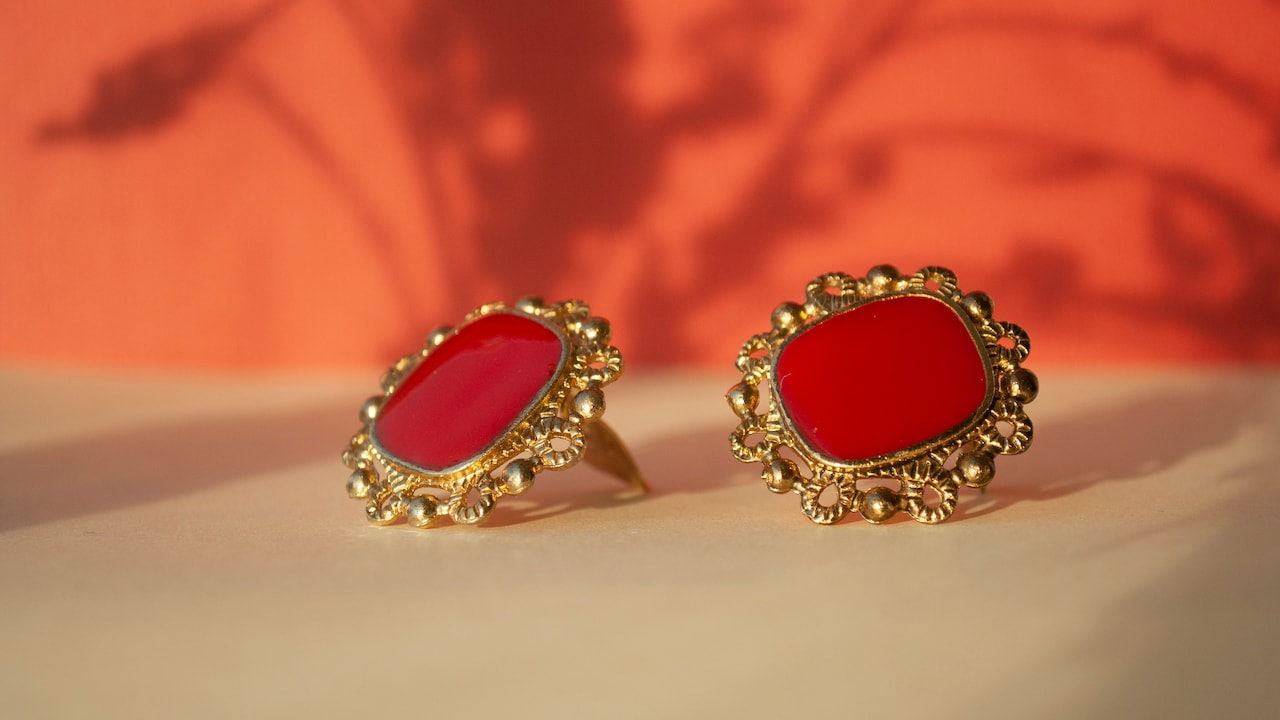
Why Earrings Hurt After Long Wear: Design, Metal and Fit Issues Explained; Photo Credit: Pexels
8. Climate and Humidity Effects
Weather plays a subtle yet significant role in ear comfort. Heat and humidity increase sweat, which softens the skin around the piercing. Moist skin becomes more prone to friction, leading to irritation.
During monsoon months or humid summers, metal reacts with sweat, sometimes causing mild chemical irritation. Earrings that feel fine in cooler weather suddenly become uncomfortable.
Cleaning earrings regularly and drying ears thoroughly before wearing them reduces this risk. Lightweight, breathable designs suit warmer days better. Seasonal jewellery choices might sound indulgent, yet they bring comfort. Listening to the body's response to climate prevents unnecessary pain.
9. Lack of Maintenance and Hygiene
Even the best earrings cause trouble when neglected. Dirt, sweat and product residue accumulate on posts and backs. Over time, this build-up irritates the piercing and invites infection.
Many people clean their earrings only when visible dirt appears. By then, the damage has already begun. Regular cleaning with mild soap or jewellery solution keeps posts smooth and safe.
Piercings also need care. Occasional cleansing and allowing the skin to breathe prevent soreness. Jewellery maintenance feels tedious, yet it saves discomfort later. Clean earrings glide in easily and sit comfortably, proving that care extends wearability.
10. Emotional Attachment Over Practicality
Sometimes discomfort persists because letting go feels harder than enduring pain. Earrings gifted by loved ones or bought during special moments carry emotional weight. Wearing them feels meaningful, even when they hurt.
That attachment often leads to ignoring early signs of discomfort. Redness, warmth and tenderness get brushed aside. Over time, the piercing suffers.
Adapting sentimental jewellery offers a solution. Converting heavy earrings into lighter versions or changing hooks preserves meaning without pain. Jewellery should evoke joy, not endurance. Comfort honours both the ear and the memory attached to the piece.
Products Related To This Article
1. YouBella Women Set of 6 Gold-Toned Contemporary Stud Earrings
2. MANGO Crescent Shaped Half Hoop Earrings
3. EL REGALO Contemporary Half Hoop Earrings
4. Just Lil Things Contemporary Studs Earrings
5. Kushal's Fashion Jewellery Classic Drop Earrings
6. SOHI Gold-Plated Contemporary Drop Earrings
7. Just Lil Things Artificial Beaded Contemporary Drop Earrings
Earrings should feel like a natural extension of personal style, not a test of tolerance. Pain after long wear signals something amiss, whether design, metal or fit. Understanding these factors empowers better choices and healthier habits.
Comfort and beauty can coexist. Lightweight designs, skin-friendly metal earrings, and thoughtful fit transform the wearing experience. Small adjustments, regular breaks, and proper care make a lasting difference.
When earrings sit comfortably from morning to night, they fulfil their true purpose. They add sparkle, confidence and ease, allowing wearers to focus on conversations, celebrations and quiet moments, rather than aching ears.
(Disclaimer: This article may include references to or features of products and services made available through affiliate marketing campaigns. NDTV Convergence Limited (“NDTV”) strives to maintain editorial independence while participating in such campaigns. NDTV does not assume responsibility for the performance or claims of any featured products or services.)