Why Some Leggings Turn See-Through And How To Pick Reliably Opaque Pairs To Try Instead
See-through leggings can ruin even the best outfit. From thin fabrics to poor stretch recovery, here’s why it happens, plus five squat-proof pairs that deliver reliable coverage and confidence.
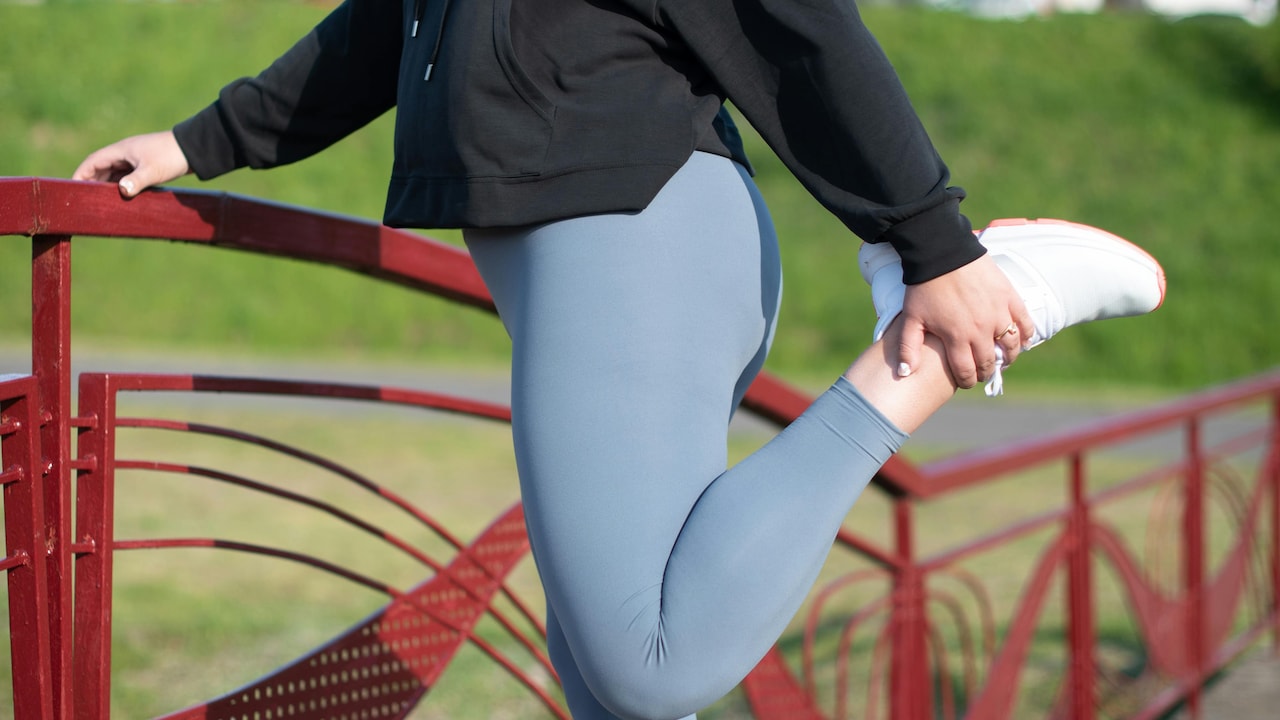
Try these shopping tips to find opaque leggings that are squat-proof as well.
Leggings have travelled far from their early days as gym-only attire. Today, they anchor travel outfits, airport looks, brunch ensembles and even festive kurtas. A well-fitted pair of leggings feels like a second skin. It moves easily, flatters the silhouette and handles long commutes in sticky weather without complaint. Yet many wardrobes hide at least one disappointing pair that looked perfect in the trial room but turned sheer at the first bend.
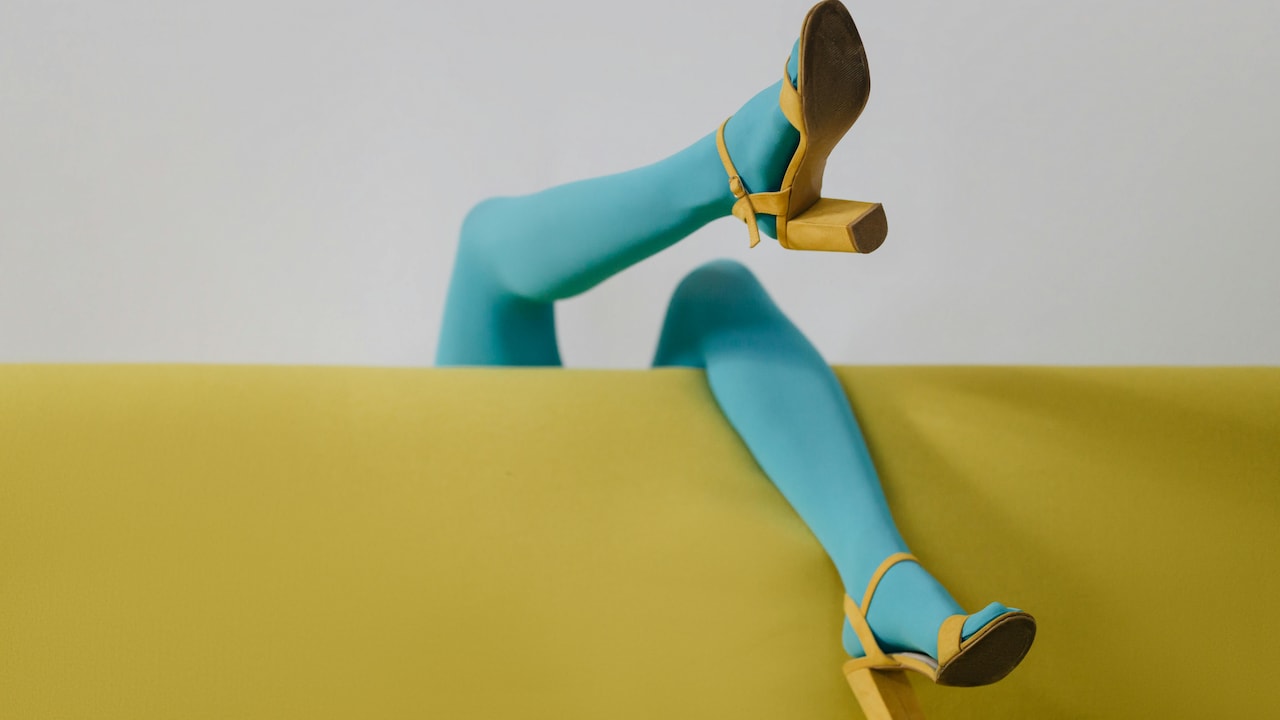
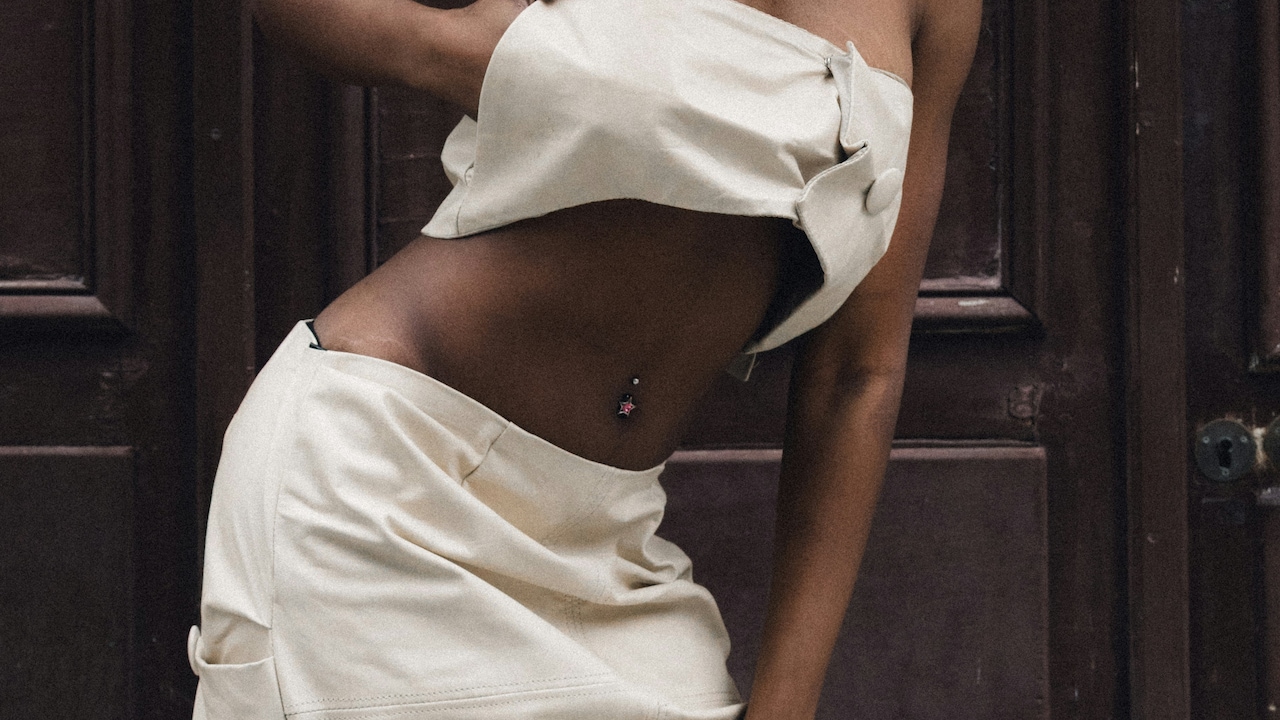
Here's why your leggings become see through and how to find a pair of opaque ones; Photo Credit: Pexels
Shoppers often blame bad luck. In truth, fabric science, stitching methods and fit choices play a larger role than most realise. Brands market leggings as “non-transparent” or “squat-proof”, yet not all claims survive harsh sunlight or a deep stretch. With prices ranging from ₹499 roadside finds to ₹6,000 premium labels, making the right choice matters.
Understanding why leggings turn see-through makes shopping simpler. A little fabric knowledge and a careful eye can prevent wardrobe mishaps and protect both comfort and confidence.
Also Read: Best Leggings For Kurtas: Top-Rated Combos Under ₹800 You Can Buy Now
What Really Causes Leggings To Turn See-Through
Thin Fabric Disguised As Premium Stretch
Many leggings look substantial on the hanger but reveal their weakness once stretched. Manufacturers sometimes reduce fabric weight to cut costs. Lightweight material feels soft at first touch, yet that softness often signals a low GSM, or grams per square metre. Lower GSM means thinner cloth, and thinner cloth struggles to maintain opacity when pulled across hips or thighs.
Shoppers often equate stretch with quality. Excessive stretch without sufficient fibre density creates transparency. Fabric expands, the weave separates, and skin tone peeks through. Dark colours may hide this flaw under indoor lighting, but daylight tells the truth.
Reputed sportswear brands such as Nike and Decathlon usually specify fabric composition and intended usage. Performance leggings designed for training often use denser blends to handle dynamic movement. Cheaper fashion leggings, by contrast, prioritise softness and trend over durability.
A quick stretch test in natural light can reveal a lot. Hold the fabric between both hands and gently pull. If the material turns pale or shadowy, it may not survive a squat in public.
Poor Quality Fibre Blends
Fabric composition shapes opacity. Leggings typically combine cotton, polyester or nylon with elastane. Each fibre contributes a different quality. Cotton offers breathability but can thin out quickly. Polyester and nylon add resilience. Elastane provides stretch, yet too much elastane without supportive fibres weakens the structure.
Budget leggings sometimes rely on low-grade polyester that pills and thins after a few washes. Once fibres degrade, tiny gaps appear in the weave. These gaps allow light to pass through, creating a semi-sheer effect even when the leggings felt opaque at purchase.
Premium labels such as Lululemon invest heavily in proprietary fabric blends. Their materials maintain elasticity without compromising thickness. Meanwhile, lingerie and activewear brands like Zivame have introduced sturdier everyday leggings that balance comfort and coverage for daily wear.
Reading the label helps. A blend with at least 20–30% polyester or nylon alongside elastane often holds shape better than cotton-heavy alternatives. High-quality fibre does not merely feel smooth; it resists thinning over time.
Incorrect Size That Stretches Fabric Beyond Limit
Even the best fabric fails when forced beyond its capacity. Many shoppers size down for a sculpted look. While snug leggings flatter curves, overly tight pairs stretch fibres to their breaking point. The weave separates, and opacity disappears.
Trial room mirrors often use flattering lighting that masks transparency. Once outdoors, harsh sunlight exposes every flaw. A pair that seemed sleek indoors may reveal undergarments in daylight. This issue becomes common during festive sales when customers grab smaller sizes because the preferred size has sold out.
Proper fit means the waistband sits comfortably without digging in, and the fabric lies smooth across the hips without strain lines. Horizontal lines across the thigh signal excessive tension. When fabric pulls strongly at the knees while bending, transparency likely follows.
Choosing the correct size supports both appearance and durability. Leggings should hug, not suffocate. Comfort often signals that the fabric remains within its design limit.
Single Layer Construction Without Reinforcement
Some leggings rely on a single thin layer of fabric throughout. While this reduces weight and cost, it increases the risk of sheerness, especially around the seat area. Squats and lunges put immense pressure on that section.
High-quality activewear often includes reinforced panels or double-layered fabric in stress zones. This construction distributes tension and prevents excessive stretching. Without reinforcement, the central seam bears the entire load. Over time, that seam widens slightly, increasing the see-through effect.
In humid climates, lightweight single-layer leggings feel appealing. However, comfort should not sacrifice coverage. Breathable yet dense fabric offers a better solution than ultra-thin material.
Before purchase, check the seat area against strong light. If the fabric already appears slightly translucent, movement will only amplify the issue. Reinforced stitching and thicker weave often signal thoughtful design rather than mass production.
Light Colours And Skin Tone Contrast
Colour plays a surprising role in transparency. White, pastel pink and pale grey leggings naturally allow more light penetration than darker shades. When stretched, these hues reveal shadows easily.
Skin tone contrast further intensifies the problem. Lighter fabrics over darker skin tones may appear more transparent, even if the weave remains intact. This effect does not reflect poor quality alone; physics influences perception.
Opaque white leggings require significantly denser fabric than black versions. Many affordable brands overlook this requirement and use identical fabric weight across colours. As a result, lighter shades disappoint more often.
Testing light-coloured leggings in daylight becomes crucial. Wearing seamless nude undergarments that match skin tone can help, yet the primary responsibility rests with the garment's density. A truly well-made pastel legging should withstand bending without revealing outlines.
Choosing deeper shades reduces risk, but those who love bright hues should seek thicker blends designed specifically for lighter colours.
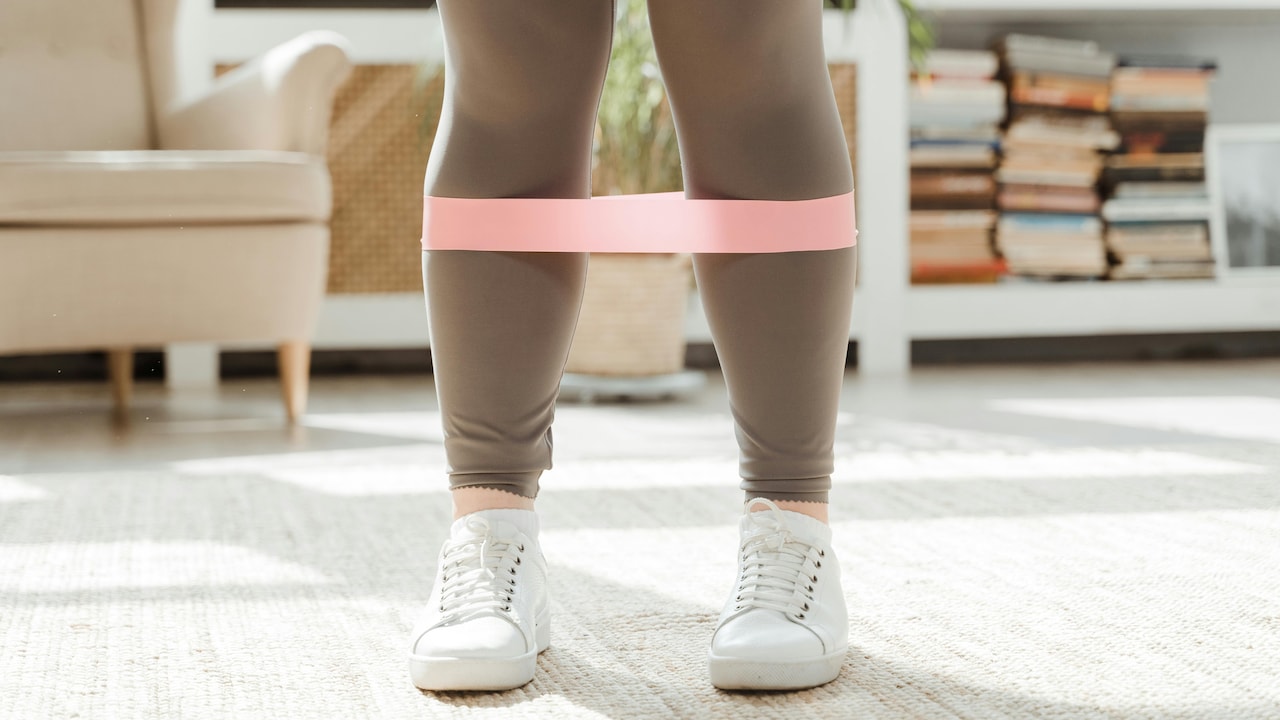
Wearing leggings in contrast with your skin tone can intensify the problem; Photo Credit: Pexels
Excessive Washing And Harsh Detergents
Even opaque leggings can turn sheer over time if washing habits damage fibres. Harsh detergents strip elasticity and weaken yarn structure. Hot water further accelerates breakdown.
Repeated friction in overloaded washing machines causes pilling. As fibres fray, fabric density decreases. Gradually, once-solid leggings begin to look tired and slightly translucent.
Activewear deserves gentle care. Washing in cold water with mild detergent preserves stretch and colour. Air drying protects elastane from heat damage. Though tumble drying saves time during the monsoon season, high heat reduces lifespan.
Spending ₹2,000 or more on quality leggings makes sense only when proper care follows. Fabric maintenance directly influences opacity. A thoughtful washing routine can extend life by months, even years.
Clothing longevity depends as much on home habits as brand reputation. A well-maintained pair often outlasts cheaper options that receive rough treatment.
Overstretching During High-Impact Workouts
Not all leggings suit every activity. Fashion leggings designed for casual wear rarely handle high-impact workouts. Deep squats, jump training and power yoga demand strong compression fabric.
During intense sessions, fabric stretches repeatedly in multiple directions. If fibres lack recovery strength, they remain slightly elongated after exercise. Over time, permanent thinning occurs.
Performance leggings usually feature four-way stretch technology. This allows expansion without compromising structure. Casual cotton blends, however, lose resilience quickly under similar strain.
Choosing activity-specific leggings prevents disappointment. Gym sessions, dance classes and marathon training require technical fabrics built for movement. Lounge wear, on the other hand, suits errands and relaxed evenings.
Understanding the purpose before purchase saves money. A ₹800 fashion pair may serve daily errands perfectly, yet fail spectacularly in a HIIT class. Matching fabric strength to lifestyle keeps opacity intact.
Poor Stitching And Seam Placement
Seams influence transparency more than expected. Weak stitching causes fabric to pull unevenly. When tension concentrates around poorly placed seams, the surrounding areas stretch excessively.
The central back seam deserves particular attention. If it lacks reinforcement, even thick fabric may spread slightly under pressure. This spreading creates small gaps in the weave, especially during bending.
Quality leggings use flatlock seams that lie smoothly and distribute strain. Such construction prevents chafing and maintains shape. Inspecting seam thickness and thread quality in the store can reveal manufacturing standards.
Loose threads or uneven stitching often signal rushed production. Though minor imperfections seem cosmetic, they affect durability and opacity over time.
Examining seams may feel meticulous, yet this small effort prevents public embarrassment later. Good construction supports fabric performance and preserves confidence during movement.
Misleading Lighting In Stores And Trial Rooms
Retail lighting often flatters garments. Warm bulbs and diffused mirrors create a soft glow that hides transparency. In contrast, outdoor sunlight exposes every weakness.
Many shoppers test leggings under artificial light only. Without checking near a window or using the phone flash, transparency remains unnoticed until it's too late.
Taking a moment to step into natural light can reveal fabric behaviour instantly. Stretching slightly while facing a brighter source shows whether the weave holds firm. Though trial rooms may lack windows, store entrances or well-lit areas offer better insight.
Impulse buying during crowded sale days increases risk. A pair that costs ₹1,299 on discount may tempt immediate purchase. However, a quick light test saves regret.
Trusting natural light over flattering mirrors ensures better decisions. Opacity thrives under scrutiny; transparency hides in comfort zones.
Choosing Reliable Opaque Alternatives
Finding dependable leggings does not require a luxury budget. The key lies in prioritising fabric weight, blend and construction over brand hype. Mid-range sportswear collections often strike a practical balance between price and performance.
Look for fabric described as “high compression” or “double knit”. These terms often indicate denser weave. Checking GSM information, if available, offers added assurance. A slightly heavier feel in hand usually signals better opacity.
Seamless or wide waistbands enhance support without overstretching fabric. Trying a gentle squat test in store remains one of the most reliable checks. If the material maintains colour consistency while bending, confidence follows.
Investing ₹2,000–₹3,500 in a well-constructed pair may deliver better long-term value than replacing ₹700 leggings repeatedly. Durable opacity reduces wardrobe stress and encourages effortless styling.
Reliable leggings combine thoughtful design, resilient fibres and proper fit. When these elements align, transparency ceases to be a concern.
Products Related To This Article
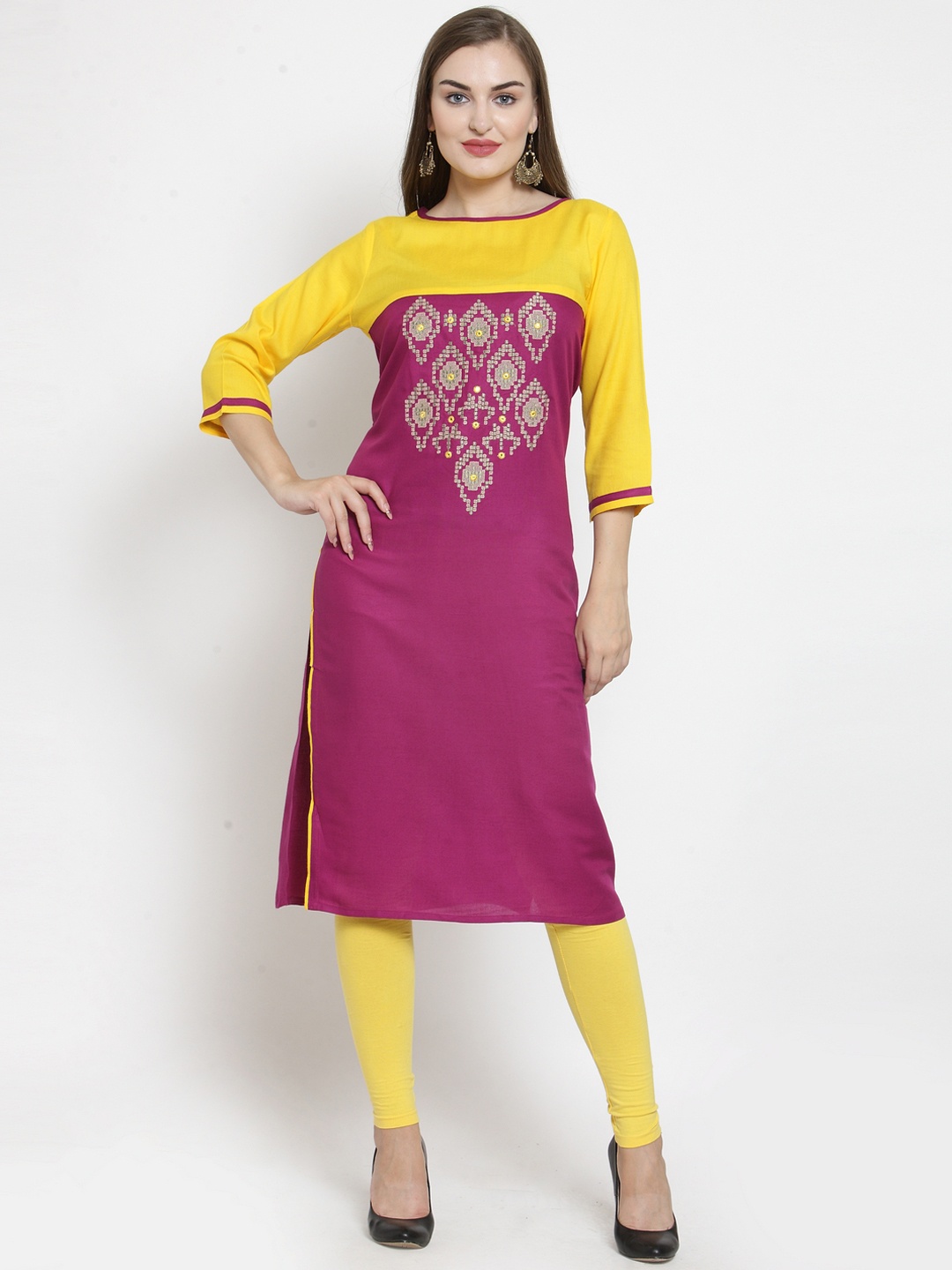
1. Max Women Fuchsia-Pink Solid Ankle-Length Leggings
2. Blissclub Women The Ultimate Flare Pants - Lite -Regular
3. PADMAKSHI Women Cotton Solid Ankle Length Leggings
4. HRX by Hrithik Roshan Women Rapid-Dry Running Tights
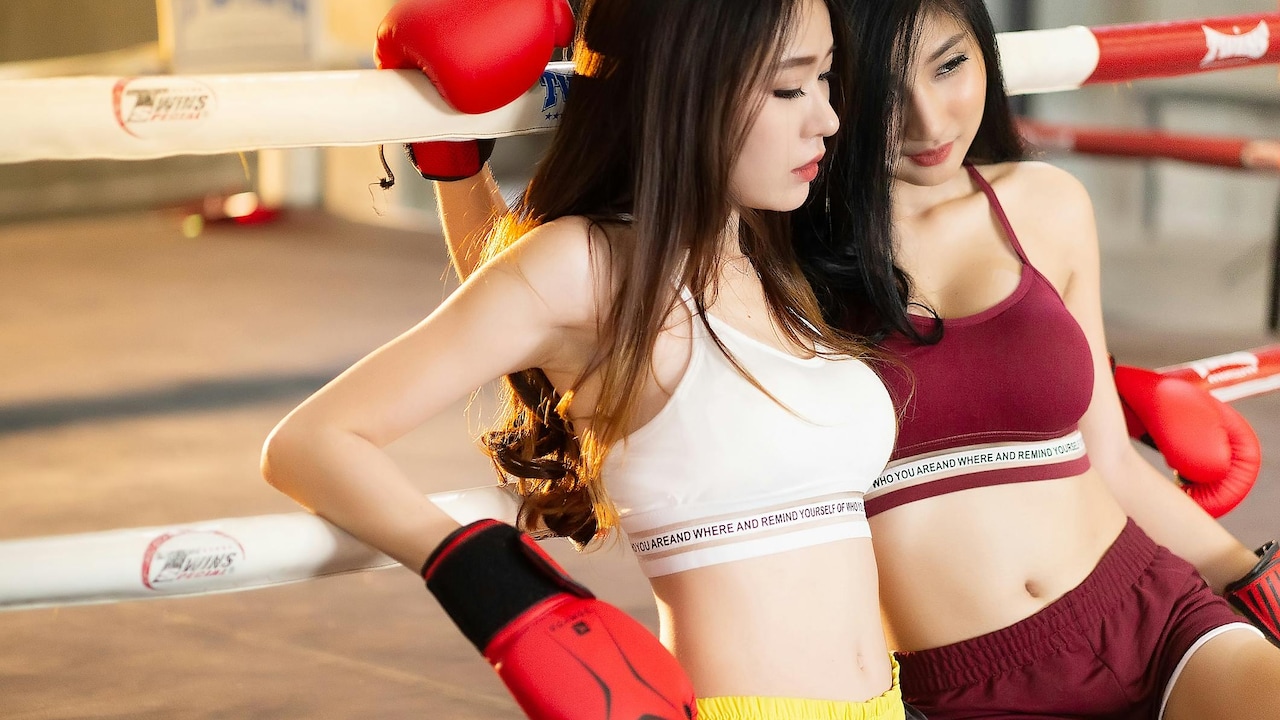
5. IMPERATIVE Women Crossover Belt High-Rise Dry-Fit Ankle-Length Gym Tights
Leggings occupy a unique place in modern wardrobes. They promise comfort, versatility and ease. Yet that promise falters when fabric turns unexpectedly sheer. Transparency rarely stems from fate; it results from thin material, poor blends, incorrect sizing, weak seams or harsh care habits.
Awareness changes the shopping experience. Checking fabric density, testing stretch under natural light and choosing the correct size dramatically reduce risk. Selecting activity-appropriate designs further protects structure and opacity.
Quality need not mean extravagance. Thoughtful selection within a reasonable ₹2,000–₹3,500 range often yields dependable results. Proper washing and storage extend lifespan and preserve coverage.
Confidence begins with feeling secure in clothing choices. Opaque leggings support movement without distraction. With informed decisions and careful inspection, wardrobes can remain free from awkward surprises and full of reliable favourites that endure every bend, stride and stretch.
(Disclaimer: This article may include references to or features of products and services made available through affiliate marketing campaigns. NDTV Convergence Limited (“NDTV”) strives to maintain editorial independence while participating in such campaigns. NDTV does not assume responsibility for the performance or claims of any featured products or services.)