Why Rings Bought Online Rarely Fit Properly: Easy Sizing Tricks Before You Shop
Buying rings online often leads to sizing mistakes because fingers change shape throughout the day. These simple sizing tricks can help avoid loose fits, tight bands and costly resizing before placing an order.
Online Ring Shopping Mistakes To Avoid Before Buying Your Perfect Fit
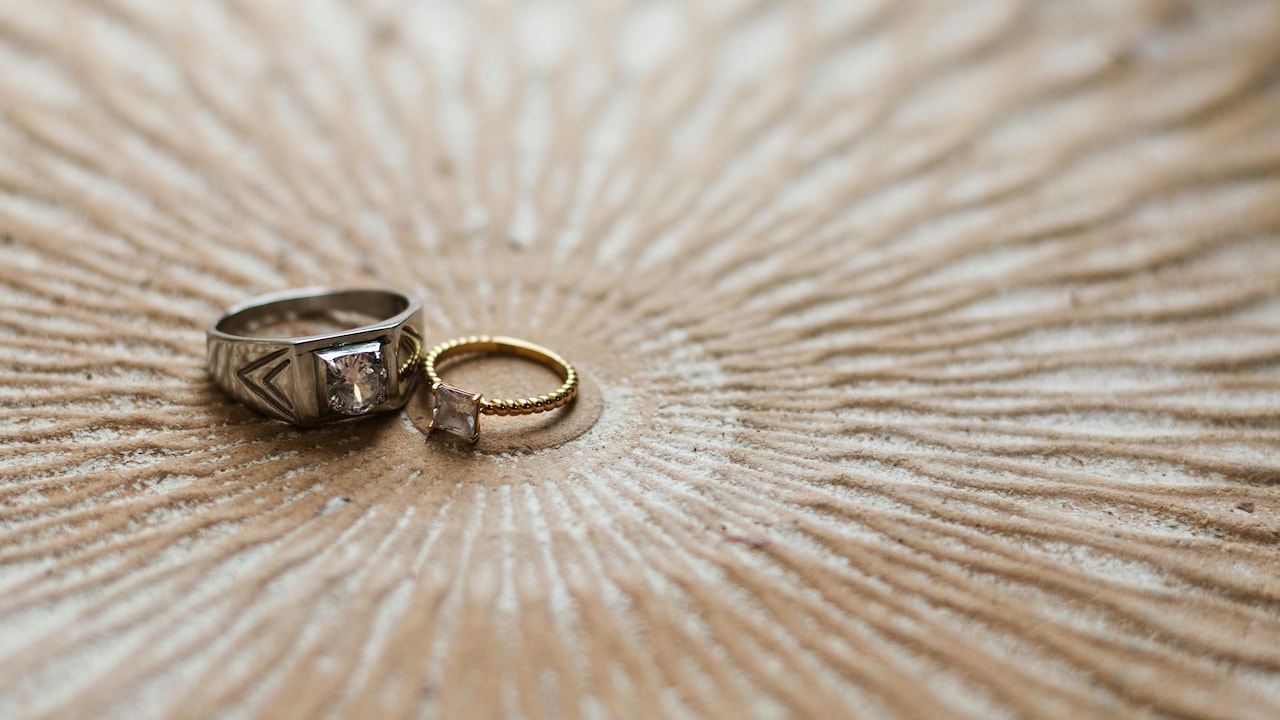
Online jewellery shopping has quietly become everyone's guilty pleasure. One late-night scroll turns into comparing solitaire styles, checking rose gold bands, and imagining how a sparkling ring might look during the next family wedding. The convenience feels unbeatable. No traffic, no hovering sales staff, and no exhausting trips through crowded markets. Yet one problem keeps spoiling the excitement, the fit. Almost everyone knows somebody who ordered a gorgeous ring online only to discover it fits the little finger instead of the ring finger. Some rings get stuck dramatically halfway through. Others wobble so much they threaten to disappear into the sink while washing hands.
Online Ring Shopping Mistakes To Avoid Before Buying Your Perfect Fit
Photo Credit: Pexels
Unlike shirts or shoes, rings leave almost no room for error. Even a tiny difference in size changes everything. The tricky part is that fingers do not stay the same size all day. Temperature, food, travel, stress, and even sleeping patterns can affect measurements. Add inconsistent sizing charts from different brands, and suddenly buying a ring online feels like solving a maths puzzle after midnight.
Fortunately, avoiding sizing disasters does not require a jewellery degree. A few smart tricks can make online ring shopping smoother, safer, and surprisingly accurate. Here's why online rings often fit badly and how to get it right before spending ₹5,000 or ₹50,000 on something meant to last for years.
Why Rings Bought Online Rarely Fit Properly: Easy Sizing Tricks Before You Shop
Why Finger Size Changes Throughout The Day
Most people assume finger size remains constant. Sadly, fingers refuse to cooperate with such logic. They expand and shrink throughout the day like tiny, moody balloons.
Morning fingers usually appear puffier because the body retains fluids overnight. By afternoon, they settle down slightly. Hot weather causes swelling, too. Anyone who has travelled during peak summer knows rings suddenly feel tighter after stepping outside. Winter does the opposite. Fingers shrink in colder temperatures, making rings slip unexpectedly.
Food also plays a sneaky role. Salty snacks, festive feasts, or even restaurant meals loaded with sodium can temporarily enlarge fingers. After a wedding buffet packed with butter naan and paneer starters, ring sizing becomes highly unreliable.
That explains why measuring fingers once and immediately placing an order often backfires. Jewellers usually recommend checking measurements at least three times across different days. Evening measurements work best because fingers tend to stabilise by then.
Ignoring these natural fluctuations leads many shoppers towards incorrect sizes. A ring that feels perfect during a cold evening may become painfully tight during summer afternoons. Understanding this simple body behaviour already prevents half the common online sizing mistakes.
Why Printable Ring Charts Often Go Wrong
Printable ring charts look wonderfully convenient until printers decide to betray everyone.
Many online shoppers download sizing guides, place an existing ring on circles, and confidently pick a number. Unfortunately, printers sometimes resize documents automatically. Even a tiny scaling error completely changes the result.
One millimetre may sound insignificant. For rings, it matters enormously. A slight mismatch transforms a comfortable fit into an uncomfortable struggle. Some people unknowingly print charts at 95% scale instead of 100%. The result? Wrong ring size and immediate regret.
The paper itself creates problems, too. Thin sheets bend easily, and inaccurate cutting affects measurements further. People rushing through the process often wrap paper strips too tightly or too loosely around fingers. That tiny mistake follows them straight to checkout.
Jewellers prefer proper measuring tools because they reduce these inconsistencies. Affordable plastic ring sizers online cost less than ₹200 and provide far more reliable results. Some jewellery brands even send free ring sizers before purchase.
Another smart trick involves comparing measurements from multiple sources instead of trusting one chart blindly. If two methods show different sizes, the safer option usually sits somewhere in the middle.
Technology helps shopping become easier, but sometimes old-fashioned measuring methods still work better than hurried printer experiments on a dining table.
Why Knuckle Size Matters More Than People Think
Many rings fit perfectly around the base of the finger but refuse to cross the knuckle. That moment usually triggers expressions unsuitable for polite company.
Knuckles often create the biggest sizing challenge, especially for people whose knuckles appear slightly wider than the lower finger area. A ring must slide over the knuckle comfortably while still fitting securely afterwards.
Online shoppers frequently measure only the finger base and ignore the knuckle entirely. Then the ring arrives, stops midway, and creates instant panic. Tugging harder rarely helps. Soap becomes involved. Family members gather dramatically around the situation.
A smart sizing method measures both areas separately. If the knuckle measures larger, choosing a slightly bigger ring often works better. Jewellers can also recommend styles designed for comfort. Slim bands slide more easily compared to chunky statement rings.
Certain ring designs affect fit, too. Thick bands feel tighter than thin bands, even when technically the same size. Someone comfortable with a delicate everyday band may require a slightly larger size for bold cocktail rings.
Comfort matters more than squeezing into a smaller number. Rings should feel secure but still move smoothly without turning every hand wash into a wrestling match.
Also Read: Top 5 Trending Earrings Worth Shopping For Stylish Accessorising
Why Different Brands Have Different Sizing Standards
Shopping for rings online sometimes feels similar to shopping for jeans. One brand's perfect fit becomes another brand's complete disaster.
Not all jewellers follow identical sizing standards. Some use US measurements, others use UK sizing, while many local brands create slightly customised charts. Confusion grows quickly when shoppers jump between websites without double-checking conversions.
A size “7” from one seller may fit differently elsewhere. That tiny variation becomes painfully obvious after delivery. International brands especially create confusion because conversion charts differ subtly across countries.
Reading the product details carefully helps avoid nasty surprises. Reliable jewellers usually provide exact inner diameter measurements in millimetres instead of only mentioning generic sizes.
Reviews often reveal useful clues, too. Shoppers frequently mention whether rings run small or large. Those comments deserve attention. If twenty buyers mention tight sizing, trusting the chart alone becomes risky.
Another overlooked detail involves ring width. Broader bands fit more snugly than thinner ones. A person wearing size 14 comfortably in slim bands may require size 15 in wider styles.
Consistency matters when buying online. Sticking to trusted brands after discovering the correct fit reduces future headaches. Random experimenting across unknown sellers may save ₹500 initially but create expensive resizing problems later.
Why Weight Fluctuations Affect Ring Fit
Few people connect body weight changes with ring sizing, yet fingers respond surprisingly fast to even minor fluctuations.
Festive seasons demonstrate this beautifully. Weeks filled with sweets, restaurant outings, and family gatherings can subtly affect finger measurements. Suddenly, rings feel tighter despite fitting perfectly months earlier.
Fitness journeys create similar changes. People losing weight often notice rings becoming loose before their clothes change noticeably. Fingers contain soft tissue that reacts quickly to water retention and body composition changes.
Hormonal shifts also influence finger size. Stress, poor sleep, and certain medications contribute to swelling. Travel adds another layer because long flights sometimes cause temporary fluid retention.
This explains why surprise ring gifts occasionally fail spectacularly. Guessing someone's size based only on appearance rarely works accurately. Two people with similar body types may wear completely different ring sizes.
Before ordering expensive jewellery, stable measurements matter more than rushed assumptions. Measuring fingers after intense workouts, heavy meals, or long journeys produces unreliable results.
Jewellery should adapt to real life rather than demand impossible perfection. Understanding natural body fluctuations helps shoppers choose practical sizes instead of chasing unrealistic precision.
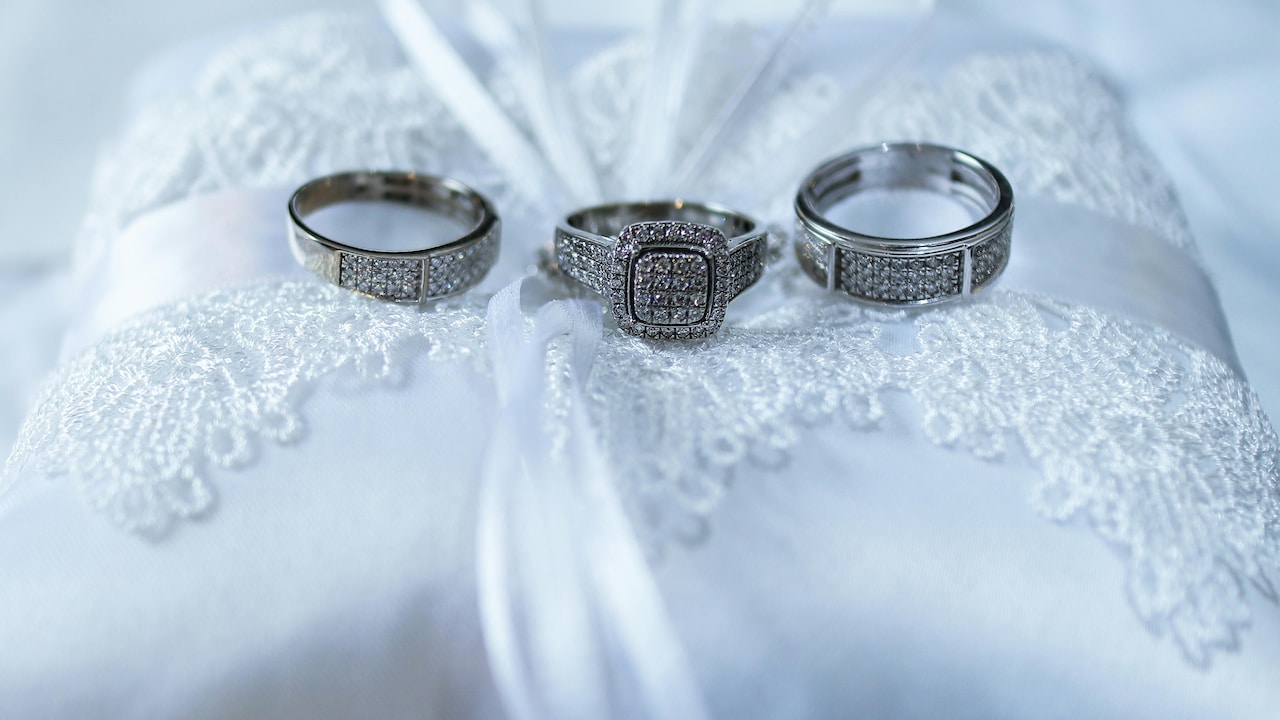
Online Ring Shopping Mistakes To Avoid Before Buying Your Perfect Fit
Photo Credit: Pexels
Why Cheap Measuring Hacks Sometimes Fail
Social media overflows with ring-sizing “life hacks”. Unfortunately, many deserve retirement.
String measurements remain wildly popular. Someone wraps thread around a finger, marks the overlap, and measures it against a ruler. Sounds simple. In reality, the string stretches unpredictably and often produces inaccurate readings.
Using random strips of paper creates similar issues. Paper twists easily and fails to mimic the rigid shape of actual rings. Some people pull measurements too tightly, imagining a snug fit feels safer. Others leave too much space because comfort becomes the priority.
Another disastrous method involves guessing based on existing rings without checking which finger they belong to. Finger sizes differ significantly between hands. The dominant hand usually runs slightly larger, too.
Professional jewellers use metal ring sizers for good reason. They provide consistency and a realistic fit. Even inexpensive plastic versions outperform makeshift kitchen-table experiments.
A better approach combines several methods. Measuring multiple times, comparing existing rings, and checking exact millimetre dimensions together create more accurate results.
Shortcuts may work occasionally, but expensive jewellery deserves better than hopeful guesswork involving sewing thread and a school ruler borrowed from a child's homework drawer.
Why Surprise Proposal Rings Often Need Resizing
Proposal stories rarely include the awkward post-engagement resizing trip, yet it happens constantly.
Partners trying to keep proposals secret often become detectives overnight. They borrow rings secretly, compare finger sizes casually, or ask friends for help. Despite the effort, mistakes remain common because ring sizing requires precision.
One hidden challenge involves measuring the correct finger. Many people wear fashion rings on different fingers, leading to inaccurate assumptions. Another issue arises when someone borrows a ring that already fits loosely.
Proposal rings also tend to feature wider settings or elaborate designs, which fit differently from everyday bands. A simple solitaire and a chunky halo ring may require different sizing even for the same person.
Fortunately, most jewellers expect resizing requests after engagements. Many offer complimentary adjustments within specific periods. Checking resize policies before purchase matters enormously, especially for custom designs.
Some shoppers intentionally choose slightly larger sizes during proposals because reducing ring size proves easier than enlarging delicate settings later. That strategy avoids painful moments during the proposal itself.
Nothing ruins romantic excitement faster than a ring stuck halfway down a finger while relatives pretend not to notice. A little planning keeps the focus on celebration rather than emergency jewellery adjustments.
Why Metal Type Changes The Wearing Experience
Many buyers focus only on appearance while forgetting that the metal choice affects fit and comfort, too.
Gold, platinum, silver, and titanium all behave differently on fingers. Platinum feels heavier and denser compared to gold. Some people love that luxurious weight. Others find it uncomfortable initially.
Temperature sensitivity also differs slightly between metals. Certain materials feel tighter during hot weather because they conduct temperature differently against the skin.
Band thickness matters alongside metal type. Heavy men's rings or gemstone-studded designs naturally feel snugger than slim minimalist bands. Choosing the same size across completely different designs often creates discomfort.
Skin reactions deserve attention, too. Lower-quality alloys occasionally irritate sensitive skin, causing swelling that alters fit further. A ring may technically match the correct size but still feel uncomfortable due to irritation.
Comfort-fit bands solve many problems because their rounded interiors slide more smoothly over knuckles. Traditional flat bands feel tighter despite sharing identical measurements.
Trying similar styles at physical jewellery stores before ordering online helps shoppers understand how various metals and designs actually feel. That small effort saves money and frustration later.
Jewellery should feel like an extension of personal style, not a stubborn metal circle demanding constant adjustment.
Why Resizing Isn't Always Simple Or Cheap
Many shoppers assume resizing fixes everything instantly. Sadly, resizing resembles tailoring complicated clothing rather than adjusting elastic pyjamas.
Simple gold bands usually resize easily. However, intricate designs with gemstones, engravings, or eternity settings create serious challenges. Some rings cannot be resized safely at all.
Certain metals, like titanium and tungsten, resist resizing because of their hardness. Altering them requires specialised tools or complete replacement. That “budget-friendly” online deal suddenly becomes expensive after modification costs appear.
Stone settings also complicate adjustments. Enlarging or shrinking rings may loosen gemstones, affecting durability over time. Delicate vintage-inspired designs require especially careful handling.
Costs vary widely depending on design complexity. Minor resizing might cost ₹500. Detailed luxury rings may require several thousand rupees plus additional waiting time.
Checking return and resize policies before ordering remains essential. Trustworthy jewellers explain limitations clearly instead of hiding details in tiny website text nobody reads willingly.
Preventing sizing mistakes always works better than fixing them afterwards. A little patience during measuring saves both money and emotional frustration later.
Nobody wants a dream ring spending weeks at the workshop immediately after arrival.
Why Trying Rings In Physical Stores Still Helps
Even dedicated online shoppers benefit from occasional offline visits. Physical jewellery stores provide something websites still cannot fully replicate: real-world experience.
Trying different ring styles teaches valuable lessons about comfort, thickness, and fit preferences. Some people discover they dislike wide bands despite loving photos online. Others realise oval settings snag constantly on clothing.
Store visits also reveal how different sizes feel throughout movement. Rings should slide comfortably while remaining secure during daily tasks like typing, cooking, or carrying shopping bags through crowded markets.
Jewellery staff often share practical insights rarely mentioned online. They explain comfort-fit designs, seasonal sizing issues, and resizing possibilities based on lifestyle needs.
Many smart shoppers now combine both worlds. They visit stores for measurements and style testing, but purchase online later for better discounts or larger collections.
This hybrid approach reduces risk dramatically. Spending thirty minutes in a showroom prevents weeks of disappointment after online orders arrive.
Buying jewellery should feel joyful rather than stressful. A little preparation transforms ring shopping from a gamble into a genuinely satisfying experience.
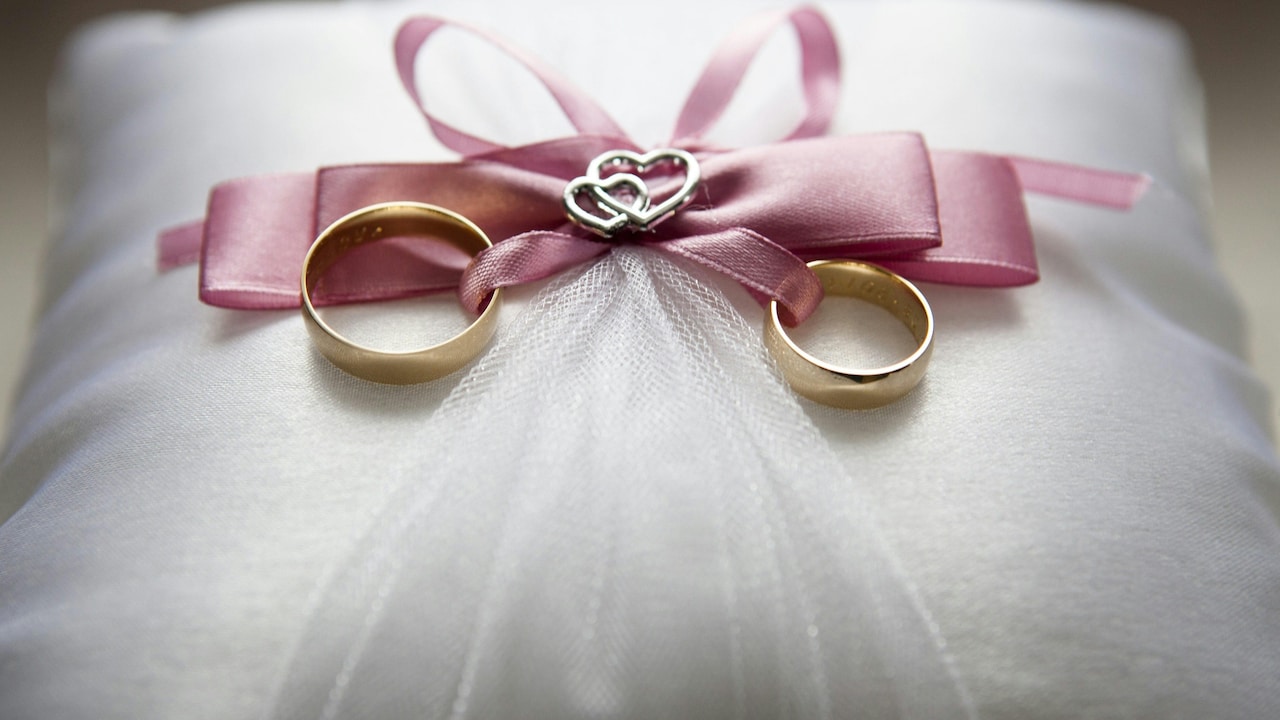
Online Ring Shopping Mistakes To Avoid Before Buying Your Perfect Fit
Photo Credit: Pexels
Products Related To This Article
1. ADIVA Silver Plated Green American Diamond Studded Adjustable Ring
2. Fashion Frill Set Of 2 Silver-Plated CZ-Studded Couple Finger Rings
3. Yellow Chimes Set Of 3 Rose Gold-Plated Stone-Studded Finger Rings
4. Designs & You Silver Plated American Diamond Stone Studded Finger Ring
5. Jewels Galaxy Set Of 10 Gold Plated Midi Adjustable Finger Rings
6. Peora Set Of 2 Silver-Plated AD Studded Finger Rings
7. SZN Gold-Plated Brass Cubic Zirconia Studded Finger Ring
Rings may appear small, but sizing them correctly involves surprising complexity. Finger shape, weather, food, metal type, knuckle size, and even travel habits quietly influence how a ring fits. That explains why so many online purchases end with resizing appointments or awkward exchanges.
Fortunately, avoiding those mistakes does not require extraordinary effort. Measuring fingers carefully, checking multiple charts, understanding brand differences, and testing styles beforehand make an enormous difference. Patience matters far more than guesswork.
Online jewellery shopping offers incredible convenience and endless variety. Beautiful rings now arrive with a few taps instead of exhausting market visits. Yet successful purchases depend on understanding the tiny details most shoppers ignore during excitement-filled browsing sessions.
The perfect ring should feel effortless. It should slide on smoothly, stay secure and comfortable, and quietly become part of everyday life without constant adjusting or anxiety.
A little extra care before clicking “Place Order” ensures the sparkle remains magical long after the delivery box gets thrown away.
(Disclaimer: This article may include references to or features of products and services made available through affiliate marketing campaigns. NDTV Convergence Limited (“NDTV”) strives to maintain editorial independence while participating in such campaigns. NDTV does not assume responsibility for the performance or claims of any featured products or services.)