Why Do Some Sarees Refuse To Stay On The Shoulder? A Fabric Guide That Explains It
Some sarees stay secure, while others slip endlessly. Fabric texture, weight and weave decide how well a saree drapes, making material choice the secret to effortless elegance.
Why Do Some Sarees Refuse To Stay On The Shoulder? A Fabric Guide That Explains It
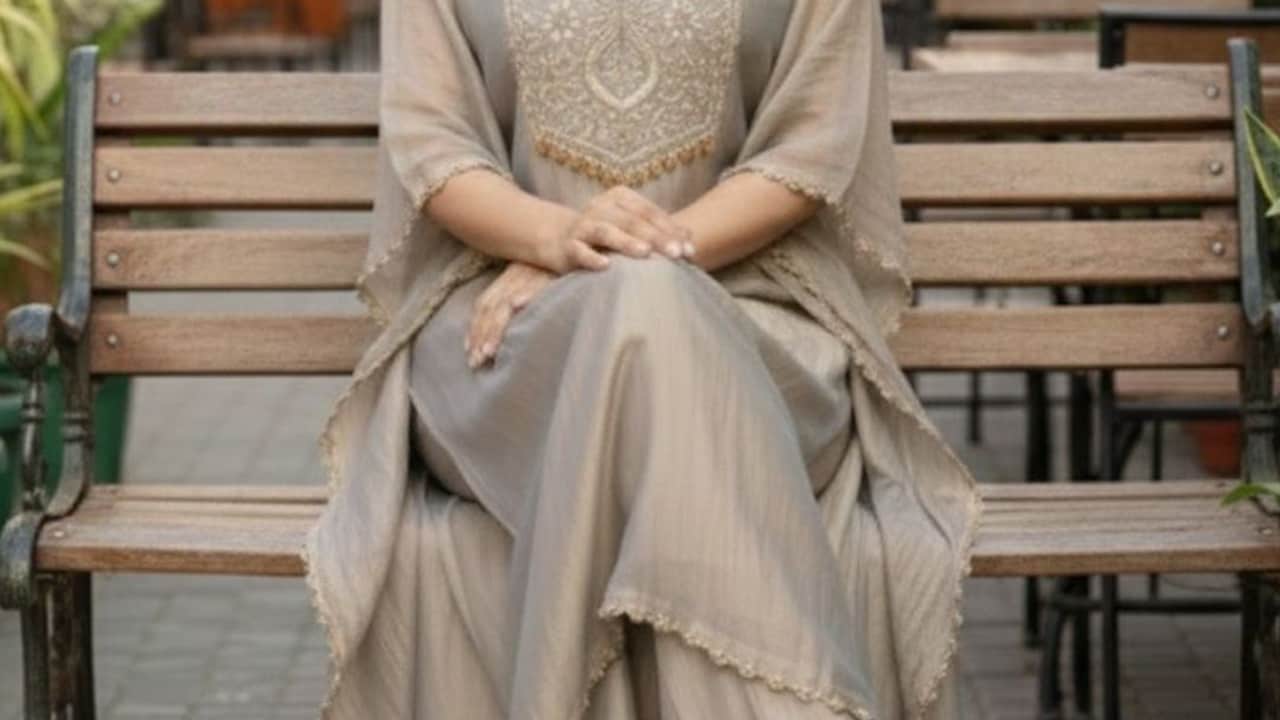
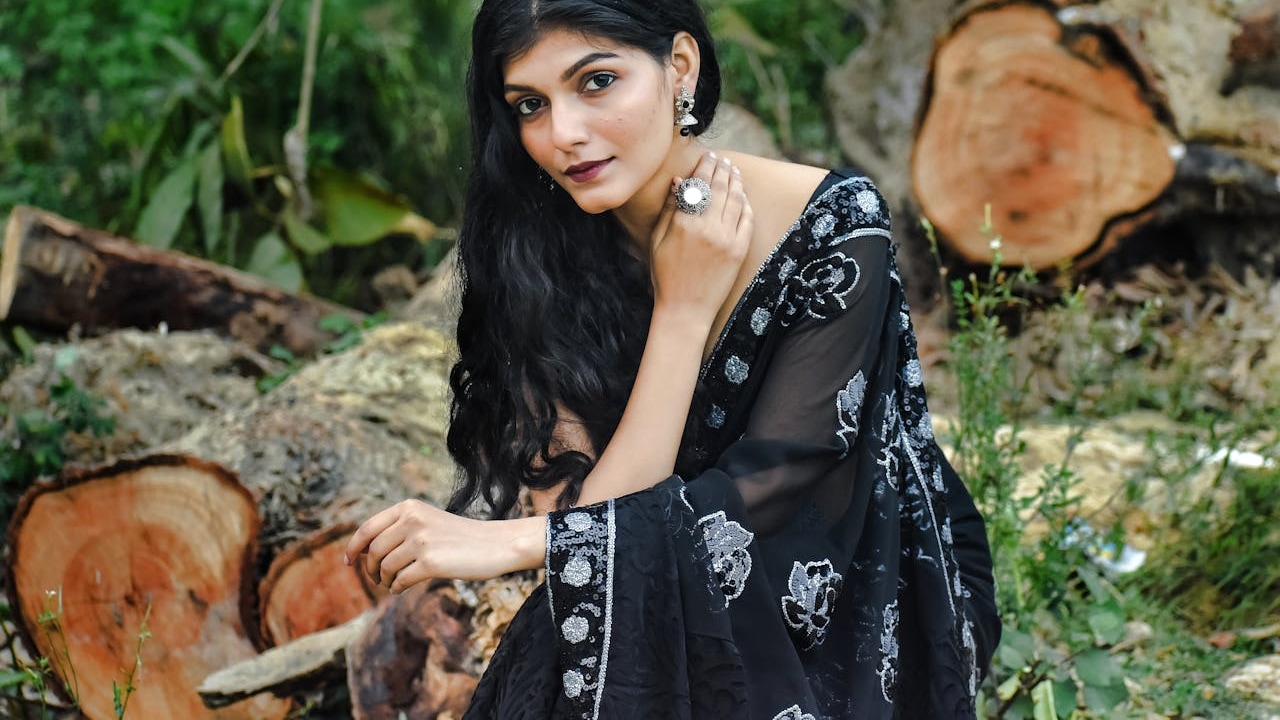
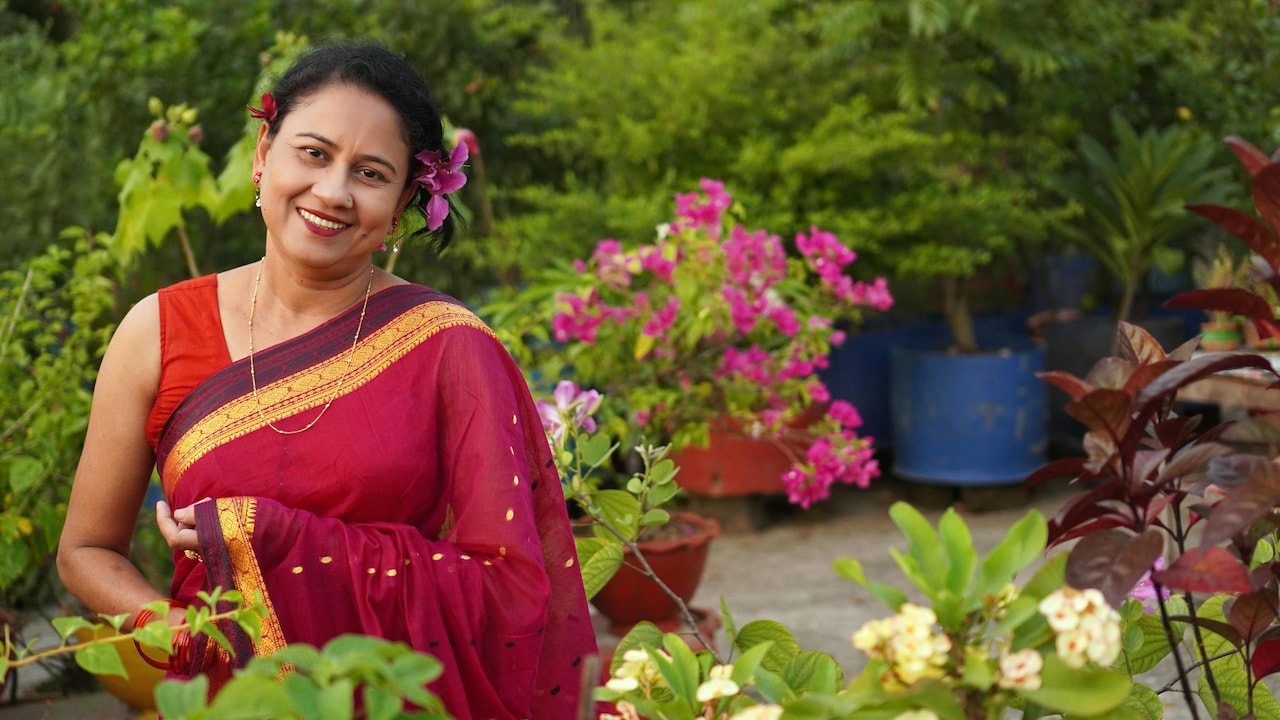
A saree carries grace, heritage, and personality in six yards, yet even the most stunning drape can become frustrating when the pallu refuses to stay put. Nearly everyone who wears sarees has faced that awkward shoulder slide during weddings, office parties, or festive gatherings. Safety pins may offer temporary peace, but they rarely solve the real mystery. The truth sits within the fabric itself. Every material behaves differently based on texture, thickness, weight, and stiffness. Some fabrics cling naturally, while others glide like water. Understanding these qualities transforms saree shopping and styling from guesswork into confidence.
Choosing a saree is not only about colour, print, or occasion. Fabric matters deeply. It shapes comfort, elegance, and practicality. Whether dressing for a humid summer event in Mumbai or a grand family celebration in Jaipur, knowing why certain sarees stay secure can save both style and sanity. Fabric science, surprisingly, may be the hidden hero behind flawless draping.
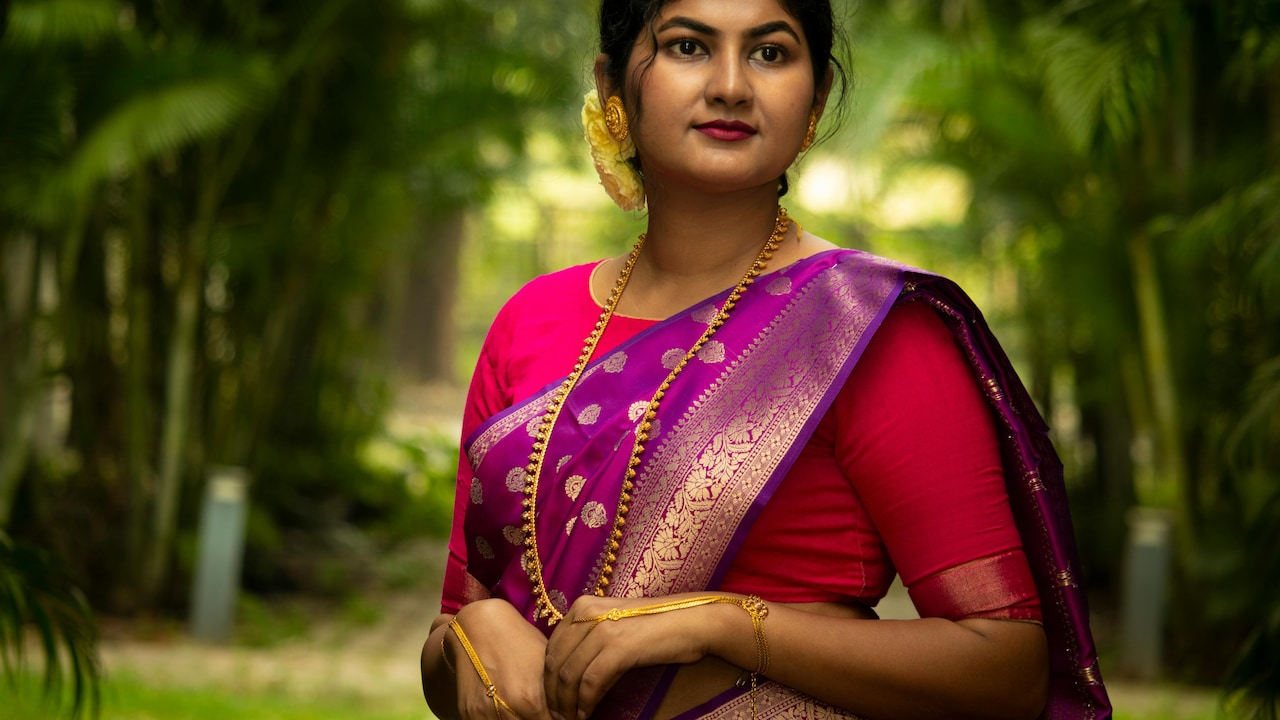
Why Do Some Sarees Refuse To Stay On The Shoulder? A Fabric Guide That Explains It
Photo Credit: Pexels
The Fabric Science Behind A Saree That Stays Put
The Secret Lies In Fabric Texture
Fabric texture often determines whether a saree behaves like a dream or causes endless shoulder adjustments. Rougher textures such as cotton, linen, and handloom varieties create friction against blouses, making them naturally more stable. These fabrics grip the surface instead of sliding around.
Smoother materials, however, tell a different story. Satin, georgette, and certain silks possess sleek surfaces that reduce friction. As a result, the pallu can slide off more easily, especially when paired with equally smooth blouse fabrics.
Imagine carrying a polished steel plate on silk versus cotton. One remains balanced, while the other slips instantly. Sarees function much the same way. Texture plays a practical role beyond appearance.
This explains why traditional cotton sarees often feel dependable during long workdays, while partywear sarees may require strategic pinning. For many wearers, texture becomes a trusted ally. Understanding this simple factor helps avoid wardrobe battles and ensures elegance remains effortless rather than exhausting.
Weight Can Make Or Break The Drape
The weight of a saree influences how securely it stays on the shoulder. Heavier fabrics like Kanjeevaram silk, Banarasi brocade, or thick cotton naturally anchor themselves better due to their substantial structure. Their weight creates downward tension, helping maintain placement.
Lighter fabrics, including chiffon, organza, or net, often feel airy and glamorous but lack this anchoring effect. They move with every breeze, shoulder shift, or dance step. While visually striking, they can become high-maintenance companions.
A lightweight saree may seem ideal during summer, but constant slipping can test patience faster than peak traffic during monsoon season. The balance between comfort and control becomes crucial.
Many festive sarees prioritise beauty over practicality, which explains why wearers often rely on pins, belts, or clever pleating techniques. Weight does not merely affect comfort; it shapes confidence. A well-balanced saree allows freedom of movement without constant worry, making social occasions far more enjoyable.
The Role Of Weave And Structure
Weave refers to how threads interlace, and this directly affects drape behaviour. Tight weaves create firmer fabrics that hold shape well, while looser weaves produce fluidity and softness.
For example, crisp cotton sarees feature structured weaves that offer excellent shoulder hold. They maintain pleats neatly and provide a polished silhouette. On the other hand, loosely woven chiffon or crepe flows beautifully but often lacks stability.
This distinction explains why some sarees appear picture-perfect in store displays but become slippery challenges once worn. Structured fabrics almost cooperate with the wearer, while softer weaves demand more attention.
Regional weaving traditions often influence this characteristic significantly. Sarees designed for ceremonial use may prioritise grandeur, while everyday wear focuses on durability and practicality. Recognising weave quality helps buyers make smarter choices based on lifestyle rather than impulse alone.
The weave quietly dictates whether a saree becomes a trusted wardrobe staple or a beautiful but exhausting indulgence.
Blouse Fabric Matters More Than Expected
Surprisingly, the blouse can either stabilise or sabotage a saree's drape. A slippery blouse made of satin, silk, or synthetic blends can worsen pallu slippage, even if the saree itself has moderate grip.
Cotton or textured blouses create better friction, helping secure the saree naturally. This often explains why experienced saree wearers carefully select blouse fabrics based on the occasion rather than simply matching aesthetics.
A dazzling sequinned saree paired with a smooth blouse may create visual brilliance but practical chaos. Meanwhile, a thoughtfully chosen blouse offers discreet support.
Fashion trends increasingly embrace experimental blouse materials, but comfort should remain central. After all, elegance loses charm when one hand constantly guards the shoulder.
For weddings, festivals, or office wear, blouse fabric deserves equal consideration alongside saree selection. The relationship between these two elements can determine whether the day feels effortless or filled with subtle sartorial frustration.
Humidity And Climate Influence Saree Grip
Weather can dramatically affect saree performance. Humid climates often make certain fabrics cling better due to moisture, while dry conditions may increase slipperiness.
In coastal cities like Chennai or Kolkata, cotton sarees often feel more manageable because natural fibres absorb moisture and maintain grip. Synthetic fabrics, however, may become uncomfortable and unstable.
During cooler seasons or air-conditioned indoor events, lightweight sarees may slide more easily since there is less natural friction. This environmental factor often goes unnoticed until repeated wardrobe mishaps occur.
Climate-conscious dressing, therefore, becomes essential. Choosing breathable, textured fabrics for hot conditions and slightly structured materials for cooler settings can improve both comfort and stability.
Saree styling is not merely about fashion; it is about adapting to surroundings. Weather, much like fabric, becomes an invisible stylist shaping the overall experience.
Those who understand this dynamic often appear effortlessly graceful, while others may find themselves wrestling with rebellious pallus throughout the evening.
Draping Style Can Change Everything
Even the best fabric can misbehave if draped carelessly. Pleat placement, shoulder spread, and pallu length all influence how securely a saree stays.
A narrow pallu may look sleek, but it offers less surface area for stability. Wider shoulder drapes distribute weight more effectively, reducing slippage. Traditional draping methods often evolved precisely to address these practical concerns.
For instance, Gujarati or Bengali styles may secure fabric differently compared to the Nivi drape. Each technique balances aesthetics with movement.
Modern quick-drape trends sometimes sacrifice structure for convenience, which can increase instability. Proper pleating and strategic tucking remain essential skills.
Draping is both art and engineering. Small adjustments can transform an unruly saree into a dependable ensemble. Mastering these nuances often separates occasional wearers from seasoned saree enthusiasts.
Also Read: Top 5 Saree Blouses That Work With More Than One Drape Style
Fabric Finishes And Surface Treatments Matter
Manufacturing processes can alter how fabric behaves. Starching cotton sarees, for example, increases stiffness and improves shoulder hold significantly. This is why freshly starched handlooms often feel wonderfully structured.
Conversely, polished finishes on silk or synthetic sarees enhance shine but may reduce grip. Decorative coatings can prioritise glamour over practicality.
Many contemporary sarees undergo treatments to improve softness, but excessive softness can compromise stability. Consumers often focus on design while overlooking these subtle finishing details.
A saree's touch reveals much about its likely performance. Crispness often signals control, while excessive fluidity may suggest slippage.
Practical shoppers understand that fabric finish deserves attention alongside visual appeal. A gorgeous saree that requires constant management may not always justify its ₹8,000 price tag.
Choosing wisely means balancing aesthetics with wearability, ensuring beauty does not become burdensome.
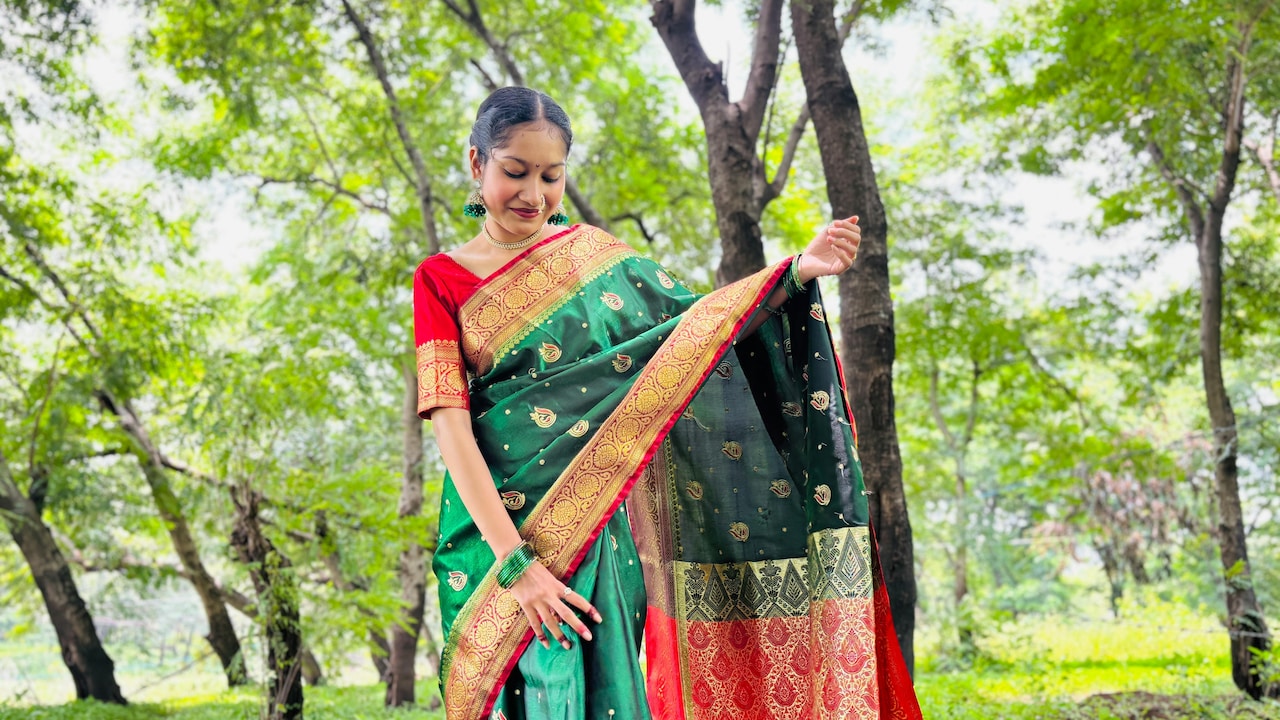
Why Do Some Sarees Refuse To Stay On The Shoulder? A Fabric Guide That Explains It
Photo Credit: Pexels
Accessories Often Save The Day
Safety pins, saree shapewear, shoulder brooches, and pallu clips have become trusted allies for many saree wearers. While fabric determines baseline behaviour, accessories provide reinforcement.
Well-placed pins can secure even the slipperiest chiffon, though excessive pinning may affect natural flow. Modern saree belts offer stylish solutions while enhancing waist definition.
These practical tools allow greater freedom with delicate fabrics that might otherwise feel intimidating. They also empower experimentation with fashion-forward drapes.
Accessories should complement, not replace, thoughtful fabric choices. A heavily pinned saree may stay put, but true comfort begins with understanding the material itself.
Still, these innovations prove that style challenges often inspire creative solutions. Saree culture continually evolves, blending tradition with convenience.
Occasion Determines The Right Fabric Choice
Different settings demand different saree behaviours. A lightweight organza may dazzle at an evening reception but prove impractical for daily office wear. Similarly, heavy silk may feel majestic during weddings but overwhelming for casual gatherings.
Selecting fabric based on event type improves both appearance and comfort. Workwear benefits from breathable, stable materials like cotton or linen. Festive occasions may justify more elaborate but demanding fabrics.
Understanding purpose prevents common mistakes. Many buyers fall for visual allure without considering wear duration, venue, or movement needs.
A saree should support the occasion rather than complicate it. Confidence flourishes when style aligns with practicality.
Smart choices often come from balancing glamour with real-world function, ensuring every drape feels as good as it looks.
Saree Confidence Comes From Fabric Knowledge
The perfect saree experience extends beyond beauty. It depends on understanding how fabric, weave, blouse pairing, weather, and draping techniques interact.
Rather than blaming oneself for a slipping pallu, recognising fabric behaviour offers clarity and control. Knowledge transforms frustration into strategy.
Sarees remain timeless because they adapt endlessly across generations, trends, and personal styles. Yet practical wisdom enhances this elegance significantly.
When choosing sarees, informed decisions create lasting satisfaction. Whether investing ₹2,500 in a comfortable cotton or ₹25,000 in luxurious silk, knowing how the fabric behaves ensures better value.
Grace should never feel like a constant struggle. With the right understanding, every saree can become not only beautiful but beautifully manageable.
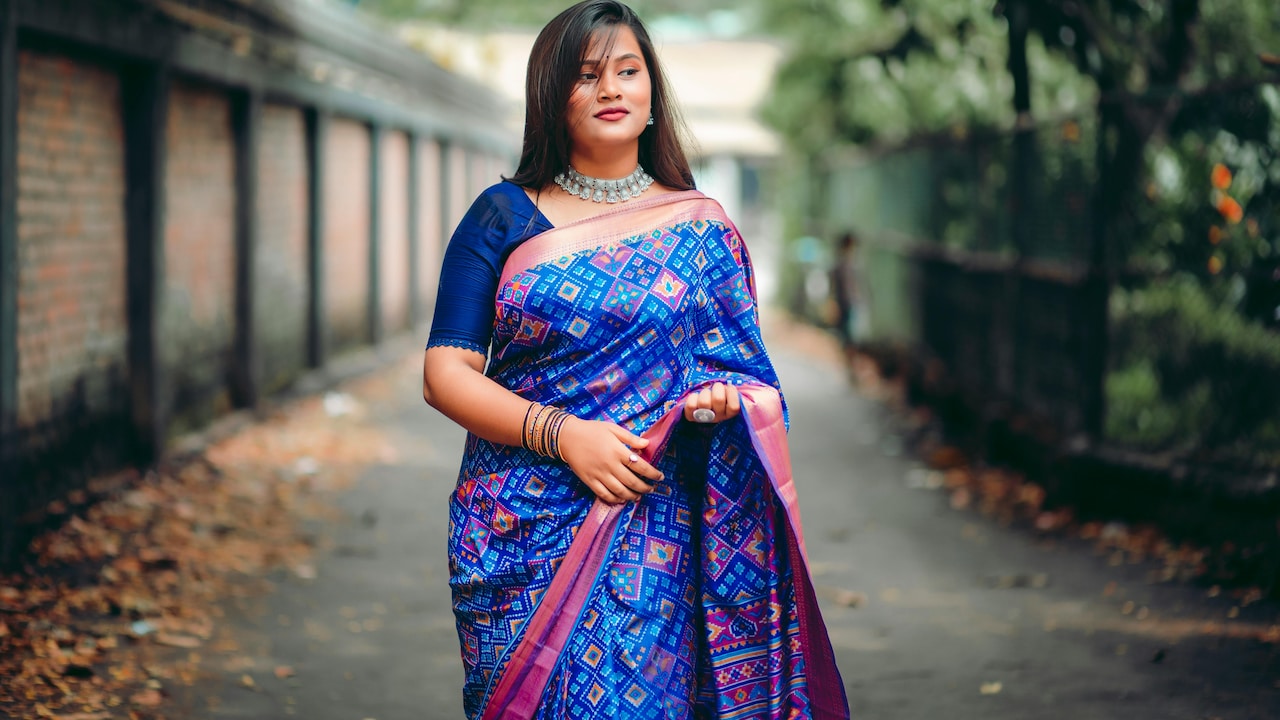
Why Do Some Sarees Refuse To Stay On The Shoulder? A Fabric Guide That Explains It
Photo Credit: Pexels
Products Related To This Article
1. all about you Pure Cotton Khadi Saree
https://www.myntra.com/sarees/all+about+you/all-about-you-pure-cotton-khadi-saree/40657332/buy
2. Mitera Embellished Beads and Stones Organza Saree
https://www.myntra.com/sarees/mitera/mitera-embellished-beads-and-stones-organza-saree/29602052/buy
3. Yourwish Checked Zari Pure Cotton Kovai Saree
4. all about you All About You Pure Georgette Saree with Heavy Embroidered Blouse Piece
5. STAVA CREATION Floral Printed Pure Linen Saree With Unstiched Blouse Piece
Some sarees refuse to stay on the shoulder, not because of poor draping, but because fabric science shapes their behaviour. Texture, weight, weave, climate, blouse choice, and finishing all play vital roles in how a saree performs.
Understanding these elements empowers wearers to choose wisely, dress confidently, and enjoy elegance without constant adjustments. Sarees are more than garments; they are living expressions of tradition, style, and individuality.
When fabric knowledge meets personal taste, the saree transforms from a potential wardrobe challenge into effortless sophistication. The next time a pallu misbehaves, the answer may lie not in technique alone, but in the very threads themselves.
(Disclaimer: This article may include references to or features of products and services made available through affiliate marketing campaigns. NDTV Convergence Limited (“NDTV”) strives to maintain editorial independence while participating in such campaigns. NDTV does not assume responsibility for the performance or claims of any featured products or services.)