Electric Toothbrush Guide 2026: Understanding Pressure Sensors And Bristle Density
Choosing an electric toothbrush goes beyond brands. Learn how pressure sensors and bristle density protect gums, improve cleaning, and help build better daily habits in 2026.
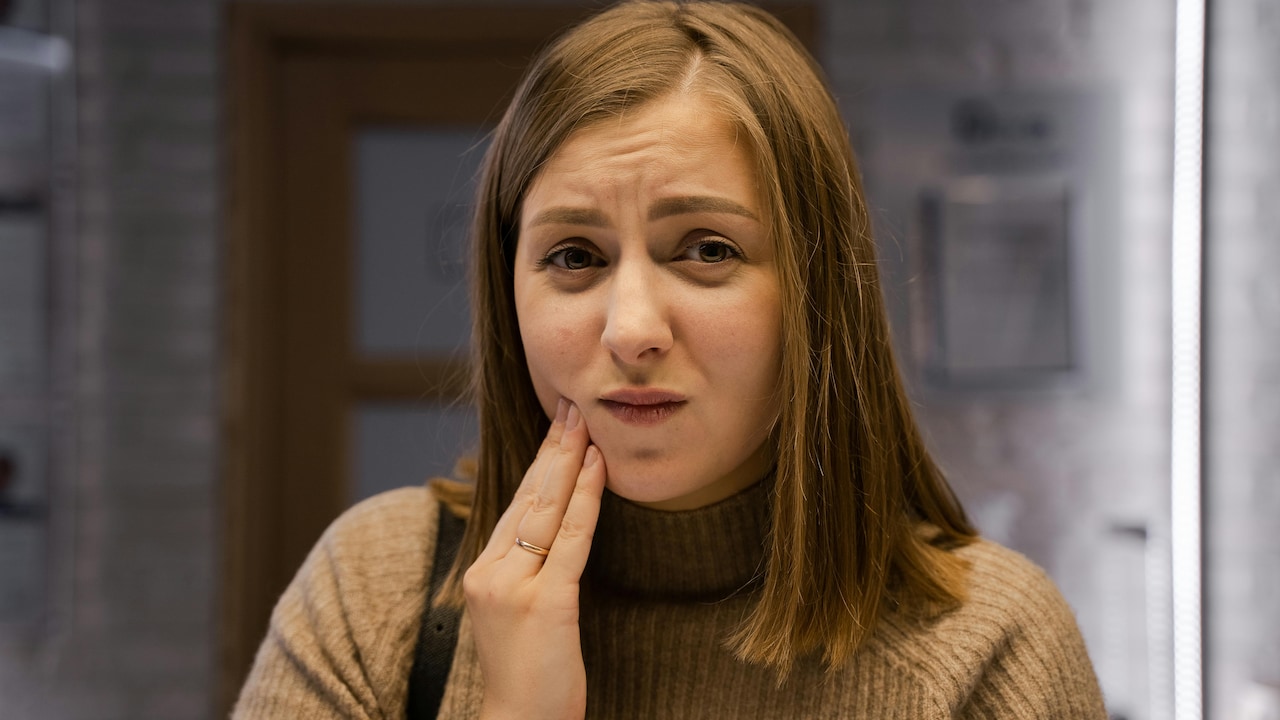
Electric Toothbrush Guide: Pressure Sensors and Bristle Density Explained
Morning routines often run on autopilot. A splash of water, a hurried brush, and a glance in the mirror before stepping out. Somewhere in this routine sits a small device that plays a big role in long-term oral health: the toothbrush. Over the past decade, electric toothbrushes have shifted from luxury gadgets to everyday essentials, especially in homes where convenience meets care.
Yet, despite rising popularity, many buyers still focus on battery life or app connectivity while ignoring features that actually protect teeth and gums. Pressure sensors and bristle density rarely get the spotlight, though they influence everything from enamel safety to gum health.
With dental treatments becoming increasingly expensive, routine procedures easily crossing ₹5,000 and advanced treatments touching ₹50,000, preventive care feels less like advice and more like common sense. This guide unpacks how modern electric toothbrushes work beneath the surface, helping readers make smarter, more confident choices.
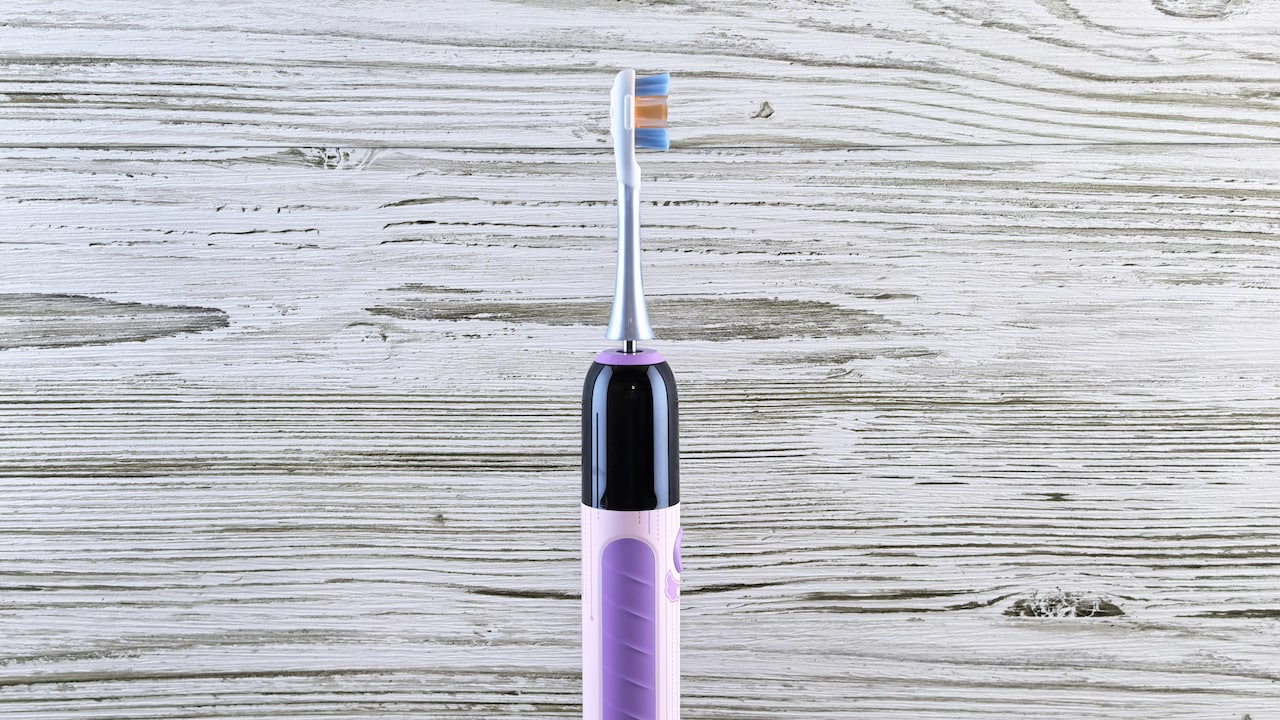
Electric Toothbrush Guide: Pressure Sensors and Bristle Density Explained; Photo Credit: Pexels
Key Features To Understand Before Choosing An Electric Toothbrush
Why Electric Toothbrushes Have Become A Daily Essential
Electric toothbrushes once sat behind glass counters, priced high enough to feel indulgent. Today, they appear in everyday households, often placed next to steel tumblers and neatly folded towels. The shift didn't happen overnight. Rising awareness about oral hygiene and the fast pace of urban lifestyles have played their part.
Manual brushing depends heavily on technique. A rushed morning or tired night often leads to uneven cleaning. Electric toothbrushes remove that guesswork. Their oscillating or sonic movements ensure consistent strokes, even when attention drifts to unfinished emails or a buzzing phone.
Another factor driving adoption is the growing link between oral health and overall well-being. Dentists frequently point out how gum issues can influence heart health and diabetes management. That realisation has pushed more people to invest in better tools.
Prices have also become more accessible. Entry-level electric toothbrushes now start around ₹1,200, making them a practical upgrade rather than a luxury. For many, the switch feels like moving from a basic keypad phone to a smartphone, subtle at first, but hard to go back once experienced.
What Exactly Is A Pressure Sensor And Why It Matters
A pressure sensor might sound like a technical add-on, but its role is surprisingly simple. It tells when brushing becomes too aggressive. Many people believe that pressing harder means cleaner teeth. In reality, it often leads to enamel erosion and irritated gums.
Modern electric toothbrushes come equipped with sensors that detect excessive force. Some respond by slowing down, while others flash a warning light or produce a gentle vibration. It feels like a quiet nudge, reminding users to ease up without interrupting the routine.
This feature proves especially useful for those who brush in a hurry. After a long day or during a rushed morning, it's easy to apply extra pressure without noticing. Over time, that habit can cause sensitivity and gum recession.
Think of the pressure sensor as a safety net. It doesn't replace good habits, but it prevents small mistakes from turning into long-term damage. In households where children or elderly members use the same device type, this feature adds an extra layer of protection.
How Pressure Sensors Protect Your Gums And Enamel
Gums often get overlooked until discomfort appears. A slight bleeding while brushing may seem harmless, but it usually signals excessive force or improper technique. Pressure sensors address this issue before it escalates.
When brushing becomes too harsh, the soft tissue around the teeth experiences stress. Over time, this can cause the gums to recede, exposing sensitive areas. Enamel, though strong, isn't indestructible either. Constant pressure can wear it down, leading to sensitivity when consuming hot tea or cold desserts.
Electric toothbrushes with pressure sensors act like a real-time guide. They help maintain an optimal balance, firm enough to clean effectively, gentle enough to protect. The difference becomes noticeable within weeks, especially for those who previously dealt with sensitivity.
Dentists often compare proper brushing to polishing rather than scrubbing. The aim is to remove plaque, not to attack teeth. Pressure sensors reinforce that idea in a practical, everyday way. Over time, they help build better habits without requiring constant conscious effort.
Also Read: 5 Best Electric Toothbrushes for Sensitive Gums That Clean Without Irritation
Bristle Density: The Feature Most People Ignore
Walk into any store, and toothbrush heads look nearly identical at first glance. Colours vary, packaging shines, but the real difference lies in something less visible, bristle density.
Bristle density refers to how closely packed the bristles are on the brush head. It influences how effectively plaque gets removed and how gently the brush interacts with gums. Yet, most buyers rarely consider it.
High-density bristles offer thorough cleaning by reaching tight spaces between teeth. However, if paired with excessive pressure, they can feel too harsh. On the other hand, lower-density brushes feel softer but may miss certain areas if not used properly.
Choosing the right density depends on individual needs. Someone with sensitive gums may benefit from softer, less dense bristles, while another person dealing with plaque buildup might prefer a slightly denser configuration.
Ignoring this feature is like choosing footwear based only on colour. It might look appealing, but comfort and functionality matter far more in the long run.
Understanding Soft, Medium, And Dense Bristles In 2026 Models
Electric toothbrush technology has evolved significantly, and so have brush heads. Today's models offer a variety of bristle configurations designed for different oral care needs.
Soft bristles remain the most recommended option. They provide effective cleaning while being gentle on gums. Many modern designs enhance soft bristles with tapered ends, allowing them to reach deeper without causing irritation.
Medium bristles sit somewhere in between. They suit users who prefer a slightly firmer feel but still want to avoid damage. However, dentists generally advise caution, especially for those prone to sensitivity.
Dense bristle heads represent a newer innovation. They pack more bristles into a smaller space, increasing contact with tooth surfaces. When combined with controlled pressure, they deliver efficient cleaning without harshness.
In 2026, some brands have introduced hybrid designs, mixing soft outer bristles with denser inner clusters. This approach balances comfort and performance, making it easier to maintain consistent oral hygiene without overthinking every detail.
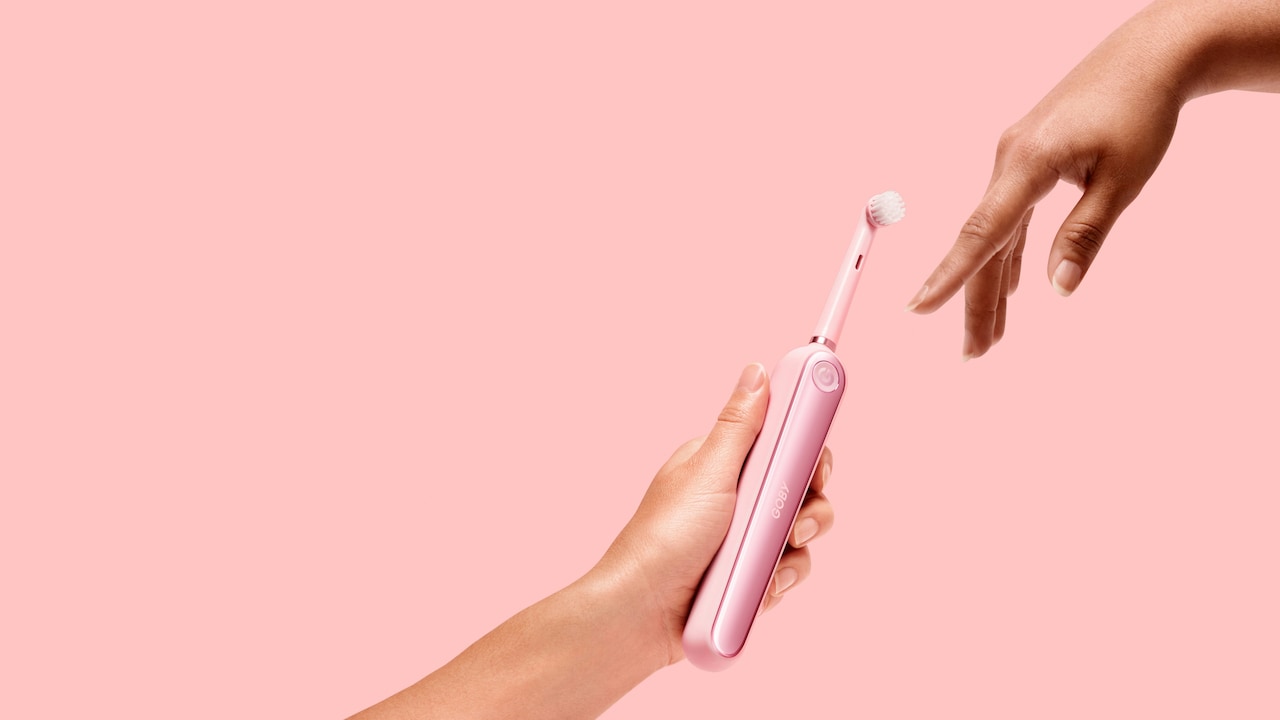
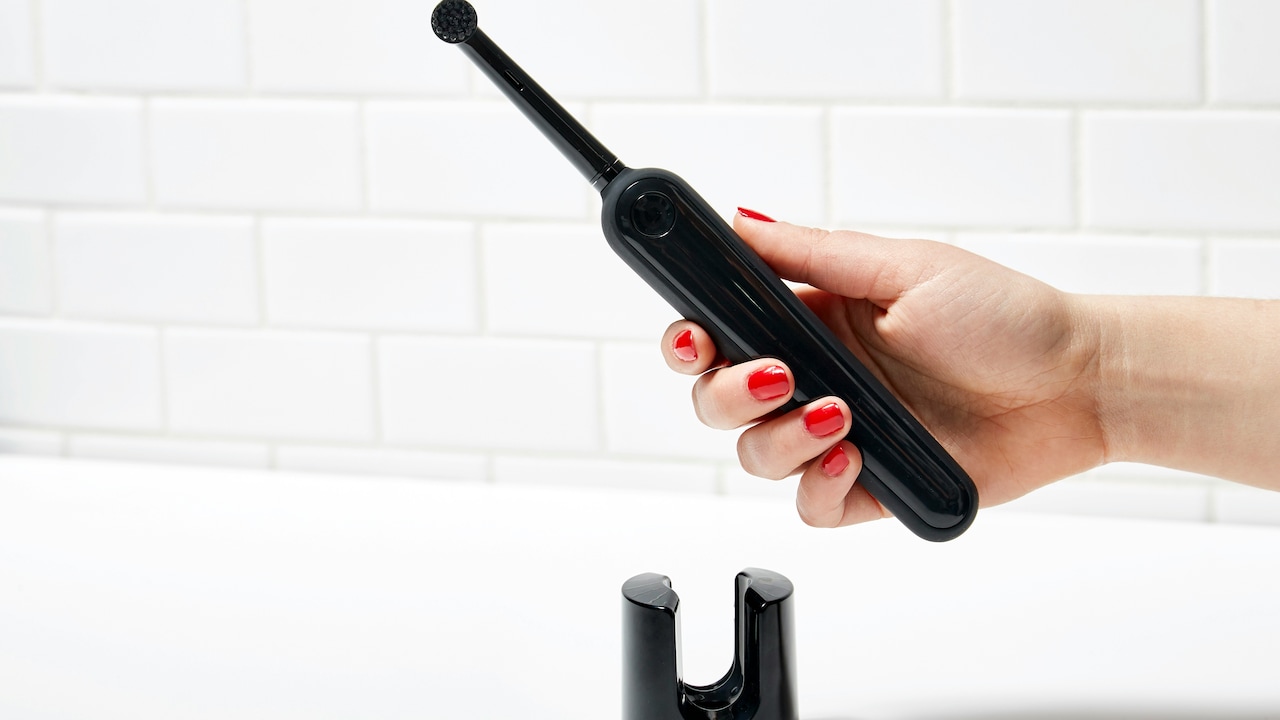
Electric Toothbrush Guide: Pressure Sensors and Bristle Density Explained; Photo Credit: Pexels
Choosing The Right Combination For Your Teeth And Lifestyle
Selecting an electric toothbrush isn't just about features; it's about fit. Lifestyle plays a bigger role than many realise. A busy professional rushing through mornings may need a forgiving brush with strong pressure control, while someone with a relaxed routine might focus more on precision.
For those with sensitive teeth, pairing a reliable pressure sensor with soft bristles often works best. It reduces the risk of irritation while still ensuring proper cleaning. On the other hand, individuals dealing with frequent plaque buildup may benefit from denser bristles, provided they maintain gentle pressure.
Travel habits also influence choices. Compact models with versatile brush heads suit those constantly on the move. Meanwhile, families often prefer devices with interchangeable heads that cater to different needs.
Budget plays its part too. Spending ₹2,000–₹3,000 on a well-designed model with essential features often proves more practical than investing ₹10,000 in advanced options that go unused.
The key lies in balance. A toothbrush should adapt to daily life, not complicate it. When chosen thoughtfully, it becomes a seamless part of the routine rather than another gadget demanding attention.
Common Mistakes People Make While Using Electric Toothbrushes
Switching to an electric toothbrush doesn't automatically guarantee better results. Many users carry over habits from manual brushing, which can reduce effectiveness.
One common mistake is applying too much pressure, assuming it leads to deeper cleaning. Even with a pressure sensor, constant force can limit the brush's natural movement. Letting the brush glide gently across teeth usually works better.
Another frequent issue is rushing. Electric toothbrushes often include timers for a reason. Cutting brushing time short defeats the purpose of using a powered device.
Improper positioning also affects results. Holding the brush at the wrong angle can miss key areas, especially along the gum line. Small adjustments make a noticeable difference.
Replacing brush heads is another overlooked aspect. Worn-out bristles lose effectiveness and can even harm gums. Changing them every three months, or sooner if needed, keeps performance consistent.
Understanding these mistakes helps maximise the benefits of modern toothbrush technology without adding complexity to daily routines.
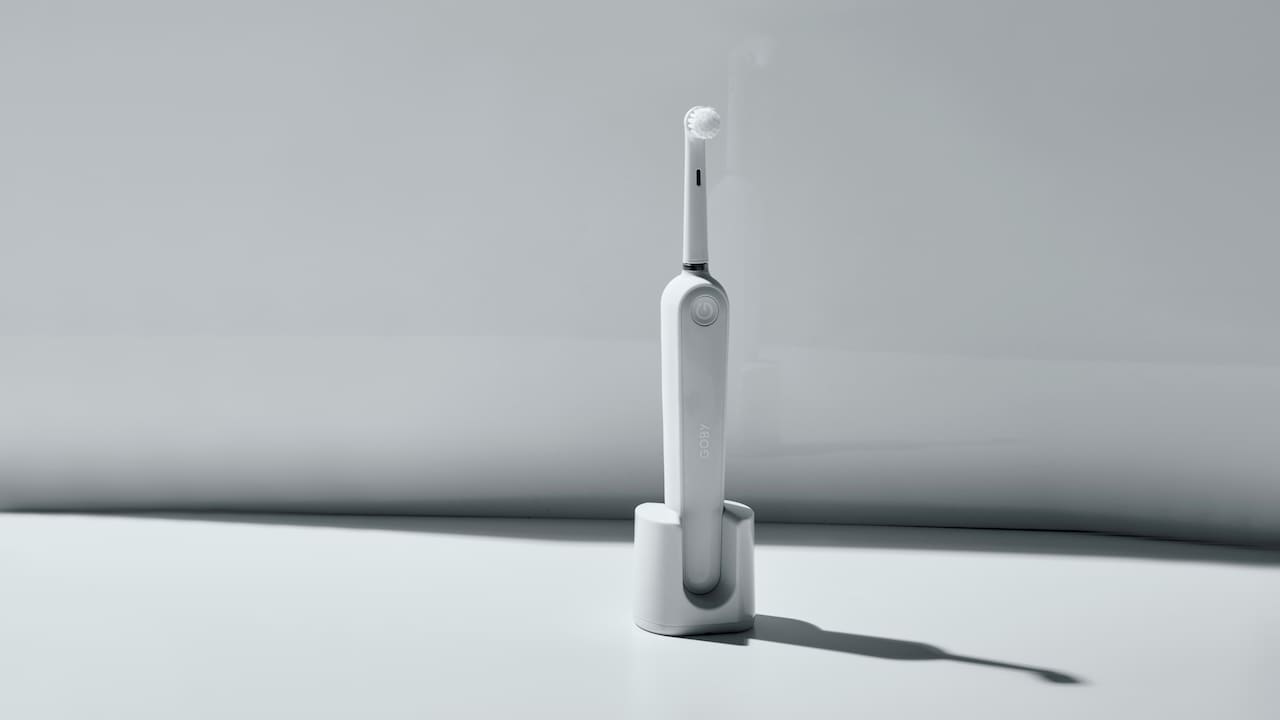
Electric Toothbrush Guide: Pressure Sensors and Bristle Density Explained; Photo Credit: Pexels
How Technology Is Shaping Oral Care Habits In Modern Homes
The bathroom mirror has quietly become a space where technology meets routine. Electric toothbrushes now connect to mobile apps, track brushing patterns, and even provide feedback in real time.
While some features feel excessive, others genuinely improve habits. Pressure sensors and smart timers, for instance, create awareness without requiring constant attention. Over time, they help users develop better techniques naturally.
Families benefit from shared learning as well. Children often find interactive brushing more engaging, turning a mundane task into something slightly enjoyable. That shift can build lifelong habits.
There's also a growing emphasis on preventive care. With dental costs rising, investing in better tools feels like a sensible decision rather than an optional upgrade.
Technology doesn't replace discipline, but it supports it. When used wisely, it simplifies routines and reduces the chances of long-term issues. The result is a quieter, more consistent approach to oral care, one that fits seamlessly into everyday life.
The Future Of Electric Toothbrush Design Beyond 2026
Looking ahead, electric toothbrushes are set to become even more intuitive. Innovations are already focusing on personalisation, devices that adapt to individual brushing styles and adjust settings automatically.
Pressure sensors may evolve to provide more detailed feedback, possibly indicating specific areas where excessive force occurs. Bristle technology is also expected to advance, with materials designed to enhance cleaning while remaining exceptionally gentle.
Sustainability is another area gaining attention. Eco-friendly brush heads and longer-lasting components are becoming priorities as environmental awareness grows.
Design trends suggest a move towards simplicity. Instead of overwhelming users with features, manufacturers are likely to focus on meaningful improvements that enhance daily use.
The goal remains clear: make oral care more effective without making it complicated. As technology continues to evolve, the humble toothbrush will keep adapting, quietly improving routines in ways that feel natural rather than intrusive.
Products Related To This Article
1. Caresmith SPARK Infinity Electric Toothbrush
2. AGARO COSMIC LITE Sonic Electric Tooth Brush For Adults With 5 Modes
3. beatXP Vista Sonic Electric Toothbrush for Adults with 2 Brush Heads & 5 Cleaning Modes
4. Perfora PRO Oscillating Electric Toothbrush
5. Oral-B Pro 3 Rechargeable Rotating Electric Toothbrush for Adults
Electric toothbrushes have come a long way from being optional gadgets. They now play a vital role in maintaining oral health, especially when chosen with care. Features like pressure sensors and bristle density may not grab attention immediately, but they shape the effectiveness of every brushing session.
Understanding these elements transforms the buying decision from guesswork into informed choice. It helps prevent common issues, supports better habits, and ultimately reduces the need for costly treatments.
In a world where routines often feel rushed, small improvements make a big difference. A well-chosen toothbrush doesn't demand effort; it quietly enhances daily life. And sometimes, that's exactly what good technology should do.
(Disclaimer: This article may include references to or features of products and services made available through affiliate marketing campaigns. NDTV Convergence Limited (“NDTV”) strives to maintain editorial independence while participating in such campaigns. NDTV does not assume responsibility for the performance or claims of any featured products or services.)