10 Reasons Pet Beds Flatten Faster In The Centre And How To Restore Support
Pet beds often sink in the middle long before the outer edges wear out. From compressed filling to poor washing habits, here are 10 reasons support disappears and practical ways to bring comfort back.
Why Pet Beds Flatten In The Middle: 10 Causes And Easy Fixes
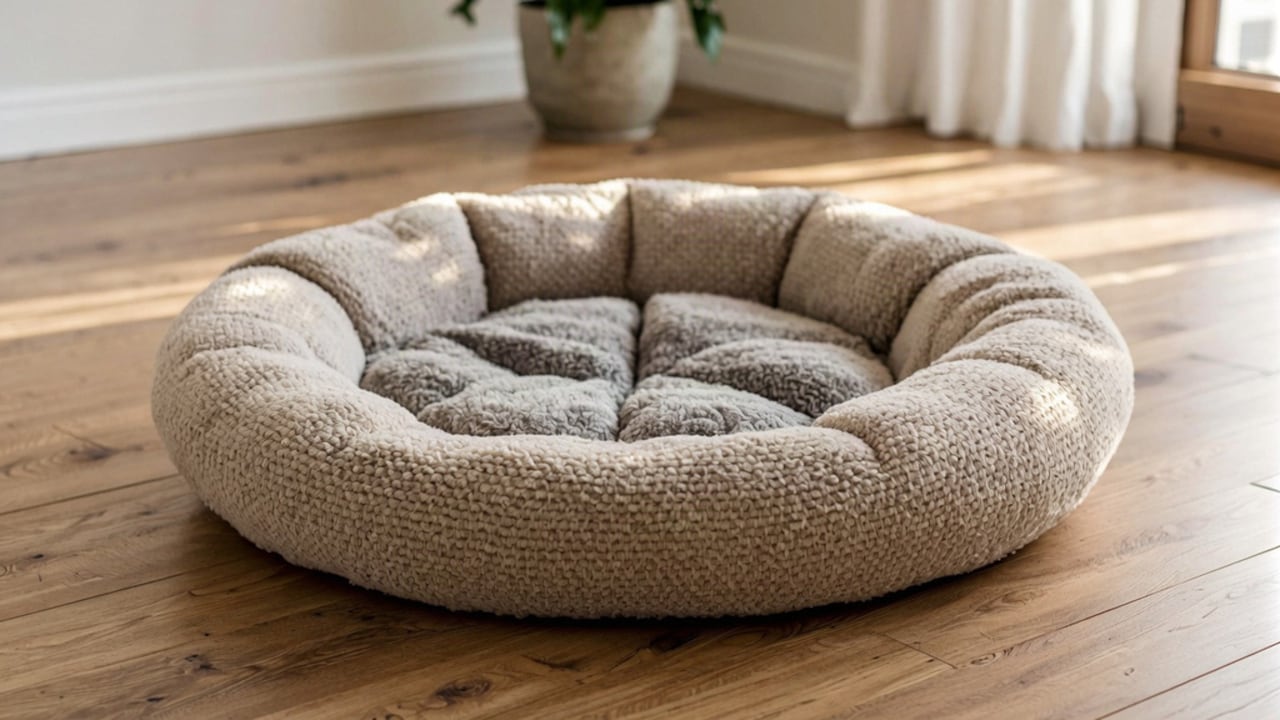
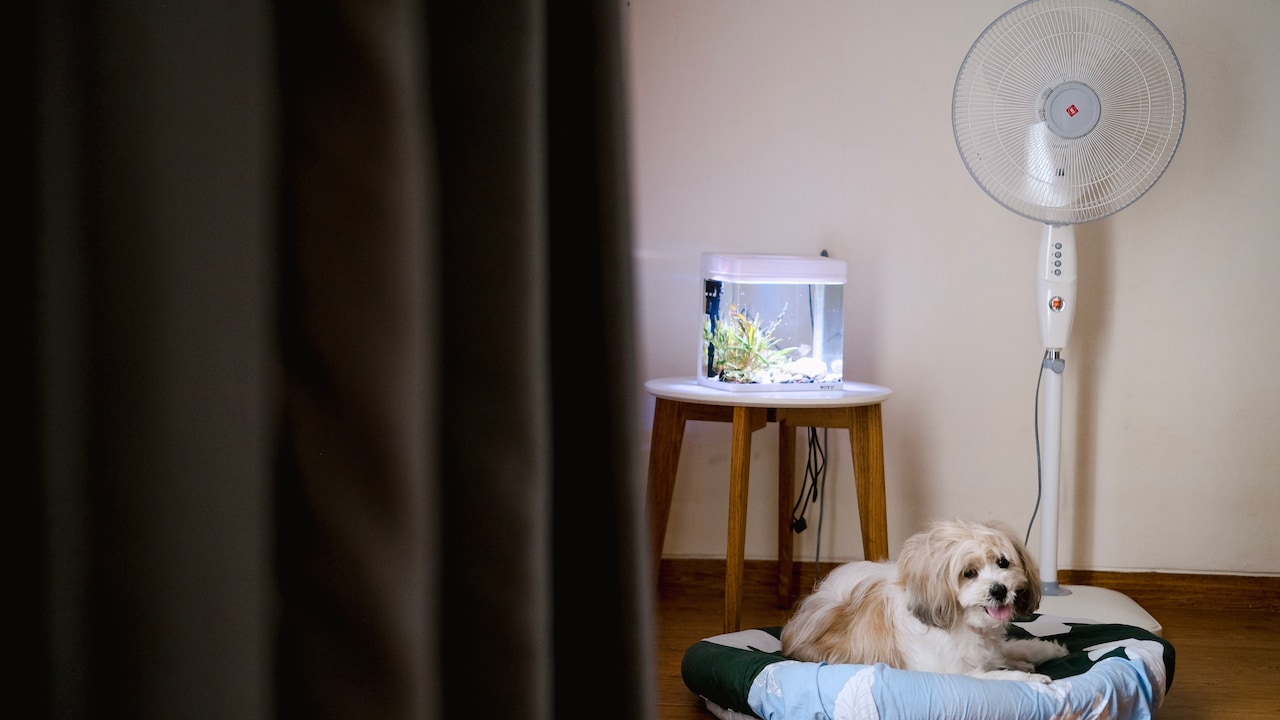
A new pet bed can look impressively plump on day one. Give it a few weeks, though, and a familiar little crater may appear right in the middle. The sides still look fluffy, the fabric seems perfectly usable, yet the centre has somehow turned into a shallow bowl. Some of this comes down to simple mathematics. Pets tend to sleep in the same position, putting their body weight on one section night after night. But repeated pressure isn't the only reason a bed loses shape. Filling quality, moisture, washing methods, bed size and even the way a dog circles before settling can change how quickly cushioning collapses. A flattened centre isn't merely a cosmetic problem either. Once padding thins out, the pet may end up resting much closer to the hard floor underneath. Older pets, larger breeds and animals that spend long hours sleeping may notice the difference first. The good news? A dip doesn't always mean the entire bed belongs in the home bin. Understanding why the filling has shifted or compressed makes it much easier to decide whether fluffing, rotating, refilling or replacing the inner cushion can restore some much-needed support.
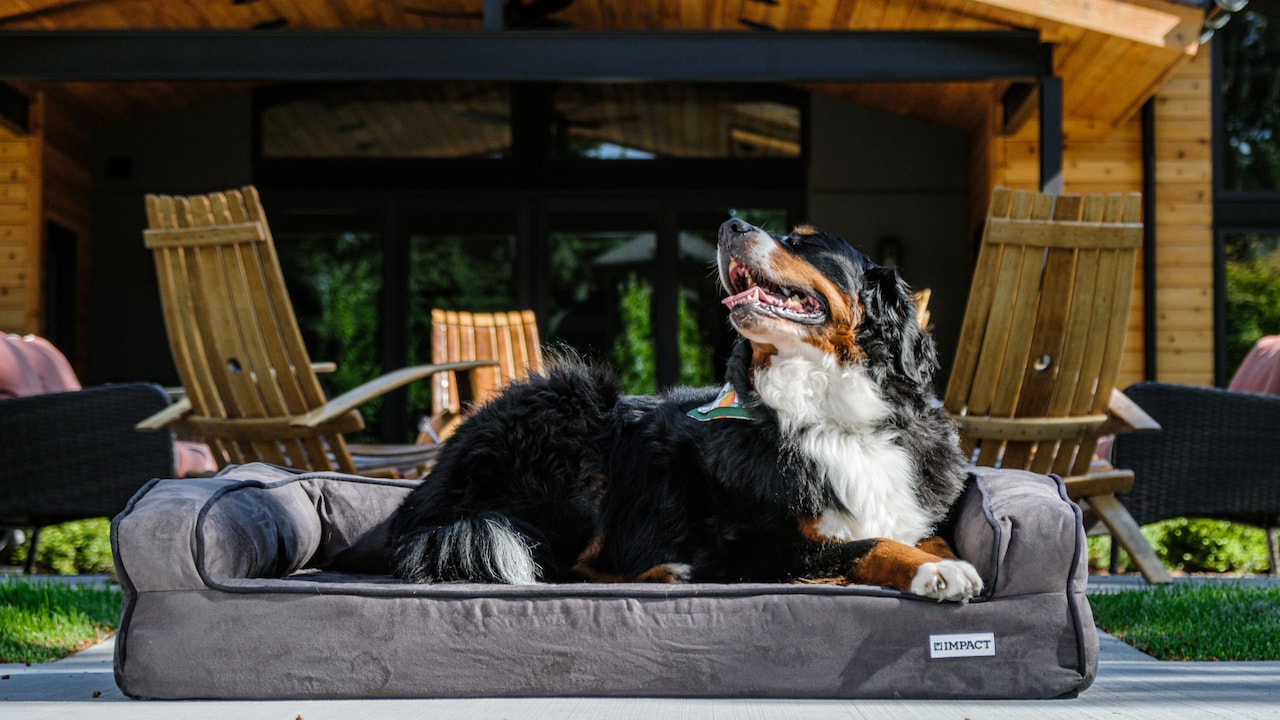
Why Pet Beds Flatten In The Middle: 10 Causes And Easy Fixes; Photo Credit: Pexels
Why Pet Beds Lose Their Shape Where It Matters Most
1. Your Pet Sleeps In Exactly The Same Spot Every Day
Pets may have an entire bed available, but many behave as though one particular patch has been personally reserved for them. Once they find a favourite sleeping position, they return to it repeatedly. That places most of their body weight on the same handful of centimetres.
Over time, loose fibre filling becomes compressed. Air pockets between the fibres shrink, so the material no longer springs back to its original height. The outer sections remain relatively untouched, which makes the flattened centre look even more dramatic.
Regular rotation can slow this pattern. Turn rectangular beds around every few days so the pet naturally settles over a slightly different section. If the cushion comes out, flip it as well.
For loose-fill cushions, vigorous fluffing can redistribute the material. Hold opposite sides, shake the cushion and massage filling from the thicker edges towards the middle.
Don't expect permanently crushed filling to regain its original loft completely. Still, moving the cushioning around before a deep depression develops can extend the bed's usable life considerably.
Also Read: Pet Parent's Guide: Top 5 Dog Beds For Everyday Comfort
2. The Filling Is Too Soft For Your Pet's Weight
A bed can feel wonderfully plush when pressed by hand yet offer surprisingly little support once a pet lies on it. Soft polyester fibre, shredded foam and inexpensive stuffing often create impressive initial volume without enough resistance underneath.
A heavier dog can therefore compress several centimetres of filling almost immediately. When this happens every day, the centre gradually stays compressed even after the pet gets up.
Look at what happens a few minutes after your pet leaves the bed. If the centre rises slowly or remains visibly sunken, the filling may lack enough density for that body weight.
Adding extra stuffing can help when the cover has a zip and the construction allows refilling. However, packing soft fibre tightly isn't always the answer. Too much loose stuffing can create lumps rather than steady support.
A firmer foam insert often works better. High-density foam, supportive layered foam or suitable memory foam can provide a stronger base beneath softer cushioning.
The goal isn't to make the bed hard. It should still feel comfortable, but your pet shouldn't sink until its body almost touches the floor.
3. Loose Filling Gradually Migrates Towards The Edges
Sometimes the cushioning hasn't actually disappeared. It has simply moved house.
Pets rarely lower themselves gently onto a bed and remain perfectly still. Dogs may circle several times, paw at the fabric, scratch the surface or push their body around until everything feels right. Cats knead cushions too. All that movement gradually pushes loose filling away from the centre.
The result can look like compression even when plenty of stuffing remains inside. Run your hands around the outer edge and you may discover noticeably thicker sections surrounding a thin middle.
Redistributing the filling can make a surprisingly big difference. Place the bed on the floor, loosen compacted clumps with your fingers and push material back towards the centre from every direction.
Beds with internal baffles or stitched compartments resist this problem better because the filling cannot travel as freely. If repeated migration becomes annoying, consider adding a quilted inner pad or separate foam layer underneath the existing cushion.
It won't stop every bit of movement, but it prevents the middle from becoming an empty zone while the borders slowly turn into overstuffed cushions.
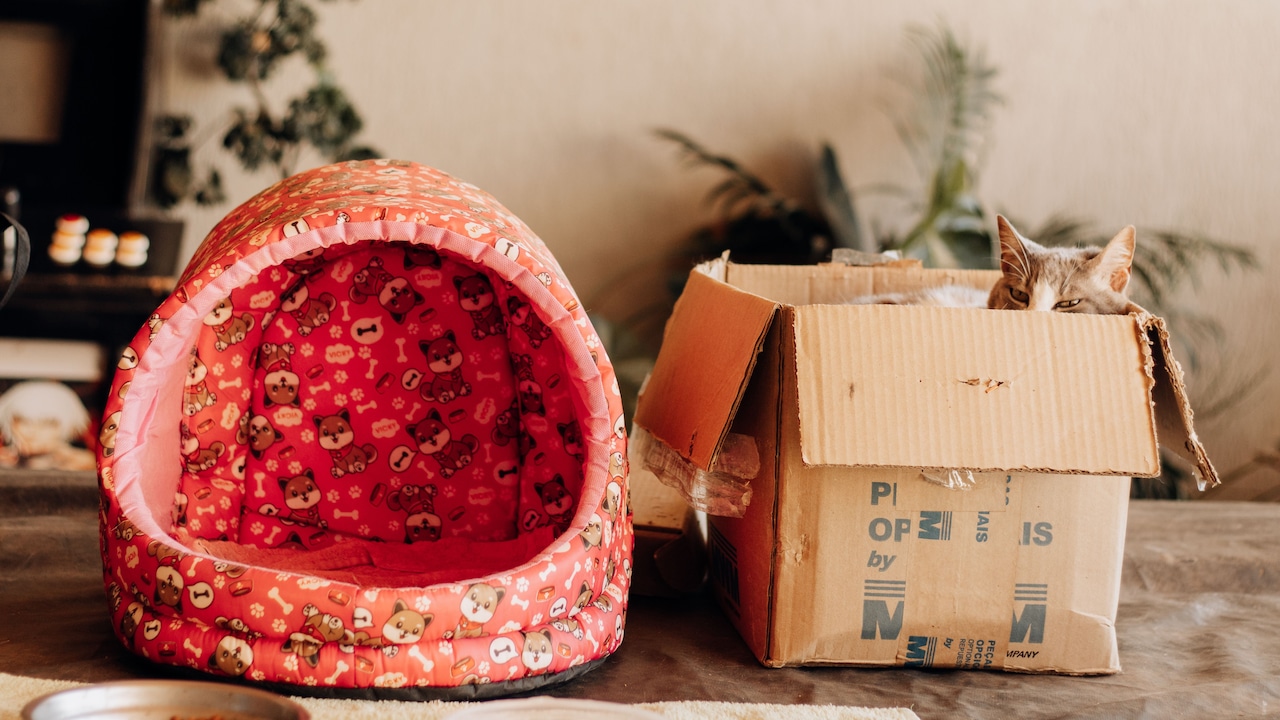
Why Pet Beds Flatten In The Middle: 10 Causes And Easy Fixes; Photo Credit: Pexels
4. Frequent Washing Is Breaking Down The Loft
Pet beds need cleaning, especially when muddy paws, shedding fur and mysterious smells become regular visitors. Unfortunately, repeated washing can also accelerate the breakdown of some fillings.
During a wash cycle, loose fibres become wet, compressed and tangled. Aggressive spinning can push them into dense clumps. Hot water and high dryer temperatures may worsen the problem, particularly with synthetic stuffing that doesn't tolerate heat well.
After several washes, a once-fluffy cushion can come out looking considerably less enthusiastic about life.
Always check the manufacturer's care instructions before washing the complete bed. When possible, remove and wash only the outer cover while cleaning the inner cushion less frequently.
If the insert can safely go into the washing machine, use an appropriate gentle cycle and make sure it dries thoroughly afterwards. While drying, pause occasionally to break apart clumps and redistribute the stuffing by hand.
For foam inserts, machine washing may cause damage depending on the material. Spot cleaning is often safer.
Good hygiene matters, but more washing isn't automatically better. Cleaning the removable surface regularly can protect the inner cushioning from unnecessary wear.
5. Moisture Has Made The Filling Clump Together
A pet bed doesn't need to become visibly soaked for moisture to affect the filling. Damp paws after a rainy walk, humid weather, drool and the occasional enthusiastic water-bowl incident can introduce moisture gradually.
Loose fibre filling tends to behave badly when dampness lingers. Individual fibres stick together and form compact clusters rather than remaining evenly spread. Once those clumps dry in place, the cushion may develop hard areas alongside thin, unsupported patches.
The middle often suffers most because that's where body heat and pressure combine.
If the filling remains removable, separate the clumps gently with your fingers once it is completely dry. Then redistribute the material throughout the insert. Placing the cushion somewhere with good airflow can help remove lingering moisture before the bed goes back into use.
Avoid putting a damp bed directly on a cold floor or immediately covering a wet inner cushion.
A waterproof or water-resistant liner between the outer cover and the filling can also help, particularly for puppies, older pets or animals that frequently return indoors with wet fur.
Dry cushioning generally keeps its loft much better than filling that repeatedly absorbs moisture.
6. The Bed Is Slightly Too Small
A compact bed may look cosy, but there's a difference between comfortably snug and simply undersized.
When a pet can stretch, turn and change positions freely, its body weight moves across a larger area. On a small bed, nearly every sleeping position places the torso in roughly the same central spot. That concentrates wear dramatically.
You may notice the pet's legs hanging over the edge, its body curling more tightly than usual or repeated attempts to rearrange before settling. These signs can suggest that the usable sleeping area doesn't quite match the animal's preferred posture.
Measure your pet while it is resting naturally rather than relying only on breed-based recommendations. A dog that sleeps stretched out needs different dimensions from one that curls into a compact ball.
Moving up a size may also improve the lifespan of the cushioning because pressure gets spread over more surface area.
That doesn't mean buying an enormous mattress for a tiny pet. Too much open space may feel less secure to animals that prefer enclosed sleeping areas. The best size provides enough room to change positions without forcing every nap into the centre.
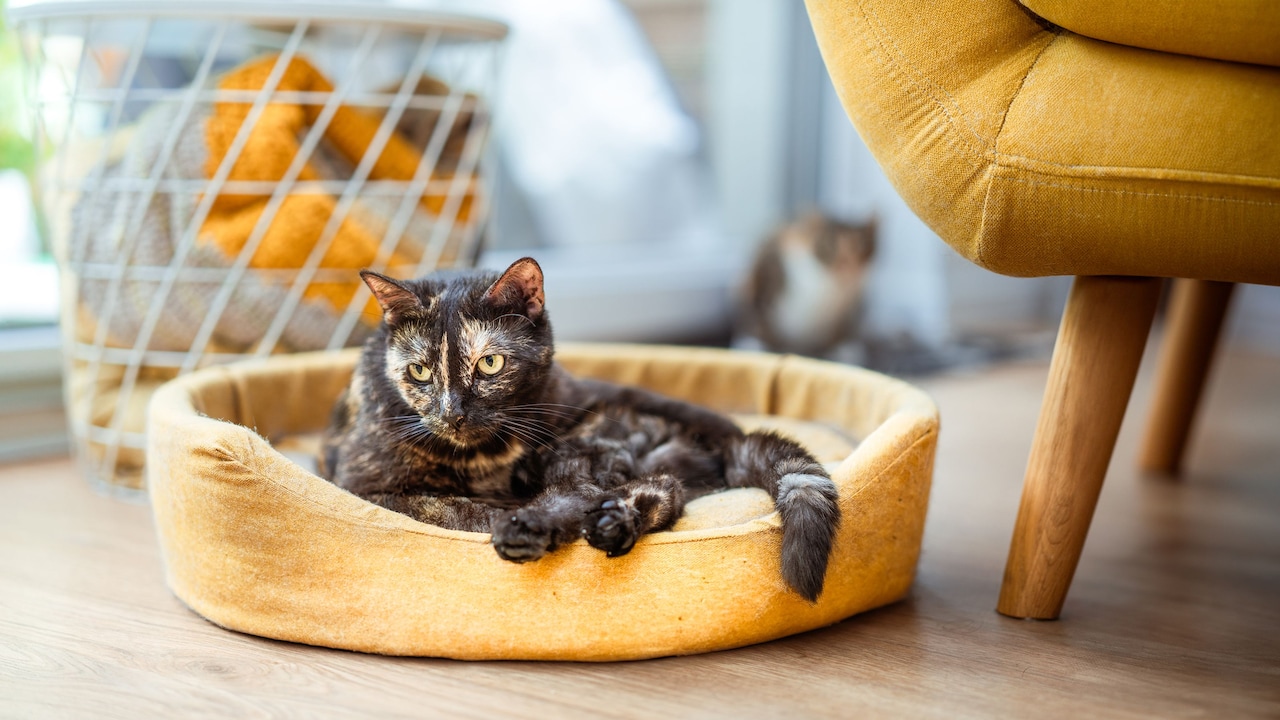
Why Pet Beds Flatten In The Middle: 10 Causes And Easy Fixes; Photo Credit: Pexels
7. The Foam Has Developed A Permanent Body Impression
Foam behaves differently from loose stuffing. Instead of migrating towards the edges, it gradually loses its ability to rebound after repeated compression.
A slight body impression isn't necessarily a problem. Memory foam, in particular, moulds around weight by design. Trouble starts when the indentation remains deep long after the pet has left.
Press the centre with your hand and compare it with the outer sections. If the middle feels noticeably thinner, harder or slower to recover, the foam structure may have weakened.
Unfortunately, permanently compressed foam can't usually be restored by shaking or fluffing. Rotating the insert can slow uneven wear when the shape allows it, but severely damaged foam often needs replacement.
If the outer bed remains in good condition, replacing only the insert may be more economical than buying a completely new bed. Some zippered covers can accommodate a custom-cut foam pad.
Measure the internal space carefully and avoid making the replacement so thick that the cover becomes excessively tight. Properly fitted supportive foam should fill the cover without creating a rigid, overstuffed surface.
8. The Base Underneath The Bed Is Making The Dip Feel Worse
Sometimes the pet bed gets blamed for a problem that begins underneath it.
A thin cushion placed directly on tile or another hard surface has very little help absorbing pressure. Once the upper filling compresses, the pet can feel the rigid floor almost immediately. The centre then seems far more flattened than the same bed would on a slightly forgiving surface.
An uneven floor can create another issue. If the bed sits partly over a grout line, floor joint or irregular surface, weight may repeatedly settle towards one point.
Try moving the bed temporarily and checking its underside. Place it on a flat surface and press across different sections. If the cushion itself still has reasonable loft, the base may be contributing to the problem.
Adding a supportive underlay can help. A thin foam mat beneath the bed provides another layer between the pet and the floor without radically changing the sleeping surface.
Avoid extremely soft bases that allow the whole bed to sag. The aim is steady support underneath, not another cushion that collapses alongside the first one.
9. Digging And Nesting Habits Are Reshaping The Cushion
That intense pre-sleep routine can be adorable right up until the pet appears to be excavating for buried treasure.
Dogs often scratch or paw bedding before lying down. Cats knead soft surfaces. These behaviours can come from instinct, comfort-seeking or simply habit, but they also move filling around quickly.
A pet that digs repeatedly at the centre may separate loose fibres and push them towards the sides. Others create a hollow deliberately because they enjoy sleeping inside a nest-like depression.
Constantly correcting the shape won't necessarily stop the behaviour. Instead, choose bedding that works with it.
Beds with stitched internal sections prevent large quantities of stuffing from moving into one corner. A supportive foam base topped with a softer removable layer can also give enthusiastic nest-builders something to rearrange without destroying the main structural support.
If the digging suddenly becomes excessive or unusual, consider whether something about the sleeping environment has changed. Heat, discomfort or an unfamiliar bed texture can sometimes make a pet repeatedly reposition itself.
For ordinary nesting, though, stronger bed construction generally works better than endlessly pushing stuffing back into place.
10. The Bed Has Simply Reached The End Of Its Supportive Life
Not every flattened bed has a clever rescue waiting inside it. Sometimes years of naps have simply won.
Fabric may still look perfectly respectable while the internal cushioning has lost most of its resilience. Polyester fibres can become permanently compressed, shredded foam can break into smaller pieces, and solid foam can soften or develop lasting depressions.
Several attempts at fluffing usually reveal whether restoration still makes sense. If the centre collapses again almost immediately, the material probably cannot maintain loft under normal pressure.
Before replacing the whole bed, check whether the cover and insert separate. Keeping a washable outer cover and replacing only the inner cushion can reduce waste and cost.
When choosing the replacement, think about why the previous bed failed. A larger pet may need denser foam. An enthusiastic digger may benefit from compartmentalised filling. Pets that frequently bring in wet paws may need a protective inner liner.
A worn bed deserves replacement when the animal can easily feel the hard floor through it, when foam stays deeply indented, or when the cushion no longer supports comfortable resting.
Products Related To This Article
1. Amazon Basics Faux Fur Donut Pet Bed
2. SITSNOOZE Reversible Orthopedic Donut Dog Bed Large Size for Pets 10 to 20 kg
3. MUDDY PAWS Premium Reversible Oval Dog Bed
4. SITSNOOZE Medium Dog Bed (5 to 10kg) for Beagle, Pug, French Bulldog
5. Premium Dog Bed with Free Blanket for Small, Medium & Large Dogs
6. PetVogue Pet Bed for Dogs & Cats, Soft Plush Cushioned Sleeping Bed
7. Velvet Dog Bed Washable Cat Beds for Indoor Cats and Puppy
A flattened pet bed usually doesn't happen overnight. Repeated sleeping positions, shifting stuffing, moisture, washing and natural material fatigue slowly concentrate wear in the centre. Catching that change early gives fluffing, rotating and redistributing filling a better chance of working. When the structure has genuinely worn out, replacing the insert can often save an otherwise good bed. After all, pets may not complain about a sagging mattress in words, but repeatedly abandoning the expensive bed for the sofa sends a fairly clear review.
(Disclaimer: This article may include references to or features of products and services made available through affiliate marketing campaigns. NDTV Convergence Limited (“NDTV”) strives to maintain editorial independence while participating in such campaigns. NDTV does not assume responsibility for the performance or claims of any featured products or services.)