How To Make Your Diet Protein-Rich: 10 Simple Ways To Increase Daily Protein Intake
Wondering how to increase protein in your daily diet? From eggs and oats to legumes, cottage cheese and peanut butter, here are 10 simple ways to make your meals more protein-rich.
Building a healthier diet in mid 20s is often about consistency, not perfection.
As you enter your late 20s, your body starts sending subtle reminders that it is not quite as forgiving as it once was. It could be a gradual weight gain, feeling hungrier between meals, noticing a slower metabolism, tiring more quickly during workouts, or finding yourself reaching for snacks throughout the day. While there could be several reasons behind these changes, one common issue is that many adults simply aren't getting enough protein in their everyday diets. In many ways, these subtle shifts act as a wake-up call to reassess eating habits and make healthier choices.

Small dietary changes can help increase your daily protein intake.
Photo Credit: Pexels
Protein has become one of the most talked-about nutrients in recent years, often associated with gym enthusiasts and fitness influencers carrying shaker bottles everywhere they go. But the reality is far less dramatic. If you recall your school science lessons, protein was often described as the 'building block of life'. That is because it plays an important role for everyone, whether you're managing a busy work schedule, trying to stay active, looking after your family, or simply hoping to maintain your overall well-being as you get older.
Also Read: Amazon Deals On Supplements And Whey Protein: Fitness Essentials Worth Checking
The good news? Making your diet more protein-rich doesn't require complicated meal plans or expensive supplements. More often than not, it is the small, consistent changes that make the biggest difference. Here are 10 simple and practical ways to increase your protein intake without completely overhauling your lifestyle.
10 Easy Ways To Introduce Protein To Your Daily Routine
1. Eat Your Protein First
A surprisingly effective habit is to start your meal with the protein component on your plate.
Whether it's eggs at breakfast, grilled chicken at lunch or paneer at dinner, prioritising protein before reaching for rice, bread or dessert can help you feel fuller and more satisfied throughout the meal.
It's a simple trick, but one that can naturally encourage better food choices. Many people find that when they're less hungry, they're less likely to overeat the foods that leave them feeling sluggish later.
Think of protein as the anchor of your meal rather than an afterthought.
2. Cheese Instead Of Chips For Snacks
Most of us hit a hunger dip around mid-morning or late afternoon. Unfortunately, that's often when biscuits, crisps or sugary treats make their appearance.
Cheese can be a more satisfying alternative.
A few cubes of cheddar, mozzarella or other varieties paired with fruit or wholegrain crackers can provide a convenient protein boost while also keeping cravings at bay. It's easy to carry, requires minimal preparation and feels a bit more indulgent than many traditional "healthy" snacks.
The key, as with any snack, is moderation rather than turning it into a second meal.
3. Replace Bread-And-Butter Breakfast With Oats And Eggs
Breakfast is often where protein falls through the cracks.
Toast with butter and tea may be comforting, but it doesn't offer much staying power. A breakfast based around oats and eggs can provide a more balanced start to the day.
A bowl of oats topped with nuts, seeds or yoghurt alongside boiled, poached or scrambled eggs creates a meal that feels substantial without being heavy.
The difference becomes especially noticeable on busy workdays when you're trying to stay focused through back-to-back meetings or a hectic commute. Instead of feeling hungry by 11 a.m., you're more likely to remain energised until lunchtime.
4. Top Your Food With Nuts And Seeds
Sometimes the easiest dietary improvements are the ones that require almost no effort.
Sprinkling nuts and seeds over meals is one of them.
Pumpkin seeds, sunflower seeds, almonds, walnuts and chia seeds can be added to porridge, salads, smoothies, yoghurt bowls or even vegetable dishes. They contribute a little extra protein while also bringing texture and flavour to everyday meals.
It's a small habit, but when repeated daily, these additions can make a meaningful contribution to your overall protein intake.
5. Include A High-Protein Food With Every Meal
One of the simplest rules to follow is this: every meal should contain at least one clear source of protein.
Instead of thinking about protein only at dinner, spread it throughout the day.
For breakfast, it could be eggs or Greek yoghurt. At lunch, perhaps lentils, chickpeas or chicken. Dinner could include fish, tofu, paneer or beans. Even snacks can contribute through cheese, nuts or peanut butter.
This approach feels less restrictive because it isn't about cutting foods out. It's simply about making sure something protein-rich has a place at the table every time you eat.
6. Add Peanut Butter To Your Diet
Peanut butter has managed to remain popular for good reason.
It's versatile, convenient and fits easily into a variety of meals and snacks. Spread it on toast, add it to smoothies, pair it with sliced apples or stir a spoonful into porridge.
For adults juggling work, responsibilities and limited time, peanut butter offers a quick way to add extra protein without much planning.
A word of caution, though: choose varieties with minimal added sugar and ingredients whenever possible. Sometimes the simplest jars are the best ones.
7. Indulge In Cottage Cheese
Cottage cheese doesn't always get the attention it deserves.
While trendy foods come and go, cottage cheese remains a reliable option for increasing protein intake. It can be enjoyed as a quick snack, added to salads, layered into wraps or used as part of breakfast.
Many people rediscover cottage cheese later in life because it's practical, affordable and surprisingly versatile. It also works well in both sweet and savoury dishes, making it easier to incorporate into different eating habits.
If you've dismissed it in the past, it might be worth giving it another chance.
8. Mix Regular Chapatti Flour With Multigrain Flour
Dietary improvements don't always have to involve adding something new. Sometimes it's about upgrading what you're already eating.
For many Indian households, chapattis are a daily staple. Mixing regular wheat flour with multigrain flour can help increase the nutritional value of your meals while contributing additional protein compared to refined alternatives.
The flavour difference is often subtle enough that the entire family can make the switch without much resistance.
Small swaps like this may not seem dramatic, but they often prove easier to maintain over the long term than major dietary transformations.
9. Eat More Legumes And Beans
If there's one food group that deserves more appreciation, it's legumes.
Lentils, chickpeas, kidney beans, black beans and peas have been part of traditional diets for generations, yet many people overlook just how valuable they can be.
They're versatile, budget-friendly and work across a wide range of dishes, from soups and curries to salads and wraps. More importantly, they provide a plant-based way to boost protein intake without relying solely on animal products.
For adults looking to eat more thoughtfully without making their meals overly complicated, legumes remain one of the most dependable options available.
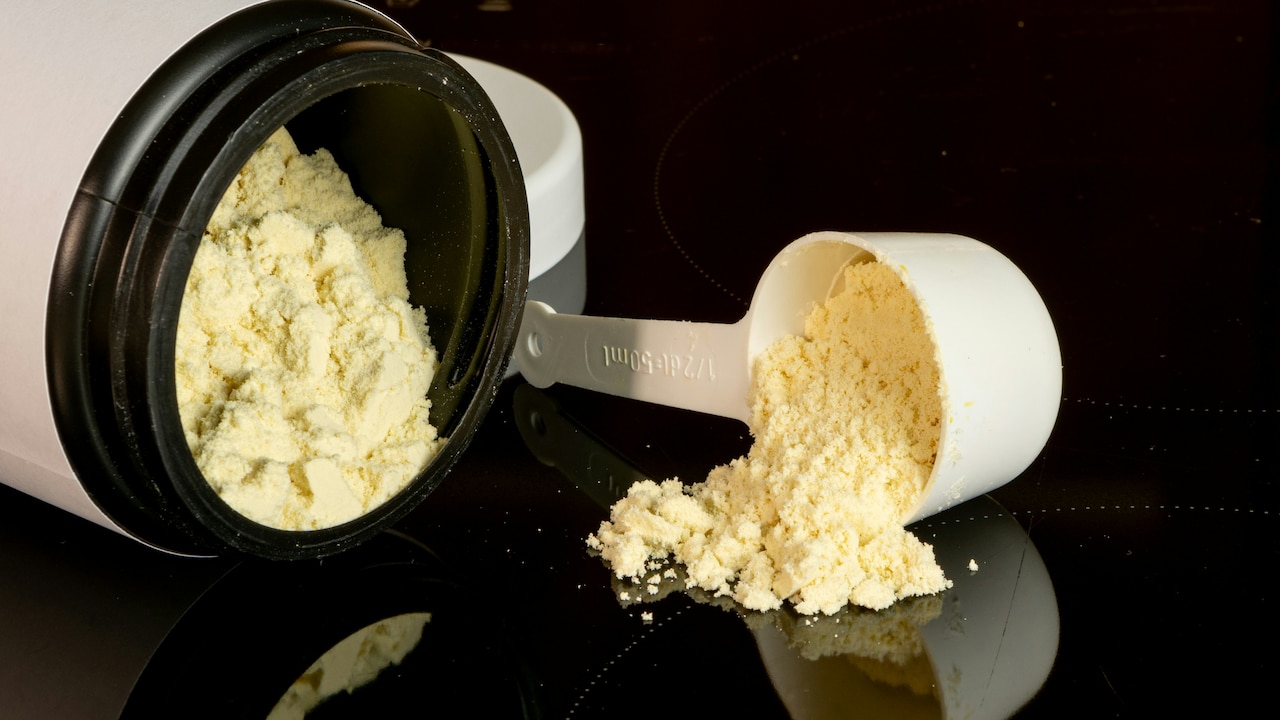
10. Have A Protein Shake Once A Day
Protein shakes often carry the reputation of being exclusively for athletes, but they can also be useful for busy professionals, parents and anyone struggling to meet their protein needs through meals alone.
A protein shake shouldn't replace balanced meals, but it can serve as a convenient addition when time is short.
Perhaps it's blended into a morning smoothie before work or enjoyed after an evening walk. The best approach is to view it as a supplement to your diet rather than a substitute for real food.
As always, choosing products from reputable brands and following serving recommendations is important.
Protein Doesn't Have To Be Complicated
One reason many people struggle with healthy eating is the belief that it requires perfection. Endless meal prepping, strict rules and expensive ingredients often dominate conversations around nutrition.
In reality, building a protein-rich diet is usually much simpler than that.
It could be starting breakfast with eggs instead of toast, adding seeds to your morning oats, choosing cheese over biscuits for a snack, or ensuring every meal contains some form of protein. These aren't dramatic lifestyle changes, but they are realistic ones.
For adults in their mid 20s, the goal isn't to chase fitness trends or obsess over every gram of protein. It's about developing eating habits that help you feel satisfied, energised and better prepared for the demands of everyday life. And often, the smartest dietary changes aren't the flashy ones, they're the habits that quietly become part of your routine and stay there for years.
Frequently Asked Questions (FAQs)
1. Why is taking protein important?
Protein supports various functions in the body and helps maintain overall wellbeing as adults age. Including adequate protein in daily meals can also help you feel fuller and more satisfied throughout the day.
2. What are some easy ways to add more protein to my diet?
You can start by eating protein with every meal, choosing eggs and oats for breakfast, snacking on cheese, adding nuts and seeds to meals, and including legumes, beans or cottage cheese regularly.
3. Can vegetarians follow a protein-rich diet?
Yes. Foods such as lentils, chickpeas, kidney beans, cottage cheese, milk, yoghurt, nuts, seeds and multigrain products can help vegetarians increase their protein intake.
4. Are protein shakes necessary for everyone?
Not necessarily. Most people can get protein from foods, but a protein shake can be a convenient option for those with busy schedules or higher protein requirements.
5. Which breakfast foods are rich in protein?
Eggs, oats, Greek yoghurt, cottage cheese, peanut butter, nuts and seeds are some popular breakfast options that can help increase protein intake.
(Disclaimer: This article may include references to or features of products and services made available through affiliate marketing campaigns. NDTV Convergence Limited (“NDTV”) strives to maintain editorial independence while participating in such campaigns. NDTV does not assume responsibility for the performance or claims of any featured products or services.)