How Women's Bodies Change In Their 30s And 10 Smart Ways To Take Care Of Yourself
From metabolism to skin and fertility, here's how women's bodies change in their 30s, and 10 practical tips to stay healthy, strong, and confident.

Your 30s are not about decline, they are about understanding your body better.
Your 30s arrive quietly. There is no dramatic announcement, no overnight transformation, but if you pause and notice, your body begins to feel slightly different. Maybe you do not bounce back from a late night the same way, or your favourite jeans feel tighter despite eating the same food. These changes are subtle, but they are very real, and they are shared by millions of women stepping into this decade.

Your 30s are not tragic endings, but beginning of understanding your body better.
Photo Credit: Pexels
The important thing to understand is this: your body is not "going downhill". It is evolving. Your 30s are not a warning sign, but a checkpoint—a phase where your body starts asking for better care, not punishment. The more you understand what is happening behind the scenes, the less confusing and frustrating these changes feel. Instead of reacting to them, you can actually stay one step ahead.
Also Read: Support Moms In Menopause: Best Foods And Supplements To Grab For Mothers
What Actually Changes In Your 30s?
Let us break it down in simple, relatable terms, no complicated medical jargon, just what you need to know.
1. Your Muscle Mass Starts Reducing
From around age 30, your body gradually begins to lose muscle mass, roughly 3 to 5% per decade, according to a NIH research. This process is called sarcopenia, and it happens even if your weight stays the same.
This matters because:
- Muscle burns more calories than fat
- Less muscle = slower energy use
- You may feel weaker or tire faster
2. "Slower Metabolism" Is More About Lifestyle Than Age
Many women believe their metabolism suddenly slows down after 30. Interestingly, large-scale research like Harvard-backed studies shows that metabolism actually remains fairly stable between ages 20 and 60, and changes are often due to muscle loss and reduced activity rather than age alone.
So if you feel like you are gaining weight easily, the real reasons could be:
- Losing muscle mass
- Sitting more (desk jobs, lifestyle shifts)
- Less consistent exercise
3. Your Skin Begins To Change (Slowly But Surely)
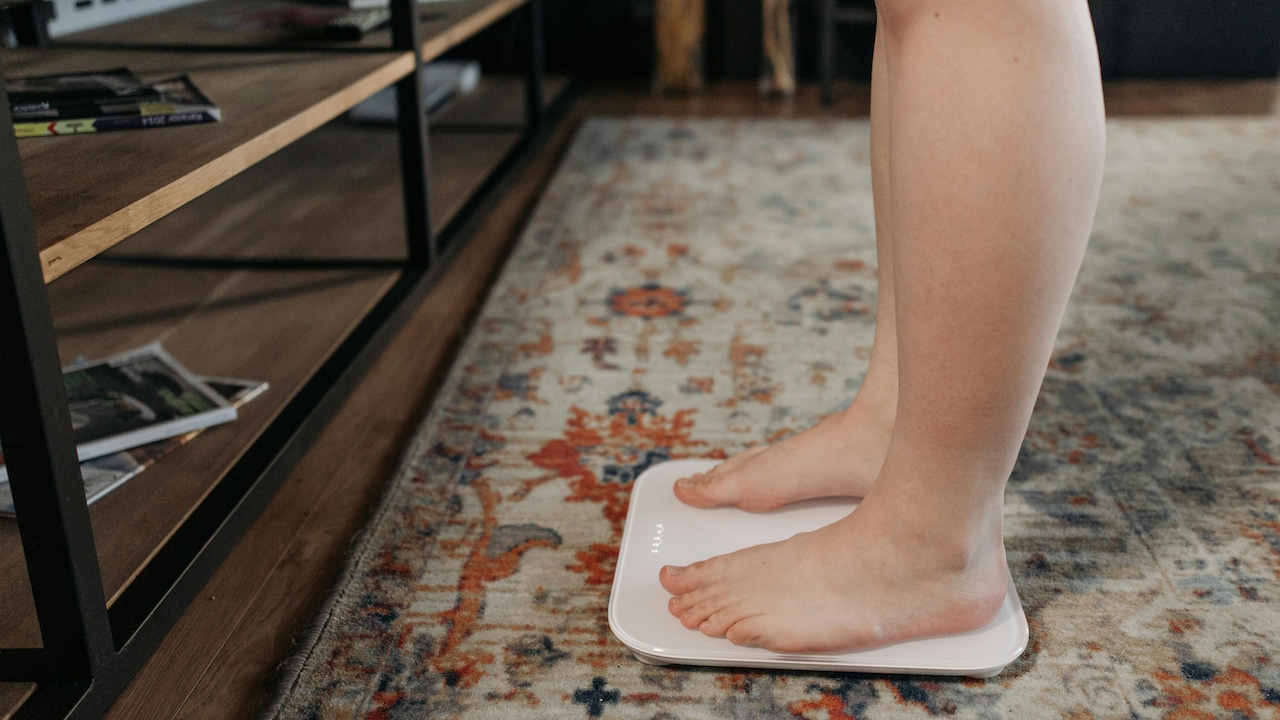
Muscle loss, not age, is often the real reason behind weight changes.
Photo Credit: Pexels
Collagen, the protein responsible for firm, youthful skin, starts declining in your mid-to-late 20s. By your 30s, your body loses about 1% of collagen every year, leading to early signs of ageing such as fine lines and dryness, as noted in dermatology research.
You may start noticing:
- Fine lines around eyes
- Less "bounce" in your skin
- Slight dullness
4. Bone Strength Peaks And Then Gradually Declines
Most women reach peak bone density around the age of 30, after which the body slowly begins to lose bone mass.
This does not mean your bones suddenly become weak, but it does mean:
- Your calcium intake becomes more important
- Physical activity (especially strength training) matters more
5. Hormones Start Shifting Subtly
While menopause is still far away, hormonal patterns start showing small changes. These can impact:
- Mood swings
- PMS symptoms
- Energy levels
- Skin and hair
You may not even connect these changes to hormones initially, but they play a large role.
6. Fertility Starts Becoming Limited

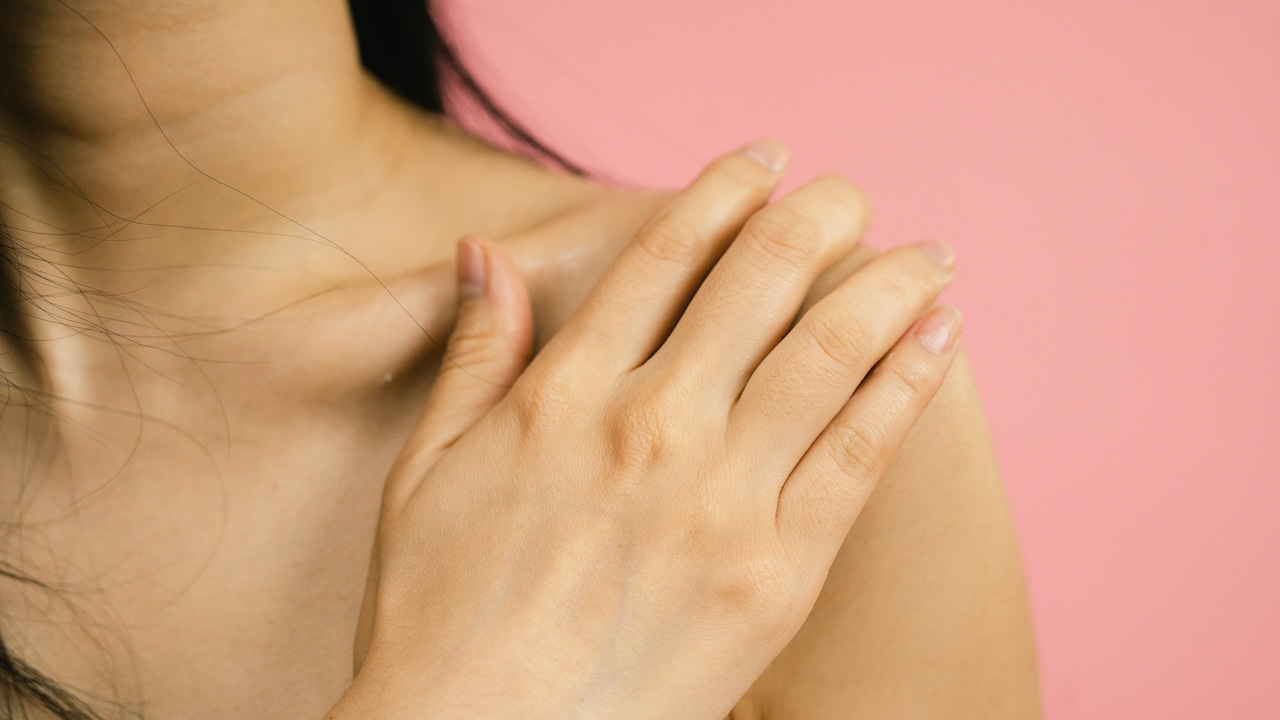
Hormonal shifts begin quietly but can affect mood, sleep, and energy.
Photo Credit: Pexels
Fertility does not disappear in your 30s, but it does change. Medical guidance highlights that fertility gradually declines with age due to reduced egg quality and quantity.
Many women still conceive naturally in their 30s:
- It may just take longer
- Planning becomes more important
7. Recovery Becomes Slower
This is one of the most noticeable changes:
- Workouts feel heavier
- Hangovers last longer
- Sleep matters more
This happens due to a mix of muscle loss, hormonal shifts, and lifestyle stress.
10 Smart Tips To Take Care Of Yourself In Your 30s
Now comes the part that actually matters, what can you do about it?
1. Start Strength Training (This Is Non-Negotiable)
Strength training is the single most effective way to:
- Maintain muscle
- Improve metabolism
- Support bone health
Even 2-3 sessions a week can slow down muscle loss significantly.
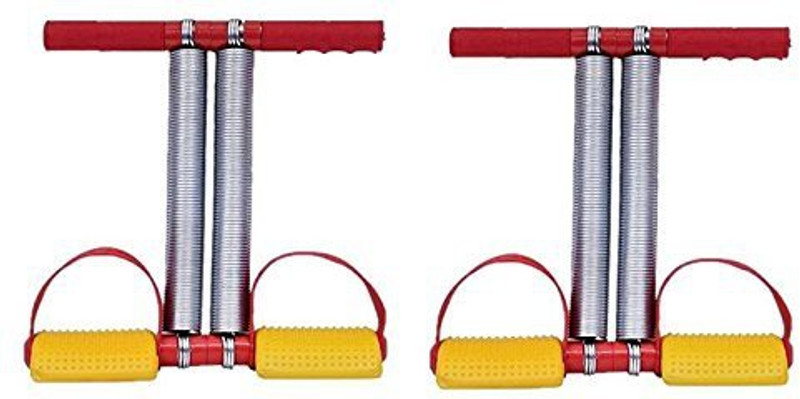
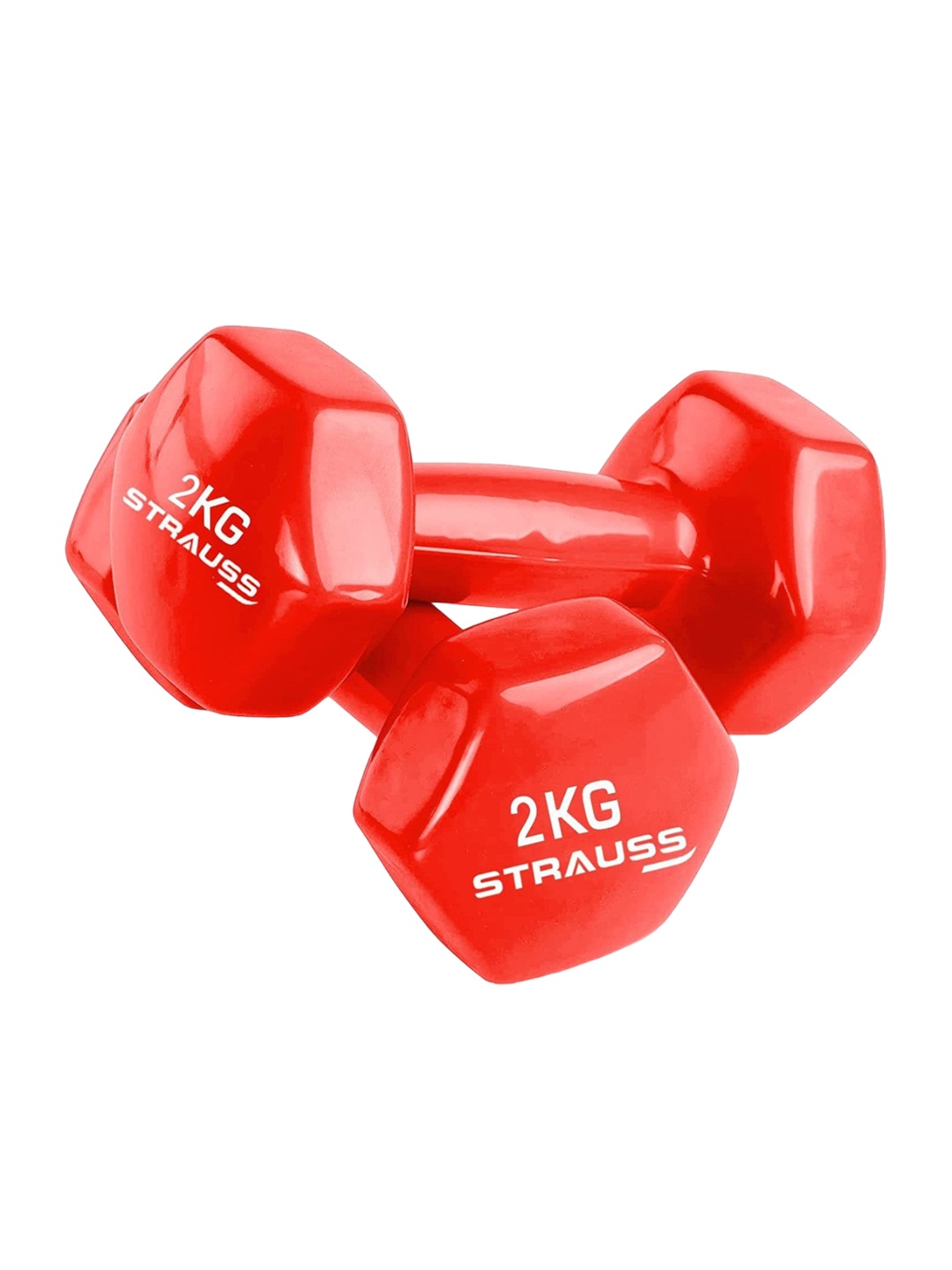
Recommended Home Gym Kit For Beginners: Burnlab 6-in-1 Multifunctional Weight Training Kit
2. Eat For Strength, Not Just For Weight Loss
Instead of eating less, eat smarter:
- Include protein in every meal
- Add fibre for digestion
- Don't skip healthy fats
Think nourishment, not restriction.
Recommended Fibre Gummies To Support Digestion: Carbamide Forte Fiber Gummies
3. Protect Your Bone Health Early
Since bone density starts declining after 30:
- Increase calcium intake
- Ensure adequate Vitamin D
- Stay physically active
This is prevention, not damage control.
Recommended Vitamin D3 Tablets: Tata 1mg Vitamin D3 + K2 (MK-7)
4. Make Sunscreen A Daily Habit
If there is one skincare rule that experts agree on, it is this that you use SPF daily, even indoors. It slows down collagen breakdown and prevents early ageing.
Recommended Sunscreen For Daily Use: WishCare Niacinamide Oil Balance Fluid Sunscreen SPF 50 PA++++
5. Prioritise Sleep Like Never Before
Sleep is no longer optional in your 30s:
- It regulates hormones
- Supports metabolism
- Improves mood
Aim for 7 to 9 hours consistently.
6. Learn To Manage Stress (Not Ignore It)
Chronic stress impacts your entire system:
- Hormones
- Digestion
- Skin
- Sleep
Simple habits like walking, journalling, or even quiet time can help.
Recommended Journal: Find Your Balance Undated Daily Planner
7. Track Your Cycle And Body Signals
Your body gives clues, it just needs attention.
Keep an eye on:
- Cycle changes
- Mood patterns
- Energy levels
If something feels off, do not ignore it.
8. Do Preventive Health Check-Ups
Your 30s are the best time to build awareness.
Get routine checks for:
- Thyroid
- Cholesterol
- Blood sugar
- Cervical health
Early detection always makes a difference.
9. Stay Hydrated Without Overthinking It
It sounds basic, but it works:
- Drink enough water
- Eat water-rich foods
Hydration impacts everything, from skin to digestion.
Recommended Bottle For Hydration: Stanley Quencher H2.0 FlowState Stainless Steel Vacuum Insulated Tumbler with Lid and Straw
10. Redefine What "Fit" Means To You
Your body will not behave like it did at 22, and it is not supposed to.
Instead of chasing:
Weight numbers
Focus on:
- Strength
- Energy
- Consistency
The Real Truth About Your 30s
Here is what nobody tells you clearly enough: Your 30s are not about losing your "peak", they are about understanding your body for the first time.
You start realising:
- What your body needs
- What it cannot tolerate
- What actually works
And that awareness? That is powerful.
Your body is not slowing down to work against you, it is adjusting to work with you. The sooner you start listening to it, the easier this decade becomes. So instead of fearing your 30s, prepare for them. Because with the right habits, this can easily become your strongest, calmest, and most confident decade yet.
Frequently Asked Questions (FAQs)
1. What changes happen in a woman's body after 30?
After 30, women may experience gradual muscle loss, subtle hormonal shifts, reduced collagen production, and slower recovery. Bone density may also begin to decline, making lifestyle changes more important.
2. Why do women gain weight more easily in their 30s?
Weight gain in your 30s is usually linked to reduced muscle mass, lower activity levels, lifestyle changes, and hormonal fluctuations rather than just a "slow metabolism".
3. Does fertility decrease in your 30s?
Yes, fertility gradually declines in the 30s due to reduced egg quality and quantity, although many women still conceive naturally during this decade.
4. How can women stay fit and healthy in their 30s?
Women can stay healthy by prioritising strength training, eating a balanced diet, managing stress, getting enough sleep, and going for regular health check-ups.
5. Are skin changes normal in your 30s?
Yes, skin changes such as fine lines, dryness, and reduced elasticity are normal due to declining collagen production, but they can be managed with proper skincare and sun protection.
(Disclaimer: This article may include references to or features of products and services made available through affiliate marketing campaigns. NDTV Convergence Limited (“NDTV”) strives to maintain editorial independence while participating in such campaigns. NDTV does not assume responsibility for the performance or claims of any featured products or services.)