How To Fix A Leaking Window Before The Next Monsoon Downpour
Got a leaking window? Learn how to fix it before the monsoon season with practical DIY steps, expert tips, and the best waterproofing products to buy.
How To Fix A Leaking Window Before The Next Monsoon Downpour
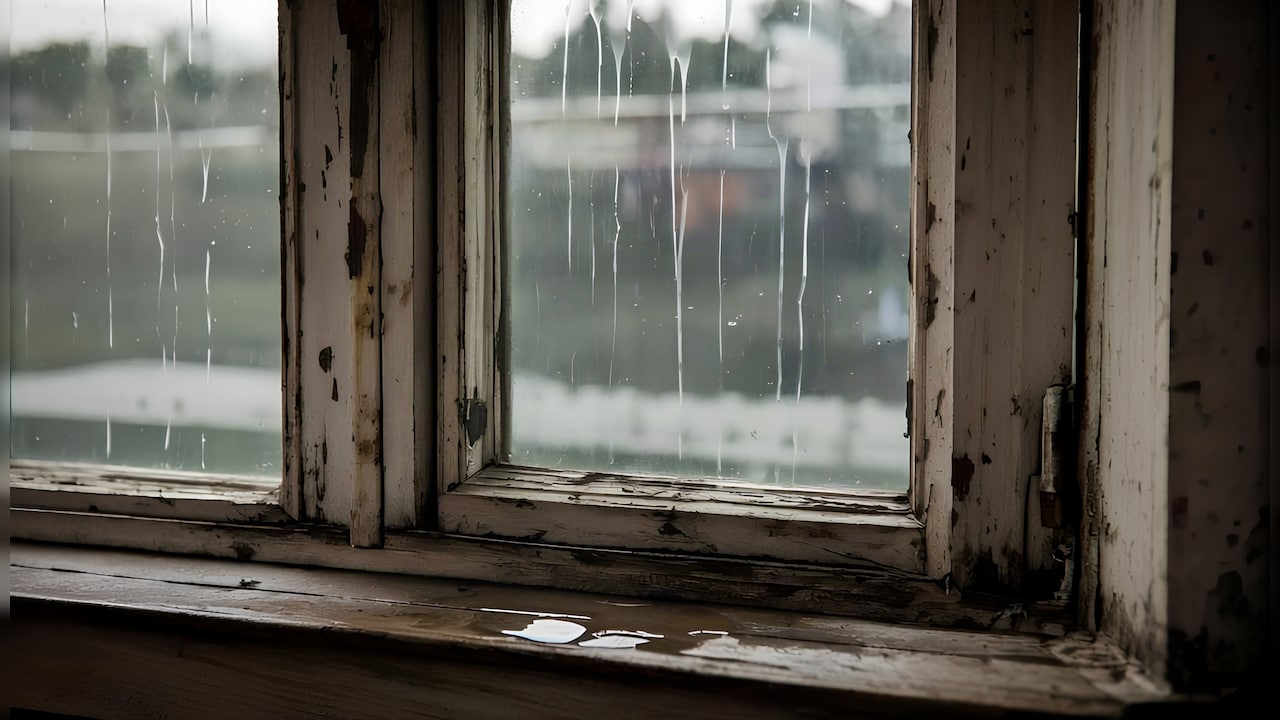
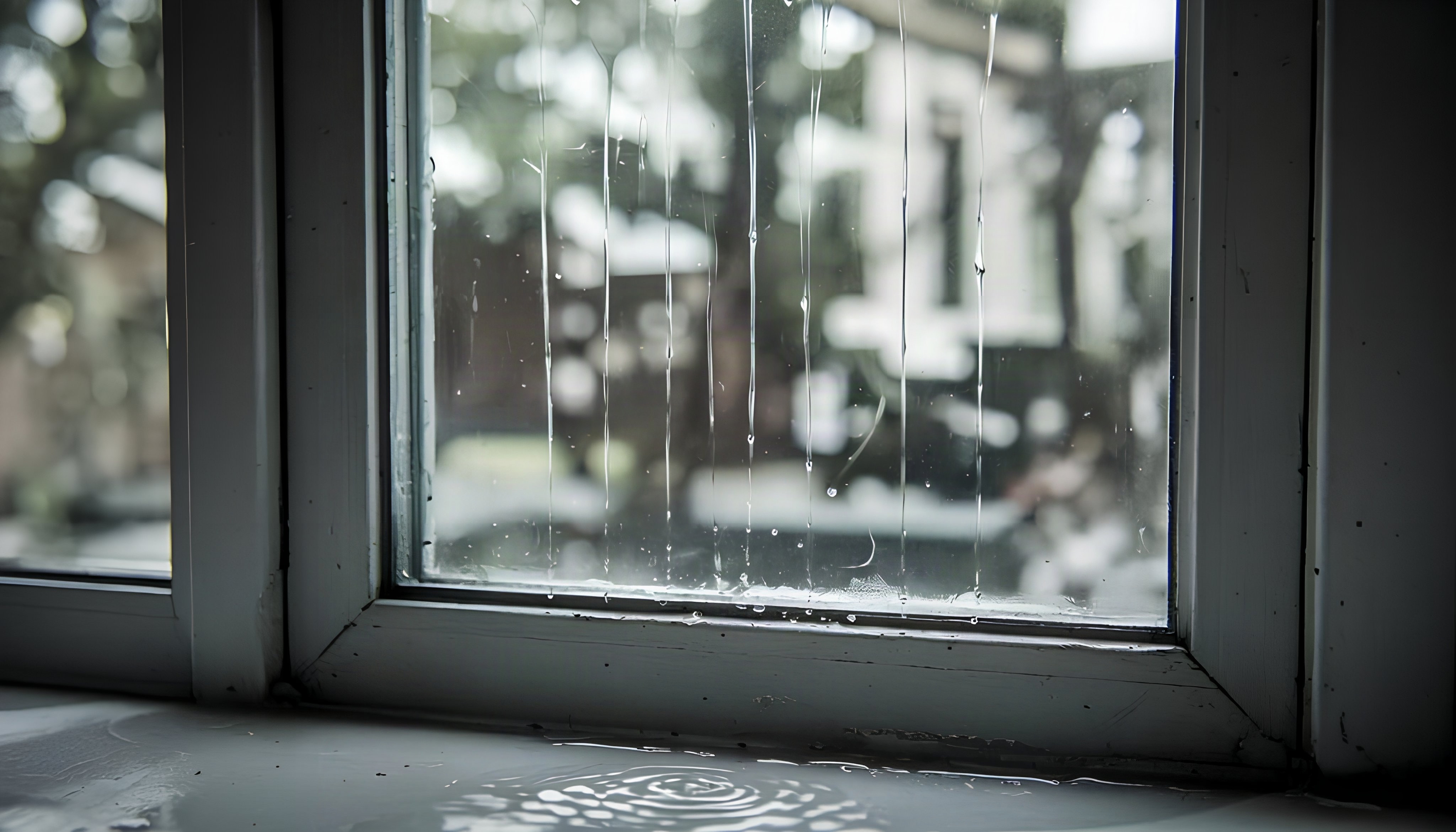
There is something deeply unsettling about watching water trickle down your interior wall during a monsoon downpour, especially when you know the culprit is a window you meant to fix weeks ago. Leaking windows are far more common than most homeowners realise, and they tend to stay quietly unnoticed right up until the heaviest rains arrive. Left unattended, even a small gap or failing sealant can let in enough moisture to damage walls, warp woodwork, and encourage mould growth. Sorting it out before the monsoon sets in is not just sensible, it is far cheaper than repairing structural water damage afterwards.
How To Fix A Leaking Window Before The Next Monsoon Downpour
Photo Credit: iStock
The good news is that most window leaks can be fixed without calling in a tradesperson. With the right products on Amazon, a bit of patience, and a dry afternoon, you can seal up the problem properly before the first downpour hits. This guide walks you through exactly what to check, what to fix, and what to buy.
Also Read: From Bug Control To Neat Organisation: 5 Home Improvement Products Under ₹300
Why Windows Leak And What To Look For First
Before grabbing a tube of sealant and filling gaps at random, it helps to understand what is actually causing the problem. The fix you choose needs to match the cause.
1. Common Causes Of A Leaking Window
The most frequent culprit is deteriorated or cracked sealant around the window frame. Over time, silicone shrinks, cracks, and pulls away from the surface, leaving channels for water to exploit. Another common issue is failed weatherstripping—the foam or rubber seal lining the frame—and damaged flashing above the window. Cracked glazing putty, poor original installation, or a warped frame due to long-term moisture exposure can all be responsible too.
2. How To Identify Where The Water Is Entering
Run a garden hose across the window from outside while someone watches the interior for signs of water. Start from the bottom and work upwards to pinpoint exactly where it enters. Damp patches, peeling paint, or discolouration on the surrounding wall or sill are telltale signs that water has been getting in for some time already.
How To Prepare The Window Before Any Repair
Rushing into a repair without proper preparation is one of the most common mistakes homeowners make. Surface prep determines whether your fix lasts one season or several years.
1. Cleaning And Drying The Surface Thoroughly
Remove all old sealant using a putty knife or a dedicated sealant remover. Old material that is not fully stripped will stop new product from bonding correctly. Once cleared, clean the area with a damp cloth and then a dry one to remove all dust, grease, and residue. Allow everything to dry completely — in humid climates, the process takes longer than expected, so plan ahead.
2. Checking The Frame For Deeper Damage
With the surface bare, press gently around the frame. If timber feels soft or spongy, you are likely dealing with rot, which must be treated before any surface repair will hold. Use a wood hardener first. Aluminium or uPVC frames should be checked for cracks or gaps at the corner joints — minor damage can be filled, but significant warping may need a professional assessment.
Step-By-Step Guide To Fixing A Leaking Window
Once your surface is prepped and the cause is identified, the actual repair is straightforward for most common leaks.
1. Reapplying Sealant Around The Frame
Cut the sealant nozzle at a 45-degree angle for better control. Apply a continuous, even bead along every joint where the window frame meets the wall, working top to bottom on each side. Smooth it with a wet finger or caulking tool, pressing it firmly into the gap. Apply masking tape either side of the joint beforehand for a clean, neat finish — peel it away while the sealant is still tacky.
2. Replacing Worn Weatherstripping
Peel away the old weatherstripping and clean the channel underneath. Cut new self-adhesive foam or rubber strip to length, then press it firmly into place. Close the window to test the seal — there should be no gaps or visible light along the frame edge. Good weatherstripping makes an immediate difference to how well a window holds out driving rain.
3. Repairing Or Adding Flashing Above The Window
If flashing is damaged, self-adhesive flashing tape is a reliable solution. Clean the area, peel the backing, and press the tape firmly starting from the lowest point, overlapping each strip as you work upwards. This ensures water is always directed outward and downward rather than underneath the frame.
Extra Steps To Waterproof Windows For Monsoon Season
Even after addressing the immediate leak, taking a few extra measures will enhance your windows' ability to withstand prolonged heavy rainfall.
1. Apply a Water-Repellent Treatment
For timber frames, a coat of waterproof wood paint or exterior sealant adds a valuable extra layer of protection. For uPVC or aluminium, a silicone-based spray helps repel water from the surface and prevents pooling at joints. These products are inexpensive and quick to apply — well worth including in any pre-monsoon maintenance routine.
2. Clear The Window Drainage Channels
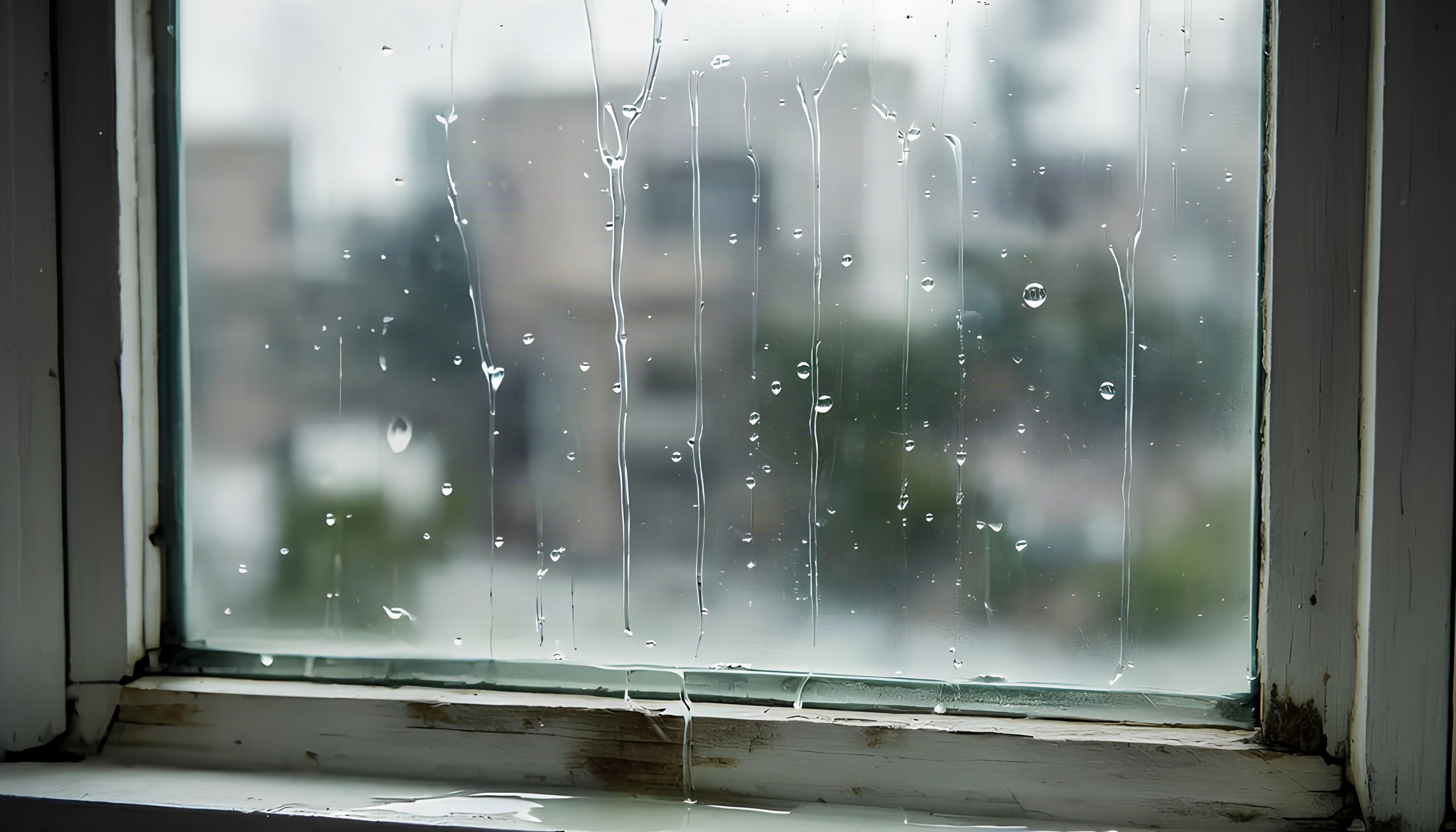
Many windows have small drainage holes at the base of the frame, designed to let trapped water escape safely. These drainage holes are often overlooked and can become blocked with dirt or debris over time. Clear them with a thin piece of wire or a cotton bud so water can flow freely. A blocked drainage channel turns a manageable trickle into a proper indoor flood during heavy rain.
How To Fix A Leaking Window Before The Next Monsoon Downpour
Photo Credit: iStock
Some Products You May Like
1. Qoqooice Transparent Window Weather Sealing Tape
2. Loctite Silicone Waterproof multipurpose adhesive and sealant
3. Elvone T-Shape Door Draught Excluder
4. Dr Fixit Kwik N Ezee Wall Gap & Crack Filler
5. Elephant Shield Liquid Rubber
6. D-fix Super Strong Waterproof Butyl Tape
7. G-CHARGE Single Side High Density Self Adhesive Foam Seal Tape
8. Self-Adhesive Sealing Tape
Frequently Asked Questions (FAQs)
1. How do I know if it is a leak or just condensation?
Condensation forms on the inside of the glass and clears as temperatures change. A genuine leak leaves water on the sill or wall and worsens noticeably during rainfall.
2. Can I fix a leaking window myself?
Most common leaks – failed sealant, worn weatherstripping, and minor flashing damage are straightforward DIY jobs. A professional is better equipped to handle warped frames, cracked glazing, or structural damage.
3. How long does window sealant last?
Most exterior silicone sealants last five to ten years. In areas with heavy monsoon rainfall, inspect sealant every couple of years and reapply as needed.
4. Is it better to repair or replace a leaking window?
If the frame is structurally sound and glass is intact, repair is the more cost-effective option. Badly rotted frames or failed double-glazing units usually warrant full replacement.
5. When is the best time to do window repairs before the monsoon?
At least one to two weeks before the rains arrive, during a dry spell. Sealants and adhesives need dry conditions and adequate curing time to bond effectively.
(Disclaimer: This article may include references to or features of products and services made available through affiliate marketing campaigns. NDTV Convergence Limited (“NDTV”) strives to maintain editorial independence while participating in such campaigns. NDTV does not assume responsibility for the performance or claims of any featured products or services.)