How To Stop Your Shoes From Slipping On Wet Floors?
Wondering why your shoes always lose grip and slip on wet floors? Here's how to fix slippery soles at home and pick footwear that actually holds its ground.
How To Stop Your Shoes From Slipping On Wet Floors?
Monsoon walks in, and suddenly every tiled floor in the house turns into a small hazard. You step out of the bathroom, or in from the balcony, and your foot just goes. It's not always about being clumsy. A lot of the time, it's the shoe.
How To Stop Your Shoes From Slipping On Wet Floors?
Photo Credit: iStock
Most footwear is built for dry pavements, not wet marble or rain-soaked tiles. The sole material, the tread pattern, and even how old your shoes are all decide whether you glide safely or end up flat on the floor. So the real question isn't just "why is this happening" but what can actually be done about it.
That's exactly what this piece gets into. Indian homes deal with wet floors for a good chunk of the year, between monsoon spray, mopped tiles, and bathroom splashes, so this isn't some rare problem. It's a daily one for most of us.
Why Do Shoes Slip On Wet Surfaces In The First Place?
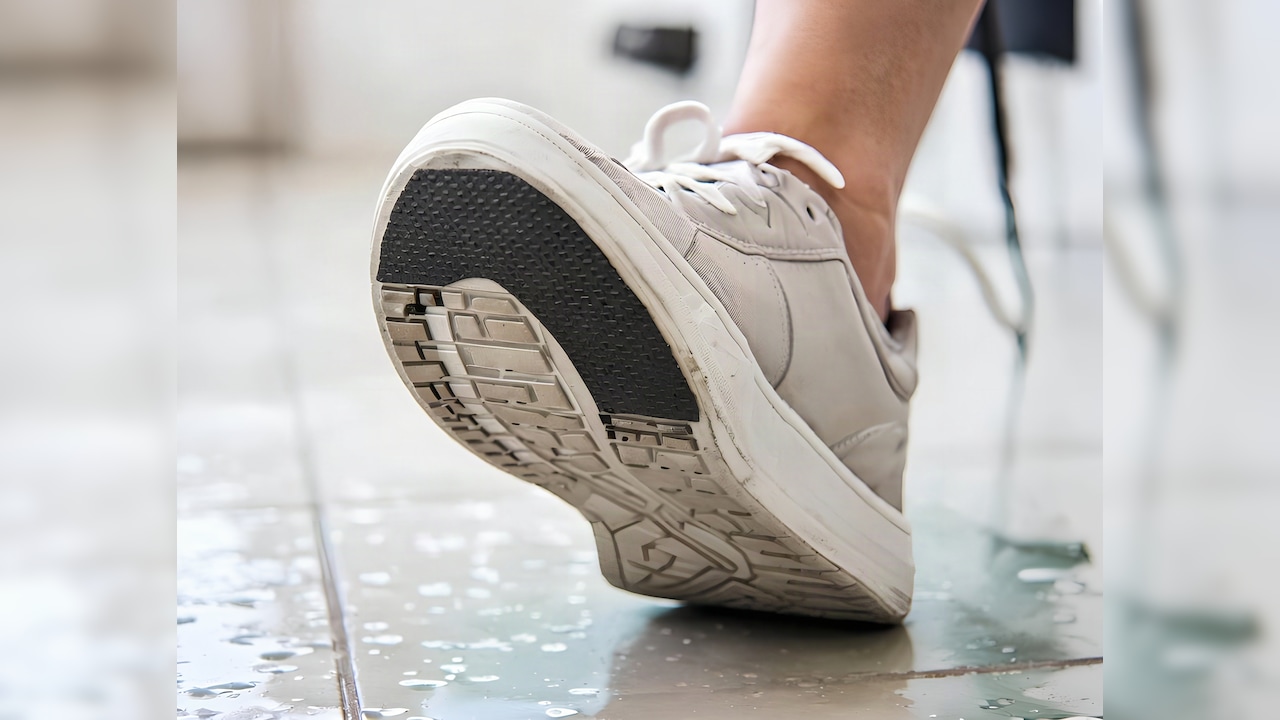
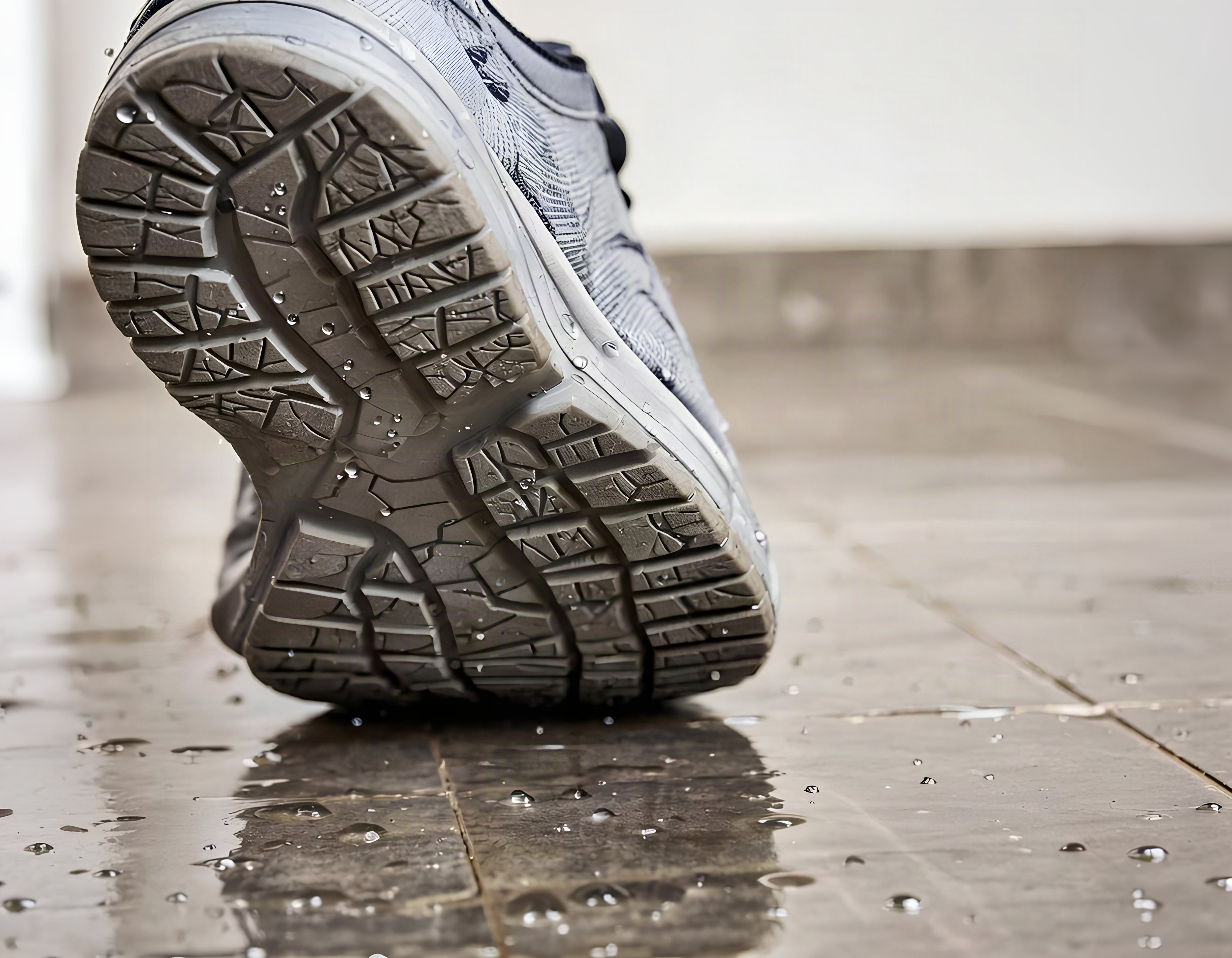
Water sits between the sole and the floor and basically kills friction. Smooth rubber or worn-out treads can't push that water away fast enough, so your foot rides on a thin film instead of gripping solid ground. Tiles and marble make it worse because they're already smooth to begin with.
Older shoes are the bigger culprit here. Once the tread on the outsole flattens out from months of wear, there's nothing left to channel water away. Even a fairly new pair with a hard, flat rubber sole can betray you on a wet kitchen floor.
1. Worn-Out Treads
Run your thumb across the sole. If the grooves feel shallow or almost smooth, that shoe has lost most of its grip already.
2. Hard Rubber Compounds
Cheaper soles often use a harder rubber that looks sturdy but doesn't flex or grip well on smooth, wet tile.
3. Flat Sole Design
Dress shoes and some flats are made with minimal tread because they're meant for indoor, dry use, not rainy pavements.
How To Add Grip To Shoes You Already Own
You don't always need a new pair. A few small fixes at home can noticeably improve traction, and most of them take under ten minutes.
1. Score The Sole With Sandpaper
Rough up a completely smooth sole using medium-grit sandpaper. Scuffing the surface creates tiny grooves that hold onto the floor better than a slick, glossy sole ever will.
2. Use Hairspray Or Grip Spray
A light coat of hairspray on the sole, left to dry for a minute, adds a slightly tacky texture. It's a short-term fix, ideal for one wet day out, not a permanent solution.
3. Add Adhesive Grip Pads
Rubber grip pads stick directly onto the sole and are made specifically to bite into slippery tile or marble. These work particularly well on formal shoes, heels, and flats that come with almost no tread.
4. Cut A Grid Pattern With A Utility Knife
If the sole is thick rubber, carefully cutting small crisscross lines across the flattest part gives water somewhere to escape instead of pooling under your foot.
Choosing The Right Sole For Wet Weather
If you're buying new shoes anyway, the sole matters more than the look on the box. A few things are worth checking before you pay.
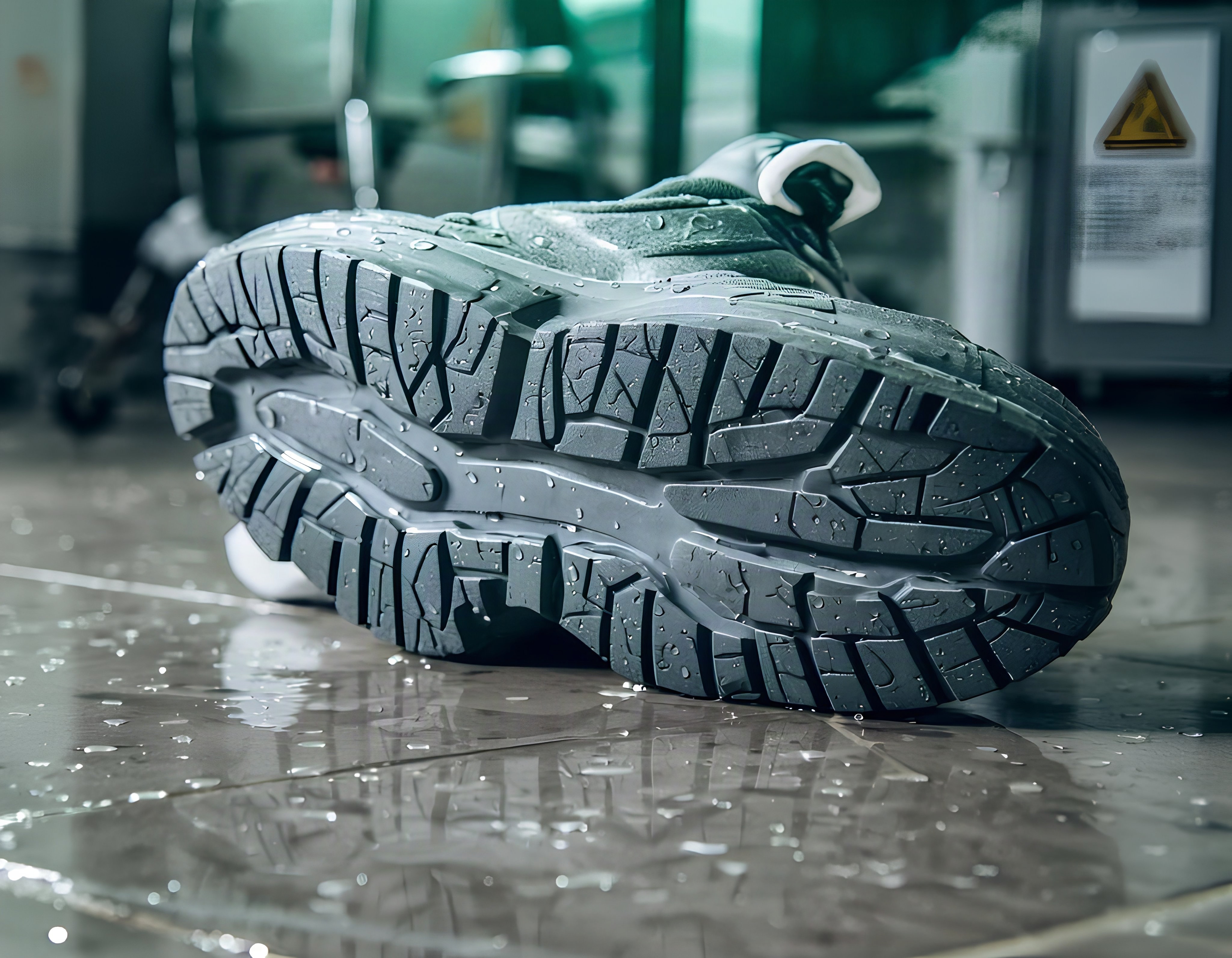
Softer rubber compounds generally outperform hard plastic-like soles on wet tile, even if they wear down a touch faster. Deep, multi-directional tread patterns matter too, since they push water sideways instead of trapping it flat. And if a shoe is labelled slip-resistant or anti-skid, that's not just marketing fluff. It usually means the outsole has actually been tested for grip on smooth, wet surfaces.
₹500 to ₹2,000 covers most decent slip-resistant options in India now, so it's not really a budget-breaking upgrade.
Also Read: Top 5 Running Shoes For Rainy Conditions Under ₹1,100
Everyday Habits That Reduce Slipping Indoors
Grip isn't only about the shoe. How you walk and what's around your feet plays a part too.
1. Keep A Separate Pair For Wet Areas
Slippers or flip-flops with textured soles near the bathroom or kitchen sink cut down on those quick, unplanned slips.
2. Wipe The Sole Before Stepping On Marble
Thirty seconds on a doormat before crossing a wet marble hallway makes a real difference, since most water gets left behind on the mat instead of the floor.
3. Replace Shoes Once Tread Is Gone
There's no fixing a sole that's worn completely smooth. At that point, replacing the shoe is genuinely cheaper than risking a fall.
4. Walk Flat-Footed, Not On Toes
Shifting weight onto the ball of the foot on wet tile reduces the contact area and makes slipping more likely. Flatter steps distribute weight better.
How To Stop Your Shoes From Slipping On Wet Floors?
Photo Credit: iStock
Some Anti-Slip Footwear And Grip Products You May Like
1. MAYCREATE 8Pcs Self Adhesive Rubber Shoe Sole Protector and Anti Slip Grip
2. ARANKA Non-Slip Shoe Pads
3. Lify Universal Non-Slip Shoe Grippers
4. MEBISO Waterproof Anti-Slip Reusable Rain Shoe Protector
5. ELETO Self-Adhesive Non-Skid Shoe Pads
6. Flaviso Non-Slip Cuttable Rubber Shoes Sole Protectors
7. UNIKSTEP Anti-Slip Shoe Sole Grip Pad
8. HEAVY DRIVER Anti Slip Shoe Sole Protector Roll
Wet floors can turn even your most comfortable pair of shoes into a slipping hazard, but a few simple precautions can make a big difference. Choosing shoes with good grip, keeping the soles clean, and adding anti-slip pads when needed can help you walk more confidently during rainy days or on freshly mopped surfaces. By taking a little extra care of your footwear, you can reduce the risk of slips and falls while keeping every step safe and secure.
FAQs
1. Can any shoe be made slip-resistant, or do I need to buy special ones?
Most shoes can be improved a little with sanding, grip pads, or scoring the sole, but a shoe already built with a slip-resistant outsole will always perform better on wet tile.
2. Does hairspray actually work as a temporary anti-slip fix?
Yes, to a small extent. It adds a light tacky layer to the sole, though it wears off within hours and needs reapplying if you're out for long.
3. Why do new shoes sometimes feel more slippery than old ones?
Brand-new soles can have a factory glaze or coating that makes them slicker until it wears off after the first few outings.
4. Are leather-soled shoes always risky on wet floors?
Generally, yes, since leather barely grips smooth, wet surfaces. Adding a rubber grip pad to the sole helps a lot without changing how the shoe looks.
5. How often should slip-resistant shoes be replaced?
When the tread pattern looks flattened or smooth to the touch, usually after eight months to a year of regular wear, it's time to get a new pair.
(Disclaimer: This article may include references to or features of products and services made available through affiliate marketing campaigns. NDTV Convergence Limited (“NDTV”) strives to maintain editorial independence while participating in such campaigns. NDTV does not assume responsibility for the performance or claims of any featured products or services.)