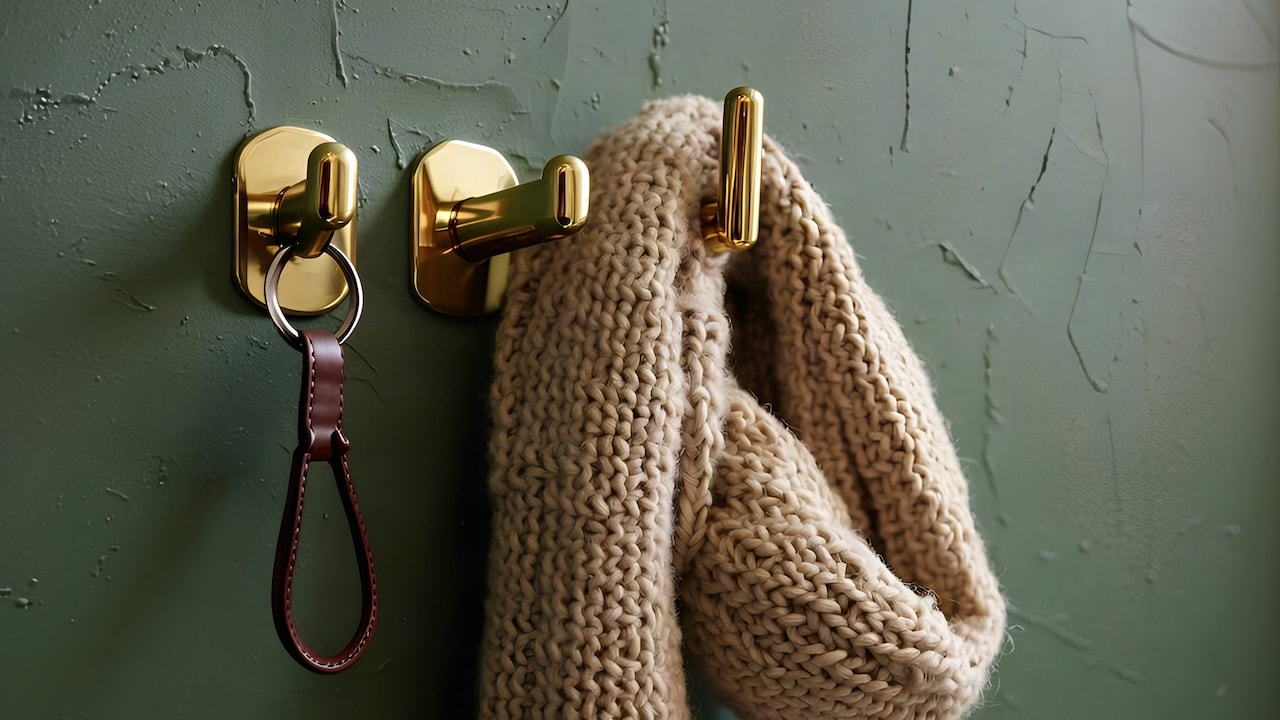
Beyond The Pattern: A Guide To Wallpaper Types For Every Home
Explore the different types of wallpaper for your home beyond prints, learn about materials, durability, maintenance, and installation tips to find the perfect fit for every room.
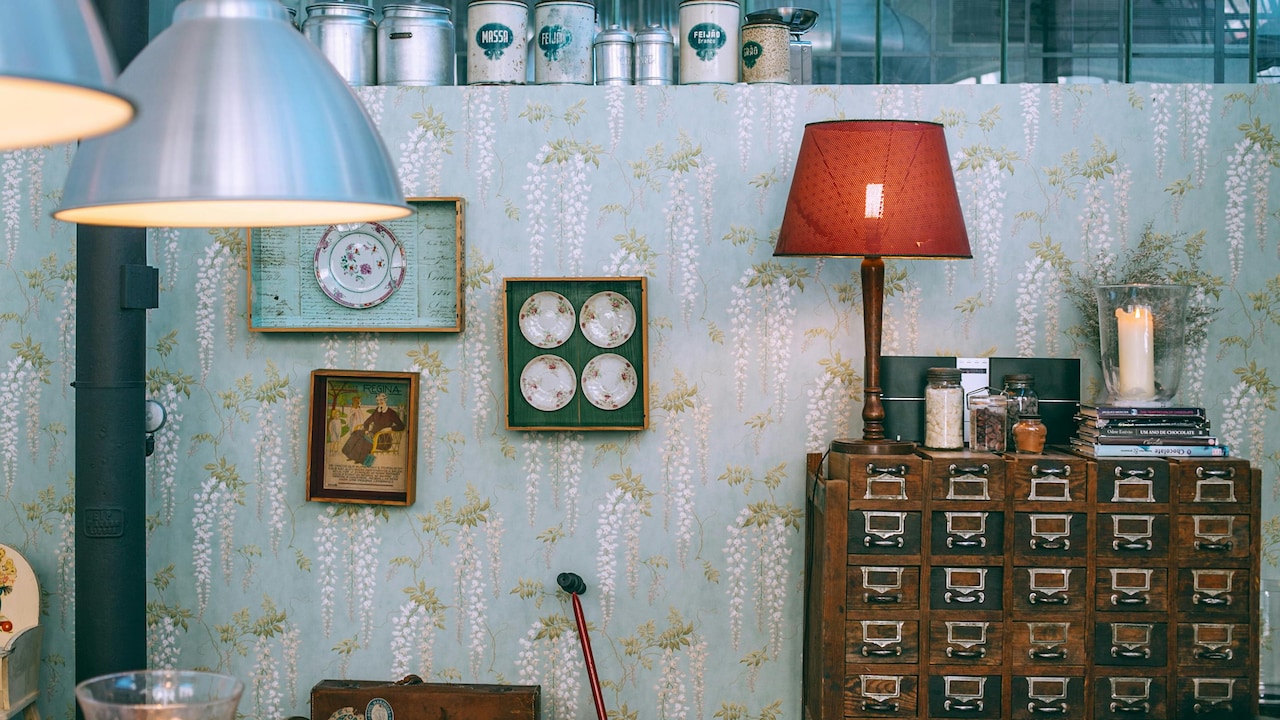
Wallpaper is a quick way to transform the look and feel of any room.
When it comes to transforming a room, few design elements are as impactful and as underestimated as wallpaper. While prints and patterns often steal the spotlight, the real game-changer lies in the type of wallpaper you choose for your home makeover. From durability and texture to ease of application and environmental impact, the material and finish of your wallpaper can make all the difference.
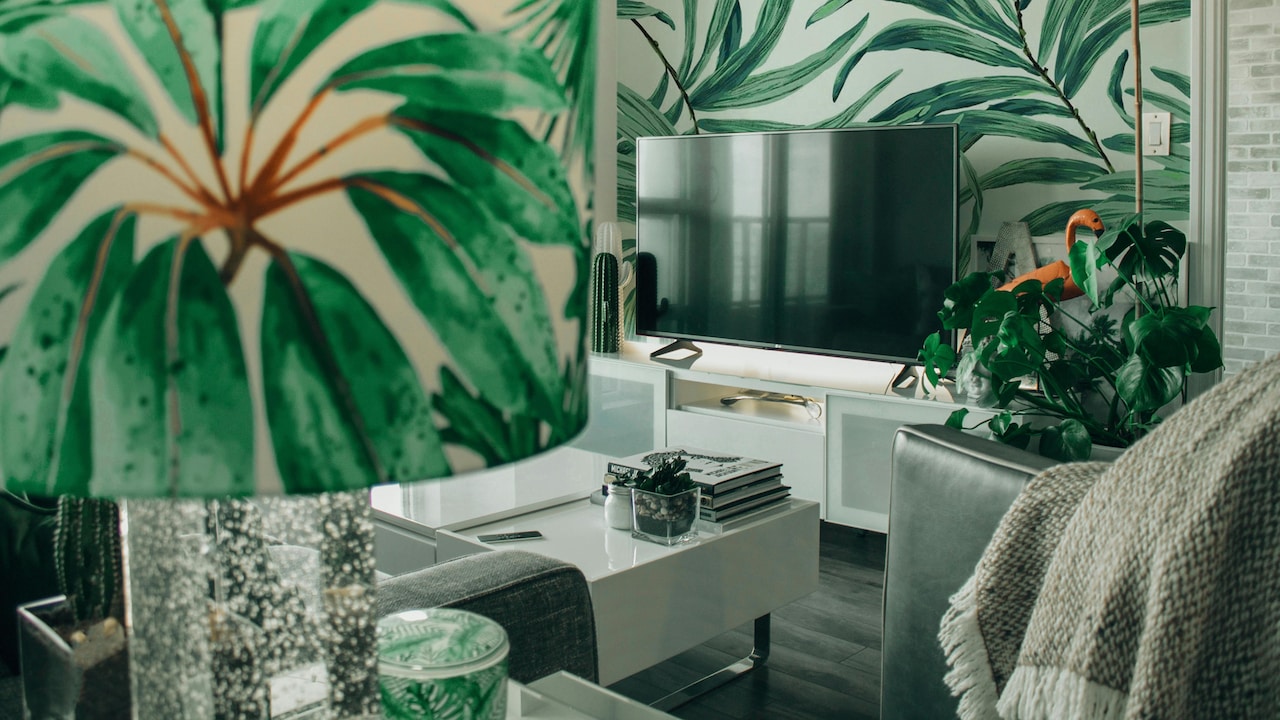
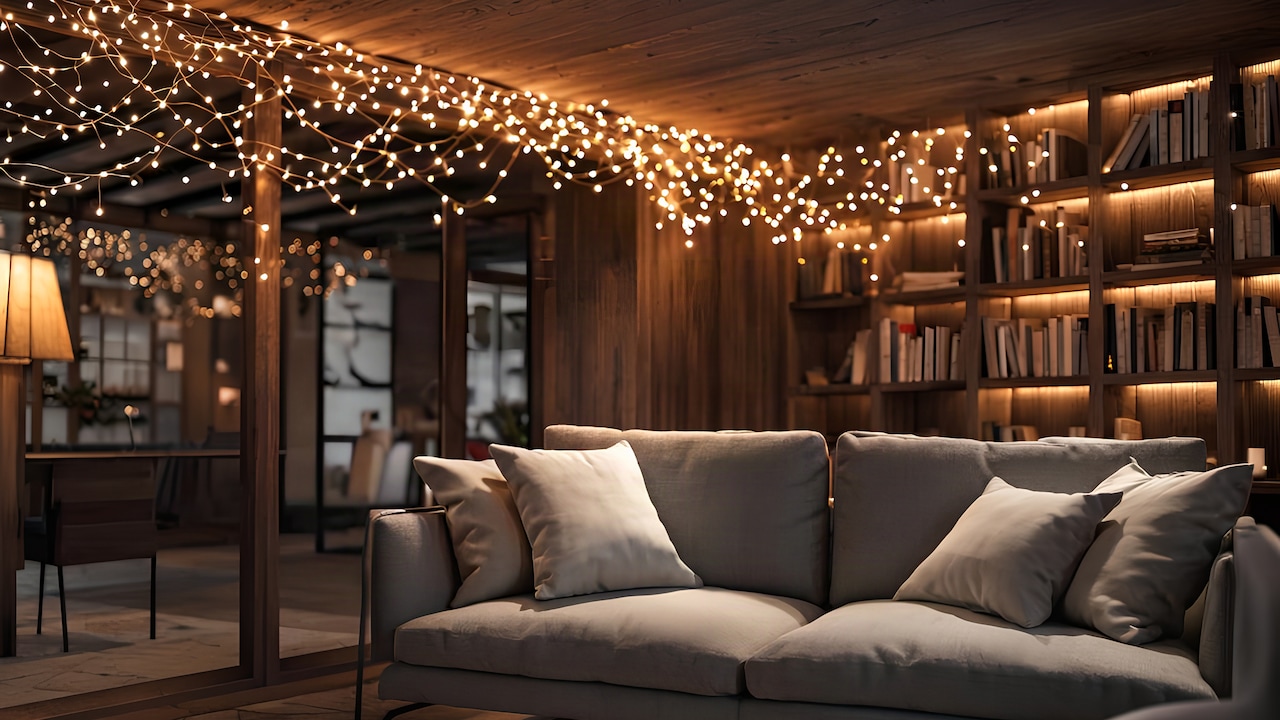
Different types of wallpaper offer unique benefits beyond just design.
Photo Credit: Pexels
Whether you're redecorating a single wall or revamping your entire home, understanding the various types of wallpaper available can help you make a choice that's not just stylish, but smart.
Also Read: How To Choose The Perfect Wallpaper For A Cosy, Pinterest-Worthy Bedroom
Type Of Wallpaper For Home
Vinyl Wallpaper
Vinyl wallpaper is a staple in modern homes, prized for its durability and moisture resistance. It's made by layering printed vinyl over a paper or fabric backing, and comes in several forms like solid vinyl, vinyl-coated paper, and fabric-backed vinyl.
This type is particularly well-suited for high-traffic or humid areas such as kitchens, bathrooms, and hallways. Its wipe-clean surface makes it a practical choice for families and pet owners.
However, while vinyl wallpaper is long-lasting and easy to maintain, it's not the most environmentally friendly option, due to its synthetic composition and limited recyclability.
Non-Woven Wallpaper
Non-woven wallpaper is a favourite among DIY enthusiasts. Made from a blend of natural and synthetic fibres, it's tear-resistant, breathable, and simple to install and remove. Unlike traditional paper wallpaper, it doesn't expand when wet, allowing users to apply paste directly to the wall, a cleaner and quicker process.
Its breathability also helps prevent mould, making it a good choice for bedrooms and living areas. And when it's time for a change, non-woven wallpaper peels off easily without damaging the wall beneath.
The downside? It's slightly more expensive than paper-based options, which may deter budget-conscious decorators.
Fabric Wallpaper
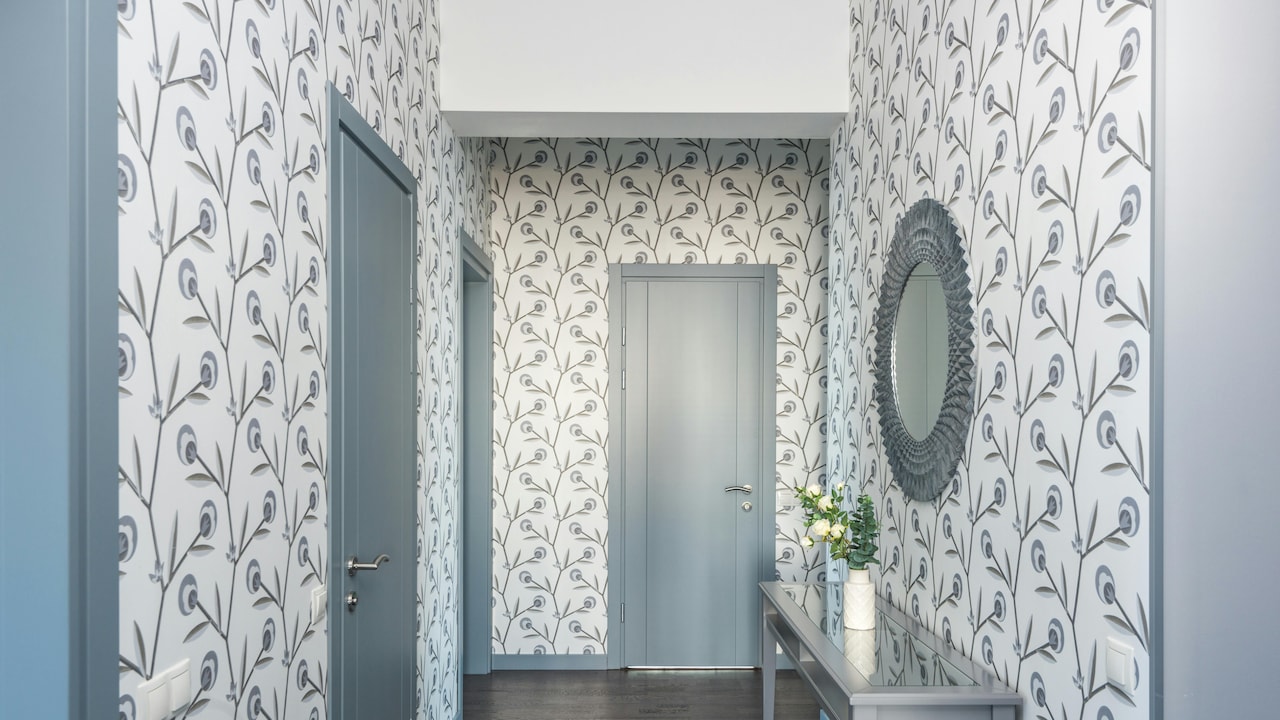
Natural fibre wallpapers like grasscloth add texture and warmth to interiors.
Photo Credit: Pexels
For those seeking a high-end finish, fabric wallpaper delivers a rich, tactile experience. Made from materials like silk, linen, or cotton, it adds depth and elegance to any room.
But beauty comes at a cost. Fabric wallpaper is delicate and difficult to clean, making it unsuitable for kitchens, bathrooms, or children's rooms. It's best reserved for low-traffic, formal spaces such as dining rooms or master bedrooms.
Additionally, its premium materials and installation requirements make it one of the most expensive wallpaper types.
Grasscloth Wallpaper
Grasscloth wallpaper is crafted from natural fibres like jute, hemp, or seagrass, woven onto a paper backing. Each roll is unique, offering an organic, textured look that brings warmth and character to interiors.
Its eco-friendly credentials make it appealing to sustainability-minded homeowners. However, grasscloth is not washable, and its texture can trap dust and stains. It's also sensitive to humidity and sunlight, which may cause fading or warping.
Installation can be tricky, and seams are often visible due to the natural weave.
Flock Wallpaper
Flock wallpaper is known for its raised, velvety patterns, often inspired by baroque or Victorian designs. It adds instant drama and opulence to a space, making it a popular choice for feature walls.
However, the textured surface is prone to collecting dust and is difficult to clean, making it unsuitable for busy or messy environments. It's also one of the more expensive and high-maintenance options.
Metallic Wallpaper
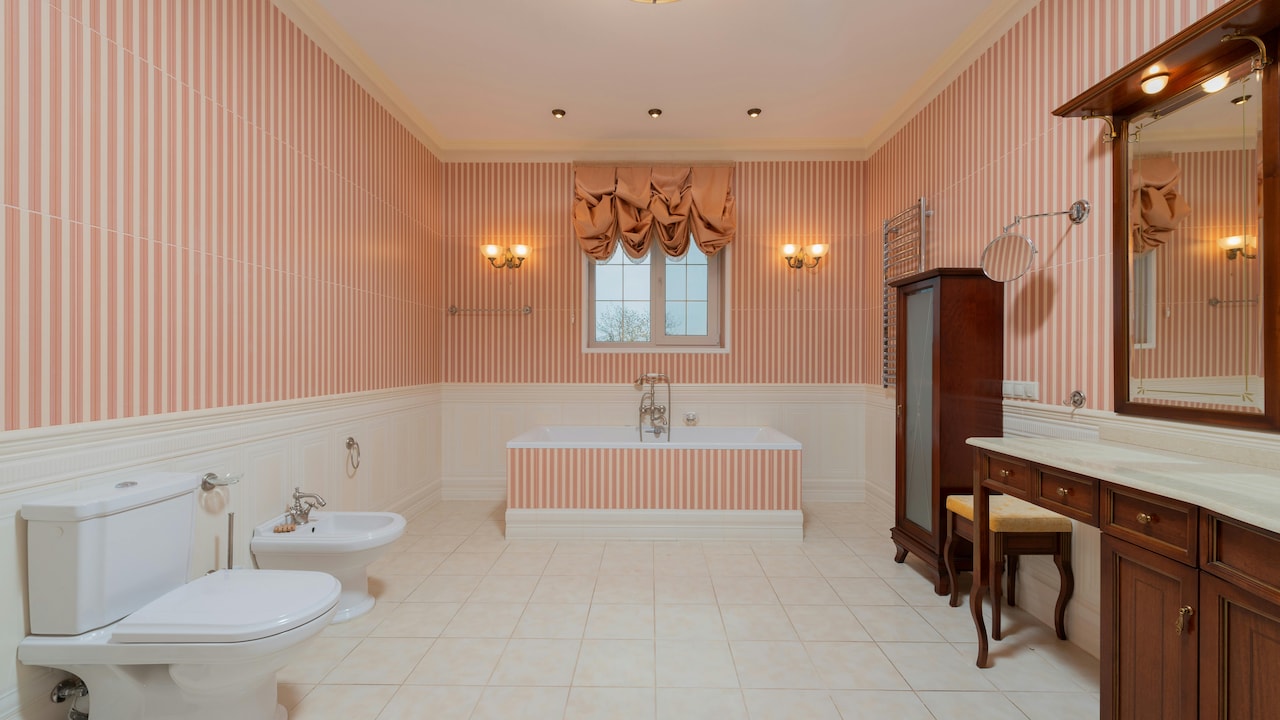
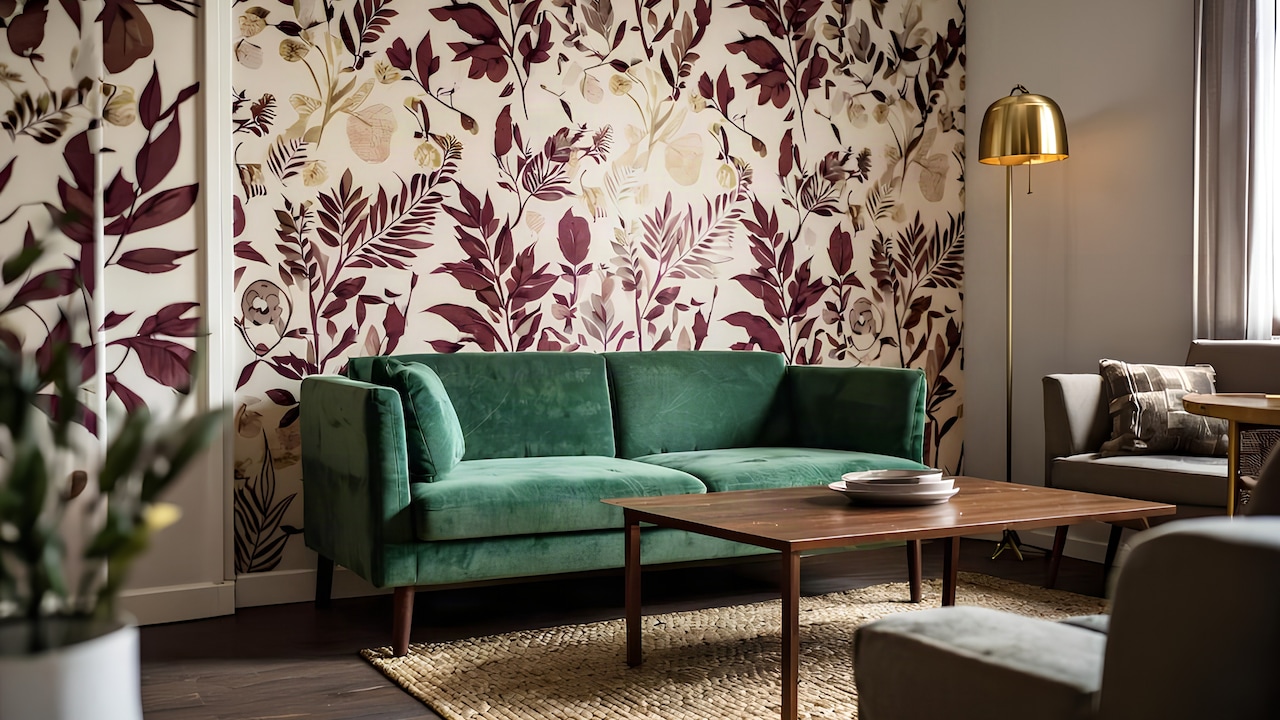
Different types of wallpaper offer unique benefits beyond just design.
Photo Credit: Pexels
Metallic wallpaper uses foil or metallic ink to create a shimmering, reflective surface that can brighten up darker rooms and add a touch of glamour.
It's particularly effective in small spaces, where its reflective qualities can make rooms feel larger. However, it requires a perfectly smooth wall surface, as imperfections are easily visible. Installation is often best left to professionals.
Peel-And-Stick Wallpaper
Peel-and-stick wallpaper, also known as self-adhesive wallpaper, has revolutionised temporary décor. It's easy to apply and remove, making it ideal for renters or those who like to refresh their interiors frequently.
While convenient, it's less durable than traditional wallpaper and may not adhere well to textured or damp surfaces. In humid conditions, it can peel prematurely.
Acoustic And Thermal Wallpaper
For homeowners looking to combine aesthetics with performance, acoustic and thermal wallpapers offer soundproofing and insulation benefits. These wallpapers often feature foam or textile layers that help regulate temperature and reduce noise.
They're particularly useful in home offices, nurseries, or media rooms, where comfort and quiet are key. However, design options are limited, and they tend to be more expensive than standard wallpapers.
How To Choose The Right Type For Your Space
When selecting wallpaper, consider:
- Room function: Moisture-prone areas need washable, water-resistant options.
- Wall condition: Uneven surfaces benefit from thicker or textured wallpapers.
- Lifestyle: Families and pet owners should prioritise durability and ease of cleaning.
- Budget: From affordable peel-and-stick to luxury silk, prices vary widely.
Wallpaper is more than just a decorative layer; it's a design decision that affects how a room looks, feels, and functions. By understanding the different types available, homeowners can make informed choices that balance style with practicality.
So before you fall for a pretty print, take a moment to consider what lies beneath. The right type of wallpaper could be the key to a home that's not only beautiful, but brilliantly suited to your life.
Products Related To This Article
1. FOKRIM Decorative Black Wallpaper
2. FOKRIM Decorative Multicolor Wallpaper
3. pixer Architecture White Wallpaper
4. ASSBRI COLLECTIONS Classics Grey Wallpaper
5. Guru Production Floral And Botanical Green Wallpaper
6. Guru Production Decorative Multicolor Wallpaper
7. Veki Floral And Botanical White, Brown Wallpaper
8. decorative india Decorative Yellow Wallpaper
Frequently Asked Questions (FAQs)
1. What is the most durable type of wallpaper for high-traffic areas?
Vinyl wallpaper is considered the most durable option for high-traffic areas like hallways and kitchens. It's moisture-resistant, washable, and long-lasting, making it ideal for busy households.
2. Which wallpaper is best for DIY installation?
Non-woven wallpaper is the easiest to install and remove, making it perfect for DIY projects. It allows paste-the-wall application and doesn't tear easily, simplifying the process for beginners.
3. Can wallpaper help with insulation or soundproofing?
Yes, thermal and acoustic wallpapers are designed to improve insulation and reduce noise. These functional wallpapers use foam or textile layers to enhance comfort in rooms like home offices or nurseries.
4. Is peel-and-stick wallpaper suitable for humid environments?
Peel-and-stick wallpaper is convenient but may not adhere well in humid conditions. It's best used in dry areas and on smooth surfaces to ensure longevity and prevent peeling.
5. What type of wallpaper is eco-friendly and sustainable?
Grasscloth wallpaper, made from natural fibres like jute and hemp, is one of the most eco-friendly options. However, it requires careful maintenance and is not suitable for humid or high-traffic areas.
(Except for the headline, this story has not been edited by NDTV staff and is published from a press release)