Waterproofing Spray vs Sealant: Which Stops Monsoon Leaks Better
Waterproofing spray or sealant — which one actually stops monsoon leaks better? Compare both and find the right fix for every surface in this monsoon season.
Waterproofing Spray vs Sealant: Which Stops Monsoon Leaks Better
Monsoon season has a way of exposing every gap, crack, and vulnerable surface in and around your home. Windows start seeping, rooftops begin dripping, and that corner of the balcony you kept ignoring suddenly becomes a proper problem. When water finds a way in, the damage spreads quickly, and by the time you notice the stain on the ceiling or the mould creeping along the wall, repairs have already become expensive. A quick scroll through Amazon shows just how many waterproofing solutions are out there, but picking the right one before things get worse is simply the smarter move.
Waterproofing Spray vs Sealant
Photo Credit: iStock
That said, standing in the home improvement aisle — or scrolling through Amazon — trying to decide between a waterproofing spray and a sealant can genuinely feel confusing. Both claim to stop water, but they work quite differently and suit different surfaces and situations.
What Is A Waterproofing Spray And How Does It Work
1. Waterproofing Sprays: The Science
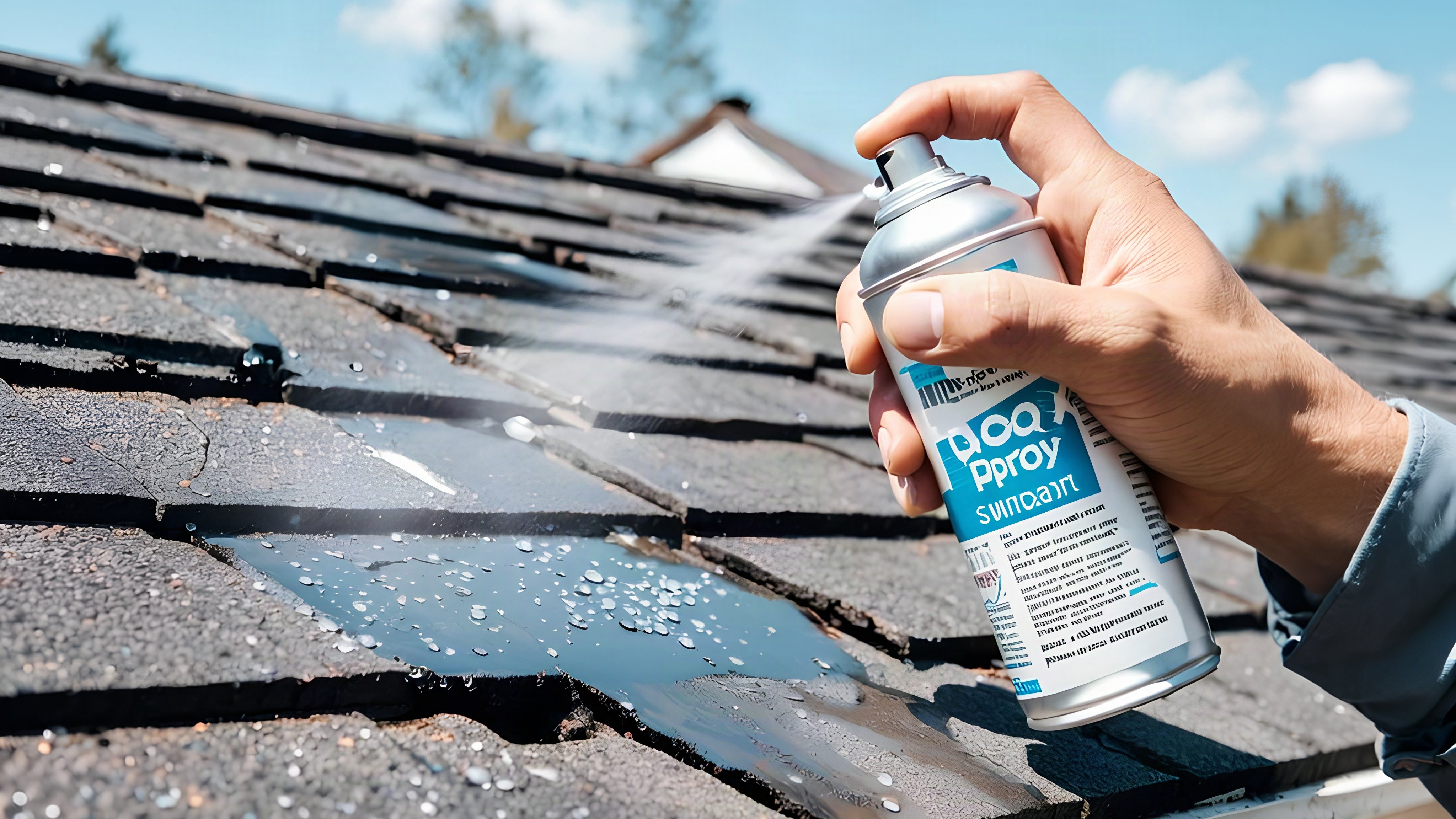
Waterproofing sprays form a water-repellent barrier on surfaces, usually using silicone or fluoropolymer compounds. The formula bonds to the surface fibres or pores so that the water beads up and runs off rather than soaking in. It's not a permanent fix but it is fast clean and effective for fabric-based or porous surfaces that need breathability as well as protection.
2. Places Where Waterproofing Sprays Work Best
Sprays work best on outdoor furniture covers, jackets, tents, shoes and bags. They're especially useful during monsoon season to protect stored luggage or keep the upholstered seating dry. The Scotchgard Heavy Duty Water Shield is one of the highest-reviewed options for protecting fabrics such as outdoor cushions, awnings, and more. The application is simple — spray, dry, and reapply when coverage starts thinning.
What Is A Waterproofing Sealant And How Is It Different
1. Understanding How Sealants Work
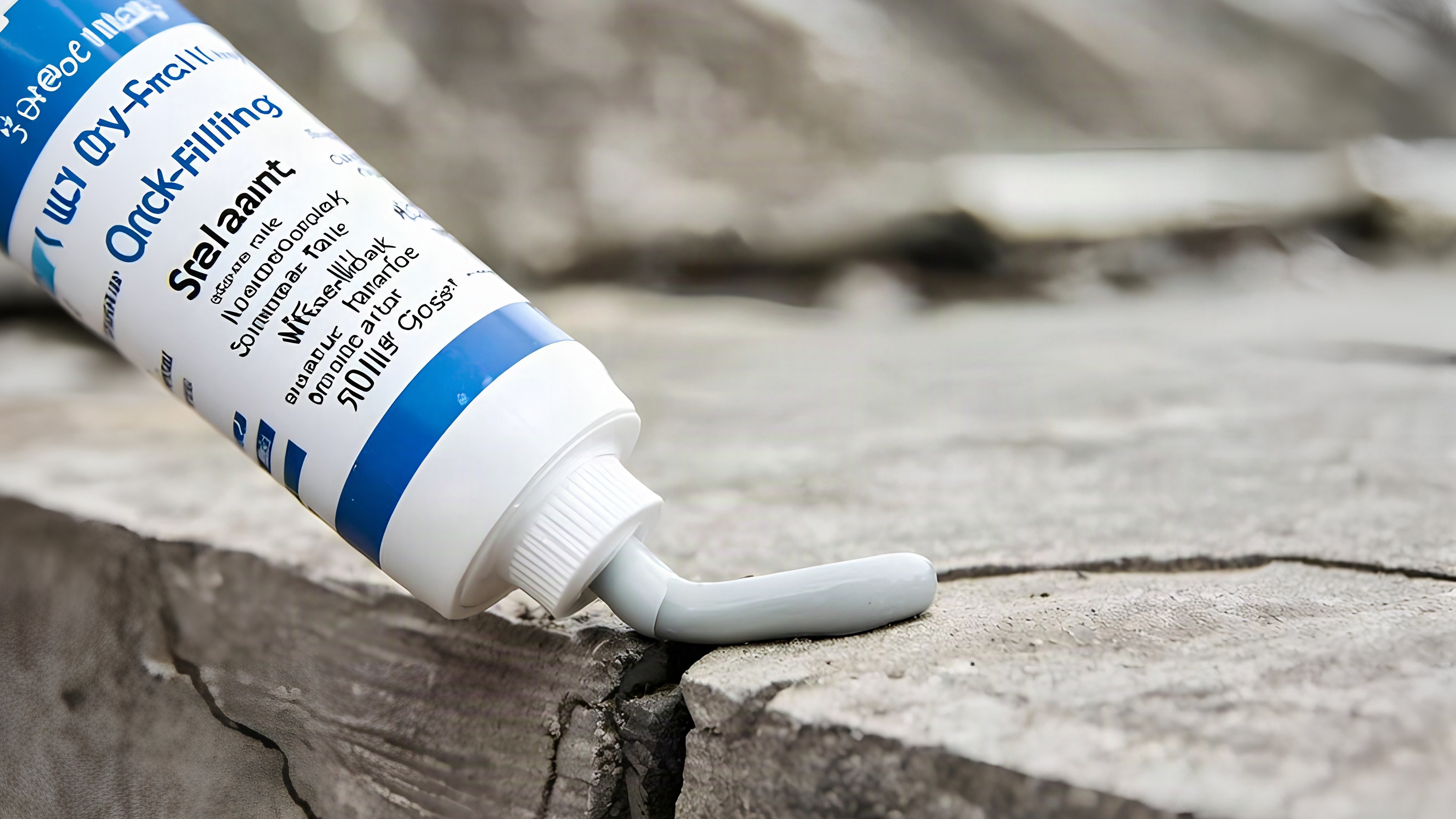
A waterproofing sealant is a thick paste or gel-like substance that physically fills cracks, joints and gaps, creating an impenetrable barrier. Unlike sprays, sealants don't just coat a surface – they block the actual pathways that water travels through. They adhere firmly to stone, concrete, metal, glass, wood or ceramic and cure to form a flexible, waterproof seal resistant to temperature extremes. This makes them highly suitable for structural surfaces where complete sealing is required, rather than surface repellence.
2. Surfaces Where Sealants Make More Sense
Bathroom joints, window frames, roof edges, plumbing fixtures, and exterior walls are all suitable for sealants — anywhere water actively pushes through gaps. On Amazon, Pidilite Dr Fixit Crack X Paste is a popular pre-monsoon choice for wall and roof cracks. Fevicol Speedx Construction Sealant handles window and door expansion joints reliably, while Soudal Fix All works well around plumbing fittings.
Waterproofing Spray vs Sealant: A Direct Comparison
1. Coverage, Application and Ease of Use
Undoubtedly, waterproofing sprays win on ease of use. No mixing, no tools, and no cure time to worry about. You just spray it on, let it dry and within an hour or two the surface is protected. In contrast, sealers require a more delicate application – you need a caulking gun for tube-format products, steady hands to fill joints evenly, and patience during the full curing process, which can take anywhere from 24 to 72 hours depending on the brand and conditions.
2. Monsoon behaviour & durability
Sealants are far superior to sprays for long-term monsoon protection. A good silicone or polyurethane sealant will last several years before needing touch-ups. Sprays usually need to be reapplied every few months. If you have a leaking roof edge, a cracked exterior wall or water coming in through the window frames during a storm, then a sealant is the more reliable solution.
3. Realistic Budget Cost Considerations
Waterproofing sprays on Amazon can cost between ₹400 and ₹900 for 250-500 ml. Good quality sealants will cost you between ₹300 and ₹1,200 for a tube. Polyurethane sealants are a little more expensive. Most families find it cheaper to buy both and use them on different surfaces than to force one product to do what it was never meant to do.
Also Read: Top 5 Hot New Releases In Home Improvement For Smart Indian Homes
How To Choose The Right Product For Your Monsoon Needs
1. Assess The Surface First
Before buying anything, spend a few minutes identifying exactly where your water problem is coming from. Is it moisture soaking into outdoor furniture fabric? A spray will handle that easily. Is it a hairline crack along the parapet wall or a gap where the window frame meets the exterior plaster? That calls for a sealant. Matching the product to the actual surface and the nature of the water intrusion is the single most important step in getting useful results.
2. Some Products Worth Considering On Amazon
Scotchgard Heavy Duty Water Shield remains the top choice for fabric protection. Pidilite Dr. Fixit Silicone Sealant For Windows, Tiles & Exterior Joints, Strong Adhesion & Flexibility Dr Fixit Crack X Paste can be a good option for cracks in the roof or leaking terraces used before the rains. Reading Amazon reviews tailored to Indian monsoon conditions can also assist you in making a quick decision.
Which is better for roof leaks — spray or sealant?
Photo Credit: iStock
Some Products You May Like
1. Gorilla Clear Waterproof Patch & Seal Spray
2. ARAA PAVA wall waterproofing leakage spray
3. Transparent Waterproof Coating Insulating Sealant
4. Loctite General Purpose GP silicone sealant
5. LYROVO Quick-Dry Crack Filling Sealant
6. Loctite All Purpose Waterproof Repair Putty
7. Wandering NAVA PAVA Leak-Proof Waterproof Spray
8. NIKAVI Waterproof Patch & Seal Spray
In the battle between waterproofing spray and sealant, the better choice ultimately depends on the type of leak and the surface involved. Waterproofing sprays are ideal for creating a protective water-repellent layer on fabrics, shoes, and small exterior surfaces, making them great for light monsoon protection. Sealants, on the other hand, offer a stronger and more durable solution for filling cracks, gaps, and joints where water can seep through, making them far more effective against persistent leaks. For the best monsoon-proofing results, sprays can be used as a preventive measure, while sealants are the go-to option for repairing and stopping existing leaks. Choosing the right product based on the severity of the problem can help keep your home dry, protected, and damage-free throughout the rainy season.
Frequently Asked Questions (FAQs)
1. Can I use a waterproofing spray on walls?
Most waterproofing sprays are designed for fabric or porous materials rather than painted walls. For wall protection, a dedicated waterproofing sealant or primer coat is the more appropriate choice.
2. How long does a waterproofing sealant last?
Good-quality silicone or polyurethane sealants typically last between two and five years with proper application. Factors like UV exposure, temperature fluctuation, and joint movement affect longevity.
3. Is one application of waterproofing spray enough for the whole monsoon?
Likely not, especially on frequently used items. Most sprays need reapplication every few months or after several wash cycles for fabric-based surfaces.
4. Can I apply sealant over old sealant?
In most cases, no. Old sealant should be removed cleanly before fresh application for the new layer to bond properly and form a reliable seal.
5. Which is better for roof leaks — spray or sealant?
For roof leaks, a sealant or specialised roof waterproofing compound is significantly more effective. Sprays are not formulated to handle the pressure and volume of water that a roof faces during heavy monsoon rain..
(Disclaimer: This article may include references to or features of products and services made available through affiliate marketing campaigns. NDTV Convergence Limited (“NDTV”) strives to maintain editorial independence while participating in such campaigns. NDTV does not assume responsibility for the performance or claims of any featured products or services.)