How To Stop A Laundry Basket From Smelling: 10 Fixes For Damp Clothes, Poor Ventilation And Residue
Stop laundry basket odours at the source. These 10 simple fixes tackle damp clothes, trapped moisture, poor airflow and detergent residue, helping keep your hamper fresh, clean and free from musty smells.

How To Stop A Laundry Basket From Smelling: 10 Fixes For Damp Clothes, Poor Ventilation And Residue
Laundry baskets are meant to hold clothes, not announce their presence from across the room. Yet one forgotten gym T-shirt, a damp towel or a pile of clothes left sitting through a humid weekend can give the basket a personality nobody asked for. The smell usually develops for simple reasons. Moisture gets trapped, bacteria multiply, sweat lingers and detergent residue builds up on the basket itself. Closed plastic hampers can make matters worse because damp fabrics receive almost no fresh air. Even a spotless bedroom can begin to smell musty when the laundry basket quietly becomes a moisture trap. Fortunately, stopping the odour does not require turning laundry care into a science project. Small changes often make the biggest difference. Letting damp items dry, cleaning the hamper regularly and improving ventilation can transform the situation within days.
How To Stop A Laundry Basket From Smelling: 10 Fixes For Damp Clothes, Poor Ventilation And Residue
Photo Credit: Pexels
Here are ten practical fixes that tackle the common causes of a smelly laundry basket without making household chores feel more complicated than they already are.
10 Simple Ways To Keep Your Laundry Basket Fresh And Odour-Free
1. Dry Damp Clothes Before Putting Them In The Basket
Damp fabric is one of the fastest routes to a foul-smelling laundry basket. Bath towels, workout clothes, socks and clothes caught in sudden rain may look harmless when tossed into the hamper, but moisture creates the perfect setting for bacteria and mildew.
Instead of burying damp items under dry laundry, hang them over a drying rack, balcony rail or bathroom rod until most of the moisture disappears. Even an hour or two of airflow can make a noticeable difference. Once the fabric feels dry rather than clammy, it can join the rest of the washing.
This habit matters even more during humid or rainy weather, when clothes dry slowly and rooms already carry extra moisture. A wet towel trapped beneath a pile overnight can create that unmistakable sour smell by morning.
Think of the laundry basket as a waiting area rather than a drying zone. Clothes can sit there for a while, but they should arrive reasonably dry. That one change prevents many odours before they have the chance to settle in.
2. Choose A Laundry Basket With Better Ventilation
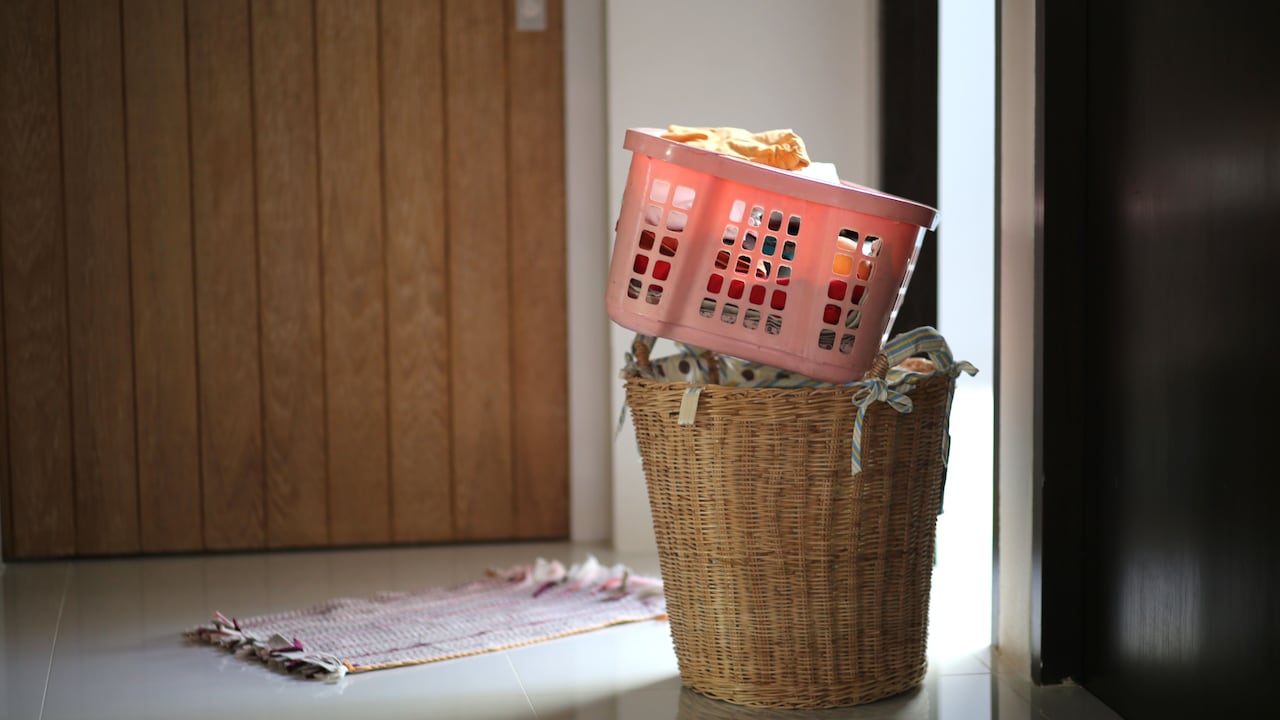
A stylish laundry hamper may match the bedroom beautifully, but if it traps air like a sealed cupboard, it can quickly become an odour chamber. Ventilation matters because sweat and residual moisture need somewhere to escape.
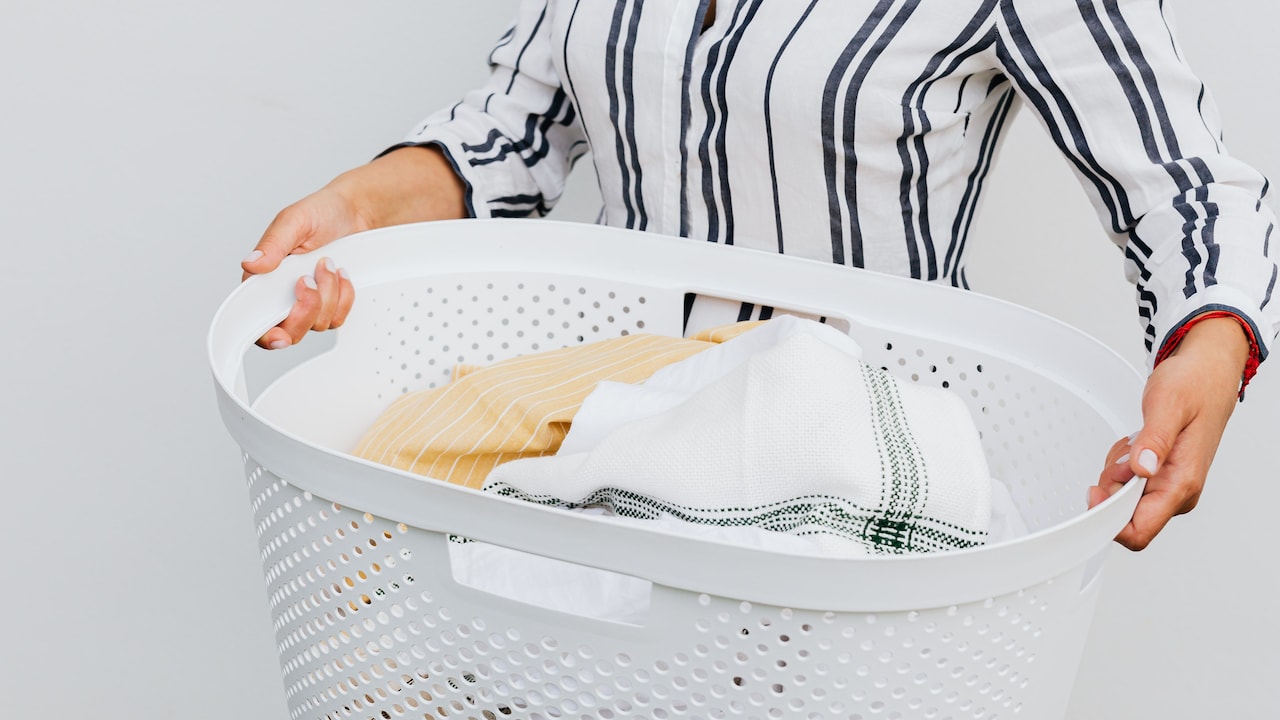
Baskets with holes, woven sides, mesh panels or breathable fabric liners generally handle everyday laundry better than completely closed containers. Air movement helps fabrics stay drier while they wait for washing, reducing the conditions that allow musty smells to develop.
If replacing the basket is not practical, simple adjustments can still help. Leave the lid slightly open when possible or move the basket away from tightly enclosed corners. Avoid pressing it directly against a damp bathroom wall or squeezing it between furniture where air barely circulates.
Placement matters too. A ventilated basket kept in a stuffy washroom may still smell faster than one placed in a dry bedroom corner with reasonable airflow.
The goal is not to give dirty socks luxury accommodation. They simply need enough breathing room to avoid turning a routine pile of laundry into something resembling a forgotten changing room.
3. Clean The Laundry Basket Regularly
Dirty clothes leave more behind than anyone can see. Sweat, body oils, dust, detergent traces and tiny fibres collect on the base and sides of the laundry basket over time. Eventually, the basket itself can start smelling even after every piece of clothing has gone into the wash.
A regular clean prevents that build-up. Plastic baskets can usually be wiped with warm water and a mild household cleaner, then dried thoroughly before fresh laundry goes back inside. Fabric hampers may need vacuuming, wiping or washing depending on their care instructions.
Pay extra attention to the bottom, handles, lid and corners. These spots often collect lint and moisture while escaping everyday notice. A quick wipe every week or two can be more effective than waiting for the smell to become obvious.
Drying is just as important as cleaning. Putting clothes into a still-damp basket simply starts the moisture problem again.
Treat the hamper like any other frequently used household surface. Plates get washed, floors get swept and laundry baskets deserve an occasional scrub too.
4. Wash Sweaty Clothes Sooner
Some laundry can wait several days without causing drama. Sweaty gym wear, sports clothes and heavily worn garments are less forgiving.
Sweat contains moisture, oils and compounds that bacteria happily feed on. When these clothes sit in a warm basket for days, the smell can spread to nearby fabrics and eventually cling to the hamper itself. Synthetic materials often hold odour particularly stubbornly, which explains why one workout top can overpower an otherwise ordinary pile.
When possible, wash heavily sweaty clothes within a day. If a full laundry load is not ready, hang the garments somewhere airy until wash time rather than leaving them crumpled in the basket.
This is especially useful after evening exercise, long commutes or hot summer days. Tossing a damp T-shirt straight into a deep hamper may feel efficient at night, but the next morning can bring unpleasant consequences.
Separating particularly sweaty items from lightly worn clothes also helps. A small ventilated basket or washable bag can keep strong odours contained without turning the main hamper into a permanent reminder of yesterday's workout.
5. Avoid Overfilling The Laundry Basket
A laundry basket stuffed beyond capacity may look like proof that wash day has arrived, but overcrowding also encourages unpleasant smells. When clothes are packed tightly together, air circulation disappears and any trapped moisture stays locked between layers.
The problem becomes worse when damp towels, socks or exercise clothes sit in the middle of the pile. Surrounded by fabric, they dry slowly and warm up, creating an excellent environment for odour-producing bacteria.
Try to wash clothes before the basket reaches the stage where the lid needs persuasion. Leaving a little open space allows air to move through the pile and makes sorting easier too.
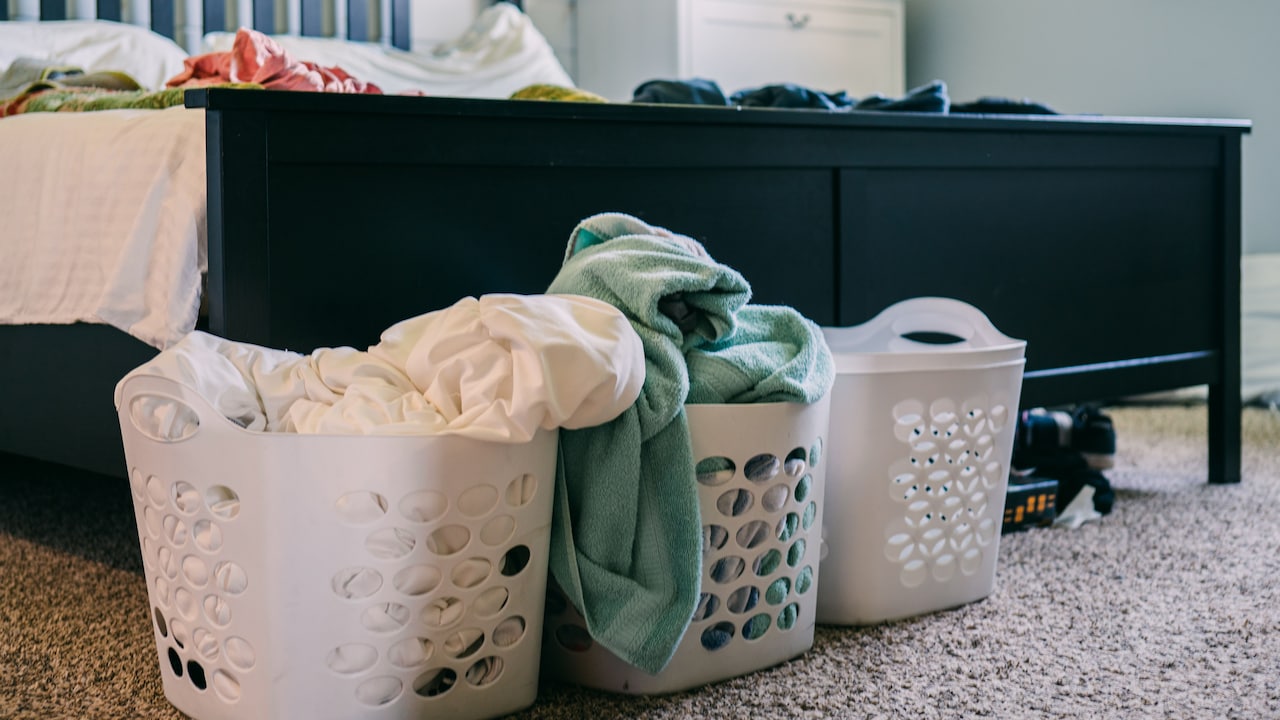
For larger households, one basket may simply be too small. Using two hampers can be more practical than endlessly compressing everything into one. Separate baskets for everyday clothing and towels, for example, can prevent one category from overwhelming the other.
There is also a domestic bonus: smaller loads are easier to manage. A basket that does not resemble a textile mountain is far less intimidating when laundry day finally arrives.
Also Read: 5 Best Strong And Foldable Laundry Bags That Last Through Heavy Wash Days
6. Remove Detergent And Fabric Softener Residue
Laundry products are supposed to make clothes smell fresh, yet excess detergent and fabric softener can contribute to lingering odours. Residue may remain on clothing after washing and transfer back into the laundry basket as the garments are worn and discarded.
Too much product can coat fabric fibres, trapping body oils and preventing clothes from rinsing clean. Over time, this creates a stale or slightly sour smell that becomes more noticeable when garments sit together.
Using the correct quantity of detergent makes a considerable difference. More foam does not automatically mean cleaner clothes. Follow the product guidance and adjust according to the size and dirtiness of the load.
The washing machine also deserves attention. Detergent drawers, rubber seals and drums can collect residue, which then transfers smells back onto supposedly clean laundry.
If clothes already smell odd soon after wearing, the problem may begin before they reach the basket. A cleaner wash routine reduces the amount of residue travelling into the hamper and helps break the cycle of washing, wearing and redistributing stubborn smells.
How To Stop A Laundry Basket From Smelling: 10 Fixes For Damp Clothes, Poor Ventilation And Residue
Photo Credit: Pexels
7. Use Baking Soda To Absorb Lingering Odours
Baking soda can be surprisingly useful when a laundry basket develops a mild stale smell. It does not replace proper cleaning, but it can help absorb odours between washes.
A small open container of baking soda placed near the basket works well, particularly in wardrobes or utility areas with limited airflow. Make sure it sits somewhere stable and away from children or pets. Spilling powder into a pile of dark clothes creates an entirely different household problem.
For a washable plastic hamper, a light sprinkle of baking soda on the empty base can also help before cleaning. Leave it briefly, then wipe or rinse the basket and allow it to dry fully.
Avoid pouring large quantities directly over dirty clothes. Powder can cling to damp fabric and become messy rather than helpful.
The main appeal of baking soda lies in its simplicity. A small packet costs little, takes almost no effort to use and can soften background odours while better laundry habits do the real work. Consider it a supporting actor, not the hero of the story.
8. Keep The Basket Away From Damp Areas
Location can quietly decide whether a laundry basket stays tolerable or becomes musty. Bathrooms and poorly ventilated utility spaces often contain higher humidity, especially after hot showers, bucket baths or clothes drying indoors.
A basket kept permanently in such an area can absorb moisture from the surrounding air even when the clothes inside are mostly dry. Over time, that extra dampness encourages stale odours.
When possible, place the hamper in a dry, airy part of the bedroom, dressing area or laundry space. Keep it slightly away from walls that develop condensation and avoid placing it directly beside wet mops, drying racks or leaking plumbing.
During the monsoon, this becomes particularly important. Rooms may feel damp for days, and fabrics take longer to release moisture. Running a fan, opening windows when conditions allow or using an exhaust fan can improve circulation.
The laundry basket does not need pride of place beside the wardrobe. It simply needs a reasonably dry home. Choosing the right spot can solve an odour problem without changing anything about the washing routine.
9. Wash Or Replace The Laundry Basket Liner
A removable liner makes carrying clothes easier, but it can also become the hidden source of a stubborn smell. Fabric liners absorb sweat, moisture, dust and traces of products from everything placed inside them.
Because the liner looks like part of the basket, it is easy to forget that it needs washing too. If the hamper smells unpleasant even after the plastic or wicker frame has been cleaned, the liner deserves suspicion.
Check the care label and wash it as recommended. Make sure it dries completely before returning it to the basket. A slightly damp liner placed back inside an enclosed hamper can undo the entire cleaning effort.
Liners that have developed mildew, permanent staining or an odour that survives repeated washing may need replacement. Fortunately, a simple washable cotton or mesh version is often enough.
For baskets without removable liners, consider using a washable laundry bag inside. It creates a barrier between clothes and the hamper surface and can go straight into the wash when needed.
Sometimes the smell is not coming from the pile at all. It is coming from the fabric quietly holding the pile together.
10. Create A Simple Laundry Routine
The most reliable cure for a smelly laundry basket is not a miracle cleaner. It is a routine that prevents damp clothes and residue from sitting around for too long.
Choose regular laundry days based on household needs rather than waiting for the basket to overflow. A smaller household may manage with two wash days a week, while families with school uniforms, office wear, towels and workout clothes may need more frequent loads.
Check the hamper each evening for damp items. Hang wet towels, separate sweaty clothes and remove anything that needs immediate attention. This takes only a few moments and prevents unpleasant surprises later.
It also helps to empty and wipe the basket whenever a load goes into the machine. That turns cleaning into part of the routine rather than another chore demanding its own Saturday afternoon.
Consistency matters more than perfection. Missing one wash day will not create a disaster, but repeatedly leaving damp laundry for several days probably will.
A good routine keeps the basket fresher, laundry loads smaller and that mysterious bedroom smell from becoming a regular family discussion.
How To Stop A Laundry Basket From Smelling: 10 Fixes For Damp Clothes, Poor Ventilation And Residue
Photo Credit: Pexels
Products Related To This Article
1. HOKIPO White & Black Printed Folding Laundry Basket-43L
2. Craft Bazar Beige Laundry Basket With Lid
3. HOUSE OF QUIRK Grey Wall Mounted Laundry Basket
4. HOUSE OF QUIRK Grey Printed Laundry Basket
5. HOUSE OF QUIRK Pink & Orange Printed Cotton Waterproof Square Storage Laundry Basket 100 L
6. Prettykrafts Grey Foldable Laundry Basket With Lid
7. Premsons Red & White Printed Laundry Basket Storage
A smelly laundry basket is rarely a complicated household mystery. Damp clothes, limited airflow, sweat, residue and neglected surfaces usually explain most of the problem.
The simplest solution is to stop moisture from settling in. Dry wet clothes before placing them in the hamper, choose a ventilated basket and wash sweaty garments without unnecessary delay. Regular cleaning, sensible detergent use and a washable liner add another layer of protection.
Just as importantly, avoid treating the basket as an unlimited storage unit. Laundry packed tightly for days has little chance of staying fresh, particularly during humid weather.
Small habits make the biggest difference here. A towel hung to dry, a lid left slightly open or a quick wipe of the basket base may seem insignificant, yet together they prevent odours from building.
The reward is pleasantly ordinary: a room that smells like a room rather than yesterday's socks, damp towels and an abandoned gym bag. For a chore as routine as laundry, that is a victory worth having.
(Disclaimer: This article may include references to or features of products and services made available through affiliate marketing campaigns. NDTV Convergence Limited (“NDTV”) strives to maintain editorial independence while participating in such campaigns. NDTV does not assume responsibility for the performance or claims of any featured products or services.)