Why Does My Home Feel Damp And Musty In The Rainy Season
Wondering why your home feels damp and musty every rainy season? Here's what actually causes it and small changes that keep the smell and moisture away.

Why Does My Home Feel Damp And Musty In The Rainy Season
The moment the first monsoon shower hits, something changes inside the house, too. The walls feel a little cooler than usual, the cupboard smells off, and even freshly washed clothes take forever to dry. Most people just open a window and hope it passes.
But it usually doesn't pass on its own, not fully. That damp and musty smell that shows up every rainy season is your home's way of telling you there's excess moisture sitting somewhere it shouldn't be, and figuring out where is honestly half the battle.

Simple Ways To Keep Dampness Under Control This Season
Photo Credit: iStock
In most Indian homes, especially the older ones with thick walls and lower ventilation, this isn't a one-off problem. It comes back every year around June, sticks around till September, and quietly damages books, clothes, and furniture if nobody pays attention to it.
What Actually Causes That Damp, Musty Feeling At Home
There isn't one single reason your home turns musty in the rain. It's usually two or three things happening together, and the humid outdoor air just makes all of them worse.
1. Poor Cross Ventilation
If your home doesn't get a proper flow of air moving from one side to the other, moisture from cooking, bathing, and even just breathing has nowhere to go. It settles on walls, inside cupboards, and under furniture instead of escaping outside.
2. Rising Dampness From Walls And Floors
Dampness due to water absorption through capillary action from the subsoil is common in old buildings near ground-floor level. It is visible as a damp patch near the skirting that never really dries, even on a sunny day between showers.
3. Condensation On Cold Surfaces
When warm, humid air touches a cooler surface like a marble floor, glass window, or an AC vent, it condenses into tiny water droplets. Over a few weeks, that repeated condensation is enough to trigger a musty smell in the exact same spot.
Signs Your Home's Moisture Problem Is More Than Just A Smell
A musty smell is usually the first clue, but it isn't the only one, and a few of these signs are worth acting on before they get expensive to fix.
1. Peeling Paint Or Bubbling On Walls
When paint starts lifting or forming small bubbles, moisture is trapped underneath the surface. It's tempting to just repaint over it, but that only hides the issue for a month or two.
2. Black Or Green Spots In Corners
These spots, usually appearing near ceiling corners or behind furniture, are early mould growth. They spread faster once the humidity crosses a certain point, which is exactly what happens through July and August.
3. Clothes That Smell Even After Washing
If clean clothes still carry a faint sour smell from the wardrobe, that's moisture being absorbed by the fabric itself, not a laundry problem.
Rooms That Get Damp Faster Than The Rest Of The House
Some rooms in a typical Indian home are simply built to hold more moisture than others, mostly because of how they're used every day.
1. Bathrooms Without A Working Exhaust Fan
A bathroom that doesn't dry out properly between uses becomes a constant moisture source for the rest of the house, especially if it's attached to a bedroom.
2. Kitchens With Heavy Steam And Little Airflow
Cooking releases a surprising amount of water vapour into the air. Without a chimney or an open window nearby, that steam settles on nearby walls and cabinets over time.
Also Read: Everyday Living Made Easy: 5 Essential Home Tools That You Need For Daily Life
Simple Ways To Keep Dampness Under Control This Season
None of this needs a major renovation. Most of it comes down to small, consistent habits and a few basic products that do the heavy lifting for you.
Keep a small gap between your furniture and the wall so air can move behind it. Wipe down window sills and bathroom tiles after every heavy spell of rain, since standing water there is often what starts the smell in the first place. On days when the sun does come out, even for an hour, open every window you can and let the house breathe.
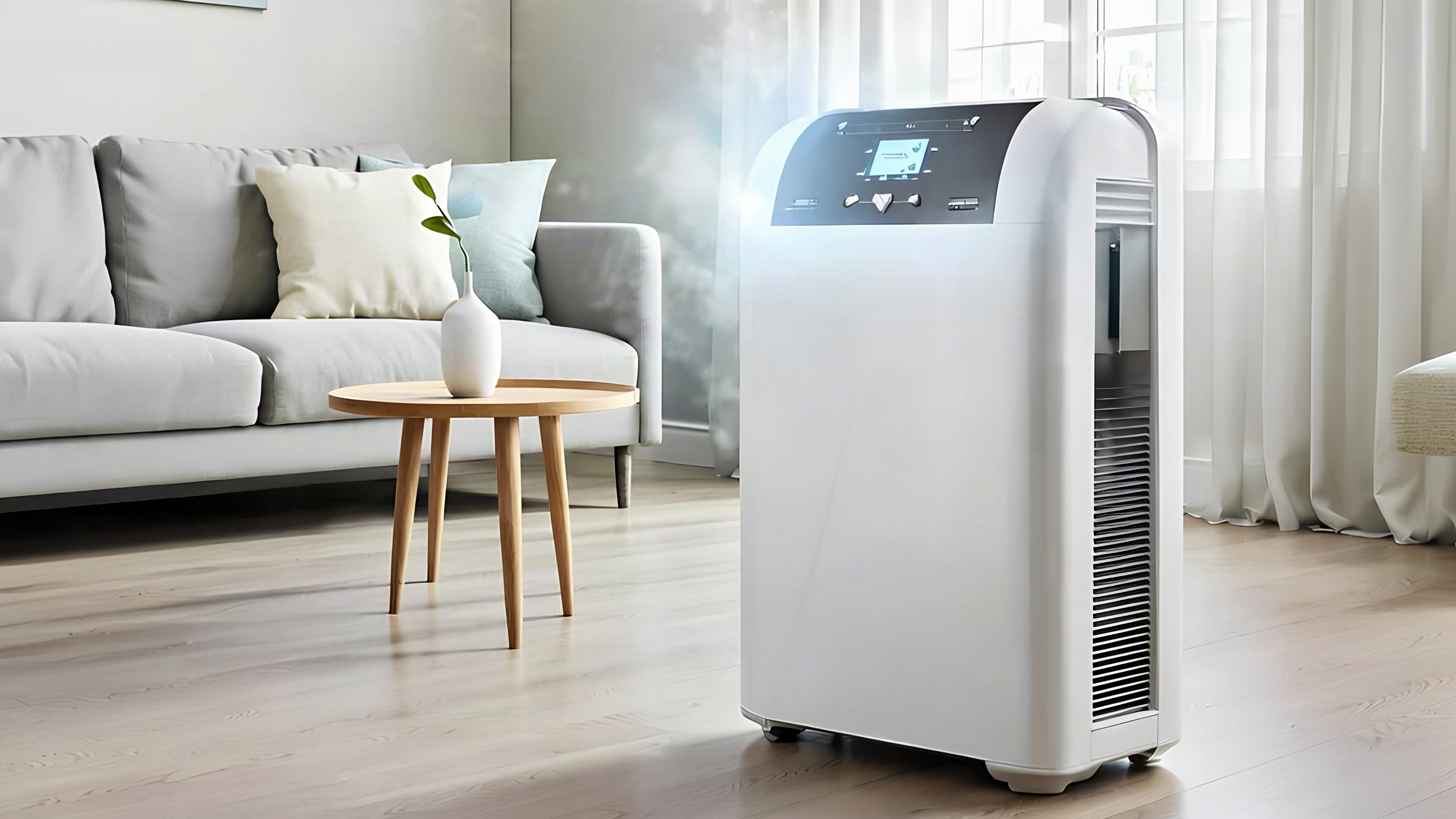
A moisture absorber placed inside wardrobes and closed cabinets does a lot of the background work, quietly pulling excess humidity out of the air before it turns into a smell. For rooms that feel damp no matter what you try, a small electric dehumidifier tends to make a noticeable difference within a few days.
What Actually Causes That Damp, Musty Feeling At Home
Photo Credit: iStock
Some Damp And Mould Control Products You May Like
1. Tri-Activ Moisture Absorbers & Dehumidifiers
2. Absorbia Moisture Absorber & Odour Buster With Activated Charcoal
3. Humicure Moisture Absorber Hanging Bags
4. ADEPTNA Wardrobe Dehumidifier Hanging Bags
5. Solimo Hanging Wardrobe Dehumidifier Bags
6. Lifelong Mini Dehumidifier For Room, 1000ml Tank With Auto Shutoff
7. Amazon Brand Presto! Moisture Absorber
8. Premium Mould And Mildew Remover Spray For Walls And Tiles, 200ml
A damp and musty feeling during the rainy season is usually caused by excess moisture trapped indoors due to high humidity, poor ventilation, leaks, or insufficient sunlight. While it may seem like a minor seasonal inconvenience, prolonged dampness can lead to mold growth, unpleasant odours, and damage to walls, furniture, and fabrics. The key to keeping your home fresh is to control indoor moisture through proper ventilation, quick leak repairs, regular cleaning, and the use of dehumidifying solutions when needed. Taking these preventive steps can help create a healthier, more comfortable living space throughout the monsoon season.
FAQs
1. Does dampness in the house actually affect health?
Yes, long exposure to damp and mouldy places may induce allergic reactions, coughing, and skin irritation, especially in people suffering from asthma or dust allergy.
2. Why does my home feel damp even with the windows closed?
When the windows are closed, the moisture generated due to various activities inside the building cannot be let outside, leading to higher dampness levels.
3. Can painting over damp walls resolve the problem?
It won't, since painting the damp patch is simply concealing it for some time until the moisture underneath and the source are resolved.
4. How long does it usually take for a room to smell normal again after fixing dampness?
With proper ventilation and a moisture absorber placed, it takes only a week or so for the room to smell right, though for wall dampness it may take a longer time.
5. Is a dehumidifier better than a moisture absorber for a whole room?
Electric dehumidifiers usually have a greater effect than moisture absorbers, which have a better effect on small rooms like wardrobes and cupboards..
(Disclaimer: This article may include references to or features of products and services made available through affiliate marketing campaigns. NDTV Convergence Limited (“NDTV”) strives to maintain editorial independence while participating in such campaigns. NDTV does not assume responsibility for the performance or claims of any featured products or services.)