Fabric Storage Boxes: Benefits, Drawbacks and Impact of Moisture
Fabric storage boxes offer flexible, affordable organisation, but humidity can turn them into a risk. This article explores their benefits, drawbacks and how moisture affects everyday storage choices.
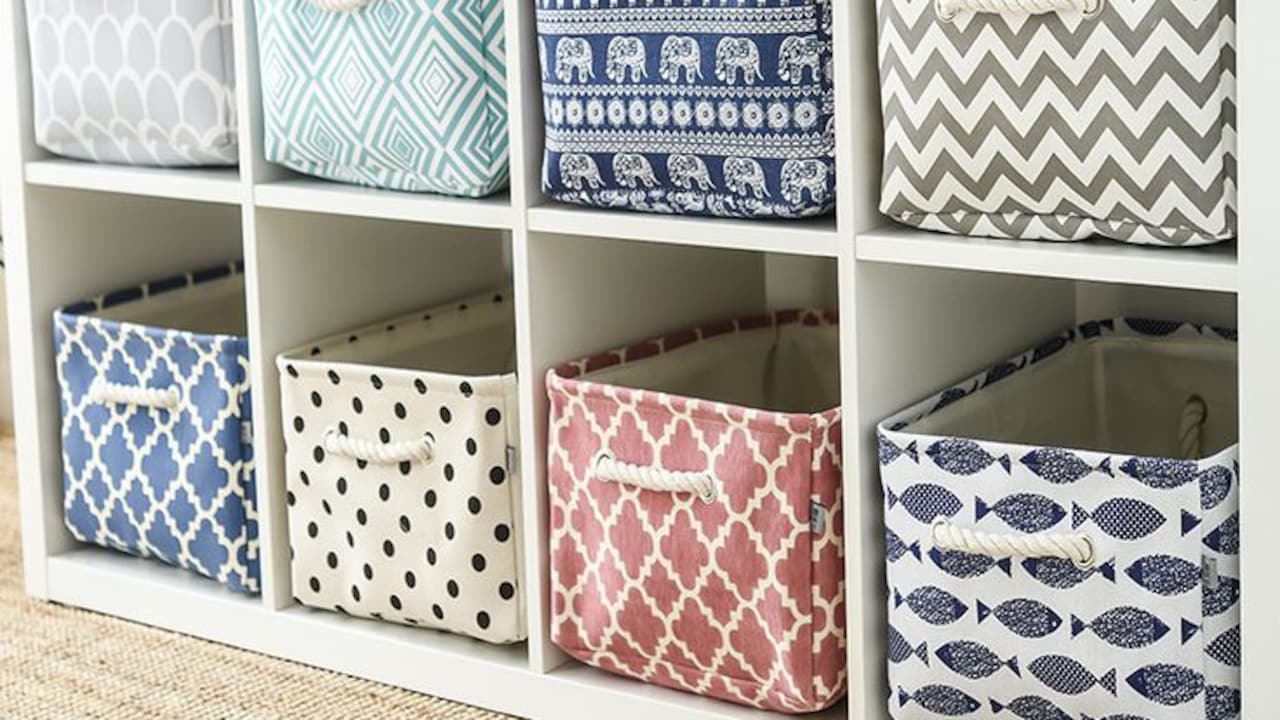
Are Fabric Storage Boxes Worth It? Benefits, Drawbacks and Moisture Risks Explained.
Storage rarely sparks excitement. Still, a well-organised home brings a sense of calm that feels priceless after a long day. Fabric storage boxes have emerged as a popular solution for modern households that crave order without heavy furniture or high costs. These boxes appear in cheerful prints, earthy tones and minimal designs, fitting easily into bedrooms, living rooms and even balconies.
Their popularity is closely tied to changing lifestyles. Smaller homes demand smarter storage, while seasonal clothing, spare bedding and festive décor need safe places to rest. Fabric boxes promise all that without drilling holes or buying bulky cupboards. Yet, like every household solution, they come with trade-offs. Moisture, dust and wear can quietly undo their benefits if handled carelessly.
This article takes a balanced look at fabric storage boxes, breaking down their advantages, limitations and how moisture affects them in real homes. The goal remains simple: help readers decide when fabric storage works beautifully and when caution makes sense.
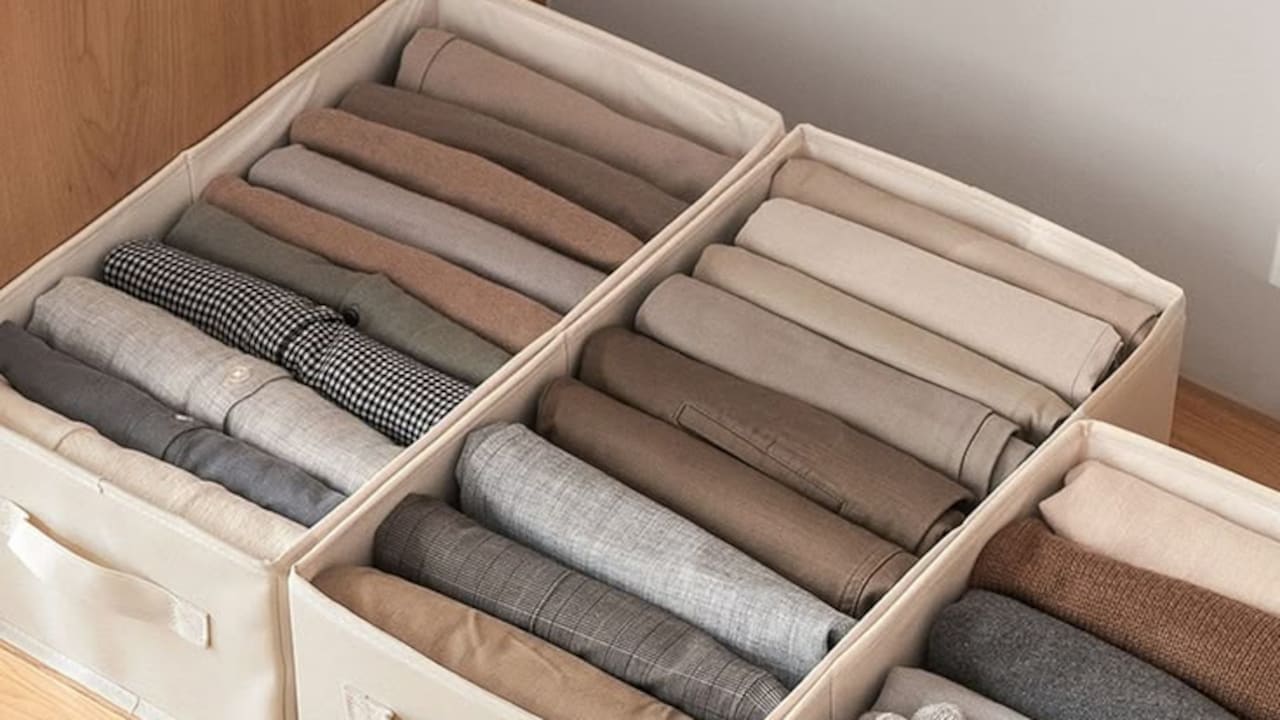
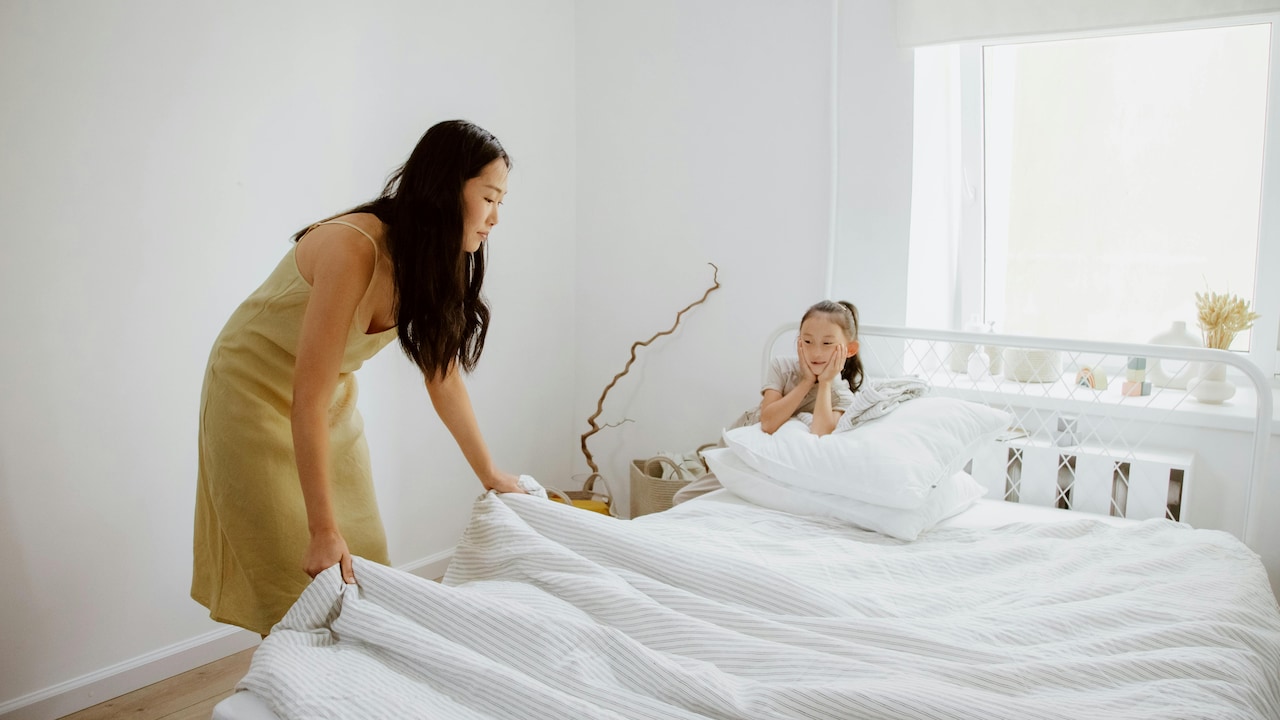
Fabric Storage Boxes: Pros, Cons and How Moisture Affects Your Storage; Photo Credit: Pexels
How Fabric Storage Boxes Work, and Where They Fall Short
1. Lightweight Convenience for Everyday Living
Fabric storage boxes shine when convenience matters most. Their lightweight nature allows easy lifting, shifting and stacking without straining the back. A single person can reorganise an entire cupboard in an afternoon, something impossible with wooden trunks or metal cabinets. This ease proves especially useful during seasonal changes, when woollens replace cottons or extra blankets move out of sight.
Many homes use these boxes under beds or on top of wardrobes, spaces that often feel awkward to access. Fabric boxes slide in smoothly and collapse when empty, freeing up room instantly. For families with children, these boxes double as toy organisers, making cleanup feel less like a chore and more like a quick game.
Design also plays a role. Fabric boxes come in patterns that brighten dull corners, adding a touch of personality to storage areas. From subtle neutrals to playful prints, they blend function with style. Convenience, in this sense, goes beyond weight. It includes flexibility, visual appeal and the quiet joy of clutter-free living.
2. Affordable Storage Without Heavy Investment
Budget-friendly solutions often win hearts, and fabric storage boxes fit that category well. Compared to wooden chests or plastic drawers, fabric options cost significantly less, often ranging from ₹300 to ₹1,500 depending on size and quality. This affordability allows households to buy multiple boxes without worrying about overspending.
Such flexibility suits renters and students who prefer temporary solutions. Fabric boxes move easily from one home to another, adjusting to new spaces without fuss. Unlike built-in storage, they do not tie anyone down. When tastes change or needs evolve, replacing or repurposing these boxes feels simple.
Affordability also encourages experimentation. A spare box can store old magazines today and festive lights tomorrow. This adaptability reduces the pressure to choose the perfect storage solution at the first attempt. While lower cost sometimes raises questions about durability, careful selection and mindful use can stretch the life of fabric boxes surprisingly well.
Also Read: 7 Best Airtight Food Storage Containers To Keep Products Fresh Longer
3. Aesthetic Appeal That Matches Modern Homes
Storage no longer hides behind closed doors. Open shelves, visible wardrobes and multipurpose rooms demand storage that looks good. Fabric storage boxes respond to this shift with designs that feel intentional rather than purely functional.
Many boxes feature textured fabrics, subtle embroidery or earthy colours that complement modern interiors. Neutral shades suit minimalist homes, while vibrant prints add warmth to family spaces. This visual harmony allows storage boxes to sit proudly on shelves instead of hiding under beds.
Seasonal décor also benefits. During festive months, themed fabric boxes store decorations while adding charm to living areas. Once celebrations end, the same boxes tuck away quietly, leaving no visual clutter behind. This balance between beauty and utility explains why fabric storage appeals to design-conscious households.
However, aesthetics should not overshadow practicality. While a box may look stunning, its fabric quality, stitching and lining determine long-term satisfaction. Choosing wisely ensures that beauty and function work together rather than compete.
4. Breathability: A Hidden Advantage
Fabric storage boxes offer natural breathability, a feature often overlooked. Unlike airtight plastic containers, fabric allows air circulation, reducing the risk of trapped odours. Clothes stored for months smell fresher when fabric boxes allow subtle airflow.
This quality proves especially helpful for storing everyday clothing, scarves and linens. Natural fabrics like cotton and linen respond well to breathable storage, maintaining texture and freshness. Even shoes benefit when stored in fabric boxes, as air circulation reduces stale smells.
However, breathability works best in dry environments. In homes with good ventilation, fabric boxes support healthier storage conditions. Adding natural repellents like neem leaves or lavender sachets further enhances freshness without relying on chemicals.
This advantage highlights the importance of matching storage type to household conditions. Fabric boxes thrive when airflow exists, and humidity stays under control. Without those factors, breathability alone cannot protect the contents fully.
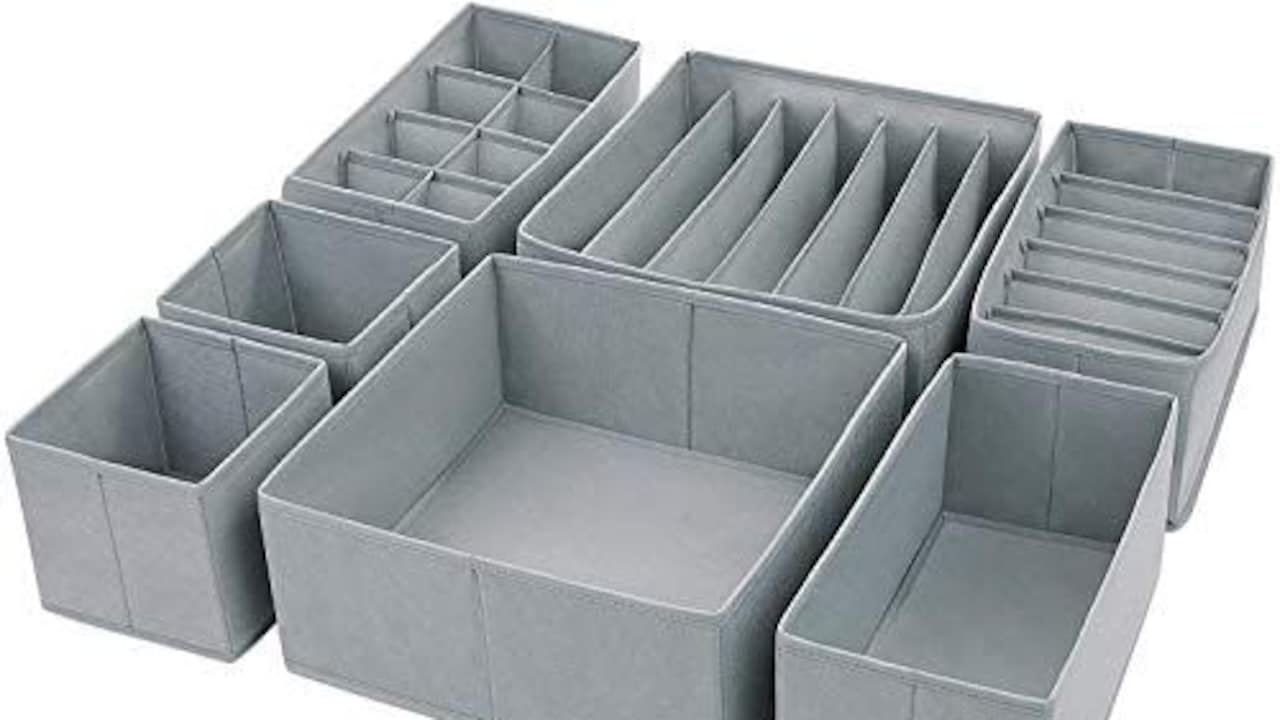
Fabric Storage Boxes: Pros, Cons, and How Moisture Affects Your Storage
Photo Credit: Pexels
5. Drawback: Limited Protection Against Dust and Pests
Despite their charm, fabric storage boxes struggle with complete protection. Dust finds its way through seams, zips and fabric pores, settling quietly on stored items. Over time, this buildup requires thorough cleaning before use.
Pests pose another concern. Fabric offers little resistance to insects, especially in storage areas that remain undisturbed for months. Moths, silverfish and cockroaches can damage clothing and papers if preventive measures fall short.
Households often combat this issue with covers, liners or repellents. While these steps help, they add effort and ongoing maintenance. Unlike sealed plastic containers, fabric boxes demand regular checks to ensure contents remain safe.
This limitation does not render fabric storage useless. Instead, it calls for thoughtful use. Storing less delicate items or rotating contents frequently reduces risks. Understanding this drawback helps households set realistic expectations and avoid unpleasant surprises.
6. Drawback: Durability Over Time
Fabric storage boxes age differently from hard containers. Frequent handling, overloading and exposure to sunlight weaken fabric fibres. Stitching may loosen, and handles may tear under weight. This wear appears faster in lower-quality boxes.
Children often treat storage boxes as seats, forts or stepping stools. While imaginative play brings joy, it shortens the life of soft storage. Unlike wooden furniture, fabric boxes lack the structural strength to handle rough use.
That said, durability improves with mindful habits. Avoiding overstuffing, lifting boxes from the base and keeping them away from direct sunlight preserves fabric strength. Investing slightly more in reinforced designs also pays off.
Durability concerns highlight the importance of purpose-driven storage. Fabric boxes suit light to moderate loads rather than heavy books or tools. When used appropriately, they serve well without disappointment.
7. The Silent Threat of Moisture in Homes
Moisture remains the biggest enemy of fabric storage boxes. Humidity seeps into fabrics, creating a damp environment that encourages mould and mildew. This issue intensifies during monsoon months, when closed cupboards trap moisture.
Once moisture settles, stored clothes develop musty smells and stains that resist removal. Books curl, papers weaken, and fabrics lose softness. Unlike plastic containers, fabric boxes absorb moisture rather than repel it.
Many households underestimate this risk until damage appears. Storing boxes on floors worsens the problem, especially in ground-level rooms. Even a small water leak or condensation can cause lasting harm.
Addressing moisture requires awareness and proactive care. Ventilation, elevated storage and moisture absorbers play crucial roles. Recognising moisture as a serious concern helps households protect both storage boxes and their contents effectively.
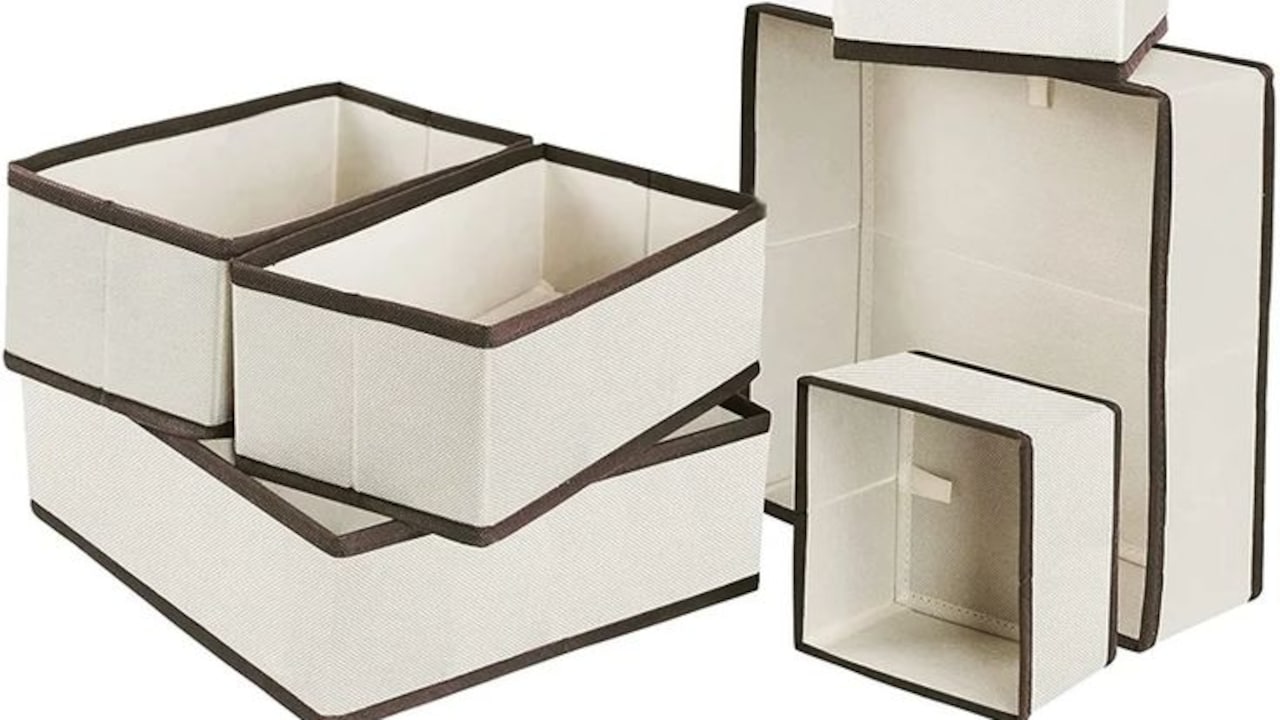
Fabric Storage Boxes: Pros, Cons, and How Moisture Affects Your Storage; Photo Credit: Pexels
8. Managing Moisture with Smart Practices
Moisture control does not demand expensive solutions. Simple habits make a noticeable difference. Placing silica gel packets or charcoal sachets inside boxes absorbs excess moisture quietly. These affordable tools cost little yet offer strong protection.
Positioning matters as well. Storing fabric boxes on shelves rather than floors reduces contact with damp surfaces. Regularly opening boxes allows trapped air to escape, refreshing contents naturally.
Sunlight helps too, when used carefully. Occasional airing of boxes during dry days removes hidden dampness. However, prolonged sun exposure weakens fabric, so balance remains key.
Households that follow these practices enjoy longer-lasting storage with fewer issues. Moisture management turns fabric boxes from risky choices into reliable allies. Small efforts, when done consistently, protect belongings and preserve peace of mind.
9. Ideal Uses for Fabric Storage Boxes
Fabric storage boxes perform best when used thoughtfully. They suit lightweight, low-risk items such as extra pillows, soft toys, seasonal clothing and festive décor. These items tolerate minor dust and benefit from breathable storage.
Closets, bedrooms and dry living spaces provide ideal locations. Using boxes with lids or zip closures adds an extra layer of protection without sacrificing breathability. Transparent label pockets help identify contents quickly, reducing unnecessary opening.
These boxes also shine in short-term storage. Items rotated regularly face fewer risks from pests or moisture. Students and renters appreciate this flexibility, as storage adapts easily to changing needs.
Understanding ideal use cases prevents misuse. Fabric storage boxes do not replace heavy-duty containers, but they complement them beautifully when chosen for the right purpose.
10. When to Choose Alternatives Instead
Despite their advantages, fabric storage boxes do not suit every situation. High-humidity areas, long-term storage of valuable items or pest-prone spaces demand sturdier solutions. Plastic containers with tight seals or wooden trunks with proper treatment offer better protection.
Important documents, heirloom textiles and electronics require moisture-resistant storage. In such cases, fabric boxes increase risk rather than reduce it. Choosing alternatives protects both items and peace of mind.
That said, a mixed approach often works best. Combining fabric boxes with hard containers creates a flexible storage system that addresses diverse needs. Thoughtful selection, rather than blind preference, leads to better outcomes.
Recognising limitations empowers households to make smarter choices. Fabric storage boxes excel within their comfort zone and disappoint when pushed beyond it.
Products Related To This Article
1. DAREV 4 Pcs Wardrobe Organizer for Clothes with Metal Frame Rectangle Storage Baskets for Clothing Fabric Storage Box
2. Foldable Steel Frame Cloth Organizer Storage Box and Organiser
3. Collapsible Storage Box with Lid, Fabric Storage Box for Clothes
4. PulGos 6pcs Foldable Drawer Organizer for Home
5. JD FRESH Fabric 2 Pcs 30 Liters Cloth Organizer for Storage
6. NEUTRINO Folding Storage Box With Rod - Jeans Fabric Closet Storage Box
7. Kuber Industries Laheriya Metallic Print Rectangular Non Woven Fabric Modular Closet Organizer Box with Handle
Fabric storage boxes offer a blend of convenience, affordability and style that suits modern homes beautifully. Their lightweight design, aesthetic appeal and breathability make them popular for everyday storage needs. However, they demand awareness and care, especially in environments where moisture and pests lurk quietly.
Understanding both benefits and drawbacks allows households to use fabric storage wisely rather than blindly. Moisture management, thoughtful placement and realistic expectations transform these boxes into reliable helpers rather than risky choices.
In the end, storage reflects lifestyle. Fabric storage boxes work best when paired with mindful habits and complementary solutions. Used well, they bring order, warmth and simplicity to living spaces, proving that even the quietest household items deserve thoughtful attention.
(Disclaimer: This article may include references to or features of products and services made available through affiliate marketing campaigns. NDTV Convergence Limited (“NDTV”) strives to maintain editorial independence while participating in such campaigns. NDTV does not assume responsibility for the performance or claims of any featured products or services.)







![Steam Iron Teflon Shoe Cover for ES-300,ST-96 [Only For ES-300 and ST-96 Model Electric Steam Irons]](https://m.media-amazon.com/images/I/51wwkttondL._SL160_.jpg)