Frizzy Hair After Washing? How Do Microfibre Hair Towels Reduce Breakage
Struggling with frizzy hair after every wash? The problem might be your towel. Discover how microfibre hair towels reduce breakage, cut frizz, and make everyday hair care smoother and more effective.
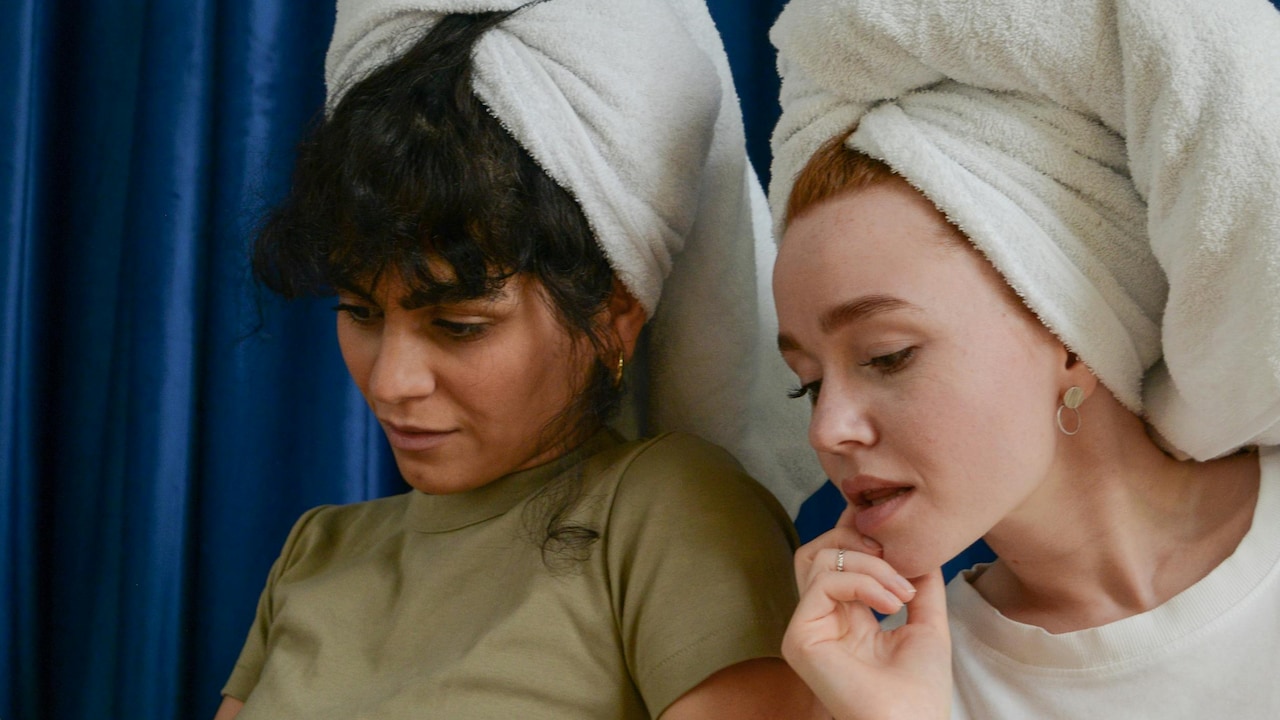
Frizzy Hair After Washing? How Do Microfibre Hair Towels Reduce Breakage
Few things feel as satisfying as freshly washed hair. The clean scent, the lightness, the promise of a good hair day. Yet, that promise often unravels within minutes. Hair dries into a halo of frizz, ends look rough, and strands feel far from the silky finish imagined during that long shower.
Blame often falls on humidity, water quality, or even fate. But a surprisingly overlooked factor hides in plain sight: the towel. The rough cotton towel sitting on a bathroom hook may be doing more harm than good.
Microfibre hair towels, once seen as a niche beauty accessory, have quietly stepped into everyday routines. They offer a gentler, smarter way to dry hair without inviting breakage or frizz. This article explores how this simple swap can reshape hair care habits and why so many people now refuse to go back.

Frizzy Hair After Washing? How Microfibre Hair Towels Help Reduce Breakage And Frizz
Photo Credit: Pexels
Understanding Why Your Hair Needs A Better Drying Routine
Why Hair Becomes Vulnerable After Washing
Hair behaves differently when wet. Each strand swells, the cuticle lifts, and the structure weakens. At this stage, even small amounts of friction can cause damage. Tugging, rubbing, or twisting wet hair may stretch it beyond its limit.
In many households, the instinct remains the same. Wrap the hair tightly in a cotton towel or rub vigorously to speed up drying. It feels efficient, especially on busy mornings before work or college. Yet this routine often leads to broken strands, split ends, and uneven texture.
The science behind it feels simple. Wet hair lacks elasticity and resilience. When handled roughly, it snaps instead of bouncing back. That is why frizz appears almost immediately after drying.
A gentler approach matters here. The drying stage sets the tone for how hair behaves throughout the day. Treating wet hair carefully helps maintain smoothness and reduces long-term damage. This is where the role of the towel becomes more significant than expected.
The Problem With Regular Cotton Towels
Cotton towels feel soft against the skin, but hair tells a different story. Their thick loops create friction against delicate strands. When hair rubs against these fibres, the cuticle roughens, leading to frizz and breakage.
Cotton also absorbs water unevenly. Instead of drawing moisture away smoothly, it pulls and drags along the hair shaft. This can cause strands to tangle, especially for those with long or textured hair.
Another common habit adds to the issue. Twisting hair tightly into a turban puts pressure on the roots. Over time, this may weaken the hairline and lead to unnecessary hair fall.
In climates where humidity lingers, drying hair quickly becomes a priority. Cotton towels, however, often leave hair damp for longer than expected. This encourages repeated rubbing, which only worsens the situation.
While cotton works perfectly for drying the body, hair needs a gentler touch. The mismatch between fabric and function explains why so many struggle with post-wash frizz despite using good hair products.
What Makes Microfibre Different
Microfibre towels look simple, but their structure tells a different story. Made from ultra-fine synthetic fibres, they feel smooth and lightweight. Each fibre is thinner than a strand of silk, which reduces friction against hair.
Instead of dragging across the surface, microfibre glides gently. This helps keep the hair cuticle flat, which is essential for reducing frizz. The smoother the cuticle, the shinier the hair appears.
Another advantage lies in absorbency. Microfibre can hold several times its weight in water. It pulls moisture away quickly without requiring aggressive rubbing.
The lightweight design also makes a noticeable difference. Unlike bulky cotton towels, microfibre wraps feel comfortable and secure without straining the scalp.
At first glance, it may seem like a small upgrade. Yet this subtle change in fabric creates a completely different drying experience. The hair feels softer, less tangled, and far more manageable.
Reduced Friction Means Reduced Breakage
Friction often acts as the silent enemy in hair care. It goes unnoticed but leaves visible results. Rough handling creates tiny cracks along the hair shaft, which eventually lead to breakage.
Microfibre minimises this risk. Its smooth texture reduces the contact pressure between the towel and the hair. Instead of rough movement, the drying process becomes gentle and controlled.
This matters especially for those who notice strands on the floor after washing. Breakage does not always come from hair fall at the roots. Often, it occurs mid-length due to weakened fibres.
Using microfibre helps preserve the natural strength of each strand. Over time, hair appears fuller and healthier simply because fewer strands snap during routine care.
The difference may not feel dramatic after one wash. However, after a few weeks, the change becomes noticeable. Hair feels stronger, ends look smoother, and the overall texture improves.
Also Read: Hair Getting Stuck In Hair Dryers? Anti-Tangle Brush Models That Solve This
Faster Drying Without Damage
Time often dictates morning routines. Waiting for hair to air dry can feel impractical, especially when stepping out early. This is where many reach for aggressive towel drying or heat tools.
Microfibre offers a middle ground. It absorbs water quickly without the need for rubbing. Hair dries faster while remaining protected from unnecessary stress.
Less moisture also means reduced dependence on blow dryers. This indirectly protects hair from heat damage, which often worsens dryness and frizz.
Imagine getting ready for a weekday commute. A quick wrap in a microfibre towel can cut drying time significantly. Hair feels damp rather than dripping, making styling easier and quicker.
This efficiency does not come at the cost of hair health. Instead, it supports it. Faster drying combined with gentle handling creates a routine that feels both practical and protective.
Taming Frizz At The Source
Frizz often starts long before styling products enter the picture. It begins when the hair cuticle lifts due to friction and uneven drying.
Microfibre tackles this issue at the root. Reducing friction and absorbing moisture evenly, it helps keep the cuticle aligned. This leads to smoother strands that reflect light better.
The result feels immediate. Hair dries with fewer flyaways and a more polished appearance. Even without serums or leave-in conditioners, the texture feels more controlled.
This benefit stands out during humid days. When moisture in the air tries to disrupt the hair's structure, a smoother cuticle resists it better.
Rather than fighting frizz after it appears, microfibre prevents it during the drying stage. This shift in approach makes a noticeable difference in everyday hair management.

Frizzy Hair After Washing? How Microfibre Hair Towels Help Reduce Breakage And Frizz
Photo Credit: Pexels
A Better Choice For Curly And Textured Hair
Curly and textured hair requires extra care. Their natural structure makes them more prone to dryness and breakage. Traditional towel drying often disrupts curl patterns, leading to frizz.
Microfibre helps preserve the natural shape of curls. Its gentle touch avoids disturbing the curl formation while removing excess water.
Many find that curls look more defined and less frizzy after switching. The need for excessive styling products also reduces, which feels like a bonus.
The technique of gently wrapping or plopping hair in a microfibre towel supports curl retention. It allows curls to set naturally without being stretched or flattened.
For those who spend time styling curls only to see them frizz up within hours, this change can feel surprisingly effective. It supports the hair's natural behaviour rather than working against it.
Comfort And Convenience In Daily Routines
Beyond performance, comfort plays a role in everyday choices. Microfibre towels feel lighter on the head, making them easy to wear while getting ready.
They stay in place without constant adjustment. This allows multitasking, whether it involves preparing breakfast, packing a bag, or scrolling through messages.
Their compact size also makes them travel-friendly. Carrying one in a gym bag or suitcase feels effortless compared to bulky cotton towels.
Even after repeated use, they dry quickly. This prevents the damp smell that often lingers in regular towels during monsoon months.
These small conveniences add up. Hair care becomes less of a chore and more of a smooth, manageable routine that fits into daily life without effort.
Long-Term Benefits For Hair Health
Healthy hair rarely comes from a single product. It builds through consistent habits. Switching to microfibre contributes to this long-term care.
Reduced breakage means retaining length over time. Ends appear healthier, and the need for frequent trims decreases.
Less frizz also means less reliance on styling tools and products. This reduces exposure to heat and chemicals, which can damage hair further.
Over months, the cumulative effect becomes clear. Hair looks shinier, feels softer, and behaves more predictably.
It is a reminder that sometimes, small changes create the biggest impact. A simple towel swap can quietly support healthier hair without demanding extra effort.
Is It Worth The Switch?
Microfibre towels often come at a slightly higher price than regular options, usually ranging between ₹300 and ₹900. At first, this may feel unnecessary for something as basic as a towel.
However, the benefits quickly justify the cost. Reduced breakage means fewer salon visits for damage control. Less frizz reduces dependence on expensive styling products.
It also saves time. Faster drying and easier styling simplify daily routines, which holds its own value.
The investment feels practical rather than indulgent. It aligns with the idea of working smarter, not harder, in personal care.
For those constantly battling frizz and breakage, this small shift can feel like a long-overdue upgrade.
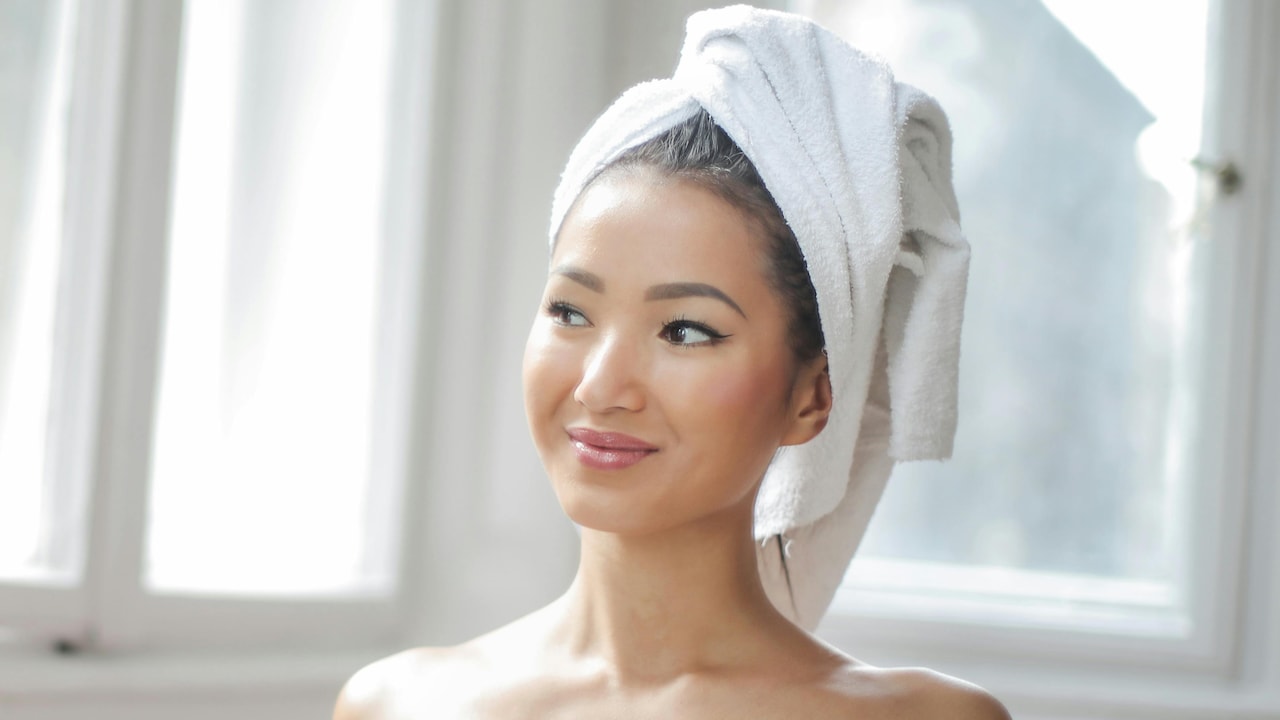
Frizzy Hair After Washing? How Microfibre Hair Towels Help Reduce Breakage And Frizz
Photo Credit: Pexels
Products Related To This Article
1. Ayus Microfiber 500 GSM Hair, Bath, Face Towel Set (Pack of 2)
2. Ansh traderss Microfiber 750 GSM Face, Hair, Beach, Beach Towel
3. Faydakart Microfiber 600 GSM Hair, Bath Towel
4. Xxyz Microfiber 500 GSM Hair Towel
5. Ansh traderss Microfiber 500 GSM Face, Hair, Beach Towel
Hair care often focuses on products, treatments, and trends. Yet, the basics sometimes hold the most power. The way hair gets dried after washing plays a crucial role in how it looks and feels.
Microfibre hair towels offer a gentle, efficient alternative to traditional methods. They reduce friction, minimise breakage, and help control frizz right from the start.
The change does not demand extra time or complicated steps. It simply replaces one everyday item with a better option.
In a world filled with elaborate routines and endless products, this simple switch feels refreshingly straightforward. Sometimes, better hair begins not with what gets added, but with what gets replaced.
(Disclaimer: This article may include references to or features of products and services made available through affiliate marketing campaigns. NDTV Convergence Limited (“NDTV”) strives to maintain editorial independence while participating in such campaigns. NDTV does not assume responsibility for the performance or claims of any featured products or services.)