Laundry Bags For Delicates: When Protective Mesh Might Cause Hidden Damage
Laundry bags promise protection for delicate clothes, but improper use can cause friction, residue buildup and fabric stress. This article explores when mesh bags help, and when they quietly damage your favourite garments.
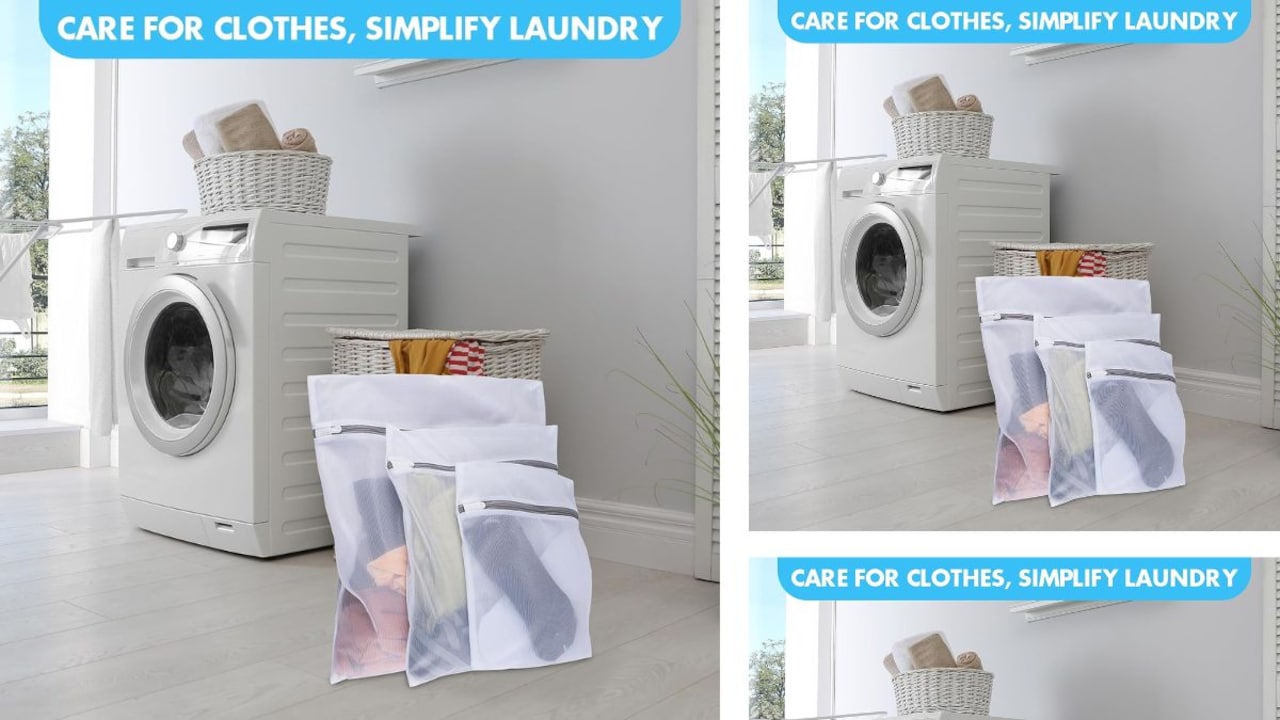
Say goodbye to harsh washing cycles ruining your delicates with these laundry bags.
Laundry habits have changed over the years. Washing machines grew smarter, detergents grew gentler, and clothing grew more delicate. Amid this evolution, laundry bags slipped into homes with ease. They seemed like a simple fix for a complex problem. No more tangled straps. No more stretched lace. No more mysterious snags
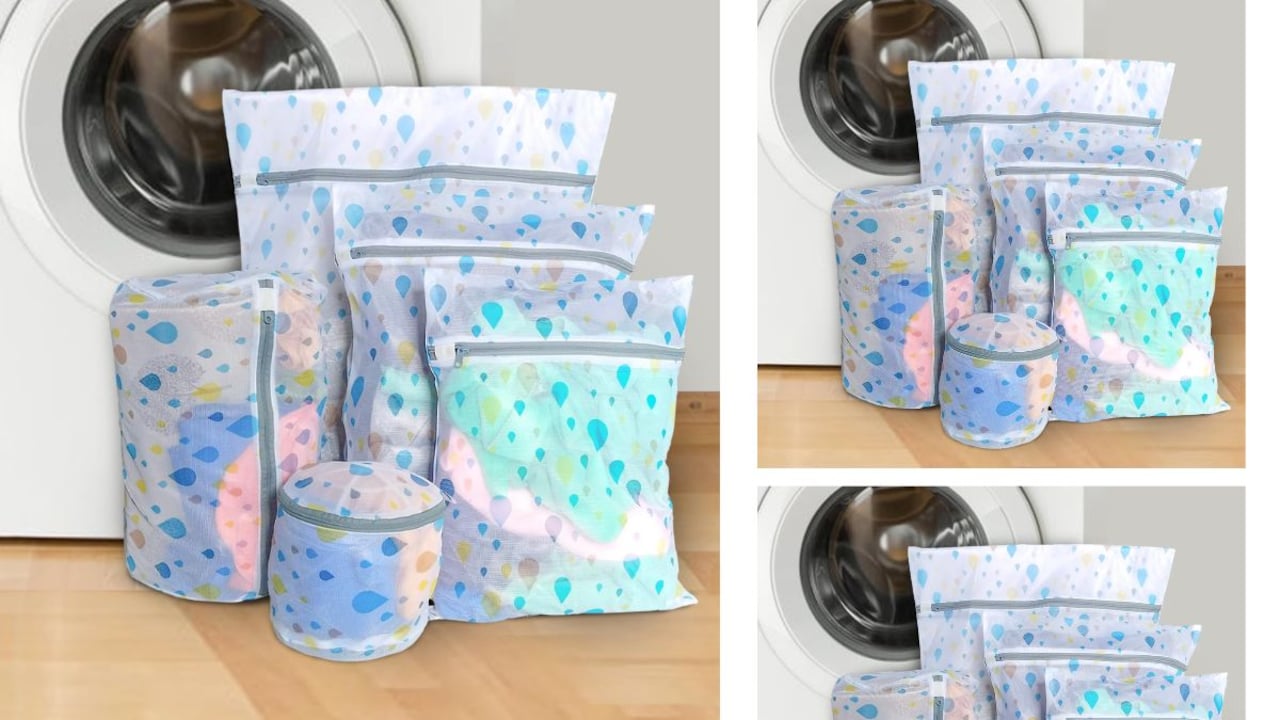
Read all about how laundry bags can protect your delicates; Photo Credit: Amazon
Photo Credit: Amazon
Many households now toss delicates into mesh bags without a second thought. The routine feels safe and modern. Yet clothes still fade early. Elastic weakens. Fabrics lose their original feel. Confusion follows. The washing machine takes the blame, or the detergent does. Rarely does the laundry bag face suspicion.
Every day laundry choices shape how clothes age. A single habit, repeated weekly, can add or subtract years from a garment's life. Understanding how laundry bags work, and where they fail, helps protect wardrobes and budgets alike. Especially when a silk kurta costs ₹3,500 or a premium bra sets someone back ₹1,200.
This is not a case against laundry bags. It is a closer look at how, when and why protective mesh might quietly cause damage.
Also Read: 5 Best Budget Washing Machines Under ₹7,000, From Onida To Midea, for Powerful Cleaning
When A Helpful Habit Starts Working Against Your Clothes
1. The Comfort Myth: Why Laundry Bags Feel Safer Than They Are
Laundry bags offer emotional comfort. Slipping a delicate garment into mesh feels like tucking it into bed. The action signals care. The zip closes, worries fade, and the wash cycle begins. This sense of security often masks the real mechanics at play inside a spinning drum.
Mesh bags do not stop movement. They only limit it. Clothes still rub against the bag's surface, other garments and themselves. Fine fabrics like chiffon or lace face constant friction, just in a tighter space. Over time, this rubbing leads to pilling and thinning.
Many people overload bags, believing more layers equal more protection. In reality, cramped garments crease sharply and grind against each other. Water struggles to circulate, detergent fails to rinse fully, and fibres weaken. That ₹2,000 satin blouse might emerge clean, yet stressed at a microscopic level.
Laundry care relies on balance. Too much protection creates new problems. The comfort myth encourages blind trust, while fabrics quietly bear the cost.
2. Friction in Disguise: When Mesh Becomes Sandpaper
Mesh feels soft to the touch. Yet under pressure and motion, it behaves differently. During a wash cycle, the drum spins at high speed. Clothes slam, twist and drag against surfaces. The mesh bag becomes one such surface.
Low-quality mesh features stiff nylon threads and rough seams. These tiny ridges scrape against delicate fibres repeatedly. Silk threads fuzz. Lace loops snag. Fine cotton pills. Damage builds slowly, often going unnoticed until colours dull or texture changes.
Zips add another hazard. Metal teeth knock against fabric. Plastic ones warp and create sharp edges over time. Even covered zips can press against garments during spin cycles, leaving faint abrasions.
Consider a favourite dupatta washed weekly in a mesh bag. After six months, it looks tired. The cause rarely feels obvious. The washing routine never changed. Yet friction never rested either. Mesh protects from big accidents but introduces countless small ones.
3. Trapped Dirt and Detergent: The Residue Problem
Laundry bags limit water flow. That fact often gets overlooked. Delicates tucked inside mesh do not receive the same flushing action as loose garments. Dirt, sweat and detergent linger longer than expected.
Residue buildup stiffens fabric. Colours fade unevenly. Sensitive skin reacts to leftover detergent trapped in fibres. The garment smells clean but feels off. Over time, this residue breaks down the elastic and weakens threads.
Sports bras and innerwear suffer the most. Sweat salts crystallise inside fabric layers. Detergent binds to them. A mesh bag keeps everything contained, including the grime meant to wash away. Elastic loses bounce. Support fades. A ₹1,800 sports bra feels worn after a year instead of three.
Proper cleaning needs movement and water exchange. Mesh bags restrict both. Protection from tangling comes at the cost of thorough rinsing. Cleanliness, it turns out, needs a little freedom.
4. Heat and Pressure: A Dangerous Combination for Delicates
Heat changes fabric behaviour. Warm water softens fibres, while spin cycles compress them. Inside a laundry bag, garments fold tightly and stay folded. Pressure concentrates on creases and edges.
Silk and wool respond poorly to this treatment. Fibres flatten, losing natural loft and sheen. Repeated pressure leads to permanent creasing. Even cold washes generate heat through friction during long cycles.
Many washing machines default to mixed loads and extended spins. Delicates inside bags endure more pressure than loose garments. The bag traps them in one position, forcing repeated stress on the same points.
Picture a woollen stole washed in a mesh bag during winter. It emerges clean but slightly misshapen. Each wash worsens the effect. The bag never allows fibres to relax and reset.
Delicates need gentle motion, not confinement. Pressure combined with heat quietly reshapes them, wash after wash.
5. False Economy: When Protection Shortens Garment Life
Laundry bags promise savings. Protect clothes, buy less, spend wisely. The logic feels sound. Yet hidden damage often shortens garment life instead.
A lace top worth ₹2,500 might last four years with careful hand washing. Tossed into a laundry bag weekly, it may last two. The cost doubles without notice. The bag feels like a smart investment, but becomes an expensive shortcut.
Frequent replacements also affect sustainability. More washing, more buying, more waste. A habit meant to protect turns counterproductive.
Many households use laundry bags as a substitute for reading care labels. Everything delicate goes inside, regardless of fabric needs. This one-size-fits-all approach ignores nuance.
True garment care saves money through attention, not accessories alone. Laundry bags work best as tools, not solutions. When misused, they quietly drain wardrobes and wallets.
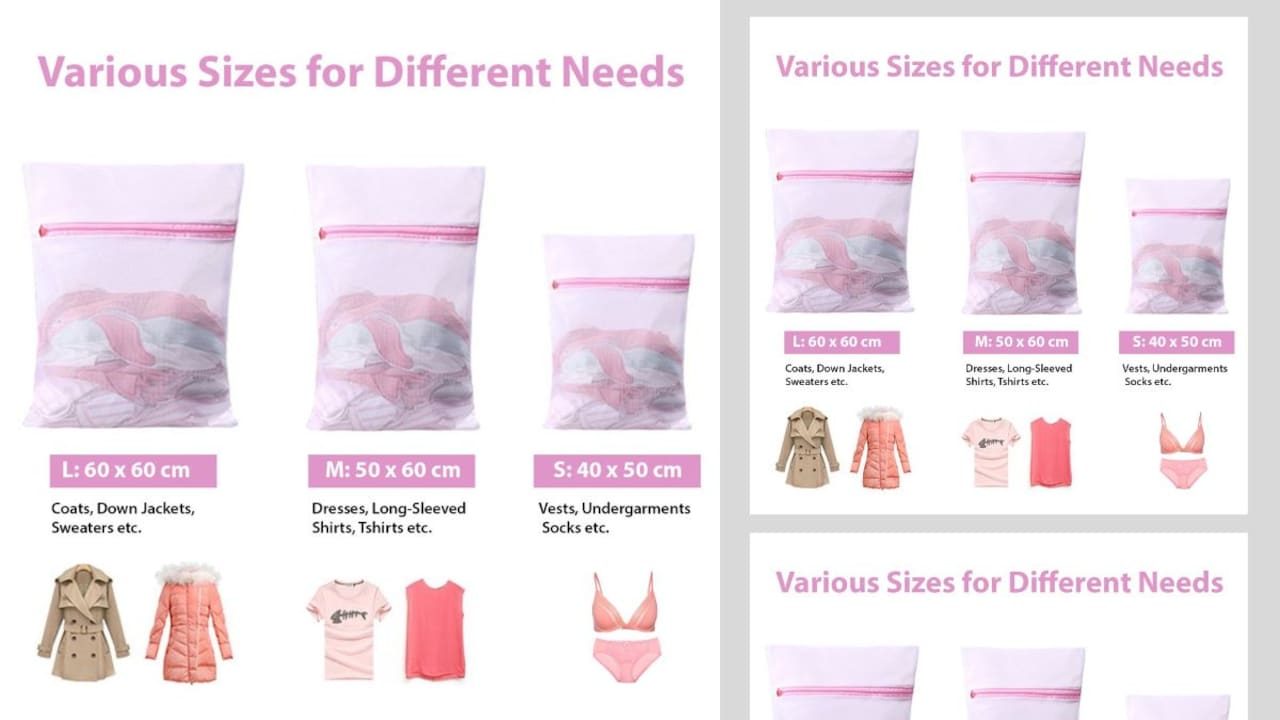
They prevent your delicates from harsh washing cycles; Photo Credit: Amazon
6. The Problem with Overcrowding and Habit Washing
Laundry bags encourage batch washing. Delicates collect until the bag fills. Overcrowding becomes routine. Bras, scarves and lace tops pile together, pressed tightly.
This habit reduces cleaning effectiveness and increases wear. Clothes rub constantly, unable to move freely. Dirt shifts but does not escape. Rinse cycles fail to clear detergent.
Habit washing also removes mindfulness. The act becomes automatic. No one checks fabric condition or adjusts settings. The bag handles everything, or so it seems.
Consider festive wear washed after every use, even when barely worn. Embroidery weakens. Threads loosen. The bag offers false permission to over-wash.
Mindful laundry extends garment life more than any accessory. Overcrowding and habit undo that care, one load at a time.
7. Zips, Hooks and Hardware: Small Details, Big Damage
Delicates often include hardware. Hooks, rings, sliders and decorative elements add function and beauty. Inside a laundry bag, these features become hazards.
Hooks catch mesh fibres. Rings rub against fabric surfaces. Decorative beads knock repeatedly against the bag's walls. Each impact creates micro-damage.
Many bags claim to protect from snagging. Yet they rarely separate garments within. Hardware clashes go unchecked. Over time, threads loosen and seams strain.
A ₹3,000 embellished blouse may lose sparkle after repeated bag washes. Beads dull. Threads fray. The garment survives but loses charm.
Separating items or choosing alternative washing methods prevents this slow erosion. Hardware demands individual attention, not shared confinement.
8. When Hand Washing Would Have Worked Better
Hand washing feels old-fashioned. It takes time. It demands care. Laundry bags promise convenience without compromise. Yet some garments truly need hands, not machines.
Silk scarves, wool shawls and embroidered fabrics respond better to gentle soaking and minimal movement. Fingers adjust pressure instinctively. Water flows freely. Dirt lifts without force.
Laundry bags cannot replicate this control. Machines move uniformly, regardless of fabric mood. Delicates suffer from this rigidity.
Many people avoid hand washing due to time constraints. Yet even occasional hand care can dramatically extend garment life. Washing a prized saree blouse by hand once a month saves ₹5,000 in replacement costs over time.
Convenience has value. So does preservation. Knowing when to choose one over the other makes all the difference.
9. Cultural Laundry Habits and Modern Shortcuts
Laundry traditions once relied on rhythm and observation. Clothes dried in the open air. Stains received spot treatment. Washing followed need, not schedule.
Modern life demands speed. Washing machines hum daily. Laundry bags fit this place perfectly. Toss, zip, forget.
This shift changed how fabrics age. Delicates face more frequent washing and less thoughtful care. The bag becomes a symbol of trust in tools over judgment.
Festive garments, heirloom textiles and delicate daily wear all deserve different approaches. Treating them alike flattens their lifespan.
Blending traditional care wisdom with modern tools offers the best results. Laundry bags serve a role, not a rule.
10. Smarter Use: Making Laundry Bags Work Without Damage
Laundry bags still hold value. Used wisely, they prevent tangling and protect the structure. The key lies in moderation and quality.
Choose fine, soft mesh with covered seams. Avoid overcrowding. Wash similar fabrics together. Use shorter cycles and lower spins. Remove garments promptly to avoid creasing.
Alternate between bag washing and hand washing. Air-dry whenever possible. Check garments regularly for signs of stress.
Laundry care works best as an active practice. Awareness beats automation. A bag helps, but attention protects.
Smart use turns laundry bags from silent saboteurs into helpful allies.
Products Related To This Article
1. HOKIPO Mesh Laundry Clothes Washing Bag
2. 7Pcs Mesh Laundry Bags for Delicates with Premium Zipper
3. 3Pcs Durable Honeycomb Mesh Laundry Bags for Delicates
4. Laundry Mesh Bag Bra Wash Bag For Lingerie, Underwear
5. Yellow Weaves Clothes Washing Bags - Mesh Laundry Bag With Zipper for Delicates
Laundry bags for delicates occupy a curious space. They feel essential, modern and caring. Yet beneath the mesh lies complexity. Friction, residue, pressure and habit all influence how clothes age.
Protective tools require understanding. Blind trust leads to hidden damage. Thoughtful use preserves beauty and function.
Delicate garments carry stories, effort and investment. Treating them well extends more than fabric life. It preserves confidence, comfort and memory.
Next wash day, pause before zipping the bag. Consider the fabric, the wear and the need. Sometimes, protection means letting clothes breathe, move and rest. Because true care shows not in shortcuts, but in attention.
(Disclaimer: This article may include references to or features of products and services made available through affiliate marketing campaigns. NDTV Convergence Limited (“NDTV”) strives to maintain editorial independence while participating in such campaigns. NDTV does not assume responsibility for the performance or claims of any featured products or services.)






![Steam Iron Teflon Shoe Cover for ES-300,ST-96 [Only For ES-300 and ST-96 Model Electric Steam Irons]](https://m.media-amazon.com/images/I/51wwkttondL._SL160_.jpg)