How To Choose The Right Clock Size For Your Wall
A wall clock can change the mood of a room instantly. This guide explains how to choose the right clock size based on wall space, room function, and proportions, so your clock looks balanced, stylish, and never out of place.
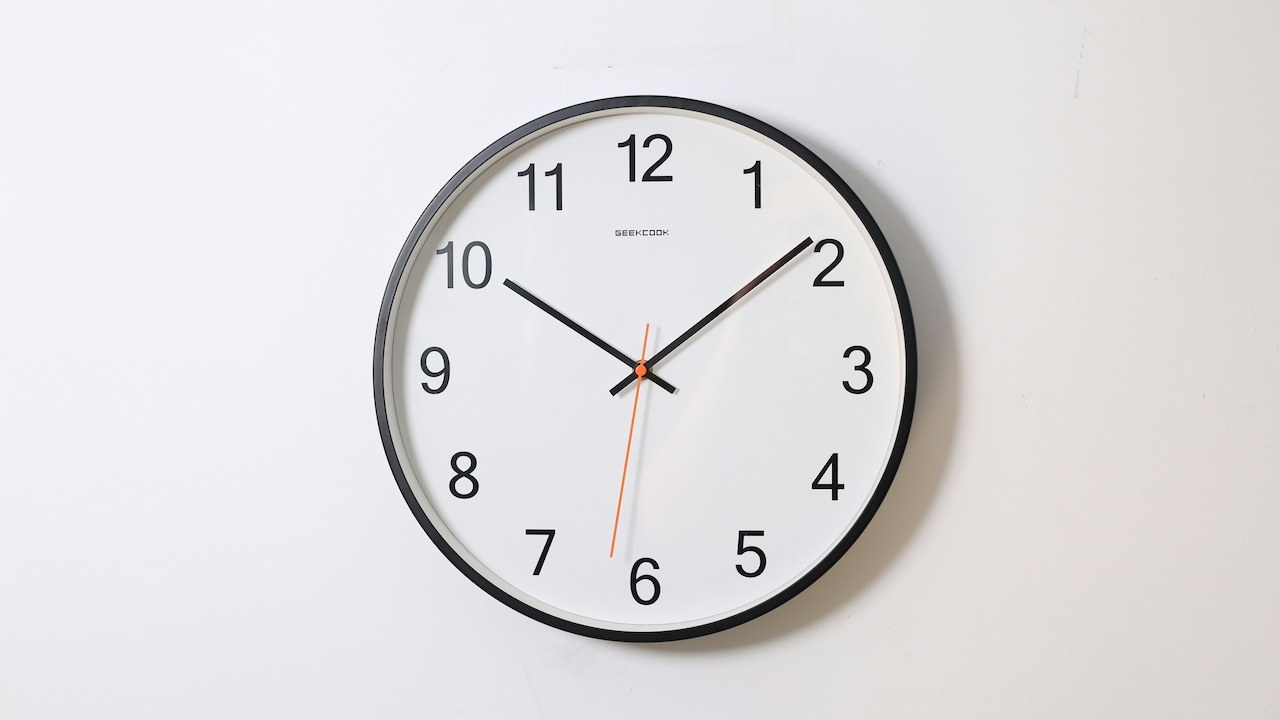
Wall Clock Size Guide: Here Is How To Pick The Right Clock For Your Wall.
A wall clock often becomes the unsung hero of home décor. It ticks away faithfully while anchoring the look and feel of a room. Yet, many homes struggle with clocks that feel too small, too loud, or oddly placed. A tiny clock on a large wall disappears like a whisper in traffic. An oversized clock in a compact room can feel like an uninvited guest.
Choosing the right clock size involves more than guessing or following trends. It requires understanding wall proportions, room function, viewing distance, and even lifestyle habits. A living room that hosts evening conversations needs a different clock from a quiet study or a bustling kitchen. Budget also plays a role, with stylish options available from ₹800 to ₹15,000 and beyond.
This article explores practical, relatable ways to pick the ideal clock size. Each section focuses on one clear aspect, explained in a friendly and grounded manner. Expect useful tips, cultural nods, and a few light smiles along the way.

How To Choose The Right Clock Size For Your Wall
Photo Credit: Pexels
Wall Clock Size Guide: How To Pick The Right Clock For Your Wall
1. Understand the Wall Size First
The wall always sets the rules. A clock should complement the wall, not fight it. Large, empty walls call for clocks with presence. A diameter of 60–90 cm suits broad living room walls or dining spaces with minimal furniture. Smaller walls, such as those in corridors or near doorways, work better with clocks under 40 cm.
Measuring the wall helps avoid guesswork. A simple tape measure reveals the usable space, excluding switches, shelves, and artwork. Designers often suggest that wall décor should cover around two-thirds of the available width. A clock that follows this guideline looks intentional rather than accidental.
In homes with textured paint or wallpaper, clock size matters even more. A small clock can vanish against a busy backdrop. A slightly larger piece stands out without shouting. Chalk paint walls, popular in many flats, pair well with mid-sized clocks that add contrast.
When in doubt, marking the clock size with paper cut-outs on the wall offers clarity. This small effort saves regret later and ensures the clock feels just right.
2. Consider the Room's Purpose
Every room tells a different story, and the clock should speak the same language. Living rooms thrive on statement pieces. A large clock above a sofa or console table adds character and becomes a conversation starter during chai breaks.
Bedrooms, on the other hand, demand calm. A medium or small clock suits this space best. Oversized clocks can feel overwhelming, especially in rooms meant for rest. A quiet design with a modest size keeps the atmosphere relaxed.
Kitchens benefit from clarity and function. A clock here should remain easy to read from across the room while cooking. Medium-sized clocks with bold numbers work well, especially during busy mornings when every minute counts.
Study rooms and home offices favour precision. A clock that fits neatly above a desk or bookshelf maintains focus without distraction. Size should support productivity, not steal attention.
Matching clock size to the room's purpose ensures harmony and practicality coexist beautifully.
3. Think About Viewing Distance
A clock should remain readable without squinting or stepping closer. Viewing distance plays a crucial role in deciding size. In large rooms, people often glance at the clock from across the space. A clock under 30 cm can feel inadequate in such settings.
As a simple rule, for every metre of viewing distance, add about 5 cm to the clock's diameter. A wall viewed from four metres away benefits from a clock around 50–60 cm wide. This balance keeps time checks effortless.
In smaller rooms, such as guest bedrooms or home offices, viewing distance shortens. A clock placed above a door or near a desk works well at 25–35 cm. Anything larger may dominate the wall unnecessarily.
Open-plan homes pose a unique challenge. A clock visible from both the dining and living areas needs a size that suits both zones. In such cases, leaning slightly larger helps maintain visibility from all angles.
Comfortable viewing keeps the clock useful rather than decorative clutter.
4. Balance the Clock with Furniture
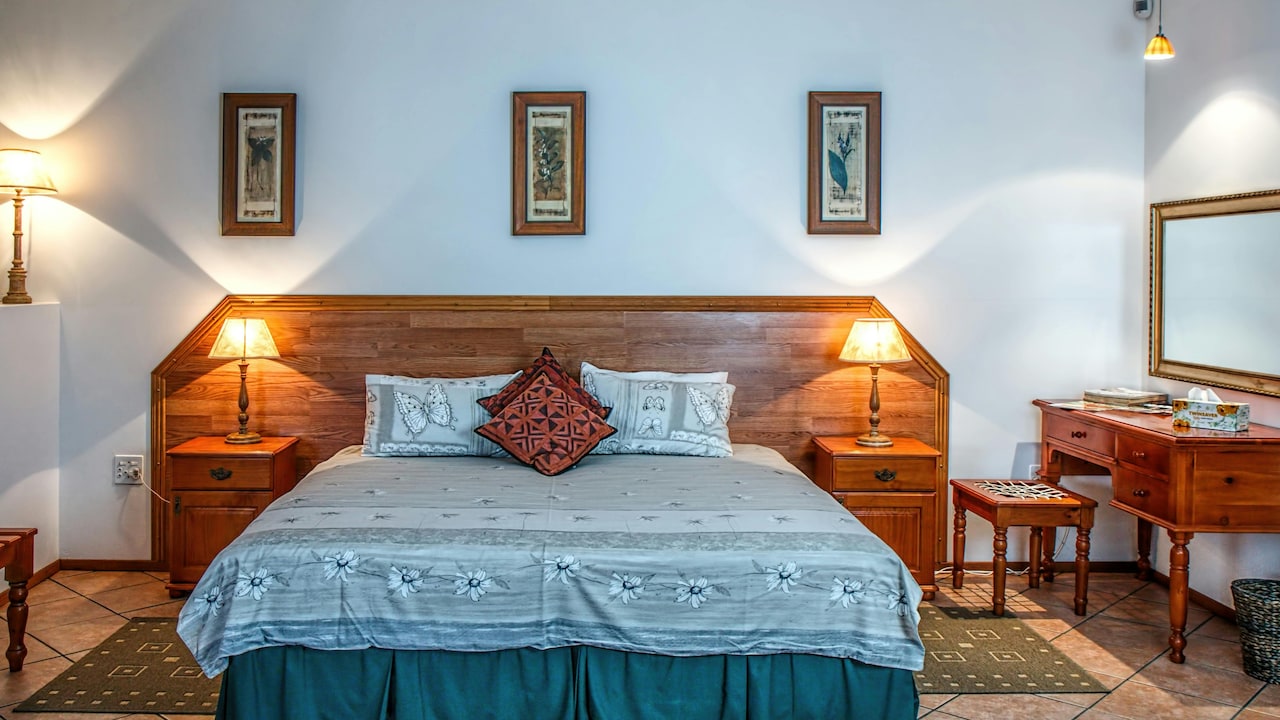
Furniture and clocks share a silent relationship. When one overwhelms the other, the room feels off-balance. A clock placed above a sofa, bed, or sideboard should measure about half to two-thirds the width of the furniture below.
A slim console table pairs well with a clock around 50 cm. A king-size bed demands something larger, especially if the wall remains bare otherwise. Tiny clocks floating above large furniture look lost and awkward.
Vertical furniture, such as tall bookshelves or wardrobes, benefits from round or wide clocks that break the height and add visual relief. Horizontal furniture welcomes both round and rectangular clocks, provided the size aligns.
Spacing also matters. Leaving at least 15–20 cm between furniture and the clock prevents a cramped look. This breathing room helps each element shine.
When furniture and clocks work together, the room feels curated rather than crowded.
5. Match Clock Size to Ceiling Height
Ceiling height influences how a clock feels on the wall. Homes with high ceilings offer freedom to experiment with larger clocks. A 90 cm clock can look stunning in rooms with ceilings above 10 feet, adding grandeur without excess.
Standard ceiling heights, common in many apartments, suit clocks between 40 and 70 cm. This range keeps proportions in check and avoids visual heaviness. Oversized clocks in low-ceiling rooms can make the space feel shorter.
In homes with false ceilings or beams, clock placement becomes even more important. A clock should sit comfortably below these features, not squeezed between them. A medium-sized clock often works best here.
Staircase walls deserve special mention. These tall, open spaces welcome bold clock sizes. A large clock here turns an overlooked area into a design highlight.
Respecting ceiling height ensures the clock enhances the room rather than shrinking it.
6. Decide Whether the Clock Is a Focal Point
Some clocks whisper. Others announce themselves proudly. Deciding this early helps choose the right size. A focal clock acts as wall art and timekeeper combined. Such clocks usually range from 60 cm upwards and feature unique designs or finishes.
Non-focal clocks blend into the background. These suit supporting roles, such as in kitchens, bedrooms, or hallways. Sizes between 25 and 40 cm feel appropriate and unobtrusive.
A focal clock works best on an uncluttered wall. Surrounding it with frames or shelves can dilute its impact. Let it breathe and command attention.
Budget often aligns with this choice. Statement clocks may cost ₹5,000 to ₹20,000, depending on craftsmanship. Simpler clocks remain affordable, starting around ₹700.
Choosing the clock's role helps avoid confusion and ensures the size supports the desired effect.
7. Keep Style and Scale in Sync
Clock size should echo its style. Minimalist designs often look better in larger sizes, where clean lines and open faces shine. A small minimalist clock can feel underwhelming.
Vintage or ornate clocks carry detail. These designs suit medium sizes that allow appreciation without clutter. Too large, and the details can feel heavy. Too small, and they lose charm.
Industrial-style clocks thrive on boldness. Exposed gears and metal frames often demand larger sizes to make sense visually. These clocks suit loft-style spaces or modern living rooms.
Playful or colourful clocks, popular in kids' rooms or kitchens, work best in smaller sizes. They add personality without overpowering the space.
Matching style with scale ensures the clock feels intentional rather than mismatched décor.
8. Factor in Wall Colour and Texture
Wall colour and texture influence how large or small a clock appears. Dark walls tend to absorb visual weight. A clock on such walls benefits from a larger size or lighter colour to stand out.
Light-coloured walls offer more flexibility. Both small and large clocks can work, provided contrast exists. A white clock on a white wall may disappear, regardless of size.
Textured walls, such as brick or patterned wallpaper, compete for attention. A clock here needs enough size to hold its own. Thin, delicate clocks often struggle against busy backgrounds.
Glossy walls reflect light and can make clocks appear more prominent. In such cases, choosing a slightly smaller size prevents overpowering the space.
Considering the wall's personality helps the clock shine rather than clash.
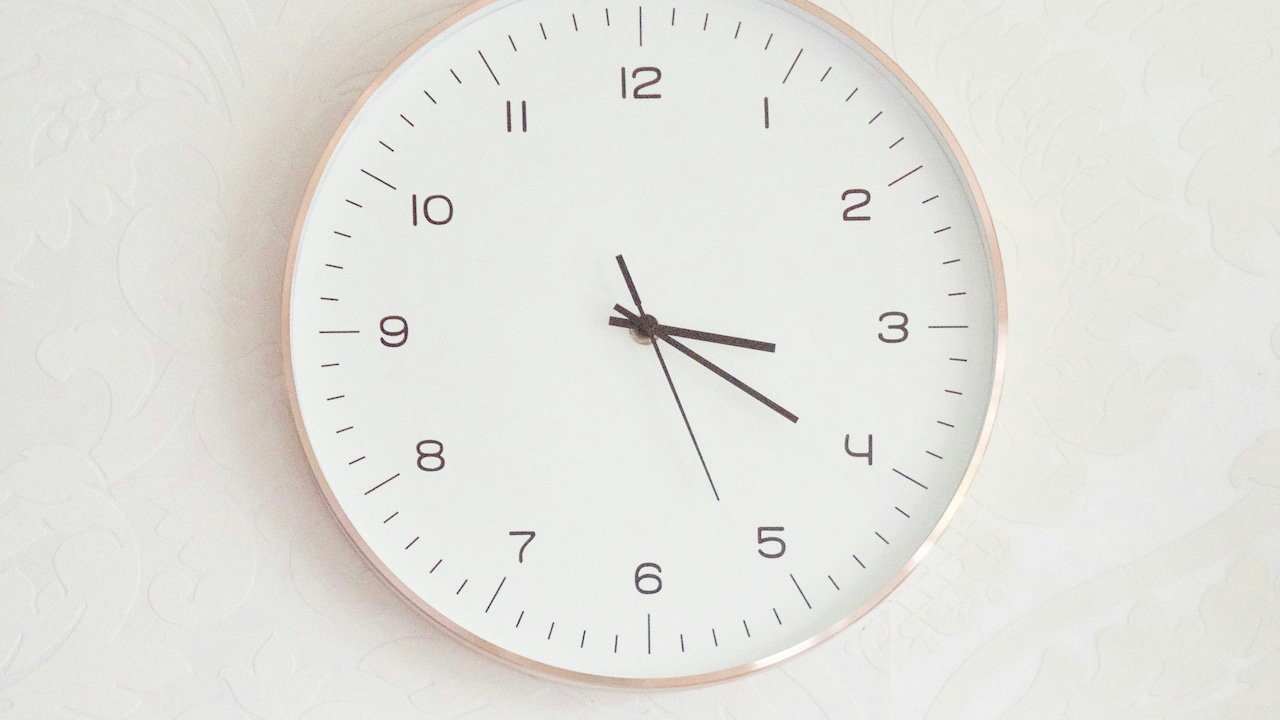
How To Choose The Right Clock Size For Your Wall
Photo Credit: Pexels
9. Avoid Common Sizing Mistakes
Many homes fall into the same sizing traps. One common mistake involves choosing a clock based on price alone. A ₹1,000 bargain loses charm if it looks misplaced on the wall.
Another error involves ignoring proportions. A clock may look perfect in the shop, but feel wrong at home. Always visualise it in the intended space.
Hanging clocks too high or too low also affects perceived size. A clock placed too high can feel smaller than it is. Eye-level placement offers the best balance and readability.
Crowding the wall with multiple small items around the clock can shrink its impact. Sometimes, less truly feels more.
Avoiding these mistakes saves time, money, and the mild frustration of rehanging hooks repeatedly.
10. Test Before Committing
Testing removes doubt. Before drilling holes, mock the clock size using newspaper, cardboard, or masking tape. This simple trick reveals whether the size works in real life.
Move around the room and check visibility from different angles. Notice how the clock feels during various times of day. Natural light can change perception dramatically.
Living with the mock-up for a day helps gauge comfort. If it feels right without effort, the size likely works. If it nags or feels off, adjusting now proves easier than later.
Retailers often resist returns once clocks show signs of use. Testing beforehand prevents disappointment and wasted expense.
A little patience at this stage leads to long-term satisfaction.
Products Related To This Article
1. UMAI Grey & Brown Analogue Contemporary Alarm Clock
2. OLIVE TREE Black & White Printed Round Shaped Contemporary Analogue Wall Clock
3. Spaces Unhooked Silver-Toned & White Printed Contemporary Wall Clock
4. Kadio Brown & Beige Round Shaped Analogue Traditional Alarm Clock
5. RANDOM Brown & Black Printed Round Contemporary Wall or Table Clock 20 cm
6. OLIVE TREE Yellow Geometric Abstract Printed Geometric Wooden Analogue Table Clock
7. Myntra Elegant Homes Green & Brown Printed Silent Analogue Contemporary Wall Clock
Choosing the right clock size for a wall blends logic with intuition. Measurements, proportions, and viewing distance provide structure. Personal taste, room energy, and daily habits add soul.
A well-sized clock feels effortless. It tells time clearly, enhances décor, and settles into the room as if it always belonged there. Whether spending ₹900 or ₹12,000, the right size makes all the difference.
Homes deserve details that work quietly yet confidently. A thoughtfully chosen clock does exactly that, marking moments while making spaces feel complete.
(Disclaimer: This article may include references to or features of products and services made available through affiliate marketing campaigns. NDTV Convergence Limited (“NDTV”) strives to maintain editorial independence while participating in such campaigns. NDTV does not assume responsibility for the performance or claims of any featured products or services.)











![Steam Iron Teflon Shoe Cover for ES-300,ST-96 [Only For ES-300 and ST-96 Model Electric Steam Irons]](https://m.media-amazon.com/images/I/51wwkttondL._SL160_.jpg)