Wooden Salad Bowls Look Elegant: But Are They Hygienic Enough For Everyday Use?
Wooden salad bowls look stylish and timeless, but can they stay hygienic with daily use? Here’s what really matters when it comes to cleaning, moisture, bacteria and long-term kitchen safety.
Wooden Salad Bowls Look Elegant: But Are They Hygienic Enough For Everyday Use?
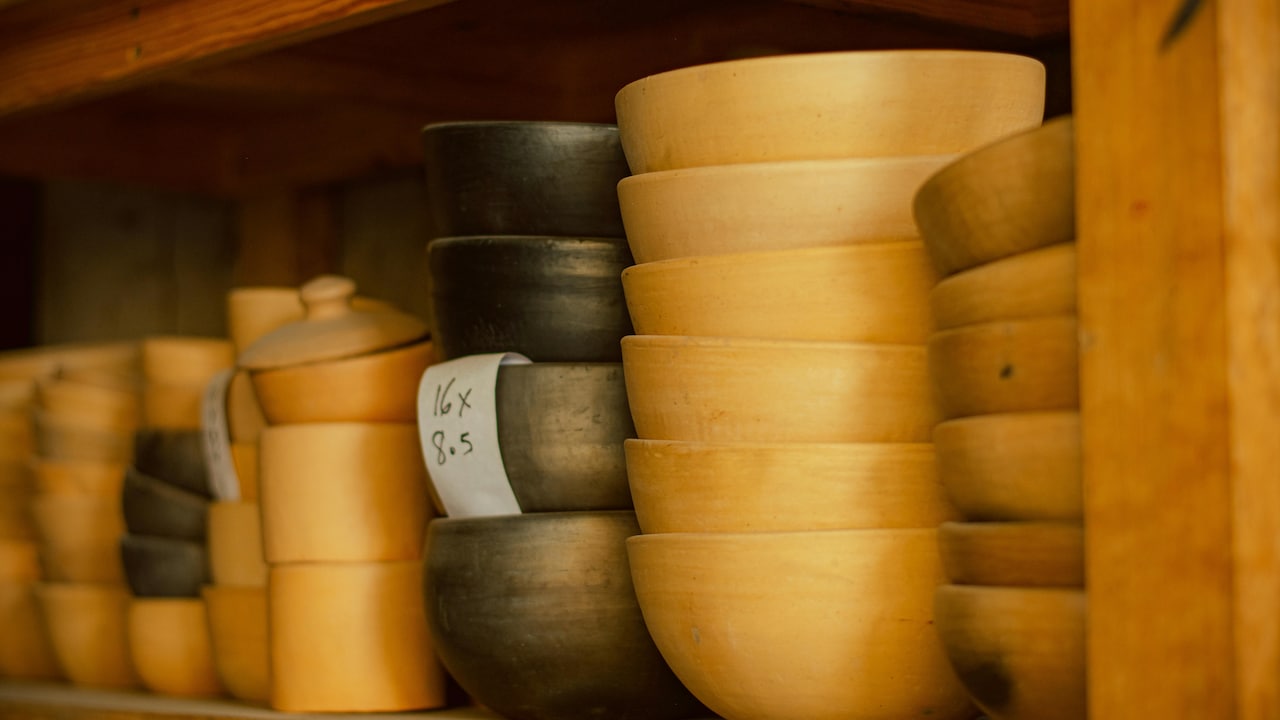
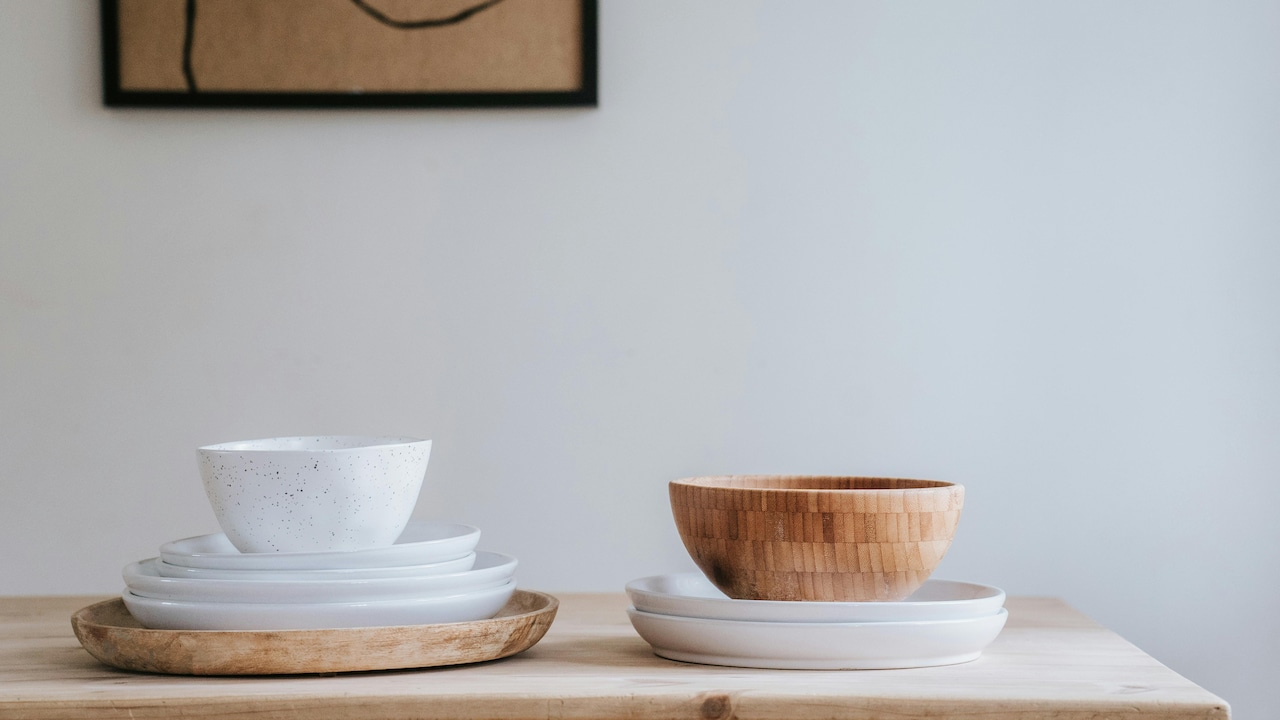
A wooden salad bowl can change the entire mood of a dining table. Even the simplest cucumber and onion salad suddenly looks restaurant-worthy when served in polished teak or acacia wood. Plenty of households now keep at least one wooden bowl for dinner parties, festive gatherings, or weekend family meals. Some use them every day because they feel earthy, elegant, and timeless. Yet the rise of wooden kitchenware also comes with doubts. Grandmothers often trusted steel for everything. Modern kitchens introduced glass, ceramic, and plastic. Wood sits somewhere in between tradition and trend, which makes people curious about whether it can truly handle everyday use without becoming a breeding ground for germs.
Wooden Salad Bowls Look Elegant: But Are They Hygienic Enough For Everyday Use?
Photo Credit: Pexels
The concern sounds reasonable. Wood is porous. Salad contains moisture, oils, lemon juice, curd dressings, and chopped vegetables that release water. Add a humid monsoon season, and suddenly that beautiful bowl starts raising hygiene questions.
Surprisingly, the answer is not as straightforward as many believe. Wooden bowls are neither miracle products nor unhygienic disasters. Their safety depends largely on the type of wood, maintenance habits, and how they are used in daily life. Some myths deserve retirement, while a few precautions genuinely matter.
Why Wooden Salad Bowls Are Making A Comeback
Why Wooden Bowls Feel So Appealing
Wooden bowls carry a warmth that other materials struggle to match. Steel feels practical, glass appears delicate, and plastic often looks cheap after a few months. Wood, however, ages gracefully. Tiny marks and colour changes often add character instead of ruining the appearance.
That natural charm explains why cafés and home décor stores display stacks of wooden serveware beside linen napkins and ceramic mugs. They create an inviting atmosphere. A bowl filled with watermelon cubes or sprouts simply looks fresher in wood.
Many households also enjoy the tactile experience. Wooden bowls feel comfortable to hold and rarely become painfully cold or hot. During winter dinners, they add a cosy touch to the table. During summer lunches, they pair beautifully with light meals and fresh greens.
Another reason behind their popularity involves sustainability. Plenty of shoppers now prefer reusable, natural materials over disposable plastics. A well-maintained wooden bowl can last years, making it an attractive long-term purchase despite prices ranging from ₹800 to ₹5,000, depending on craftsmanship and wood quality.
Still, beauty alone cannot guarantee hygiene. The real debate begins once food, moisture, and repeated use enter the picture.
Does Wood Naturally Harbour Bacteria?
Many people assume wood absorbs germs because it contains pores. Surprisingly, research over the years has shown that certain woods can actually trap bacteria and slowly kill them off instead of allowing them to multiply rapidly on the surface.
Plastic chopping boards often develop knife grooves where bacteria thrive unnoticed. Wood behaves differently. Its fibrous structure can pull microbes below the surface, where they eventually die due to lack of moisture and exposure.
That does not mean wooden bowls clean themselves magically. Neglect can still cause mould, foul odours, or contamination. However, a properly cleaned wooden bowl is not automatically less hygienic than plastic or ceramic alternatives.
The type of wood matters enormously. Hardwoods like teak, maple, acacia, and mango wood generally perform better because they resist moisture more effectively. Softer woods may crack or absorb liquids more quickly.
Kitchen habits also influence safety. Tossing a fresh salad in a clean, dry wooden bowl differs greatly from leaving leftover mayonnaise dressing overnight in a sink full of water. Problems often arise from poor maintenance rather than the material itself.
In short, wood deserves more credit than many assume. Yet it also demands respect and proper care.
Why Moisture Is The Real Enemy
Water creates the biggest challenge for wooden salad bowls. Excess moisture weakens the wood fibres, encourages mould growth, and may eventually cause warping or cracking. Humid weather worsens the situation because bowls struggle to dry completely.
That explains why experienced users never soak wooden bowls in water for long periods. A quick rinse and gentle cleaning work far better than leaving them submerged beside greasy utensils after dinner.
Monsoon months create additional problems. Kitchens already deal with damp cabinets, sticky shelves, and stubborn odours. A wet wooden bowl stored without proper drying can develop mildew surprisingly fast.
Dressings containing curd, vinegar, lime juice, or oil also need attention. Acidic ingredients may slowly damage protective finishes if bowls remain unwashed for hours. Even fruit juices can leave stains or strange smells behind.
Simple habits make a huge difference. Wipe the bowl dry immediately after washing. Allow air circulation before storing it away. Never stack damp bowls inside closed cabinets.
Think of wooden bowls like leather shoes or cast-iron cookware. They thrive with small amounts of regular care. Ignore them completely, and they protest loudly.
Interestingly, many households ruin wooden bowls not through use, but through excessive washing and careless soaking.
Can Wooden Bowls Handle Daily Salads?
Wooden bowls work beautifully for everyday salads if used sensibly. Fresh vegetables, dry snacks, fruits, and bread generally pose no major hygiene concerns. Problems mostly appear when bowls are handled with extremely wet foods or remain dirty for long periods.
For example, serving a cucumber salad with lemon dressing during lunch poses little risk if the bowl gets cleaned shortly afterwards. On the other hand, storing leftover pasta salad with mayonnaise overnight in a wooden bowl creates unnecessary trouble.
Many home cooks rotate materials depending on the meal. Steel or glass handles heavily spiced curries and oily gravies, while wooden bowls shine during lighter meals and serving purposes.
The size of the bowl matters too. Large salad bowls usually dry faster because they receive better airflow. Tiny decorative bowls with narrow curves sometimes trap moisture at the bottom.
Quality also influences durability. Cheap bowls with poor finishing may splinter, absorb odours, or crack within months. Handcrafted hardwood bowls cost more initially but survive much longer.
Some households even reserve wooden bowls for serving rather than mixing. That reduces exposure to knives, heavy spoons, and acidic ingredients while still preserving the elegant dining-table aesthetic.
Used wisely, wooden bowls can absolutely survive daily life. They simply require slightly more awareness than steel utensils tossed casually into the sink.
Also Read: Top 5 Dishwashers That Make Sense For Indian Kitchens
The Truth About Cleaning Wooden Bowls
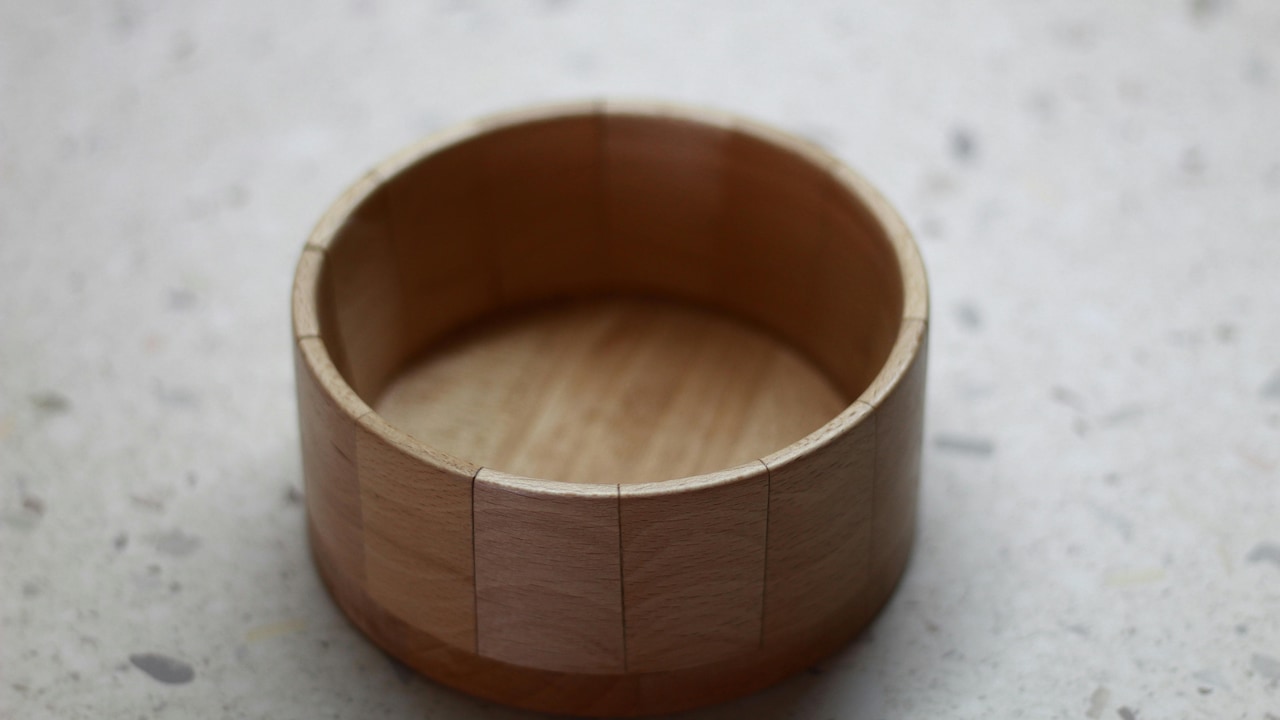
Cleaning wooden bowls sounds complicated until people overthink it. The process remains fairly simple. Warm water, mild dish soap, and a soft sponge usually do the job perfectly.
Harsh scrubbers damage the finish and create rough surfaces where food particles stick more easily. Dishwashers cause even greater harm because intense heat and prolonged moisture weaken the wood rapidly.
Some households still rely on traditional methods. Lemon and salt help remove odours naturally. A quick rub with baking soda paste can freshen stained surfaces. These methods work surprisingly well without damaging the wood.
Drying matters more than washing. Plenty of bowls become musty simply because they remain damp inside cabinets. Air drying on a rack for a short while before storage helps enormously.
Occasional oiling keeps the wood healthy and prevents cracking. Food-grade mineral oil or natural oils specifically made for wooden kitchenware work best. Coconut oil sounds tempting, but it may turn rancid over time in warm climates.
Another common mistake involves using boiling water to “sterilise” wooden bowls. Extreme heat often damages the wood more than it helps. Gentle cleaning and thorough drying remain safer and more effective.
Good maintenance does not require obsessive effort. It simply becomes part of a kitchen rhythm, much like seasoning a tawa or polishing brass utensils before festivals.
Wooden Salad Bowls Look Elegant: But Are They Hygienic Enough For Everyday Use?
Photo Credit: Pexels
Are Wooden Bowls Better Than Plastic?
Plastic bowls once dominated kitchens because they felt affordable, lightweight, and convenient. Yet many households now reconsider them due to staining, odours, scratches, and environmental concerns.
Wooden bowls often outperform plastic aesthetically and environmentally. They rarely develop the unpleasant, greasy smell common in older plastic containers. They also avoid the faded appearance that makes plastic look tired within a year.
From a hygiene perspective, scratched plastic surfaces can become surprisingly problematic. Tiny cuts trap food particles and bacteria easily. Wooden bowls may actually resist bacterial growth better in some situations, especially when maintained properly.
Heat presents another issue. Some people accidentally pour warm ingredients into plastic bowls, increasing concerns about chemical leaching over time. Wooden bowls feel safer and more natural for serving fresh food.
That said, plastic still wins in certain practical situations. It handles rough handling, travel, and careless washing more easily. Families with small children may prefer lightweight plastic picnic bowls over delicate handcrafted wood.
Cost also affects decisions. A decent plastic bowl might cost ₹250, while quality wooden bowls often start around ₹1,200 or higher. Yet long-term durability can justify the investment for households that value aesthetics and sustainability.
Ultimately, the choice depends on lifestyle. People seeking convenience may favour plastic. Those who enjoy thoughtful dining experiences often gravitate towards wood despite the extra care involved.
Why Some Wooden Bowls Develop Strange Smells
Few things ruin appetite faster than a salad bowl smelling faintly sour. Unfortunately, wooden bowls sometimes absorb odours if cleaning routines become inconsistent.
Strong ingredients usually cause the problem. Garlic dressings, onions, vinegar, fish, and spicy chutneys can linger inside the wood if bowls stay unwashed for too long. Moisture then traps those smells and creates an unpleasant stale scent.
Improper drying worsens everything. A bowl stored while slightly damp may develop mildew odours that resemble wet newspapers during the monsoon season. At that stage, many people wrongly assume the bowl has become permanently unhygienic.
Thankfully, mild odours often disappear with simple treatments. Lemon juice, baking soda, or diluted white vinegar can refresh the surface effectively. Sunlight also helps naturally remove lingering smells and moisture.
Sometimes the finish itself creates issues. Poor-quality varnishes or synthetic coatings may react badly with acidic foods over time. That explains why trusted craftsmanship matters when purchasing wooden kitchenware.
Heavy staining, deep cracks, or persistent mouldy smells indicate the bowl may need replacement. No amount of scrubbing can fully rescue severely damaged wood.
A well-maintained bowl, however, should smell neutral or faintly woody even after years of use. Strange odours usually signal neglect rather than an unavoidable flaw in wooden kitchenware.
The Best Foods To Serve In Wooden Bowls
Wooden bowls excel at serving foods that look fresh, colourful, and rustic. Salads naturally top the list. Lettuce, carrots, cucumbers, beetroot, pomegranate seeds, and roasted vegetables appear vibrant against warm wooden tones.
Fruit platters also shine beautifully in wooden serveware. Mango slices, grapes, apples, and watermelon create a striking contrast that feels perfect during summer lunches or family gatherings.
Dry snacks work exceptionally well, too. Roasted makhana, peanuts, nachos, breadsticks, and popcorn remain safe choices because they introduce little moisture to the wood.
Certain foods deserve caution. Extremely oily curries, heavily acidic dishes, and soups may damage finishes over time. Very hot foods can also dry out the wood unevenly and increase the risk of cracking.
Some households use wooden bowls creatively during festive occasions. Floating flowers, wrapped sweets, or decorative potpourri often sit inside them when not serving food. That versatility partly explains their enduring popularity.
Restaurants frequently use wooden bowls because presentation matters enormously in modern dining culture. Even a simple salad suddenly feels premium when served thoughtfully.
At home, the same principle applies. Meals become more inviting when presentation receives attention, even on ordinary weekdays between office calls and school homework chaos.
How To Choose A Safe And Durable Wooden Bowl
Not all wooden bowls deserve a place in the kitchen. Some look attractive under store lighting but perform poorly during actual use.
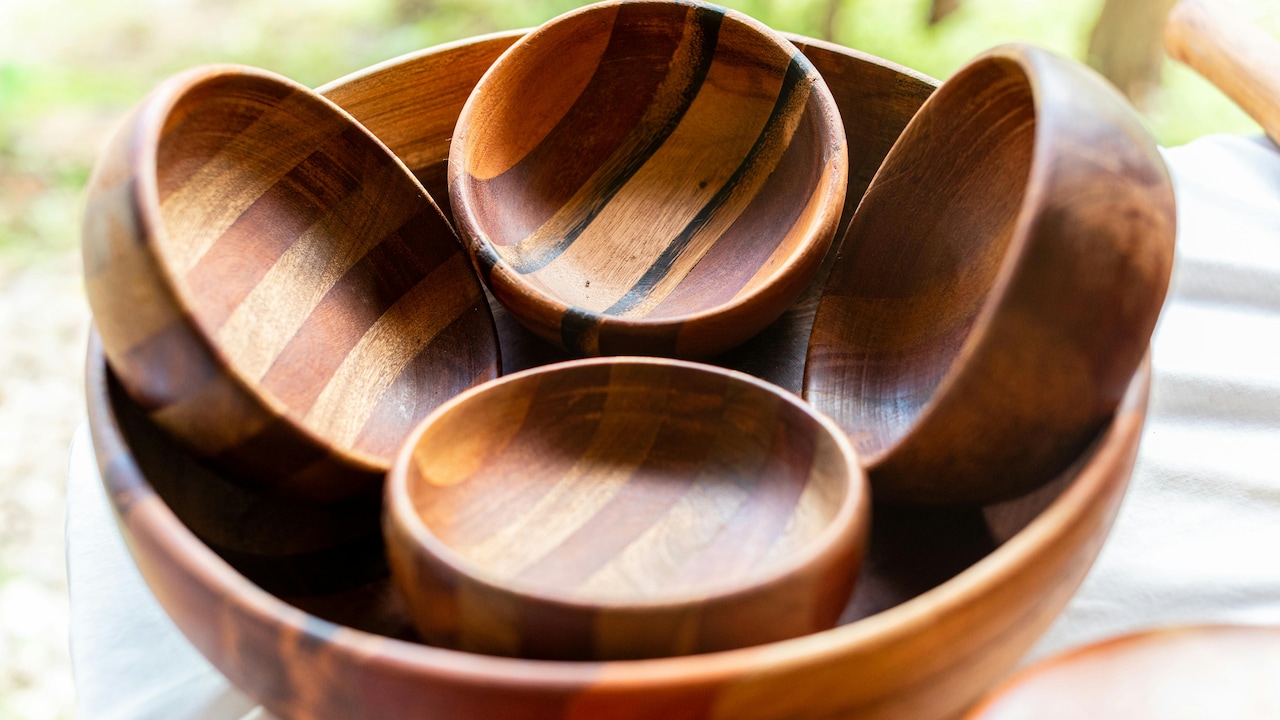
Hardwood varieties generally offer better durability. Teak, acacia, mango wood, and maple resist moisture more effectively than softer woods. Smooth finishing also matters because rough surfaces trap food particles more easily.
Check whether the bowl uses food-safe finishes. Reliable sellers usually mention this clearly. Strong chemical smells often indicate poor-quality coatings that may not belong near food.
Weight provides clues, too. Good wooden bowls feel solid without becoming excessively heavy. Extremely lightweight bowls sometimes crack sooner because the wood lacks density.
Examine the grain carefully. Deep visible cracks or uneven joins may worsen after repeated washing. Handmade bowls naturally show slight variations, but craftsmanship should still appear neat and sturdy.
Price often reflects quality to some extent. A beautifully crafted hardwood bowl priced around ₹2,000 to ₹4,000 usually lasts far longer than a cheap decorative piece purchased impulsively during a festive sale.
Online shopping requires extra caution. Product photos may hide rough finishing or thin wood quality. Reading reviews helps avoid disappointment later.
Choosing wisely from the beginning reduces most hygiene and durability concerns significantly.
Wooden Salad Bowls Look Elegant: But Are They Hygienic Enough For Everyday Use?
Photo Credit: Pexels
Products Related To This Article
1. Sugan Acacia Wood Serving Bowl
2. Aanya Homecraft Acacia Wooden Salad Bowl
3. Sheesham Wood Bowl Big Size
4. DULI Handcrafted Mango Wood Salad Bowl Set
5. Handmade Wooden 7-inch Decorative Serving Bowl Natural Mangowood Mixing
6. Natural Wooden Glossy Finish Decorative Snack Serving Bowl with Spoons
7. Natural Non Toxic Wooden Bowl for Salad Solid Wood
Wooden salad bowls occupy an interesting space between beauty and practicality. They bring warmth to dining tables, elevate simple meals, and offer a refreshing break from lifeless plastic kitchenware. Yet their elegance often sparks doubts about hygiene and daily usability.
The reality feels reassuringly balanced. Wooden bowls are not unhygienic by nature. In many situations, they perform surprisingly well when cleaned and maintained properly. Problems usually emerge from neglect, excessive moisture, poor-quality materials, or unrealistic expectations.
They demand slightly more attention than steel or plastic, but not enough to make daily use difficult. A quick wash, proper drying, occasional oiling, and sensible food choices keep them safe and attractive for years.
For households that enjoy thoughtful dining experiences, wooden bowls offer more than function. They create atmosphere. They make ordinary salads feel special. They add texture, warmth, and character to meals shared with family and friends.
And honestly, on evenings when dinner feels rushed and chaotic, even a humble bowl of sprouts somehow looks far more inviting in polished wood than in tired old plastic. Sometimes, elegance itself becomes part of the meal.
(Disclaimer: This article may include references to or features of products and services made available through affiliate marketing campaigns. NDTV Convergence Limited (“NDTV”) strives to maintain editorial independence while participating in such campaigns. NDTV does not assume responsibility for the performance or claims of any featured products or services.)