Why Cheap Cookware Damages Faster On Modern Stovetops: Materials Worth Paying More For
Cheap cookware struggles with modern stovetops, warping, peeling and overheating faster than ever. This is why materials like tri-ply, cast iron, and hard-anodised cookware are worth the extra spend.
Best Cookware Materials Worth Paying For If Cheap Pans Keep Warping
Kitchen shopping often begins with ambition and ends with compromise. A shiny frying pan priced at ₹599 sits next to another one at ₹3,500, and the cheaper option suddenly looks irresistible. After all, both are round, black, and promise “non-stick technology” in bold letters. Yet six months later, the cheaper pan usually tells a different story. The base wobbles, food sticks to the corners, and the handle creaks like an old cupboard. Modern kitchens have changed dramatically over the past decade. High-flame burners, induction cooktops, hybrid stoves, and faster cooking styles place enormous pressure on cookware. Older pans once survived slower heat and gentler cooking methods. Today's cookware faces rapid temperature shifts, intense heat concentration, and longer daily use. Cheap materials simply cannot cope.
Best Cookware Materials Worth Paying For If Cheap Pans Keep Warping
Photo Credit: Pexels
The result appears in countless households. Rotis cook unevenly. Milk burns in one corner. Tea spills because a warped saucepan refuses to sit flat. Suddenly, saving ₹2,000 no longer feels like a bargain.
Quality cookware does more than survive longer. It cooks food evenly, protects flavour, saves gas, and reduces stress during rushed weekday dinners. Some materials may cost more initially, but they remain reliable companions for years. A good kadai becomes part of family routines in the same way a trusted pressure cooker or favourite spice box does.
Understanding which materials actually deserve the price tag makes all the difference. Not every expensive pan offers value, but certain metals and designs stand miles ahead of the bargain-bin options crowding supermarket shelves.
Why Modern Stovetops Destroy Cheap Cookware Faster Than Ever
Thin Aluminium Warps Under High Heat
Cheap cookware often relies on thin pressed aluminium because manufacturers can produce it quickly and cheaply. The problem begins the moment modern burners unleash concentrated heat beneath it. Thin aluminium expands too fast, cools too quickly, and eventually bends out of shape.
Anyone who has watched oil pool stubbornly to one side of a frying pan has already witnessed warping in action. The pan no longer sits flat, which ruins heat distribution and makes cooking frustrating. Eggs slide awkwardly, pancakes brown unevenly, and induction cooktops sometimes stop detecting the pan altogether.
Many households unknowingly worsen the issue by washing hot pans immediately after cooking. A sizzling pan placed under a cold tap of water experiences thermal shock. Thin aluminium simply lacks the structural strength to survive repeated temperature swings.
Heavier-gauge aluminium performs far better because the thicker body resists bending. Hard-anodised aluminium improves durability even further. It undergoes an electrochemical process that strengthens the surface and makes it tougher than standard aluminium. A decent hard-anodised kadai may cost around ₹2,500 or more, but it often lasts years longer than cheaper alternatives.
Cheap pans tempt buyers with colourful coatings and flashy packaging, yet the real quality hides beneath the surface. Thickness matters more than appearance. A sturdy base always outperforms a pretty pan with the lifespan of a banana leaf plate.
Non-Stick Coatings Peel Faster Than Expected
Modern cooking styles place tremendous pressure on non-stick coatings. High flames, metal spoons, aggressive scrubbing, and overheating slowly destroy cheap surfaces. One careless tadka session and the coating begins peeling like old paint.
Budget cookware manufacturers often apply thin non-stick layers to reduce production costs. These coatings wear down quickly under daily cooking. Once scratches appear, food sticks instantly, and cleaning becomes exhausting. Even simple dishes like upma or scrambled eggs start clinging stubbornly to the surface.
Many people unknowingly damage non-stick pans by heating them empty. Modern gas burners and induction cooktops heat rapidly, and cheap coatings cannot tolerate extreme temperatures. The surface degrades silently long before visible peeling begins.
Premium cookware brands usually use multi-layer coatings reinforced with minerals or titanium particles. These surfaces handle heat more effectively and resist scratches better. Ceramic-coated cookware also offers an alternative, though quality varies greatly between brands.
Good non-stick cookware still requires care. Wooden or silicone spatulas extend its life considerably. Medium heat works better than aggressive flames. Surprisingly, expensive non-stick pans rarely demand complicated maintenance. They simply ask for basic respect.
A reliable frying pan should survive daily breakfasts without turning into a sticky battlefield after six months. Spending extra often means avoiding the endless cycle of replacing cheap cookware every festive season sale.
Stainless Steel Handles Heat Better Over Time
Cheap cookware frequently reveals its weaknesses through loose handles. At first, the wobble seems harmless. Then one day, a pan tilts unexpectedly while carrying hot dal, creating instant panic in the kitchen.
Modern stovetops generate stronger heat than older models, and weak rivets or plastic handles struggle to cope. Low-quality screws loosen gradually from constant expansion and contraction. Plastic handles may crack, melt slightly, or become dangerously hot.
Good stainless steel cookware usually features riveted handles built directly into the pan body. These designs withstand years of cooking without instability. Solid stainless steel handles may feel heavier, yet they remain dependable under high heat.
Many premium cookware makers now design hollow steel handles that stay cooler during cooking. This balance between safety and durability makes a noticeable difference during long cooking sessions. Nobody enjoys juggling a flaming hot kadai with a kitchen towel folded six times over.
Quality construction also improves balance. Cheap cookware often feels awkward because the handle and pan weight distribute poorly. Better cookware sits comfortably in the hand, making cooking smoother and less tiring.
People often focus entirely on the cooking surface while ignoring the handle. Yet a sturdy handle transforms the cooking experience. It adds safety, confidence, and control. A good pan should feel stable while tossing vegetables, not like it might surrender halfway through dinner preparation.
Also Read: Cook Smart This Summer: Top 5 Budget Kitchen Appliances On Amazon
Induction Cooking Exposes Weak Materials Quickly
Induction cooktops changed kitchen technology dramatically. They heat cookware directly through magnetic energy, which creates fast and intense temperature increases. Cheap cookware often fails spectacularly under these conditions.
Many low-cost pans claim induction compatibility merely because they contain a thin magnetic plate underneath. Over time, this plate separates from the base, causing strange noises, uneven heating, or complete failure on induction surfaces.
Poor-quality bonded bases also create hot spots. One side of the curry boils furiously while the other remains lukewarm. Cooking consistency disappears entirely.
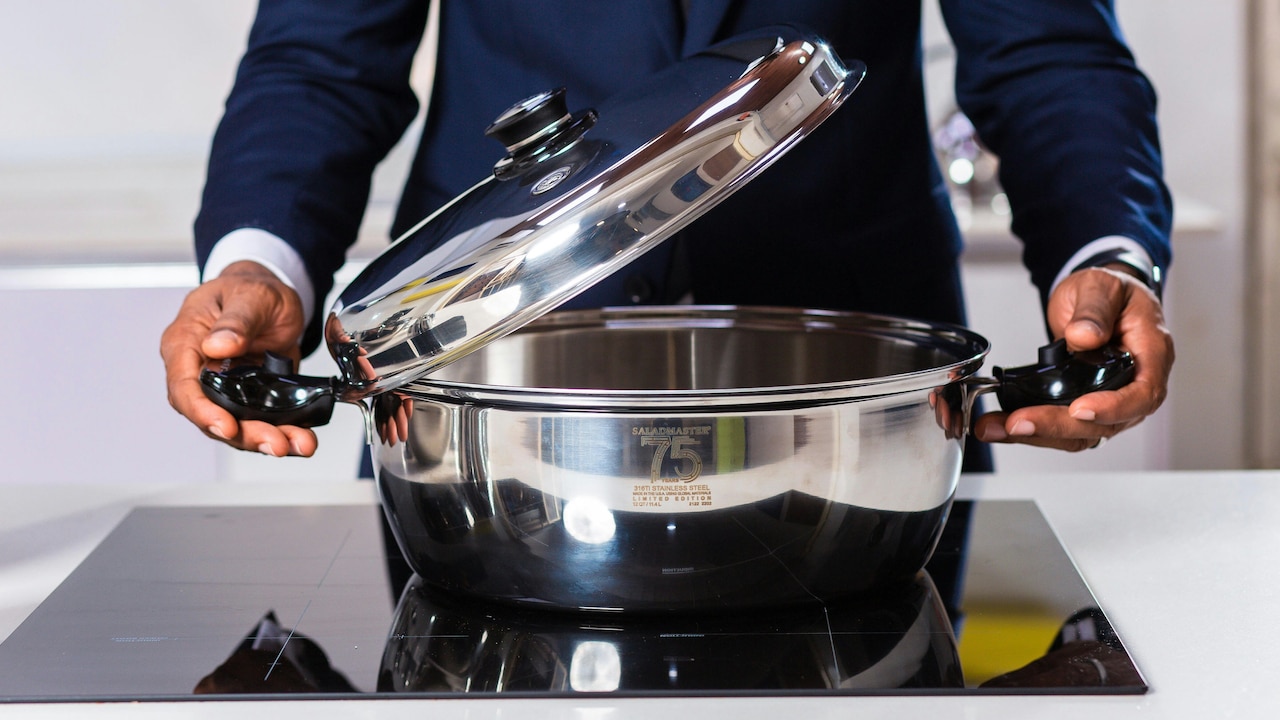
Tri-ply cookware handles induction cooking far better. These pans combine layers of stainless steel and aluminium to distribute heat evenly while maintaining structural strength. The result feels noticeably different during cooking. Food browns properly, sauces simmer steadily, and temperature control becomes easier.
Yes, tri-ply cookware costs significantly more. A decent saucepan may cost ₹4,000 or higher. Yet many families continue using quality tri-ply sets for over a decade. That long-term value often beats replacing warped budget cookware every year.
Induction technology exposes weaknesses quickly because it transfers heat so efficiently. Cheap cookware survives gentle cooking temporarily, but modern kitchens rarely stay gentle for long.
Cast Iron Thrives Where Cheap Pans Fail
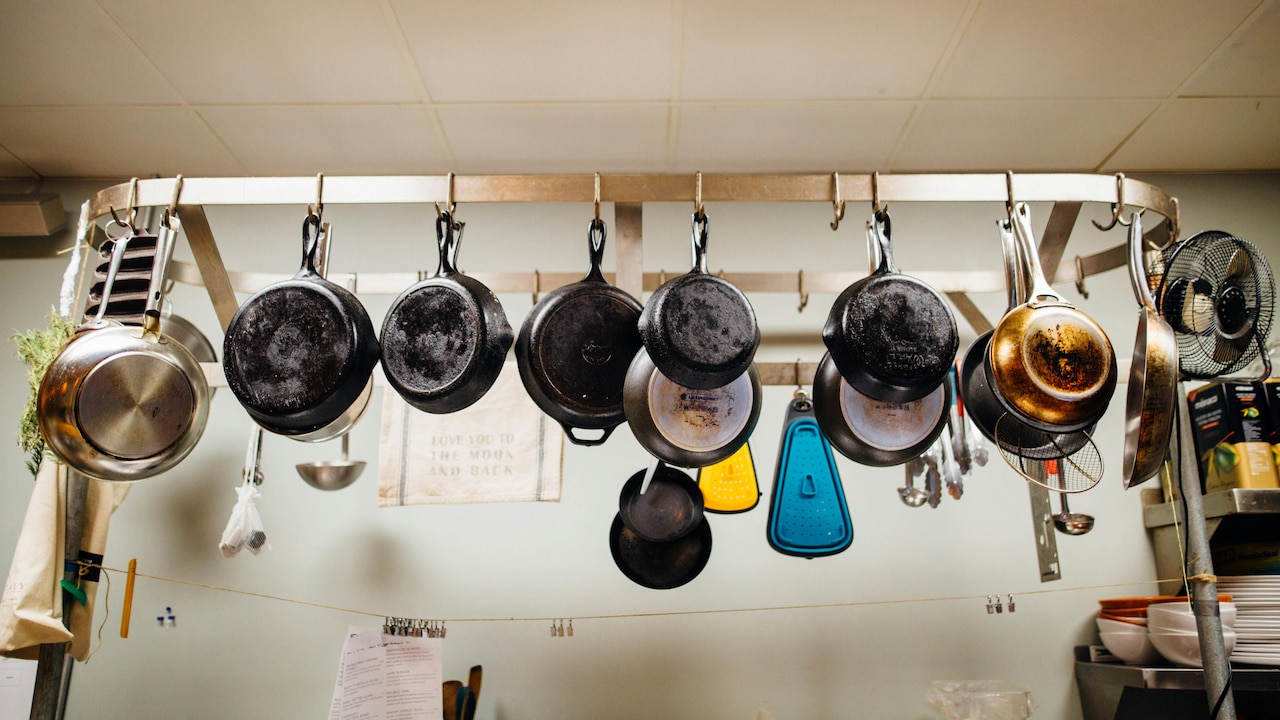
Cast iron occupies a fascinating place in modern kitchens. While trendy cookware brands release flashy products every month, cast iron quietly continues doing its job decade after decade.
Cheap cookware deteriorates because manufacturers prioritise lightweight construction and low prices. Cast iron takes the opposite approach entirely. It feels heavy, rugged, and almost indestructible.
Modern stovetops actually suit cast iron beautifully. The material absorbs heat slowly but retains it exceptionally well. This creates stable cooking temperatures ideal for searing, frying, and roasting. A cast-iron tawa cooks crisp dosas with remarkable consistency once properly seasoned.
Many households avoid cast iron because it requires maintenance. In reality, the process remains surprisingly simple. A light oil coating after washing prevents rust and improves seasoning over time. Unlike fragile non-stick coatings, cast iron surfaces improve with age.
A well-maintained cast-iron pan often becomes better after years of use. Grandparents frequently pass them down through generations, which says far more about durability than any marketing slogan.
Of course, cast iron does have drawbacks. It feels heavy, reacts poorly to acidic foods during long cooking, and demands drying after washing. Yet its toughness makes it one of the smartest long-term cookware investments available today.
Copper And Tri-Ply Offer Superior Heat Control
Modern cooking increasingly demands precision. Delicate sauces, caramelised onions, and slow-cooked gravies all rely on controlled heat. Cheap cookware struggles because thin materials create unpredictable temperature swings.
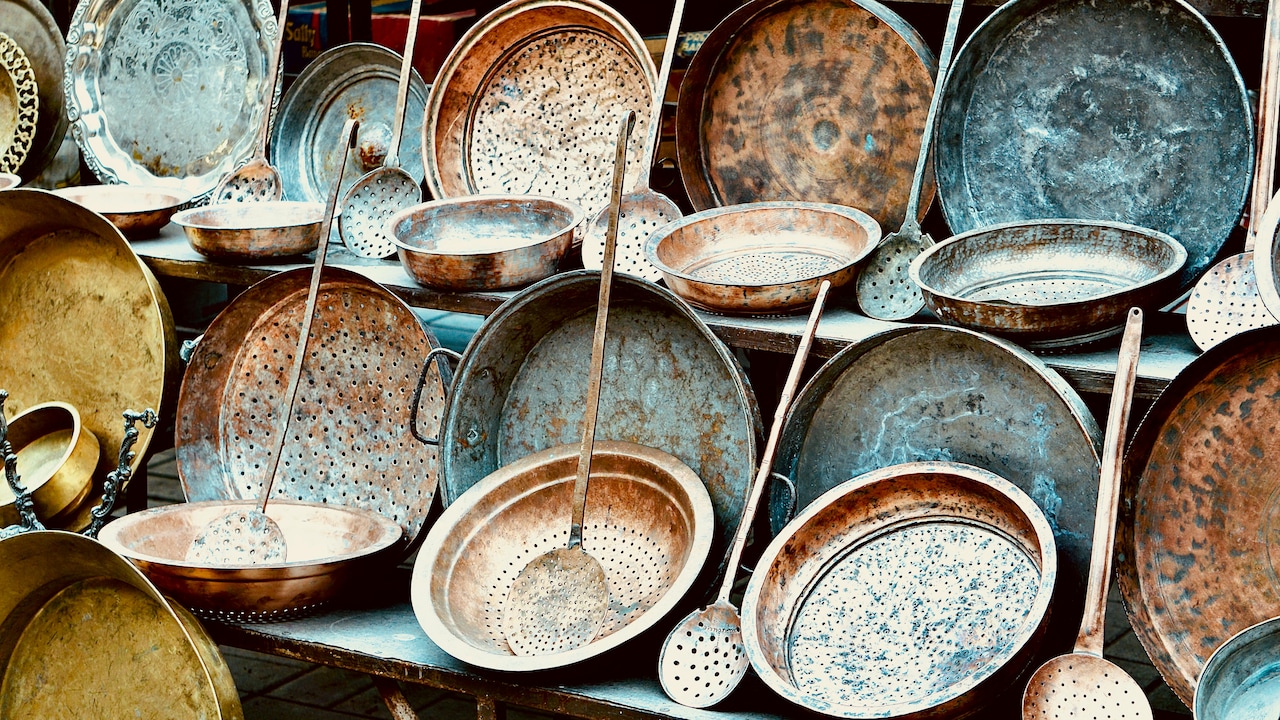
Copper and tri-ply cookware excel precisely because they manage heat intelligently. Copper conducts heat rapidly and evenly, reducing the risk of burning food in isolated spots. Professional chefs adore copper for this reason, though it requires maintenance and costs significantly more.
Tri-ply cookware offers a more practical option for most households. By sandwiching aluminium between stainless steel layers, tri-ply combines strength with excellent heat distribution. Food cooks evenly without constant stirring or flame adjustments.
The difference becomes obvious during everyday cooking. Tea boils consistently. Paneer browns evenly instead of scorching on one side. Gravies simmer smoothly without sticking aggressively at the bottom.
Good heat control also saves fuel. Cheap cookware wastes energy because uneven heating forces people to cook longer or use higher flames. Quality cookware works more efficiently, which matters greatly during daily cooking.
Many people initially hesitate to spend ₹6,000 or more on cookware. Yet when divided across years of reliable use, the cost often becomes surprisingly reasonable. Better cooking results and fewer replacements sweeten the deal further.
Best Cookware Materials Worth Paying For If Cheap Pans Keep Warping
Photo Credit: Pexels
Glass Lids And Cheap Accessories Break Easily
Cookware quality extends beyond the pan itself. Cheap lids, handles, and accessories often fail first, even when the cooking surface remains usable.
Low-quality glass lids crack under sudden heat changes. Weak steam vents clog easily. Plastic knobs loosen or become brittle after repeated exposure to heat. Suddenly, a perfectly usable saucepan feels incomplete because its lid no longer functions properly.
Modern stovetops intensify these problems through stronger and faster heating. Cheap tempered glass may survive occasional use but struggles with daily high-temperature cooking.
Premium cookware brands usually reinforce glass lids with steel rims for added durability. Better-quality knobs remain stable even after years of exposure to steam and oil. Some lids even include pressure-release vents that prevent rattling during vigorous boiling.
These details may seem minor while shopping. Yet daily cooking reveals their importance quickly. A secure lid reduces splatters, speeds up cooking, and keeps kitchens cleaner.
Cheap cookware often cuts corners through accessories because buyers focus mainly on appearance and price. Unfortunately, these shortcuts become painfully obvious after a few months of regular use.
Quality cookware feels thoughtfully designed from top to bottom. Every component contributes to durability rather than existing merely for decoration.
Modern Burners Demand Thicker Bases
Older gas stoves distributed heat more gently across cookware surfaces. Modern burners operate differently. They create concentrated heat zones designed for speed and efficiency. Cheap cookware rarely handles this intensity well.
Thin-bottomed pans develop scorching points quickly. Milk burns unexpectedly. Rice sticks stubbornly. Gravies reduce unevenly. Cooking becomes frustrating despite careful attention.
Thicker bases solve these issues by spreading heat more evenly across the cooking surface. Many premium pans now feature impact-bonded bases with aluminium or copper cores. These designs improve heat retention and reduce food burning significantly.
Heavy-bottom cookware also stabilises cooking temperatures during busy meal preparation. Adding cold ingredients no longer causes dramatic temperature drops. This consistency improves flavour and texture across countless dishes.
Pressure cookers demonstrate this principle perfectly. Cheap, lightweight cookers often burn food at the bottom, while heavier models maintain steady cooking performance.
Modern kitchens reward cookware built for intensity. Thin, fragile pans belonged to a slower era of cooking. Today's burners demand sturdier construction capable of handling rapid heat shifts without losing shape or efficiency.
Cheap Cookware Often Contains Poor Finishing
Some cookware problems emerge long before cooking even begins. Rough edges, uneven coatings, poor welding, and unstable bases all signal rushed manufacturing.
Cheap cookware frequently prioritises appearance over craftsmanship. Bright colours and shiny packaging distract from the weak construction hidden underneath. The flaws emerge gradually through daily use.
Poor finishing creates several problems. Rough rims chip easily. Uneven coatings trap food residue. Weak welds loosen under heat stress. Small imperfections eventually become major annoyances.
Premium cookware usually feels noticeably refined. The surface appears smoother. The handles align properly. The lid fits securely without rattling. These details improve both durability and everyday usability.
Even cleaning becomes easier with well-finished cookware. Smooth surfaces resist stubborn stains and oil buildup more effectively. This reduces scrubbing effort and helps cookware maintain its appearance over time.
Many shoppers underestimate the importance of finishing because flaws seem cosmetic initially. Yet good craftsmanship directly influences longevity. Better manufacturing standards create cookware capable of surviving years of demanding use.
Cooking already involves enough challenges without battling poor design every evening. Reliable cookware removes friction from daily routines and allows food preparation to feel enjoyable rather than irritating.
Spending More Once Often Saves Money Later
The psychology behind cheap cookware feels understandable. Spending ₹700 seems easier than spending ₹5,000. Yet replacement cycles quietly transform “budget” purchases into expensive habits.
Cheap pans rarely fail dramatically overnight. Instead, they deteriorate slowly. Food sticks more often. Heating becomes uneven. Handles loosen slightly. Cooking grows increasingly frustrating until replacement feels unavoidable.
Quality cookware changes this pattern entirely. A durable tri-ply saucepan or cast-iron tawa may cost significantly more upfront, yet it continues performing reliably year after year. The long-term cost often becomes lower than repeatedly buying cheaper alternatives.
Good cookware also improves cooking confidence. Meals turn out more consistently. Cleaning feels easier. Daily kitchen routines become smoother and less stressful.
There is also an emotional side to quality cookware. Certain kitchen items become familiar companions over time. A trusted kadai used during family celebrations or late-night chai sessions carries quiet sentimental value. Cheap cookware rarely survives long enough to earn that affection.
Modern kitchens demand tools capable of handling intense daily use. Investing wisely in cookware resembles buying good footwear. Quality matters because the item faces constant pressure every single day.
Best Cookware Materials Worth Paying For If Cheap Pans Keep Warping
Photo Credit: Pexels
Products Related To This Article
1. The Indus Valley Pre-Seasoned Cast Iron Cookware Set
2. Stahl Artisan Hybrid 3 Piece Triply Stainless Steel Cookware Set
3. Bergner TriPro 4 Pcs Tri-Ply Stainless Steel Induction Bottom Cookware Set
4. Kreme Ceracook Ceramic Coated Granite Fry Pan 1.8L/24cm
5. CUMIN CO. Cast Iron Pan with Lid
6. Hawkins 3-Piece Triply Stainless Steel Gift Set
7. The Indus Valley Pre-Seasoned Cast Iron Cookware Set
Cheap cookware struggles on modern stovetops because today's kitchens operate faster, hotter, and more intensely than ever before. Thin metals warp, weak coatings peel, and poorly designed handles loosen under pressure. What begins as a money-saving decision often turns into repeated frustration and endless replacements.
The good news lies in understanding which materials genuinely offer value. Hard-anodised aluminium provides durability without excessive weight. Tri-ply cookware delivers exceptional heat control. Cast iron rewards patience with unmatched longevity. Quality stainless steel withstands years of demanding use without losing stability.
Good cookware does not need flashy celebrity endorsements or dramatic advertising claims. It simply needs to perform reliably during everyday cooking, whether preparing weekday dal, festive biryani, or hurried morning omelettes before office traffic begins.
Modern stovetops expose weak cookware quickly, but they also reward smart investments beautifully. Spending more once on reliable materials often saves money, time, and stress for years to come. In the end, the right cookware transforms cooking from a daily battle into something far more satisfying and far less smoky.
(Disclaimer: This article may include references to or features of products and services made available through affiliate marketing campaigns. NDTV Convergence Limited (“NDTV”) strives to maintain editorial independence while participating in such campaigns. NDTV does not assume responsibility for the performance or claims of any featured products or services.)