Steel Casseroles Vs Insulated Plastic Models: Which Retains Heat Longer During Family Dinners?
Steel casseroles and insulated plastic models both promise hot meals, but which one truly keeps food warm longer during family dinners? A closer look at heat retention, durability, convenience, and everyday practicality reveals the winner.
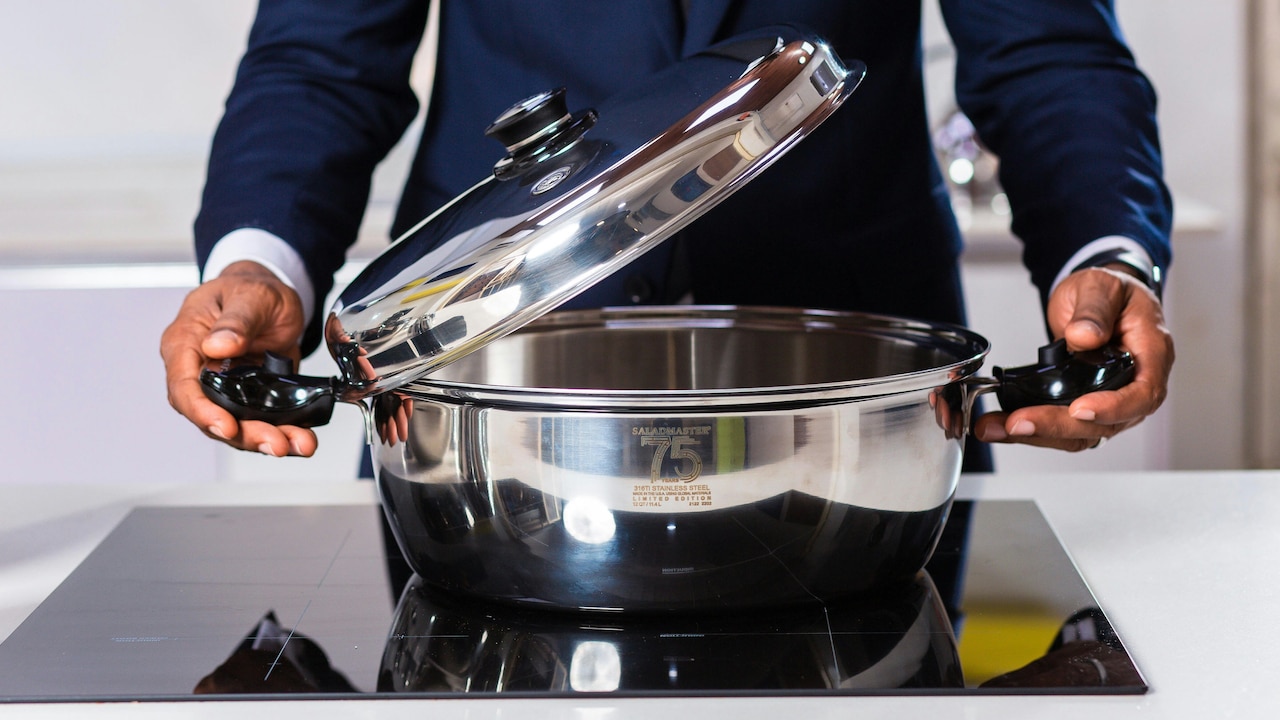
Steel Casseroles Vs Insulated Plastic Models That Keep Hot Food Longer;
Every household has that one dinner scene that feels familiar. Someone asks for another chapati just as the dal cools down. A child complains that the paneer no longer tastes fresh. Meanwhile, one determined family member keeps running back to the kitchen to reheat everything. It sounds small, yet temperature changes can completely alter the taste and comfort of a meal. That explains why casseroles remain such an essential kitchen companion. From fluffy idlis during Sunday breakfast to biryani served during festive gatherings, the right casserole quietly carries the responsibility of keeping food warm, fresh, and inviting. However, choosing between steel casseroles and insulated plastic models often creates confusion. Both sit proudly on store shelves. Both claim to lock in heat. Both come in stylish designs that tempt buyers during festive sales and wedding shopping.
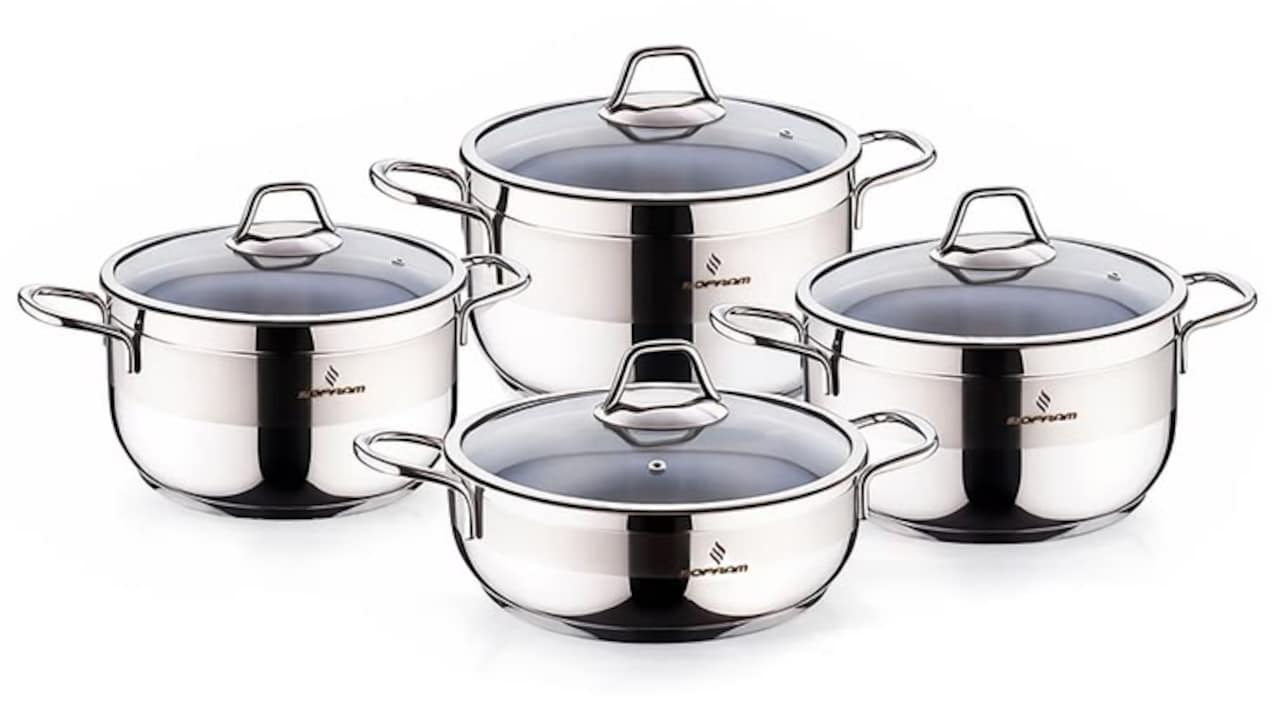
Steel Casseroles Vs Insulated Plastic Models That Keep Hot Food Longer; Photo Credit: Pexels
The difference only appears after months of use, especially during long family dinners where food stays on the table for hours. Some households swear by stainless steel because it feels sturdy and reliable. Others prefer insulated plastic models because they remain lightweight and practical during large meals.
The real question goes beyond appearance. Which one actually performs better when dinner stretches from quick bites to lengthy gossip sessions over gulab jamuns and cricket debates? The answer depends on several factors, including insulation quality, weather conditions, food type, and serving habits. Understanding these details helps avoid wasting ₹1,500 or more on a casserole that disappoints after a few uses.
Choosing The Right Casserole For Modern Households
The Science Behind Heat Retention
Heat retention may sound technical, yet the concept remains surprisingly simple. Food loses warmth when heat escapes into the surrounding air. A good casserole slows down that process by trapping heat inside for as long as possible.
Steel casseroles work differently from insulated plastic models. Stainless steel itself conducts heat quickly. Without proper insulation layers, warmth escapes faster than expected. That explains why modern steel casseroles usually include double walls with an air gap or foam insulation between layers. The trapped air slows heat transfer and helps maintain food temperature.
Insulated plastic casseroles depend heavily on foam or polyurethane insulation. The outer shell stays cool while the inner compartment traps warmth. Since plastic does not conduct heat as rapidly as steel, these models often feel more effective during short and medium durations.
However, heat retention also depends on how often the lid opens. Every dramatic “just one more serving” moment releases trapped steam. Foods with high moisture content, such as curries or sambhar, usually remain warm longer than dry dishes like parathas or fried snacks.
Room temperature also matters. During winter evenings in northern regions, heat escapes faster than during humid coastal weather. That explains why some households praise their casseroles while others complain about identical models. The surrounding environment quietly influences performance more than most people realise.
Also Read: From Mithila To Milton: Explore 10 Dinner Casseroles That Actually Deliver
Why Steel Casseroles Feel More Premium
Steel casseroles carry a certain emotional weight in many homes. They often appear during celebrations, family gatherings, and festive dinners. Something about polished stainless steel instantly creates a sense of reliability and elegance.
Part of that appeal comes from durability. Steel survives rough handling remarkably well. A steel casserole dropped accidentally may dent slightly, but it rarely cracks or breaks. Plastic models, especially cheaper ones, often struggle after repeated falls or constant exposure to high heat.
Steel also resists staining and odours better. Rich gravies, turmeric-heavy curries, and spicy pickles tend to leave lingering marks on plastic interiors over time. Steel handles these foods with ease and usually looks cleaner after washing.
Another important factor involves hygiene. Many households trust steel because it feels safer and more long-lasting. During large dinners, when food sits out for hours, steel provides reassurance that flavours remain unchanged.
Modern steel casseroles also look considerably more stylish than older designs. Brands now offer sleek matte finishes, copper accents, and contemporary handles that blend beautifully with modern dining spaces. Some even resemble premium serving bowls rather than practical storage containers.
Yet appearance alone does not guarantee better heat retention. A beautiful steel casserole without proper insulation may cool quickly despite its premium price tag. That catches many buyers off guard, especially after spending ₹2,000 or more, expecting restaurant-level performance.
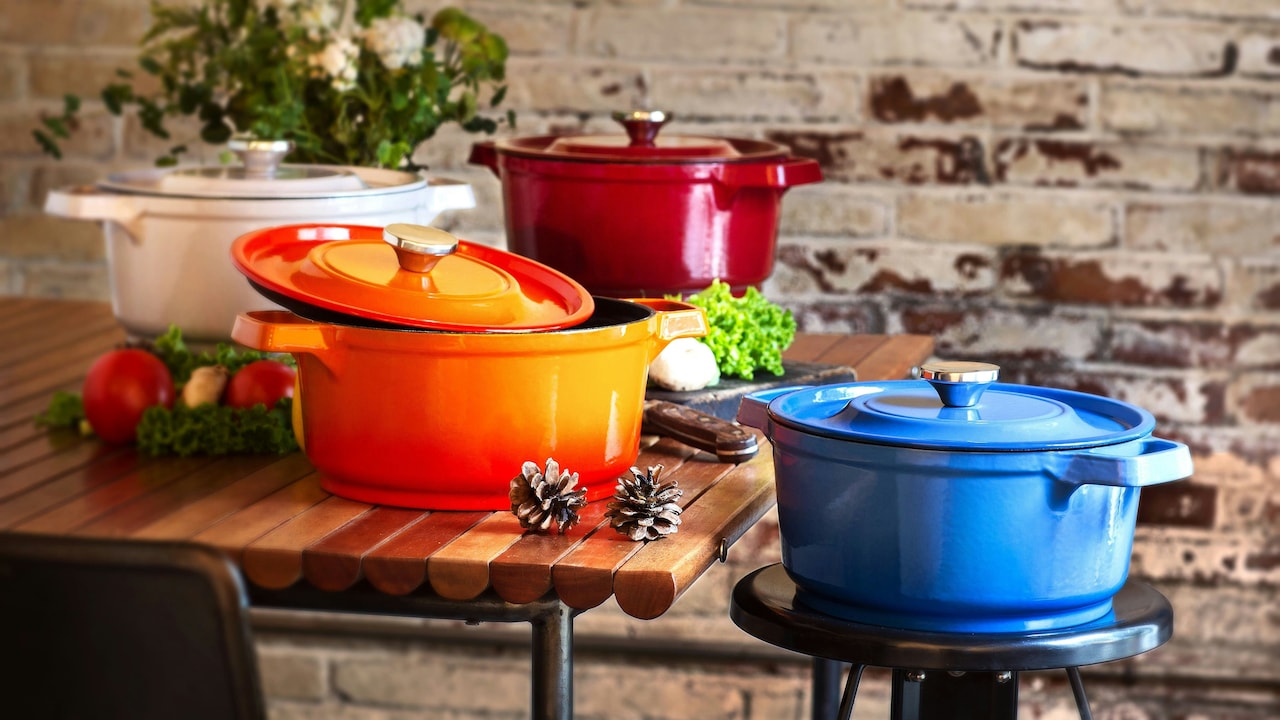
Steel Casseroles Vs Insulated Plastic Models That Keep Hot Food Longer;; Photo Credit: Pexels
The Hidden Strength Of Insulated Plastic Models
Insulated plastic casseroles rarely receive the same admiration as steel. Yet they quietly outperform expectations in many households. Their biggest advantage lies in efficient insulation combined with lightweight practicality.
Unlike steel, plastic does not transfer heat rapidly. That helps maintain warmth for longer periods, particularly during regular family dinners lasting one to three hours. Many insulated plastic models feature thick foam layers that trap heat effectively without making the container heavy.
This lightweight design becomes especially useful during large gatherings. Carrying multiple steel casseroles filled with biryani, curries, and rotis can feel like an arm workout nobody asked for. Plastic models simplify serving, especially for elderly family members.
Another benefit involves affordability. Good insulated plastic casseroles often cost less than premium steel options while delivering impressive heat retention. For families managing practical budgets, this balance matters greatly.
Plastic casseroles also come in playful colours and modern patterns that brighten dining tables. Floral designs, pastel tones, and textured finishes add warmth to casual meals. Some households enjoy that cheerful aesthetic more than polished steel surfaces.
Still, not every plastic casserole deserves praise. Low-quality models sometimes develop unpleasant odours after repeated use. Others lose insulation effectiveness over time. Cheap lids may warp slightly, allowing steam to escape faster.
Choosing a reliable brand becomes crucial here. A well-designed insulated plastic casserole can keep rotis soft, and curries warm surprisingly longer than many mid-range steel alternatives.
Which Model Performs Better During Long Dinners?
Long family dinners create the ultimate test for any casserole. Meals rarely move in a straight line. Someone arrives late. Another insists on second servings after a lengthy phone call. Meanwhile, dessert appears only after endless storytelling and political debates.
During these extended meals, insulated plastic casseroles often maintain warmth more consistently for medium durations. Their insulation layers trap heat effectively without conducting it outward. Rotis tend to remain softer, and rice dishes usually stay pleasantly warm for nearly three hours.
Steel casseroles behave differently. High-quality insulated steel models perform brilliantly during the first hour or two. However, once heat begins escaping, temperature drops can feel sharper. Dry foods sometimes cool faster because steel surfaces gradually absorb and release internal heat.
That said, premium vacuum-insulated steel casseroles compete strongly against plastic models. These advanced versions use vacuum technology similar to insulated flasks, dramatically improving heat retention. The downside, naturally, arrives in the form of higher prices.
Food quantity also influences results. A filled casserole retains heat better than one holding small portions. During large family dinners where dishes remain nearly full, both materials perform better.
For extremely long gatherings stretching beyond four hours, neither model works perfectly without reheating. At that point, serving style matters more than material choice. Smaller batches refilled periodically often keep meals tasting fresher than leaving large portions sitting inside any casserole all evening.
Cleaning And Maintenance Make A Big Difference
A casserole may retain heat beautifully, but frustration builds quickly if cleaning becomes difficult. Maintenance often decides whether a product survives daily use or gets shoved into the back of the kitchen cabinet.
Steel casseroles generally win in terms of longevity. They tolerate aggressive scrubbing, hot water washing, and frequent use without major wear. Sticky gravies and oily curries usually clean off easily. Steel also resists scratches better, helping the casserole maintain its appearance over the years.
Plastic casseroles demand gentler handling. Strong scrubbing pads may damage surfaces, while repeated exposure to very hot water can weaken insulation layers over time. Certain spices leave stains that never fully disappear, no matter how enthusiastically someone attacks them with dish soap.
Odour absorption presents another challenge. Garlic-heavy gravies or fish curries sometimes leave lingering smells inside plastic interiors. Steel rarely suffers from that issue.
Lid quality deserves attention, too. Loose lids destroy heat retention quickly. Unfortunately, plastic hinges and locking systems may loosen after years of use. Steel models often feature sturdier lid mechanisms that age more gracefully.
However, maintenance habits matter just as much as material choice. Leaving food inside overnight, storing casseroles while damp, or using metal spoons aggressively can shorten the lifespan of both types significantly.
A carefully maintained casserole, regardless of material, usually performs better than an expensive one treated carelessly.
How Weather Conditions Affect Performance
Weather quietly changes the entire casserole experience. What works beautifully during humid summer evenings may disappoint during chilly winter nights.
In colder climates, steel surfaces react faster to surrounding temperatures. Once exposed to cool air repeatedly, the outer body gradually pulls warmth away from food. That explains why steel casseroles sometimes feel less effective during winter gatherings.
Insulated plastic models handle external temperature shifts more steadily because plastic transfers heat slowly. This creates a more stable internal environment, especially when dinner continues for hours.
Humidity also influences food texture. Rotis stored inside tightly sealed plastic casseroles may remain softer because moisture stays trapped longer. Meanwhile, steel interiors sometimes create slight condensation, affecting texture differently.
Air-conditioned dining rooms present another interesting challenge. Modern apartments often keep dining areas considerably cooler than traditional homes. Under these conditions, insulation quality matters far more than appearance.
Travel adds another layer to the discussion. Carrying food to relatives' homes, terrace dinners, or festive potlucks demands reliable heat retention during transit. Insulated plastic casseroles often prove easier and safer for travel due to lighter weight and reduced risk of dents.
Still, premium steel models with advanced insulation can perform exceptionally well in all climates. The issue lies in price. Truly effective insulated steel casseroles often cost significantly more than standard household options.
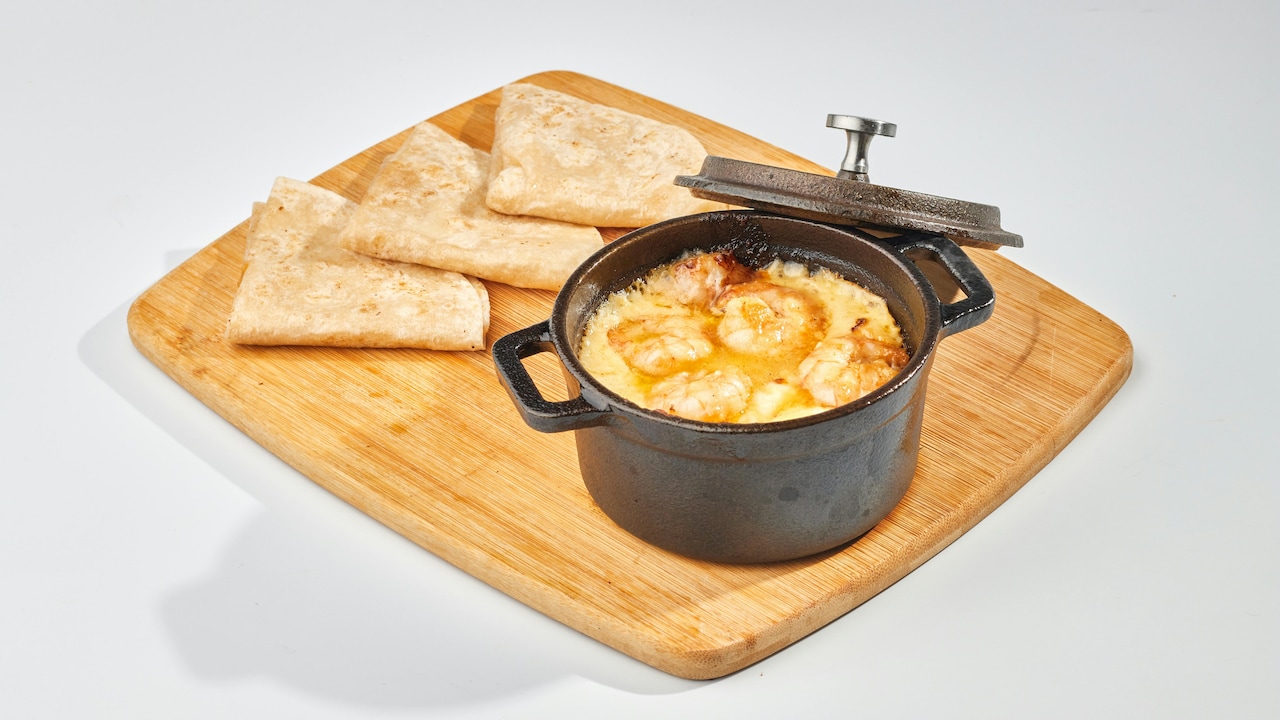
Steel Casseroles Vs Insulated Plastic Models That Keep Hot Food Longer; Photo Credit: Pexels
The Price Debate: Is Expensive Always Better?
Casserole pricing can feel wildly unpredictable. Some plastic models cost under ₹700, while luxury steel versions cross ₹4,000 easily. The assumption often follows that higher prices guarantee better heat retention. Reality tells a slightly different story.
Mid-range insulated plastic casseroles frequently outperform cheaper steel alternatives. Buyers sometimes choose steel purely for appearance, only to discover weak insulation beneath the shiny exterior.
Expensive steel casseroles justify their pricing through vacuum insulation, premium finishes, and superior durability. These models genuinely retain heat impressively well. However, not every household needs restaurant-grade performance for routine dinners.
Budget also influences expectations. A ₹900 casserole keeping food warm for two hours may satisfy one family completely. Another household hosting frequent gatherings may prefer investing in heavier, insulated steel options designed for longer use.
Brand reputation matters enormously here. Established manufacturers usually provide better insulation engineering, tighter lids, and safer materials. Extremely cheap products often compromise insulation thickness to reduce costs.
Warranty coverage offers useful clues, too. Companies confident in their insulation technology usually provide stronger guarantees against defects and wear.
Smart buyers focus less on marketing language and more on practical performance. Reading customer experiences, checking insulation type, and examining lid construction often reveal more than flashy packaging ever could.
Which Casserole Works Best For Different Foods?
Not every dish behaves the same inside a casserole. Some foods hold heat naturally, while others cool rapidly despite excellent insulation.
Rotis and parathas demand a moisture balance. Too much trapped steam turns them soggy, while poor insulation leaves them dry and stiff. Insulated plastic casseroles often perform slightly better here because they maintain steady warmth without excessive surface cooling.
Rice dishes like pulao or biryani usually stay warm longer in steel casseroles, especially high-quality insulated versions. Steel interiors distribute residual heat evenly, helping maintain texture for extended periods.
Curries and dals remain forgiving in both materials due to their moisture content. Thick gravies retain heat naturally, so insulation quality matters slightly less. However, steel interiors sometimes preserve flavour purity better over repeated use.
Fried snacks present the toughest challenge. Pakoras, samosas, and pooris lose crispness quickly inside sealed containers because trapped steam softens them. In these cases, no casserole performs perfectly. Slight ventilation actually helps preserve texture better than maximum heat retention.
Desserts create their own interesting scenario. Warm gulab jamuns and halwa generally remain stable inside both casserole types. Yet steel containers often maintain presentation quality more elegantly during festive serving.
Ultimately, food habits should guide casserole choices more than trends. Households serving mostly rotis may prefer insulated plastic, while those focusing on rice dishes and elaborate dinners may appreciate premium steel models more.
Everyday Convenience Matters More Than Marketing
Many casserole advertisements promise miraculous heat retention for six or eight hours. Real dining experiences rarely match those dramatic claims. Practical convenience matters far more than exaggerated marketing slogans.
A casserole used daily must fit naturally into household routines. Heavy steel models may look impressive, but they become annoying during rushed weekday dinners. Lightweight insulated plastic options often encourage more regular use simply because they feel convenient.
Storage also influences satisfaction. Bulky casserole sets consume precious kitchen space, especially in compact apartments where every shelf already struggles under pressure from mixers, pressure cookers, and mysterious steel containers nobody remembers buying.
Handle design deserves more attention than people realise. Poor handles turn serving into an awkward balancing act, particularly when children hover nearby, demanding second helpings immediately.
Lid operation affects convenience, too. Tight seals improve insulation, yet overly complicated locking systems frustrate users quickly during busy meals.
Some modern casseroles now include separate steam vents, removable interiors, and stackable designs that genuinely improve usability. These small innovations often matter more during daily life than one extra hour of heat retention.
At the end of the day, the best casserole feels effortless. It keeps food warm enough, cleans easily, survives regular use, and blends naturally into the rhythm of shared meals.
Products Related To This Article
1. Nestasia Stainless Steel Insulated Casserole with Lid
2. Asian Plastowares - Cosmos Casserole (1000 ml) | BPA-Free
3. ATTRO Bella Stainless Steel Insulated Casserole Chapati Box with Easy Side Locking Lid Hot
4. Milton Insignia 1500 Casserole, 1250 ml I ISI Certified
5. WARMEO Steam Insulated Stainless Steel Casseroles
6. CELLO Sapphire Insulated Casserole Hot Pot For Kitchen
7. MILTON Galaxia 1500 Insulated Stainless Steel Casserole
8. JAYPEE Kingston Klass Stitched Leather Luxurious Outer & Inner Stainless Steel Casserole Set of 3 with Glass Lid
The debate between steel casseroles and insulated plastic models has no single winner because dining habits differ from one household to another. Both options bring genuine strengths to the table.
Steel casseroles offer durability, elegance, hygiene, and long-term reliability. Premium insulated steel models perform exceptionally well, especially for rice dishes and festive gatherings. They also age gracefully and maintain their appearance for years.
Insulated plastic casseroles shine through practicality, affordability, and surprisingly effective heat retention during regular family dinners. They keep rotis softer, remain lightweight, and often deliver better everyday convenience.
For households prioritising style and longevity, steel remains a dependable choice. For families seeking efficient warmth retention at reasonable prices, insulated plastic models often make greater sense.
The real secret, however, lies beyond materials and marketing claims. Warm meals stay memorable because of the people gathered around them. Even slightly cooled dal somehow tastes better during laughter-filled dinners, noisy celebrations, and endless conversations stretching late into the night. A good casserole simply helps those moments last a little longer.
(Disclaimer: This article may include references to or features of products and services made available through affiliate marketing campaigns. NDTV Convergence Limited (“NDTV”) strives to maintain editorial independence while participating in such campaigns. NDTV does not assume responsibility for the performance or claims of any featured products or services.)







![Steam Iron Teflon Shoe Cover for ES-300,ST-96 [Only For ES-300 and ST-96 Model Electric Steam Irons]](https://m.media-amazon.com/images/I/51wwkttondL._SL160_.jpg)