Tired Of Cleaning Ceiling Fans? Here's Why Dust Free Fans Are A Smarter Choice
Dust free fans promise cleaner blades, fewer allergens, and less weekend cleaning. Here is why these clever ceiling fans are becoming household favourites for anyone who wants comfort without the constant dusting.
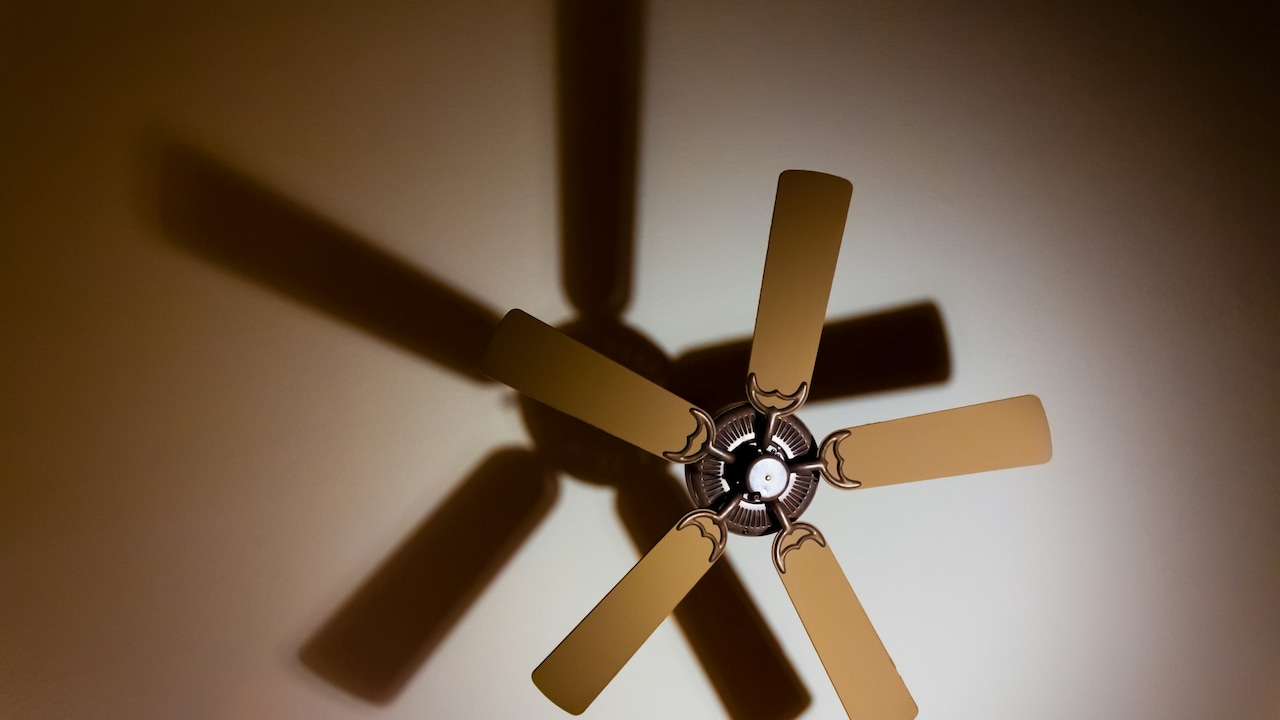
Tired Of Cleaning Ceiling Fans? Here's Why Dust Free Fans Are A Smarter Choice
A ceiling fan gathers dust faster than almost any other appliance at home, especially in cities where pollution levels and indoor dust rise quickly. Most of us dread climbing on stools with cloths and cleaners every few weeks, only to repeat the chore almost instantly. Dust free fans step in as a modern solution, blending design coatings with clever technology to reduce how much dust settles. They are increasingly becoming a lifestyle upgrade for homes that value convenience, quick maintenance, and a visibly cleaner living space.
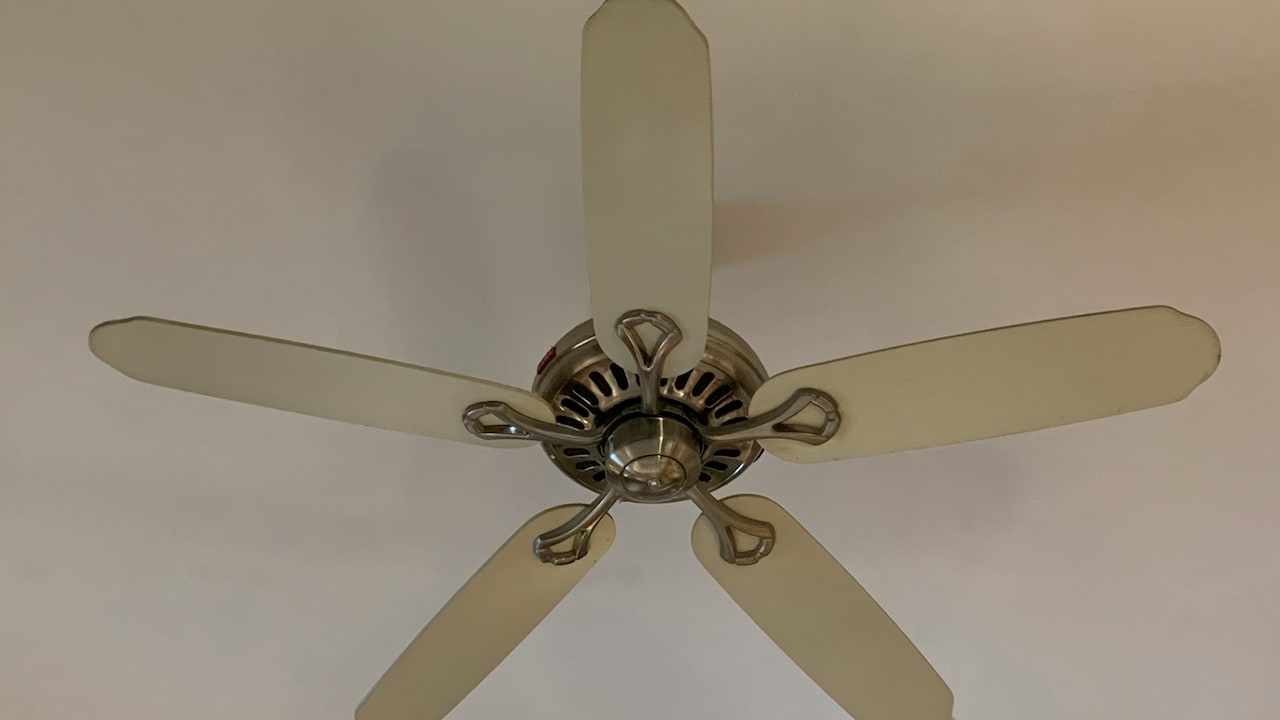
Smarter Dust Free Fans
Photo Credit: Unsplash
While regular fans work well enough, their frequent cleaning demands make them inconvenient for busy families, allergy sufferers, and anyone who prefers low maintenance living. Dust free fans offer a refreshing alternative, using specialised paint, smoother surfaces, and sometimes a combination of static resistant coatings to keep blades cleaner for longer. This makes them appealing not only as a technology shift but as a comfort investment. If you are exploring smarter appliances that genuinely save effort, dust free fans are worth a closer and more informed look.
| Feature | Regular Ceiling Fan | Dust Free Ceiling Fan |
|---|---|---|
| Dust Accumulation | High | Significantly lower |
| Cleaning Frequency | Every 2 to 3 weeks | Every few months |
| Technology | Standard paint and blades | Hydrophobic or anti-dust coating |
| Maintenance Effort | Moderate to high | Low |
| Cost | Lower upfront | Slightly higher |
How Dust Free Coatings Make A Real Difference
Dust free fans rely on specialised surface technology that prevents dust from sticking easily to the blades. Most use hydrophobic or anti-static coatings that resist the usual buildup you see on regular fans. These coatings create a smoother blade texture, reducing friction and discouraging fine particles from clinging on. This does not mean the fan will remain perfectly clean forever, but it does stay visibly fresher for far longer. For households with limited time, this small engineering detail becomes a surprisingly impactful lifestyle improvement in everyday routines.
Also Read: These Designer Fans Are Making A Statement Beyond Just Cooling
Why Dust Free Fans Are Better For Allergy Prone Homes
Homes with allergy sensitive individuals benefit greatly from reduced dust accumulation, as dust mites and airborne particles often trigger discomfort. When ceiling blades collect large amounts of dust, every spin redistributes tiny particles into the room. Dust free fans limit this cycle, resulting in visibly cleaner air and a more comfortable breathing environment. Over time, this gentle reduction in airborne irritants can create a noticeably more pleasant indoor setting. While not a medical solution, it is certainly a home upgrade that adds an extra layer of everyday comfort.
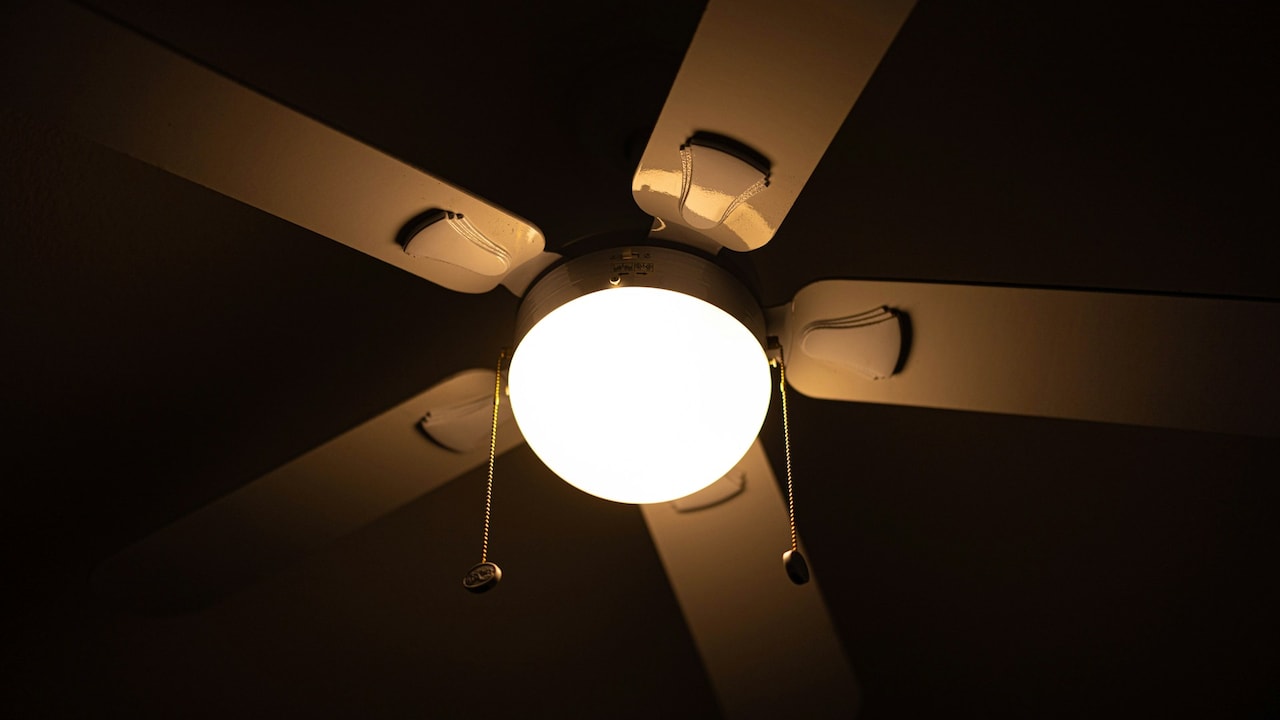
Goodbye Dusty Ceiling Fans
Photo Credit: Unsplash
The Convenience Factor That Wins Over Most Households
Convenience is often the deciding factor when people switch to dust free ceiling fans. Instead of cleaning blades frequently or calling for help each time the buildup becomes visible, maintenance drops significantly. Weekly chores become lighter and home interiors appear fresher without extra effort. For renters, elderly users, and young families, this reduction in physical strain matters more than expected. When combined with modern designs and energy efficient motors, dust free fans evolve from a simple home appliance into a thoughtful convenience tool that quietly supports daily living.
Also Read: Cooling Hits: 10 Bestselling Table Fans Under ₹2000
Design And Aesthetic Benefits Worth Considering
Beyond functionality, dust free fans often come in sleek, modern designs that suit contemporary homes. The special coatings help maintain the finish for longer, keeping fans looking newer without the dullness that dust creates. Many models feature attractive matte tones, wooden textures, or minimalist metallic shades, making them an easy match for various décor styles. When an appliance looks clean and polished, it subtly elevates the entire room. So, the dust resistant feature not only reduces cleaning time but also enhances the overall aesthetic value of your living space.

Cleaner Fans, Easier Living
Photo Credit: Unsplash
Dust free ceiling fans offer a meaningful combination of convenience, hygiene, and visual appeal for modern households. Their specialised technology allows you to enjoy cleaner blades without constant wiping, making them a practical upgrade for busy lifestyles. While they may cost more at the outset, the long term reduction in cleaning time and improved air quality deliver genuine value. These fans fit especially well in homes that prioritise comfort and low maintenance living. By choosing one, you are not only simplifying a chore but also adding a thoughtful improvement to your everyday environment.
Products To Consider
1. Colorbot Stella Quad 4 Blade BLDC Ceiling Fans
2. Colorbot Stella BLDC Ceiling Fans
3. Colorbot Stella Quad 4 Blade BLDC Ceiling Fans
4. Orient Electric Newly Launched
5. ACTIVA ORNET
6. Ultino-Pro High-Speed Ceiling Fan
7. Colorbot Knoxx Quad 4 Blade BLDC Ceiling Fans
8. Orient Electric I Tome Pro 1400 mm BLDC Ceiling Fan with Remote
9. Orient Electric 1200 mm Pacific Air Déco
10. ACTIVA Galaxy-1 600mm Ceiling Fan
Frequently Asked Questions (FAQs)
Q1. What makes a fan dust free?
Dust free fans typically use anti-static or hydrophobic coatings that prevent dust from sticking to the blades. These coatings reduce build up and keep the fan cleaner for longer. They do not eliminate dust completely but significantly reduce maintenance.
Q2. Do dust free fans require special cleaning methods?
No, they can be cleaned just like regular fans. The difference is that you will need to clean them far less often. A simple wipe every few months usually does the job.
Q3. Are dust free fans more expensive than normal fans?
Yes, they usually cost slightly more due to specialised coatings and upgraded designs. However, the reduced maintenance and longer cleanliness make the additional cost worthwhile for many households. They offer a good long term value.
Q4. Do dust free fans improve air quality?
They can help indirectly by reducing the amount of dust circulating in the room. Less dust accumulation means fewer particles are redistributed when the fan spins. This creates a cleaner and more comfortable indoor environment.
Q5. Are dust free fans energy efficient?
Many dust free fans come with energy efficient motors as part of their modern design. Efficiency varies by model, but they often perform as well as or better than traditional fans. Checking the star rating and specifications helps in choosing wisely.
(Disclaimer: This article may include references to or features of products and services made available through affiliate marketing campaigns. NDTV Convergence Limited (“NDTV”) strives to maintain editorial independence while participating in such campaigns. NDTV does not assume responsibility for the performance or claims of any featured products or services.)












![Steam Iron Teflon Shoe Cover for ES-300,ST-96 [Only For ES-300 and ST-96 Model Electric Steam Irons]](https://m.media-amazon.com/images/I/51wwkttondL._SL160_.jpg)