Best Pillow Covers For Sleep: Satin Vs Cotton Compared
Satin or cotton? The fabric on your pillow affects sleep, skin, and hair more than you think. This guide compares comfort, climate, care, and cost to help you choose the best pillow cover for deeper, better sleep. 10 easy tips to choose the best pillow covers for better sleep.
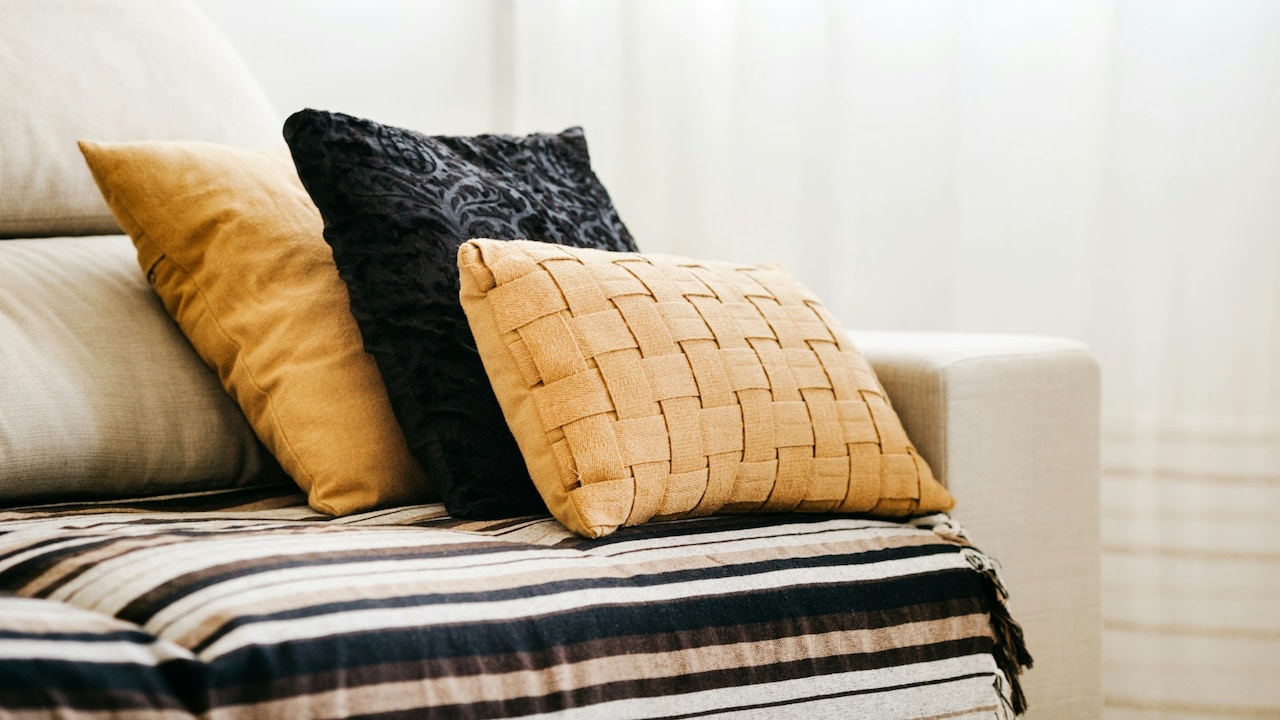
Satin vs Cotton Pillow Covers: Which Is Better For Sleep, Skin and Hair? Find Out Here.
Sleep conversations usually revolve around mattresses, blackout curtains, or soothing music. Pillow covers rarely get the spotlight, yet they influence sleep quality more than expected. The fabric touching the face for six to eight hours affects temperature, comfort, skin health, and even morning mood. Across homes, cotton pillow covers feel familiar, dependable, and breathable. Satin, on the other hand, carries a sense of luxury, promising smoothness and beauty benefits. Both fabrics enjoy loyal fans, and both come with strengths and limitations. So, when it comes to choosing between satin and cotton, find out here the best pillow covers for sleep.

Things to know about satin vs cotton pillow covers; Photo Credit: Unsplash
Choosing between satin and cotton often feels confusing. Shop shelves display glossy packaging, bold claims, and tempting discounts ranging from ₹399 to ₹1,999. Online reviews praise one while criticising the other. Climate, lifestyle, and personal comfort needs also play crucial roles.
This article settles the debate by comparing satin and cotton pillow covers across ten practical points. Each section looks beyond marketing claims and focuses on real-life usage, cultural habits, and everyday comfort. By the end, the decision becomes simpler, clearer, and far more confident.
Also Read: How To Choose The Right Pillow Set That Feels Like Sleeping In A Luxury Hotel Bed
Two Fabrics, One Pillow: The Sleep Debate Explained
1. Comfort and Feel Against the Skin
Comfort sets the foundation for good sleep. Cotton pillow covers offer a familiar, soft, and slightly textured feel that many grew up with. They provide reassurance, like sleeping in a freshly washed bedsheet during summer holidays. The fabric feels grounded and cosy, making it easy to relax without distraction.
Satin delivers a very different experience. Its smooth, slippery surface glides against the skin, creating a cool and luxurious sensation. Many associate satin with hotel-style indulgence or special occasions. That silky feel reduces friction, which some sleepers find deeply soothing, while others need time to adjust.
Cotton adapts well to restless sleepers. It stays in place, grips the pillow, and rarely slips during the night. Satin, while elegant, tends to shift more easily, especially for those who toss and turn.
Comfort often depends on personal preference. Some crave the predictable softness of cotton after a long day. Others enjoy the gentle coolness of satin, especially during warm nights. The right choice depends on how the skin responds and what feels calming at bedtime.
2. Temperature Control and Breathability
Climate plays a major role in sleep comfort. Cotton pillow covers shine in breathability. Natural fibres allow air to circulate freely, preventing heat from getting trapped. During humid nights, cotton absorbs sweat and keeps the surface relatively dry, which helps avoid discomfort.
Satin, especially polyester-based satin, behaves differently. It tends to retain heat, creating a warmer surface. While this feels pleasant in air-conditioned rooms or cooler months, it may feel sticky during peak summer nights. Natural silk satin performs better but comes at a higher cost, often exceeding ₹2,500 per cover.
Cotton suits households where ceiling fans run all night and windows stay slightly open. Satin fits better in controlled environments with steady cooling.
Temperature sensitivity varies from person to person. Hot sleepers often prefer cotton for its airy feel. Those who feel cold easily may appreciate satin's warmth. Choosing based on seasonal use also works well, with cotton covers dominating summer months and satin making an appearance during winter.
3. Impact on Skin Health
Skin care no longer stops at creams and serums. Pillow covers quietly influence facial health. Cotton, though breathable, creates friction against the skin. Over time, this may contribute to sleep lines, especially for side sleepers. Frequent washing reduces bacteria build-up but does not eliminate friction entirely.
Satin offers a gentler alternative. Its smooth surface reduces pulling and tugging, helping skin retain moisture overnight. Many notice fewer morning creases and less dryness around the cheeks. Satin does not absorb skincare products as quickly, allowing night creams to stay where they belong.
However, satin requires regular cleaning. Oil and product residue show up more visibly on smooth surfaces. Without proper care, breakouts may appear.
Cotton works well for those with sensitive skin who prefer natural fibres. Satin suits skincare enthusiasts focused on hydration and anti-ageing benefits. Both fabrics support healthy skin when washed regularly and chosen thoughtfully.
4. Effect on Hair Texture and Hair Fall
Morning hair struggles often trace back to pillow covers. Cotton creates friction that roughens hair cuticles. Over time, this leads to frizz, tangles, and breakage. Curly and textured hair types feel this impact more strongly, often waking up to unruly strands.
Satin transforms the hair experience. The smooth surface allows hair to glide freely, reducing knots and breakage. Hair retains moisture, which helps maintain shine and softness. Many notice reduced hair fall and easier styling after switching to satin pillow covers.
That said, satin does not suit everyone instantly. Hair may slip more, causing the pillow to feel unstable during sleep. Adjusting pillow size and cover fit helps reduce this issue.
For those investing in hair oils, masks, and treatments worth ₹800 or more, satin helps protect that effort overnight. Cotton remains practical and fuss-free but demands extra hair care in the morning. The choice often depends on hair type and styling habits.
5. Maintenance, Washing, and Durability
Everyday use demands practicality. Cotton pillow covers score high in easy maintenance. They tolerate regular machine washes, high temperatures, and strong detergents. Stains from oil, sweat, or makeup wash out easily. Cotton dries quickly under the sun and rarely demands special care.
Satin requires more attention. Gentle washing, mild detergents, and air drying help preserve its sheen. Machine washing may cause snagging or dullness over time. Polyester satin handles washing better than silk satin but still needs care.
Durability favours cotton. A good cotton cover priced around ₹499 often lasts for years with minimal wear. Satin covers may show signs of ageing sooner, especially if mishandled.
Busy households often lean towards cotton for its low-maintenance nature. Satin suits those willing to invest time in fabric care. The decision balances lifestyle convenience against aesthetic appeal.
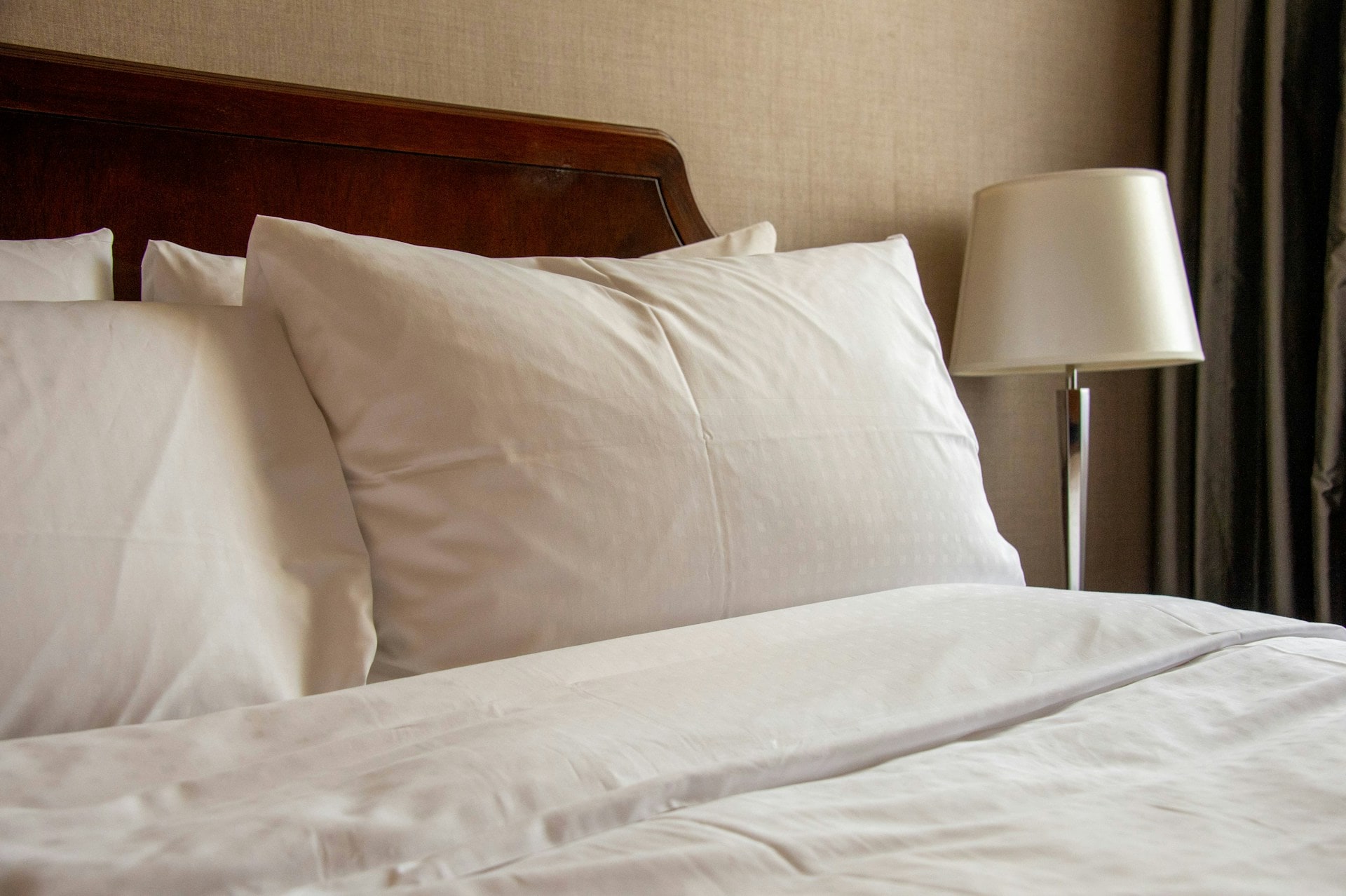
Cotton covers can be more durable and easy to maintain than satin ones; Photo Credit: Unsplash
6. Cost and Value for Money
Budget influences most household choices. Cotton pillow covers offer excellent value across price ranges. Decent quality options start at ₹299, while premium organic cotton sets may cost ₹1,200 or more. Even affordable cotton delivers comfort and durability.
Satin covers vary widely in price. Polyester satin options begin around ₹399, while silk satin can exceed ₹3,000. The higher cost reflects luxury appeal rather than everyday practicality.
Value depends on usage frequency. Cotton handles daily wear without complaint, making it cost-effective in the long run. Satin feels indulgent but may require replacement sooner if not maintained properly.
For households balancing quality and affordability, cotton remains a safe investment. Satin works well as an occasional upgrade or special addition. The smartest approach considers both budget and expected lifespan rather than price alone.
7. Suitability for Different Sleep Positions
Sleep positions affect fabric choice more than expected. Side sleepers press their face and hair against the pillow for extended periods. Satin benefits this group by reducing friction and pressure marks. Morning creases appear softer, and hair tangles reduce significantly.
Back sleepers experience less friction overall. Cotton works comfortably here, offering steady support without slipping. Satin also suits back sleepers but may feel unnecessarily slippery for some.
Stomach sleepers face the most contact with the pillow. Breathability becomes crucial, making cotton a practical option. Satin may feel warm and less stable in this position.
Choosing a pillow cover that complements sleep posture improves comfort subtly but effectively. Matching fabric to sleeping habits often leads to better rest and fewer morning annoyances.
8. Seasonal Adaptability
Seasons influence bedding choices deeply. Cotton adapts beautifully across most months. Lightweight cotton stays cool during summer and feels comfortable with an added blanket in winter. Its versatility suits changing weather patterns without frequent replacements.
Satin feels season-specific. It shines during cooler months when warmth feels welcome. In summer, satin may feel sticky unless paired with air conditioning. Natural silk satin performs better but remains expensive and delicate.
Many households rotate pillow covers seasonally. Cotton dominates most of the year, while satin makes guest room appearances or winter cameos.
Adaptability often tips the scale in cotton's favour. Satin still earns points for targeted use. The ideal setup may include both, used strategically rather than exclusively.
9. Aesthetic Appeal and Bedroom Style
Bedroom décor influences mood. Cotton pillow covers offer simplicity and charm. Available in endless prints, colours, and textures, cotton blends easily with traditional and modern interiors. From floral patterns to crisp whites, options feel endless.
Satin brings glamour. Its sheen catches light beautifully, adding a touch of luxury to the bedroom. Solid jewel tones like emerald, champagne, or deep blue elevate visual appeal instantly. Satin suits minimalistic or upscale décor styles.
However, satin shows wrinkles and stains more clearly. Cotton hides wear better and maintain a fresh look longer.
For everyday aesthetics, cotton delivers reliability. Satin serves as a statement piece. Mixing both allows flexibility, balancing comfort with style depending on mood or occasion.
10. Overall Sleep Quality and Long-Term Comfort
Sleep quality results from cumulative comfort. Cotton supports consistent, fuss-free rest. It feels familiar, regulates temperature well, and suits most sleepers without adjustment. Over time, cotton becomes softer, enhancing comfort further.
Satin improves sleep quality for specific needs. Those struggling with hair breakage, skin dryness, or facial creases often notice improvements. The smooth texture promotes relaxation for many, though some require an adjustment period.
Long-term comfort depends on habits and preferences. Cotton integrates seamlessly into daily life. Satin rewards mindful care and targeted benefits.
The best choice supports restful sleep without creating new discomforts. For many, a combination works best, using cotton for everyday comfort and satin for focused self-care nights.
Products Related To This Article
1. GO WELL Solid Satin Silk Pillow Covers Pack of 2 for Hair and Skin-with Satin Scrunchies
2. BSB HOME Cotton Pillow Cover
3. VAS COLLECTIONS Premium 210 TC 100% Pure Cotton Satin Stripes
4. Pizuna 100% Cotton Pillow Covers Set of 2
5. Homefab India 2 Piece Satin Stripe Glace Cotton Pillow Covers
6. Layers Micro Satin Silky Pillow Cover Set & Drawstring Pouch
7. LINENWALAS 100% Cotton Percale Large Standard Pillow Case Set of 2
Choosing between satin and cotton pillow covers does not demand a single winner. Each fabric serves a purpose, shaped by comfort preferences, climate, budget, and lifestyle. Cotton stands as a reliable companion, breathable, durable, and easy to maintain. It suits most sleepers and adapts effortlessly across seasons.
Satin introduces luxury and targeted benefits. It protects hair, supports skin health, and adds elegance to bedtime routines. While it requires extra care, the rewards appeal to those focused on beauty and indulgence.
The smartest bedrooms often feature both. Cotton handles daily duty, while satin steps in when skin, hair, or mood demands extra care. Sleep improves not through trends, but through thoughtful choices that respect comfort and routine. In the end, the best pillow cover supports rest, relaxation, and a refreshed morning.
(Disclaimer: This article may include references to or features of products and services made available through affiliate marketing campaigns. NDTV Convergence Limited (“NDTV”) strives to maintain editorial independence while participating in such campaigns. NDTV does not assume responsibility for the performance or claims of any featured products or services.)














![Steam Iron Teflon Shoe Cover for ES-300,ST-96 [Only For ES-300 and ST-96 Model Electric Steam Irons]](https://m.media-amazon.com/images/I/51wwkttondL._SL160_.jpg)