Best Portable Blenders of 2026: Top Travel Smoothie Makers for Busy Lifestyles
Discover the best portable blenders of 2026 and learn how to choose a powerful, travel-friendly model for quick, healthy smoothies on busy days. Smart features, battery life and value explained simply.
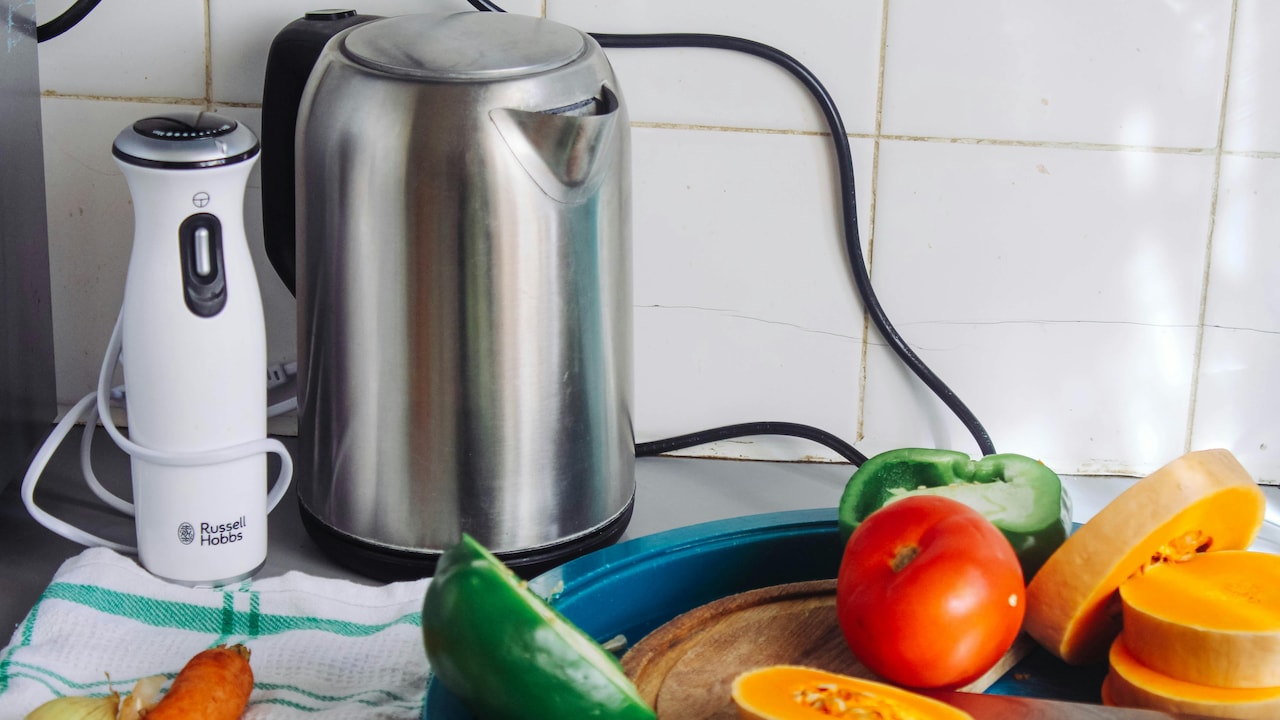
Best Portable Blenders of 2026: How to Pick the Best Travel Blenders for On-the-Go Nutrition.
Life rarely slows down. Between early office calls, metro rides, gym sessions squeezed into lunch breaks and weekend getaways to the hills, nutrition often slips through the cracks. A packet of chips becomes breakfast. Sugary coffee replaces a proper meal. That familiar promise to “eat better from Monday” quietly fades.
Portable blenders have stepped in as a practical solution. Compact, rechargeable and surprisingly powerful, these small devices now crush ice, blitz nuts and whip up protein shakes in under a minute. Prices range from ₹1,500 for basic models to ₹6,000 for premium designs, making them accessible to students, working professionals and fitness enthusiasts alike.
Yet not every travel blender deserves a spot in a backpack. Some struggle with frozen fruit. Others leak at the worst moment. A few sound like a construction site at 6 a.m. Choosing the right one requires more than scanning online ratings.
The sections below break down exactly what to look for in 2026's best portable blenders, blending practicality with real-life scenarios that feel all too familiar.
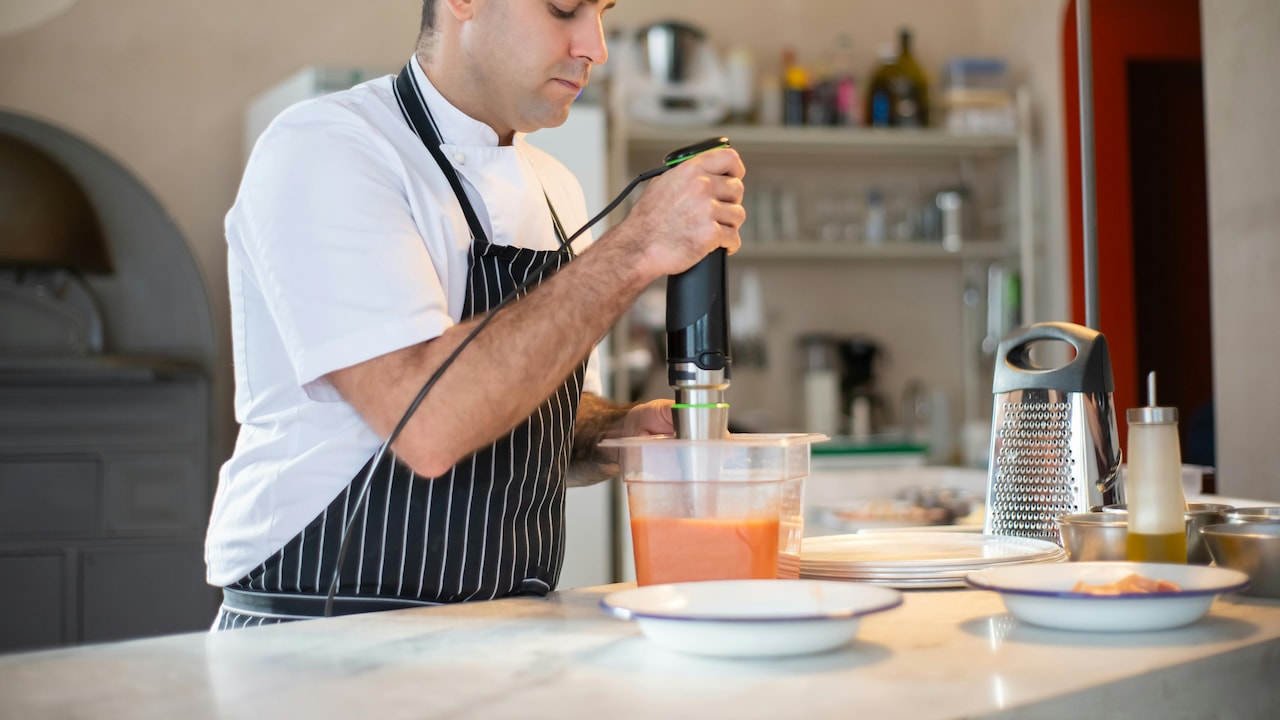
Best Portable Blenders of 2026: How to Pick the Best Travel Blenders for On-the-Go Nutrition
Photo Credit: Pexels
What To Look For Before Buying A Portable Blender In 2026
Power And Motor Strength Matter More Than Hype
A portable blender may look sleek on the outside, but its true character lies in the motor. Many brands boast about aesthetics and colour options, yet power determines whether morning smoothies feel silky or painfully lumpy.
In 2026, strong portable blenders typically offer 150 to 300 watts of power. That range handles bananas, soaked almonds, spinach and even small ice cubes without protest. Lower-powered models often stall mid-blend, forcing an awkward shake-and-restart routine that tests patience before sunrise.
Motor strength also affects durability. A weak motor strains under pressure, shortens lifespan and drains the battery faster. That becomes frustrating during travel, especially on long train journeys where charging points remain scarce.
For daily protein shakes after gym sessions, look for models that promise consistent torque rather than exaggerated blade speed claims. Marketing jargon often distracts from practical performance.
A reliable motor transforms the blender from a cute gadget into a dependable companion. Without that strength, portability loses its charm.
Battery Life That Keeps Up With Real Life
Battery life separates convenience from constant irritation. A portable blender should not demand daily charging like an ageing smartphone.
Most quality models in 2026 provide 10 to 20 blends per full charge. That proves sufficient for several days of regular use. USB-C charging has become standard, allowing quick top-ups from power banks, laptops or even car chargers during road trips.
Consider typical routines. A college student might blend a fruit smoothie every morning. A corporate professional may use it twice a day for meal replacement shakes. Frequent charging soon becomes tiresome if the battery struggles to last even three uses.
Charging time also matters. Premium blenders now reach full charge within two hours, while cheaper variants may take four to five hours. Long charging times reduce spontaneity.
Battery indicators offer added reassurance. Clear LED signals prevent sudden shutdowns mid-blend, which often result in half-crushed fruit and rising frustration.
Strong battery performance supports busy days, whether commuting across the city or heading to a weekend trek.
Blade Quality And Material Make The Difference
Blades define blending efficiency. High-grade stainless steel blades resist rust and maintain sharpness over time. In 2026, six-blade configurations dominate the portable blender market, offering smoother results compared to older four-blade designs.
Sharper blades reduce blending time. They also prevent motor strain, which improves longevity. Frozen berries, peanut butter and chia seeds require robust cutting action. Weak blades simply churn ingredients without properly breaking them down.
Design plays a role, too. Angled blades create a vortex effect that pulls ingredients downward, preventing stubborn chunks from sticking near the lid.
Maintenance should remain simple. Detachable blade assemblies ease cleaning and reduce lingering odours. Some advanced models include self-cleaning modes that require just water and a drop of dish soap.
A well-designed blade system ensures consistent texture. Nobody enjoys chewing half-blended spinach in an otherwise perfect mango smoothie.
Size, Capacity And Portability Balance
Portability remains the central promise. Yet size must strike the right balance between convenience and capacity.
Most travel blenders hold between 300 ml and 500 ml. A 300 ml jar suits quick fruit blends or protein shakes. Larger capacities work better for meal replacements or sharing with a friend during a road trip.
Weight also influences practicality. Models under 1 kg slip easily into backpacks without adding strain. Bulky designs defeat the purpose of portability.
Cup-holder compatibility offers surprising convenience. Many 2026 models fit neatly into car cup holders, allowing safe storage during long drives.
Compact design should not compromise stability. A sturdy base prevents accidental tipping during blending, especially on uneven surfaces such as hostel desks or campsite tables.
Finding the right size ensures the blender integrates smoothly into daily routines rather than becoming another unused appliance gathering dust.
Ease Of Cleaning Saves Time And Patience
Cleaning often determines whether a gadget earns daily use or quiet neglect.
Portable blenders must simplify this task. Removable jars, smooth interiors and wide openings allow easy rinsing. Many current models support quick self-cleaning: fill halfway with water, add a drop of soap and blend for 20 seconds.
Avoid narrow designs that trap fruit pulp beneath the blades. Residue left overnight creates unpleasant odours and stubborn stains.
Dishwasher-safe components add extra convenience, though always check manufacturer instructions. Premium models often include detachable silicone seals that prevent hidden mould build-up.
Simple cleaning encourages consistency. When post-gym fatigue hits or deadlines loom, nobody wants to wrestle with stubborn smoothie remnants.
A travel blender that cleans effortlessly becomes part of a healthy routine rather than an occasional experiment.
Build Quality And Durability For Everyday Use
Portable blenders face rougher treatment than traditional countertop machines. They travel in backpacks, endure train vibrations and sometimes land on office desks with less grace than intended.
Durable materials matter. BPA-free plastic jars resist cracking, while reinforced bases protect internal components. Premium models incorporate tempered glass or thick Tritan plastic for extra strength.
Leak-proof sealing prevents embarrassing spills inside bags. Strong silicone gaskets ensure tight closure even when shaken.
Buttons and charging ports should feel sturdy. Loose connections often signal poor internal wiring, which may fail within months.
Spending ₹3,000 to ₹5,000 on a durable model often proves wiser than replacing a ₹1,500 blender twice a year.
Durability transforms a trendy gadget into a reliable long-term investment.
Noise Levels And Early Morning Realities
Early mornings demand quiet efficiency. A blender that roars like heavy machinery rarely wins appreciation in shared flats or family homes.
Modern portable blenders in 2026 prioritise noise reduction. Improved motor insulation and balanced blade rotation reduce vibration.
While no blender operates silently, quality models maintain manageable sound levels comparable to an electric toothbrush. Cheaper variants often produce a sharp, rattling noise that echoes through small kitchens.
Noise becomes especially relevant for hostel residents or those blending breakfast before sunrise. Consider this factor carefully when reading product specifications.
Quiet operation supports consistency. When a blender blends smoothly without startling everyone nearby, daily use feels effortless rather than awkward.
Safety Features And Smart Technology
Safety remains essential, especially in compact devices designed for travel.
Most reliable portable blenders now include safety locks that prevent operation unless the jar sits correctly on the base. This feature avoids accidental activation inside bags.
Overheat protection safeguards the motor during heavy use. Automatic shut-off mechanisms preserve battery life and internal components.
Some premium models integrate smart indicators. LED lights signal battery status, blending progress and error alerts. These small details enhance user experience significantly.
Child safety also matters in households where curious hands explore new gadgets. Secure lids and stable bases reduce risk.
Modern technology enhances practicality without complicating usage. Simplicity combined with safety ensures smooth everyday blending.
Value For Money And Warranty Considerations
Price often influences decisions. Portable blenders span a wide range, from ₹1,500 entry-level models to ₹6,000 high-end options.
Higher prices usually reflect better battery capacity, stronger motors and superior build quality. However, expensive does not always mean suitable.
Evaluate warranty terms carefully. A one-year warranty remains standard, while premium brands now offer extended coverage up to two years.
Customer service responsiveness also affects long-term satisfaction. Quick replacement policies and accessible support centres make a noticeable difference.
Think beyond initial cost. Frequent replacements due to poor quality ultimately exceed the price of a reliable model.
Smart spending balances features, durability and realistic daily needs.
Best Portable Blenders of 2026: How to Pick the Best Travel Blenders for On-the-Go Nutrition
Photo Credit: Unsplash
Matching The Blender To Lifestyle Goals
The best portable blender depends on individual goals. Fitness enthusiasts prioritise protein shake performance and ice-crushing ability. Office workers may value compact design and quick cleaning. Students often seek affordability and reliable battery life.
Consider typical ingredients. Frequent use of frozen fruit demands stronger motors. Green smoothies require efficient blade rotation to avoid leafy residue.
Lifestyle patterns guide the choice. Weekend travellers benefit from lightweight models. Those blending twice daily need dependable battery capacity.
Aligning the blender with daily habits ensures consistent use. A mismatched gadget soon ends up forgotten in a cupboard.
Thoughtful selection transforms a small appliance into a supportive health companion.
Products Related To This Article
1. Kuvings New 2025 Nutri Blender PRO 2.0 Ferrari Red
2. Kilig Vortex Pro 360W Dual Mode Portable Blender for Smoothie and Juices
3. NutriPro Juicer Mixer Grinder - Smoothie Maker - 500 Watts
4. InstaCuppa Portable Blender for Smoothie and Juices
5. 360W Portable Blender for Smoothie and Juices
Portable blenders have evolved into practical tools for modern living. They bridge the gap between intention and action, making fresh nutrition possible even on hectic days.
Choosing wisely requires attention to motor strength, battery life, blade quality, durability and cleaning ease. Noise levels, safety features and warranty coverage also deserve careful thought.
A dependable travel blender can replace rushed breakfasts with nourishing smoothies, support fitness routines and reduce reliance on processed snacks. It fits seamlessly into city commutes, campus life and spontaneous road trips.
In 2026, the best portable blender does not simply blend ingredients. It supports healthier choices in real life, without fuss or complication. With thoughtful selection and realistic expectations, this compact companion may become one of the most used appliances in the kitchen — and perhaps the most appreciated.
(Disclaimer: This article may include references to or features of products and services made available through affiliate marketing campaigns. NDTV Convergence Limited (“NDTV”) strives to maintain editorial independence while participating in such campaigns. NDTV does not assume responsibility for the performance or claims of any featured products or services.)