Blackout Or Thermal Curtains? Learn The Real Difference And Which Works Best
Confused between blackout and thermal curtains? Discover how each works, their real benefits, and which suits your home best, from better sleep to lower electricity bills and year-round comfort.

Blackout Curtains Vs Thermal Curtains: Key Differences, Benefits And Which One To Choose.
Curtains rarely receive attention until a problem appears. Morning sunlight interrupts precious weekend sleep. Summer heat turns living rooms into ovens. Winter evenings feel unexpectedly chilly despite closed windows. Suddenly, curtains stop being home décor and become a necessity.
In recent years, conversations around blackout and thermal curtains have grown louder, especially as electricity costs climb and urban homes face stronger sunlight, traffic glare, and unpredictable weather shifts. Many shoppers assume both curtains do the same job. After all, thicker fabric must mean better insulation and darkness, right? Not quite.
The confusion often begins in home stores where labels promise “energy saving”, “light blocking”, or “temperature control” without clearly explaining differences. A family might spend ₹4,000–₹8,000 on curtains expecting cooler rooms, only to realise the fabric merely blocks light but traps heat. Others buy thermal curtains hoping for darkness and still wake at dawn.
Understanding how each curtain functions transforms a routine purchase into a smart household investment. The right choice improves sleep, reduces reliance on air conditioners, and even changes how comfortable a home feels throughout the year. This guide breaks down the differences in simple terms, helping readers decide which curtain truly matches their needs.
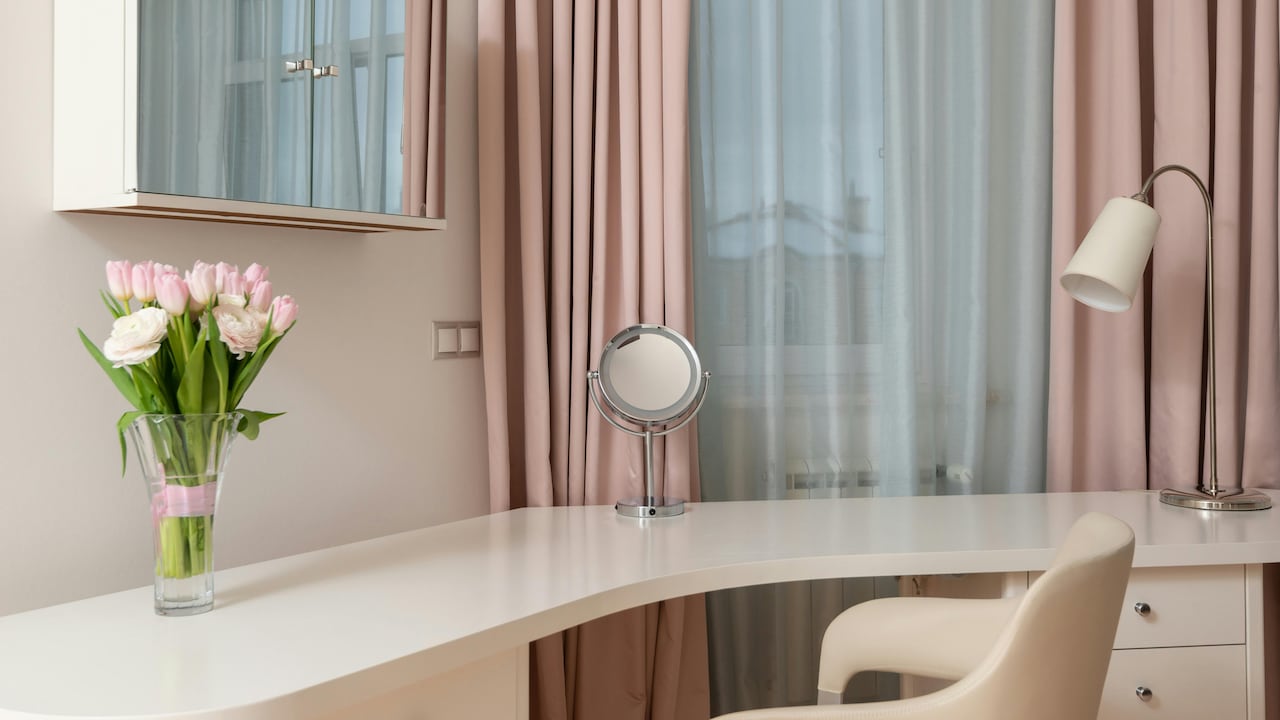
Blackout Or Thermal Curtains? Learn The Real Difference And What Works?; Photo Credit: Pexels
Choosing The Right Curtains For Comfort, Sleep And Savings
Understanding What Blackout Curtains Actually Do
Blackout curtains exist for one primary purpose: blocking light almost completely. Unlike regular curtains, they use tightly woven fabric combined with a special backing layer that prevents sunlight from passing through. The effect feels immediate. Rooms become darker even at midday, creating an environment similar to late evening.
These curtains gained popularity in bedrooms facing busy streets or bright apartment corridors. Anyone living near glowing billboards or street lamps understands the struggle of constant light creeping through windows. Blackout curtains solve this problem beautifully by creating visual calm.
Parents often prefer them for children's rooms, especially when afternoon naps clash with harsh daylight. Shift workers also find relief, as sleeping during daytime becomes easier when brightness disappears. The psychological effect matters as much as the physical one. Darkness signals the brain to rest.
However, blackout curtains focus mainly on light control. While thicker material may reduce some heat, insulation is not its main strength. Some rooms still feel warm despite complete darkness. Think of them as sunglasses for a home: excellent at blocking glare but not always effective at changing temperature dramatically.
Understanding this core function prevents disappointment later. Blackout curtains excel at darkness, privacy, and improved sleep rather than temperature regulation.
How Thermal Curtains Work Behind The Fabric
Thermal curtains take a different approach. Instead of prioritising darkness, they focus on temperature control. Their design includes multiple layers, often featuring insulating foam or dense lining that slows heat transfer between indoors and outdoors.
During scorching summers, thermal curtains reduce the amount of heat entering through windows. In cooler months, they help retain indoor warmth. The science remains simple: trapped air within layers acts as insulation, similar to how double-layered clothing keeps the body comfortable.
Homes exposed to direct afternoon sun often benefit the most. West-facing windows can turn rooms unbearable by evening. Thermal curtains create a barrier that reduces heat gain, easing the workload on fans or air conditioners. Over months, this can translate into noticeable savings on electricity bills.
Many households notice rooms staying comfortable longer after switching to thermal curtains. An air conditioner running for one hour may maintain cooling for extended periods because less heat sneaks inside.
Unlike blackout curtains, thermal versions may allow slight light penetration depending on fabric choice. Some designs combine insulation with moderate light filtering, creating a balanced environment rather than total darkness.
Thermal curtains behave like quiet energy savers. They work continuously, often unnoticed, yet influence comfort every single day.
Also Read: How To Choose Heat-Blocking Curtains Without Darkening The Room
The Core Difference Between Blackout And Thermal Curtains
At first glance, both curtains appear similar. Thick fabric, heavy fall, and premium price tags make them seem interchangeable. Yet their intentions differ fundamentally.
Blackout curtains aim to eliminate light. Thermal curtains aim to control temperature. That distinction shapes everything from material composition to performance expectations.
Imagine two scenarios. A bedroom receives intense morning sunlight but remains naturally cool due to shade from neighbouring buildings. Blackout curtains solve the problem perfectly by preventing early wake-ups. Installing thermal curtains here might not deliver meaningful benefits.
Now picture a living room that feels hot even with the curtains closed. Sunlight heats glass windows, which radiate warmth indoors. Thermal curtains slow this heat transfer, improving comfort even if some light remains visible.
Another difference lies in construction. Blackout curtains rely on opaque backing layers, often acrylic or polyester-coated. Thermal curtains depend on insulation layers that trap air pockets. Some premium products combine both features, but many affordable options emphasise one function over the other.
Choosing between them becomes easier once priorities become clear: darkness or temperature control. Mixing up expectations leads to dissatisfaction rather than poor product quality.
Impact On Sleep Quality And Daily Comfort
Sleep experts frequently emphasise darkness as a key factor in maintaining healthy sleep cycles. Exposure to light reduces melatonin production, making it harder to fall asleep or stay asleep. Blackout curtains directly address this issue by creating near-total darkness regardless of outside conditions.
For city dwellers surrounded by glowing traffic signals and late-night activity, this difference feels transformative. A room wrapped in darkness encourages deeper rest, calmer mornings, and fewer interruptions during the night.
Thermal curtains influence comfort differently. Instead of targeting sleep hormones, they stabilise room temperature. Anyone who has tossed and turned during humid nights understands how heat disrupts rest even in dim rooms. Thermal curtains help maintain cooler interiors, especially when paired with ceiling fans or moderate air conditioning.
Families often notice children sleeping longer when rooms remain both cool and dark. This leads many households to layer curtains or choose hybrid designs.
Daily comfort extends beyond bedrooms. Watching television without glare, working from home without harsh sunlight, or enjoying afternoon tea without sweating all contribute to overall well-being. Curtains shape these small experiences quietly yet consistently.
Choosing the right type becomes less about décor and more about lifestyle. Comfort, after all, grows from tiny improvements repeated every day.
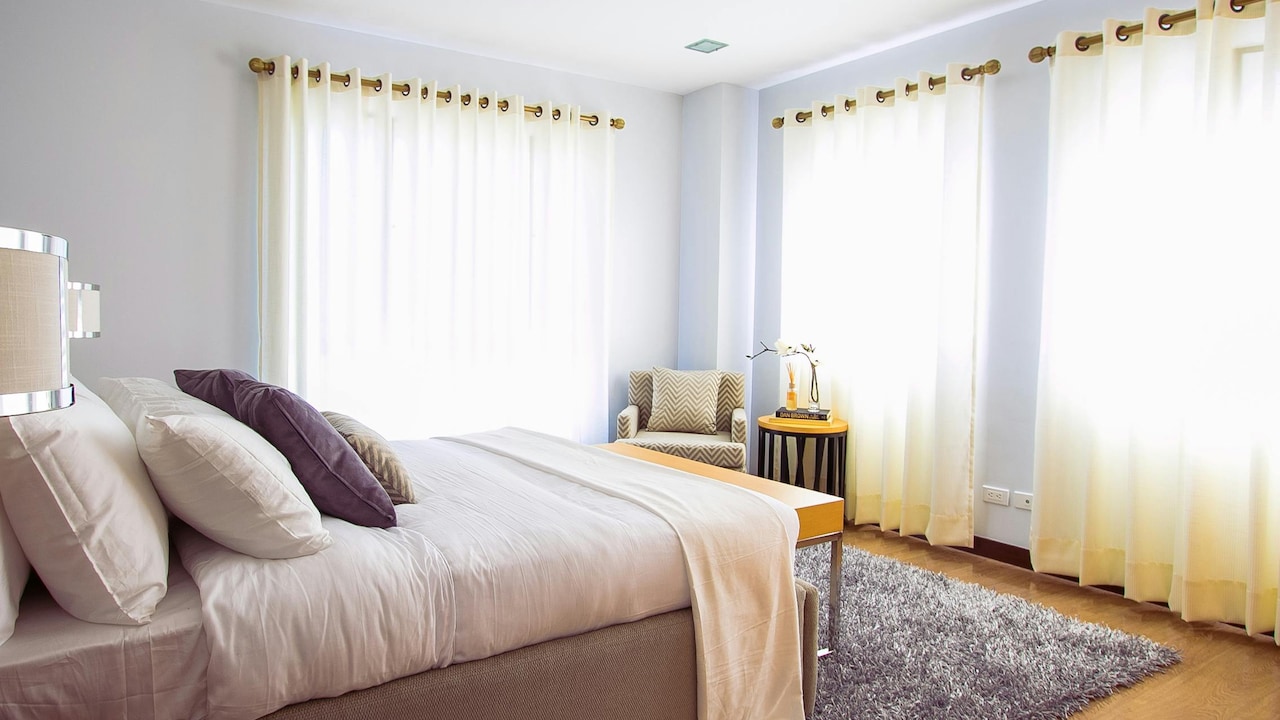
Blackout Or Thermal Curtains? Learn The Real Difference And What Works?; Photo Credit: Pexels
Energy Efficiency And Electricity Savings
Electricity bills often spark interest in thermal curtains. Cooling appliances consume significant power, particularly during peak summer months when usage increases sharply. Windows act as major entry points for heat, forcing air conditioners to work harder.
Thermal curtains reduce this heat exchange. By insulating windows, they help rooms maintain stable temperatures longer. Over several months, households may notice reduced reliance on cooling appliances. Even modest savings, such as ₹500–₹1,000 per month, accumulate into meaningful annual reductions.
Blackout curtains contribute indirectly. By blocking sunlight, they prevent solar glare and minor heat gain, yet their impact on insulation remains limited unless specifically designed with thermal lining.
Energy efficiency also depends on proper installation. Curtains must cover window edges fully and extend slightly beyond frames to minimise heat leakage. Gaps allow warm air to bypass insulation, reducing effectiveness.
Beyond financial savings, reduced electricity use also lowers environmental impact. Many households increasingly value solutions that balance comfort with responsible consumption.
Thermal curtains stand out in this category, functioning almost like passive climate control. They require no electricity, produce no noise, and operate continuously without maintenance. In an era of rising utility costs, that quiet efficiency feels surprisingly powerful.
Aesthetic Appeal And Interior Design Flexibility
Curtains influence mood as much as functionality. A beautifully designed room can feel incomplete if the curtains look heavy or mismatched. Fortunately, both blackout and thermal curtains have evolved beyond bulky hotel-style designs.
Modern blackout curtains appear in textured fabrics, subtle prints, and earthy tones that complement contemporary interiors. Matte finishes and soft drapes prevent the overly dramatic look once associated with them. Bedrooms benefit from their cosy, cocoon-like appearance.
Thermal curtains, meanwhile, often resemble standard decorative curtains. Their insulating layers remain hidden, allowing greater flexibility in colour and style choices. This makes them ideal for living rooms where aesthetics matter as much as comfort.
Interior designers frequently suggest neutral shades that reflect heat while blending with walls. Lighter colours brighten spaces without compromising insulation performance.
Layering also adds charm. Sheer curtains paired with blackout or thermal panels allow flexibility throughout the day. Morning light filters softly through sheers, while heavier curtains close during peak heat or nighttime.
Good curtains never feel purely functional. They frame windows like artwork frames a painting, subtly shaping how a space feels. The best choice balances performance with personality, ensuring comfort without sacrificing visual harmony.
Climate Considerations And Seasonal Needs
Weather patterns play a significant role when choosing curtains. Regions experiencing intense summer heat benefit greatly from thermal curtains due to their insulation properties. Rooms exposed to prolonged sunlight stay cooler when protected by layered fabrics.
During monsoon months, thermal curtains also help prevent damp indoor air from drastically affecting room temperature. They create a buffer that reduces sudden temperature swings caused by heavy rain and humidity.
Blackout curtains become especially useful in areas with longer daylight hours or homes facing east. Early sunrise can disrupt sleep routines, particularly during warmer seasons when mornings arrive bright and early.
Seasonal flexibility matters too. Thermal curtains support both summer cooling and winter warmth, making them suitable year-round. Blackout curtains remain consistent performers regardless of season but primarily address light rather than climate.
Some households rotate curtain styles depending on the time of year, though this requires additional storage and expense. Others invest in hybrid curtains that combine thermal insulation with blackout lining, achieving all-season performance.
Understanding climate patterns helps avoid unnecessary spending. Curtains should respond to environmental needs rather than follow trends. When chosen thoughtfully, they adapt quietly to changing seasons while maintaining indoor comfort.
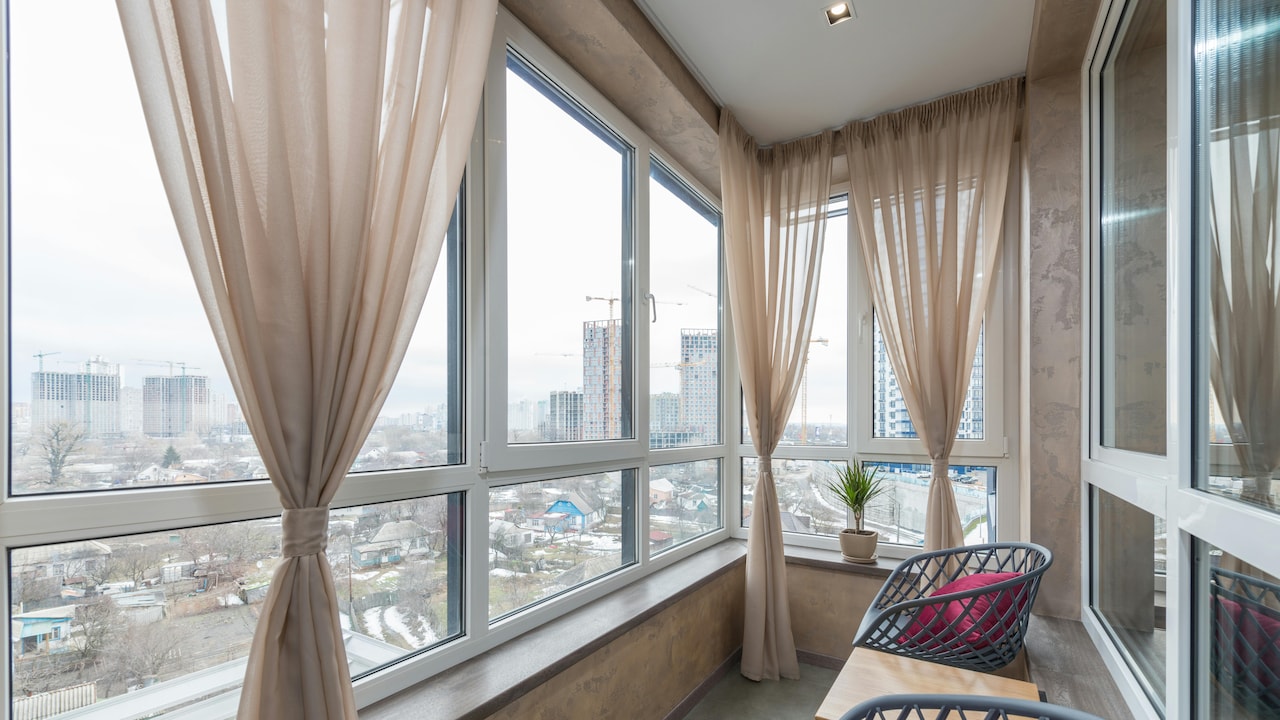
Blackout Or Thermal Curtains? Learn The Real Difference And What Works?; Photo Credit: Pexels
Cost Comparison And Long-Term Value
Price often influences purchasing decisions, especially when furnishing an entire home. Blackout curtains typically cost less than thermal curtains due to simpler construction. Standard options range between ₹1,500 and ₹4,000 per window, depending on fabric quality and size.
Thermal curtains usually fall within ₹3,000 to ₹8,000 because of specialised insulating layers. At first glance, the higher cost may seem excessive. However, long-term savings through reduced electricity consumption can offset the initial investment.
Durability also affects value. Thermal curtains tend to retain structure longer due to thicker material. Blackout coatings, especially cheaper ones, may fade or crack after years of sun exposure if quality remains low.
Maintenance costs remain similar for both types, though gentle washing and limited sun drying extend lifespan significantly.
Many homeowners view curtains as décor expenses rather than functional upgrades. Yet when measured against monthly energy bills or improved sleep quality, the investment begins to feel practical rather than indulgent.
The best value emerges when the curtains match actual needs. Spending ₹6,000 on thermal curtains for a naturally cool room wastes money, just as buying blackout curtains for a heat-prone space may fail expectations.
Smart choices prioritise function first, price second.
Installation Tips That Make A Real Difference
Even premium curtains fail without proper installation. Placement affects performance more than many realise. Curtains mounted too close to the window edges allow light and heat to escape through gaps.
Installing rods higher than the window frame creates an illusion of taller ceilings while improving coverage. Curtains should ideally touch the floor to prevent air circulation beneath them. This small adjustment enhances both insulation and light blocking.
Wall-mounted brackets extending outward slightly help curtains wrap around the window sides. This technique minimises sunlight leakage, especially during mornings and late afternoons.
Fabric fullness also matters. Panels that appear stretched when closed reduce effectiveness. Slightly wider curtains create natural folds that trap air, improving insulation performance.
Some households add curtain liners instead of replacing existing curtains entirely. This budget-friendly solution enhances performance without changing the décor drastically.
Professional installation may cost ₹500–₹1,000 per window, but often proves worthwhile for large or heavy curtains. Proper setup ensures curtains deliver promised benefits consistently.
Think of installation as the final step in unlocking performance. Without it, even the best curtain behaves like an ordinary piece of fabric rather than a comfort-enhancing feature.
Which One Works Best For Different Living Spaces
Different rooms demand different solutions. Bedrooms benefit most from blackout curtains because sleep quality depends heavily on darkness and privacy. A peaceful bedroom often becomes the strongest argument for choosing blackout fabric.
Living rooms exposed to strong sunlight gain more from thermal curtains. Temperature control improves daytime comfort, making gatherings or relaxation more enjoyable without excessive cooling costs.
Home offices require balance. Too much darkness feels gloomy, yet heat and glare reduce productivity. Many professionals prefer thermal curtains paired with adjustable blinds to control both brightness and temperature.
Children's rooms often work best with hybrid curtains combining blackout and thermal features. Afternoon naps remain uninterrupted while rooms stay cooler during playtime.
Rental homes introduce another factor: flexibility. Lightweight blackout curtains offer quick solutions without permanent changes, while thermal curtains suit long-term residences where energy savings accumulate over the years.
Ultimately, no single curtain wins universally. The best option depends on the room function, sunlight exposure, and daily routines. Matching the curtain type to lifestyle transforms an ordinary purchase into a thoughtful upgrade that improves everyday living.
Products Related To This Article
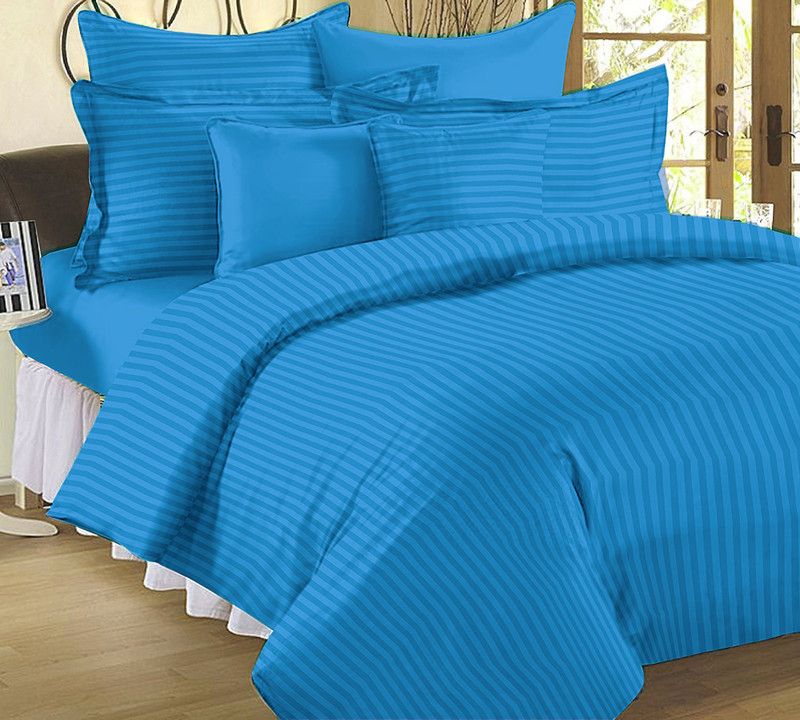
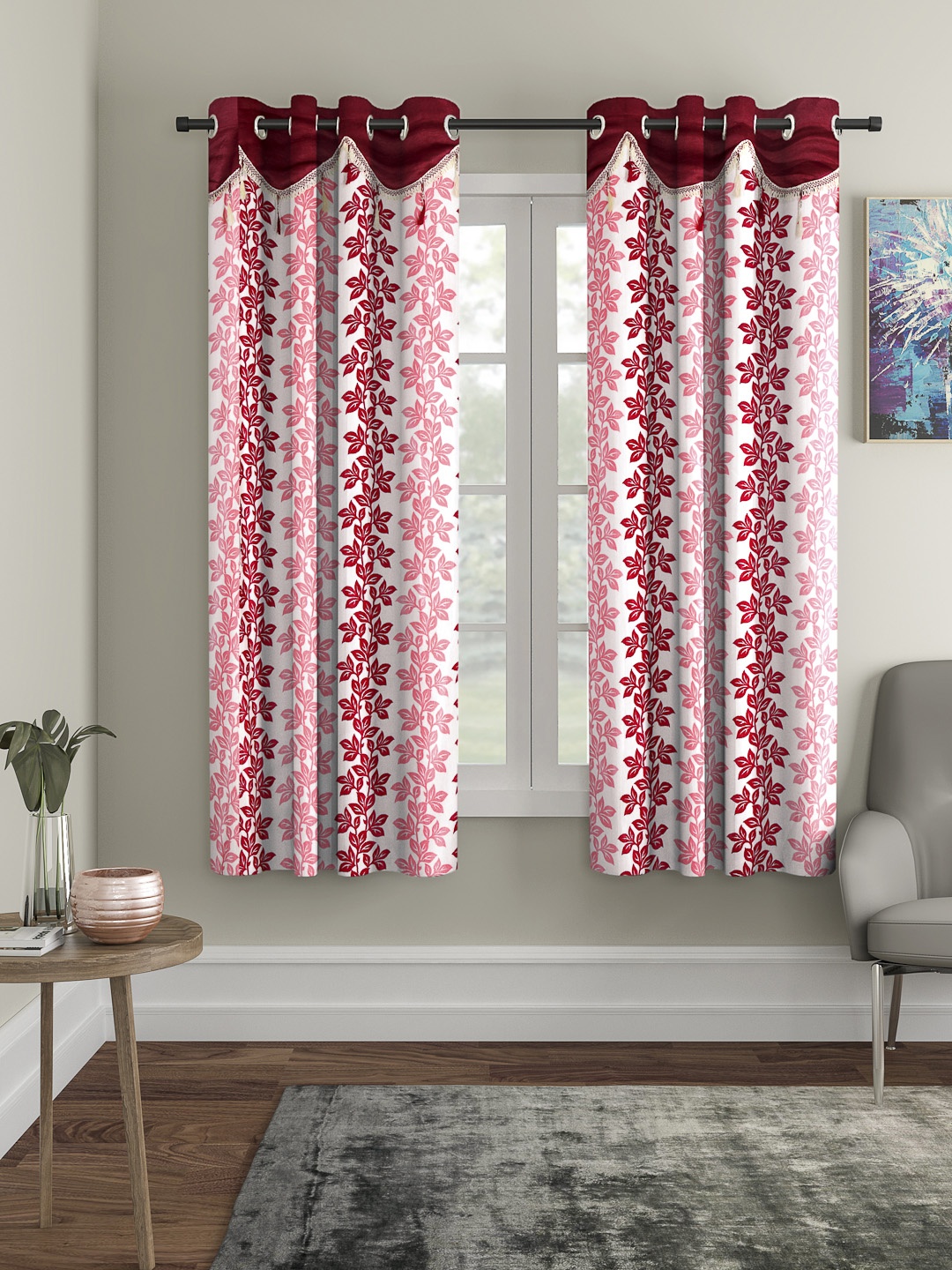
1. Velvet Curtain 9 Feet Long|Thermal Insulated Curtains for Door
2. Home Sizzler 1 Piece Thermal Insulated Solid Blackout Triple-Weave Grommet Polyester Curtains
3. Story@Home 100% True Blackout Door Curtains 7 Feet Set of 1
4. 100% Solid Blackout Curtain 7 feet 450GSM Pack of 2 Pieces Italian Silk with 3 Threads Weaving Technology Thermal UV Insualted Draperies Energy Saving
5. Cloth Fusion Solid 100% Blackout Door Curtains 7 Feet Long Set of 2 with BlackoutLining
6. HOMEMONDE Blackout Curtains 7 Feet Long Set of 2
7. Amazon basics - Room Darkening Blackout Window Curtains
The debate between blackout and thermal curtains rarely has a one-size-fits-all answer. Each serves a distinct purpose shaped by design and intention. Blackout curtains master darkness, improving sleep and privacy with remarkable efficiency. Thermal curtains excel at regulating temperature, reducing heat transfer and supporting energy savings.
Understanding these differences prevents costly mistakes and unmet expectations. A well-rested morning or a comfortably cool evening often begins with the right curtain choice rather than expensive appliances.
Homes today demand solutions that combine comfort, practicality, and style. Curtains, once seen as simple décor, now play a meaningful role in shaping indoor environments. Choosing wisely transforms windows into protective barriers against glare, heat, and discomfort.
In the end, the best curtain is not the most expensive or fashionable one. It is the one that quietly solves everyday problems, helping spaces feel calmer, cooler, darker, and more welcoming, exactly when needed most.
(Disclaimer: This article may include references to or features of products and services made available through affiliate marketing campaigns. NDTV Convergence Limited (“NDTV”) strives to maintain editorial independence while participating in such campaigns. NDTV does not assume responsibility for the performance or claims of any featured products or services.)