Wooden Bed Vs Engineered Wood Bed: Which Option Offers Better Durability?
Choosing between a wooden bed and an engineered wood bed? Discover which option offers better durability, longevity, and value based on climate, usage, maintenance, and long-term costs.
Wooden Bed Vs Engineered Wood Bed: Which One Is More Durable And Worth Your Money? Find Out Now.
Furniture shopping often begins with excitement and ends with endless comparisons. A bed, especially, invites careful thought because it remains part of daily life for years. Walk into any furniture showroom or browse online marketplaces, and two choices dominate the conversation: solid wooden beds and engineered wood beds.
At first glance, both look equally appealing. A polished wooden frame radiates warmth and tradition, while engineered wood designs offer sleek finishes and modern practicality. Price tags vary widely, ranging from ₹8,000 for compact engineered frames to over ₹60,000 for premium hardwood pieces. The decision rarely rests on looks alone. Durability becomes the deciding factor once the initial excitement fades.
Homes today face changing lifestyles. Apartments grow compact, people relocate more often, and furniture must balance longevity with flexibility. Some buyers seek heirloom-quality strength, while others prioritise affordability and convenience. Understanding how each material performs over time prevents costly replacements and unnecessary frustration.
The comparison ahead breaks down durability from multiple angles, exploring construction, climate resilience, maintenance demands, and long-term value. By the end, choosing the right bed should feel less like a gamble and more like a confident decision.
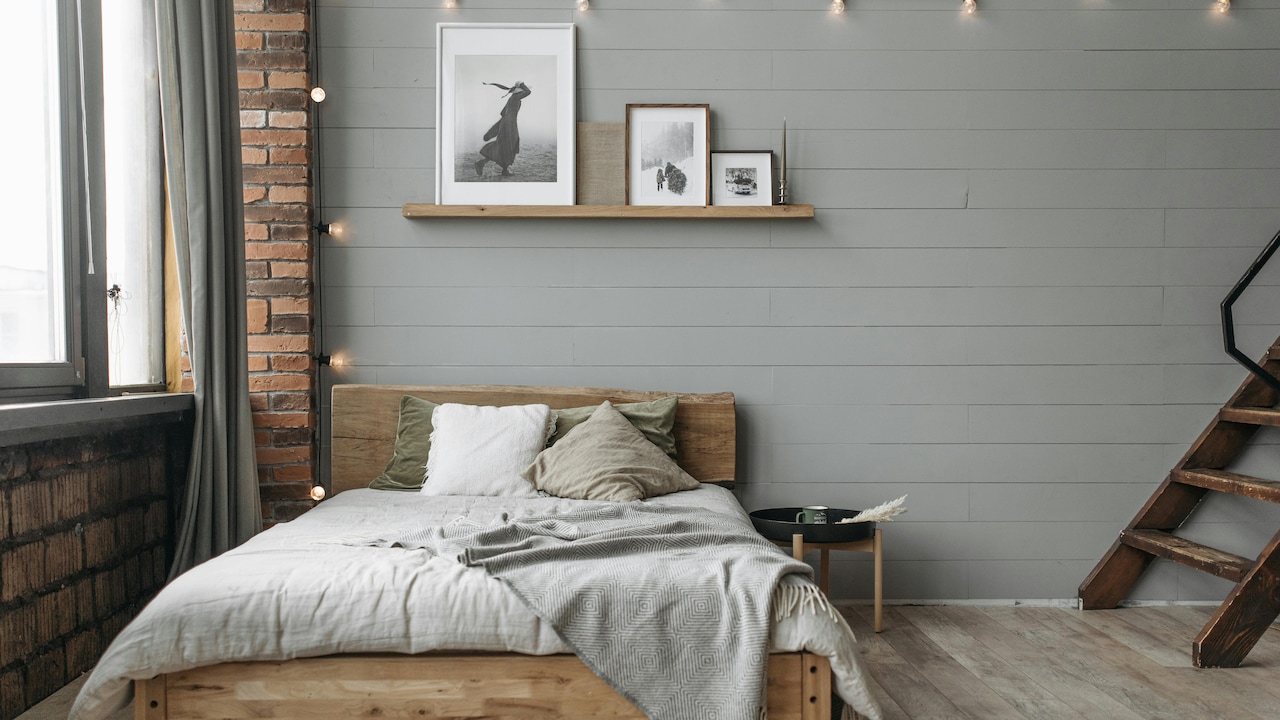
Wooden Bed Vs Engineered Wood Bed: Which Option Offers Better Durability?; Photo Credit: Pexels
Understanding Durability: Key Factors That Influence Your Bed's Lifespan
Material Strength And Structural Integrity
Durability begins with what lies beneath the polish. Solid wooden beds use natural timber such as sheesham, teak, or mango wood. These materials grow slowly and develop dense grain structures that resist bending under weight. A well-crafted wooden bed often feels reassuringly heavy, almost immovable once placed.
Engineered wood tells a different story. Manufacturers create it by compressing wood fibres, particles, or veneers with adhesives under pressure. Popular types include MDF, plywood, and particle board. Each type offers varying levels of strength, yet none replicate the natural grain strength of solid timber entirely.
Daily usage highlights this difference. Jumping, shifting mattresses, or frequent movement places stress on joints and panels. Solid wood absorbs impact better because fibres run continuously through the frame. Engineered wood relies on bonding agents, which may weaken after years of strain.
That said, modern engineering has improved reliability significantly. High-quality plywood beds handle regular use well when assembled correctly. The real challenge appears when cheaper variants enter the market. Lower-grade boards may sag within a few years, especially under heavier loads.
Strength, therefore, depends not only on material type but also on craftsmanship and quality standards.
Resistance To Climate And Moisture
Weather quietly shapes furniture's lifespan. Coastal humidity, monsoon dampness, and fluctuating temperatures test every material differently. Solid wood reacts naturally to moisture by expanding and contracting. Skilled carpentry allows slight movement without structural damage, which explains why old wooden furniture often survives decades.
However, neglect causes problems. Excess humidity may lead to swelling or minor warping if protective polish wears off. Regular polishing helps maintain stability and keeps moisture from penetrating deeply.
Engineered wood behaves differently. MDF and particle board absorb water quickly once exposed. Even a small spill left unattended may cause edges to puff up permanently. Anyone who has seen swollen cabinet corners understands this weakness instantly.
Plywood performs better because layered veneers resist moisture more effectively. Many manufacturers also apply laminates that offer surface protection. Still, prolonged exposure to damp floors or leaks remains risky.
In homes where monsoon seasons bring persistent humidity, material choice matters greatly. Solid wood handles environmental changes with resilience, while engineered wood demands stricter care and placement away from moisture-prone areas.
Also Read: 5 Best King-Size Wooden Beds with Storage And How to Decorate Them For Your Bedroom
Longevity And Life Expectancy
Durability often translates into years of dependable use. A solid wooden bed frequently lasts fifteen to twenty-five years, sometimes longer, with proper maintenance. Families often pass such furniture between generations, giving it emotional as well as financial value.
Engineered wood beds typically offer a shorter lifespan. Good-quality plywood structures may last eight to twelve years, while particle board variants may show wear within five to seven years. This difference does not always signal poor quality; it reflects intended design philosophy.
Modern living values flexibility. Many households relocate for work opportunities every few years. Lightweight engineered beds suit this lifestyle because they assemble and disassemble easily. Longevity becomes less critical when furniture changes alongside living spaces.
Cost comparisons reveal an interesting perspective. Spending ₹45,000 on a hardwood bed that lasts twenty years equals roughly ₹2,250 annually. Buying a ₹12,000 engineered bed every seven years may result in similar long-term expenses.
Durability, therefore, depends on expectations. Those seeking permanence often prefer solid wood, while those embracing mobility may find engineered options perfectly adequate.
Maintenance And Everyday Care
Furniture durability rarely depends solely on material; habits play a major role. Solid wooden beds reward minimal but consistent care. Occasional polishing restores shine and prevents drying cracks. Tightening screws once a year keeps joints firm. Even scratches rarely cause panic because sanding and refinishing restore the original charm.
Engineered wood beds demand a different approach. Laminated surfaces resist stains well and clean easily with a damp cloth. Busy households appreciate this convenience, especially where daily dust accumulates quickly.
Yet repairs pose challenges. Once chipped or swollen, engineered panels rarely recover fully. Replacement often becomes the only solution. Solid wood, in contrast, forgives accidents. Local carpenters can fix dents, reinforce joints, or repaint surfaces at modest costs, often under ₹2,000.
Maintenance also includes emotional comfort. Owners of wooden beds rarely worry about minor mishaps, while engineered furniture sometimes encourages extra caution. The difference may seem subtle, but over the years, stress-free usage contributes greatly to perceived durability.
Care routines, therefore, shape longevity almost as much as the material itself.
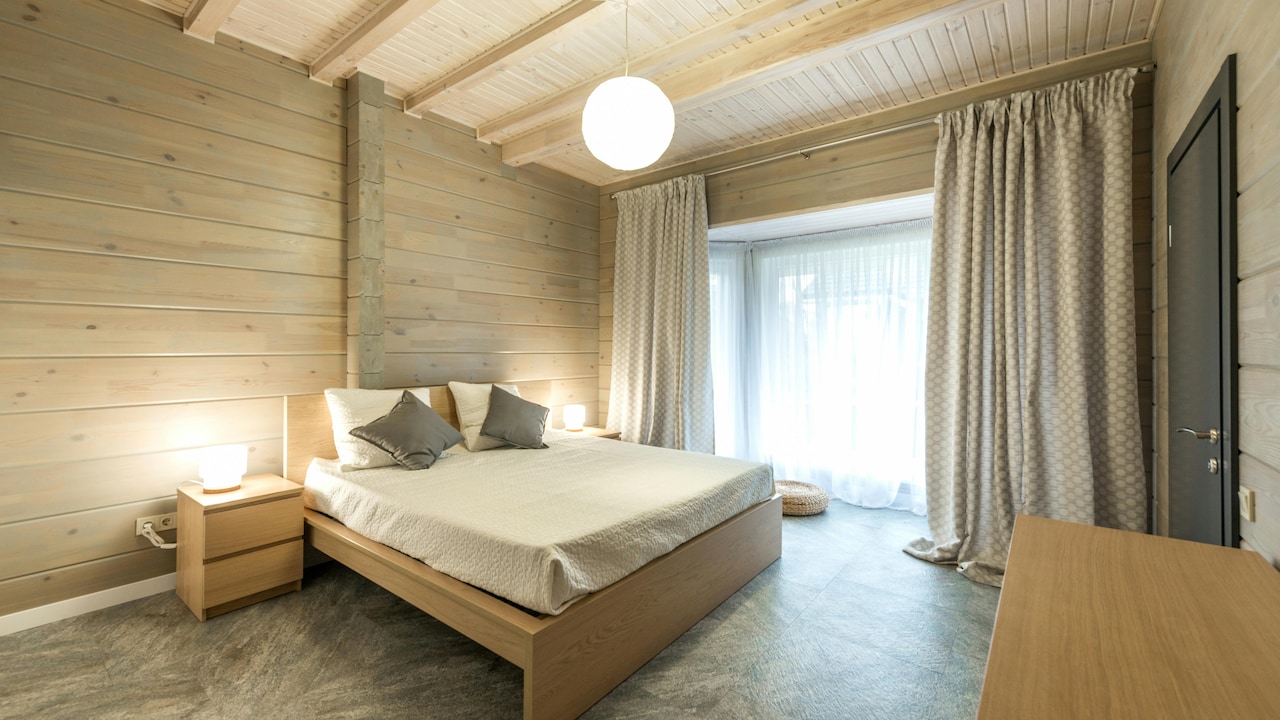
Wooden Bed Vs Engineered Wood Bed: Which Option Offers Better Durability?; Photo Credit: Pexels
Weight-Bearing Capacity And Daily Usage
A bed experiences more stress than most furniture pieces. It supports sleeping positions, mattress weight, occasional guests, and sometimes piles of unfolded laundry waiting patiently for attention.
Solid wooden beds excel in load-bearing capacity. Thick frames and sturdy slats distribute weight evenly, preventing sagging. Couples using heavy orthopaedic mattresses often prefer wooden frames because they remain stable without creaking sounds.
Engineered wood beds vary widely depending on internal structure. High-quality plywood frames perform reliably, yet thinner particle boards may struggle under continuous pressure. Over time, central panels may dip slightly, affecting mattress alignment and sleep comfort.
Daily habits influence outcomes, too. Families with energetic children often test furniture durability unintentionally. A wooden bed tolerates rough usage with quiet resilience. Engineered versions prefer gentler handling.
Noise also reveals structural health. Wooden beds may develop mild creaks after years, usually be solved by tightening joints. Engineered beds sometimes loosen at screw points because compressed boards hold fasteners less firmly.
For households prioritising robustness over convenience, solid wood offers reassuring reliability.
Repairability And Long-Term Flexibility
Durable furniture allows second chances. Solid wooden beds shine in this area because wood welcomes modification. Owners can repaint frames, change headboards, or resize components during renovations. Skilled carpenters treat wood almost like clay, shaping it according to evolving tastes.
Engineered wood limits such flexibility. Cutting or drilling new sections weakens internal bonding layers. Repairs often look noticeable because laminated finishes cannot blend seamlessly once damaged.
Consider a common scenario: shifting homes and discovering the bed no longer matches the room décor. A wooden frame accepts staining or polishing in darker or lighter shades, giving it renewed relevance without replacement. Engineered beds rarely allow such transformation.
Repair costs also differ. Reinforcing a wooden joint might cost ₹1,500, whereas replacing damaged engineered panels may cost half the original bed price.
Flexibility contributes quietly to durability. Furniture that adapts survives longer because owners continue using it rather than discarding it. In that sense, repairability extends lifespan beyond physical strength alone.
Aesthetic Ageing And Visual Durability
Durability does not concern structure alone; appearance matters too. Furniture that looks worn often feels outdated even when structurally sound.
Solid wood ages gracefully. Grain patterns deepen, colours mellow, and minor imperfections create character rather than flaws. A decade-old wooden bed often gains charm, resembling furniture seen in heritage homes or boutique stays.
Engineered wood prioritises uniformity. Laminates deliver consistent colours and contemporary finishes, from glossy white to walnut textures. Initially, they appear flawless and modern. Over time, however, edges may peel, or surfaces may lose sheen, especially in high-contact areas.
Sunlight exposure highlights another difference. Natural wood develops richer tones, while laminates may fade unevenly. Small scratches remain less visible on textured wood but stand out clearly on smooth engineered surfaces.
Visual longevity affects satisfaction deeply. Furniture that continues to look appealing encourages continued use. When aesthetics decline quickly, replacement feels inevitable even if the structure remains intact.
Thus, visual ageing plays a surprisingly important role in perceived durability.
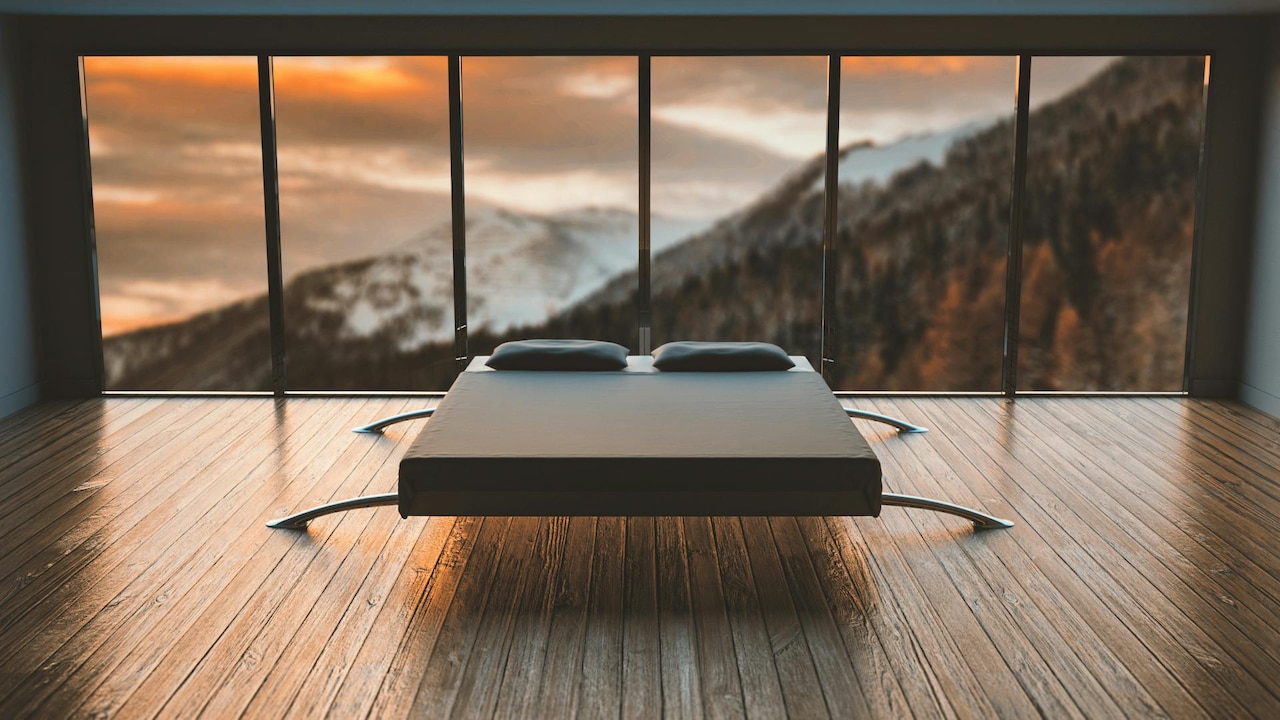
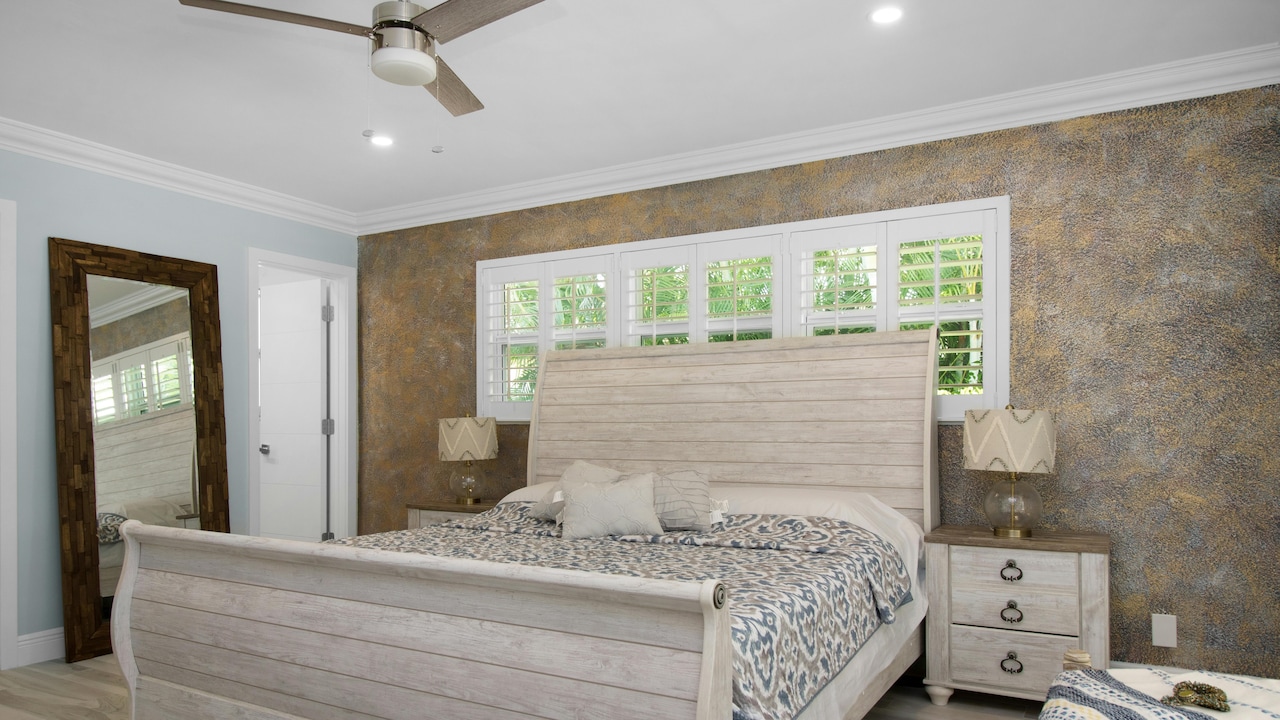
Wooden Bed Vs Engineered Wood Bed: Which Option Offers Better Durability?; Photo Credit: Pexels
Cost Efficiency Over Time
Price often drives decisions more than durability discussions. Engineered wood beds attract buyers with affordability. Stylish designs start around ₹8,000–₹15,000, making them accessible for first homes or temporary setups.
Solid wooden beds demand a higher upfront investment. Quality hardwood options usually begin near ₹30,000 and climb depending on craftsmanship. The difference feels significant during purchase, especially when furnishing an entire home.
However, long-term economics reveal another perspective. Replacement costs, repairs, and shifting preferences accumulate quietly. Buying multiple lower-cost beds over two decades may equal or exceed the price of one durable wooden frame.
Resale value also deserves attention. Solid wood furniture retains demand in second-hand markets. A well-maintained wooden bed may still sell for ₹10,000 or more after years of use. Engineered beds rarely hold resale appeal due to wear concerns.
Cost efficiency, therefore, depends on the time horizon. Short-term budgeting favours engineered wood, while long-term planning often supports investment in solid timber.
Sustainability And Environmental Considerations
Modern buyers increasingly consider environmental impact alongside durability. Solid wood raises questions about responsible sourcing, yet sustainably harvested timber offers long-lasting use that reduces replacement frequency.
Engineered wood uses smaller wood particles efficiently, minimising waste during production. This efficiency appeals to eco-conscious consumers. However, adhesives and resins used during manufacturing sometimes release chemicals over time, especially in poorly ventilated rooms.
Longevity itself influences sustainability. A bed that lasts twenty years reduces manufacturing demand compared with furniture replaced every six or seven years. Durability and environmental responsibility often intersect more closely than expected.
Recyclability differs, too. Solid wood can be repurposed into smaller furniture pieces or decorative elements. Engineered boards prove harder to reuse because bonded layers resist separation.
Environmental impact, therefore, depends on balancing material sourcing, lifespan, and disposal patterns. Choosing quality over frequent replacement often creates the most sustainable outcome.
Lifestyle Compatibility And Modern Living Needs
Durability ultimately aligns with lifestyle rather than material superiority alone. Compact apartments, frequent relocations, and evolving interior trends shape furniture choices today.
Engineered wood beds suit fast-paced urban living. Lightweight frames move easily through narrow staircases and lifts. Modular designs simplify assembly, making them practical for rented homes or temporary arrangements.
Solid wooden beds cater to stability and permanence. Their presence anchors a room, creating a sense of rooted comfort. Many households associate wooden furniture with warmth and reliability, especially when creating long-term living spaces.
Storage needs also influence decisions. Engineered beds often integrate hydraulic storage mechanisms smoothly. Wooden beds offer storage too, though heavier construction may require sturdier hardware.
Durability, therefore, reflects compatibility with daily routines. A bed that fits lifestyle demands naturally lasts longer because it continues serving its purpose without frustration.
Products Related To This Article
1. Nilkamal Arthur Wooden Double Bed Without Storage
2. Solid Sheesham Wood King Size Without Storage for Bedroom
3. Spacewood Albressa Bed |King Size
4. HITHOS Solid Wood Modern Upholstered King Size Bed with Wingback Headboard
5. Modern Low Height King Size Bed Without Storage
6. Solid Sheesham Wood Bed with Headboard & Box Storage
7. GODREJ INTERIO Bed, Arcadia V2 King Size Engineered Wood Bed with Half Hydraulic Storage
The debate between wooden beds and engineered wood beds rarely produces a universal winner. Each option delivers durability in its own way, shaped by material science, lifestyle expectations, and maintenance habits.
Solid wooden beds stand strong in structural resilience, repairability, and long-term value. They age gracefully, withstand heavy usage, and often remain reliable companions for decades. Their higher upfront cost transforms into lasting satisfaction for households seeking permanence.
Engineered wood beds shine through affordability, modern design flexibility, and convenience. They suit changing lifestyles, compact living spaces, and buyers who prioritise practicality over generational longevity.
Durability, therefore, extends beyond material strength. It reflects how furniture adapts to climate, routines, and emotional connection within a home. The better choice depends not on trends or marketing claims but on how long the bed needs to serve and how life unfolds around it.
A thoughtful decision today ensures restful nights without future regret, proving that the strongest furniture choice always begins with understanding one's own living rhythm.
(Disclaimer: This article may include references to or features of products and services made available through affiliate marketing campaigns. NDTV Convergence Limited (“NDTV”) strives to maintain editorial independence while participating in such campaigns. NDTV does not assume responsibility for the performance or claims of any featured products or services.)









![Steam Iron Teflon Shoe Cover for ES-300,ST-96 [Only For ES-300 and ST-96 Model Electric Steam Irons]](https://m.media-amazon.com/images/I/51wwkttondL._SL160_.jpg)