Can A Gaming Chair Improve Your Work Setup? Practical Tips Before You Buy
Can a gaming chair really improve your work setup? Explore comfort, ergonomics, and value before spending ₹8,000–₹25,000 on one. Practical insights to help you choose wisely.
Can A Gaming Chair Improve Your Work Setup? Practical Tips Before You Buy
Work setups have quietly evolved. Dining tables became desks, sofas turned into office corners, and posture often took a backseat. Somewhere along the way, gaming chairs entered the conversation. With bold designs and racing-style aesthetics, they look like they belong in a high-end esports arena rather than a home office. Yet, many people now consider them for everyday work. The question lingers: can a gaming chair genuinely improve a work setup, or is it just clever marketing wrapped in flashy colours? The answer isn't straightforward. Comfort depends on habits, body type, and daily routine. What works brilliantly for one person might feel awkward for another.
Before spending ₹8,000 to ₹25,000 on a chair, it helps to understand what really matters. This article dives into practical, real-life considerations, no jargon, no hype, just honest insights to help make a smart decision.
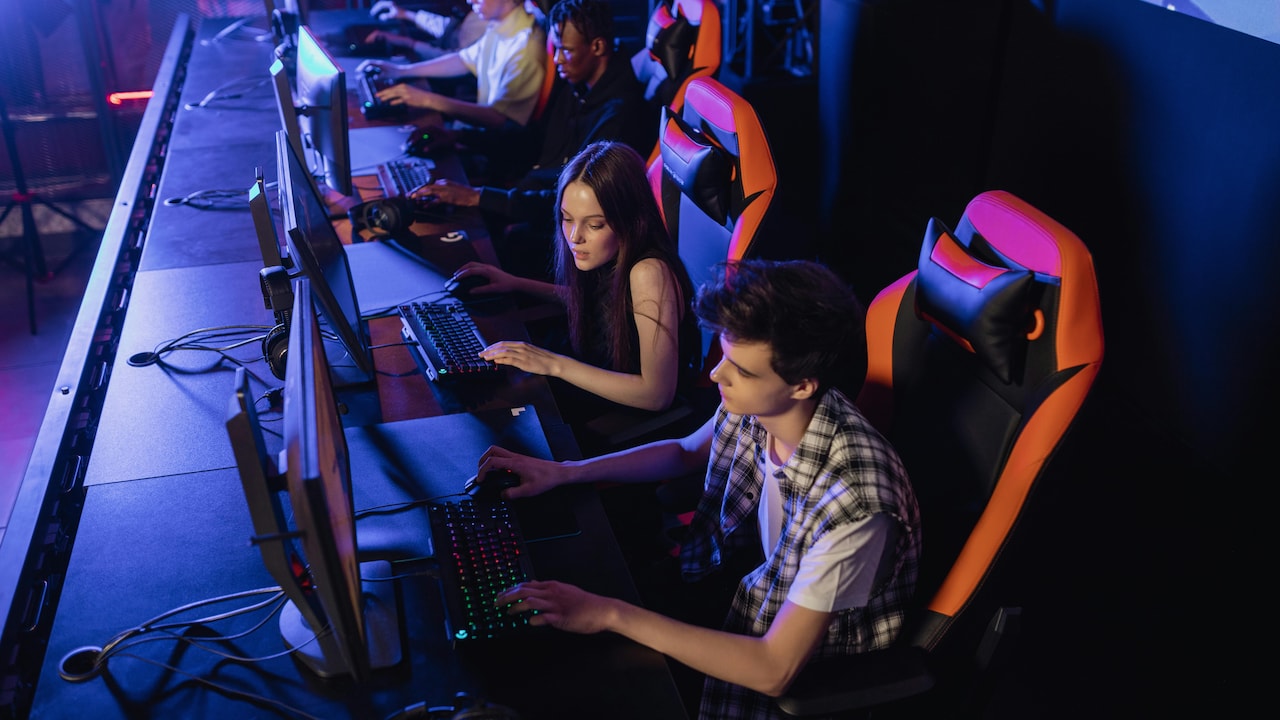
Can A Gaming Chair Improve Your Work Setup? Practical Tips Before You Buy
Photo Credit: Pexels
Key Factors To Consider Before Buying A Gaming Chair
The Allure Of Gaming Chairs: More Than Just Looks
Gaming chairs grab attention instantly. Bright stitching, high backs, and that unmistakable “racing seat” shape create a sense of excitement. For anyone tired of dull office chairs, they feel like an upgrade even before sitting down.
But appearance alone cannot justify the investment. The real draw lies in how these chairs promise to blend style with support. Many people imagine themselves sitting straighter, working longer, and feeling less tired. There's also a subtle emotional factor at play. A visually appealing setup often boosts motivation. Logging in for work feels slightly less tedious when the environment looks sharp.
However, the visual appeal sometimes overshadows practicality. A chair that looks impressive on a video call might not support the lower back properly. The excitement of unboxing can fade quickly if discomfort creeps in after a few days.
A gaming chair should not be treated like décor. It is a functional investment. Looks matter, but comfort and usability should carry more weight. Otherwise, that stylish purchase might quietly turn into an expensive regret.
Ergonomics Explained In Simple Terms
Ergonomics sounds technical, but it simply means designing something to fit the human body well. A good chair supports posture, reduces strain, and allows natural movement.
Gaming chairs often advertise ergonomic design, but not all deliver equally. The high backrest supports the spine, while adjustable armrests aim to reduce shoulder tension. Lumbar cushions, often detachable, target lower back support.
Yet, ergonomics isn't one-size-fits-all. A chair that suits a taller person might not work for someone shorter. Seat depth, height adjustment, and backrest angle all influence comfort.
A common mistake involves assuming that any expensive chair automatically offers better ergonomics. In reality, poor adjustments can ruin even the best design. Sitting cross-legged or slouching defeats the purpose entirely.
The key lies in alignment. Feet should rest flat on the floor, knees at a right angle, and the back supported without effort. A gaming chair can help achieve this, but only if adjusted properly and used consciously.
Comfort Over Hours: The Real Test
The first few minutes in a new chair often feel fantastic. Cushioned seats and supportive backs create an immediate sense of relief. The real test, however, begins after three to four hours.
Workdays rarely involve short sitting sessions. Long meetings, deadlines, and occasional binge-watching extend sitting time far beyond comfort limits. A good chair should maintain support without causing stiffness.
Gaming chairs use firm padding, which can feel unusual at first. Unlike soft sofas, they do not allow sinking in. This firmness actually helps maintain posture over time, though it may require a short adjustment period.
Sweat and heat also play a role, especially in warmer climates. Faux leather, commonly used in gaming chairs, tends to trap heat. Fabric options offer better breathability but may lack the premium look.
Comfort isn't just physical. A chair that allows easy movement, slight reclining, and relaxed arm positioning contributes to mental ease. The goal isn't luxury, it's sustained comfort without distraction.
Posture Matters More Than The Chair
A gaming chair can support good posture, but it cannot enforce it. Habits matter far more than design. Slouching, leaning forward, or sitting unevenly can undo any ergonomic benefit.
Many people expect a chair to “fix” posture instantly. That expectation leads to disappointment. Posture improves gradually through awareness and small adjustments.
Using lumbar support correctly makes a difference. It should align with the natural curve of the lower back, not push awkwardly against it. Similarly, armrests should support elbows without lifting shoulders.
Frequent breaks also matter. Standing up every hour, stretching lightly, or walking around helps maintain circulation and reduces fatigue.
A gaming chair acts as a tool, not a solution. It creates the right conditions, but posture depends on consistent effort. Without that, even the best chair becomes just another seat.
Space And Setup Compatibility
Not every room accommodates a gaming chair comfortably. These chairs tend to be larger than standard office options. The high backrest and wide base require adequate space.
Before buying, it helps to visualise the setup. A compact desk paired with a bulky chair can feel cramped. Movement becomes restricted, and the overall setup loses balance.
Height compatibility also matters. The chair should align well with the desk to maintain proper arm positioning. A mismatch can lead to awkward angles and discomfort.
Wheels and swivel features add convenience but require smooth flooring. On uneven surfaces, movement may feel jerky.
A well-planned setup feels seamless. The chair should complement the desk, not dominate the space. Comfort improves when everything works together rather than competing for space.
Budget Versus Value: What Are You Really Paying For?
Gaming chairs come in a wide price range. Entry-level models start around ₹7,000, while premium options can exceed ₹30,000. The price difference often raises questions.
Higher cost doesn't always mean better comfort. Sometimes, the extra amount goes towards branding, design, or minor features. That said, cheaper models may compromise on durability or adjustability.
Value lies in long-term use. A chair used daily for several years justifies a higher investment if it maintains comfort and support. Frequent replacements, on the other hand, cost more in the long run.
Checking build quality helps. Metal frames, sturdy bases, and reliable mechanisms indicate durability. Warranty coverage also reflects confidence in the product.
The goal isn't to find the cheapest option but the most suitable one. Spending wisely matters more than spending less.
Also Read: Gaming Chairs vs Office Chairs: Which Is Better for Long Hours of Work and Comfort?
Materials And Build Quality: Hidden Details That Matter
At first glance, most gaming chairs look similar. The real differences lie beneath the surface. Materials influence comfort, durability, and maintenance.
Faux leather offers a sleek appearance and easy cleaning. However, it can wear out over time, especially in humid conditions. Fabric alternatives provide better airflow but may require more upkeep.
Foam density affects comfort. High-density foam retains shape longer, while low-density foam may flatten quickly. Over time, this difference becomes noticeable.
The frame structure also matters. Metal frames provide stability, while plastic components may weaken with use. The base, often overlooked, supports the entire weight and should feel solid.
Even small details like stitching and wheel quality contribute to the overall experience. A well-built chair feels reliable from the start and continues to perform over time.
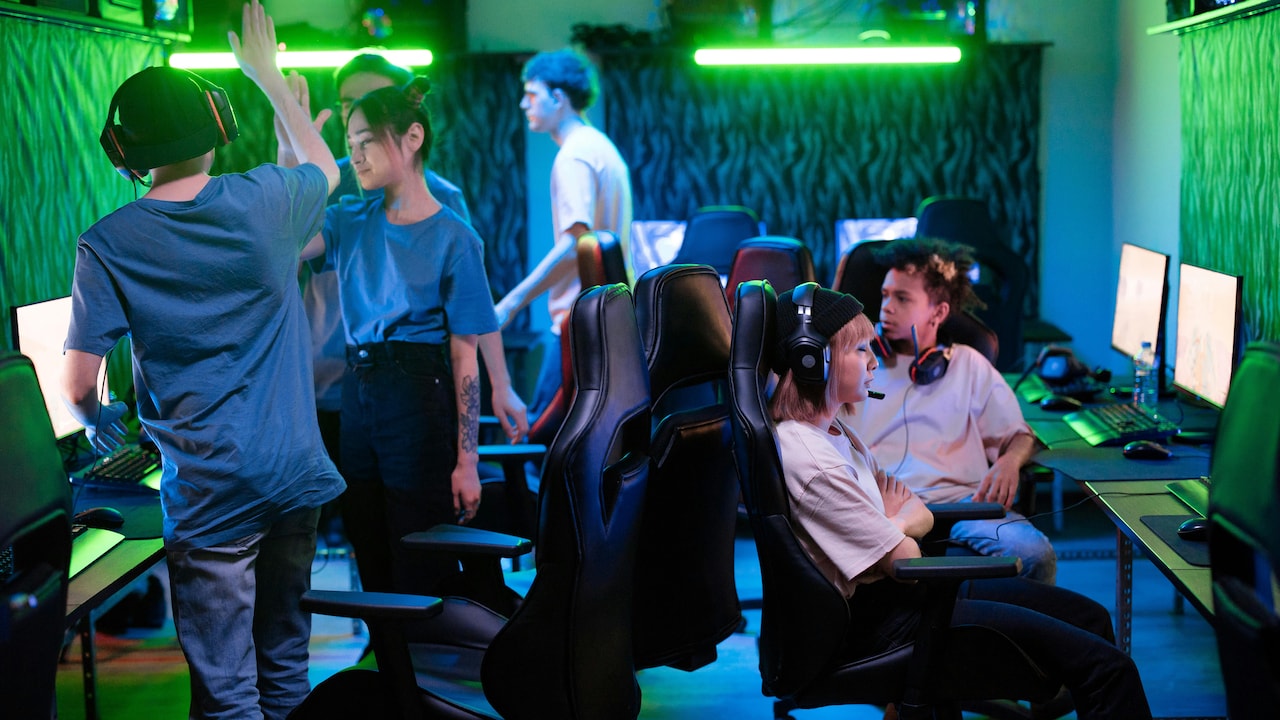
Can A Gaming Chair Improve Your Work Setup? Practical Tips Before You Buy
Photo Credit: Pexels
Assembly And Maintenance: The Overlooked Factors
Buying a chair is only part of the journey. Assembly often requires time and patience. While most gaming chairs come with instructions, the process can still feel tricky.
Proper assembly ensures stability and safety. Loose screws or incorrect fittings can affect performance. Taking time to set it up correctly makes a difference.
Maintenance also plays a role in longevity. Regular cleaning prevents dust build-up, especially on fabric surfaces. For leather finishes, occasional wiping keeps the material looking fresh.
Checking screws and moving parts periodically helps maintain stability. Over time, regular use can loosen components slightly.
A chair that receives basic care lasts longer and performs better. Ignoring maintenance, on the other hand, shortens its lifespan regardless of initial quality.
Gaming Chair Versus Office Chair: Which One Wins?
The debate between gaming chairs and office chairs continues. Each serves a different purpose, though both aim to provide comfort.
Gaming chairs focus on style and full-back support. They often include features like reclining backrests and bold designs. Office chairs, meanwhile, prioritise subtle ergonomics and understated aesthetics.
For long work hours, some office chairs offer better breathability and simpler adjustments. Gaming chairs, however, provide a more immersive feel and stronger visual appeal.
The choice depends on personal preference and usage. Someone who values design and occasional reclining may prefer a gaming chair. Others who prioritise minimalism might lean towards office options.
There isn't a clear winner. The right choice aligns with lifestyle, comfort needs, and workspace design.
Long-Term Impact On Health And Productivity
A good chair influences more than comfort. It affects energy levels, focus, and overall well-being. Sitting for extended periods places stress on the body, and the right support can reduce that strain.
Gaming chairs, when used correctly, encourage better posture and reduce back discomfort. This leads to improved concentration and fewer distractions during work.
However, no chair replaces healthy habits. Regular movement, stretching, and mindful sitting remain essential. Productivity improves when comfort supports focus rather than becoming a source of discomfort.
Over time, small improvements add up. Less fatigue, better posture, and a more enjoyable workspace contribute to a positive routine.
The chair becomes part of a larger system that supports both physical health and daily performance.
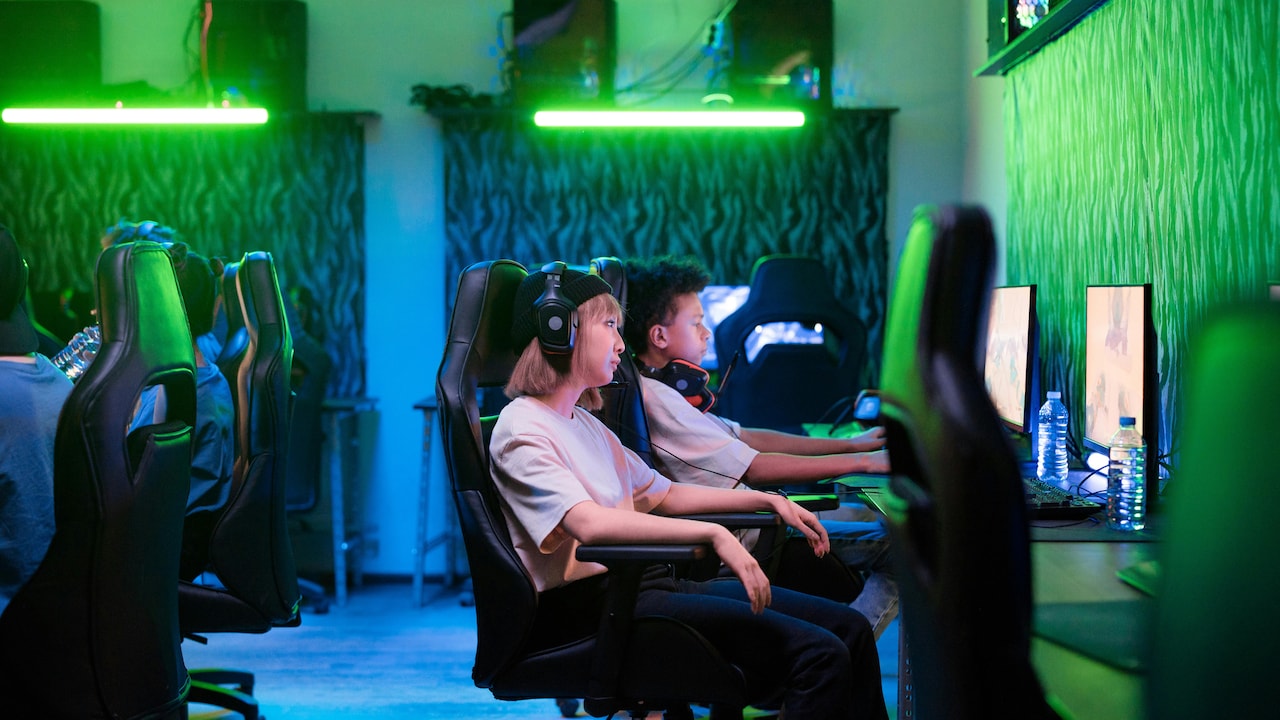
Can A Gaming Chair Improve Your Work Setup? Practical Tips Before You Buy
Photo Credit: Pexels
Products Related To This Article
1. Green Soul Vision Pro Multi-Functional Ergonomic Gaming Chair
2. DROGO Aura Ergonomic Gaming Chair with Premium PU Leather Fabric
3. CELLBELL Konquer Ergonomic Gaming Chair
4. ValorX USA Striker 2026 Edition
5. Da URBAN® Merlion Office Chair,High Back Mesh Ergonomic Home Office Desk Chair
A gaming chair can improve a work setup, but only when chosen thoughtfully and used correctly. It offers comfort, style, and support, yet it isn't a magic solution.
The real value lies in understanding personal needs. Body type, work habits, and available space all influence the experience. Spending ₹10,000 or more makes sense when the chair delivers lasting comfort and fits seamlessly into the setup.
At the end of the day, a chair should support both work and well-being. The right choice feels natural, not forced. It blends into daily life, quietly doing its job without demanding attention.
A thoughtful purchase today can transform long hours into a more comfortable and productive experience.
(Disclaimer: This article may include references to or features of products and services made available through affiliate marketing campaigns. NDTV Convergence Limited (“NDTV”) strives to maintain editorial independence while participating in such campaigns. NDTV does not assume responsibility for the performance or claims of any featured products or services.)













![Steam Iron Teflon Shoe Cover for ES-300,ST-96 [Only For ES-300 and ST-96 Model Electric Steam Irons]](https://m.media-amazon.com/images/I/51wwkttondL._SL160_.jpg)