10 Everyday Habits That Make Dining Table Surfaces Lose Their Finish Faster
Everyday meals, hot dishes, spills and cleaning habits can quietly wear down a dining table’s finish. Here are 10 common habits that may cause fading, dull patches, stains and surface damage sooner than expected.
10 Common Habits That Make Dining Table Surfaces Look Dull And Worn
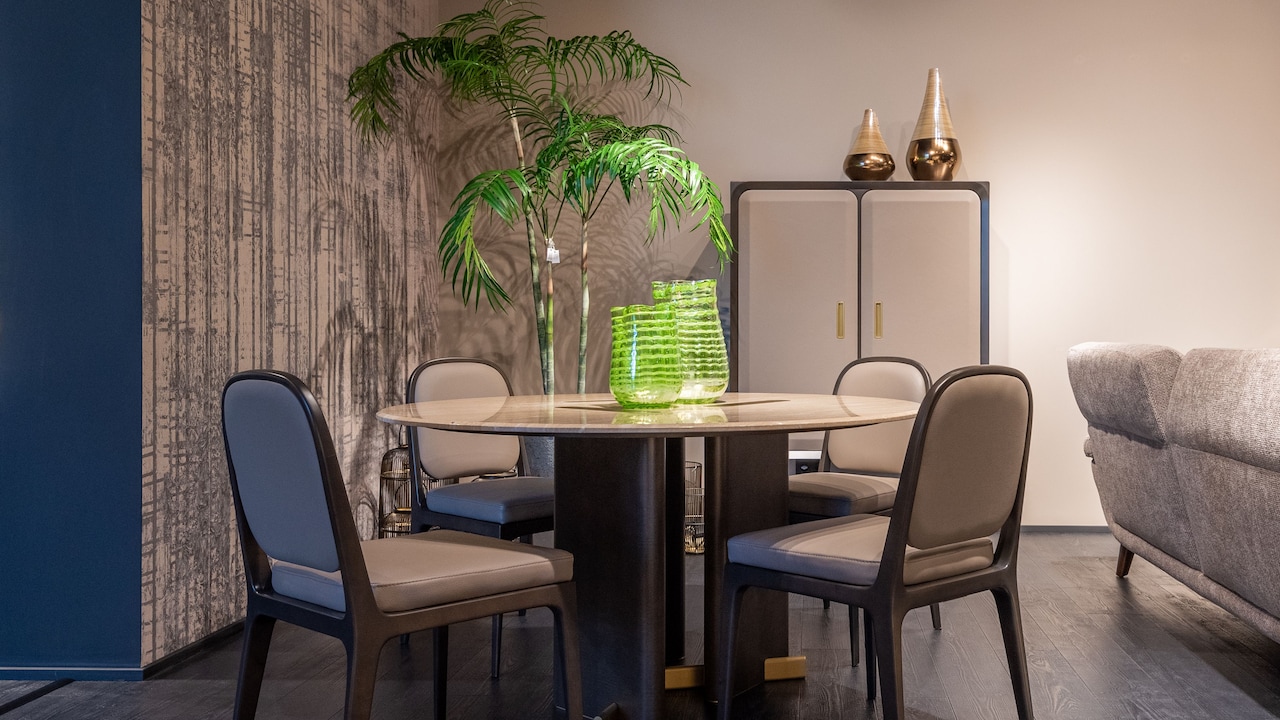
A dining table rarely gets treated like a delicate piece of furniture. It becomes the breakfast counter, homework desk, work-from-home station, tea table and occasional storage shelf, often within the same day. One minute there's a plate of hot parathas on it; the next, somebody has dropped a laptop, water bottle and stack of unopened parcels across the surface. All that everyday activity eventually leaves clues. A glossy wooden table may begin looking cloudy around the most-used seats. A laminate surface can lose its shine. Polished wood may develop pale rings, tiny scratches or darker patches that seem to appear from nowhere. Sometimes the table itself remains perfectly strong, yet its finish starts looking much older than the furniture actually is. Most of this damage doesn't come from one dramatic accident. It comes from small habits repeated hundreds of times. Heat, moisture, sunlight, cleaning products and even the way we move plates can gradually affect protective coatings. Understanding these habits makes protecting a dining table surprisingly simple.
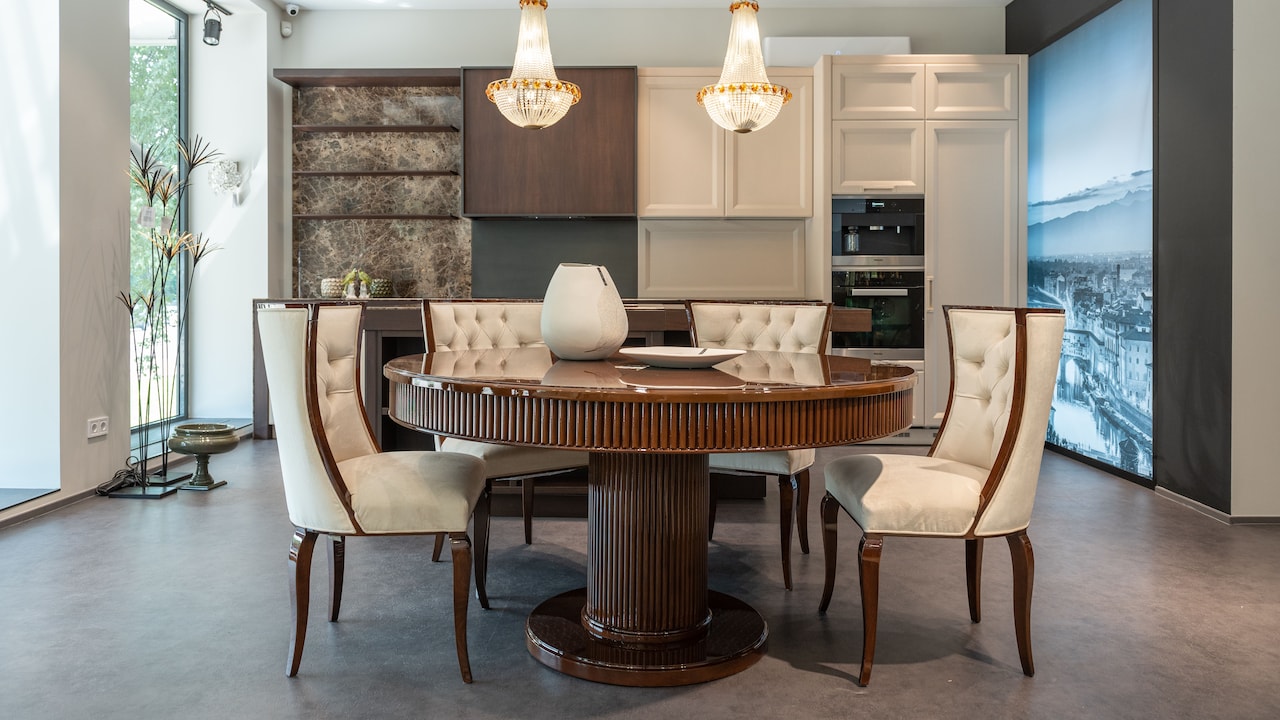
10 Common Habits That Make Dining Table Surfaces Look Dull And Worn; Photo Credit: Pexels
Everyday Habits That Quietly Wear Down Your Dining Table
1. Placing Hot Cookware Directly On The Table
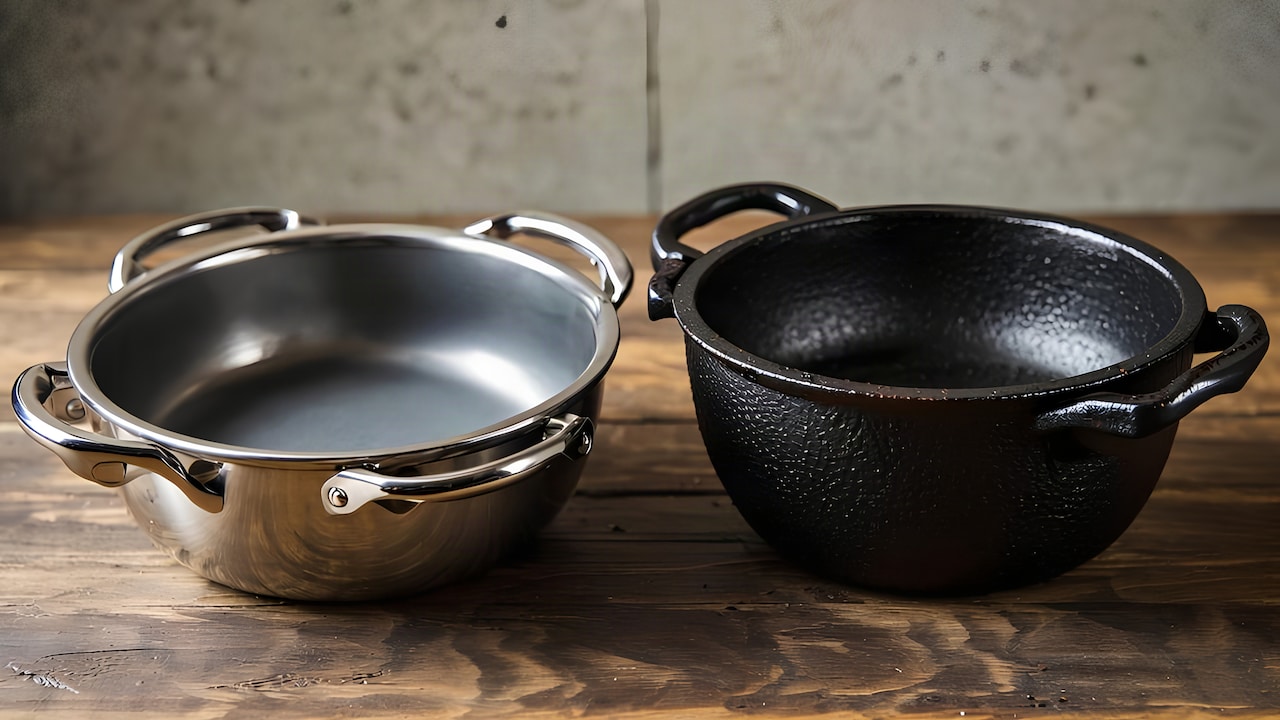
That steaming kadai may only sit on the dining table for ten minutes, but heat can affect a surface far faster than many people expect. Wooden tables often have varnish, lacquer, polyurethane or another protective coating over the actual wood. When very hot cookware touches that layer directly, the sudden temperature change can soften or disturb the finish.
This often explains those cloudy white patches that appear beneath serving bowls and hot pans. They aren't necessarily food stains. Heat and trapped moisture may have altered the coating itself.
Serving hot food straight from the kitchen makes this habit especially easy to overlook. A pressure cooker, tawa or heavy-bottomed pot may feel perfectly normal to place in the centre of the table during a family meal.
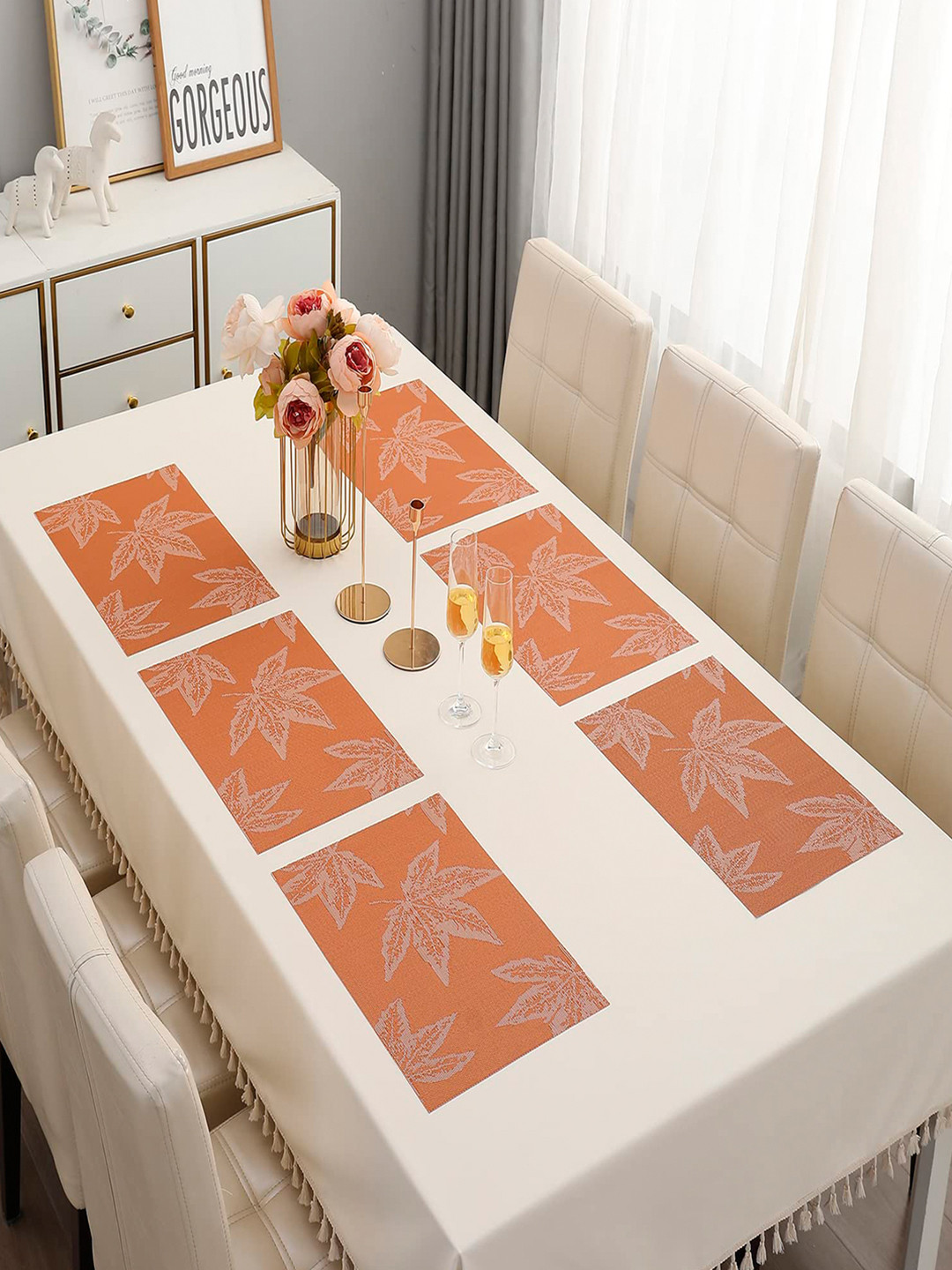
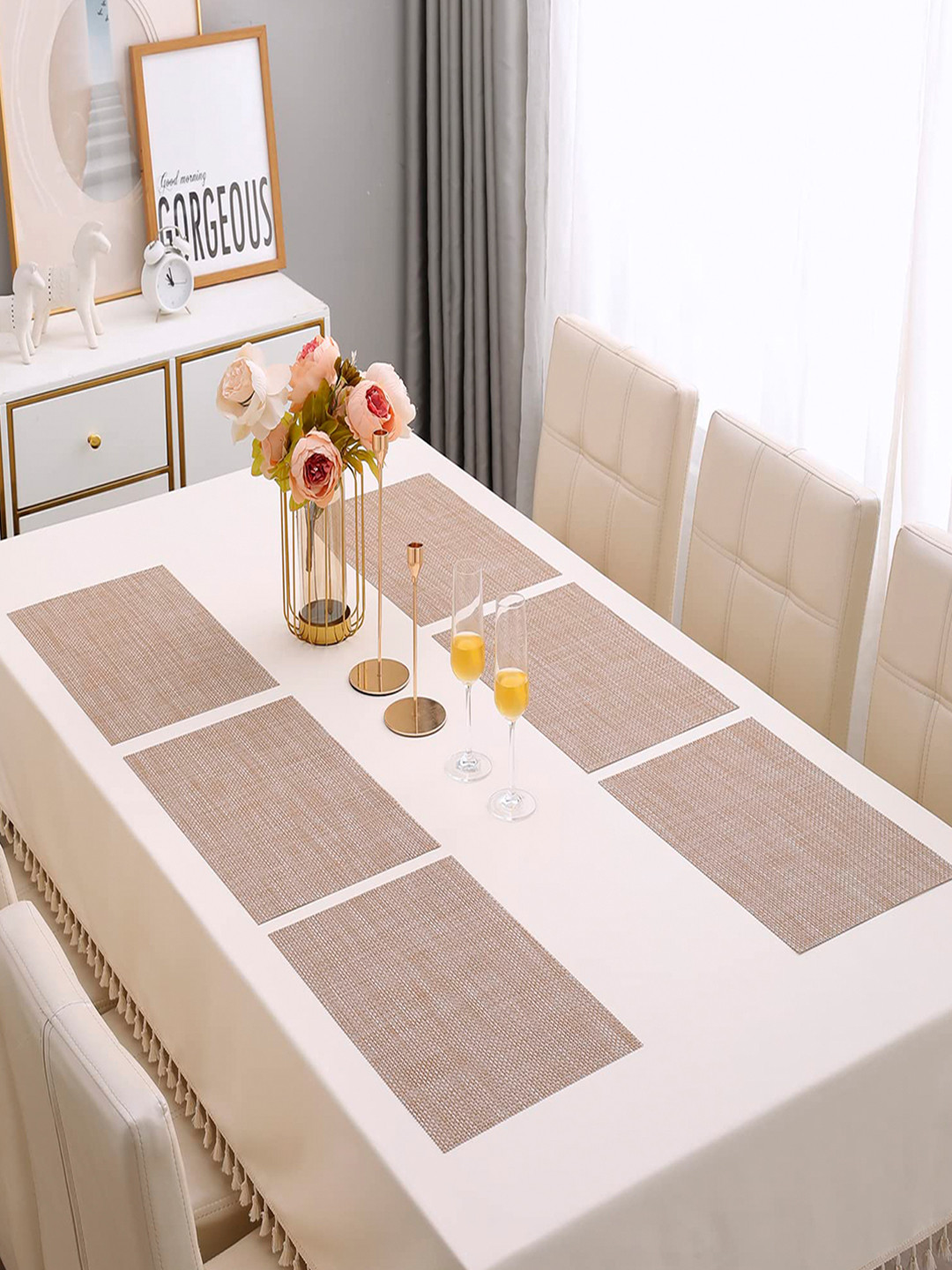
Use trivets, cork mats or thick heat-resistant placemats instead. Don't rely on a thin tablecloth alone. Heat can travel through fabric surprisingly quickly.
Think of a trivet as part of serving dinner rather than an optional accessory. That small change can protect the table through hundreds of meals.
Also Read: 10 Reasons Small Study Tables Feel More Cramped Than Their Dimensions Suggest
2. Leaving Water Rings And Spills To Dry Naturally
A glass of chilled water can leave behind more trouble than its innocent-looking ring suggests.
Condensation slowly collects beneath cold glasses, bottles and steel tumblers. When nobody wipes it away, that moisture remains in contact with the table's protective finish. Occasional exposure may cause little trouble, but repeated dampness can eventually leave cloudy marks, discolouration or swollen areas around vulnerable joints.
Water becomes particularly troublesome when a finish already contains tiny scratches. Moisture can work its way through these weak points and reach the material underneath.
Spills from tea, juice, rasam or gravy deserve quick attention too. Apart from moisture, coloured liquids can leave stains when they remain on lighter finishes.
Coasters make a noticeable difference, especially when cold drinks stay on the table during long conversations. Keep a soft cloth nearby during meals so small spills don't become tomorrow's mysterious stain.
There's no need to panic over every droplet. Simply wiping moisture sooner rather than later prevents the surface from spending unnecessary time damp.
3. Cleaning The Surface With Too Much Water
When a dining table looks sticky after dinner, using a thoroughly wet cloth can feel like the quickest solution. Unfortunately, more water doesn't always mean better cleaning.
Repeatedly soaking a wooden surface can gradually weaken its finish. Water may collect along edges, seams and joints where protective coatings tend to be thinner. Engineered wood and veneer tables can be particularly sensitive because moisture that reaches the inner layers may cause swelling or lifting.
The better approach involves using a slightly damp microfibre cloth rather than one dripping with water. Wring it out properly before wiping.
Once the surface looks clean, follow with a dry cloth. That extra thirty seconds removes lingering moisture and reduces water marks.
Dining tables near kitchens often pick up oily residue, so plain water may not always solve the problem. Use a mild cleaner suitable for the specific material instead of repeatedly scrubbing with a wetter cloth.
A dining table needs cleaning, of course. It just doesn't need an accidental bath after every meal.
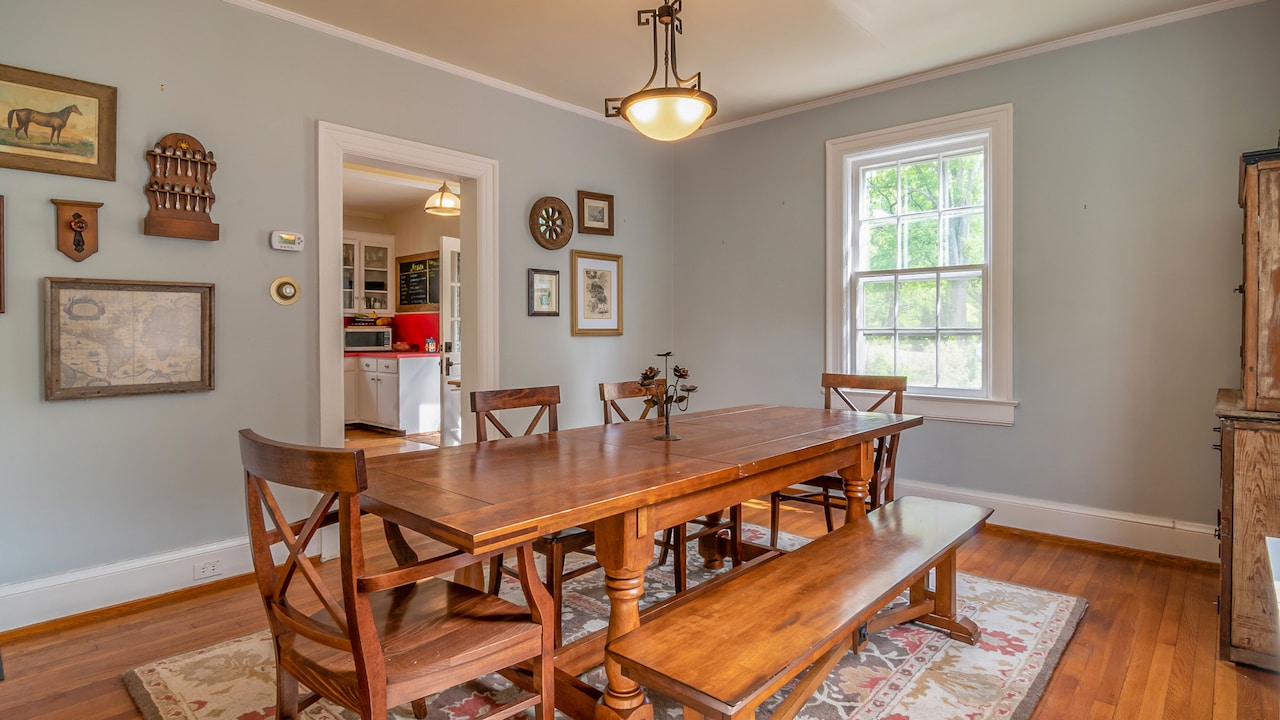
10 Common Habits That Make Dining Table Surfaces Look Dull And Worn; Photo Credit: Pexels
4. Using Harsh Household Cleaners For Everyday Wiping
The bottle that removes stubborn kitchen grease isn't automatically suitable for a dining table.
Strong multipurpose cleaners, disinfectants, bleach-based products and abrasive formulas may gradually strip or dull furniture finishes. Alcohol-heavy products can also affect certain coatings when used frequently. The damage may not appear after one wipe, which makes the habit difficult to notice.
At first, the table simply looks wonderfully clean. Months later, one area might appear duller than another.
The safest cleaning product depends on the table material and its finish. A solid wood surface with a protective coating needs different care from glass, marble, laminate or engineered wood. Manufacturer instructions offer the best starting point.
For routine cleaning, a soft cloth and a mild solution suitable for the surface usually do enough.
Be particularly cautious with homemade cleaning mixtures. Vinegar, baking soda and other popular ingredients aren't universally gentle just because they come from the kitchen.
Before applying any unfamiliar cleaner across the whole table, test it on a small hidden area first. Furniture finishes can be surprisingly particular about what they tolerate.
5. Scrubbing Food Stains Instead Of Letting Them Loosen
A dried dal splatter or sticky patch of chutney can trigger a very specific instinct: scrub harder.
Unfortunately, aggressive rubbing can damage the finish before the stain disappears. Rough scrubbers, stiff brushes and abrasive cleaning powders may create fine scratches that slowly reduce shine. On glossy surfaces, these tiny marks become particularly obvious when sunlight hits the table from an angle.
Instead of attacking dried food immediately, soften it first.
Place a slightly damp cloth over the patch briefly, allowing the residue to loosen. Then wipe gently using a soft microfibre cloth. Repeat if necessary rather than increasing pressure dramatically.
The same principle applies when removing sticky marks left behind by sweets, syrups or spilled beverages.
A spotless table isn't much of a victory if cleaning it leaves a permanently dull patch behind.
The gentler method may take another minute, but it protects the coating beneath the mess. Over several years of breakfast spills and hurried dinners, that difference starts to show.
6. Dragging Plates, Bowls And Decorative Objects Across The Surface
Dining tables collect objects almost automatically. Ceramic bowls, steel serving dishes, flower vases, laptops, candle holders and decorative trays seem to migrate across them throughout the day.
Sliding these objects rather than lifting them can create tiny scratches.
The damage often begins so subtly that nobody notices. Eventually, however, thousands of microscopic marks change how light reflects from the finish. A once-smooth tabletop may start looking hazy or worn, especially around frequently used seats.
Objects with rough ceramic bases can cause more damage than expected. Even a decorative planter that hardly moves can scratch the table whenever somebody nudges it during cleaning.
Placemats and felt pads help create a buffer. Small felt protectors under vases, centrepieces and decorative bowls work particularly well because they remain largely invisible.
Encourage everyone to lift objects instead of pushing them towards another person across the table.
Yes, sliding the pickle bowl down the table feels faster. But lifting it takes roughly one second longer and saves the furniture from years of unnecessary friction.
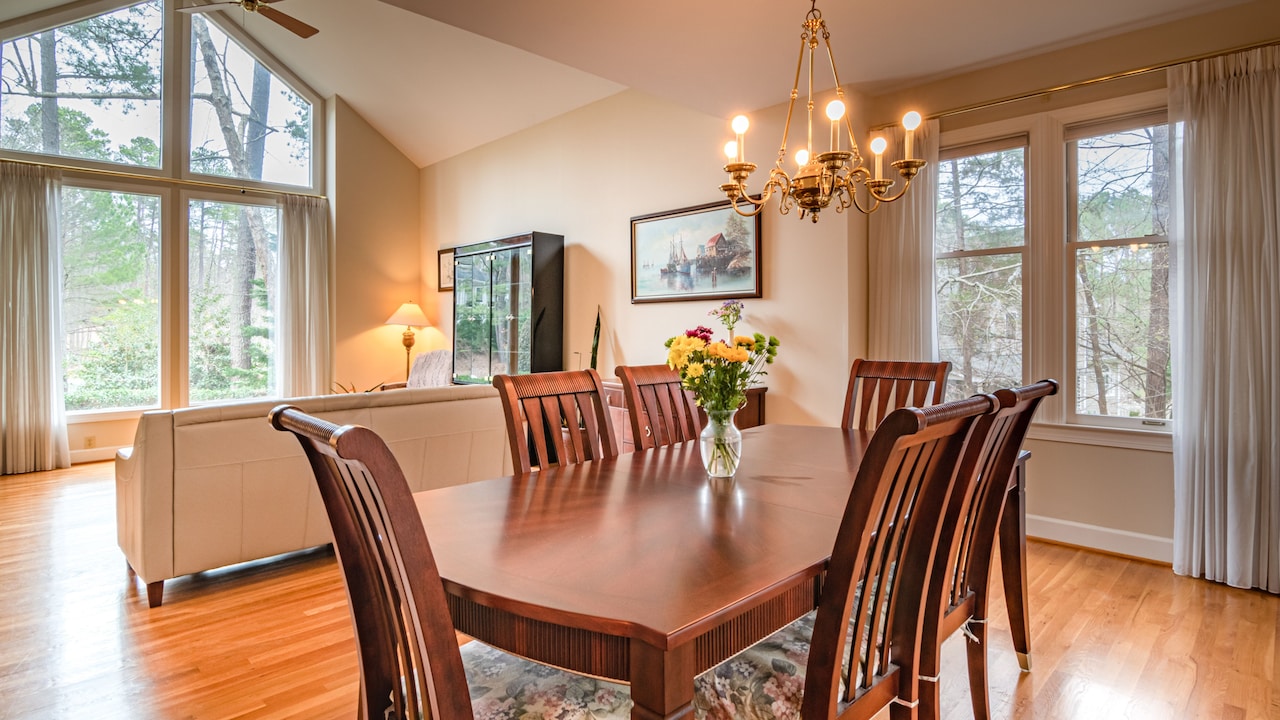
10 Common Habits That Make Dining Table Surfaces Look Dull And Worn; Photo Credit: Pexels
7. Leaving The Table Exposed To Strong Sunlight Every Day
A bright dining area looks inviting, but constant sunlight can quietly alter furniture finishes.
Strong ultraviolet exposure may fade pigments, change the colour of wood and affect certain coatings over time. The change often happens gradually, so it becomes noticeable only when an object gets moved. Lift a table runner that has stayed in the same position for months and the covered section may suddenly look darker than the exposed area.
Tables positioned beside large windows face the highest risk.
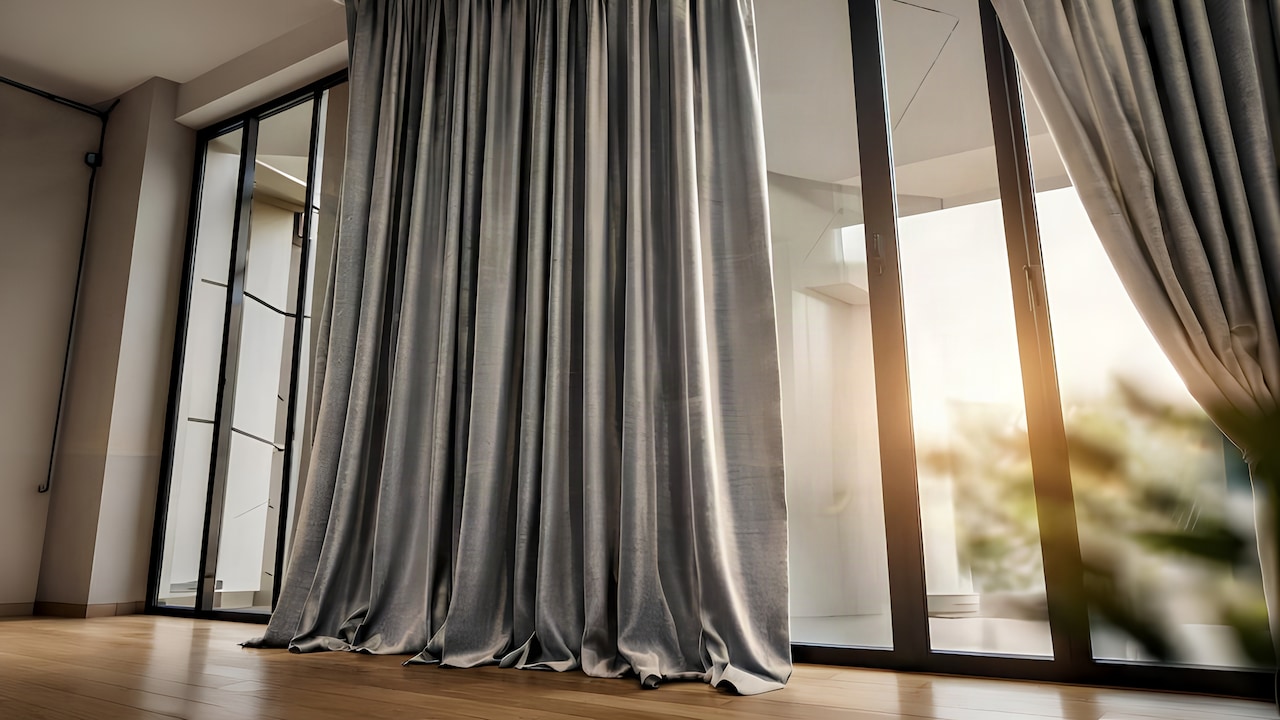
There is no need to turn the dining room into a permanently shaded cave. Curtains, blinds or sheer drapes can reduce the intensity of direct afternoon sunlight while keeping the room pleasant.
Rotating decorative items and table runners also helps prevent sharply defined patches from developing.
Wood naturally changes colour as it ages, and that ageing can create beautiful character. Uneven fading, however, is a different matter.
If sunlight repeatedly hits the same half of the table for several hours a day, a small adjustment to curtains or furniture placement can help the surface age more evenly.
8. Keeping Plastic Covers On The Table For Long Periods
Plastic covers seem like perfect protection. They stop food spills, simplify cleaning and shield the table from scratches. Yet leaving thick plastic sheets pressed against certain finished surfaces for months can create problems of its own.
Moisture and heat may become trapped underneath, particularly in warm or humid rooms. Some flexible plastic materials can also interact with furniture coatings over long periods, occasionally causing stickiness, dullness or uneven patches.
The risk varies widely depending on the table finish and type of cover, so plastic isn't automatically harmful. The issue usually comes from prolonged contact with little airflow.
If a protective cover stays on the table continuously, lift it occasionally and clean both surfaces. Make sure the tabletop dries completely before replacing it.
Fabric tablecloths also need regular removal. Spilled liquid can seep through and remain hidden underneath, where it sits against the finish far longer than anyone realises.
Protection works best when it doesn't trap the very things you're trying to protect the table from.
9. Allowing Food Grease To Build Up Gradually
Not every stain announces itself with a dramatic splash.
Tiny droplets of cooking oil, butter and gravy land on dining tables during everyday meals. When these aren't fully removed, they can build into a thin greasy film. Dust then sticks to that residue, making the surface look darker or uneven.
The temptation is to tackle the build-up later with aggressive degreasers, creating another potential problem for delicate finishes.
Regular gentle cleaning prevents the cycle.
Pay particular attention to the centre of the table, where shared dishes usually sit, and around the places used most often. These areas tend to collect invisible residue faster.
Oily fingerprints also matter on glossy finishes. Repeated touching can create patches that reflect light differently, making the table appear worn even when the coating remains intact.
Wiping the table after meals with a suitable mildly damp cloth, followed by a dry one, keeps grease from becoming stubborn.
Think of it as maintenance rather than deep cleaning. Five gentle minutes today can prevent thirty minutes of determined scrubbing several weeks later.
10. Ignoring Small Scratches And Worn Patches For Too Long
A tiny scratch may seem purely cosmetic, but damaged finishes sometimes leave the material underneath more vulnerable to moisture and stains.
Once the protective layer begins wearing thin, everyday spills can penetrate more easily. Continued scrubbing may enlarge the damaged area. The result can turn one small mark into a much more noticeable patch.
Inspect high-use areas occasionally, especially around table edges and the spots where plates usually sit. If the finish looks unusually dull, rough or scratched, check the manufacturer's care recommendations before attempting a repair.
Wood-touch-up products, waxes or professional refinishing may help in some cases, but they aren't interchangeable. Applying the wrong polish can create its own uneven coating.
Prevention remains easier than restoration. Placemats, coasters and gentle cleaning reduce the amount of wear the finish needs to handle.
A dining table doesn't have to remain flawless. A few marks often become part of a home's story. The aim is simply to stop everyday wear from turning into avoidable damage long before the table itself reaches the end of its useful life.
Products Related To This Article
1. AADITYA WOODS Solid Sheesham Wood Four Seater Dining Table Set
2. SM ARTS Solid Sheesham Wood Dining Table Set 4 Seater
3. THE WOODEN CITY Solid Sheesham Wood Dining Table 4 Seater Dining Table Set
4. VeLivings Solid Sheesham Wood 4 Seater Dining Table Set
5. SONA ART & CRAFTS Luxe Solid Sheesham Wood Dining Table Set of 4
6. WOODSTAGE Sheesham Wood 6 Seater Dining Table with 4 Cushion Chairs
7. Sheesham Wood 4 Chair with 1 Bench Dining Table Set with Cushioned Chairs
Dining tables are meant to handle real life: hurried breakfasts, family dinners, birthday cakes, work calls and the occasional cup of tea forgotten beside a laptop. Keeping the finish looking good doesn't require treating the furniture like a museum exhibit. Most protection comes from small habits. Use coasters and trivets, clean spills promptly, avoid harsh scrubbing and lift objects instead of dragging them. These simple choices reduce the slow accumulation of heat, moisture, grease and scratches that makes a surface look tired before its time. A little everyday care can help the table collect memories without collecting quite so many marks.
(Disclaimer: This article may include references to or features of products and services made available through affiliate marketing campaigns. NDTV Convergence Limited (“NDTV”) strives to maintain editorial independence while participating in such campaigns. NDTV does not assume responsibility for the performance or claims of any featured products or services.)