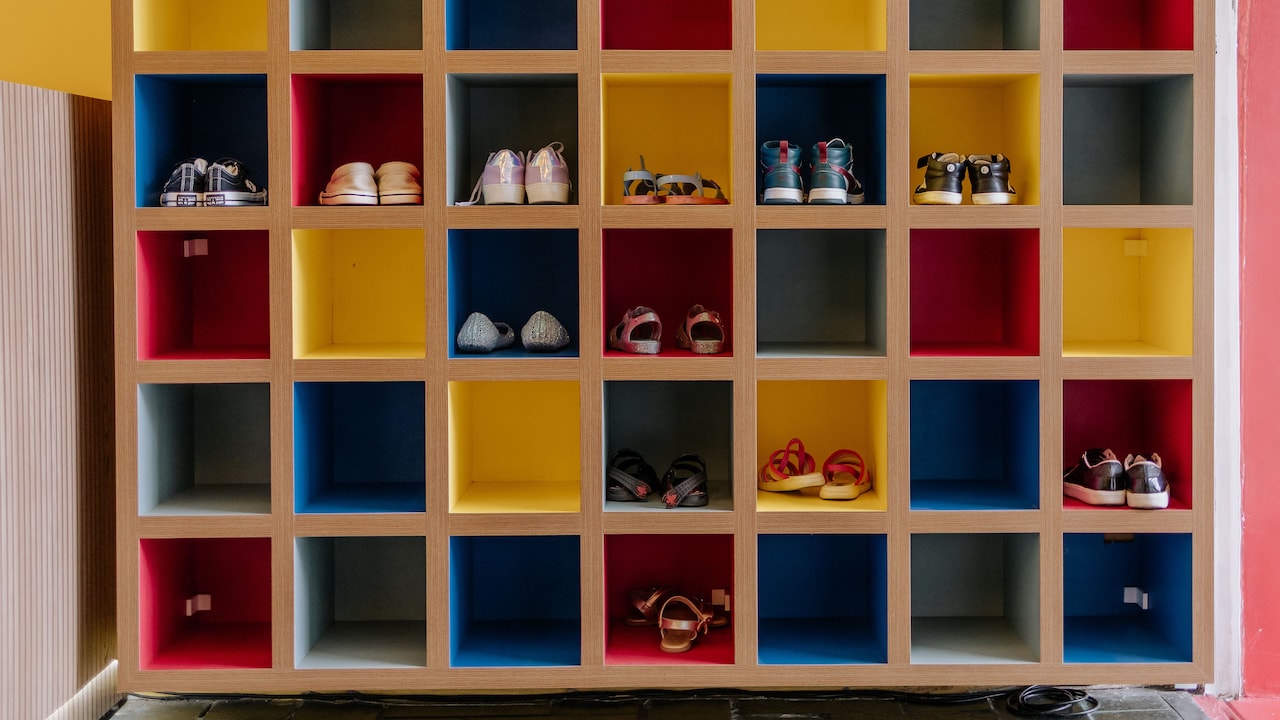
10 Common Mistakes To Avoid When Buying Storage Boxes
Choosing the wrong storage boxes can waste space, damage belongings, and cost more than expected. Here are the common mistakes to avoid before buying.
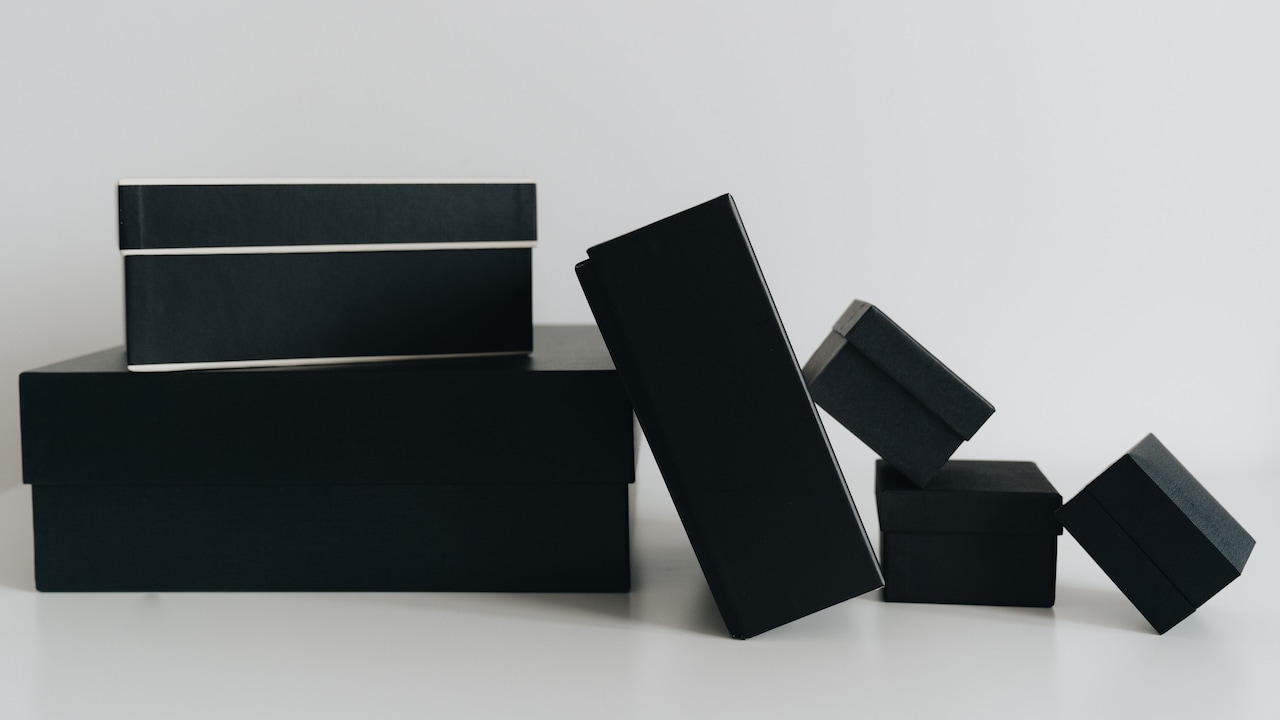
10 Common Mistakes To Avoid When Buying Storage Boxes
A storage box rarely gets the respect it deserves. People spend hours choosing curtains, sofas, wall colours, and kitchen jars, then grab the first plastic box that looks “about right”. A week later, the lid refuses to shut, the handles bend like wet papad, and the box under the bed gathers enough dust to start its own colony. Good storage does more than hide clutter. It protects winter quilts from damp, keeps festive decorations safe, prevents school projects from getting crushed, and saves that frantic Sunday morning search for missing documents. In homes where every shelf, loft, balcony corner, and bed drawer matters, the right box can feel like a quiet hero.
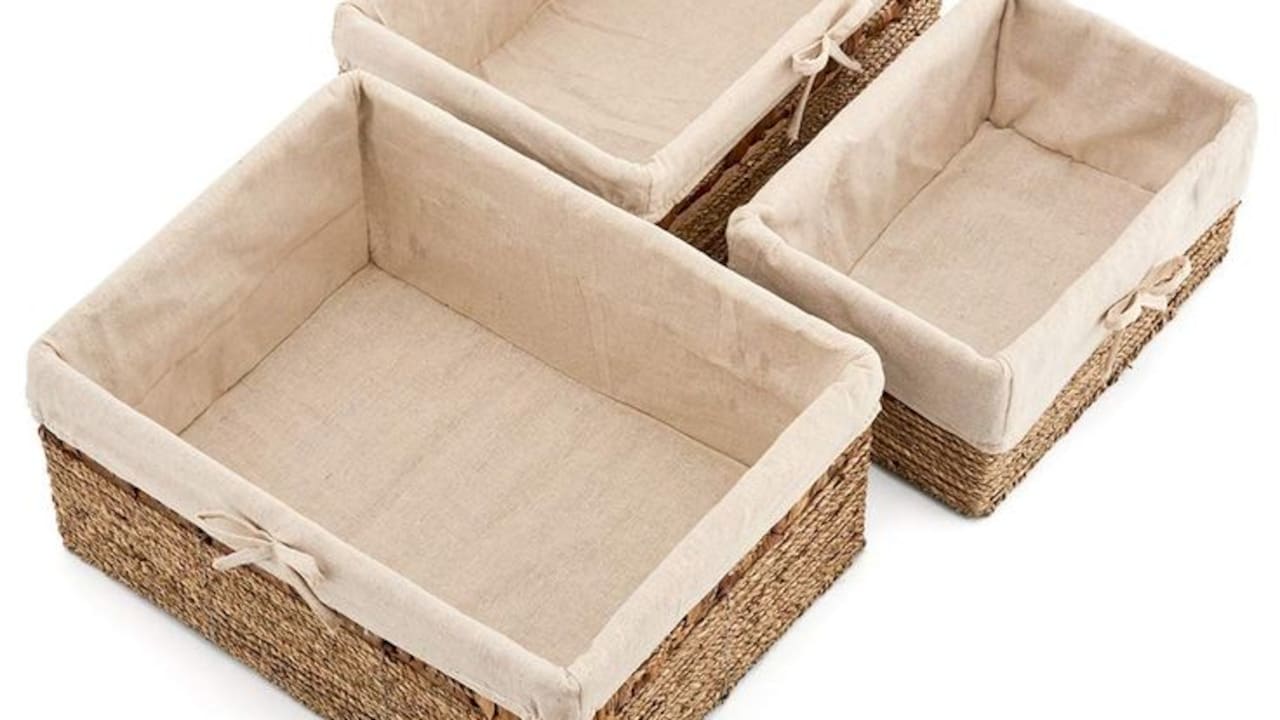
10 Common Mistakes To Avoid When Buying Storage Boxes; Photo Credit: Pexels
Yet many people make the same mistakes again and again. They buy boxes that are too big, too flimsy, too opaque, too fancy, or simply wrong for the job. The result? More mess, wasted money, and a home that still feels crowded.
Mistakes To Watch Out For Before Buying Storage Boxes
Choosing Size Before Purpose
One of the most common mistakes is choosing a storage box by size alone. A large box looks practical in the shop, especially when it promises to hold “everything”. That promise can turn sour once it reaches home. Fill it with books, utensils, tools, or old files, and it becomes heavier than a cylinder on delivery day.
Purpose should come before size. A box for sarees needs a different shape from one meant for toys. A box for dry snacks needs a tight seal. A box for old bills and certificates needs a flat, moisture-safe design. A box for balcony tools needs more strength than beauty.
Oversized boxes also encourage lazy storage. Everything gets dumped in, from fairy lights to broken chargers. Later, finding one item means digging through a plastic jungle. Smaller, purpose-led boxes work better because they create natural categories. One box for cables, one for medicines, one for pooja items, one for craft supplies. Storage should reduce confusion, not become a bigger version of it.
Also Read: Top 5 Storage Boxes For Gadgets Under ₹500
Ignoring The Material Quality
Cheap storage boxes can feel like a smart bargain, especially when the price tag says ₹199. The trouble starts when the lid warps, the corners crack, or the base bends after holding a few heavy items. A box that fails in three months costs more than a better one that lasts for years.
Material matters because homes face heat, dust, moisture, and constant shifting. Thin plastic may work for light toys or soft cloth, but it struggles with books, tools, kitchen supplies, or anything with sharp edges. Brittle plastic can crack during summer heat or while being pulled out from under a bed. Poor-quality metal can rust. Cardboard absorbs moisture and attracts insects if stored carelessly.
Good material does not always mean expensive. It means suitable. Thick plastic with a firm base works well for general storage. Fabric boxes suit wardrobes but not damp corners. Wooden boxes look lovely but need protection from termites and humidity. Transparent plastic helps with quick identification, while woven baskets suit open shelves where style matters.
A storage box should not only hold things. It should survive daily life.
Forgetting About Lids And Locks
Many people focus on the box and ignore the lid. That small mistake can create big frustration. A loose lid lets dust settle on clothes, insects sneak into rarely used items, and moisture creeps into documents. A lid that is too tight can become a wrestling match every time someone needs the bedsheet stored inside.
The right lid depends on what the box will hold. Seasonal clothes, blankets, photo albums, and important papers need secure lids. Kids' toys, daily accessories, and craft items need easy-open lids, because nobody wants to fight plastic clips ten times a day. Kitchen storage needs lids that seal well and do not trap smells.
Locks and clips also deserve attention. Some clips look sturdy in the shop but break after a few uses. Others pinch fingers or refuse to align. Before buying, open and close the lid a few times. It may feel silly in the aisle, but it saves future drama.
A good lid gives peace of mind. A bad lid turns storage into a daily argument.
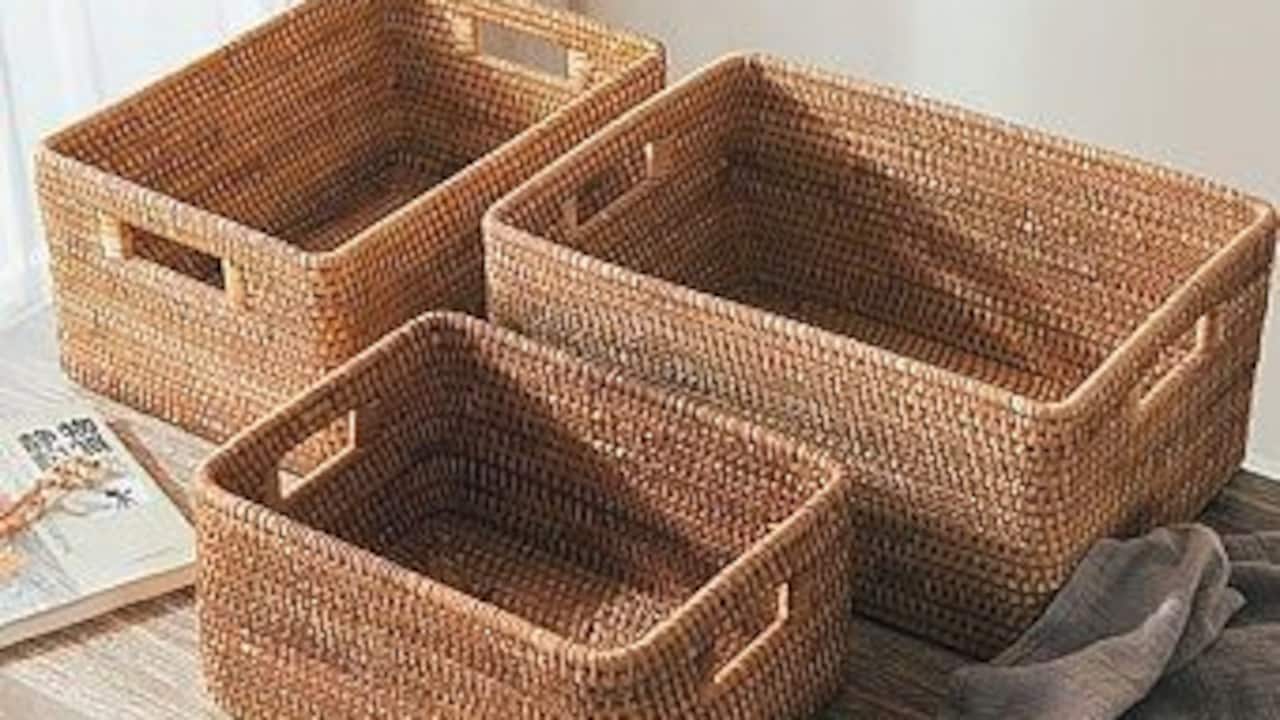
10 Common Mistakes To Avoid When Buying Storage Boxes; Photo Credit: Pexels
Buying Boxes That Do Not Stack Well
Stackable boxes sound boring until a cupboard starts behaving like a landslide. Many people buy attractive boxes without checking whether they sit safely on top of each other. Once stacked, they wobble, slide, or crush the box below. That neat corner soon turns into a leaning tower of regret.
Stacking matters most in wardrobes, lofts, storerooms, kitchens, and small flats where vertical space is precious. Boxes with flat lids and stable bases make better use of height. Slight grooves on the lid help the box above stay in place. Rounded or decorative lids may look charming, but they waste space and create unstable piles.
Weight also matters. Heavy items should stay at the bottom. Light items like cushions, shawls, decorations, and soft toys can go higher. Placing a box full of old textbooks above a box of silk clothes is an invitation to trouble.
Before buying, imagine where the boxes will live. Under the bed? On top of a cupboard? Inside a loft? A box that stacks well saves space and prevents accidents.
Overlooking Where The Box Will Be Stored
A storage box should suit its final home. Many people buy boxes first and think about placement later. That is how tall boxes end up unable to slide under beds, wide boxes block cupboard doors, and bulky boxes sit awkwardly in balconies like unwanted furniture.
Measure the space before buying. A tape measure can save hundreds of rupees and plenty of irritation. Check height, width, depth, and clearance. Under-bed boxes need low profiles and smooth edges. Loft boxes need strong handles because they will be lifted above shoulder height. Wardrobe boxes should fit shelf depth without leaving dead space behind them.
Location also affects material choice. A box kept in a balcony must handle dust, sunlight, and possible rain splashes. A box in a bathroom cabinet needs moisture resistance. A box near the kitchen should be easy to wipe. A box in a child's room should have soft corners and no sharp edges.
Storage is not just about the box. It is about the box, the space, and the everyday movement around it.
Choosing Looks Over Practicality
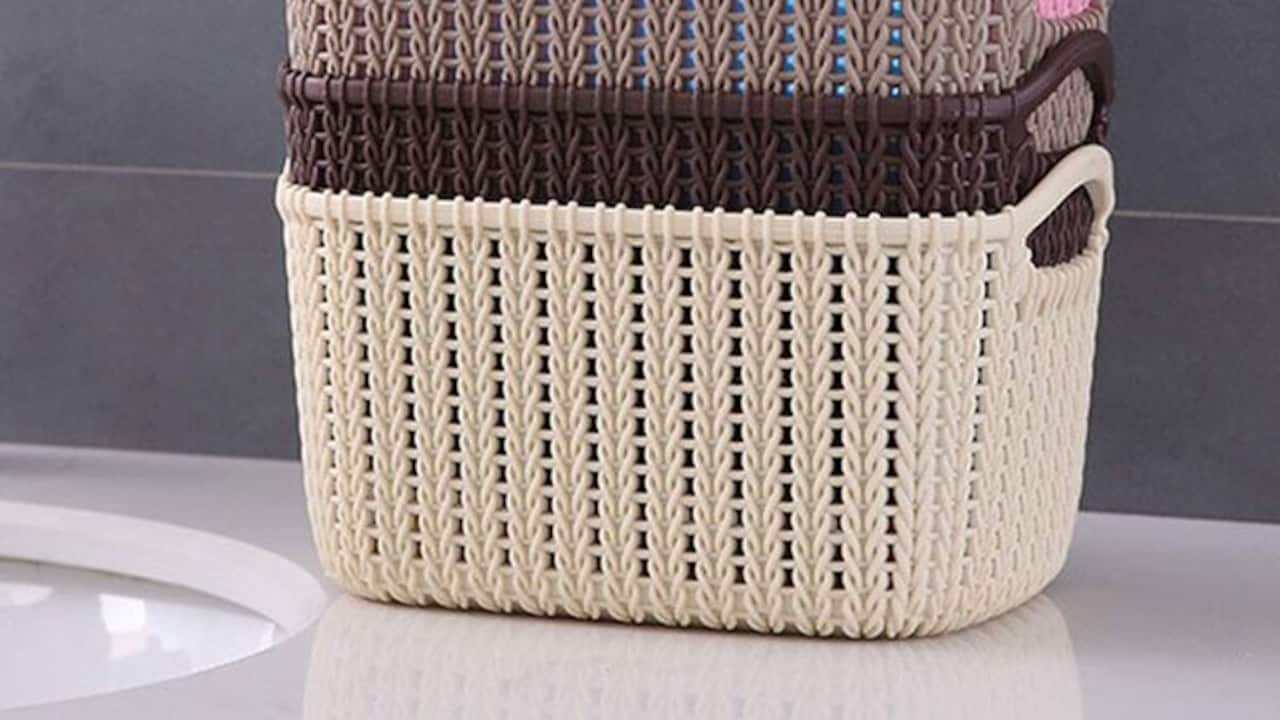
Pretty storage boxes are tempting. A pastel fabric bin, a printed basket, or a wooden chest can make any shelf look like a magazine photo. The problem begins when beauty does all the talking and usefulness quietly leaves the room.
A box may look elegant but collect dust in every weave. It may match the décor but collapse under the weight. It may have a lovely lid that takes both hands and a prayer to open. In busy homes, storage must serve real life first. Looks matter, but not at the cost of strength, cleaning, and access.
Open shelves can benefit from stylish baskets, especially for light items like scarves, magazines, remote controls, or guest towels. Hidden spaces, such as lofts and under-bed areas, need function over flair. Nobody sees the box daily, so durability matters more than colour.
The smartest choice balances both. A neat, simple box that is easy to clean often looks better over time than a trendy one that stains, frays, or sags. Good storage should please the eye without testing anyone's patience.
10 Common Mistakes To Avoid When Buying Storage Boxes; Photo Credit: Pexels
Not Checking Handles Properly
Handles seem like a small detail until a full box has to move from the loft to the floor. Weak handles can snap, cut into the hand, or make the box impossible to carry safely. Many buyers check the body of the box but forget to test the very part they will use most while lifting it.
Handles matter even more for boxes that hold heavy items. Books, tools, cookware, documents, and groceries need firm grip points. A box with shallow side grooves may work for light blankets, but it becomes risky when loaded with metal utensils or files. Built-in handles should feel smooth, not sharp. Clip-on handles should not loosen after a few pulls.
For elderly family members or anyone with wrist pain, comfortable handles make a real difference. A box that needs two people every time it moves is not practical, no matter how strong it looks.
Try lifting the empty box from different angles before buying. Imagine it full. If the handle already feels awkward in the shop, it will feel worse at home.
Using One Type Of Box For Everything
The “one box fits all” idea sounds efficient, but it rarely works. Homes hold too many different things. Clothes, spices, tools, toys, papers, electronics, jewellery, medicines, and festival items all need different kinds of storage. Using the same box for everything creates either wasted space or damaged belongings.
Soft fabric boxes work well for wardrobes, but they are poor choices for important papers in a damp corner. Airtight plastic containers suit food grains, but they may not be ideal for leather bags that need some breathing room. Transparent boxes help with cables and craft items, while opaque boxes may be better for personal items on open shelves.
The goal is not to buy many boxes. The goal is to buy the right boxes. A few well-chosen types can solve most storage problems. Flat boxes for documents, breathable covers for clothes, sealed containers for kitchen goods, sturdy tubs for tools, and small organisers for accessories can bring order without overspending.
Variety in storage is not an indulgence. It is common sense to wear a tidy shirt.
Forgetting Ventilation And Moisture Control
Moisture is a silent troublemaker. It creeps into boxes, leaves clothes smelling musty, spots papers, damages leather, and invites fungus. Many people seal everything tightly without thinking about what actually needs air. A box that protects one item may ruin another.
Airtight boxes are excellent for dry food, medicines, craft supplies, and items that need dust protection. They also help during monsoon months when damp air makes cupboards smell tired. But clothes, leather items, woollens, and shoes often need ventilation. Pack them too tightly, and they can develop odour or mildew.
Silica gel sachets, neem leaves, camphor, or moisture absorbers can help, depending on the item. Clothes should be fully dry before storage. Even a little trapped moisture can turn a neat box into a smelly surprise. Important documents need plastic folders inside the box for added protection.
Storage should not feel like locking belongings away and hoping for the best. A little thought about air, dryness, and season can keep things fresh for longer.
Skipping Labels And Clear Identification
A box without a label becomes a mystery parcel. At first, everyone remembers what went where. Two weeks later, nobody knows which box holds Diwali lights, which one has winter socks, and which one contains old phone chargers that may or may not still work.
Labels save time and reduce irritation. They also stop people from opening five boxes to find one item. This matters in lofts, storerooms, and under-bed storage, where access already needs effort. A simple handwritten label works. So does masking tape, a chalk sticker, or a printed tag. The label should mention the contents clearly, not vaguely. “Kitchen Extras” helps less than “Steel Bowls And Spare Dabbas”.
Clear boxes reduce the need for labels, but they do not replace them completely. Once several boxes look similar, confusion returns. For shared homes, labels help everyone follow the system. Nobody has to ask where the raincoats, gift wraps, or spare bedsheets went.
A label may not look exciting, but it carries quiet power. It turns storage from guesswork into order.
Buying Without Thinking About Cleaning
Storage boxes gather dust, stains, fingerprints, food crumbs, and sometimes the mysterious sticky patch nobody admits causing. Many people forget to clean when choosing a box. Later, they discover that the beautiful woven basket traps dust, the fabric bin stains easily, or the textured plastic needs ten minutes and a toothbrush.
Easy cleaning matters in busy homes. Boxes kept near kitchens, balconies, shoe racks, and children's rooms need wipeable surfaces. Smooth plastic usually cleans fast with a damp cloth. Metal boxes need rust care. Fabric boxes may need vacuuming or spot cleaning. Cardboard boxes look neat at first but can quickly look tired if handled often.
Boxes used for food, medicines, baby items, or toiletries need extra hygiene. They should not hold smells or stains. The corners should be easy to reach, because crumbs love hiding there like tiny villains in a film.
Before buying, ask one simple question: how will this look after six months? A box that stays easy to clean stays useful, respectable, and welcome in the home.
Products Related To This Article
1. The Artment Black StorraDeck 117 Ltr Storage Box
2. Plastic Storage Box with Lid – Large Stackable Organizer Storage Box for Clothes
3. PRIME PICK Foldable Clothes Storage Organizer Box with Handles
4. Nilkamal 50 Litre Multipurpose Storage Box with Lid and Handles for Clothes
5. Snazzy 3 Pack 35 Litre Large Plastic Container Multipurpose Stackable Storage Box with Lid
6. KREPS® Plastic Storage Bins With Latching Lids Stackable Containers
7. PRIME PICK Storage Box Foldable Cotton Jute Cloth Organizer
Choosing storage boxes may look like a small household decision, but it shapes how smoothly a home works. The wrong box wastes money, hides clutter badly, and makes everyday tasks harder. The right one protects belongings, saves space, and brings a little calm to cupboards, shelves, lofts, and corners that usually carry more than their fair share.
The best approach is simple. Think about the purpose first. Check the material, lid, handles, stackability, ventilation, and cleaning needs. Measure the storage space before shopping. Choose beauty where it matters, but never let style bully practicality. Label things clearly, because memory has a funny habit of taking leave during busy mornings.
A good storage box does not shout for attention. It quietly keeps life in place. And in a home full of school bags, festival décor, grocery packets, spare chargers, wedding outfits, and “keep it, we may need it someday” items, that quiet order is worth every rupee.
(Disclaimer: This article may include references to or features of products and services made available through affiliate marketing campaigns. NDTV Convergence Limited (“NDTV”) strives to maintain editorial independence while participating in such campaigns. NDTV does not assume responsibility for the performance or claims of any featured products or services.)