Why Cheap Hangers Can Damage Expensive Clothing
Cheap hangers can stretch, crease, and stain expensive clothes. Here’s why better hangers protect your wardrobe and save money over time.
Why Cheap Hangers Can Damage Expensive Clothing
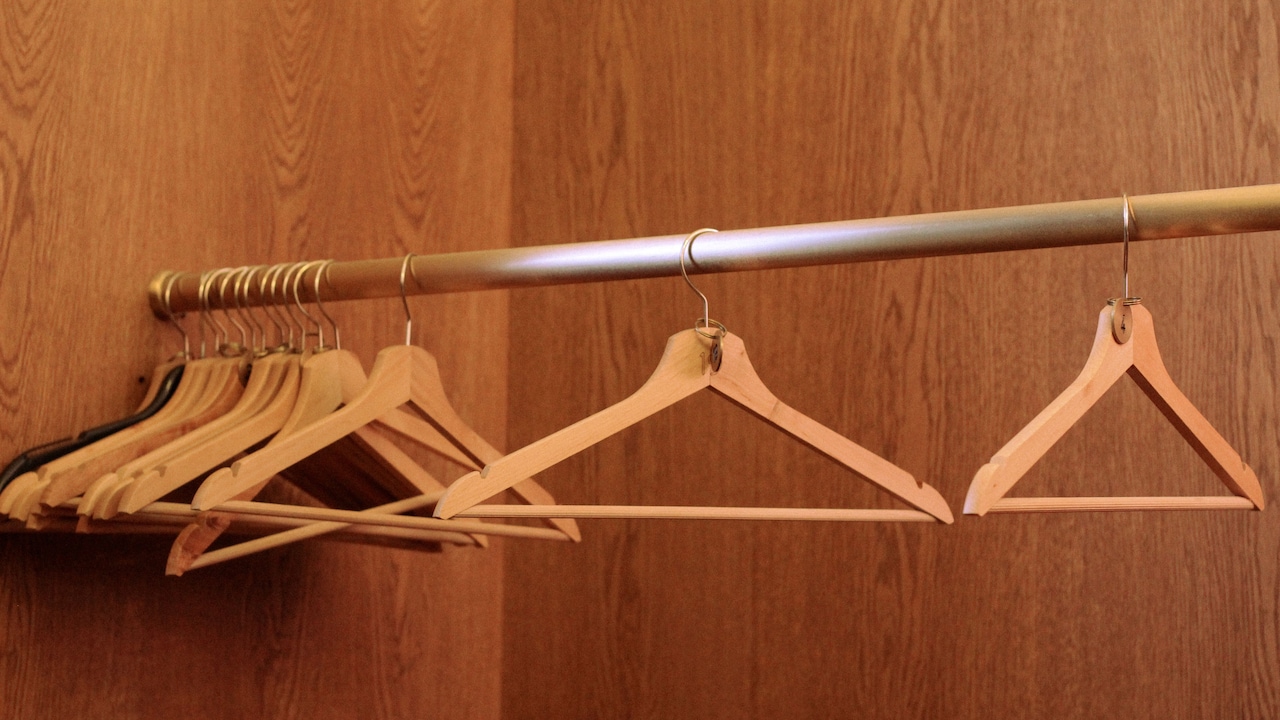
Open any wardrobe, and a familiar scene appears. A designer jacket hangs beside a bargain hanger that bends under its weight. A delicate dress slips from a thin wire frame. A crisp shirt carries strange shoulder bumps that no amount of ironing seems to fix. The clothes look expensive, but the hangers tell another story. Most people spend carefully on clothing. A wedding outfit may cost ₹15,000. A wool blazer may cost ₹8,000. A silk kurta, formal shirt, or embroidered blouse may become part of the “special occasion” section of the wardrobe. Yet the same garments often land on flimsy hangers picked up in bulk for ₹100. That tiny saving can quietly shorten the life of the outfit.
Why Cheap Hangers Can Damage Expensive Clothing
Photo Credit: Pexels
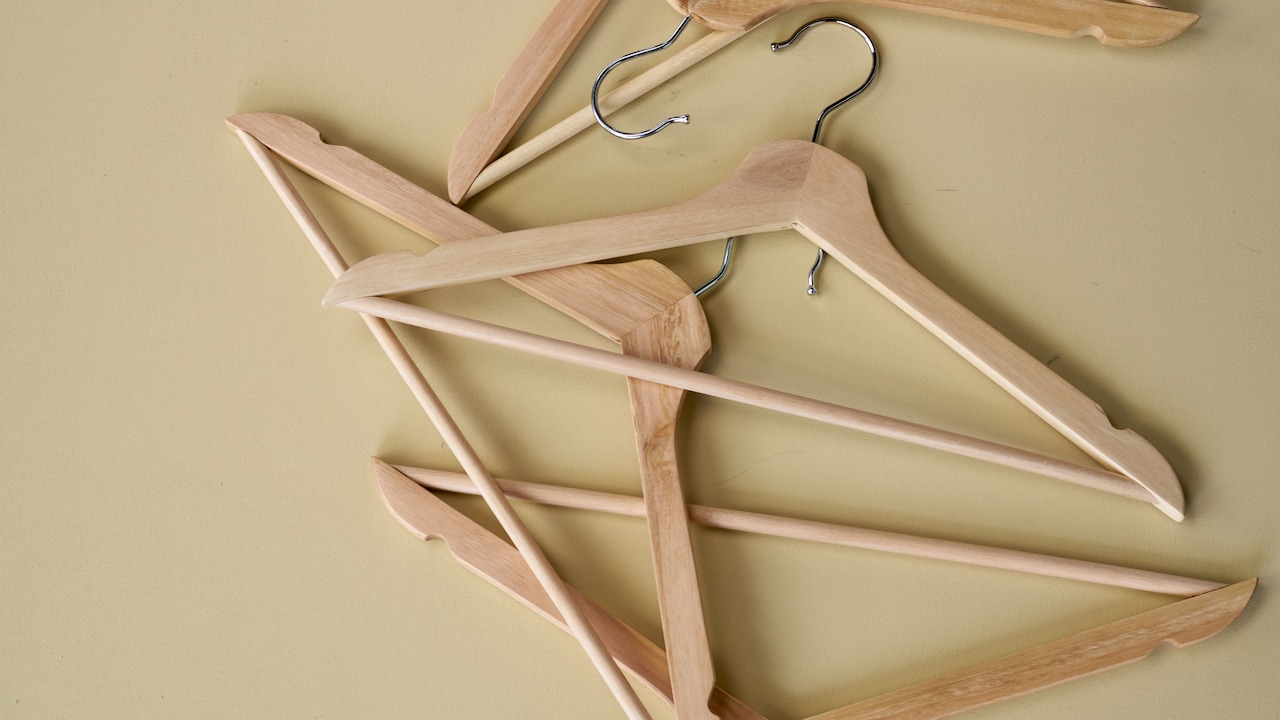
Hangers work like the bones of a wardrobe. They hold shape, support weight, and protect fabric when clothes rest between wears. A poor hanger does the opposite. It pulls, pokes, bends, and leaves marks. The damage may not shout at first. It creeps in slowly, like a loose thread that keeps growing.
The right hanger will not make old clothes new. But the wrong one can make new clothes look old far too quickly.
How Cheap Hangers Quietly Ruin Expensive Clothes
Thin Hangers Stretch Shoulders Out Of Shape
Shoulders give many garments their structure. Shirts, blazers, kurtas, dresses, and coats all rely on this area to sit well on the body. Cheap thin hangers place too much pressure on one narrow line. Over time, that pressure pushes the fabric outwards and creates those odd little horns near the sleeve seam.
Once shoulder bumps appear, they can behave like stubborn relatives at a family function. They refuse to leave. Knitwear suffers the most because it stretches easily. A fine cardigan or wool jumper can lose its natural fall after just a few weeks on a thin hanger. Even cotton shirts may develop awkward points that spoil a polished look.
Broad hangers support the shoulder in a more natural way. They copy the curve of the body and spread the garment's weight. This small detail matters. A ₹2,500 shirt can look cheap when the shoulders sag or spike. Good clothing needs gentle support, not a sharp plastic edge pretending to do the job.
Weak Plastic Hangers Bend Under Heavy Clothes
A flimsy hanger may hold a light T-shirt without complaint. Give it a sherwani jacket, winter coat, denim jacket, or embroidered lehenga blouse, and the drama begins. Cheap plastic bends under weight. Once the hanger bends, the garment follows that distorted shape.
Heavy clothes need balance. When a hanger sags in the middle, the fabric pulls down unevenly. The shoulders droop, the neckline shifts, and the front panels lose alignment. A blazer that once looked sharp can begin to hang like tired curtains after a long summer afternoon.
Many festive and formal clothes carry extra weight through lining, zari, beads, sequins, or thick fabric. These pieces need stronger wooden or padded hangers. The cost may feel unnecessary at first, but compare it with the price of repair. Altering a warped jacket or reshaping a heavy blouse can cost far more than buying proper hangers.
Cheap hangers often save money only in the most comic sense. They protect the wallet for one minute and attack the wardrobe for months.

Why Cheap Hangers Can Damage Expensive Clothing
Photo Credit: Pexels
Wire Hangers Leave Dents And Rust Marks
Wire hangers often arrive free with laundry or dry-cleaning. Free always feels tempting. But wire hangers belong in the “use briefly, then retire” category. They work for transport, not long-term storage.
Their thin frame digs into fabric and creates sharp creases. On heavier garments, they twist out of shape. On delicate garments, they leave dents. Worse, older wire hangers can rust in humid weather. During the monsoon, wardrobes already fight dampness, musty smells, and surprise fungus. Add a rusty hanger, and a pale shirt or silk blouse can end up with stains that no one invited.
Wire hangers also tangle easily. Pull one out in a hurry, and three others follow like a badly managed queue. In that small wardrobe battle, clothes get tugged, buttons loosen, and delicate embroidery catches.
A laundry hanger may bring clothes home safely. That should mark the end of its service. Expensive clothing needs a sturdier home. Keep wire hangers for temporary use, craft projects, or emergencies, not for pieces that deserve care.
Rough Edges Snag Delicate Fabrics
Delicate fabrics notice everything. Silk, chiffon, georgette, organza, satin, and fine cotton can catch on the smallest rough edge. Cheap hangers often have poor finishing around hooks, seams, clips, and moulded joints. Run a finger along them, and the problem becomes clear. If the edge feels sharp to the skin, it will not treat fabric kindly.
A tiny snag can ruin the mood of an entire outfit. One pulled thread across a silk dupatta or a satin blouse can catch the eye more than the embroidery. With woven fabrics, a snag may travel across the surface and create a visible line. With lace or net, it can tear before anyone notices.
Decorated clothes face extra risk. Sequins, beads, tassels, and threadwork can hook onto cheap plastic edges. The garment then comes off the hanger with a small “tick” sound and a large regret.
Smooth wooden hangers, velvet-covered hangers, and padded hangers reduce this risk. They do not wrestle with fabric. They let the garment rest without scratches, pulls, or ugly surprises before an event.
Poor Clips Crush Waistbands And Leave Marks
Clip hangers can help with trousers, skirts, dupattas, and some ethnic wear. But cheap clips often behave like tiny machines of destruction. They grip too tightly in one spot and leave deep dents on waistbands or hems. Some clips also have rough teeth that bite into fabric.
A formal pair of trousers with clip marks at the waist looks careless, especially when tucked shirts reveal the damage. A skirt may develop crushed patches. A delicate dupatta can carry visible pressure marks near the edge. The marks may fade after steaming, but not always. Some fabrics hold them like a grudge.
Better clip hangers use soft padding or wider clips. They spread pressure and reduce dents. Another simple trick involves placing a small piece of clean cloth or tissue between the clip and the garment. It takes five seconds and saves the fabric from direct pressure.
Cheap clips seem useful because they stop clothes from slipping. But grip without care causes trouble. A hanger should hold clothing firmly, not chew it.
Also Read: Why K18 Might Be the Last Hair Treatment Your Damaged Strands Will Ever Need
Slippery Hangers Make Clothes Fall And Crease
A hanger that lets clothes fall has failed at its one job. Smooth, cheap plastic hangers often cannot hold silk, satin, wide-neck tops, strappy dresses, or lightweight kurtas. The garment slides off, lands at the bottom of the wardrobe, and waits there in a sad heap until someone discovers it.
The fall itself may not tear the fabric, though it can. The bigger issue comes from creasing. When clothing sits crushed under shoes, bags, or other garments, the fabric develops deep folds. Some creases vanish with ironing. Others stay visible, especially on delicate blends and heavily embellished pieces that cannot face high heat.
Fallen clothes also collect dust, lint, and sometimes cupboard smells. A carefully dry-cleaned outfit loses its fresh look before it even reaches the mirror.
Velvet hangers and hangers with notches help slippery garments stay in place. They create gentle friction without roughness. Clothes remain where they belong, and the wardrobe looks less like a wrestling ring. For garments with straps or soft necklines, this small change can prevent daily annoyance and long-term damage.
Wrong Hangers Distort Collars And Necklines
A neat collar can make a shirt look crisp before the first button closes. A clean neckline can make a dress or kurta fall beautifully. Cheap hangers can disturb both. If the hanger sits too wide, it pushes into the sleeves. If it sits too narrow, the garment collapses inward. Either way, the neckline suffers.
Collared shirts need hangers that support the shoulder without pressing into the collar stand. Blazers need shaped hangers that fill the upper body. Wide-neck dresses need notched or velvet hangers to prevent slipping. One hanger shape cannot serve every garment in the wardrobe, just as one masala cannot suit every dish.
Necklines also stretch when people pull garments off hangers without unbuttoning or loosening them. Thin plastic hangers make this worse because they bend and drag through the fabric. Over time, the neckline may gape, twist, or lose its clean line.
Good hangers respect the garment's design. They hold the shoulders, protect the collar, and allow the neckline to keep its intended shape.
Crowded Cheap Hangers Create Permanent Creases
Most wardrobes carry more clothes than they admit. There is always one kurta saved for “later”, one pair of jeans that still carries hope, and one festive outfit wrapped like treasure. When cheap hangers crowd the rail, they press clothes tightly together. That pressure creates stubborn creases and flattens texture.
Thin hangers may seem space-saving, but they can encourage overpacking. Clothes need a little breathing room. Without it, collars fold, sleeves twist, and embellishments press into neighbouring garments. A sequinned blouse can imprint patterns onto a soft dupatta. A heavy jacket can crush a linen shirt. The wardrobe becomes a silent traffic jam.
Quality slim hangers can save space without losing support. The difference lies in design. A good slim hanger has grip, strength, and smooth finishing. A cheap one merely occupies less space while creating new problems.
Decluttering also helps. Clothes that never come out still occupy valuable space. Give special garments enough space, and they repay the favour by looking ready to wear instead of ready for rescue.
Bad Hangers Shorten The Life Of Tailoring
Tailoring gives expensive clothes their charm. The fall of a blazer, the line of a trouser, the curve of a blouse, and the drape of a jacket all depend on careful construction. Cheap hangers can undo that work slowly.
A tailored garment has layers inside. Interfacing, lining, padding, seams, and panels work together to create shape. When a weak hanger pulls unevenly, these layers face stress. The outer fabric may stretch in one direction while the lining pulls in another. The result looks subtle at first. A lapel stops lying flat. A sleeve twists. A shoulder loses its firmness.
Anyone who has paid ₹6,000 for a tailored blazer knows the pain of seeing it lose structure. The tailor shaped it for the body, not for a crooked hanger. Proper hangers, especially broad wooden ones, help the garment rest in the same form it should have when worn.
Tailoring deserves respect after leaving the shop. Storage forms part of garment care, not an afterthought squeezed between laundry and last-minute ironing.

Why Cheap Hangers Can Damage Expensive Clothing
Photo Credit: Pexels
Cheap Hangers Can Cost More In The Long Run
Cheap hangers look like a small saving. Buy ten for ₹150, and the wardrobe seems sorted. But the hidden cost appears later. A stretched jumper, rust-stained shirt, snagged dupatta, dented trousers, or misshapen blazer demands repair, replacement, or regret.
Clothing care works like skincare. Damage prevention costs less than correction. A set of better hangers may cost ₹700 or ₹1,500, depending on the material and quantity. That sounds higher than bargain plastic, but it protects garments worth many times more. Even replacing only the hangers used for delicate, heavy, or formal clothes can make a visible difference.
Not every T-shirt needs a premium hanger. Daily cotton wear can manage with simple, sturdy options. The smarter approach sorts garments by need. Heavy clothes need strength. Delicate clothes need softness. Slippery clothes need grip. Tailored clothes need shape.
A wardrobe does not need luxury in every corner. It needs common sense. Spend where it protects value, and skip where it adds no benefit.
Products Related To This Article
1. Lotus Premium Wooden Hangers
2. AmazonBasics Velvet Suit Hangers
3. Homestrap Premium Round Bar Wooden Hanger (Pack of 20)
4. Wooden Hanger For Clothes Hanging
5. Velvet Hangers Non-Slip | Super Thin, Felt-Coated Suit
6. Velvet Hangers Non-Slip | Super Thin, Felt-Coated Suit
7. Primelife Plastic 5 Layer Pants Clothes Hanger Wardrobe Storage Organizer Rack (Set of 3)
Cheap hangers rarely destroy clothing overnight. They work quietly, one stretched shoulder, one rust mark, one crease, and one snag at a time. That is what makes them easy to ignore. The shirt still hangs. The blazer still stays on the rail. The dress still looks fine, until one day it does not.
Expensive clothing asks for more than careful washing and occasional dry-cleaning. It also needs proper rest. A garment spends more hours in the wardrobe than on the body, so the hanger matters more than most people think. The right hanger keeps shape, reduces stress, prevents marks, and protects the little details that made the garment worth buying in the first place.
A good wardrobe does not begin with more clothes. It begins with better care for the clothes already inside. Replace the weakest hangers first. Rescue the blazer from the bending plastic frame. Move the silk blouse away from sharp clips. Give the festive jacket a hanger strong enough to hold its pride.
Sometimes, the smallest upgrade in a home is the one nobody sees. But the mirror notices.
(Disclaimer: This article may include references to or features of products and services made available through affiliate marketing campaigns. NDTV Convergence Limited (“NDTV”) strives to maintain editorial independence while participating in such campaigns. NDTV does not assume responsibility for the performance or claims of any featured products or services.)