Best Mattress Toppers For Better Sleep: Just Marketing Hype Or Do They Really Work?
Mattress toppers promise better sleep, less pain, and more comfort. But do they actually work or just sound good in ads? This guide breaks down what toppers can fix, what they can’t, and how to choose the right one.
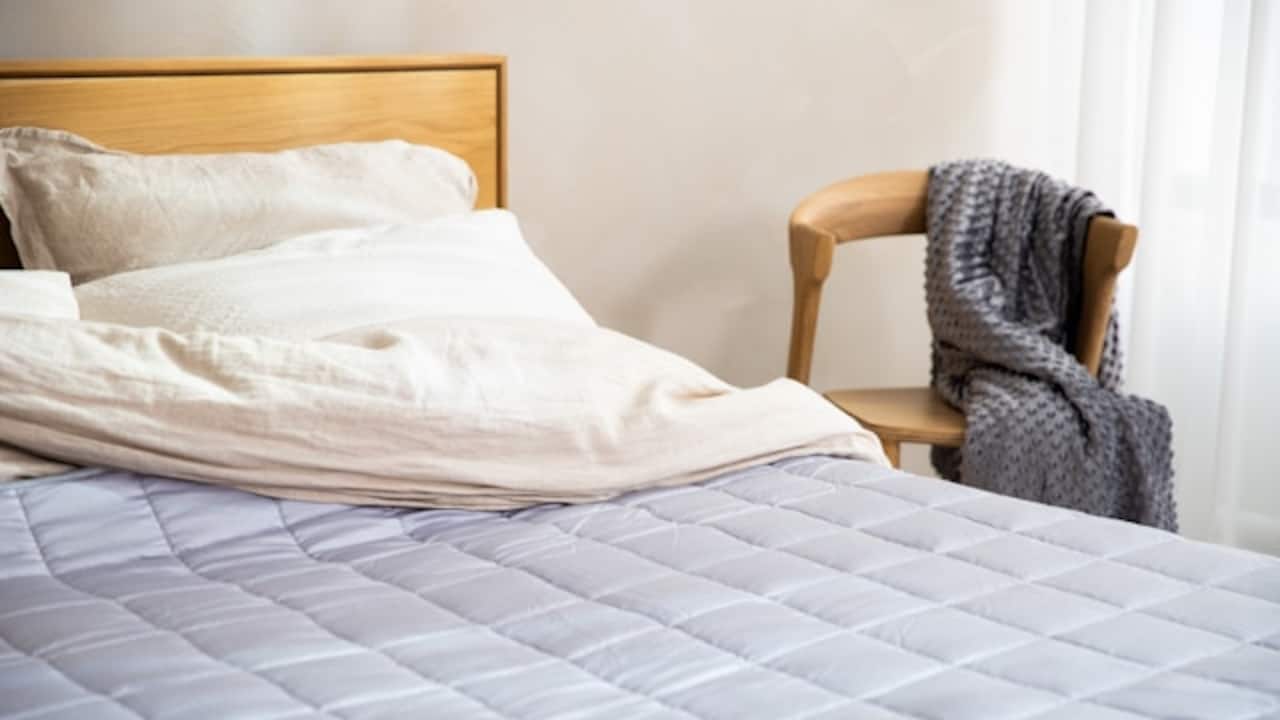
Learn how having a mattress topper can change your life and sleeping schedule.
Most people don't buy a mattress topper because life is going brilliantly. They buy it because the mattress has started feeling like a punishment. The back aches in the morning. The hips feel bruised. The shoulders sink in like quicksand. Or the bed feels too hard, like sleeping on a polished slab of marble.

Learn how investing in a mattress topper can affect your sleep and other factors; Photo Credit: Unsplash
The problem is that replacing a mattress feels like a major emotional event. It costs anywhere between ₹15,000 and ₹80,000 for a decent one, and that's before the “premium comfort technology” sales pitch begins. So a topper becomes the tempting middle path: cheaper, quicker, and far less dramatic.
But do they really work? Or do they only work in Instagram ads where everyone sleeps smiling like a toothpaste model?
The honest answer sits in the middle. A good topper can improve comfort and support in a noticeable way. It can reduce pressure points and make a bed feel fresher. But it cannot rescue a mattress that has completely given up on life. Think of it like adding a cushion to a creaky chair. It helps, but it won't turn it into a new sofa.
Also Read: Waterproof Mattress Protectors: Get Exclusive Deals
10 Things to Know Before Buying a Mattress Topper for Better Sleep
1) What a mattress topper actually does (and why it can feel like magic)
A mattress topper is not a mattress replacement. It is a comfort layer that changes the surface feel of the bed. That surface feel matters more than most people realise. The body doesn't interact with the springs or the base foam first. It interacts with the top layer. That is where pressure builds, where heat gets trapped, and where the body either relaxes or stays tense all night.
A topper can soften a firm mattress, add bounce to a dull one, and reduce the “digging in” feeling of an overly soft mattress. It also helps distribute body weight more evenly. That can ease pressure on shoulders, hips, and knees. For side sleepers, that's often the difference between waking up stiff and waking up normal.
It can also help with temperature regulation, depending on the material. Some toppers trap heat like a winter blanket. Others breathe better and feel cooler.
The “magic” comes from a simple thing: small comfort improvements can create big sleep improvements. When the body stops fighting the bed, it relaxes faster. Sleep deepens. And mornings feel less like a complaint letter.
2) When a topper helps, and when it is just a fancy band-aid
A topper works best when the mattress underneath is still structurally okay. If the mattress feels too firm, slightly uneven, or simply uncomfortable on top, a topper can genuinely fix the experience. It's especially useful for people who bought a mattress that looked great in the showroom but feels very different at home.
But toppers have limits. If the mattress has a deep sag, broken springs, or a dip that pulls the body into a curve, a topper cannot correct that properly. It may soften the pain for a week or two, but the body will still sink into the same bad shape. That leads to lower back pain, restless sleep, and the kind of morning mood that ruins breakfast.
Another situation where toppers disappoint is when people buy the wrong thickness or material. A thin fibre topper won't help much on a hard mattress. A thick memory foam topper on a soft mattress can feel like sinking into a warm pothole.
A topper should improve alignment and comfort, not just add fluff. If the bed feels like it is swallowing the body, support is missing. If it feels like a plank, pressure relief is missing. A topper only works when it targets the right problem.
3) Memory foam toppers: the crowd favourite, but not for everyone
Memory foam is the celebrity of mattress toppers. It's everywhere, and it sells the promise of “body contouring” like it's a luxury spa service. In reality, memory foam can be brilliant for pressure relief. It moulds around the body, especially around the shoulders and hips. That's why side sleepers often love it.
For people with joint pain or a mattress that feels too firm, a memory foam topper can make a bed feel instantly kinder. It can also reduce motion transfer. So if one person turns like a restless dosa on the tawa at 2 am, the other person feels less of it.
But memory foam has a personality. It retains heat, especially in warmer months. Some versions claim to have cooling gel, but “cooling” often means “less hot than regular foam,” not “pleasantly cool.” It can also feel slow to respond. Some people dislike the stuck-in feeling, especially those who change positions often.
Memory foam toppers also vary wildly in quality. Cheap foam can flatten quickly and start feeling uneven. A good one costs more, often ₹4,000 to ₹12,000, depending on thickness and density. The price jump is not just branding. Better foam holds shape longer and feels more supportive.
4) Latex toppers: the underrated choice for bounce and breathability
Latex toppers don't get the same hype as memory foam, but they deserve attention. Latex has a springy, responsive feel. Instead of hugging the body slowly, it supports the body gently and bounces back quickly. That makes it great for people who toss and turn, or those who hate the sinking sensation.
Latex also tends to sleep cooler than memory foam. It allows better airflow and doesn't trap heat as aggressively. In warm and humid weather, that can feel like a small miracle. It also holds shape well and often lasts longer than budget foam.
The feel of latex is different, though. It doesn't provide that deep “moulded” comfort. It feels more buoyant, like the bed is holding the body up rather than wrapping around it. For back sleepers, that can be fantastic. For side sleepers who need extra cushioning at the shoulder, latex can still work, but thickness matters.
The main drawback is cost. Latex toppers often start around ₹8,000 and go upwards. Natural latex costs more. Some products blend latex with synthetic materials, which may reduce durability. Still, for those who want cooler sleep and better long-term value, latex is one of the smartest topper choices.
5) Fibre and quilted toppers: cosy, budget-friendly, but limited support
Fibre toppers, quilted toppers, and “mattress pads” are common because they're affordable and easy to find. They feel soft and plush at first touch, and they add that hotel-bed vibe. They're also lightweight, easy to wash, and good for people who want a small comfort upgrade without changing the mattress feel too much.
But fibre toppers don't offer much structural support. They won't help alignment issues, and they won't reduce pressure points the way foam or latex can. They mostly add surface softness. For someone whose mattress feels slightly rough or too firm on top, that may be enough. For someone with shoulder pain or hip discomfort, it usually isn't.
Another issue is flattening. Fibre compresses over time. After a few months, it may lose its fluff and start feeling like an extra bedsheet with ambitions. That doesn't mean it's useless, but expectations need to stay realistic.
The sweet spot for fibre toppers is comfort, not correction. They work well for guest beds, for temporary setups, or for people who simply want a softer feel without spending much. Many decent ones cost ₹1,500 to ₹5,000, which makes them the lowest-risk option.
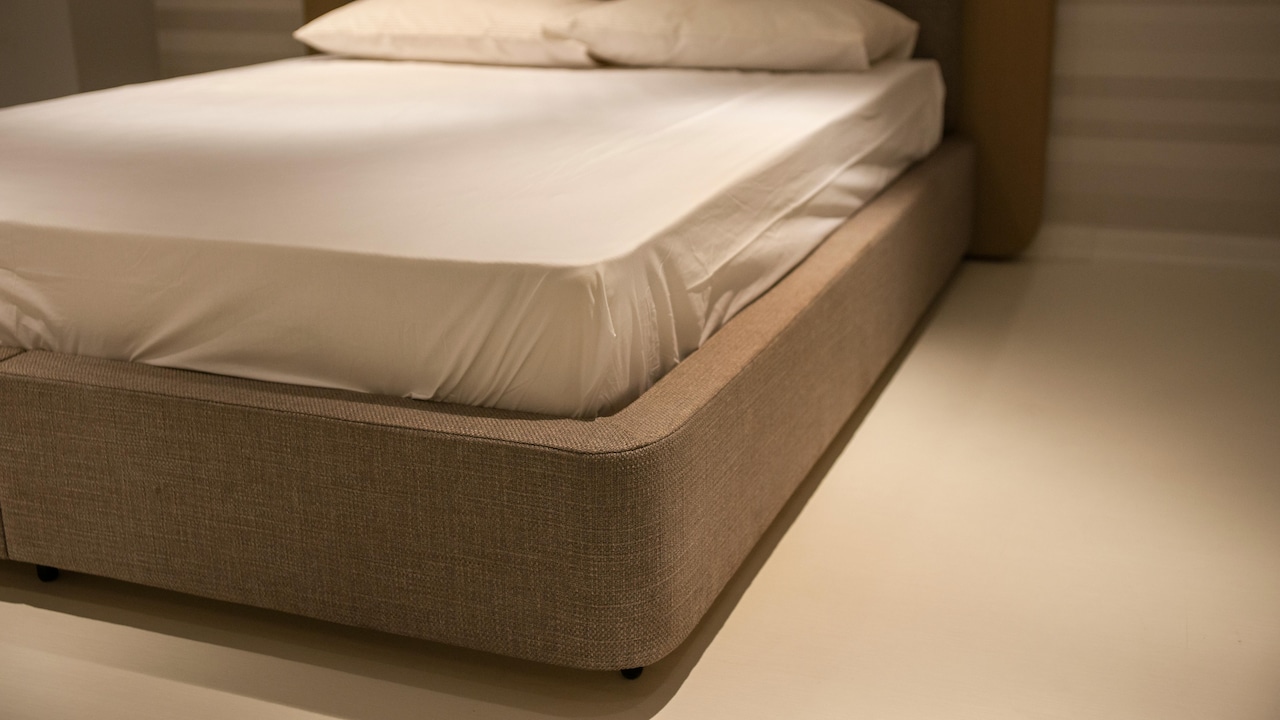
While fibre toppers and quilted toppers are affordable, foam or latex ones can help reduce pressure points; Photo Credit: Pexels
6) Thickness and density: the real secret behind whether it works
Most topper regret comes down to two things: thickness and density. People often buy based on buzzwords when they should be buying based on how the body sleeps.
Thickness determines how much the topper changes the mattress feel. A 1-inch topper gives a small adjustment. A 2-inch topper makes a noticeable difference. A 3-inch topper can transform the bed. But thicker is not always better. On a soft mattress, a thick topper can worsen sinking. On a firm mattress, a thick topper can feel heavenly.
Density matters mainly for foam. Low-density foam feels soft initially but breaks down quickly. High-density foam feels more supportive and lasts longer. It can also feel firmer at first, which surprises people expecting a cloud. But supportive foam is what prevents aches.
A simple way to think about it: softness is not the same as comfort. Softness can feel great for five minutes. Comfort shows up at 6 am when the body wakes up without complaint.
For most people, 2 inches is the safe middle. Side sleepers often prefer 2 to 3 inches. Back sleepers usually do well with 2 inches. Stomach sleepers should be cautious with thick soft toppers, as they can push the spine into an awkward curve.
7) Cooling claims, sweat problems, and the truth about “temperature regulation”
Many people buy toppers hoping for cooler sleep. The marketing is full of phrases like “cooling gel,” “breathable airflow,” and “advanced heat dissipation.” Some of that is real. Much of it is optimistic storytelling.
Memory foam tends to trap heat because it moulds tightly around the body. Less airflow means more warmth. Cooling gel can help slightly, but it doesn't turn memory foam into an air conditioner. It may feel cool for a short time, then stabilise at body temperature.
Latex generally sleeps cooler because it is more open and responsive. Fibre toppers can also feel cooler, especially if they use cotton or breathable materials, but they may not offer pressure relief.
Another factor people ignore is the mattress protector and bedsheet. A waterproof protector can trap heat more than the topper itself. Heavy polyester sheets also hold warmth. Sometimes the “hot sleep problem” comes from everything layered above the topper.
For warm sleepers, the best approach is breathable materials and realistic expectations. Latex or a well-ventilated foam topper works better than a thick, dense foam slab. Also, room airflow matters. A topper can help, but it can't fight a humid summer night alone.
8) Back pain, shoulder pain, and what kind of topper suits which ache
People often search for toppers because of pain. The tricky part is that pain can come from opposite causes. A mattress that is too firm can cause pressure pain. A mattress that is too soft can cause alignment pain.
Shoulder pain is common among side sleepers. That usually comes from a surface that is too firm. A memory foam topper often helps because it cushions the shoulder and reduces pressure. Latex can also help, but it feels less “sink-in,” so some side sleepers prefer foam.
Lower back pain is more complicated. If the mattress is sagging, a topper won't fix the dip. If the mattress is too firm, a topper can help by allowing the hips to settle slightly. If the mattress is too soft, adding a soft topper can make back pain worse.
Hip pain often comes from pressure points, again common in side sleeping. Foam or latex works better than fibre.
Neck pain is rarely solved by a topper alone. That usually needs pillow adjustment, because the neck position depends heavily on pillow height.
The best topper for pain is not the softest one. It's the one that keeps the spine aligned while easing pressure. That balance is the entire game.
9) Couples, motion transfer, and the “why is your side doing that?” problem
Sharing a bed is a lovely idea until someone starts moving like they're training for a wrestling match in their sleep. Motion transfer is one of the most underrated sleep disruptors. Many couples don't realise how much it affects them until they sleep alone for one night and wake up feeling suspiciously refreshed.
A topper can help with this, especially memory foam. Foam absorbs movement, so turning on one side doesn't shake the whole bed. Latex is more bouncy, so it transfers more motion than memory foam, but still less than a cheap spring mattress.
Another issue couples face is preference mismatch. One person wants a firm bed, the other wants soft one. A topper can act as a compromise. It can soften the surface without changing the core support too much. Some couples even use split toppers, one on each side, though it can look slightly odd unless covered well.
Then there's the heat issue. Two people generate more warmth, and foam traps it. So couples who sleep warm may prefer latex or a thinner foam topper.
A topper can't fix every sleep conflict, but it can reduce the daily “why is your side doing that?” conversation. And that alone is worth something.
10) Buying smart: what to look for so money doesn't go into the regret basket
A topper should feel like a considered upgrade, not a gamble. The first thing to check is whether the mattress underneath is worth topping. If it sags deeply, replacement makes more sense. A topper is not a miracle worker.
Next comes material choice. Memory foam suits people who want pressure relief and less motion transfer. Latex suits those who want cooler sleep and bounce. Fibre suits those who want a softer surface feel without major changes.
Then comes thickness. Most people do well with 2 inches. Those with significant pressure issues may prefer 3 inches. Those with soft mattresses should stay cautious with thick toppers.
Look for removable, washable covers. Hygiene matters, especially in humid weather. A topper that cannot be cleaned easily becomes a dust and sweat magnet.
Also, check return policies. Comfort is personal. What feels perfect to one person can feel terrible to another. Spending ₹6,000 on something that cannot be returned is a risk.
Finally, don't get hypnotised by marketing words. “Orthopaedic” is often a label, not a guarantee. Focus on the feel, support, and material quality. The best topper is the one that makes sleep easier, not the one with the fanciest description.
Products Related To This Article
1. AVI Super Soft 500 GSM Microfiber Bed Mattress Topper for Queen Size 78x60 Inch
2. Mattress Topper with Flip Memory Foam & Graphite Infused Cloud Foam
3. 100% Memory Foam Mattress Topper
4. Frido Ultimate Mattress Topper with Premium Cover for Single Bed
5. Mattress Topper,Extra Soft Mattress Padding Luxury Feel
6. Linenwalas Premium Microfiber Topper for Most Comfortable Hotel Bed Feel
7. SleepyCat Luxe AirGen™ Memory Foam Soft Mattress Topper
Mattress toppers are not just marketing hype, but they are not miracle cures either. They work best as comfort enhancers, pressure reducers, and sleep-surface improvers. For a mattress that is slightly too firm, slightly too old, or simply not quite right, a topper can be the difference between restless nights and genuinely better sleep.
The key is choosing the right type. Memory foam suits those chasing pressure relief and a calmer sleep surface. Latex suits those who want bounce and cooler comfort. Fibre toppers suit those who want a gentle softness upgrade without spending much.
A mattress topper can't repair a mattress that has collapsed. It can't fix every pain. And it won't turn late-night scrolling into a wellness habit. But when chosen wisely, it can make the bed feel more welcoming, more forgiving, and more worth looking forward to at the end of a long day.
And honestly, in a world where sleep often gets bullied by stress, noise, and screens, anything that makes bedtime feel like a treat instead of a chore deserves a little respect.
(Disclaimer: This article may include references to or features of products and services made available through affiliate marketing campaigns. NDTV Convergence Limited (“NDTV”) strives to maintain editorial independence while participating in such campaigns. NDTV does not assume responsibility for the performance or claims of any featured products or services.)












![Steam Iron Teflon Shoe Cover for ES-300,ST-96 [Only For ES-300 and ST-96 Model Electric Steam Irons]](https://m.media-amazon.com/images/I/51wwkttondL._SL160_.jpg)