Is Your Plant Dying? How to Spot and Fix Root Rot Before It's Too Late
Leaves drooping, yellowing, and soil staying wet? Your plant may have root rot. Learn the early warning signs and the fastest fixes to save it before it’s too late.
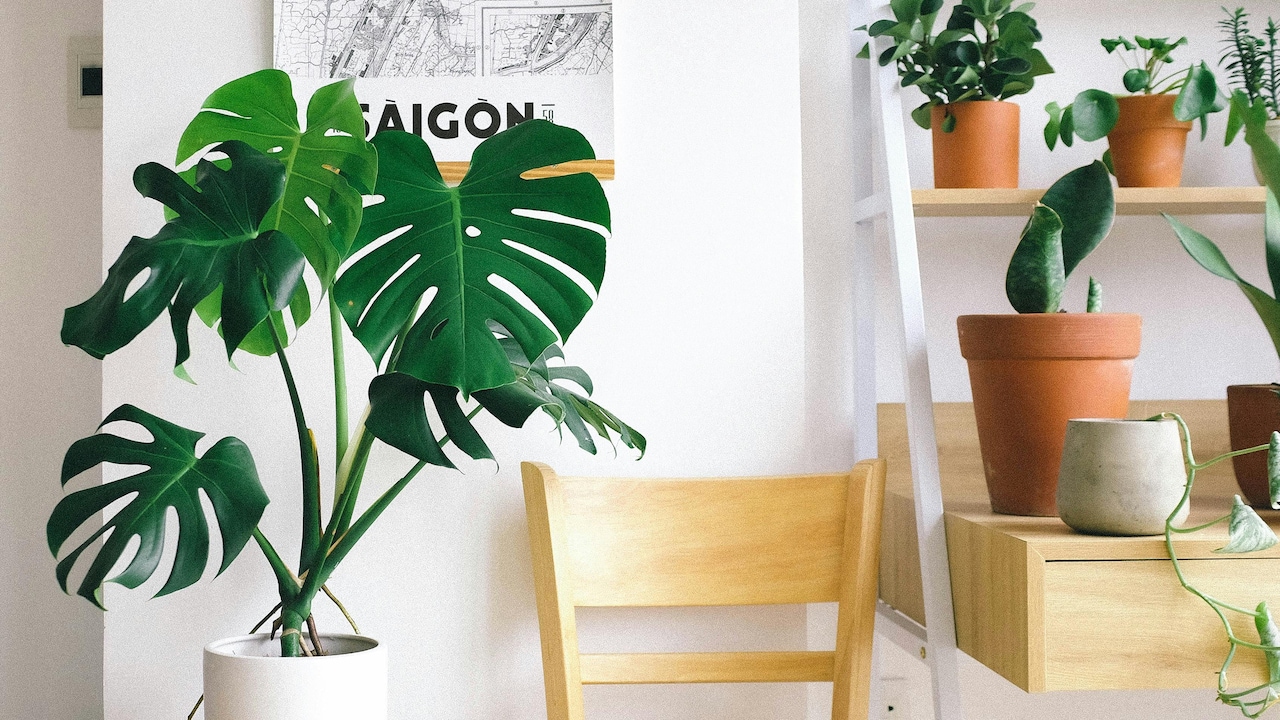
Spot and Fix Root Rot Early: Save Dying Plants by Catching Damage Below the Soil Line.
There's a special kind of heartbreak that comes from watching a perfectly good plant start to droop for no clear reason. One day it's fine, the next it looks like it's auditioning for a tragic soap opera. Many people respond the same way: more water, more love, more panic. And that's how root rot wins.
Root rot isn't rare. It's not “bad luck”. It's a predictable problem that happens when roots sit in soggy soil for too long. Roots need oxygen as much as they need moisture. When they can't breathe, they weaken, fungi move in, and the plant slowly stops functioning.
This article helps spot root rot before it turns into a full-blown plant funeral. It also explains how to fix it, how to stop it from coming back, and how to avoid the classic mistakes that even experienced plant parents still make.
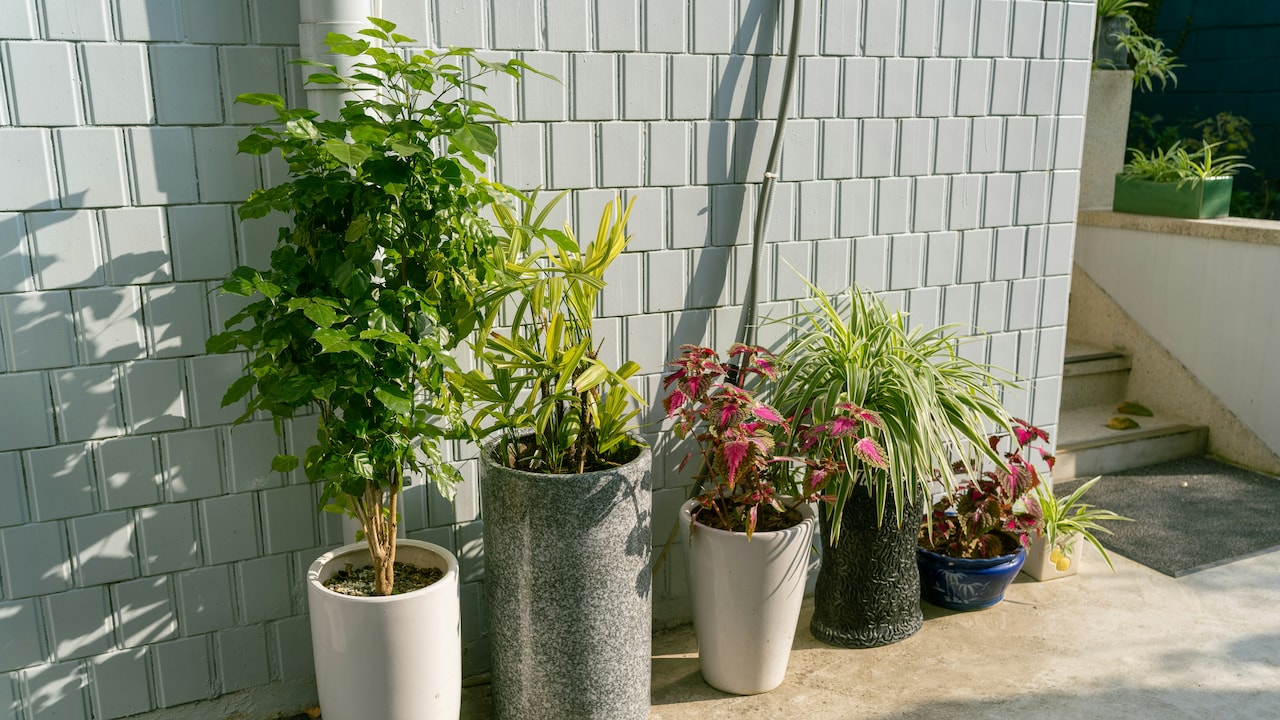
Root Rot in Plants: Signs, Causes and How to Fix It Fast; Photo Credit: Pexels
Spot It Early, Save It Fast: 10 Root Rot Checks That Actually Work
1) The first signs are confusing on purpose
Root rot is sneaky. It doesn't announce itself with a neat little signboard. It starts with symptoms that look like everything else. Leaves droop, and the brain instantly thinks “water”. Leaves yellow, and the brain thinks “fertiliser”. A plant looks tired, and the brain thinks “more sunlight”.
The cruel twist is that root rot often looks like underwatering, even though the plant is drowning. The leaves may feel soft and limp, but the soil still looks wet. Sometimes the plant perks up for a day after watering, which makes things even more confusing. That tiny improvement isn't recovery. It's more like a brief sugar rush before a crash.
In many homes, especially in coastal cities or during humid months, soil stays wet longer than expected. A plant can go from healthy to struggling in just a couple of weeks. When the top layer looks dry, people water again, but the bottom is still soaked. That's where rot begins. The plant doesn't fail from neglect. It fails from kindness applied in the wrong direction.
2) The smell test: your pot should not smell like a drain
Healthy soil smells earthy, like fresh rain hitting a garden. Rotting soil smells like a blocked sink. If a plant gives off a sour, swampy, or sewage-like smell, that's not “natural”. That's decomposition.
A strong smell is usually a late-stage sign, but even mild odours matter. The pot may smell worse right after watering, because moisture activates the rot. If the plant sits near a window and still smells unpleasant, that's a major red flag.
This is also why decorative outer pots can be dangerous. Water collects at the bottom, turns stagnant, and starts brewing trouble like a tiny toxic soup. The plant doesn't complain immediately. It quietly loses roots, then suddenly collapses.
If a plant has been watered normally and still smells off, don't wait for it to “settle”. Soil doesn't settle into a stench. It only gets worse. A quick sniff can save a plant weeks before the leaves show the full story.
Also Read: Stylish Planters Under ₹600: How They Can Transform Any Corner - 5 Gorgeous Picks
3) Yellow leaves aren't always a sign of hunger; they can be a sign of drowning
Yellowing leaves cause instant panic. People rush to fertiliser, banana peel water, or some heroic home remedy. But when roots rot, the plant can't absorb nutrients properly. So even if the soil is rich, the plant behaves like it's starving.
A common pattern appears: older leaves yellow first, then drop. New leaves may come out smaller. Growth slows. The plant looks tired even though it's being “taken care of”.
Sometimes the yellowing happens alongside soft stems. In plants like pothos, philodendron, and money plant, the vines may feel mushy near the base. In snake plants, the leaves may start falling over as if they've lost confidence in gravity. In peace lilies, the whole plant droops dramatically, like it's trying to guilt-trip everyone in the room.
If yellowing happens while the soil stays wet for days, root rot becomes the prime suspect. Fertiliser won't fix it. In fact, feeding a plant with rotting roots can make things worse. It's like offering a heavy meal to someone with food poisoning.
4) The pot is often the villain, not the plant
Many plants die because the pot looks good. A gorgeous ceramic pot without drainage is basically a stylish trap. Even pots with one tiny hole can be risky if the soil is dense or the pot is deep.
Drainage isn't optional. It's survival. Excess water needs an escape route, and roots need air pockets. When water sits at the bottom, roots suffocate first. Then the fungus shows up, and the rot spreads upwards.
Another underrated villain is pot size. A pot that's too large holds too much soil. More soil means more water retention. The plant may only use a small portion of that water, and the rest stays wet, slowly turning into a root rot factory.
A practical example: a small rubber plant in a big pot may look “balanced” aesthetically, but it's a recipe for soggy roots. A better rule is to size up gradually. A plant doesn't need a mansion. It needs a breathable home.
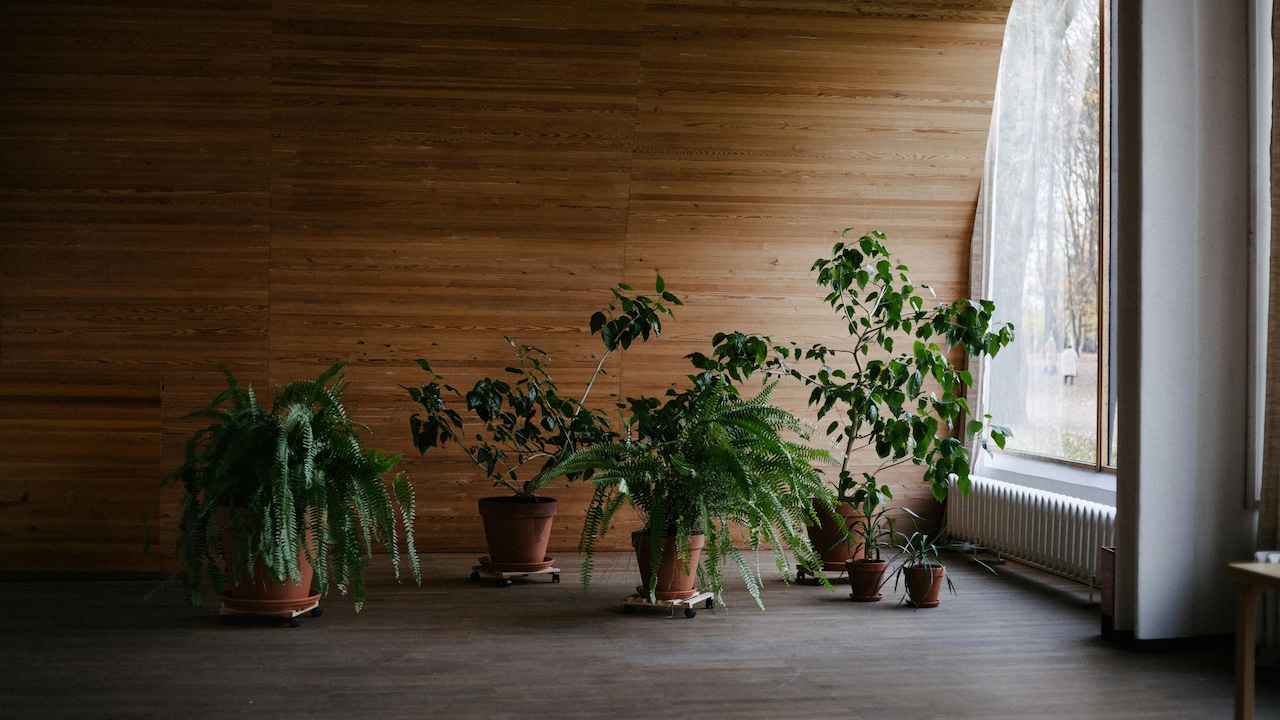
Root Rot in Plants: Signs, Causes, and How to Fix It Fast; Photo Credit: Pexels
5) Soil that stays wet too long is a slow poison
Soil is not just “dirt”. It's a system. If it holds too much water and too little air, roots struggle. Many plants sold in nurseries come in soil that's designed for mass watering and quick sales, not long-term indoor life.
A dense mix becomes especially dangerous in humid weather. Even if watering habits stay the same, evaporation slows down. The soil remains wet for longer, and roots stay trapped in moisture.
Some signs of poor soil include water pooling on top instead of soaking in, soil shrinking away from the pot edges, or soil that feels heavy and sticky even days after watering. A healthy potting mix should feel light, not like wet clay.
A good indoor mix usually includes ingredients that create air pockets, such as coco peat, perlite, bark, or coarse sand. The goal isn't to make the soil dry. The goal is to make it breathable. Plants don't want desert conditions. They want moisture with oxygen, like a well-aired sponge rather than a soaked towel.
6) Overwatering isn't about quantity; it's about timing
This part surprises many people. Overwatering doesn't always mean pouring a lot of water. It often means watering too often.
A small cup of water every day can be worse than a thorough soak once a week. Frequent small watering keeps the soil constantly damp, especially at the bottom. Roots never get the oxygen break they need.
Another common habit is “watering on schedule”. Every Sunday becomes a ritual. It feels responsible. But plants don't follow calendars. They follow conditions. A plant in summer near a bright window may need water twice a week. The same plant during monsoon or winter may need water once every 10–14 days.
The finger test helps, but only if done correctly. Touching the top inch is not enough. The top dries quickly. The lower half can remain soaked. A better approach is to check deeper with a skewer or chopstick. If it comes out damp and muddy, watering should wait.
Plants don't reward consistency. They reward observation.
7) How to confirm root rot without guessing
When symptoms stack up, yellowing, drooping, smell, slow growth, the only way to be sure is to inspect the roots. This sounds scary, but it's often the moment that saves the plant.
A healthy root system looks firm and pale, usually white or light tan. It feels crisp and springy. Rotting roots look dark brown or black. They feel mushy. Sometimes the outer layer slips off when touched, leaving a thin string behind. That's not a root. That's a root's ghost.
To check safely, gently slide the plant out of its pot. If it resists, squeeze the pot sides or tap the base. If the soil is extremely wet and the plant comes out too easily, that's another clue.
This inspection also reveals hidden issues like compacted soil, fungus gnats, or waterlogged pockets. It's not about being rough. It's about being honest. If roots are rotting, the plant needs intervention. Waiting for it to “bounce back” is like waiting for a leaking roof to fix itself.
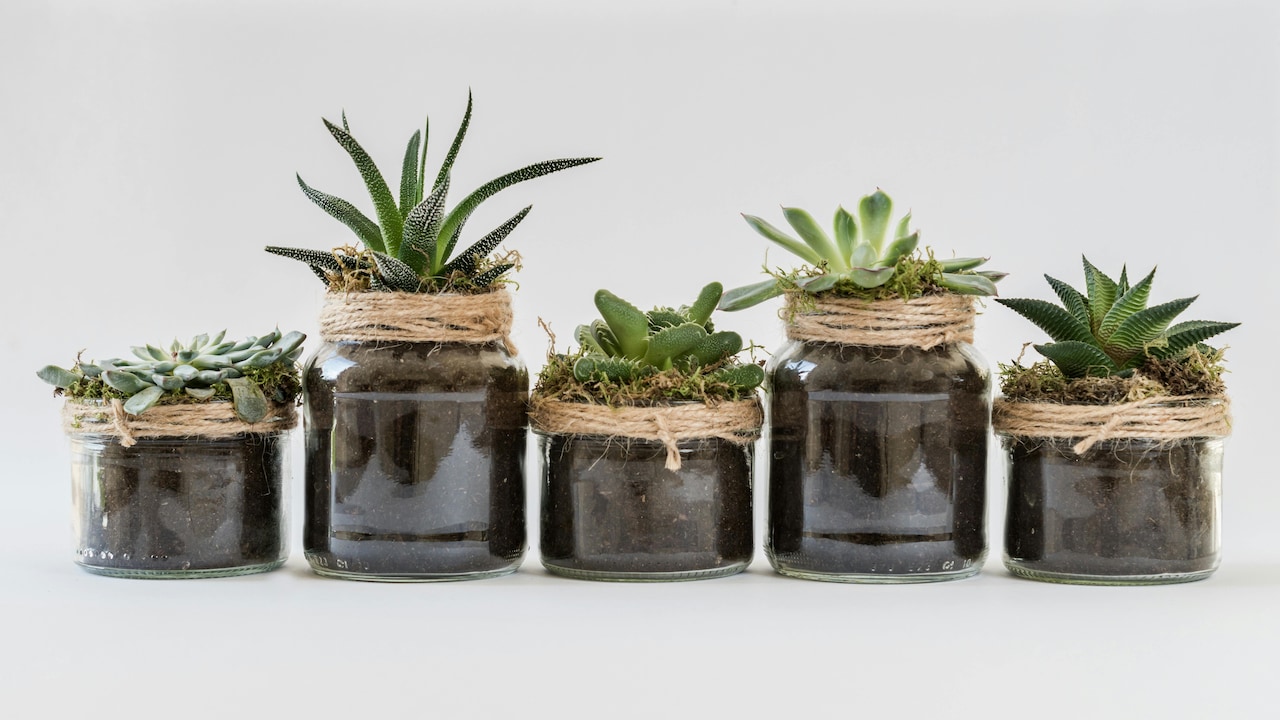
Root Rot in Plants: Signs, Causes and How to Fix It Fast; Photo Credit: Pexels
8) The rescue plan: cut, clean, and reset
If root rot is found, quick action matters. The goal is to remove the damaged roots and give the plant a fresh, breathable environment. This is not a cosmetic report. It's a medical procedure.
Start by removing as much wet soil as possible. Then trim off all mushy, dark roots using clean scissors. Don't feel guilty. Those roots won't recover. Keeping them only spreads the rot.
After trimming, rinse the remaining roots gently in clean water. This helps remove fungal residue and old soil. Some people use mild hydrogen peroxide solutions, but plain water and good hygiene can work well if the rot isn't extreme.
Let the roots air-dry for a short time before repotting. Then repot into a clean pot with proper drainage and a fresh, airy mix. Avoid fertiliser for at least a few weeks. The plant needs recovery, not pressure.
It may look worse for a while. That's normal. A rescued plant often sheds a few leaves as it adjusts. The real victory is new growth later.
9) Aftercare: the awkward recovery phase
The biggest mistake after saving a plant is treating it like it's back to normal immediately. After root rot, the plant is rebuilding its foundation. That takes time.
Watering needs to be cautious. Fresh soil can hold moisture differently, and the plant may have fewer roots to absorb water. Water lightly at first, then wait until the mix dries partially before watering again. This is where patience becomes the real plant-care skill.
Light also matters. Many people move the plant into harsh direct sun to “help it recover”. That can stress it further. Bright indirect light is usually the sweet spot. Good airflow helps too, especially in humid homes.
Expect a slow comeback. Some plants recover in two weeks. Others take two months. A pothos may bounce back quickly. A ZZ plant may take its own sweet time, like it's offended by the whole situation.
If fungus gnats appear, it's often because the soil stayed damp too long. Letting the top layer dry, improving airflow, and avoiding overwatering usually solves it.
10) Prevention: the habits that stop root rot for good
Root rot prevention isn't complicated. It's mostly about creating conditions where roots can breathe. Once that becomes the goal, everything else falls into place.
The first habit is using pots with drainage holes. No exceptions. If a decorative pot is used, keep the plant in a nursery pot inside it and empty the collected water after watering.
The second habit is using the right soil mix. Indoor plants do better with airy mixes than heavy garden soil. If a plant has suffered root rot once, upgrading the mix is not optional.
The third habit is watering based on need, not routine. A plant in a cool room needs less water than one in heat. A plant in a bright window dries faster than one in a corner. Weather changes everything.
Finally, resist the urge to “fix” every droop with water. Sometimes a plant droops because it's too wet. Sometimes it droops because it's too hot. Sometimes it droops because it's dramatic. Checking the soil first prevents a lot of unnecessary harm. Root rot isn't a curse. It's a lesson in balance.
Products Related To This Article
1. Plastic Round Flower Pots with Drainage Hole Saucers
2. Kraft Seeds Qutub 18 inch Pot for Plant
3. Nurturing Green® Combo of 4 Self Watering Flower Pots for Plants
4. ORGANIC BAZAR 12x12 Grow Bags for Terrace Garden
5. BEHOMA Fluted Metal Indoor Planters with Stands for Table Top and Floor
Root rot feels unfair because it often happens to people who care the most. The plant looks sad, and the instinct is to water it, nurture it, rescue it. But the real rescue starts with pausing and checking what's happening under the surface.
Once the signs become familiar, wet soil that never dries, yellowing leaves, soft stems, and that unpleasant smell, root rot becomes easier to catch early. And early is everything. A plant with some healthy roots can recover. A plant with no roots is simply running out of time.
The best part? Root rot is one of the most preventable plant problems. With breathable soil, proper drainage, and watering based on observation, most houseplants stay steady even through humid months and unpredictable weather.
Plants don't need perfection. They need a little attention, a little restraint, and a pot that lets them breathe. Check out these planters on Amazon.
(Disclaimer: This article may include references to or features of products and services made available through affiliate marketing campaigns. NDTV Convergence Limited (“NDTV”) strives to maintain editorial independence while participating in such campaigns. NDTV does not assume responsibility for the performance or claims of any featured products or services.)






![Steam Iron Teflon Shoe Cover for ES-300,ST-96 [Only For ES-300 and ST-96 Model Electric Steam Irons]](https://m.media-amazon.com/images/I/51wwkttondL._SL160_.jpg)