Should You Buy a Memory Foam Pillow? 10 People Who Should Skip It
Memory foam pillows aren't for everyone. This guide reveals 10 types of sleepers who should avoid them, and what to choose instead. Here is what decided who should and shouldn't buy memory foam pillows.
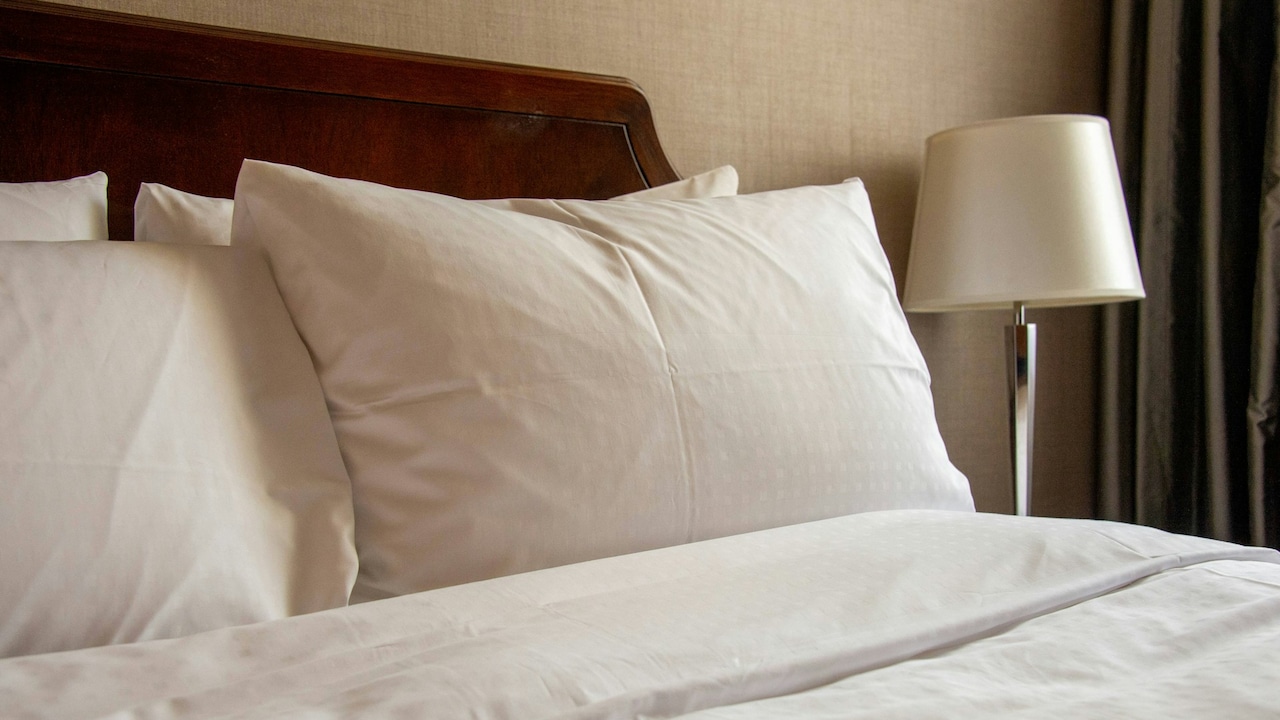
Memory Foam Pillow Guide: Here Are 10 Types of People Who Should Avoid Them.
Memory foam pillows have become the celebrity of the bedding world. They are sold with bold promises: better posture, deeper sleep, fewer headaches, a neck that feels “supported”. And yes, sometimes they deliver.
Learn all about who should and shouldn't invest in memory foam pillows; Photo Credit: Unsplash
But there's a catch. Memory foam is not a neutral material. It reacts to heat, it moulds to the head and neck, and it behaves differently depending on your sleeping style, your body temperature, and even the humidity in the room. That means it can feel magical for one person and unbearable for another.
The tricky part is that most people only realise a pillow is wrong after a week of restless nights, a sore shoulder, or that strange feeling of waking up more tired than when they went to bed. Then the pillow sits in the corner like an expensive regret.
This article keeps it simple, honest, and practical. If you recognise yourself in the types below, memory foam might not be the best match. And if you still want one, at least you'll know what to watch out for.
Also Read: Best Memory Foam Cushions For Chair Seating To Improve Comfort And Posture
Before You Buy: Check If You Fall Into These Categories
1) Hot sleepers who already wake up sweaty
If your natural sleeping style is “human heater”, memory foam may become your personal enemy. The material responds to warmth, which is part of its appeal. It softens slightly and moulds around your head. Unfortunately, that same feature can trap heat, especially in warmer months or in homes where the fan does most of the heavy lifting.
The result is not always dramatic. Sometimes it's subtle: the head feels warm, the neck feels sticky, and sleep becomes lighter. People toss and turn more, not because the pillow is uncomfortable, but because the body keeps trying to cool down. It's the kind of discomfort that doesn't scream; it whispers all night.
This becomes worse if you use thick cotton pillow covers or if your room stays humid. Many people buy a memory foam pillow for ₹2,500, then spend another ₹500 on “cooling covers”, and still wake up feeling like they slept under a shawl in May.
If heat is already a problem, a breathable fibre fill or a latex pillow usually feels fresher and less clingy through the night.
2) Side sleepers with broad shoulders who need more lift
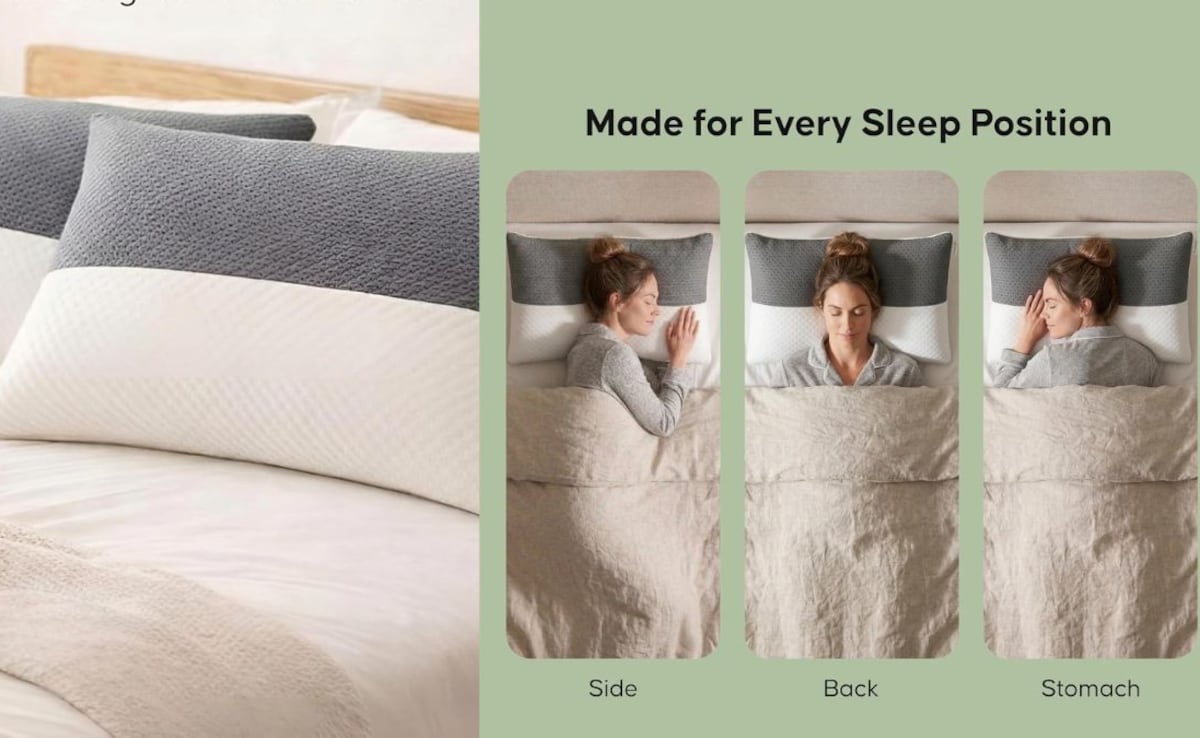
Side sleeping is common, and it can be brilliant for snoring and digestion. But it comes with one strict requirement: the pillow must fill the gap between the head and the mattress. If that gap stays empty, the neck bends down. If the pillow is too high, the neck bends up. Either way, the body complains by morning.
Memory foam pillows often sink more than expected. In a shop, they feel supportive. At home, after ten minutes of body heat, they soften and compress. For someone with broad shoulders, that can mean the head slowly droops lower through the night. It's like starting on a proper pillow and ending on a pancake.
The next morning can bring a tight neck, a sore shoulder, or that annoying pinch near the base of the skull. Many people mistake this for “adjustment period”. Sometimes it is. Often, it's simply the wrong pillow height and firmness.
Side sleepers with wider frames often do better with pillows that keep their height, like firm fibre pillows, buckwheat, or latex. They don't melt away when the night warms up, and they keep the spine in a straighter line.
3) People who hate the “stuck” feeling and need to move freely
Memory foam is famous for one specific sensation: it holds you. That's the whole point. It moulds around your head and keeps it stable. For some people, that feels like luxury. For others, it feels like being gently trapped.
If you are the kind of sleeper who shifts positions a lot, memory foam can become frustrating. Every time you move your head, the pillow needs a moment to reshape. That tiny delay is enough to irritate light sleepers. It can also create a strange “drag” feeling against the skin and hair, especially if you use rough pillow covers.
There's also a psychological element. Some people simply sleep better when their pillow feels airy and responsive. They want bounce, not slow sinking. They want the pillow to move with them, not remember them.
This is often the type of person who tries memory foam for a week, then goes back to their old pillow with the relief of someone returning to familiar food after a weird diet.
If you love fluffing your pillow, reshaping it, or hugging it into a new position, memory foam might feel too rigid and controlling.
4) People with allergies or sensitive noses who react to strong smells
Memory foam can smell. Not always, but often enough to matter. That “new pillow” odour can be mild, or it can be so sharp it feels like sleeping next to a freshly opened plastic toy. Some people barely notice it. Others can't tolerate it for more than five minutes.
If you have a sensitive nose, frequent headaches, or allergies that flare up easily, this matters. The smell can linger for days, sometimes weeks. In humid weather, it may hang around even longer. Some pillows claim to be odour-free, but real life does not always match the label.
There's another issue: memory foam tends to hold onto heat and moisture. If you sweat at night, the pillow can retain that dampness more than other materials. That makes it less friendly for people prone to dust allergies, sinus irritation, or skin sensitivity. It's not that memory foam is automatically unhygienic. It's just less forgiving.
A washable, breathable pillow is usually easier for allergy-prone sleepers. Something like a good quality fibre pillow, with a washable cover, can feel cleaner and fresher over time.
5) People with neck pain caused by the wrong posture, not the wrong pillow
This one surprises people. Many assume memory foam is a neck pain cure. Sometimes it helps, but sometimes it makes things worse because the real problem isn't the pillow. It's the posture.
If neck pain comes from long hours bent over a laptop, scrolling on a phone, or sitting on a sofa like a folded newspaper, a pillow alone won't fix it. In fact, memory foam can exaggerate the discomfort by locking the neck into one position. It can feel supportive, but it can also stop your body from naturally shifting to relieve pressure.
People in this category often wake up with a stiff neck that feels “stuck” rather than “sore”. They may also get tension headaches, especially around the temples or the back of the head.
The bigger issue is that memory foam encourages stillness. If your neck needs gentle movement and varied support through the night, a more responsive pillow might suit you better. Latex and high-quality fibre pillows often provide support without freezing you into one mould.
A pillow should support the spine, not act like a neck brace.
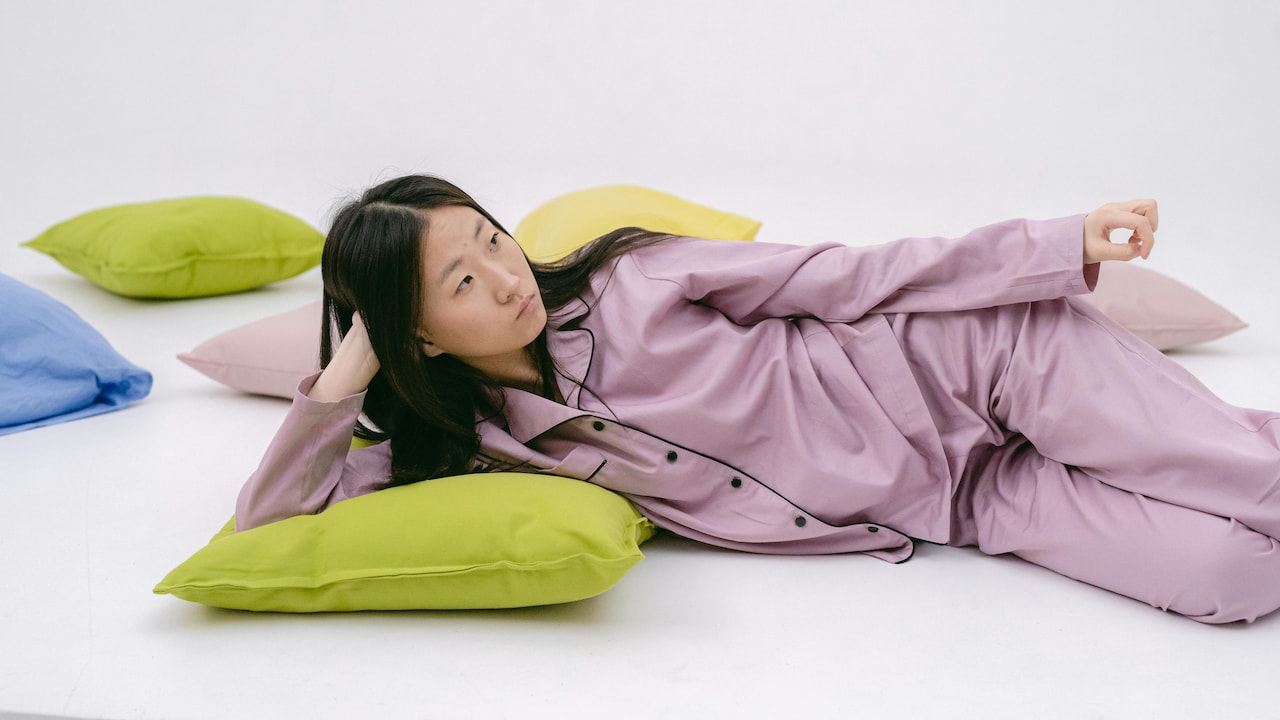
People dealing with neck pain due to incorrect posture may not benefit from memory foam pillows; Photo Credit: Pexels
6) Stomach sleepers who already struggle with neck strain
Sleeping on the stomach is a bit like eating spicy street food. People know it's not the best idea, but some still love it and refuse to stop. The problem is that stomach sleeping forces the neck to twist to one side for hours. That twist alone can cause stiffness.
Now add memory foam. It tends to hold the head in place once it moulds. So instead of allowing small shifts in neck position, it may encourage the neck to stay twisted in the same angle for longer.
Stomach sleepers also need a very low pillow, or sometimes no pillow at all. Memory foam pillows, especially contoured ones, often sit too high. Even if they compress, they may not compress evenly. The neck ends up tilted backwards, which can cause that unpleasant “pulled muscle” feeling by morning.
Many stomach sleepers buy a memory foam pillow thinking it will be softer and better. Then they wake up feeling like they lost a wrestling match with their own spine.
If stomach sleeping is non-negotiable, a thin, soft fibre pillow is usually a safer bet. It won't fight your sleeping position as aggressively.
7) People who prefer a plush, fluffy pillow that they can reshape
Some people don't want “support” in the modern, engineered sense. They want comfort. They want a pillow that feels like a soft cloud, that can be hugged, folded, punched, and reshaped into the perfect nest.
Memory foam does not do that. It has a fixed personality. You can't fluff it. You can't fold it. You can't shake it back to life. It is what it is, every night, with the same slow response.
For people who love the cosy ritual of making the pillow feel “just right”, memory foam can feel cold and unromantic. It can also feel too dense. Even softer versions have a certain weight and seriousness to them, like a pillow that wants to be taken seriously.
This mismatch is more common than people admit. Many buy memory foam because it's marketed as premium. But a premium is meaningless if it doesn't match how you like to sleep.
If you crave that airy softness, a microfibre pillow or down-alternative pillow will likely feel more satisfying. It also gives you that familiar comfort without making you feel like your head is resting on a firm sponge.
8) People who share a bed and need a pillow that stays neutral
Sharing a bed is a daily exercise in compromise. One person wants the fan on full speed, the other wants it low. One person likes thick blankets, the other sleeps like a minimalist monk. Pillows can become part of that negotiation, too.
Memory foam pillows can be divisive because they have such a strong feel. They are not neutral. They don't suit everyone. If one partner loves memory foam and the other hates it, the bedroom can quietly become a pillow battlefield.
Even if you each use your own pillow, memory foam can affect sleep dynamics. Some types are heavier and take up more space. Some have a higher profile that makes cuddling awkward. And if one person is a light sleeper, the slow rebound and dense feel can be annoying during frequent repositioning.
This is especially true if you are the type of couple that changes sleeping positions often through the night, or if you tend to borrow each other's pillows when one feels “better”.
In shared sleeping setups, neutral pillows like fibre or latex often cause fewer arguments and fewer “Why did you buy this?” conversations at 2 am.
9) People who want an easy-to-maintain, washable pillow
A pillow is not just a sleep product. It is also a maintenance relationship. Some pillows are low effort. Others demand care like a fussy houseplant.
Most memory foam pillows are not washable. Many can only be spot-cleaned. The covers may be washable, but the foam itself must stay dry and protected. That's fine for some people. For others, it's a deal-breaker.
In homes where dust builds quickly, where summers get sweaty, or where life includes children, pets, or the occasional spilt chai, washability matters. A pillow that cannot be properly cleaned can start feeling unpleasant faster. It may also hold onto odours more than expected.
People who like fresh bedding and easy hygiene often get frustrated with memory foam. They don't want to baby a pillow. They want to toss it in the wash, dry it, and move on with life.
If low maintenance is a priority, a high-quality fibre pillow with a washable body is usually the practical choice. It may not look fancy, but it fits real life better.
10) People who expect instant results and don't want an adjustment period
Memory foam often comes with a warning disguised as reassurance: “Give it two weeks.” That's not always marketing nonsense. Many people do need time to adjust to a new pillow height and feel.
But not everyone has the patience for that. And not everyone should. Sleep is not a hobby. It's a necessity. If a pillow disrupts sleep for days, the cost is not just money. It's mood, energy, focus, and sanity.
Some people try memory foam and feel worse immediately. They wake up with a headache. Their neck feels strained. They sleep lightly. They feel irritable. And then they force themselves to continue because they assume their body must “get used to it”.
Sometimes the body is not adjusting. Sometimes it is warning you.
If you want a pillow that feels comfortable from night one, memory foam is a gamble. It can be perfect instantly, or it can be wrong in a way that becomes obvious only after hours of sleep.
For people who value consistency, a more traditional pillow material often offers a smoother transition.
Products Related To This Article
1. LA VERNE Cooling Gel White Striped Polycotton Cooling Medium Memory Foam Sleep Pillow
2. GK-JLPV Cervical Contour Memory Foam Orthopaedic Pillow for Side, Anti-Snoring Relief & Stomach Sleepers
3. Sleepsia Blue Solid Polycotton Hypoallergenic Medium Memory Foam Therapedic Pillow
4. Destinio Printed Neck Pillow With Eye Mask
5. UltraCare PRO Pro Ergo Black Abstract Cotton Breathable Medium Memory Foam Therapedic Pillow
Memory foam pillows are not bad. They are just not for everyone, and that's the part many advertisements skip. They suit certain sleepers beautifully, especially those who love a stable, moulded feel and need firm, consistent support.
But if you run hot at night, move around a lot, sleep on your stomach, need extra height, dislike strong smells, or want a washable, low-effort pillow, memory foam can quickly become an expensive annoyance. And if you expect instant comfort, it can feel like a risky experiment.
The smartest approach is simple: match the pillow to your sleep habits, not to the trend. A pillow is not a status symbol. It's a daily tool. The right one disappears into the background of your life. The wrong one becomes the main character in every morning's complaint.
If you recognise yourself in more than one of the types above, it may be worth exploring latex, fibre, or other breathable materials before spending ₹3,000 on a pillow that ends up living permanently on the guest bed.
(Disclaimer: This article may include references to or features of products and services made available through affiliate marketing campaigns. NDTV Convergence Limited (“NDTV”) strives to maintain editorial independence while participating in such campaigns. NDTV does not assume responsibility for the performance or claims of any featured products or services.)







![Steam Iron Teflon Shoe Cover for ES-300,ST-96 [Only For ES-300 and ST-96 Model Electric Steam Irons]](https://m.media-amazon.com/images/I/51wwkttondL._SL160_.jpg)