Does A Bigger Knife Make Chopping Easier? The Kitchen Myth Explained
Does a bigger knife really make chopping easier? Blade size helps with some tasks, but sharpness, balance, grip and technique matter more. Here’s how to choose the right knife for safer, faster food preparation.
Does A Bigger Knife Make Chopping Easier? The Kitchen Myth Explained
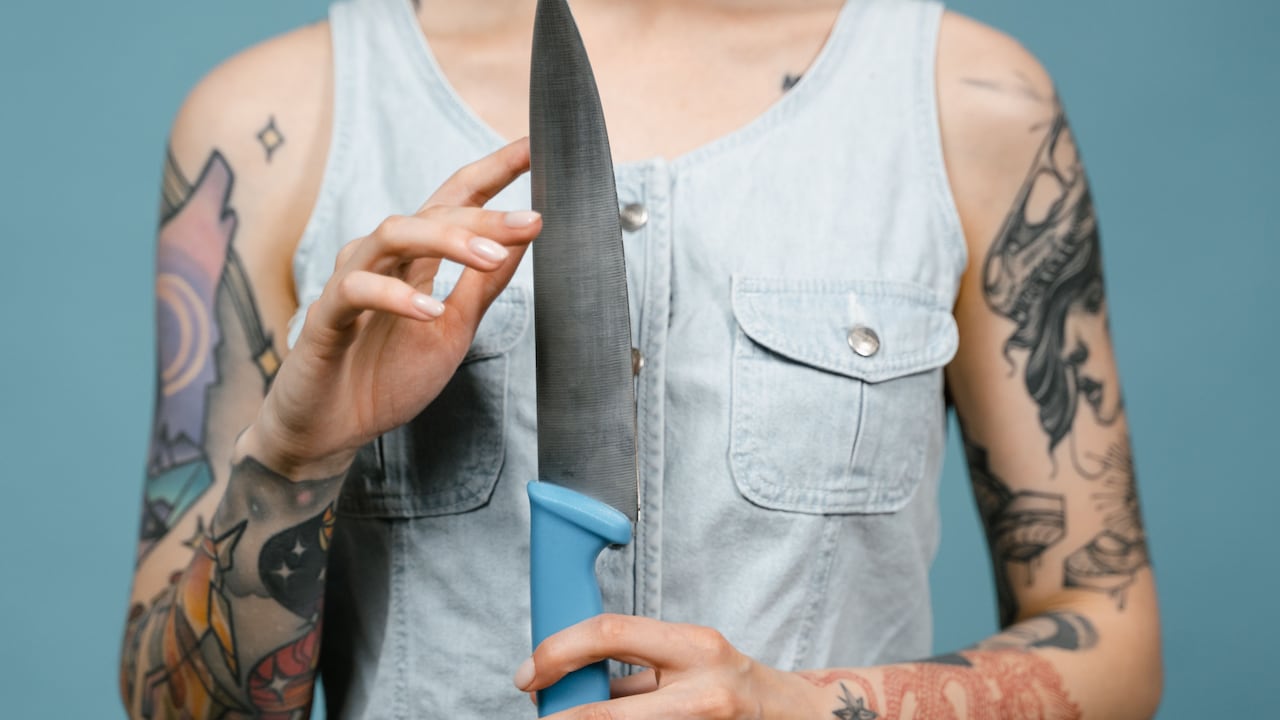
Walk into a kitchenware shop and the largest knife on display often steals the spotlight. Its broad blade shines beneath the lights. Its weight suggests authority. Hold it for a moment, and it can make an ordinary home cook feel ready to command a restaurant kitchen. That confidence creates a tempting belief: a bigger knife must make chopping faster and easier. The idea sounds sensible. A longer blade covers more surface area, while extra weight appears useful for tackling hard vegetables. Yet kitchens rarely reward simple assumptions. The knife that slices a watermelon beautifully may feel clumsy while peeling garlic. A blade that looks perfect in a chef's hand may strain another person's wrist within minutes.
Does Knife Size Matter? How to Choose the Best Knife for Chopping
Photo Credit: Pexels
Chopping ease depends on much more than size. Sharpness, grip, balance, cutting technique and even the height of the chopping board can change the experience. Ingredient size matters too. After all, cutting a bottle gourd and finely chopping green chillies require very different movements.
So, does a bigger knife really make chopping easier? Sometimes it does. Often, it does not. The answer lies in how well the knife suits the cook, the task and the rhythm of the kitchen.
What Really Determines Chopping Ease?
1. Bigger Blades Cover More Ground
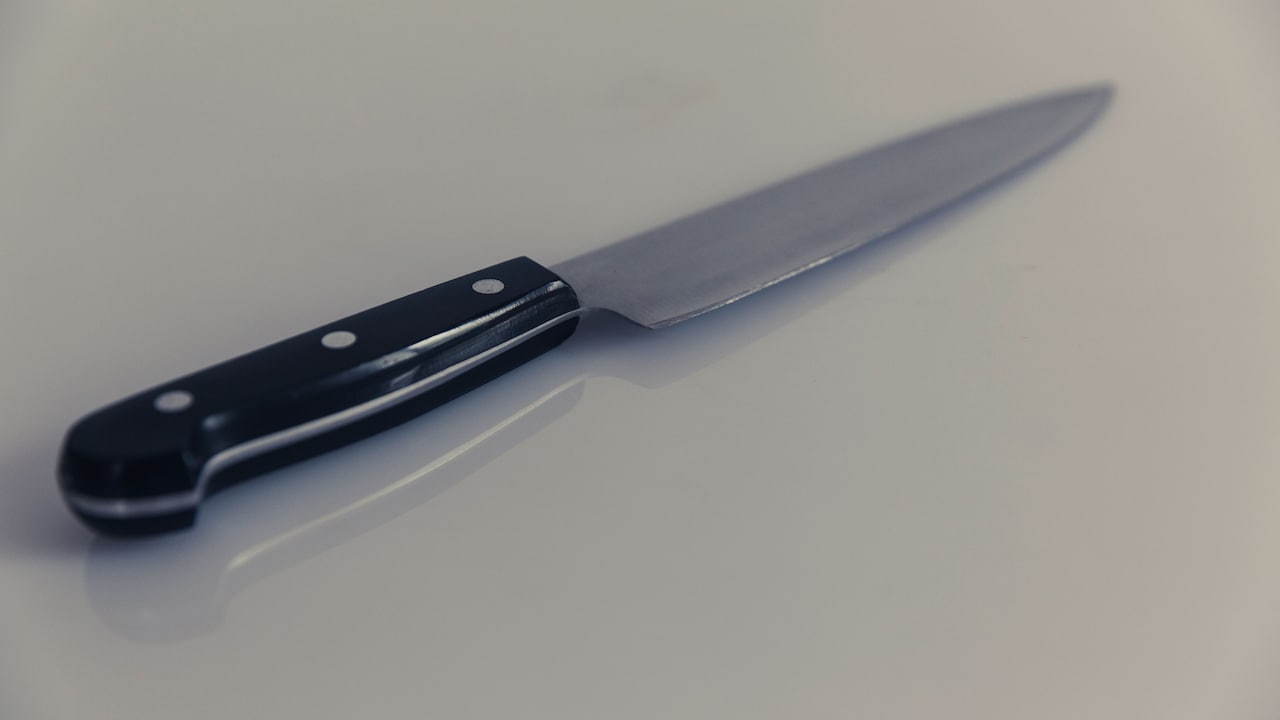
A large knife offers one obvious advantage: reach. A long blade can travel across a cabbage, watermelon or large pumpkin in fewer movements. This makes bulky ingredients easier to portion, especially when a smaller blade cannot cut through them in one clean stroke.
The broad surface also helps when chopping piles of vegetables. A cook can rock the blade through onions, carrots or beans without stopping after every few pieces. Once chopped, the flat side can scoop everything neatly into a kadai. That saves time and prevents the familiar struggle of chasing coriander across the chopping board.
However, more reach does not always mean more control. A large blade demands enough board space and a steady grip. On a cramped kitchen counter, it may knock against bowls, spice containers or the wall. The knife then becomes more troublesome than helpful.
Large knives work best when the ingredient matches their size. They handle broad, firm foods with confidence. For smaller jobs, their extra length often goes unused. Size improves efficiency only when the task gives that size a genuine purpose.
2. Weight Can Help With Tough Ingredients
A heavier knife can bring useful force to difficult chopping jobs. Dense vegetables such as pumpkin, yam, sweet potato and raw jackfruit resist thin or lightweight blades. A sturdy knife uses its own weight to support the downward motion, so the hand does not need to provide all the pressure.
This can make chopping feel less exhausting. Instead of repeatedly sawing through a thick vegetable, the cook can guide the blade with a controlled push. The knife's weight does part of the work.
Yet excessive weight creates a different problem. A heavy knife can tire the wrist, particularly during long cooking sessions. Preparing vegetables for a family gathering or festival meal may involve an hour of steady chopping. A blade that felt satisfyingly solid at first can soon feel like gym equipment.
Weight also increases the impact of poor technique. If the knife slips, the extra momentum can make the accident more serious.
The ideal knife feels substantial rather than burdensome. It should offer enough weight to cut firmly, but not so much that every movement becomes a wrestling match. Power helps, but only when the cook can control it comfortably.
3. Sharpness Matters More Than Size
A sharp medium-sized knife will usually outperform a large blunt one. This simple truth often gets lost beneath the excitement of buying an impressive blade.
Sharp knives cut through tomato skins, onions and leafy vegetables with little pressure. They create clean slices and preserve the texture of ingredients. A blunt knife crushes soft foods, slips on smooth surfaces and forces the cook to push harder. No amount of extra blade length can fix that.
Consider a ripe tomato. A sharp knife glides through it without squeezing out the juice. A blunt, oversized knife may flatten it before breaking the skin. The bigger tool looks powerful, yet the smaller sharp blade does a better job.
Many home cooks also assume blunt knives feel safer. In reality, they often create more risk because they need greater force. When the blade finally moves, it may jump unexpectedly.
Regular honing and occasional sharpening make a bigger difference than upgrading to a longer knife. Even an affordable knife costing ₹500 can perform beautifully when maintained well. A neglected ₹5,000 chef's knife may struggle with a simple onion. Sharpness brings ease. Size merely supports it.
4. Hand Size Changes The Experience
Knives do not exist in isolation. They work as extensions of the cook's hand, which means comfort varies from person to person.
A large knife may feel stable and natural to someone with broad palms or strong wrists. The same knife may feel awkward to a person with smaller hands. Its handle could seem too thick, while the blade may pull the wrist down. After ten minutes, the user may start gripping harder to maintain control, causing unnecessary strain.
This is why buying a knife based only on appearance can lead to disappointment. A dramatic blade might look excellent in a display case but feel uncomfortable during daily use.
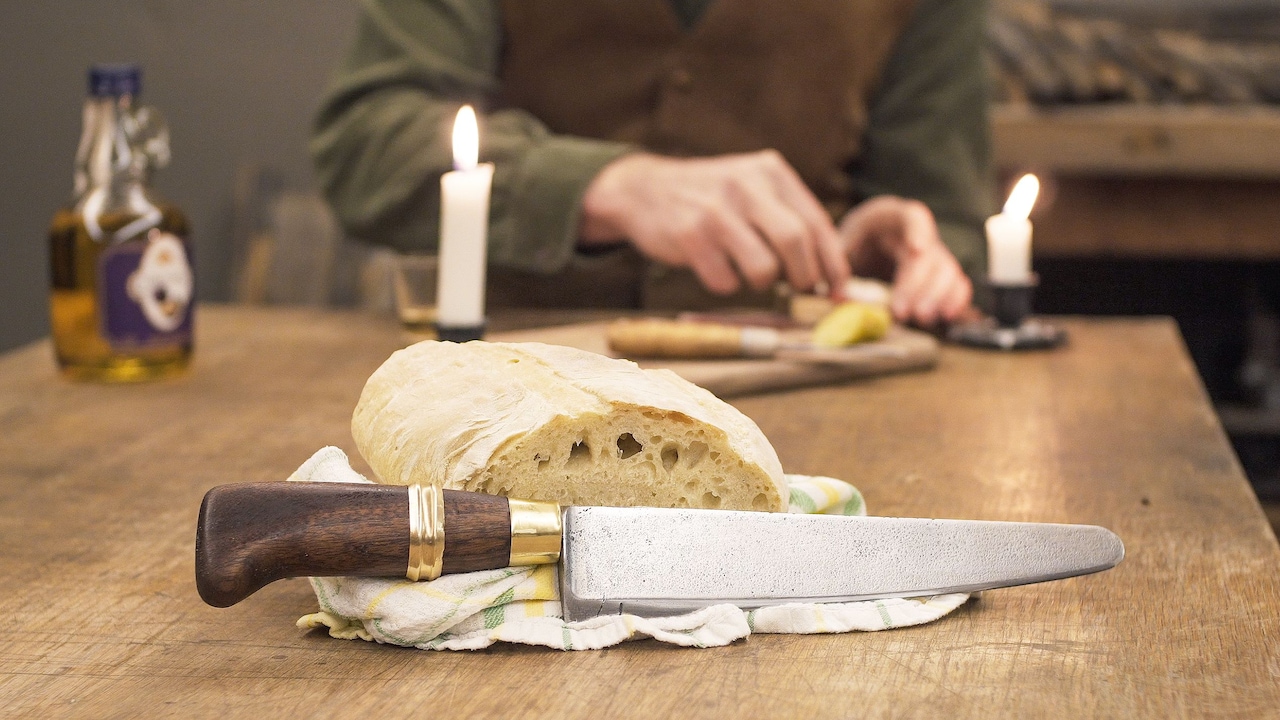
The handle deserves as much attention as the blade. It should sit securely in the palm without creating pressure points. The fingers should wrap around it naturally, and the wrist should remain relaxed during chopping.
Testing the grip before buying can prevent an expensive mistake. Many reliable knives fall between ₹800 and ₹2,500, but price cannot predict comfort. The best knife is not necessarily the biggest or costliest. It is the one that feels steady, familiar and easy to guide.
Does Knife Size Matter? How to Choose the Best Knife for Chopping
Photo Credit: Pexels
5. Large Knives Need More Chopping Space
A broad chef's knife needs room to move. This sounds obvious until it meets the reality of a busy kitchen counter.
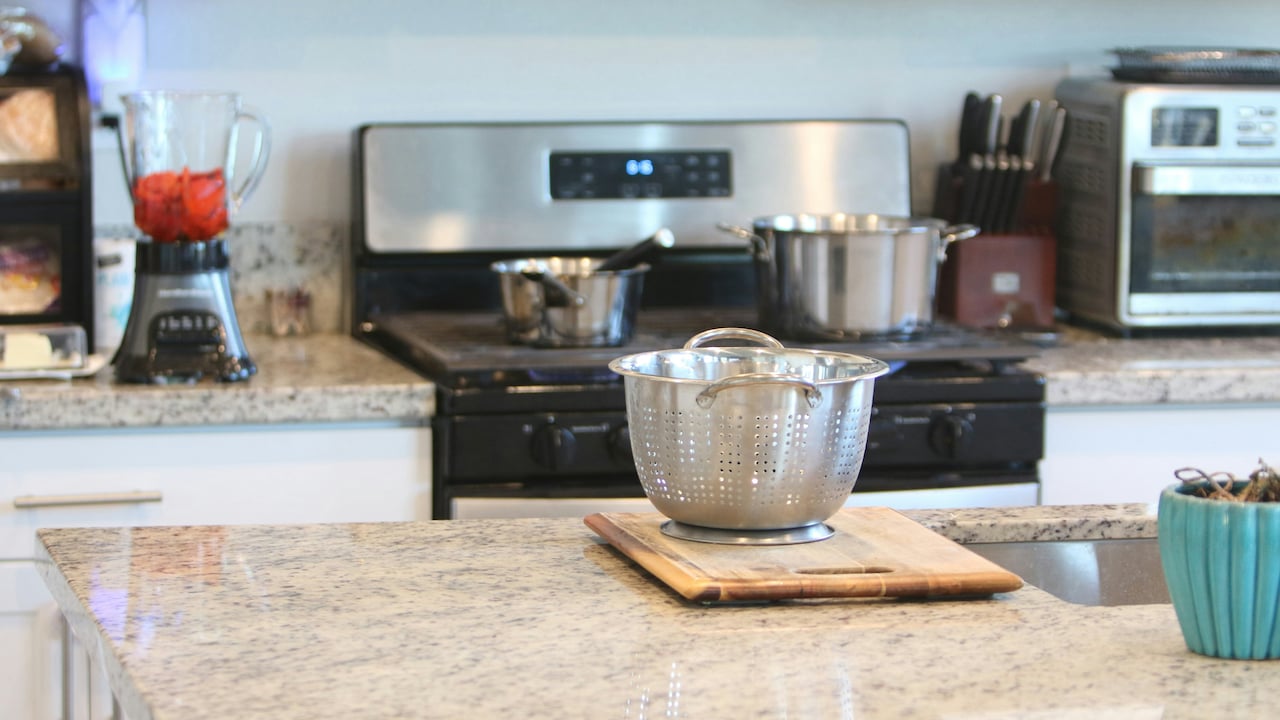
Many cooking spaces contain a mixer-grinder, pressure cooker, spice box, oil bottle and a growing collection of steel bowls. A large chopping board may barely fit between them. In such a setting, a long knife can feel trapped. Its tip hits nearby objects, while the handle moves dangerously close to the counter's edge.
A smaller knife often suits compact spaces better. It allows shorter, controlled movements and does not demand a wide cutting arc. This can make everyday preparation calmer and safer.
Board size matters too. When the blade extends beyond the board, chopping becomes unstable. Ingredients roll towards the edge, and the knife may strike the countertop. A large knife deserves a large, secure board with enough space around it.
Before choosing a blade, consider the kitchen rather than the showroom. A knife should fit the available workspace, not create a daily furniture rearrangement ritual. When counters feel crowded, a slightly smaller blade often provides more freedom. Sometimes, easier chopping begins with fewer obstacles rather than more steel.
6. Precision Jobs Favour Smaller Knives
Not every kitchen task calls for force or reach. Many require delicacy.
Peeling ginger, trimming chillies, removing eyes from potatoes and cutting small fruits demand close control. A large knife places more metal between the hand and the ingredient. This can make detailed work feel clumsy, rather like signing a cheque with a paintbrush.
A paring knife or small utility knife works better for these jobs. Its short blade follows curves easily and allows tiny adjustments. The cook can see exactly where the edge will land.
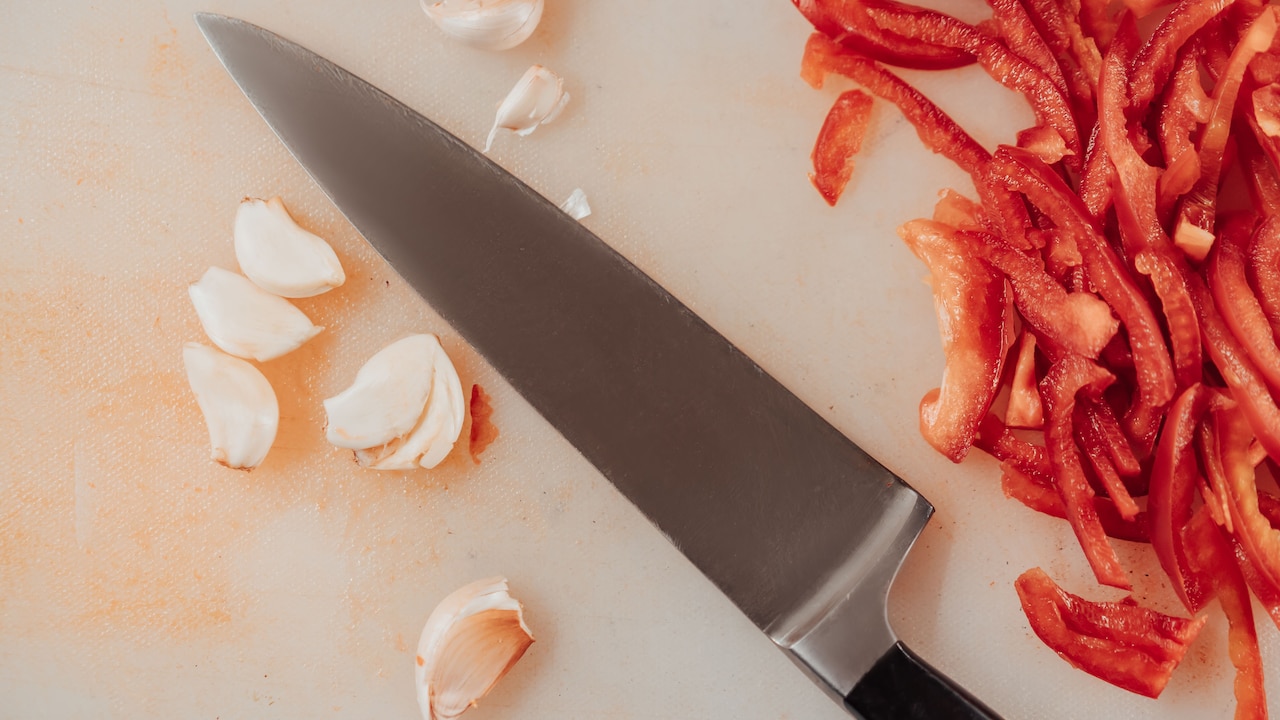
Even garlic demonstrates the difference. A large chef's knife handles crushing and bulk chopping well. Yet removing the root end or slicing one small clove may feel easier with a compact blade.
This does not make the bigger knife useless. It simply shows that versatility has limits. Professional cooks often keep several knives because one blade cannot excel at every task.
Home kitchens benefit from the same logic, though a large collection is unnecessary. A medium chef's knife and a small utility knife can cover most needs. Choosing the right tool prevents frustration and keeps precision work neat rather than nerve-racking.
7. Technique Determines Chopping Speed
A bigger knife cannot replace good chopping technique. In fact, poor technique becomes more noticeable when the blade grows longer.
Many cooks lift the entire knife high above the board and bring it straight down. This works for certain hard foods, but it wastes energy during routine chopping. A rocking motion often feels smoother. The tip remains near the board while the heel rises and falls through the ingredient.
Others prefer a forward slicing movement, especially for vegetables. Both methods can work well when the fingers stay tucked into a safe claw shape.
The guiding hand matters as much as the knife hand. Knuckles should face the blade while fingertips curl away from the edge. This position protects the fingers and helps create even pieces.
Speed should come naturally through repetition. Trying to imitate rapid television chefs can turn dinner preparation into an unwanted action scene. Accuracy matters more than dramatic sound effects.
A large blade may support efficient movement because its curved edge suits rocking cuts. Yet without a relaxed grip and stable posture, the size offers little benefit. Technique turns a knife into a useful tool. Size only changes how that technique feels.
Also Read: Top 5 Air Fryers Under ₹5,000 For Small Kitchens
8. Blade Balance Prevents Wrist Strain
Two knives of the same length can feel completely different because of balance. One may feel light and responsive. The other may pull forward like a loaded shopping bag.
A balanced knife distributes weight between the blade and handle. When held near the point where they meet, it should not tip sharply in either direction. This balance gives the cook better control and reduces strain.
Blade-heavy knives can help with firm vegetables because they add momentum. Handle-heavy knives may feel easier to lift but less effective during downward cuts. Neither design suits everyone.
The problem appears when the weight fights the user's movement. A poorly balanced large knife forces the wrist to correct its position repeatedly. During a long session of chopping onions, tomatoes and potatoes, those small corrections can cause fatigue.
Balance matters more than visual size. A well-designed eight-inch knife may feel easier than a badly balanced six-inch one. The body notices weight distribution even when the eyes focus only on blade length.
Before buying, hold the knife in a normal cutting grip. Move it gently as though slicing. The right knife should feel cooperative. Kitchen tools should assist the hand, not demand a negotiation before every meal.
9. Safety Depends On Control
A larger knife is not automatically more dangerous. A poorly controlled knife is.
Large blades can actually improve safety during certain tasks. Their wide surface gives the knuckles a clear guide, while their length allows clean cuts through broad vegetables. A stable chef's knife may feel safer than a tiny blade that gets stuck halfway through a pumpkin.
Problems arise when the cook cannot control the weight, grip or movement. A slippery handle, unstable board or blunt edge can turn any knife into a hazard. Moisture from tomatoes, cucumbers or washed vegetables can make handles difficult to hold. A damp cloth placed beneath the board can stop it from sliding.
Storage also matters. Throwing a large knife into a crowded drawer damages the edge and creates a nasty surprise for the next person reaching inside. A knife block, magnetic strip or blade guard offers better protection.
Careful habits matter more than fear. Keep the knife sharp, cut away from the body and avoid using the blade to open packets or pry lids. A bigger knife remains safe when treated with respect. Carelessness, not centimetres, causes most kitchen trouble.
Does Knife Size Matter? How to Choose the Best Knife for Chopping
Photo Credit: Pexels
10. The Best Size Depends On The Task
The search for one perfect knife often ends in disappointment because kitchen tasks vary too widely.
A seven-inch or eight-inch chef's knife suits many daily jobs. It can chop onions, slice paneer, cut vegetables and handle boneless meat. For many households, this size offers a practical balance between reach and control.
A larger knife may serve cooks who regularly prepare big batches or work with bulky produce. Someone who often cuts melons, pumpkins or large cabbages may appreciate the extra length. A smaller cook's knife may suit those who prepare modest portions, have limited counter space or prefer lighter tools.
Cooking style matters as well. A household that makes frequent salads may value precision and thin slicing. A kitchen focused on hearty curries may need a sturdier blade for dense vegetables. Neither choice is superior in every situation.
Think of knife size like footwear. A bigger shoe does not make walking easier. It must fit the person and the journey. The same principle applies at the chopping board.
The best knife makes movements feel natural. It should inspire confidence without demanding attention. When the tool suits the task, chopping becomes quicker, calmer and far more enjoyable.
Products Related To This Article
1. Kitchen Knife Set 3-Piece with Knife Sharpener Tool
2. KAI Premium Kitchen Knife Set of 4, Stainless Steel Nakiri Knife
3. Emojoy Stainless Steel 3 Pieces Chef Knife Set
4. Kitchen Knife/Utility Knife with Cover for Kitchen and Home
5. Stainless Steel Professional Kitchen Knife Set
6. Amazon Brand - Solimo Premium High-Carbon Stainless Steel Kitchen Knife Set
7. Cartini Godrej Soft Grip Kitchen Knives kit,3 Pc Set Set
So, does a bigger knife make chopping easier? It can, but only under the right conditions.
Large knives offer useful reach, weight and efficiency. They handle broad vegetables, big batches and rocking cuts with confidence. Yet they also require more space, stronger control and a comfortable grip. For small ingredients or delicate work, they can feel unnecessarily cumbersome.
Sharpness, balance and technique influence chopping far more than blade length. A well-maintained medium knife often handles everyday cooking better than an oversized blade chosen for appearance. The cook's hand size, strength, workspace and usual recipes should guide the decision.
There is no heroic advantage in struggling with a giant knife while preparing a simple aloo sabzi. Nor is there any prize for forcing a tiny blade through a stubborn pumpkin. The sensible choice lies somewhere between confidence and comfort.
Choose a knife that feels stable in the hand, moves easily across the board and matches the ingredients prepared most often. Bigger can be better, but better does not always need to be bigger.
(Disclaimer: This article may include references to or features of products and services made available through affiliate marketing campaigns. NDTV Convergence Limited (“NDTV”) strives to maintain editorial independence while participating in such campaigns. NDTV does not assume responsibility for the performance or claims of any featured products or services.)