Sippy Cup Buying Guide: How To Avoid Leaks, Odours And Hidden Grime
Choose a sippy cup that is easy for your child to use and simple for you to clean. Learn which materials, spouts, valves and designs prevent trapped residue, stubborn smells and daily washing hassles.

Best Sippy Cup Buying Guide: Avoid Leaks, Odours And Hidden Grime
Buying a sippy cup sounds simple until the options begin to resemble a kitchenware entrance exam. There are soft spouts, hard spouts, weighted straws, silicone sleeves, anti-leak valves, and cups that promise to work from every possible angle. Some look charming on the shelf, yet become miniature science experiments after a few weeks of milk, porridge water and fruit juice. The real challenge is not finding a cup that looks attractive. It is finding one that a child can use comfortably and an adult can clean without needing a pin, a torch and the patience of a saint. A practical sippy cup should have a clear purpose. It should help a child move away from water bottles, reduce spills and encourage independent drinking. It should also come apart easily, dry properly and survive daily use. After all, a product used several times a day should not create more work than it saves. The following ten considerations can help families choose a cup that fits real routines, real kitchens and real children.

Best Sippy Cup Buying Guide: Avoid Leaks, Odours And Hidden Grime; Photo Credit: Pexels
What To Look For Before Buying A Sippy Cup
Start With Fewer Parts
A sippy cup with seven tiny components may look technologically impressive, but every extra part creates another place for milk, juice or moisture to hide. Simple cups usually work better because they come apart quickly and leave fewer corners to inspect.
Before buying, check how many pieces need washing after each use. A cup with a lid, a spout and a removable seal may feel manageable. Add a valve, straw connector, rotating cover, inner disc and decorative sleeve, and the cleaning routine suddenly becomes a puzzle.
Small parts also disappear easily. One silicone ring can slip behind the sink, fall into the dishwasher filter or travel into the mysterious world where missing socks live. Without it, the cup may leak.
A useful test involves imagining the cup after a tiring evening. Would someone happily dismantle it after dinner, or would it sit in the sink until morning? Daily convenience matters more than clever packaging. Choose the simplest design that still offers the drinking style and spill protection the child needs.
Check Every Hidden Crevice
A cup may look smooth from the outside while hiding narrow grooves beneath the lid. These spaces often trap milk residue and moisture. Over time, they may develop stains, odours or mould that remains difficult to spot.
Run a finger around the inside of the lid before buying. Look under sliding covers, inside spout channels and around silicone fittings. Deep ridges and sealed-looking gaps deserve extra attention. If a cleaning brush cannot reach a section, food residue probably can.
Transparent or pale-coloured components make inspection easier. Dark lids may hide dirt, while clear silicone allows parents to notice build-up before it becomes unpleasant. Removable valves also help, provided they come out without a wrestling match.
Think about the drinks the cup will hold. Water causes fewer cleaning problems. Milk, lassi, smoothies and fruit drinks leave thicker residue. A design that works beautifully for water may become troublesome after a banana shake.
A clean-looking cup does not always mean a clean cup. Choose one that reveals its inner surfaces rather than guarding them like family secrets.
Also Read: Sip Smart: 10 Insulated Mugs That Guarantee Your Brew Stays Hot For Hours
Avoid Complicated Anti-Leak Valves
Leak-proof designs sound wonderful, especially when a cup spends time inside a school bag, pram basket or car. However, some anti-leak systems rely on complex silicone valves with narrow slits and enclosed chambers. These parts can trap liquid even after washing.
A good valve should remove easily and rinse from both sides. It should not require a toothpick or repeated squeezing to release hidden water. If the valve stays permanently attached to the lid, check whether a bottle brush can reach the full drinking channel.
Remember that “100 per cent leak-proof” may come with a trade-off. A tightly controlled valve can make drinking harder for younger children. They may need to suck forcefully, which defeats the relaxed drinking pattern that an open cup transition should encourage.
A slightly less aggressive seal may offer a better balance between usability and cleanliness. For home use, a free-flow cup with a simple lid can work well. For travel, choose a removable valve that stays easy to inspect.
Spill protection matters, but it should not transform the cup into a locked bank vault filled with stale milk.
Choose The Right Spout Style
Spouts come in several forms, and each one affects both drinking comfort and cleaning. Soft silicone spouts feel familiar to children moving away from bottles. They can suit younger users, but some children chew them until cracks appear. Those tiny splits may collect residue.
Hard spouts usually last longer and resist biting. However, they may feel less comfortable for toddlers who still expect a softer surface. Their narrow channels also need careful inspection.
Spoutless 360-degree cups allow children to drink from the rim. They can support a more natural sipping action and often look simple. Yet many models include silicone discs that trap liquid beneath the edge. These discs must come off fully after every use.
Straw cups can encourage useful oral movements and work well for many children. Choose a wide, straight straw rather than a twisted system with hidden connectors. Weighted straws help children drink from different angles, but the weight and tube require extra brushing.
No single style suits every child. The best option combines comfortable drinking with parts that an adult can remove, see and clean in seconds.

Best Sippy Cup Buying Guide: Avoid Leaks, Odours And Hidden Grime; Photo Credit: Pexels
Look For Wide Openings
A wide cup opening may not attract much attention in the shop, but it makes a huge difference at the sink. Wide mouths allow hands, sponges and bottle brushes to reach the bottom and sides easily. Narrow cups often leave a ring of residue near the base.
Wide openings also make filling less messy. Water, milk or homemade drinks can go in without splashing across the counter. Ice cubes fit more easily during hot weather, and scoops of formula or nutritional powder cause fewer spills.
Check the shape inside the cup as well. Rounded bases clean more easily than sharp internal corners. A flat edge at the bottom can collect thicker drinks, especially if the cup sits unwashed for a while.
The opening should also match the available cleaning tools. A cup that requires a special brush creates another object to store, wash and eventually replace. Standard bottle brushes should fit comfortably.
At ₹300 or ₹800, a cup can still become useless if nobody can clean the bottom properly. A generous opening may appear like a small design feature, but it often separates a daily favourite from an abandoned cupboard resident.
Pick Materials That Handle Daily Use
Most sippy cups use plastic, stainless steel, silicone or a combination of these materials. Each option has strengths, but cleanability should guide the choice.
Food-grade plastic cups feel light and usually cost less. They suit young children who may drop them regularly. However, scratched plastic can hold smells and stains. Replace a cup once the surface becomes cloudy, rough or deeply marked.
Stainless steel lasts longer and keeps drinks cooler. It also resists staining. The drawback lies in visibility because parents cannot see how much liquid remains. Some steel cups include plastic lids with complicated valves, so the metal body alone does not guarantee easy cleaning.
Silicone feels soft and survives falls, but it may absorb strong smells from soap or food. Thorough rinsing and air-drying help. Avoid cups that combine several permanently bonded materials, as moisture may settle between layers.
Whatever the material, check for clear food-safety information from the manufacturer. A durable, simple cup offers better value than a fashionable model that needs replacement after every season.
Make Sure Everything Dries Properly
Washing removes residue, but drying prevents the damp environment where unpleasant smells and mould can develop. Many cups fail at this stage because their valves, straws and lids hold droplets for hours.
Choose parts that can stand open on a drying rack. Deep lid cavities often remain wet when placed upside down. A removable seal dries faster than one tucked permanently inside a groove.
After washing, shake each part and check whether water remains trapped. Silicone valves sometimes hold a surprising amount inside their chambers. A clean cloth can help, but relying on cloth drying every day adds work and may introduce lint.
Air circulation matters. Avoid reassembling the cup while the parts remain damp. Keep the lid, valve and body separate until they dry fully. This habit becomes much easier when the cup has only a few pieces.
A strong smell does not always come from the drink. It may come from moisture sealed inside after washing. The ideal sippy cup should not merely clean well; it should also dry without balancing every component like a tiny kitchen sculpture.
Test How Easily It Comes Apart
Some cups promise easy cleaning but require surprising strength to dismantle. Tight valves, stiff silicone rings and snap-on discs can frustrate adults and damage fingernails. A component that feels difficult when new may become even more troublesome once sticky residue collects around it.
Before buying in a shop, ask whether the display model can be opened. Remove the lid, spout, straw and seal. Then put everything back together. Each part should move with firm but reasonable pressure.
Online shoppers can check product photographs and demonstrations. Look for clear images showing every removable piece. Vague phrases such as “easy-clean design” mean little without proof.
The cup should also reassemble correctly without guesswork. If a valve can fit in two directions but works in only one, leaks may become common. Helpful markings or an obvious shape reduce mistakes.
Grandparents, carers and older siblings may also handle the cup. A design that only one person understands creates unnecessary confusion. Choose a cup that anyone in the household can open, clean and rebuild without consulting a video tutorial at breakfast.
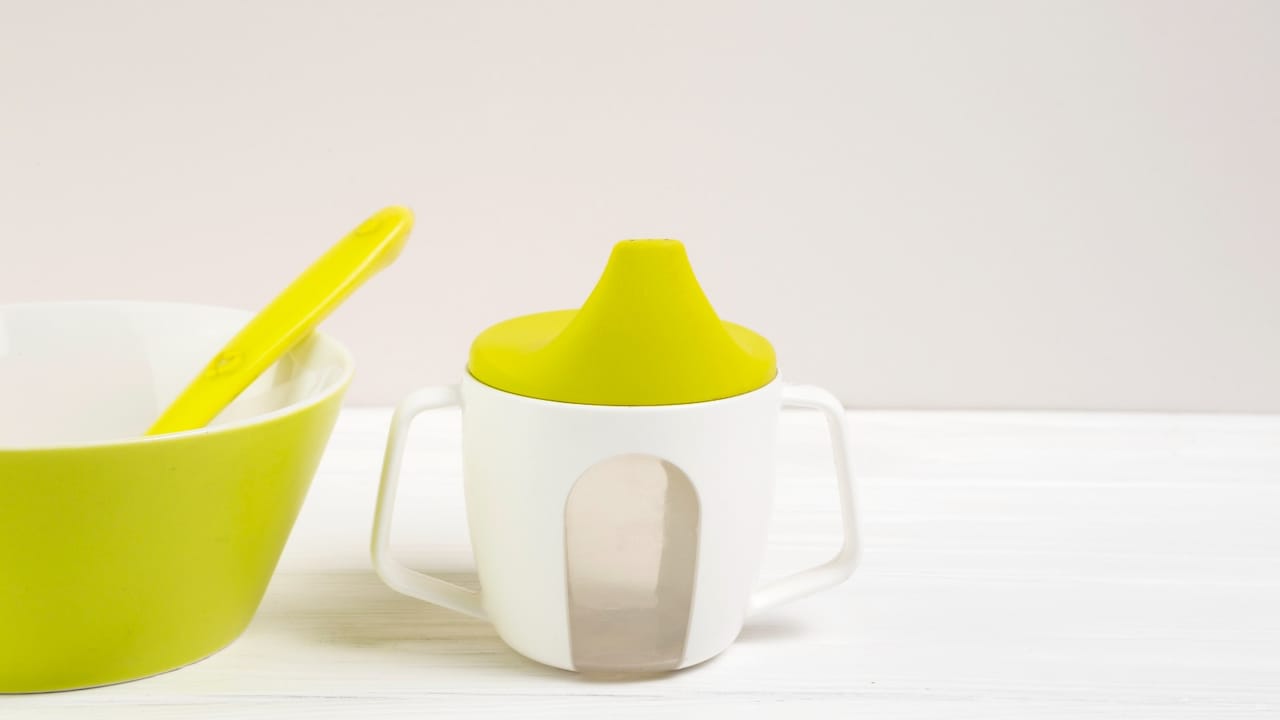
Best Sippy Cup Buying Guide: Avoid Leaks, Odours And Hidden Grime; Photo Credit: Pexels
Match The Cup To The Drink
A single cup may not suit every beverage. Water flows easily and leaves little residue, while milk and thicker drinks demand wider channels and more thorough cleaning.
For plain water, a straw cup or valve-based cup may work well throughout the day. For milk, choose a cup with a short, removable drinking pathway. Long straws, narrow bends and concealed chambers make milk harder to remove.
Avoid putting pulpy juice, smoothies or thick shakes into cups with fine valves. Tiny fruit fibres can lodge inside slits and block the flow. A wider straw or simple open cup works better.
Sweet drinks create another concern. Residue can become sticky around the spout and attract insects if the cup sits near a window or in a bag. Wash these cups soon after use rather than leaving them until the next meal.
Some families buy one complicated cup and expect it to manage everything from water to mango shake. A better approach uses a simple water cup for daily carrying and an open or wide-straw cup for thicker drinks at home. The right match reduces cleaning drama and keeps the cup fresher.
Think Beyond The Cute Design
Bright colours, cartoon faces and bear-shaped handles can make a cup irresistible. Children may reach for it immediately, which certainly helps. Yet decorative details should not interfere with function.
Raised patterns and rubber sleeves can collect dirt around their edges. Hinged covers may protect the spout but add narrow joints that hold moisture. Stickers and printed designs may fade after repeated washing, especially in a dishwasher.
Handles deserve attention too. Fixed handles feel sturdy but may create tight spaces near the cup body. Removable handles clean more easily, though they become another loose part. Choose a shape that offers a comfortable grip without unnecessary grooves.
Consider replacement parts before spending more. A ₹900 cup may seem reasonable if spare straws and valves remain available. Without replacements, one damaged seal can make the entire product useless.
A cup should appeal to the child, but it also needs to survive ordinary family life. Cute ears cannot compensate for sour smells, missing valves or twenty minutes of scrubbing. Practical design may look less exciting on the shelf, yet it often earns far more affection at home.
Products Related To This Article
1. Philips Avent My Bendy Straw Cup 300ml
2. R for Rabbit Premium Bubble Sipper
3. LuvLap Bite Resistant Soft Silicone Straw Sipper Cup with Handle
4. Mee Mee 360° Spout Trainer Sipper 240 ml
5. THE LITTLE LOOKERS Stainless Steel Sipper Bottle 260ml
6. BAYBEE Baby BPA-Free Silicone Sipper Cup for Kids Drinking Training Anti Spill Sippy Cup
7. AVENT Philips Silicone Classic Spout Cup with Handle
The best sippy cup does not need complicated technology or an impressive list of promises. It needs a sensible shape, visible surfaces and parts that separate without a struggle. A wide opening, removable valve and simple drinking pathway usually matter more than cartoon prints or dramatic leak-proof claims.
Every family has different routines. Some need a secure travel cup for busy mornings. Others want a simple option for meals at home. The child's age, drinking habits and favourite beverages will guide the final choice.
Cleanability, however, should remain non-negotiable. A cup used several times a day must fit naturally into washing and drying routines. When cleaning feels difficult, residue builds up, parts go missing, and the cup slowly moves towards the back of the cupboard.
Choose a cup that looks almost boring when taken apart. That simplicity often signals good design. The ideal product helps a child drink independently, keeps spills under control and returns to the drying rack without starting a household argument.
(Disclaimer: This article may include references to or features of products and services made available through affiliate marketing campaigns. NDTV Convergence Limited (“NDTV”) strives to maintain editorial independence while participating in such campaigns. NDTV does not assume responsibility for the performance or claims of any featured products or services.)