Are Stainless-Steel Lunch Boxes Always Better Than Plastic Ones?
Stainless-steel lunch boxes are durable and long-lasting, while plastic ones are lighter and cheaper. The better choice depends on the food, travel needs, reheating options and daily use.

Are Stainless-Steel Lunch Boxes Better Than Plastic Ones?
Open almost any kitchen cupboard and a familiar scene appears: shiny steel dabbas stacked neatly beside a colourful, slightly mismatched collection of plastic containers. Some have secure lids. Some have lids that vanished years ago. One probably still smells faintly of last month's rajma. The debate between stainless steel and plastic lunch boxes has grown louder as families become more conscious of health, waste and food safety. Stainless steel enjoys a strong reputation. It lasts for years, resists stains and feels reassuringly solid. Plastic, meanwhile, often receives suspicious glances, especially when it looks old, scratched or cloudy. Still, calling one material “always better” oversimplifies the matter. A lunch box must survive crowded school bags, office commutes, sudden rain, hurried washing and the occasional accidental drop from a kitchen counter. It should also suit the food inside it. The sensible choice, therefore, depends on how the box will be used. Here are ten factors worth considering before choosing sides.
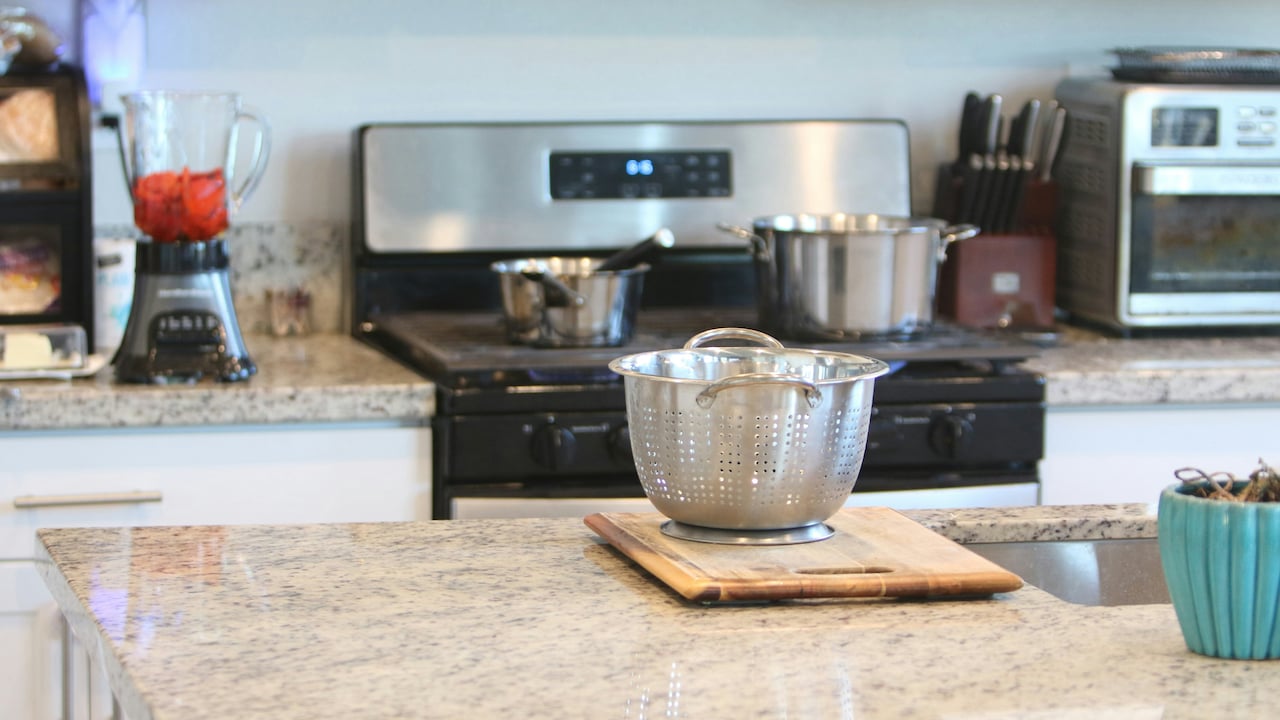
Are Stainless-Steel Lunch Boxes Better Than Plastic Ones?; Photo Credit: Pexels
What To Consider Before Choosing Your Lunch Box
1. Food Safety Depends On Quality And Use
Stainless steel usually offers excellent food safety because it does not easily react with everyday meals. Good-quality food-grade steel can hold rice, dal, sabzi, fruit and snacks without absorbing flavours or colours. It also remains stable when filled with warm food, which makes it a dependable option for regular use.
Plastic needs a little more attention. Not every plastic container suits hot meals or repeated heating. A sturdy, food-grade box from a reliable manufacturer may work perfectly well for cold sandwiches, dry snacks or cut fruit. Trouble often begins when people pour piping-hot curry into thin plastic, microwave a container not designed for heating or continue using a badly scratched box.
The material alone does not guarantee safety. Quality, temperature and condition matter just as much. A cheap steel box with poor finishing may rust around joints, while a certified plastic container used correctly can remain safe for years.
The practical rule stays simple: check product labels, avoid damaged containers and use each box for its intended purpose. Sensible handling beats blind loyalty to either material.
Also Read: Top 5 Stainless Steel Lunch Boxes For School Kids Under ₹1000
2. Stainless Steel Handles Heat More Confidently
Freshly cooked food often travels straight from the stove into a lunch box, particularly during rushed weekday mornings. Stainless steel manages this routine well. It tolerates heat, retains no smell and does not soften or warp when filled with hot pulao or steaming khichdi.
Plastic containers vary widely. Some can handle warm food, while others may lose shape, develop odours or degrade faster after repeated exposure to heat. Even heat-resistant plastic should not automatically go into a microwave unless the manufacturer clearly marks it as microwave-safe.
However, steel carries its own limitation: most stainless-steel lunch boxes cannot go into a microwave. Office workers may need to transfer the meal to a glass or ceramic bowl before reheating it. In a busy pantry queue, that extra step can feel surprisingly annoying.
So steel performs better when food enters the box hot, but plastic may offer more convenience when reheating forms part of the daily routine. The right answer depends on where lunch gets eaten and what facilities are available there. Heat resistance and reheating convenience do not always come in the same package.
3. Plastic Wins On Weight And Portability
A stainless-steel lunch box feels strong because it carries actual weight. That sturdiness reassures adults, but it may not delight a child already carrying textbooks, notebooks, a water bottle and half the stationery shop. Add three steel compartments, and the school bag begins to resemble gym equipment.
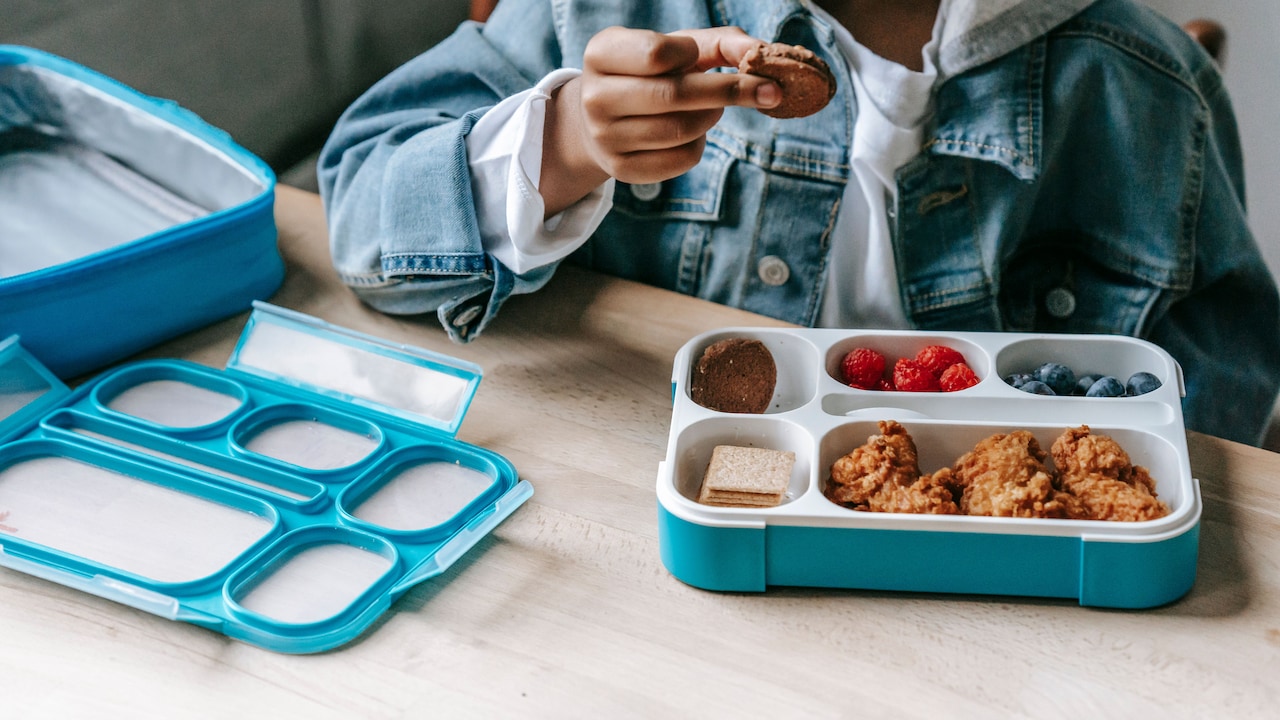
Plastic containers weigh much less. They suit young children, long commutes and anyone who carries lunch in a handbag or backpack for several hours. A lightweight box also makes sense for travellers who already juggle a laptop, charger, umbrella and crowded public transport.
Steel manufacturers have introduced thinner and lighter designs, but multi-tiered models can still feel bulky. Their rigid shape also leaves less room for squeezing the box into an overfilled bag.
Portability matters because the “best” lunch box should not become a daily burden. A container that remains at home because it feels too heavy offers little practical value, however sustainable it may appear.
For short office commutes, steel weight may cause no concern. For schoolchildren, cyclists or train travellers, a durable food-grade plastic box may prove far more comfortable and realistic.
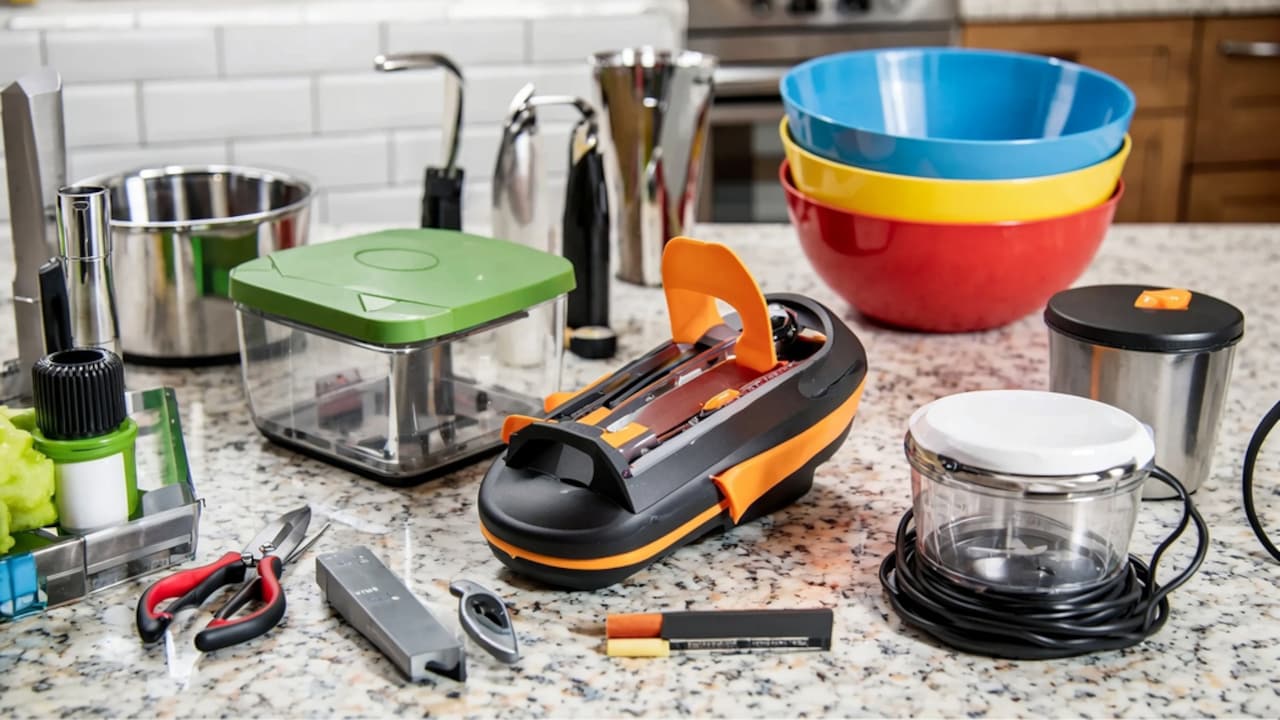
Are Stainless-Steel Lunch Boxes Better Than Plastic Ones?; Photo Credit: Pexels
4. Durability Gives Steel A Clear Advantage
Plastic lunch boxes often lead adventurous lives. They fall from desks, get crushed under books and disappear into office drawers. A good plastic box can survive plenty, but repeated use gradually leaves scratches, stains, loose hinges and lids that stop fitting properly.
Stainless steel generally ages with more dignity. It may collect dents, but it rarely cracks. A well-made steel dabba can move from school lunches to college snacks and later find a second career storing spices or leftovers. Many households still use steel containers bought decades ago, complete with tiny dents that tell family stories.
That long lifespan makes steel attractive despite its higher upfront cost. A reliable box priced at ₹800 may offer better value than several ₹250 plastic containers replaced over the same period.
Still, steel is not indestructible. Weak clasps can break, low-quality joints may corrode, and badly dented lids may leak. Buying the cheapest option simply because it shines can lead to disappointment.
Overall, though, stainless steel usually wins the durability contest. It handles rough use, frequent washing and long-term storage better than most plastic alternatives.
5. Leakproof Performance Depends On The Lid
A lunch box can boast premium steel, clever compartments and elegant design, yet one spoonful of escaped dal can ruin its reputation forever. Leakproof performance depends less on the body material and more on the lid, seal and locking mechanism.
Traditional steel dabbas often come with simple press-fit lids. They work beautifully for dry sabzi, rotis, idlis or poha but may struggle with rasam, gravy or curd. Modern steel boxes solve this problem by adding silicone seals and locking clips. These features improve reliability, though they also increase cost and require careful cleaning.
Plastic boxes often perform well in this area because flexible lids and built-in gaskets create a tight seal. Many designs include secure side locks, making them practical for liquid-heavy meals. Yet these locks may weaken or snap after repeated use.
Before choosing either material, test the lid rather than trusting the label. Fill the box with water, close it properly and tilt it over the sink. A five-second kitchen test can prevent an afternoon spent rescuing a laptop from sambar.
For commuters, a reliable seal matters more than a fashionable material.
6. Plastic Offers Greater Variety And Flexibility
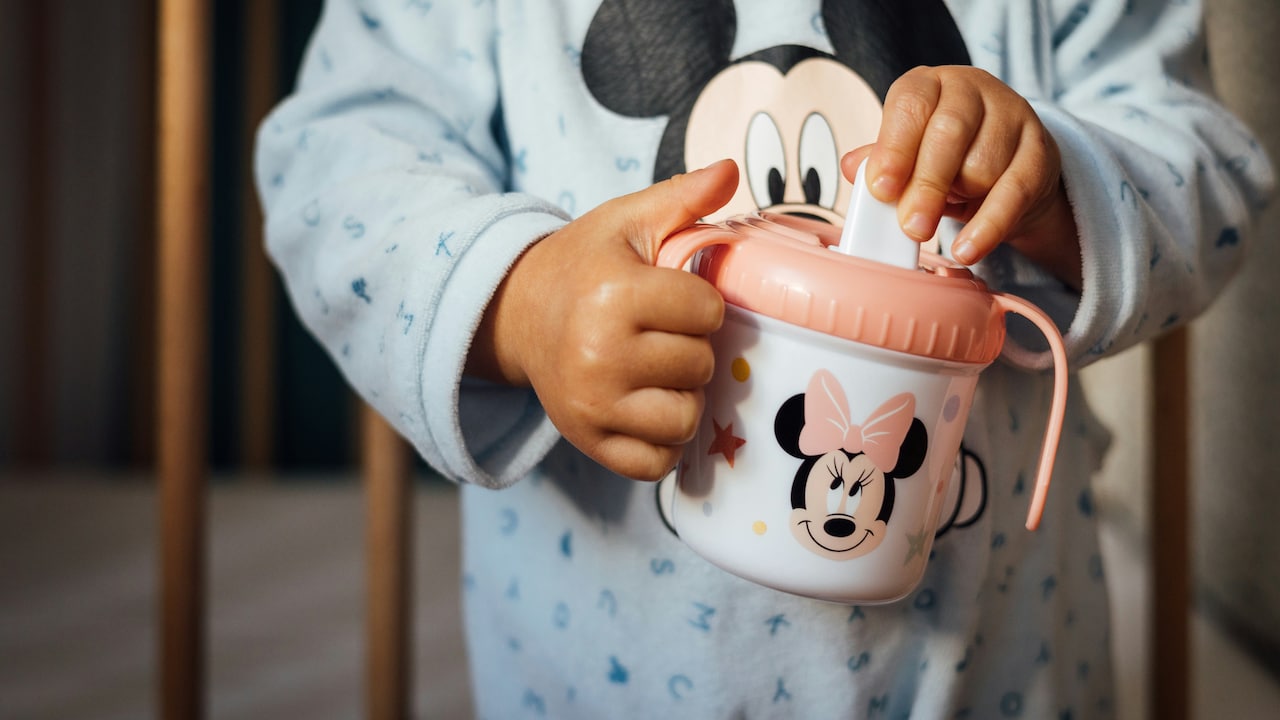
Plastic lunch boxes come in almost every imaginable shape, size and colour. There are cartoon boxes for children, slim containers for sandwiches, tiny tubs for chutney and modular sets that fit together like building blocks. This variety makes meal planning easier.
Flexible plastic designs often include removable dividers, transparent lids and stackable compartments. A quick glance can reveal whether the box contains fruit, paratha or yesterday's forgotten cucumber slices. Transparency saves time, especially in a crowded refrigerator.
Steel designs have improved considerably, but they still offer fewer shapes and less visibility. Opening every identical steel dabba while searching for coconut chutney can turn breakfast preparation into a small treasure hunt.
Plastic also suits foods that need unusual portions. A compact box for nuts or a shallow tub for a roll may feel more practical than carrying a full-sized steel container.
Variety does not automatically make plastic superior, but it gives users more control. Different meals need different formats. A single sturdy steel box may suit a regular rice-and-sabzi lunch, while a collection of lightweight plastic containers may work better for snacks, dips and portioned meals.
7. Stainless Steel Resists Stains And Smells
Some foods leave memories behind. Turmeric turns pale plastic yellow. Tomato gravy adds an orange tint. Garlic and pickle can remain in a container's pores long after the meal has disappeared. Even repeated washing may fail to remove the smell completely.
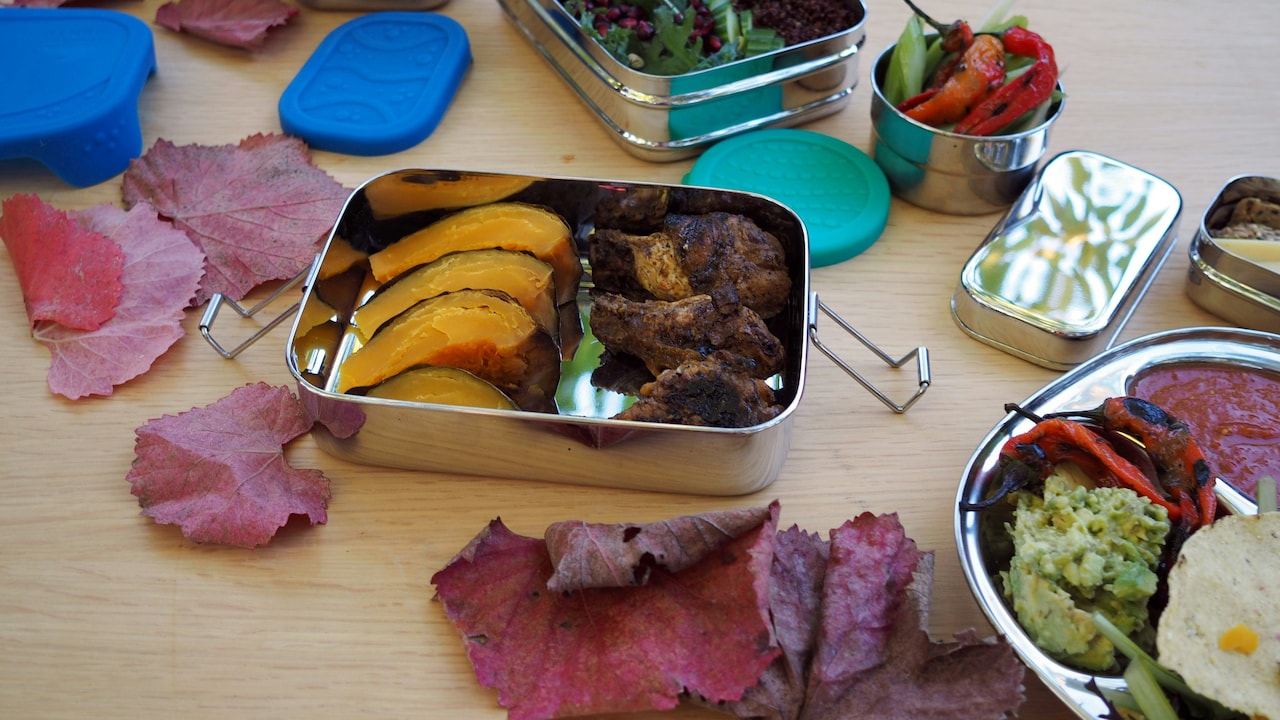
Stainless steel handles these strongly coloured and aromatic foods much better. Its smooth surface does not easily absorb oil, odour or pigment. After washing, the box usually returns to a neutral state, ready for fruit salad one day and chole the next.
Plastic can remain perfectly usable despite staining, but appearance affects how people feel about cleanliness. A yellowed container may look dirty even after thorough washing. Scratches can also trap grease, making old boxes harder to maintain.
Steel proves particularly useful for curries, pickles, chutneys and oily dishes. Plastic works better when reserved for dry foods, biscuits, sandwiches or ingredients unlikely to stain.
This difference may seem cosmetic, but it influences how long a box stays in use. People often discard stained plastic before it actually breaks. Steel's ability to remain fresh-looking encourages longer use and reduces the temptation to replace it.
8. The Environmental Answer Is Not Completely Simple
Stainless steel often receives the eco-friendly crown because it lasts longer and can be recycled. A single box used for many years can replace dozens of disposable packs and several short-lived containers. That makes it a strong long-term choice.
However, producing stainless steel requires significant energy and raw materials. Its environmental benefit appears only when the box remains in regular use for a long time. Buying several fashionable steel sets and leaving them untouched in a cupboard defeats the purpose.
Plastic production also consumes fossil resources, and damaged containers may prove difficult to recycle. Yet an existing plastic box should not be thrown away simply because steel appears greener. Using it safely until the end of its practical life may create less waste than replacing it immediately.
Sustainability depends on behaviour more than shopping enthusiasm. Reuse what already exists. Avoid unnecessary collections. Repair or replace seals where possible. Choose quality over novelty.
The greenest lunch box is often the one that gets used hundreds of times. Steel usually offers better long-term potential, but thoughtful ownership matters more than the material's public image.
Are Stainless-Steel Lunch Boxes Better Than Plastic Ones?; Photo Credit: Pexels
9. Price And Replacement Costs Matter
Plastic lunch boxes usually cost less at the time of purchase. A basic container may fit easily into a tight household budget, while a branded, insulated stainless-steel set can cost ₹1,500 or more. For families buying several boxes for school, college and work, the difference adds up quickly.
Steel may recover that higher cost through longevity. A durable box can serve for years, while low-cost plastic may need replacement after cracking, staining or losing its lid. Yet not every household can prioritise lifetime value over immediate affordability.
There is also the risk of loss. Sending an expensive steel box with a young child can feel brave during the first week of school. A misplaced ₹300 plastic box irritates; a missing ₹1,800 steel set may inspire a full family investigation.
The sensible approach involves matching cost with the user. Adults with stable routines may benefit from premium steel. Children, occasional travellers or people prone to leaving containers in cabs may prefer economical plastic.
A higher price does not automatically guarantee better design. Strong hinges, practical compartments and easy cleaning deserve more attention than branding or decorative packaging.
10. The Best Choice May Be A Sensible Mix
The steel-versus-plastic debate often demands one winner, but real kitchens rarely work that way. Different foods, people and situations call for different solutions.
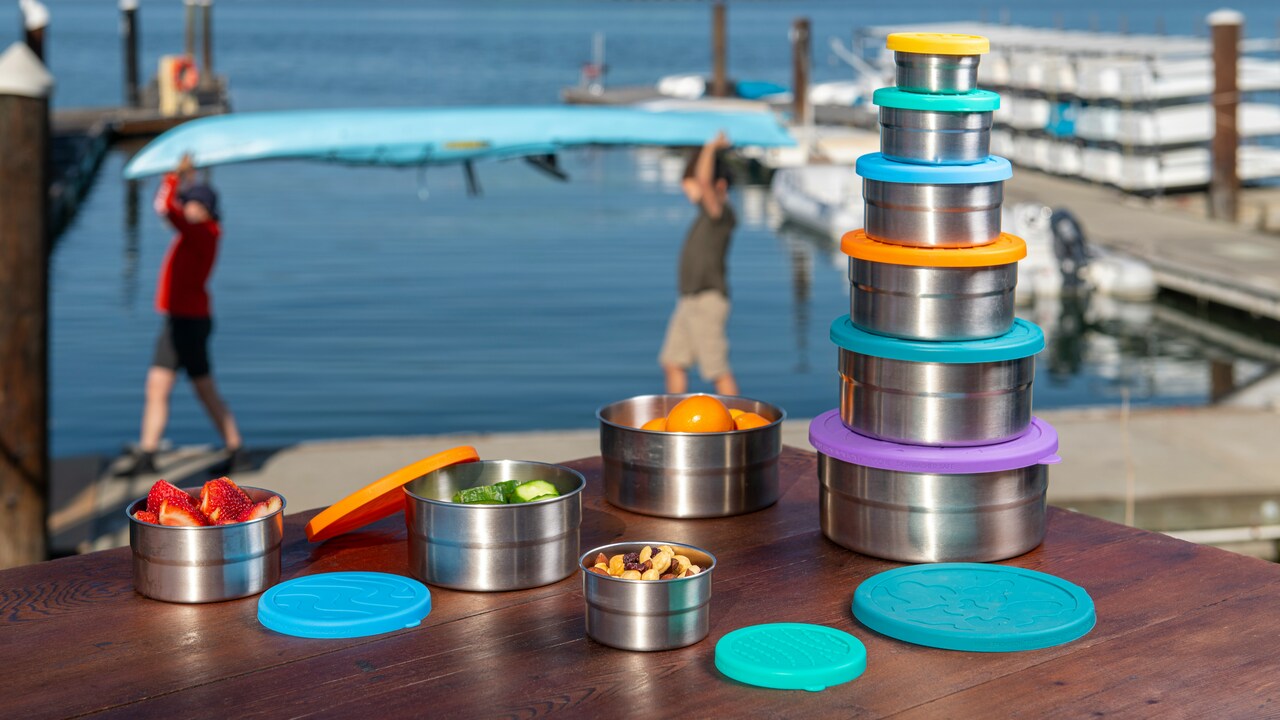
Stainless steel suits hot meals, oily curries, regular office lunches and long-term daily use. It feels sturdy, cleans easily and resists stains. Plastic suits cold snacks, small portions, children's bags and meals that require microwave reheating in a compatible container.
Many households already follow this mixed approach without giving it a name. Rotis travel in steel, fruit goes into a lightweight plastic tub, and chutney sits in whichever tiny container still has its lid. Practicality quietly wins over ideology.
The most important step involves using both materials wisely. Retire plastic boxes that have deep scratches, warped surfaces or damaged lids. Choose food-grade replacements. Wash steel seals properly and dry every part before storage.
A lunch box should make daily life easier, not turn lunchtime into a moral examination. Thoughtful selection, proper care and regular reuse matter far more than declaring one material perfect for every person and every meal.
Products Related To This Article
1. WARMEO BENTO Microwave-Safe Stainless Steel Lunchbox with 3 compartments
2. VAYA TYFFYN Lunch Box for Office for Men
3. WARMEO Delight Insulated Stainless Steel Airtight Leak-Proof Lunch Box
4. Neelam Stainless Steel Lunch Box/Tiffin with Locking Clip
5. Umadiya® 3 Compartment Lunch Box Insulated Airtight and Portable Utensils
6. Smart & Stylish Steel Lunch Box 750ML
7. Elan Stainless Steel Tiffin Box
Stainless-steel lunch boxes offer clear advantages. They last longer, resist stains, handle hot food well and create less waste when used for many years. For regular home-cooked meals, they often make an excellent investment.
Yet “better” does not mean “better in every situation”. Plastic remains lighter, cheaper and more flexible. It may suit school bags, snacks, small portions and microwave-friendly routines more effectively.
The smartest choice begins with honest questions. Who will carry the box? What food will it hold? Will it need reheating? How likely is it to leak, fall or disappear? The answers reveal more than any dramatic claim printed on a product label.
There is no need to throw out every plastic container or replace the entire kitchen shelf with shiny steel overnight. Use existing boxes responsibly, remove damaged ones and buy thoughtfully when replacement becomes necessary.
In the end, a dependable lunch box should protect the food, survive the journey and return home without decorating the inside of the bag with curry. Whether steel or plastic achieves that goal depends on design, quality and everyday habits—not material alone.
(Disclaimer: This article may include references to or features of products and services made available through affiliate marketing campaigns. NDTV Convergence Limited (“NDTV”) strives to maintain editorial independence while participating in such campaigns. NDTV does not assume responsibility for the performance or claims of any featured products or services.)







![Steam Iron Teflon Shoe Cover for ES-300,ST-96 [Only For ES-300 and ST-96 Model Electric Steam Irons]](https://m.media-amazon.com/images/I/51wwkttondL._SL160_.jpg)