Why Bedsheets Keep Coming Off The Mattress And How To Choose The Right Pocket Depth
Bedsheets often slip off due to shallow pockets, weak elastic or incorrect sizing. Learn how to measure mattress depth and choose a fitted sheet that stays secure, smooth and comfortable all night.

Common reasons behind fitted bedsheets that don't stay in place
Few household annoyances feel as petty yet persistent as a bedsheet that refuses to stay in place. The bed looks perfectly neat in the morning. By midnight, one corner has escaped. By dawn, the sheet has curled towards the centre like it has given up on adult responsibilities. This problem often gets blamed on weak elastic, careless fitting, or restless sleeping. Sometimes those factors matter. More often, the real issue lies in the relationship between the mattress and the sheet pocket. A fitted bedsheet needs enough depth to wrap around the mattress, slide underneath it, and hold firm without stretching to its limit.

Why most bedsheets keep coming off and how to find the right one
Photo Credit: Pexels
Mattresses now come in many styles, from slim coir designs to thick memory foam models with plush toppers. Yet bedsheets still get sold under broad labels such as single, double, queen, and king. Length and width matter, but depth decides whether the sheet stays tucked or launches itself off a corner.
The following ten points explain why fitted sheets slip and how to choose a pocket depth that works in real homes.
Also Read: Best Bedsheets Under ₹1,000 With Soft Fabrics And Stylish Prints
What Causes Bedsheets To Slip And How To Find The Perfect Fit
1. The Pocket Is Too Shallow For The Mattress
The most common reason a fitted bedsheet comes off is simple: its pockets cannot fully cover the mattress depth. A sheet may match the bed's length and width perfectly, yet still fail because the sides are too short.
Suppose a mattress measures 20 cm in thickness, while the fitted sheet has a pocket depth of only 18 cm. The sheet might stretch over the corners when the bed gets made, but very little fabric will remain underneath. The tension builds around the elastic edge. A small movement during sleep can then pull one corner loose.
A good fitted sheet needs space to travel down the side of the mattress and tuck several centimetres underneath it. Without that grip, the elastic sits near the edge rather than below it.
This mismatch often appears after someone replaces an older, thinner mattress with a deeper foam or spring model. The existing bedsheets still fit the surface dimensions, so they seem usable at first. Night-time tells a different story.
Before buying new sheets, measure the actual thickness of the mattress rather than relying on labels or guesswork. That single number prevents many frustrating mornings.
2. The Pocket Is Much Deeper Than Needed
A shallow pocket creates tension, but an excessively deep pocket can create looseness. More depth does not always mean a better fit.
When a thin mattress gets paired with an extra-deep fitted sheet, spare fabric gathers along the sides. The elastic may sit underneath the mattress, yet the sleeping surface can still wrinkle and shift. Each turn, stretch, or sleepy kick moves the loose material a little more. By morning, the sheet may remain attached but look as though it survived a small cyclone.
This problem commonly appears on slim guest-room mattresses, folding beds, children's beds, and older coir mattresses. A sheet designed for a thick luxury mattress may hang awkwardly on these surfaces.
A pocket that exceeds the mattress depth by a modest amount usually works well. However, a dramatic difference can reduce stability. For example, a 40 cm pocket on a 15 cm mattress may leave too much fabric to manage neatly.
Choose a pocket close to the total mattress thickness, with enough extra depth for a secure tuck. The aim is not maximum fabric. The aim is balanced tension, firm grip, and a smooth sleeping surface.
3. Mattress Toppers Change The Required Depth
A mattress topper can quietly turn a perfectly fitted bedsheet into an unreliable one. Toppers add comfort, but they also add height. Even a modest layer of memory foam, fibre filling, or quilted padding can change the pocket depth required.
Many people measure the mattress and forget the topper completely. A 20 cm mattress with a 7 cm topper does not need a 20 cm pocket. It needs a sheet that can cover the combined 27 cm depth, plus enough material to tuck underneath.
The same rule applies to mattress protectors, cooling pads, electric blankets, and thick quilted covers. One layer may seem insignificant, but several layers can add surprising bulk. The bed slowly grows taller while the bedsheet remains the same size.
Soft toppers also compress unevenly. When someone lies down, one section sinks while another pushes outward. A tightly stretched sheet may then pull away from the corner.
Measure every layer that sits inside the fitted sheet. Place the measuring tape from the top of the highest layer to the bottom edge of the mattress. This gives the true working depth and helps prevent nightly corner escapes.
4. Weak Or Poorly Placed Elastic Reduces Grip
Pocket depth matters greatly, but elastic quality decides how well the sheet holds its position. Some fitted sheets use elastic only at the four corners. Others use a continuous elastic band around the entire edge. The second design usually offers a more even and reliable grip.
Corner-only elastic can work on a light, thin mattress. On a thick mattress, however, the tension concentrates in four small areas. Once one corner slips, the remaining corners face extra strain and may soon follow.
Loose elastic creates another problem. Repeated washing, high heat, harsh detergents, and years of stretching can weaken the fibres. The sheet may still look perfectly usable, but its edge no longer pulls firmly beneath the mattress.
When shopping, check whether the elastic feels strong, flexible, and securely stitched. A wide band often distributes pressure better than a narrow, delicate strip. Reinforced corner seams also help because those areas face the greatest tension.
Price alone does not guarantee quality. A sheet costing ₹2,000 can still perform poorly if the elastic lacks strength. Meanwhile, a well-constructed ₹900 sheet may stay neatly fitted for years. Construction matters more than fancy packaging.
5. Fabric Type Affects How The Sheet Moves
Different fabrics behave differently on a mattress. Smooth synthetic sheets can slide easily, while crisp cotton sheets may hold their shape better. Stretchy jersey fabric hugs the mattress but may loosen over time. Silky blends feel luxurious, though they sometimes move with every turn.
The mattress cover also plays a role. A smooth bedsheet placed over a glossy waterproof protector creates very little friction. The two surfaces glide against each other, especially when the sleeper changes position frequently. Even a correctly sized fitted sheet can creep upwards during the night.
Cotton often offers a useful balance of breathability, structure, and grip. Percale feels crisp and tends to stay relatively stable. Sateen feels softer and smoother, but its finish may shift more on certain protectors. Jersey stretches generously, making it forgiving for unusual mattress depths, though it may bunch if the pocket runs too deep.
Climate matters as well. Warm, humid nights can increase movement because sleepers turn more often while searching for a cooler patch.
Choose fabric according to comfort, but also consider the surface beneath it. When both layers feel slippery, look for stronger elastic or a closer pocket fit to compensate.

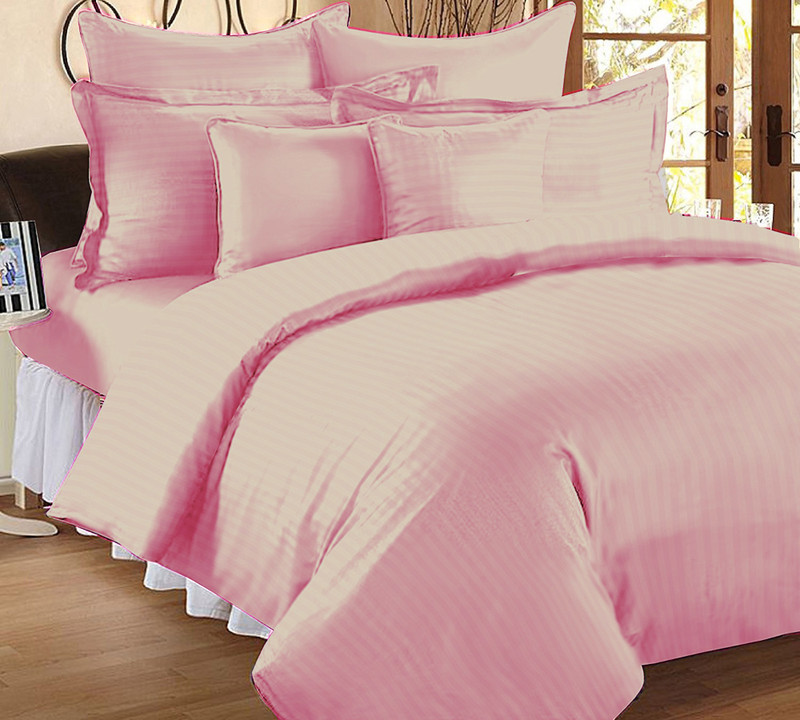
Fabric type can also affect the way a bedsheet sits on the mattress
Photo Credit: Pexels
6. Incorrect Mattress Measurements Lead To Poor Choices
Mattress labels can create false confidence. A “queen-size” sheet may not fit every queen-size mattress because brands sometimes follow slightly different dimensions. Thickness varies even more widely.
Measure the mattress with a firm tape rather than a soft estimate. Record the length, width, and depth in centimetres. Measure depth at more than one point, particularly if the mattress has rounded edges, tufting, or a pillow top. Use the largest measurement.
Avoid pressing the tape into the mattress. Compression can reduce the reading and lead to a pocket that fits too tightly. Include permanent additions such as toppers and padded protectors.
The label on an old mattress may also mislead after years of use. Foam can expand, edges can soften, and toppers may settle unevenly. A quick real-world measurement gives better information than faded packaging.
Keep the measurements saved on a phone. They become useful when shopping online, where terms such as “deep pocket” may sound precise but often mean different things across brands.
The right sheet size should match the mattress surface while offering a pocket slightly deeper than the total measured thickness. Accurate numbers remove guesswork and reduce expensive trial and error.
7. Restless Sleepers Put Extra Pressure On Corners
Some bedsheets face a calmer life than others. A still sleeper creates little movement, while an active sleeper can pull fabric in several directions throughout the night. Children jumping onto the bed, pets circling before settling, and couples sharing a smaller mattress can increase the strain further.
Movement creates sideways force across the sleeping surface. When the sheet fits tightly, that force travels towards the nearest corner. A shallow pocket may pop off immediately. A loose pocket may slide gradually until the fabric gathers in the middle.
This does not mean active sleepers need oversized sheets. They need sheets with secure all-around elastic, reinforced corners, and enough pocket depth to tuck well beneath the mattress.
Fitted-sheet straps can help in difficult cases. These straps attach underneath the mattress and connect opposite edges or corners. They require a little effort during bed-making, but they can rescue sheets that otherwise slip frequently.
A heavier mattress also tends to hold tucked fabric more securely than a lightweight foam mattress. When the mattress lifts easily, the sheet can drag its edge upward. Strong elastic and correct sizing become even more important in such situations.
8. Washing And Drying Can Alter The Fit
A fitted sheet may fit beautifully when new and become troublesome after several washes. Natural fibres such as cotton can shrink, especially when exposed to hot water or high dryer temperatures. Even a small reduction affects a sheet that already fits tightly.
Elastic also dislikes excessive heat. Repeated hot drying can weaken its stretch and shorten its lifespan. The sheet may then develop an odd combination: smaller fabric with looser elastic. That creates tight corners without a firm grip.
Follow the care label and use moderate temperatures where possible. Line drying works well in many homes, though harsh afternoon sun can gradually affect colours and elastic. Drying sheets in a shaded, airy area often offers a gentler option.
Avoid overloading the washing machine. Tangled sheets stretch unevenly and may twist around other laundry. Strong bleach and aggressive detergents can also damage fibres.
A small amount of shrinkage should be considered when choosing pocket depth, particularly with pure cotton sheets. Buying a pocket that offers a few extra centimetres gives the fabric room to settle after washing without becoming too shallow. Good care protects both the fit and the feel.
9. Pocket Depth Labels Are Not Always Consistent
Terms such as “standard pocket”, “deep pocket”, and “extra-deep pocket” sound helpful, but they do not follow one universal scale. One brand may describe 30 cm as deep, while another reserves that label for 40 cm.
This inconsistency makes product descriptions more important than marketing names. Look for the exact pocket measurement in centimetres. When the listing does not provide it, the sheet becomes a gamble, especially for a thick mattress.
Also check whether the stated depth refers to the raw fabric measurement or the maximum mattress depth recommended by the manufacturer. A 30 cm fabric drop may not comfortably fit a 30 cm mattress because the sheet still needs material underneath.
Customer reviews can reveal useful patterns. Comments such as “fits my 25 cm mattress with a topper” offer more practical value than vague praise about softness. However, reviews work best when the reviewer shares actual measurements.
When shopping in a store, examine the packaging carefully or ask to check the dimensions. When shopping online, compare the centimetre measurements rather than trusting words such as “luxury fit”.
Clear measurements beat attractive labels. A plain sheet with accurate sizing will cause far less drama than a premium-looking sheet with mysterious pockets.
10. The Best Pocket Depth Includes A Practical Allowance
The ideal pocket depth should exceed the total mattress thickness by enough to grip underneath without leaving excessive loose fabric. A practical allowance of around 5 to 10 cm suits many beds.
For example, a mattress and topper with a combined depth of 25 cm will usually work well with a pocket depth of roughly 30 to 35 cm. This gives the elastic room to wrap below the mattress edge. It also allows for slight shrinkage and normal movement.
The exact allowance depends on the sheet construction. Strong all-around elastic may need less spare depth. A lightweight sheet with narrow elastic may benefit from a little more. Rounded mattress corners can also require extra fabric because the sheet travels along a curved surface.
Avoid choosing a pocket that matches the mattress depth exactly. Such a sheet may look tidy at first, but it leaves almost no margin for tucking, washing, or movement.
At the same time, do not jump to the deepest option available. Too much material can wrinkle and shift.
Think of pocket depth like the fit of a well-tailored kurta: enough ease for comfort, but not so much that the shape disappears. A measured fit usually delivers the best result.
Products Related To This Article
1. Sangria Blue 300 TC King Double Bedsheet With 2 Pillow Covers
2. Story@home Off White & Green Cartoon Characters 180 TC Queen Bedsheet with 2 Pillow Covers
3. KLOTTHE Blue Floral Polycotton 300 TC King Fine Bedsheet with 2 Pillow Covers
4. FABINALIV Off White Cartoon Print 300 TC King Bedsheet with 2 Pillow Covers
5. haus & kinder Beige Solid Poly Satin 300 TC Super King Fine Bedsheet with 2 Pillow Covers
6. Sangria Blue Floral Printed Soft Feel 120 TC Double Fine Bedsheets
7. Raymond Home Teal 100 TC King Bedsheet with 2 Pillow Covers
A bedsheet rarely comes off the mattress for no reason. The problem usually begins with a mismatch between the mattress depth and the sheet pocket. Toppers, protectors, weak elastic, slippery fabrics, inaccurate measurements, active sleeping habits, and washing methods can make that mismatch worse.
The solution starts with a measuring tape. Measure the full bed length, width, and combined depth, including every layer that sits beneath the fitted sheet. Then choose a pocket that offers a modest allowance for tucking and movement. Check the elastic construction, fabric behaviour, care instructions, and exact measurements rather than relying only on labels such as queen-size or deep pocket.
A properly fitted sheet should not demand nightly adjustments or heroic lifting of the mattress. It should stretch smoothly across the surface, grip underneath the edges, and stay there quietly.
Once the pocket depth suits the bed, the difference becomes obvious. Corners remain covered, wrinkles reduce, and mornings begin without finding half the mattress exposed. Sometimes better sleep does not require a new pillow, an expensive gadget, or a grand bedroom makeover. Sometimes it begins with a bedsheet that simply knows its place.
(Disclaimer: This article may include references to or features of products and services made available through affiliate marketing campaigns. NDTV Convergence Limited (“NDTV”) strives to maintain editorial independence while participating in such campaigns. NDTV does not assume responsibility for the performance or claims of any featured products or services.)









![Steam Iron Teflon Shoe Cover for ES-300,ST-96 [Only For ES-300 and ST-96 Model Electric Steam Irons]](https://m.media-amazon.com/images/I/51wwkttondL._SL160_.jpg)