Feeding Bottle Sterilisers: Necessary Appliance Or Just Extra Expense?
Are bottle sterilisers a must-have for hygiene or just another added expense? A practical look at their real value, convenience and whether they truly deserve a spot in modern parenting.

The real truth behind the importance of baby bottle sterilisers
Walk into any baby store or scroll through parenting forums, and one item seems to pop up again and again: the bottle steriliser. Gleaming, compact, and promising peace of mind, it often sits on the “recommended essentials” list. Yet, not every parent feels convinced.
Ready complete details about how important are bottle sterilisers for your baby; Photo Credit: Pexels
For some, the thought of ensuring every feed is germ-free feels reassuring. For others, it feels like yet another expense in an already overwhelming list of baby purchases. After all, generations have raised healthy children without specialised machines humming on kitchen counters.
So, where does the truth lie? Are bottle sterilisers genuinely helpful, or do they belong in the category of well-marketed conveniences? The answer, as it turns out, is not entirely straightforward.
Also Read: Stay Summer-Ready: The Ultimate List Of Baby Essentials
Breaking Down The Real Value Of Bottle Sterilisers
The Hygiene Factor: Peace Of Mind For New Parents
Few things matter more than a baby's health, especially in the early months. Newborns have developing immune systems, which makes them more vulnerable to infections. This is where bottle sterilisers often step in, promising a high level of cleanliness with minimal effort.
Boiling bottles in a saucepan remains a tried-and-tested method. Yet, it requires attention, time, and a fair bit of coordination during an already exhausting routine. A steriliser, on the other hand, simplifies the process. With a press of a button, bottles undergo steam or UV cleaning, leaving little room for error.
For many families, especially those adjusting to sleepless nights and unpredictable feeding schedules, this convenience offers reassurance. It reduces the mental load of wondering whether everything has been cleaned thoroughly.
However, it is worth noting that hygiene does not always demand high-end gadgets. Clean water, soap, and proper drying techniques can achieve excellent results. The real question becomes whether convenience and consistency justify the added cost.
Time-Saving Convenience In Busy Households
Life with a baby rarely follows a schedule. Between feeding, burping, changing, and calming, every minute feels stretched. In such a scenario, any device that saves time gains instant appeal.
Bottle sterilisers streamline a repetitive task. Instead of hovering over a stove, parents can simply load bottles, switch on the device, and move on to other responsibilities. For working parents or those managing multiple children, this efficiency can make a noticeable difference.
Consider a household where mornings feel like a race against time. Preparing bottles quickly and safely becomes essential. A steriliser can complete the job in minutes without constant supervision, allowing focus to shift elsewhere.
Yet, convenience always comes at a price. While some models cost around ₹2,000, others climb up to ₹8,000 or more. Whether this investment makes sense depends on how much value one places on saved time. For some, it becomes indispensable. For others, it feels like an unnecessary shortcut.
Cost Versus Usage: Worth The Investment?
Budget plays a significant role in every parenting decision. With expenses piling up, diapers, clothes and healthcare, the idea of adding another appliance can feel overwhelming.
A bottle steriliser may seem affordable at first glance, especially entry-level models. However, when combined with electricity usage and potential maintenance, the cost grows over time. High-end models with advanced features further stretch the budget.
The real issue lies in the duration of use. Bottle sterilisers often see heavy usage during the first year. After that, their importance gradually declines as babies transition to other feeding methods. This limited window raises a practical concern: is it worth spending thousands on something used briefly?
Some families pass the device on to relatives or friends, extending its value. Others find it tucked away in storage after just a few months. Ultimately, the answer depends on personal priorities and financial flexibility.
Traditional Methods: Still Relevant Today
Before the rise of specialised appliances, boiling water served as the go-to sterilisation method. Even today, it remains effective and widely used.
A large pot, clean water, and a few minutes of boiling can eliminate most harmful bacteria. This method requires no additional investment and works reliably across households. It also avoids dependency on electricity or specific devices.
However, traditional methods demand attention. Forgetting a pot on the stove or mishandling hot bottles can lead to accidents. The process also takes longer and may feel tedious during late-night feeds.
Despite these challenges, many families continue to rely on this approach successfully. It proves that while technology offers convenience, it does not always replace simplicity. Sometimes, the old ways still hold their ground.
Electric Versus Microwave Sterilisers: What's The Difference?
For those considering a purchase, the variety of sterilisers available can feel confusing. Electric sterilisers operate independently, using steam to clean bottles efficiently. They are user-friendly but often come with a higher price tag.
Microwave sterilisers, on the other hand, use existing kitchen appliances. They are generally more affordable, often priced around ₹1,500 to ₹3,000. They require careful handling but deliver similar results when used correctly.
The choice often comes down to convenience versus cost. Electric models offer ease, especially during busy routines. Microwave versions require a bit more effort but save money.
Both options achieve the same goal: sanitised feeding equipment. The difference lies in how much effort one prefers to invest in the process. This balance between cost and convenience becomes a deciding factor for many families.
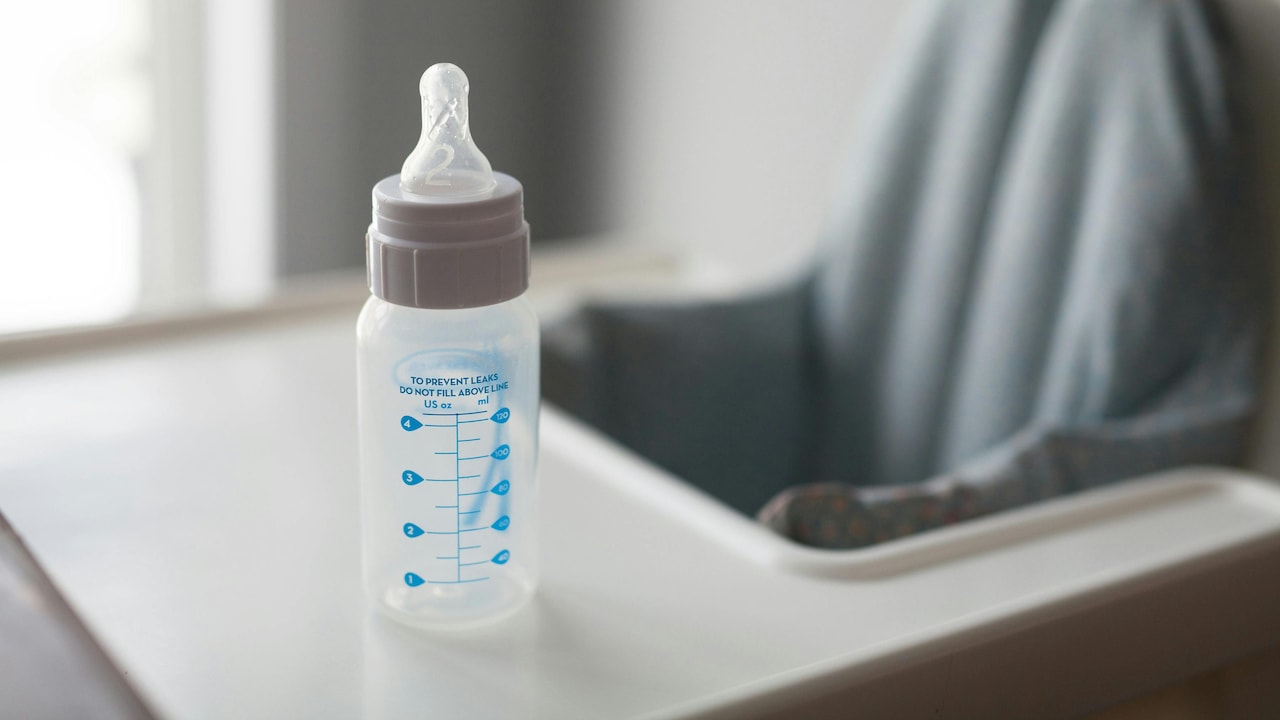
While electric sterilisers use steam for cleaning, microwave sterilisers rely on existing kitchen appliances; Photo Credit: Pexels
The Role Of Water Quality And Environment
Water quality varies significantly across regions. In areas where water purity remains uncertain, sterilisation becomes more critical. Even after washing bottles thoroughly, residual contaminants may pose risks.
In such situations, a steriliser adds an extra layer of safety. It ensures that bacteria and germs do not linger, providing reassurance to caregivers.
On the other hand, households with access to clean, filtered water may find less need for specialised devices. Proper washing and drying often suffice to maintain hygiene.
Environmental factors also play a role. Humid climates can encourage bacterial growth, making sterilisation more relevant. Conversely, dry conditions may reduce such risks.
Understanding these factors helps determine whether a steriliser is a necessity or simply a precautionary measure.
Ease Of Use And Maintenance
Appliances often promise simplicity, but their real-world usability tells a different story. Bottle sterilisers generally score well in ease of use. Most models feature straightforward controls, quick cycles, and minimal setup.
However, maintenance deserves attention. Regular cleaning prevents mineral deposits and ensures efficient functioning. Neglecting this step can reduce effectiveness and even damage the device.
Some users find the cleaning process slightly tedious, especially in areas with hard water. Descaling becomes necessary, adding another task to an already busy routine.
Despite this, many appreciate the overall convenience. Once incorporated into daily life, the device becomes second nature. The key lies in balancing convenience with proper upkeep.
Travel And Portability Considerations
Families often travel for family functions, holidays, or simply a change of scenery. In such situations, carrying a bulky steriliser may not feel practical.
Portable sterilisers and compact microwave versions offer some flexibility. Yet, many still rely on boiling water when away from home. It remains the simplest and most accessible option.
This highlights an important point: a steriliser works best within a stable home setup. Beyond that, traditional methods often take over.
For families who travel frequently, investing in a large steriliser may not feel justified. Instead, a mix of methods ensures adaptability without over-reliance on a single device.
Emotional Comfort: The Invisible Benefit
Beyond practicality and cost, there exists an emotional aspect often overlooked. Parenthood brings a mix of joy and anxiety, especially in the early months.
A bottle steriliser offers reassurance. It reduces the worry of “what if something wasn't clean enough?” This peace of mind, though intangible, holds real value.
For many, this emotional comfort justifies the expense. It allows focus to shift from constant concern to enjoying moments with the baby.
Yet, not everyone feels this need. Some trust traditional methods completely and find equal confidence in their routines.
Ultimately, the decision becomes deeply personal. Emotional comfort, though difficult to measure, plays a significant role in shaping choices.
Marketing Versus Reality: Separating Need From Want
The baby product market thrives on emotions. Advertisements often highlight ideal scenarios, presenting products as essentials rather than options.
Bottle sterilisers fall into this category. Sleek designs and promises of superior hygiene create a sense of urgency. It becomes easy to believe that skipping such a product may compromise care.
In reality, many families manage perfectly without one. Clean practices and attention to detail often achieve the same results.
This does not mean sterilisers lack value. They simply occupy a space between necessity and convenience. Recognising this distinction helps in making informed decisions.
Instead of following trends, evaluating actual needs leads to better choices. After all, not every product suits every household.
Products Related To This Article
1. Fisher-Price Steam Sterilizer for Baby Essentials
2. HealthSense Baby Bottle Sterilizer and Dryer
3. Chicco 2 in1 Steam Sterilizer
4. Philips Avent Sterilizer
5. PROMOM 6-in-1 Baby Bottle Sterilizer & Dryer with Air Filter & LED Controls
Bottle sterilisers sit at an interesting crossroads between practicality and preference. They offer convenience, consistency, and peace of mind, particularly during the demanding early months of parenting. For some families, they become indispensable tools that simplify daily routines.
At the same time, they are not strictly essential. Traditional methods continue to serve effectively, proving that good hygiene does not always require specialised appliances.
The decision ultimately depends on lifestyle, budget, and personal comfort. A steriliser can be a helpful addition, but it should not feel like a compulsory purchase.
In the end, parenting does not hinge on gadgets alone. Care, attention, and thoughtful choices matter far more. Whether one chooses a steriliser or sticks to a saucepan of boiling water, the goal remains the same: a safe and healthy start for the little one.
(Disclaimer: This article may include references to or features of products and services made available through affiliate marketing campaigns. NDTV Convergence Limited (“NDTV”) strives to maintain editorial independence while participating in such campaigns. NDTV does not assume responsibility for the performance or claims of any featured products or services.)