Why Memory Foam Pillows Feel Uncomfortable At First And How To Adjust
Memory foam pillows often feel uncomfortable at first due to firmness and posture changes. Learn why this happens and how simple adjustments can improve your sleep.
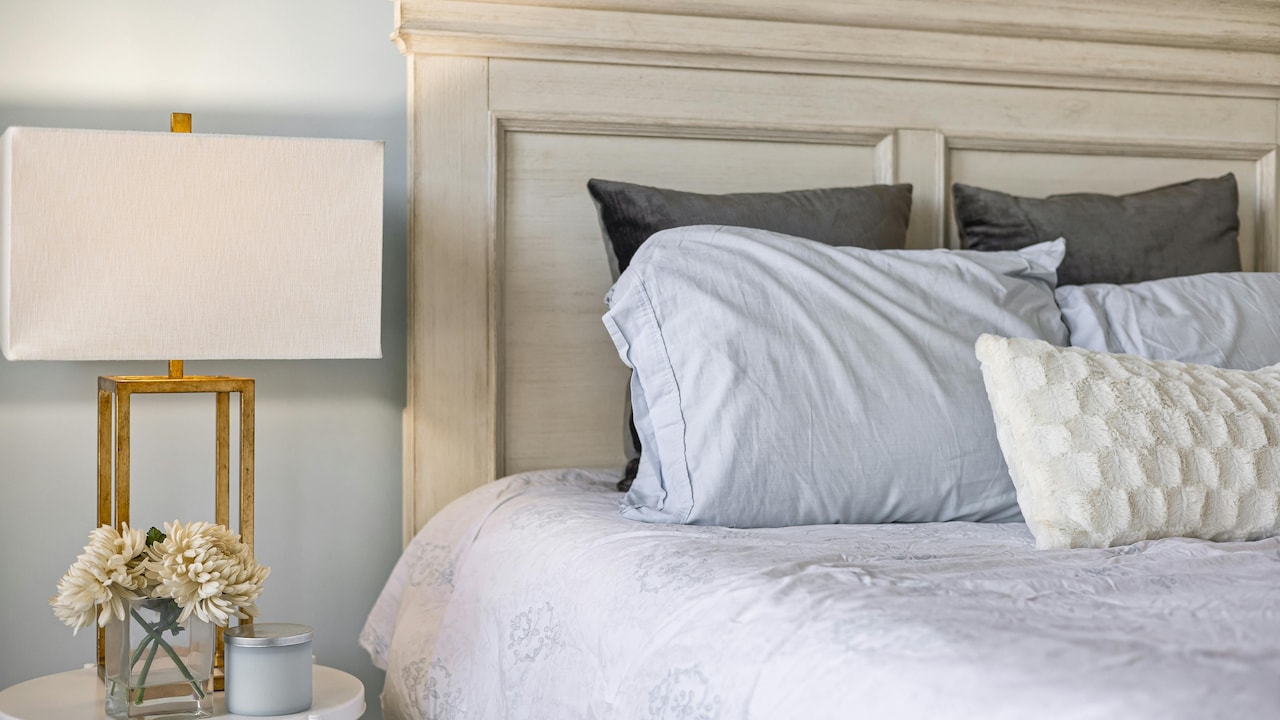
Why Memory Foam Pillows Feel Uncomfortable At First And How To Fix It
A new memory foam pillow often arrives with high expectations. The packaging hints at luxury, better posture, and mornings without neck pain. Yet, the first night can feel disappointing. The pillow feels too firm, oddly shaped, or even resistant. Sleep becomes restless, and the thought creeps in was this worth the ₹2,000 or more spent? This reaction is more common than expected. Memory foam works differently from traditional cotton or fibre pillows. It responds to heat and pressure rather than simply compressing under weight. That unique behaviour takes time to get used to. Instead of discarding it too soon, understanding the reasons behind the discomfort can help. With a few practical adjustments, the same pillow that once felt awkward can become a nightly comfort. The journey from unease to ease is gradual, but entirely achievable.

Why Memory Foam Pillows Feel Uncomfortable At First And How To Adjust
Photo Credit: Pexels
Understanding The Initial Discomfort And Adjustment Phase
The Science Behind Memory Foam Feel
Memory foam does not behave like regular pillows. It softens with body heat and moulds around the head and neck. This process creates support rather than simple cushioning. During the first few nights, the firmness can feel unnatural because the body expects instant softness.
The material reacts slowly, which can feel like resistance. Instead of sinking in quickly, the pillow adapts over several seconds. This delay can make turning or adjusting positions feel slightly awkward.
Think of it like wearing new footwear. The structure feels rigid at first, but slowly adapts to the feet. Memory foam behaves in a similar way. Once the material learns the shape and sleeping pattern, comfort improves noticeably.
Understanding this science removes some of the frustration. The pillow is not faulty; it simply follows a different mechanism that requires patience.
Your Neck Is Adjusting To Proper Alignment
Traditional pillows often allow the neck to bend at awkward angles. Over time, the body adapts to this poor alignment. A memory foam pillow corrects that posture, which can feel strange at first.
The neck suddenly receives proper support. Muscles that were used to strain now relax differently. This shift can cause mild discomfort or stiffness during the initial nights.
It is similar to sitting straight after slouching for years. The posture is correct, yet the body resists the change. With time, the muscles adapt and begin to appreciate the support.
This phase usually lasts a few days. Gradually, the neck aligns naturally, and the discomfort fades. What initially feels unusual eventually becomes essential for quality sleep.
The Pillow Might Feel Too Firm Initially
Firmness is one of the most common complaints. A memory foam pillow often feels harder than expected, especially when compared to soft fibre-filled options.
This firmness exists for a reason. It provides consistent support and prevents the head from sinking too deeply. However, during the first few uses, it can feel like resting on a solid surface.
Temperature also plays a role. In cooler conditions, memory foam remains firmer. As it warms up, it softens and becomes more comfortable.
Placing the pillow in a slightly warmer room or simply using it regularly helps speed up this process. Over time, the material loosens slightly and becomes more responsive.
What begins as stiffness transforms into balanced support, making the firmness feel reassuring rather than restrictive.
The “New Pillow Smell” Can Be Distracting
Many memory foam pillows come with a faint chemical smell when unpacked. This odour, often called off-gassing, can make the experience less pleasant.
The scent is harmless but unfamiliar. It can disrupt sleep simply because it feels unusual. For some, it even creates a sense of discomfort unrelated to the pillow's structure.
Allowing the pillow to air out for a day or two helps significantly. Placing it near a window or in a ventilated room reduces the smell quickly.
Once the odour fades, the focus shifts entirely to comfort. Without that sensory distraction, the pillow feels more inviting and easier to adapt to.
This small step often makes a surprisingly big difference in the overall experience.
Also Read: Memory Foam Pillow vs Fibre Pillow: Which Supports Neck Better?
Sleeping Position Needs Relearning
A memory foam pillow works best when paired with the right sleeping posture. Many people shift positions frequently, especially when uncomfortable.
However, this pillow encourages stability. It supports specific positions, such as back or side sleeping, more effectively than constant movement.
During the adjustment phase, the body may resist staying in one position. This creates a feeling of restlessness.
Gradually, the pillow guides the body into a more stable sleeping pattern. Side sleepers find better neck alignment, while back sleepers experience reduced pressure on the spine.
With consistency, the body adapts. Sleep becomes deeper and more restful, replacing that initial unease.
It Takes Time To Break In The Foam
Memory foam requires a break-in period. Straight out of the packaging, it feels rigid and less responsive.
Regular use softens the material. The foam becomes more flexible and starts adapting quickly to body contours.
This process does not take long. Within a week or two, the difference becomes noticeable. The pillow begins to feel more natural and less structured.
Gently pressing or using the pillow daily accelerates this adjustment. The material gradually loosens without losing its supportive qualities.
Patience plays a key role here. The transformation from stiff to comfortable happens steadily, not instantly.

Why Memory Foam Pillows Feel Uncomfortable At First And How To Adjust
Photo Credit: Pexels
Temperature Sensitivity Plays A Role
Memory foam reacts strongly to temperature. In cooler environments, it remains firm. In warmer conditions, it softens and adapts easily.
This characteristic can make the pillow feel inconsistent at first. A cool room might make it seem too hard, while a warmer night improves comfort.
Understanding this behaviour helps manage expectations. Adjusting room temperature slightly or using a breathable pillow cover can enhance comfort.
Over time, the body heat naturally regulates the foam. The pillow begins to respond more consistently.
What once felt unpredictable becomes a reliable source of support, especially once the temperature balance stabilises.
The Height Might Not Feel Right Initially
Memory foam pillows often have a fixed height. Unlike traditional pillows, they do not flatten easily.
This height can feel unusual, especially for those used to stacking or adjusting pillows frequently. The head may feel elevated more than expected.
However, this elevation supports proper spinal alignment. It keeps the neck in a neutral position, reducing strain.
Adjusting sleeping habits helps. Choosing the right height based on sleeping position also makes a difference.
Once the body adapts, the height feels natural. Instead of discomfort, it provides a sense of stability and support.
Expectations Can Influence Comfort
High expectations often lead to quick disappointment. Memory foam pillows are marketed as instant solutions for better sleep.
When comfort does not appear immediately, frustration follows. This mindset can amplify minor discomforts.
Approaching the pillow with patience changes the experience. Viewing it as a gradual improvement rather than an instant fix helps.
Sleep quality improves over time. The body adjusts, and the benefits become clearer with each passing night.
A shift in expectations often leads to a more satisfying outcome. Comfort feels earned rather than promised.
Small Adjustments Make A Big Difference
Minor changes can significantly improve comfort. Using a soft pillowcase, adjusting bed posture, or pairing the pillow with a suitable mattress enhances the experience.
Even sleep timing and room conditions play a role. A calm environment helps the body relax and adapt faster.
Consistency is key. Using the pillow every night allows the body and the material to adjust together.
Within a short period, the discomfort fades. What once felt unfamiliar becomes a preferred sleeping companion.
These small efforts turn an initial struggle into a long-term benefit.
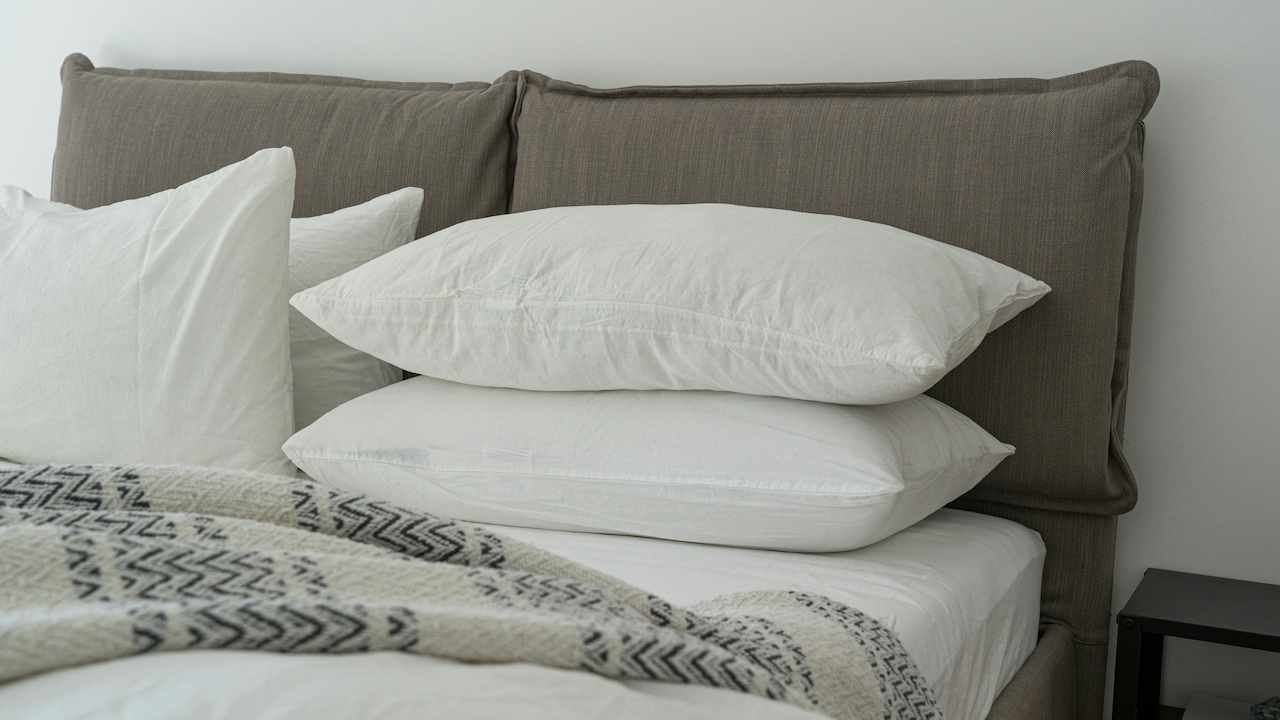
Why Memory Foam Pillows Feel Uncomfortable At First And How To Adjust
Photo Credit: Pexels
Products Related To This Article
1. LA VERNE Cooling Gel Infused Pincore Technology Breathable Memory Foam Pillow with 3S Rebound
2. The White Willow Memory Foam Pillow – Cool Gel Cervical Support for Neck
3. MY ARMOR Cool Gel Memory Foam Pillow
4. ComfyHug Sleeping Pillow, Shredded Memory Foam Adjustable Soft Pillow for Sleeping
5. Orthopedic Memory Foam Pillow, Ergonomic Cervical Contour Breathable Design
Memory foam pillows do not offer instant comfort, but they promise lasting support. The initial discomfort stems from unfamiliar structure, improved alignment, and the body's resistance to change.
With patience and a few adjustments, the experience transforms. The pillow begins to adapt, and the body follows. Sleep becomes deeper, mornings feel lighter, and the investment starts to make sense.
The journey requires a little time, but the reward is worth it. What feels uncomfortable at first often turns into something hard to sleep without.
(Disclaimer: This article may include references to or features of products and services made available through affiliate marketing campaigns. NDTV Convergence Limited (“NDTV”) strives to maintain editorial independence while participating in such campaigns. NDTV does not assume responsibility for the performance or claims of any featured products or services.)













![Steam Iron Teflon Shoe Cover for ES-300,ST-96 [Only For ES-300 and ST-96 Model Electric Steam Irons]](https://m.media-amazon.com/images/I/51wwkttondL._SL160_.jpg)