How To Pick A Dining Table For Families Who Also Use It As A Work Desk
A dining table that doubles as a work desk must balance comfort, space and durability. Here’s how to choose one that supports meals, meetings, homework and everyday family life.
How To Pick A Dining Table For Families Who Also Use It As A Work Desk
The dining table has quietly become one of the hardest-working pieces of furniture at home. Breakfast may begin with hot poha and hurried school conversations, while the same surface turns into a workstation by 10 a.m. By afternoon, laptops compete with notebooks, chargers and snack plates. Come evening, everyone expects the table to look ready for dinner again. This daily transformation sounds simple until backaches, tangled wires and coffee rings enter the story. A beautiful table may look perfect in a showroom but feel uncomfortable after two hours of work. A spacious design may dominate a compact room. A delicate finish may surrender after one enthusiastic art project.
How To Pick A Dining Table For Families Who Also Use It As A Work Desk
Photo Credit: Pexels
The right choice needs more thought than matching the table with the curtains. Families must consider who uses it, how long they sit there, what equipment they need and how quickly the space must shift from work mode to meal mode.
These ten practical considerations can help turn a dining table into a flexible, comfortable and dependable centre of family life.
What To Consider Before Choosing A Multipurpose Dining Table
Measure The Room Before Falling In Love
Furniture showrooms have a charming habit of making every table look perfectly proportioned. The lighting flatters it, the chairs sit neatly tucked in, and no pressure cooker whistles nearby. Reality often feels less generous.
Measure the dining area before browsing. Note the available length and width, but also allow space for people to pull out chairs and walk behind them. A table should not force everyone to shuffle sideways like passengers in a crowded local train. Leave roughly 90 centimetres between the table and the nearest wall or large piece of furniture wherever possible.
Consider the table in both dining and working situations. A chair may need extra room when someone sits with a laptop, notebook and footrest. Children may move around more during homework. A family member taking calls may also need space to step away without disturbing others.
Mark the proposed table size on the floor with masking tape or old newspapers. Live with that outline for a day. Walk around it, open nearby cupboards and imagine serving dinner. This simple test often reveals more than any glossy catalogue.
Choose A Shape That Supports Daily Movement
The shape of a dining table affects far more than appearance. It changes how people move, work, talk and share the surface.
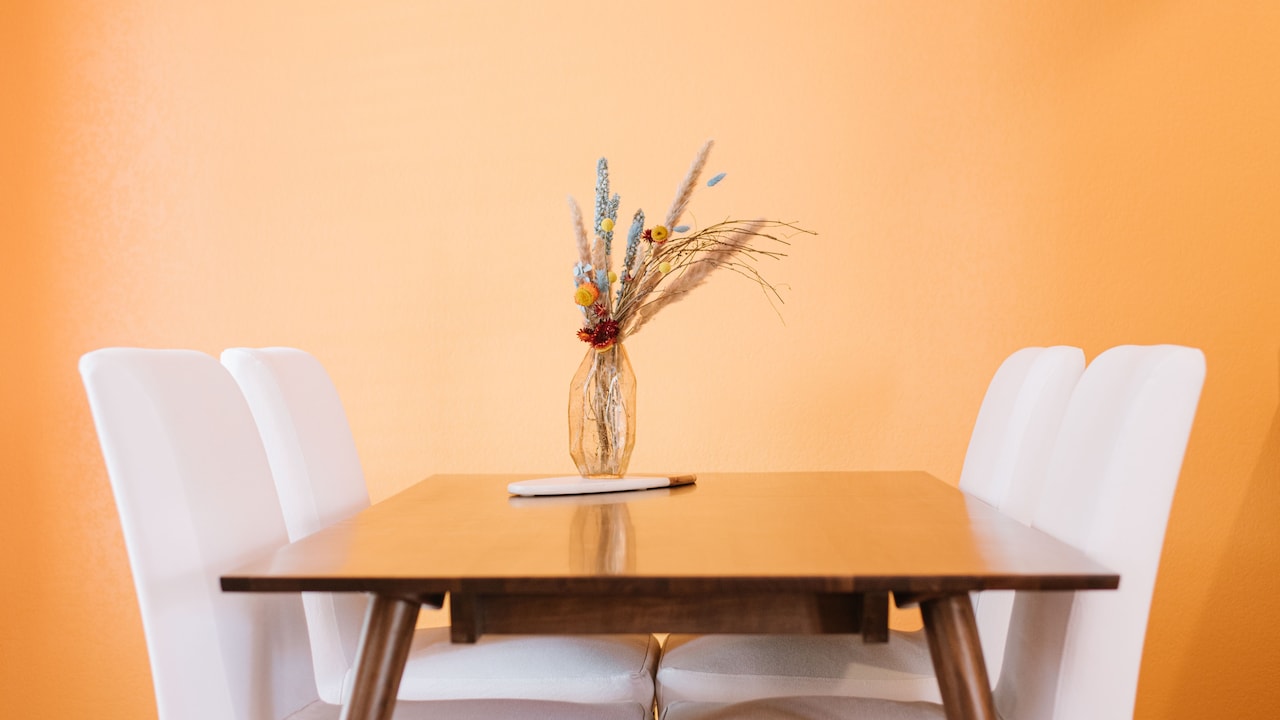
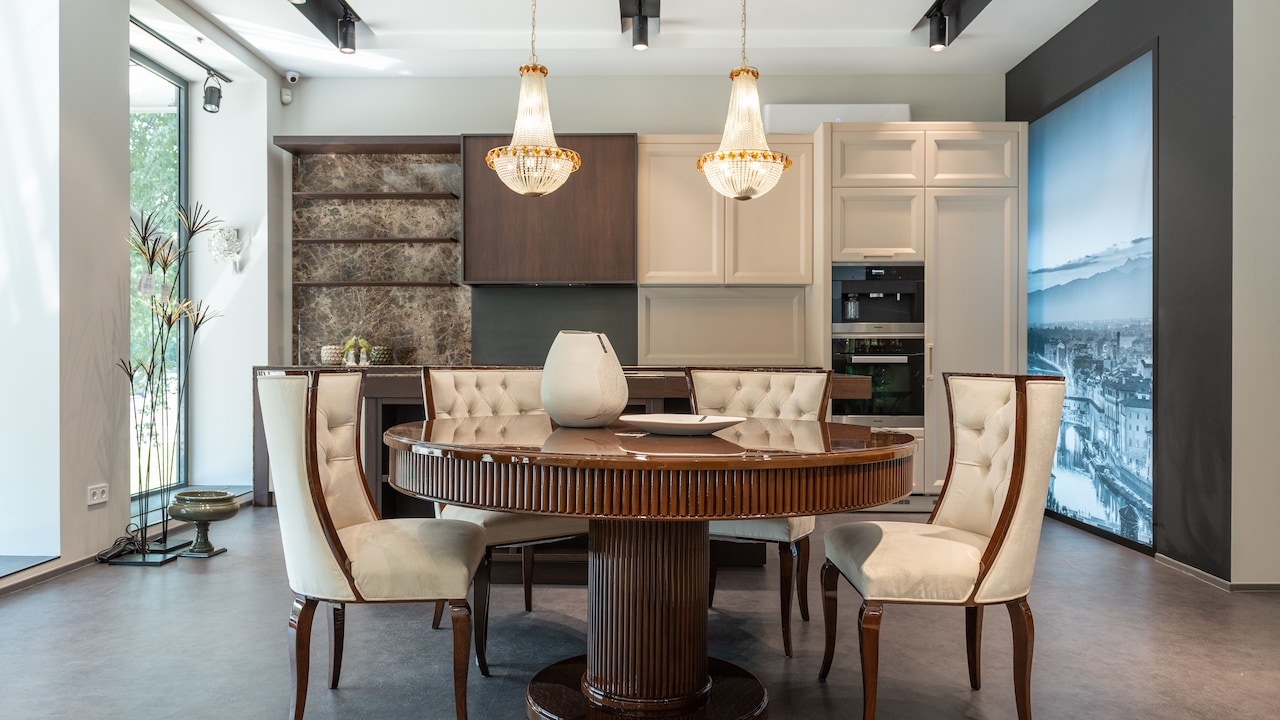
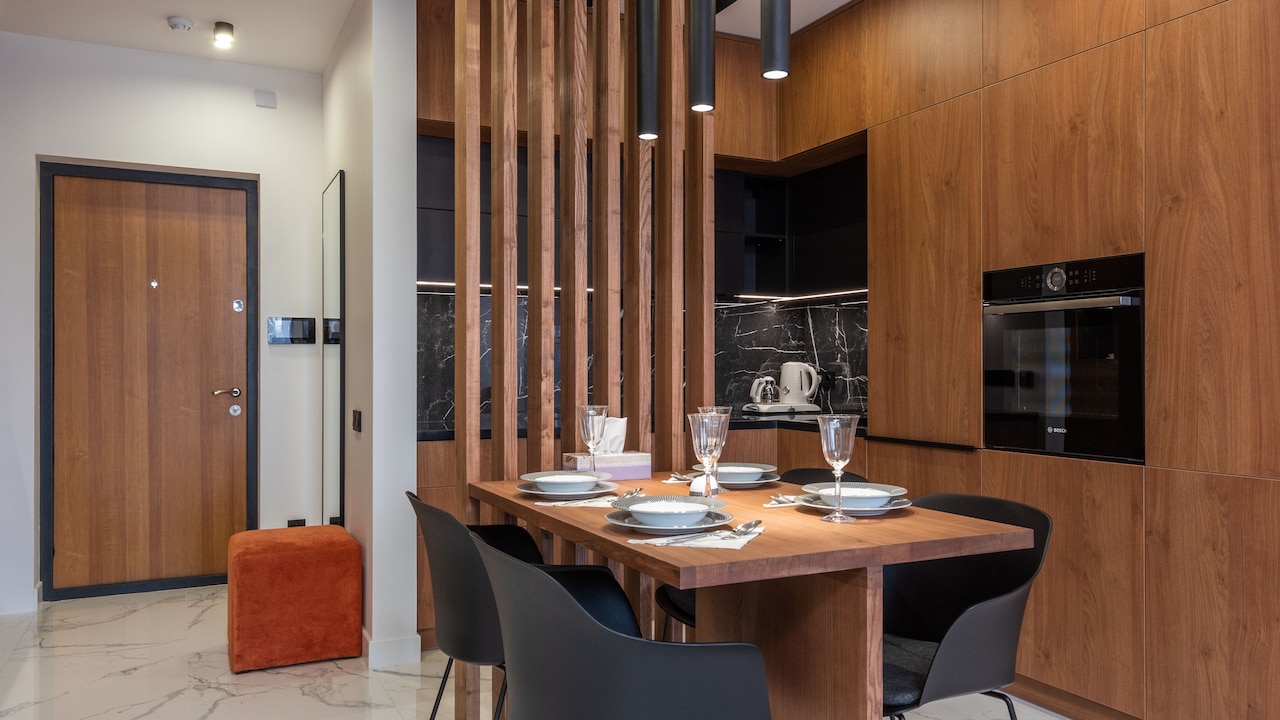
Rectangular tables suit most long or narrow rooms and offer generous working space. They also make it easier to divide the surface into zones. One end can hold a laptop setup while the other remains free for meals or homework. However, very long tables may create distance during conversation and encourage clutter to settle at the far end.
Round tables create a warm, sociable mood and remove sharp corners, which helps in homes with young children. They fit well in square rooms and make shared meals feel intimate. Yet a large round table can place the centre awkwardly far away, especially when someone needs to reach a charger, notebook or bowl of dal.
Square tables work well for smaller families but can feel cramped when several people work together. Oval tables offer a useful middle path. They provide length without harsh corners and often improve movement in tighter rooms.
Choose the shape that matches the room and the family's habits, not just the latest décor trend.
Get The Height Right For Work And Meals
Most dining tables measure around 71 to 76 centimetres in height. That range works well for eating, but working for several hours demands closer attention.
When seated, elbows should rest comfortably near the tabletop without lifting the shoulders. Feet should touch the floor or a footrest, and knees should not press against the underside. A table that sits too high can cause shoulder and neck strain. One that sits too low encourages slouching, which feels harmless at first and punishing by evening.
Chair height matters just as much. A stylish chair with a deep seat may look inviting during dinner but offer poor support during a long presentation. Test the table and chair together. Sit with a laptop, type for a few minutes and notice the position of the wrists, shoulders and back.
Families with people of different heights may need adjustable chairs, seat cushions or footrests. These small additions cost far less than replacing a table and can transform comfort.
Avoid thick decorative aprons beneath the tabletop if they reduce legroom. No one wants to attend a serious video call while constantly negotiating with a wooden beam.
Look For A Surface That Can Handle Real Life
A dining-work table must survive hot bowls, water spills, pen marks, laptop heat and the mysterious sticky patch that nobody admits creating.
Solid wood offers warmth, strength and timeless character. It can last for years and often looks better with age. However, it needs protection from moisture and heat. Depending on the wood and size, a quality table may cost anywhere from ₹25,000 to well above ₹1,00,000.
Engineered wood and veneer options usually cost less and provide a polished appearance. They suit families seeking style on a practical budget, though edges may swell if water sits too long. Laminate surfaces offer excellent resistance to stains and scratches, making them useful for homes with children or frequent craft sessions.
Glass looks light and elegant, especially in small rooms, but it shows fingerprints quickly and may create glare during laptop use. The sound of cups and keyboards on glass can also test everyone's patience.
Choose a matte or low-sheen finish where possible. It reduces reflections during work and hides minor marks better than a glossy surface. A table should support daily life, not demand constant supervision.
Prioritise Legroom Over Decorative Details
Table legs rarely receive much attention until someone spends hours bumping into them. A beautiful base can become an everyday nuisance when it blocks chairs, knees or movement.
Four corner legs provide stability and a familiar look, but their position matters. Thick legs placed too close to the seating area can reduce usable space. They may also prevent an extra chair from fitting when guests arrive.
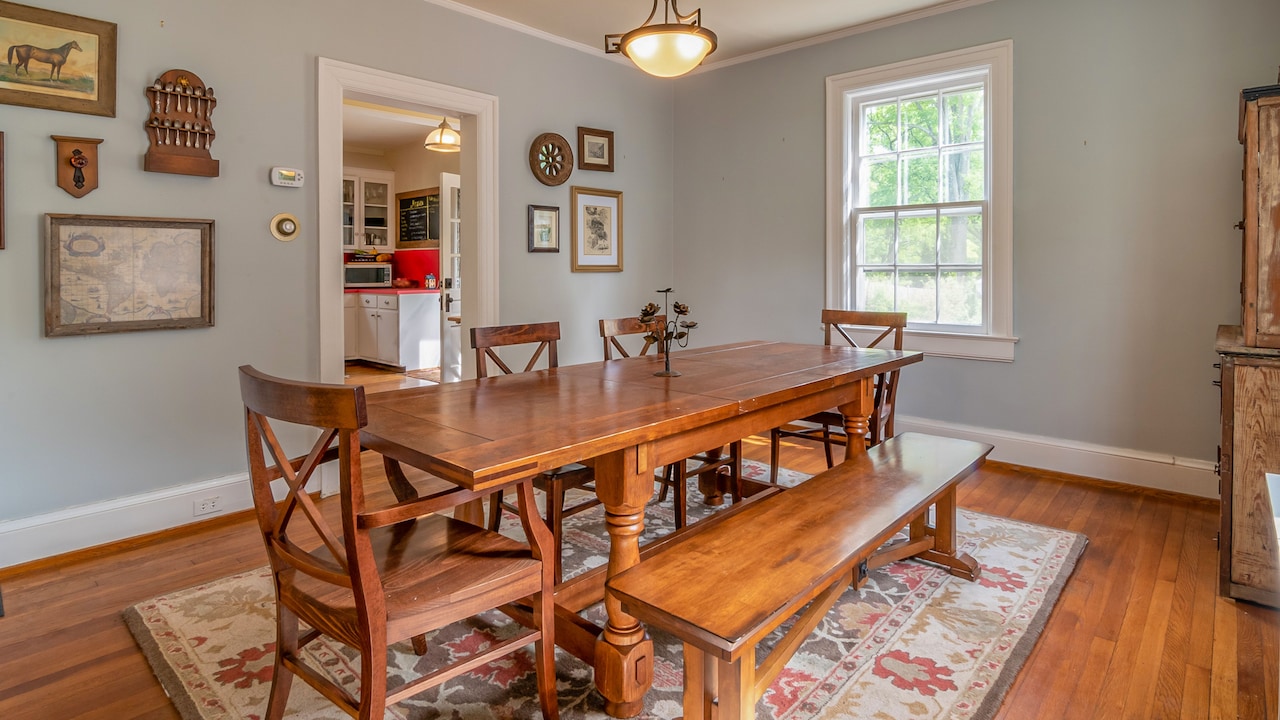
A pedestal base frees the corners and makes it easier to move chairs around. This design works especially well with round and oval tables. However, a wide pedestal may limit foot space beneath the centre. Trestle tables offer sturdy support and a strong visual character, though the horizontal beam can interfere with stretched legs.
Sit at every likely position before buying. Test the ends as well as the sides. Imagine two adults working opposite each other with chargers, notebooks and bags nearby. Check whether feet can move comfortably without starting an accidental game of under-table football.
Decorative carving may look impressive, but clean lines usually serve multipurpose homes better. Good legroom remains invisible in photographs, yet everyone notices its absence within ten minutes.
Create Enough Space For Shared Working
A laptop alone needs little room. A real workday usually brings a mouse, charger, diary, phone, water bottle and at least one snack that claims more space than expected.
Allow a working width of around 75 to 90 centimetres per person where possible. This gives each user a defined area without forcing elbows into constant negotiation. A table depth of about 90 centimetres works well for two people sitting opposite each other. It provides room for laptops while maintaining some distance between screens and faces.
Families should think about peak usage rather than average usage. Perhaps only one person works at the table most days, but exam season may bring two children, three textbooks and a parent checking emails at the same time. Festivals, family visits and weekend projects also change space requirements.
An extendable table offers flexibility in smaller homes. It can stay compact during ordinary days and expand when work, guests or elaborate meals demand more room. Check the extension mechanism carefully. It should open smoothly and feel stable.
A table that supports shared activity can reduce arguments, though it may not solve the ancient mystery of who borrowed the good pen.
Also Read: Should Students Buy A Laptop Or A Tablet With A Keyboard For College In 2026?
Plan For Wires Before They Take Over
Cables can turn a calm dining space into something that resembles a small electronics repair shop. Laptop chargers snake across the floor, phones compete for sockets, and someone eventually trips over an extension board.
Check the position of electrical outlets before placing the table. A nearby socket reduces the need for long wires. Where the room layout allows, position one side of the table close to a wall outlet while keeping enough walking space.
Cable clips, adhesive channels and under-table trays can keep wires organised. A compact power strip fixed beneath the tabletop works well for regular users. Choose one with surge protection and enough spacing for bulky adapters. Avoid leaving loose boards on the floor, especially in homes with children, pets or hurried adults carrying hot tea.
Some tables include built-in cable ports, though these designs may cost more. A discreet hole near the centre or edge can also help, provided a skilled carpenter adds it without weakening the structure.
Create a quick unplugging routine before meals. Keep a small basket or drawer nearby for chargers and accessories. The table should change roles without requiring a full-scale rescue operation every evening.
How To Pick A Dining Table For Families Who Also Use It As A Work Desk
Photo Credit: Pexels
Select Chairs For Comfort Rather Than Looks Alone
The table may take centre stage, but chairs decide whether anyone can work comfortably for more than thirty minutes.
Dining chairs often have firm seats and upright backs. These qualities suit meals, yet they may not provide enough support for extended work. Look for chairs with a supportive backrest, comfortable seat depth and enough width to allow natural movement. A slightly curved back can support the lower spine better than a completely flat design.
Upholstered chairs feel comfortable, but fabric can collect food stains and dust. Removable, washable covers offer a practical compromise. Wooden or moulded chairs clean easily, though a good seat cushion may improve comfort during long sessions.
Families do not need to replace every chair with office furniture. One or two ergonomic chairs can serve regular workers, while matching dining chairs handle meals and guests. Choose designs that complement each other instead of insisting on a perfectly identical set.
Check whether chair arms fit beneath the table. Otherwise, the chair may remain awkwardly pushed out and consume precious floor space. Style matters, but a chair should not punish the person using it simply because it photographs well.
Think About Storage And Fast Transitions
A multipurpose table works best when it can switch from office to dining space in a few minutes. Without nearby storage, paperwork tends to migrate into permanent piles.
Choose a table with drawers only after checking legroom. Shallow drawers can hold pens, charging cables, notepads and earphones, but bulky storage beneath the top may make sitting uncomfortable. A nearby sideboard, trolley or narrow cabinet often works better.
Assign a basket, tray or portable organiser to each family member. At mealtime, everyone can gather their work items and move them to a shelf. This approach avoids the familiar last-minute sweep that sends important receipts, crayons and USB drives into the same chaotic bag.
A wheeled trolley offers particular flexibility. It can hold office supplies during the day, move beside the table when needed and roll away before dinner. Prices often begin around ₹2,000 for simple models and rise with size and material.
Keep only essential items near the table. Too much storage can encourage clutter rather than control it. The goal involves quick transitions, not creating a stationery warehouse beside the pickle jars.
Match The Table With The Home's Routine
The best dining table reflects the way a family actually lives. A household that eats together twice a day needs different features from one that uses the table mainly for work and weekend meals.
Observe daily patterns before making a decision. Who arrives first in the morning? Who works longest at the table? Do children spread out art supplies after school? Does the family often host relatives? Does anyone need a quiet corner for calls?
A light-coloured table may brighten a compact flat, while a darker finish can create warmth in a larger room. Rounded corners suit busy homes where people frequently pass close by. A heavy table offers stability but may prove difficult to move during cleaning or rearranging. A lighter table provides flexibility but should not wobble under regular use.
Set a realistic budget that includes chairs, delivery, protective mats and cable management. A ₹40,000 table may require another ₹15,000 or more to create a complete, comfortable setup.
Buy for the household's real routine rather than an imagined lifestyle. The right table should make ordinary days easier, not merely impress guests for an evening.
Choose A Design That Can Age Gracefully
A dining table often stays in a home longer than laptops, office chairs and décor trends. Choose a design that can adapt as family needs change.
Simple shapes and neutral finishes usually age better than highly fashionable details. A table with clean lines can work with different chairs, wall colours and room layouts. It can move from a compact flat to a larger home without looking out of place.
Check the quality of joints, hinges and extension mechanisms. Press gently on the corners and edges to test stability. A table should not rock, creak or shift under normal pressure. Ask about warranty coverage and repair options, especially for engineered materials or moving parts.
Consider maintenance honestly. A surface that needs polishing every few months may not suit a packed routine. Likewise, a pale fabric-covered base may struggle in a home where children treat ketchup as an artistic medium.
Small signs of use will appear over time. That does not always reduce beauty. A good table gathers memories alongside minor scratches. Choose one that can handle birthday cakes, deadlines, family debates and hurried breakfasts without losing its charm.
How To Pick A Dining Table For Families Who Also Use It As A Work Desk
Photo Credit: Pexels
Products Related To This Article
1. Krishna Wood Decor Solid Sheesham Wood 4 Seater Dining Table
2. DecorNation Italiana Solid Wood 6 Seater Dining Room Set for Home
3. AADITYA WOODS Solid Sheesham Wood Four Seater Dining Table
4. Solid Sheesham Wood Dining Table Set 6 Seater
5. Eagle Furniture Solid Sheesham Wood Dining Table 6 Seater
6. SONA Art & Crafts Capsule Solid Sheesham Wood Dining Table Set 6
7. SONA ART & CRAFTS Poster Solid Sheesham Wood Dining Table Set 6
A dining table that doubles as a work desk must perform two very different jobs without making either feel like a compromise. It should support good posture during long work hours, offer enough room for shared tasks and return to meal-ready form without drama.
Size, shape, height and surface material create the foundation. Legroom, storage, chairs and cable planning determine how comfortable the table feels in daily use. The family's routine should guide every choice, from the finish to the budget.
No table will remain perfectly tidy through meetings, homework, celebrations and weekday dinners. That is part of its appeal. The dining table often becomes the place where plans take shape, problems get solved and conversations stretch beyond dessert.
Choose a table that welcomes real life rather than resisting it. The best one will not simply fill a dining area. It will support work, food, laughter, concentration and the wonderfully messy rhythm of a busy home.
(Disclaimer: This article may include references to or features of products and services made available through affiliate marketing campaigns. NDTV Convergence Limited (“NDTV”) strives to maintain editorial independence while participating in such campaigns. NDTV does not assume responsibility for the performance or claims of any featured products or services.)








![Steam Iron Teflon Shoe Cover for ES-300,ST-96 [Only For ES-300 and ST-96 Model Electric Steam Irons]](https://m.media-amazon.com/images/I/51wwkttondL._SL160_.jpg)