10 Curd Maker Tips For Thick, Smooth And Consistent Homemade Dahi
Make thick, smooth and consistent homemade dahi with simple curd maker tips on milk choice, starter quantity, temperature, setting time and storage. Perfect for fresh, creamy dahi every day without watery or sour results.
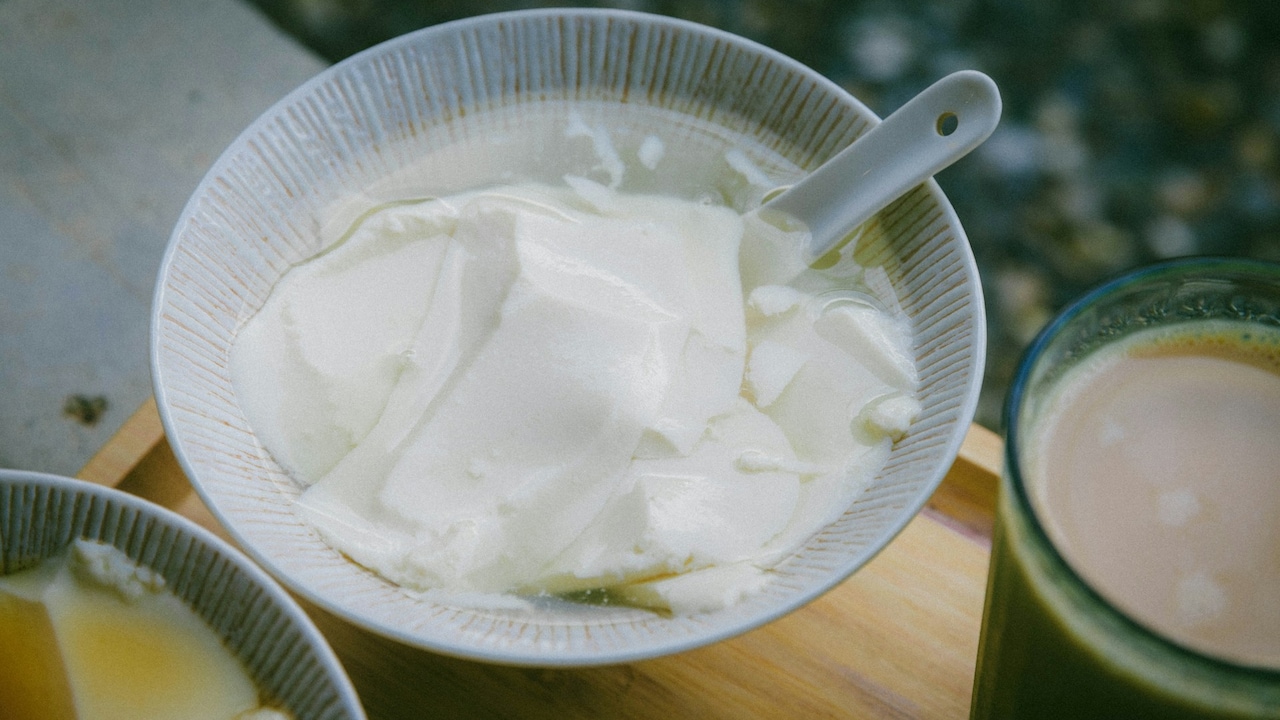
Easy tips to use a curd maker and get store-like dahi at home
A bowl of fresh dahi looks simple, but anyone who has prepared it at home knows that it can have a surprisingly moody personality. One day, it sets like soft custard. The next day, it turns watery, lumpy or refuses to set at all. The milk may be the same, the starter may come from yesterday's batch, yet the result can still feel like a small kitchen mystery. A curd maker can remove much of this uncertainty. It creates a protected environment and helps the milk stay undisturbed while the friendly bacteria do their work. However, the appliance cannot perform miracles on its own. Milk temperature, starter quality, hygiene and fermentation time still decide whether the final dahi becomes thick and silky or loose and sour.
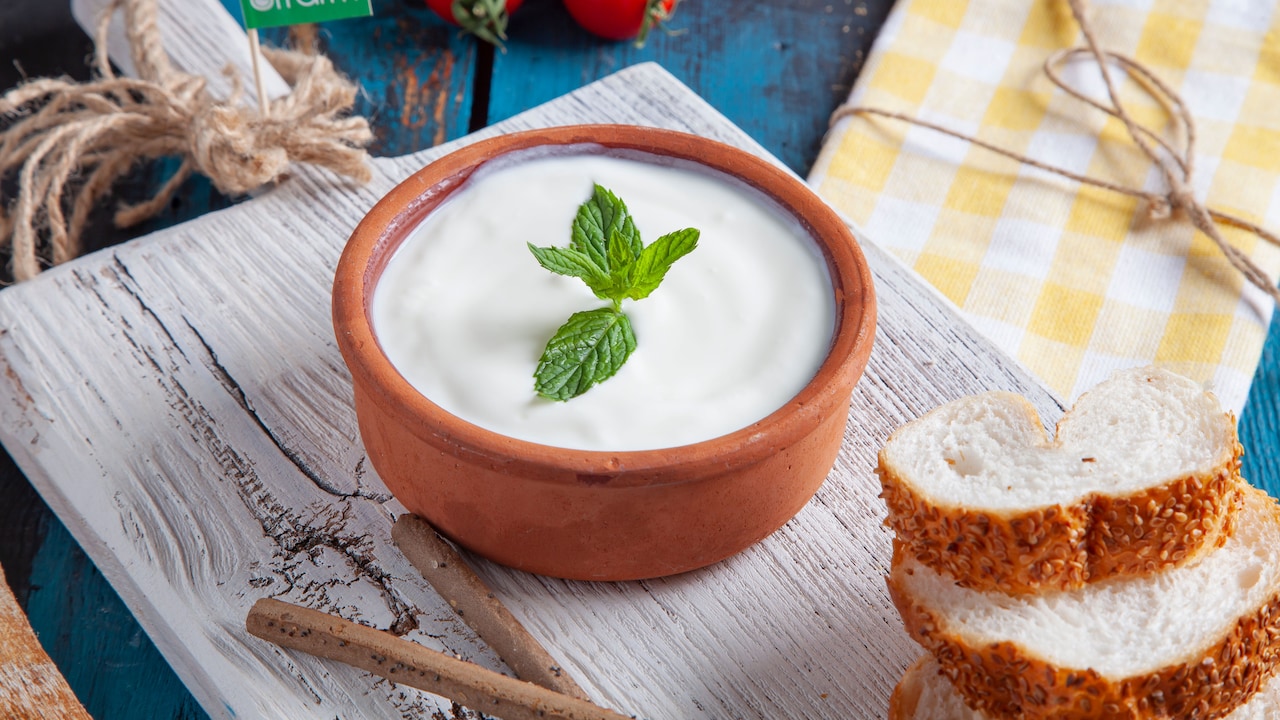
How to use a curd maker to get perfect dahi at home
Photo Credit: Pexels
The good news is that consistent dahi does not require complicated equipment or professional skills. A few careful habits can transform the outcome. The following tips explain how to use a curd maker more effectively and prepare dahi that feels rich, tastes fresh and holds its shape instead of collapsing into a puddle.
Also Read: Strain Curd Right: Mess-Free Methods For Perfect Results Every Single Time
Simple Ways To Get Perfect Homemade Dahi Every Time
1. Choose Milk With Enough Fat
Milk forms the entire foundation of dahi, so its quality matters more than any clever appliance setting. Full-cream milk usually produces the thickest and most satisfying result because its higher fat content creates a richer body. Standardised milk can also work well, though the texture may feel slightly lighter. Toned or double-toned milk often sets, but the final dahi may look softer and release more whey.
For everyday use, choose the milk according to the texture required. A firm bowl for eating with parathas or rice benefits from full-cream milk. Lighter dahi for chaas, kadhi or smoothies can come from lower-fat milk without causing any kitchen heartbreak.
Packaged milk generally gives predictable results, while fresh dairy milk may vary from one day to another. When using fresh milk, boil it properly and watch how it behaves. Milk with a naturally creamy top often produces excellent dahi.
Avoid diluting milk with water. Even a small splash can weaken the structure and lead to a loose set. Thick dahi begins before the starter enters the bowl. It begins with milk that has enough richness to support the desired texture.
2. Boil The Milk Properly
Boiling does more than make milk safe to use. It also changes the milk proteins in a way that helps dahi develop a smoother and firmer structure. Bring the milk to a full boil, then lower the heat and let it simmer for a few minutes. This gentle reduction removes some moisture and creates a naturally thicker base.
Keep stirring occasionally so the milk does not catch at the bottom. A burnt layer can add an unpleasant smell that no amount of cardamom, sugar or hopeful thinking will hide. Use a heavy-bottomed pan when possible, especially with full-cream milk.
For thicker dahi, allow the milk to simmer for around five to eight minutes after it reaches the boil. There is no need to reduce it dramatically. The aim is not rabri. A slight concentration is enough to improve body and creaminess.
Once boiled, cover the milk loosely while it cools. This keeps dust away without trapping too much steam. Do not place piping-hot milk directly inside the curd maker. Heat that feels suitable for tea can be too harsh for the starter bacteria. A proper boil followed by patient cooling creates the strongest beginning for a reliable batch.
3. Cool The Milk To The Right Temperature
Temperature decides whether the starter grows comfortably or gives up before the work begins. Milk that is too hot can damage the live cultures. Milk that is too cold can slow fermentation so much that the dahi remains loose for hours.
The ideal milk should feel warm, not hot. A clean finger placed in the milk for a few seconds should sense gentle warmth without discomfort. Another traditional test involves touching the side of the bowl. It should feel pleasantly warm, much like bath water during cooler weather.
A kitchen thermometer offers greater accuracy. A temperature of around 40°C to 43°C generally works well. There is no shame in using a thermometer; grandmothers relied on instinct because digital tools had not yet entered the spice drawer.
Seasonal adjustments matter too. During summer, allow the milk to cool slightly more because the surrounding warmth speeds up fermentation. During winter, keep it a little warmer before adding the starter. The curd maker will help maintain a supportive environment, but the starting temperature still matters.
Never add starter immediately after switching off the flame. Those few extra minutes of cooling can make the difference between thick, mild dahi and a disappointing bowl of warm milk with ambitious plans.
4. Use Fresh And Active Starter
Starter dahi supplies the live bacteria that turn milk into curd. If the starter is weak, stale or excessively sour, the new batch may set poorly or develop a sharp taste. Fresh starter from a successful batch usually gives the most dependable results.
Choose dahi that smells clean and tastes mildly tangy. Avoid using starter that has remained in the refrigerator for many days, developed a watery layer or picked up flavours from nearby onions, garlic or leftover curry. Dahi absorbs surrounding aromas rather enthusiastically, and those flavours can travel into the next batch.
Bring refrigerated starter closer to room temperature before mixing it with warm milk. Ice-cold starter can reduce the milk temperature and slow the setting process. Taking it out 15 to 20 minutes earlier is usually enough.
When making dahi for the first time, use a spoonful of good-quality plain curd from a trusted dairy or nearby home. Avoid flavoured yoghurt, sweetened yoghurt or products containing stabilisers.
Once a batch sets beautifully, reserve a little portion as the next starter. This creates a dependable kitchen rhythm. Good starter behaves almost like a family recipe: cared for regularly, shared generously and blamed immediately when anything goes wrong.
5. Add The Correct Amount Of Starter
More starter does not always mean faster or better dahi. Too much can make the batch sour, grainy or watery. Too little may leave the milk unset, particularly during cooler weather. Balance matters.
For one litre of milk, around one to two teaspoons of starter usually works during warm months. In winter, one tablespoon may help because fermentation moves more slowly. The exact quantity depends on the strength of the starter and the temperature inside the curd maker.
Begin with a modest amount and observe the result. If the dahi sets too slowly, increase the starter slightly next time. If it turns sour before becoming firm, use less. Small adjustments create better results than dramatic changes.
Whisk the starter gently in a separate bowl until smooth. Add two or three spoonfuls of warm milk and mix again. Then pour this mixture into the remaining milk. This method spreads the culture evenly and prevents small lumps from floating through the finished dahi.
Avoid vigorous beating. Excessive aeration can create bubbles and an uneven surface. Gentle mixing works best. The bacteria do not need encouragement in the form of a full workout. They need warmth, milk and enough quiet time to multiply.
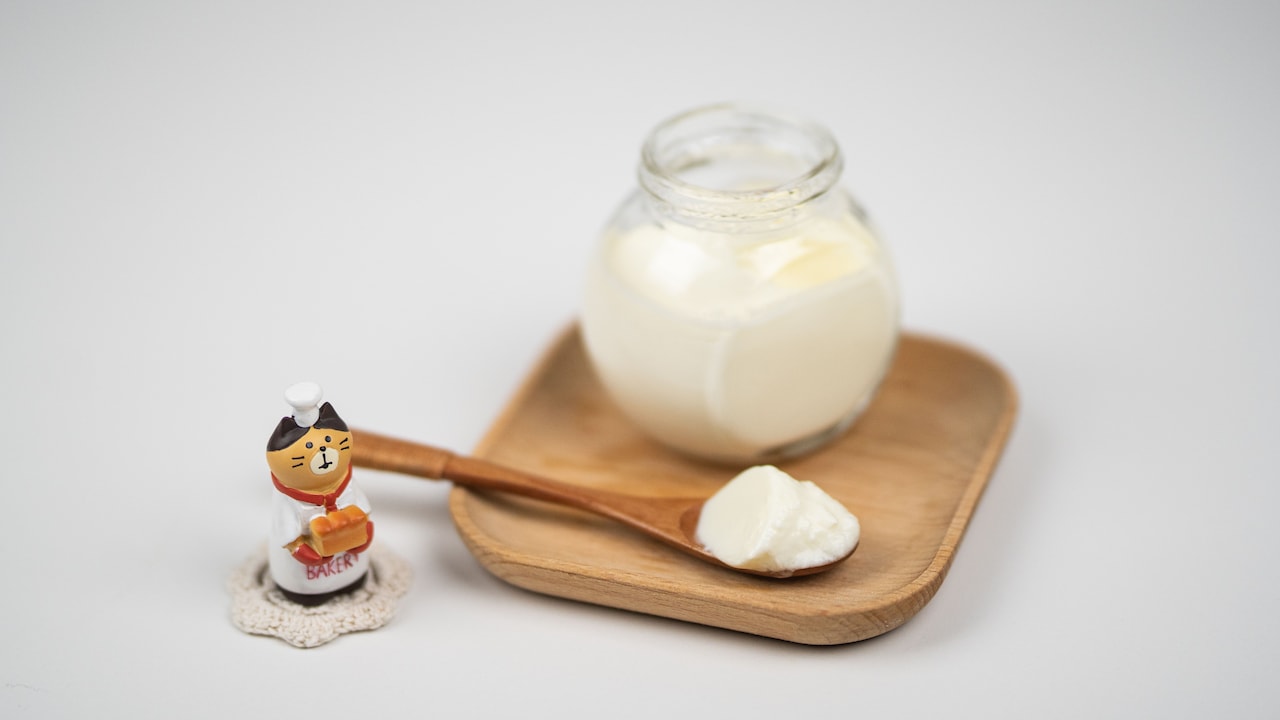
Use the correct amount of starter to get the perfect consistency of dahi
Photo Credit: Pexels
6. Keep The Container Spotlessly Clean
A clean container protects the flavour, texture and safety of homemade dahi. Even tiny traces of old curd, dishwashing liquid or moisture can affect fermentation. Wash the curd maker bowl thoroughly, rinse it well and allow it to dry before use.
Stainless steel, glass and food-grade ceramic containers usually work well. Some people find that an earthen pot produces thicker dahi because the porous surface absorbs a little excess moisture. It also adds an appealing rustic character. However, an earthen pot must be cleaned carefully and dried completely to prevent unwanted odours or microbial growth.
Avoid using a bowl that recently held strongly spiced food. The faint scent of pickle masala or garlic chutney can survive washing and appear unexpectedly in the dahi. Such surprises may be memorable, but not in a good way.
Use a clean spoon for handling the starter. Do not dip a spoon that has touched another dish into the milk. This simple habit prevents contamination.
Before pouring in the milk, make sure the container contains no droplets of water. Extra moisture can contribute to whey separation. Cleanliness may sound like the least glamorous tip, yet it is one of the strongest reasons some households produce consistently delicious dahi every single day.
7. Let The Milk Set Without Disturbance
Once the starter enters the milk, stillness becomes important. Place the container inside the curd maker, close the lid and leave it alone. Moving, shaking or repeatedly opening the appliance can interrupt the formation of the delicate protein network that gives dahi its firm texture.
The temptation to check every hour can feel irresistible, especially when guests are expected or lunch depends on a respectable bowl of raita. Resist it. Dahi does not set faster under supervision.
Place the curd maker on a stable surface away from the stove, mixer grinder or frequently used counter space. Vibrations and movement can cause uneven setting. The appliance should remain in a calm corner where nobody is likely to shift it while searching for the pressure cooker lid.
Avoid stirring the milk once it begins to ferment. Stirring breaks the forming structure and creates a loose, spoonable consistency rather than a firm set. This may still taste pleasant, but it will not deliver the smooth, sliceable texture many people prefer.
Check the dahi only near the expected finishing time. Tilt the container very slightly. If the surface looks firm and moves as one mass, it has probably set. A peaceful resting period gives the cultures enough time to create that satisfying, glossy finish.
8. Adjust The Setting Time With The Season
Dahi does not follow one fixed timetable throughout the year. Warm weather speeds up fermentation, while cold weather slows it down. The curd maker helps control the environment, but seasonal changes can still influence the final result.
During hot months, dahi may set in four to six hours. Leaving it longer can make it sharply sour and cause whey to collect around the edges. During cooler months, it may need eight to twelve hours, depending on the milk temperature, starter strength and appliance design.
Begin checking slightly earlier in summer. In winter, pre-warm the curd maker bowl with hot water, then dry it completely before adding the milk. This simple step prevents the container from cooling the mixture too quickly.
Night-time setting works well in many homes. Prepare the milk after dinner, place it in the curd maker and check it early in the morning. During peak summer, however, an overnight batch may become sour before breakfast. A daytime batch allows better control.
Keep a rough mental note of how long each batch takes. After two or three attempts, a reliable seasonal pattern usually appears. Fermentation rewards observation. The clock offers guidance, but the texture and aroma of the dahi provide the final answer.
9. Refrigerate The Dahi As Soon As It Sets
Fermentation continues even after the dahi becomes firm. Leaving a fully set batch inside a warm curd maker allows the cultures to keep working, which increases sourness and may lead to whey separation. Refrigeration slows this activity and helps preserve the desired flavour.
Once the dahi has set, transfer the covered container to the refrigerator. Avoid stirring it first. Chilling the dahi undisturbed strengthens the texture and creates a cleaner spoonful. Two to three hours of refrigeration can turn a soft set into a noticeably firmer one.
Do not place the container in the freezer to speed things up. Freezing damages the smooth structure and can make the dahi grainy after thawing. The refrigerator needs a little patience, but the result is worth it.
Store the dahi away from strongly scented foods. Keep the lid closed so it does not absorb the aroma of cut mangoes, garlic paste or last night's biryani. Use a clean spoon each time to extend freshness.
Homemade dahi generally tastes best within two to three days. Older dahi may still suit kadhi, dhokla batter or marinades, where its extra tang becomes useful. Fresh dahi belongs in the bowl; sour dahi can report for cooking duty.
10. Troubleshoot Each Batch Instead Of Guessing
An imperfect batch offers useful clues. Watery dahi may result from low-fat milk, excess starter, movement during setting or fermentation that continued for too long. Loose dahi often points to milk that was too cool or starter that had lost its strength.
A grainy texture usually appears when the milk was too hot while adding the starter or when too much starter was used. Excessive sourness suggests a long setting time, warm weather or an overly mature starter. A stringy or unpleasant-smelling batch should be discarded, as unwanted bacteria may have entered the container.
Change only one factor at a time. Switching the milk, starter quantity, container and setting time together makes it difficult to identify the real cause. Keep the process simple and notice what improves the outcome.
Even experienced cooks occasionally meet a stubborn batch. Milk behaves differently across brands, seasons and storage conditions. There is no need to treat one soft batch like a family crisis. It can still become chaas, kadhi, lassi or a marinade.
Consistency develops through small observations. Once the ideal combination becomes clear, note the milk type, starter quantity and setting time. That small kitchen formula can save many future mornings from watery disappointment.
Products Related To This Article
1. AGARO Classic Portable Yogurt Maker Machine for Home
2. Automatic Yogurt & Dahi Maker Machine 900ml
3. InstaCuppa Automatic Gut-Friendly Yogurt Maker
4. Prestige Electric Yoghurt Maker with Storage Lid
5. Yogurt Maker Machine, Stainless Steel Liner Automatic Digital Yogurt Maker Machine
6. Lifelong Automatic Yogurt & Curd Maker Machine for Home
7. Milton Turbo Yogurt Maker Machine
Thick, smooth homemade dahi comes from a series of simple choices rather than one secret trick. Rich milk provides body, proper boiling improves structure, gentle warmth supports fermentation and fresh starter brings the process to life. A clean container, careful timing and an undisturbed setting period complete the job.
The curd maker acts as a helpful partner by protecting the milk from sudden temperature changes. However, the best results still depend on understanding the little signs: how warm the milk feels, how active the starter looks and how quickly the dahi sets in different seasons.
After a few batches, the process begins to feel natural. The spoon sinks into a firm surface, the texture holds beautifully, and the flavour carries just enough tang. That dependable bowl can cool a spicy meal, brighten breakfast or quietly rescue a plate of hot parathas.
Homemade dahi may have a reputation for unpredictability, but it becomes remarkably well-behaved once the right routine is in place. Treat the milk gently, give the cultures warmth and leave them in peace. They usually know exactly what to do.
(Disclaimer: This article may include references to or features of products and services made available through affiliate marketing campaigns. NDTV Convergence Limited (“NDTV”) strives to maintain editorial independence while participating in such campaigns. NDTV does not assume responsibility for the performance or claims of any featured products or services.)