Coir Vs Rubber Doormat: Which One Works Better Outside The Main Door?
Coir mats offer natural charm and strong dust removal, while rubber mats handle rain, mud and heavy use better. Discover which doormat suits the space outside your main door.
10 tips to consider when choosing between coir vs rubber doormat
The doormat outside the main door has one of the least glamorous jobs in the house. It welcomes guests, catches dirt, survives hurried footsteps and sits patiently through changing weather. During the monsoon, it may resemble a small wetland. In summer, it gets baked by the afternoon sun. During festivals, it suddenly becomes part of the entrance decor. Choosing between a coir and rubber doormat may appear simple until both options begin making convincing promises. Coir looks warm, traditional and inviting. Rubber feels practical, sturdy and ready for rough use. One suits charming covered entrances, while the other often handles open-air conditions better.

How to choose between coir vs rubber dootmat
Photo Credit: Pexels
The right choice depends on where the mat will sit, how much rain reaches it, the number of people using the entrance and the amount of maintenance the household can manage. A mat outside a sheltered flat door has a much easier life than one placed outside a bungalow facing a dusty road.
Also Read: Creative And Trendy Irregular-Shaped Rugs To Elevate Your Diwali Home Decor
So, which material deserves the space outside the main door? The answer becomes clearer when both mats are judged on the challenges they face every day.
Coir And Rubber Doormats Compared Across 10 Key Factors
1. First Impressions And Entrance Appeal
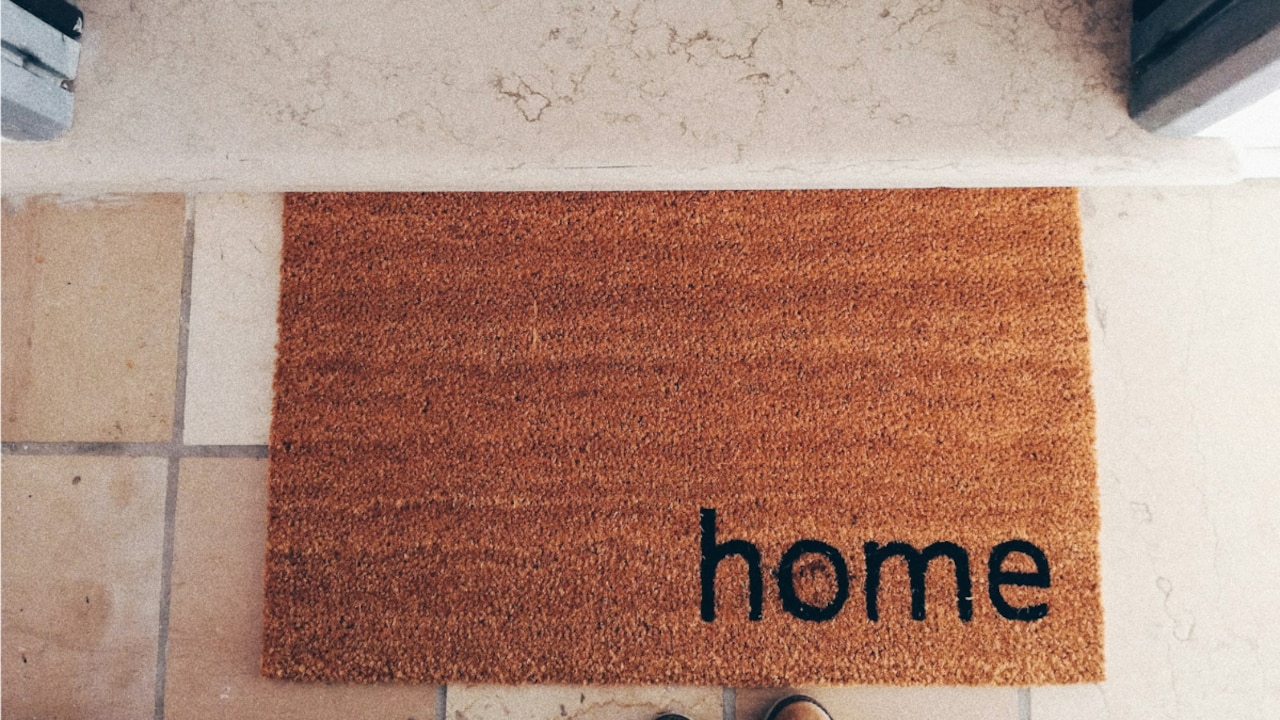
A coir doormat usually wins the beauty contest at first glance. Made from natural coconut fibres, it brings warmth and texture to an entrance. Its earthy brown shade works beautifully with wooden doors, terracotta planters, brass nameplates and colourful rangoli designs. Printed messages such as “Welcome”, “Namaste” or playful family slogans also appear clearly on coir surfaces.
Rubber mats have a more practical personality. They may not create the same cosy charm, but modern designs have moved far beyond plain black rectangles. Many now feature decorative cut-outs, geometric patterns and textured borders. Some even imitate wrought iron while remaining easier to handle.
For a covered entrance where appearance matters, coir often feels more inviting. It gives visitors the impression of a thoughtfully arranged home rather than a strictly functional doorway.
However, rubber suits entrances that experience rough daily use. A busy household with children, delivery workers and frequent visitors may appreciate a mat that looks organised even after dozens of footsteps.
Coir says, “Welcome, please come in.” Rubber says, “Leave the mud here.” Both messages are useful, though the second may be more realistic during a rainy week.
2. Dirt And Dust Removal
A doormat must do more than decorate the entrance. Its main responsibility is to stop outdoor dirt from travelling across the living-room floor. Coir performs this task particularly well in dry conditions. Its stiff, coarse fibres scrape dust, loose soil and tiny stones from footwear. A few firm wipes can make a noticeable difference.
This quality is valuable in homes near construction sites, busy roads or open grounds, where fine dust seems to arrive uninvited every afternoon. Coir fibres reach into the grooves of shoe soles and trap particles within the mat.
Rubber removes dirt differently. Raised ridges, grooves and patterned holes rub against footwear and loosen mud. Mats with open drainage designs allow dirt to fall through rather than remain on the surface. However, smooth or lightly textured rubber mats may not clean dusty shoes as thoroughly as thick coir.
For dry dust and powdery soil, coir usually performs better. For thick mud, wet leaves and heavier debris, rubber offers a stronger defence.
The final choice depends on the local nuisance. When dust is the regular villain, coir acts like a firm old-fashioned broom. When mud arrives in clumps, rubber handles the mess with less drama.
3. Performance During The Monsoon
The monsoon can quickly expose the weaknesses of an outdoor doormat. Coir absorbs moisture because it is made from natural fibre. A little dampness causes no immediate trouble, but repeated soaking can make the mat heavy, soggy and slow to dry. Constant exposure may also weaken the fibres, encourage shedding and create a musty smell.
A coir mat placed under a deep roof, balcony or covered corridor can still work well during rainy months. The problem begins when rainwater falls directly on it or collects beneath it. A soaked mat outside the main door may transfer more moisture to footwear instead of removing it.
Rubber performs far better in exposed wet areas. It does not absorb water, dries quickly and usually includes channels or holes for drainage. Mud can be washed away with a hose or bucket, making post-rain cleaning fairly painless.
There is one small catch. Water may collect on a poorly designed flat rubber mat, so drainage patterns matter. The floor beneath it should also have enough slope to prevent puddles.
For an uncovered entrance facing heavy rain, rubber is the safer choice. Coir needs protection, much like fresh pakoras need shelter from a sudden downpour.
4. Grip And Safety On The Floor
A beautiful mat becomes a poor investment when it slides every time someone steps on it. Safety matters even more outside the main door, where wet footwear, polished tiles and hurried movement can create a risky combination.
Rubber mats usually offer excellent grip. Their weight and naturally non-slip underside help them remain stable on stone, cement and many tiled surfaces. Textured rubber also provides traction underfoot, which can reduce the chance of slipping during wet weather.
Coir mats vary in this area. Some come with a rubber, latex or PVC backing that improves stability. Others have an entirely natural base and may move on smooth flooring. A lightweight coir mat can shift when children run across it or when someone wipes shoes with extra enthusiasm.
The condition of the floor also matters. Dust beneath any mat can reduce grip, while standing water may cause movement around the edges. Regular cleaning underneath the mat is therefore essential.
For homes with senior citizens, young children or an entrance exposed to rain, rubber generally provides greater confidence. A well-backed coir mat can still be safe in a dry, sheltered area, but an unbacked version may require an anti-slip layer beneath it.
5. Durability Under Daily Foot Traffic
The number of footsteps crossing the entrance each day can determine how long a doormat survives. Coir mats are strong, but their fibres gradually wear down. Heavy use can flatten the centre, fade printed designs and leave loose strands around the doorway. The edges may also begin to fray after repeated brushing against footwear.
In a small household with moderate traffic, a good-quality coir mat can remain attractive for a long period, especially when protected from rain. At a busy entrance, though, it may start showing its age sooner.
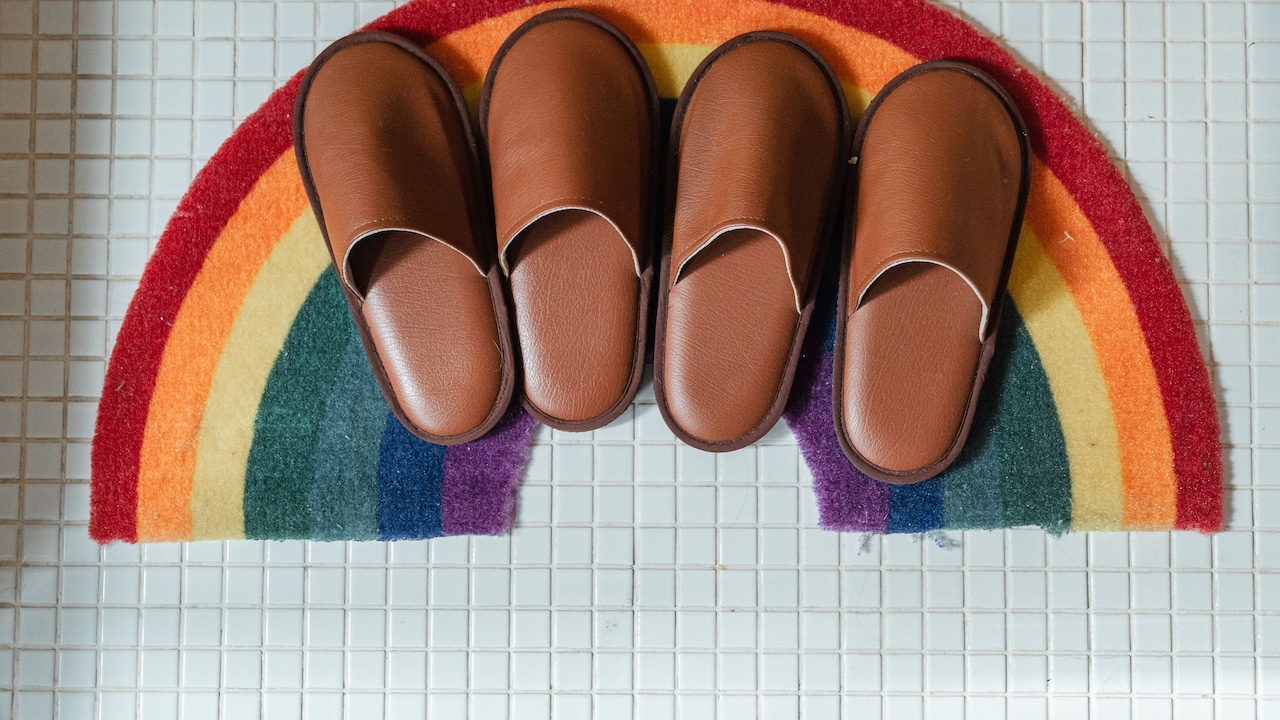
Rubber handles constant foot traffic with greater ease. Thick rubber mats resist crushing, tearing and deformation. They can cope with children returning from the playground, workers carrying packages and guests arriving during celebrations. Even when the surface looks dirty, a quick wash often restores its appearance.
Quality still matters. Very thin rubber may curl at the corners or crack after prolonged sun exposure. Recycled rubber with a dense construction usually feels heavier and lasts longer.
For a quiet, covered doorway, coir offers enough durability with better visual appeal. For a heavily used entrance, rubber behaves like the dependable family scooter: not always elegant, but prepared to work every day.
Ensure the everyday foot traffic when choosing a doormat for your house
Photo Credit: Pexels
6. Cleaning And Everyday Maintenance
Coir mats need a slightly gentler cleaning routine. Regular shaking, beating or vacuuming removes loose dust trapped between the fibres. A stiff brush can tackle dried mud. However, soaking a coir mat or washing it repeatedly with large amounts of water may damage the fibres and backing.
Spills should be treated carefully, and the mat must dry fully before returning to the entrance. During humid weather, this process can take time. Anyone who prefers low-maintenance household items may find coir mildly demanding.
Rubber is much easier to clean. It can be swept, shaken, scrubbed or rinsed with water. A little mild soap usually handles stubborn dirt. Since rubber does not absorb much moisture, it dries faster and can return to duty soon after washing.
Open-pattern rubber mats require one extra step because dirt may collect underneath them. Lifting the mat and sweeping the floor prevents trapped debris from creating stains or unpleasant smells.
In households where the entrance becomes muddy every few days, rubber reduces cleaning effort. Coir suits people who do not mind giving the mat an occasional brush and keeping it away from heavy water. One needs care; the other mostly needs a good rinse.
7. Comfort And Feel Underfoot
Coir has a firm, bristly feel underfoot. That roughness is exactly what allows it to scrape dirt from shoes. It encourages visitors to wipe their footwear properly rather than walk across without pausing. However, the surface can feel harsh under bare feet, especially when the fibres are new and stiff.
This may matter in homes where family members often step outside barefoot to collect milk packets, newspapers or food deliveries. Loose coir fibres can also feel prickly and may stick to damp feet.
Rubber generally offers a smoother and slightly cushioned surface. Textured designs provide grip without the sharp, scratchy sensation of natural fibres. Thick rubber mats may feel more comfortable during repeated use, though hard moulded versions can still feel firm.
Comfort also depends on height. A thick coir mat may interfere with a low-opening door, while slim rubber options fit more easily beneath doors with limited clearance. Before buying, measuring the gap under the main door can prevent an irritating daily struggle.
For effective shoe scraping, coir's rough texture has an advantage. For bare feet and frequent movement, rubber feels more forgiving. The best mat should clean footwear without turning every doorstep visit into a foot reflexology session.
8. Heat, Sunlight And Seasonal Changes
An entrance exposed to strong sunlight presents a different challenge from one exposed to rain. Coir can fade and become brittle after long periods under harsh sun. Printed colours may lose their brightness, while dry fibres may shed more easily. Yet natural coir usually handles moderate warmth without becoming dangerously hot.
Rubber can also suffer in direct sunlight. Low-quality rubber may harden, crack or develop curled edges after repeated heating and cooling. Dark rubber surfaces can become quite warm during summer afternoons, especially on an uncovered west-facing entrance.
A dense, weather-resistant rubber mat performs better than a thin decorative version. Product labels mentioning outdoor use, UV resistance or heavy-duty construction provide useful clues. Coir buyers should look for tightly woven fibres and strong backing rather than choosing only by design.
Seasonal placement can extend the life of either material. Coir can serve during dry months and move indoors during the monsoon. Rubber can take over when rain becomes regular. This two-mat approach costs more initially, perhaps ₹800 to ₹2,000 depending on size and quality, but it keeps the entrance prepared throughout the year.
When only one mat must handle every season, weather exposure should decide the winner.
9. Price And Long-Term Value
Basic coir mats are widely available at affordable prices. Small printed options may begin around ₹250, while thicker, larger or custom-designed mats can cost ₹700 or more. Their attractive appearance makes them feel like a decorative purchase as well as a practical one.
Rubber mats also cover a broad price range. Lightweight designs may cost around ₹300, while heavy-duty mats with drainage holes, decorative patterns or extra thickness may reach ₹1,500 or more.
The lowest price does not always deliver the best value. A cheap coir mat exposed to rain may require replacement within a short period. A thin rubber mat left in fierce sunlight may crack or curl. Spending slightly more on a suitable material often saves money over time.
Value depends on cost per year of useful service, not merely the amount printed on the label. A ₹900 rubber mat lasting several wet seasons may prove cheaper than replacing a ₹350 coir mat repeatedly. On the other hand, a sheltered flat entrance may preserve a mid-range coir mat beautifully for years.
The sensible purchase is not the cheapest mat or the fanciest one. It is the mat that matches the actual conditions outside the door.
10. Environmental Impact And Disposal
Coir has a clear advantage in natural origin. It uses fibres obtained from coconut husks, a material that might otherwise become agricultural waste. Untreated coir can break down naturally over time, making it appealing to households trying to reduce synthetic products.
However, not every coir mat is completely biodegradable. Synthetic dyes, adhesives and PVC or rubber backing can complicate disposal. Checking the full material description gives a more accurate picture than trusting the natural-looking surface alone.
Rubber mats often use natural rubber, synthetic rubber, recycled tyres or a mixture of materials. Recycled rubber products can give existing material a second life and reduce waste. Their longer lifespan also means fewer replacements. Still, rubber does not decompose easily, and local recycling options may be limited.
Environmental value therefore involves more than choosing “natural” or “synthetic”. A coir mat replaced every few months may create more waste than a rubber mat used for several years. Likewise, a responsibly made coir mat in a sheltered entrance can be an excellent low-impact option.
The greenest choice is usually a durable product used for as long as possible, cleaned properly and replaced only when it can no longer perform its job.
Products Related To This Article
1. Onlymat Heavy-Duty Rectangular Coir Doormat
2. VERVENIX Doormat (Pack of 2) Quick-Dry Anti-Slip Bathroom Mat
3. Encasa XO Coir Door Mats for Home Entrance
4. Bathroom Door Mat | Anti Slip Floor Mat for Home and Kitchen
5. PrettyKrafts Coconut Coir Door Mat
6. Status Contract Anti Slip Front Door Mat
7. HOKIPO Natural Coconut Coir Printed Doormat For Home Entrance
Coir and rubber doormats both work well outside the main door, but they excel in different surroundings. Coir offers superior dust scraping, natural charm and a welcoming appearance. It suits covered entrances, dry conditions and homes where décor carries as much importance as function.
Rubber handles rain, mud, heavy traffic and frequent cleaning more effectively. Its strong grip and water resistance make it the better all-weather choice for an exposed doorway. It may not always create the warmest first impression, but it protects floors with impressive determination.
For a sheltered flat entrance, coir is often the better match. For an open porch, ground-floor doorway or rain-facing entrance, rubber usually delivers stronger performance. Households dealing with both dusty summers and wet monsoons may even benefit from changing mats with the seasons.
A doormat may be the smallest guard stationed at the home, yet it prevents a surprising amount of dirt, water and cleaning work. Choose one according to the entrance rather than the showroom display. After all, the best doormat is not the one that receives the most compliments. It is the one that quietly stops the mess before it crosses the door.
(Disclaimer: This article may include references to or features of products and services made available through affiliate marketing campaigns. NDTV Convergence Limited (“NDTV”) strives to maintain editorial independence while participating in such campaigns. NDTV does not assume responsibility for the performance or claims of any featured products or services.)