How To Choose A Sofa Bed That Is Comfortable For Both Sitting And Sleeping
Choose a sofa bed that supports relaxed sitting and restful sleep. This guide covers size, mattress quality, frame strength, fabric and opening mechanisms to help you find a practical, comfortable fit for your home.
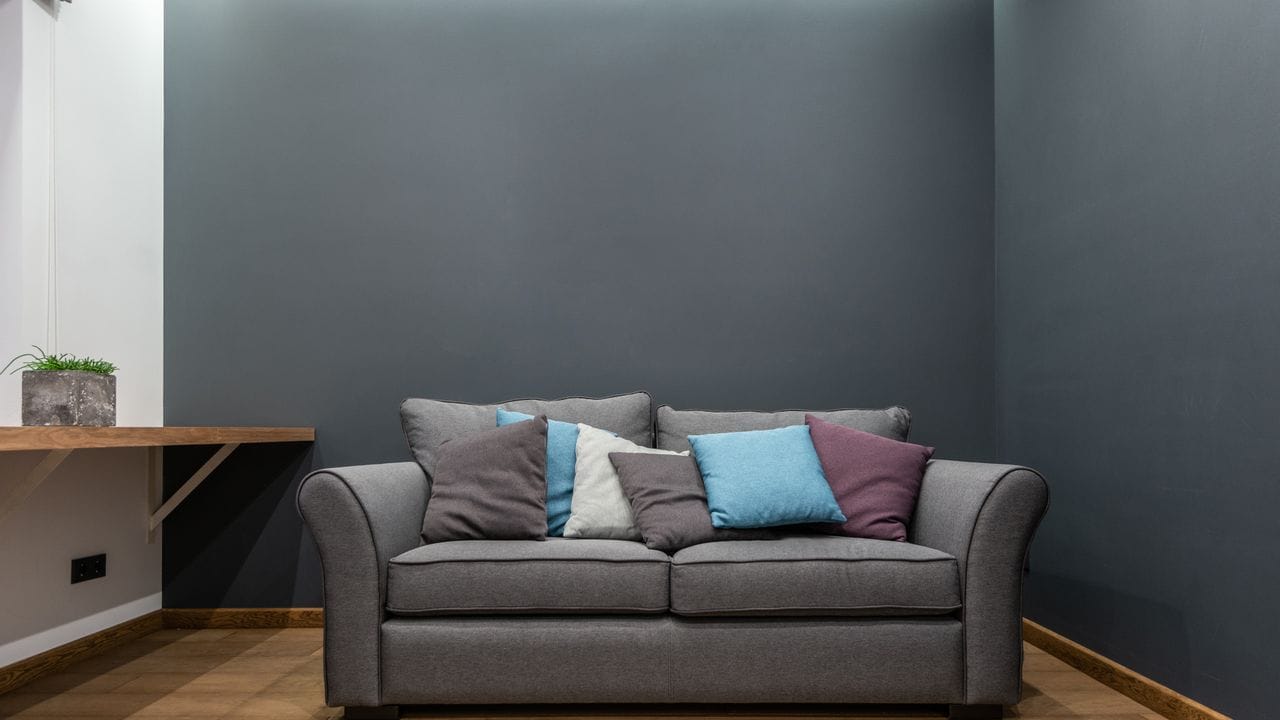
Easy tips to choose a comfortable and durable sofa cum bed
A sofa bed can be one of the hardest-working pieces of furniture in a home. It may serve as the main sofa in a compact flat, an occasional bed in a study or a practical solution for guests who arrive during festivals and family celebrations. It needs to look good, feel comfortable and open without turning the living room into an obstacle course. The difficulty lies in finding a model that does not compromise too much. Some sofa beds look stylish but feel firm and awkward when used for sleeping. Others provide a pleasant mattress but offer little support when used as a sofa. The right choice sits comfortably between these extremes.

How to choose a sofa cum bed for your home
Photo Credit: Pexels
Price matters, of course, but comfort depends on far more than the figure printed on the tag. A well-designed sofa bed combines a strong frame, supportive cushions, suitable dimensions and an easy conversion system. It should also match the room, the expected frequency of use and the needs of the people who will sit or sleep on it.
Also Read: Best Premium Sofa Beds Under ₹35000
Key Factors To Consider Before Choosing A Sofa Bed
Decide How Often The Bed Will Be Used
The first question is not about fabric, colour or shape. It is about frequency. A sofa bed used once every few months has different requirements from one that becomes a bed every evening.
For occasional guests, a simple fold-out design or a firm foam sleeping surface may work well. It keeps the cost manageable and still offers a useful backup arrangement. Prices for basic models may start around ₹15,000, although quality varies considerably. For regular sleeping, stronger support and a proper mattress become essential. A thin cushion that feels acceptable for one night can become uncomfortable after a week.
Think about who will use it as well. A child visiting during school holidays may manage happily on a compact model. Older relatives may need a higher sleeping surface that is easier to get in and out of. Couples will need enough width to sleep without negotiating every turn.
Frequency also affects durability. Daily conversion places pressure on joints, hinges and moving parts. A model designed for constant use may cost more, but it usually offers better value than replacing a cheaper sofa bed after a few seasons.
Measure The Room In Both Positions
A sofa bed may fit perfectly when closed and become a household crisis when opened. Measuring only the sofa dimensions is one of the most common mistakes buyers make.
Start by checking the available width, depth and height of the room. Then look at the full dimensions of the sofa bed when extended. A pull-out model may need much more floor space than expected. Leave enough room to walk around the bed, open doors and access cupboards. A gap of around 60 centimetres on at least one side can make the space easier to use.
Remember nearby furniture too. A centre table may need to move every time the bed opens. That may not sound serious in a showroom, but the routine can become tiresome at midnight. Lightweight nesting tables or stools can make a better match in compact rooms.
Also check the route into the home. Measure doorways, staircases, lifts and corridor corners. Many urban flats have narrow entrances that do not welcome bulky furniture. A sectional or knock-down sofa bed may solve the problem. Few experiences are more frustrating than watching a beautiful new sofa refuse to enter the living room.
Check The Comfort Of The Sofa First
A sofa bed will probably spend more time as a sofa than as a bed, so sitting comfort deserves serious attention. Do not judge it after sitting for ten seconds. Spend a few minutes testing different positions.
The seat should support the hips without making the body sink too deeply. Very soft cushions may feel luxurious at first, but they can become tiring if the base offers little support. Extremely firm seating can feel formal and uninviting. Look for a balanced feel that supports the lower back while still allowing the shoulders to relax.
Seat depth matters too. A deep seat suits taller people and relaxed lounging. A shallower seat works better for shorter users and anyone who prefers an upright posture. The feet should ideally rest on the floor without pressure behind the knees.
Check the back cushions as well. Fixed backs tend to stay neat, while loose cushions offer more flexibility. Removable cushions may need regular plumping, especially in a busy household. Arm height also changes the experience. Broad arms are comfortable for lounging but take up valuable space. Slim arms often make a compact sofa feel roomier without reducing the usable seat width.
Examine The Mattress Or Sleeping Surface
The sleeping surface determines whether guests wake up refreshed or begin the morning searching for pain balm. A sofa bed mattress should provide support across the shoulders, waist and hips without creating hard pressure points.
Foam mattresses are common because they fold easily and keep the overall design compact. High-density foam usually offers better support and durability than very soft foam. Memory foam can feel comfortable because it adapts to the body, though it may retain heat during warm nights. Latex offers good resilience and ventilation but often increases the price.
Some sofa beds use spring mattresses. These may feel more like a conventional bed, but the quality of the springs matters. Poorly designed versions can create uncomfortable dips or noticeable metal pressure. Hybrid mattresses combine foam and springs and may provide a balanced feel.
Check the mattress thickness, but do not treat thickness as the only measure of quality. A well-made 10-centimetre mattress can outperform a poorly constructed thicker one. Lie down for several minutes in a natural sleeping position. Sit near the edge too. The mattress should not collapse dramatically or reveal bars beneath the surface.
Look For A Strong And Stable Frame
A sofa bed relies on its frame more heavily than an ordinary sofa. The structure must support daily sitting, repeated opening and the combined weight of sleepers. A weak frame may begin to creak, wobble or bend long before the fabric shows signs of wear.
Hardwood frames usually offer excellent strength, especially when made from kiln-dried wood. Engineered wood can also perform well when used properly, but thin boards and poorly joined sections may not last. Metal frames are common in pull-out mechanisms and should feel solid rather than lightweight or flexible.
Pay attention to the joints. Screws, brackets and reinforced corners are generally more reliable than frames held together mainly with staples. Ask about the weight capacity if the sofa bed will regularly accommodate two adults. A trustworthy seller should provide a clear answer.
Open and close the unit several times. Listen for sharp scraping sounds and watch for uneven movement. A stable sofa bed should remain level in both positions. It should not tilt when someone sits on one edge. A little effort during conversion is normal, but the frame should never feel as though it is taking part in a wrestling match.
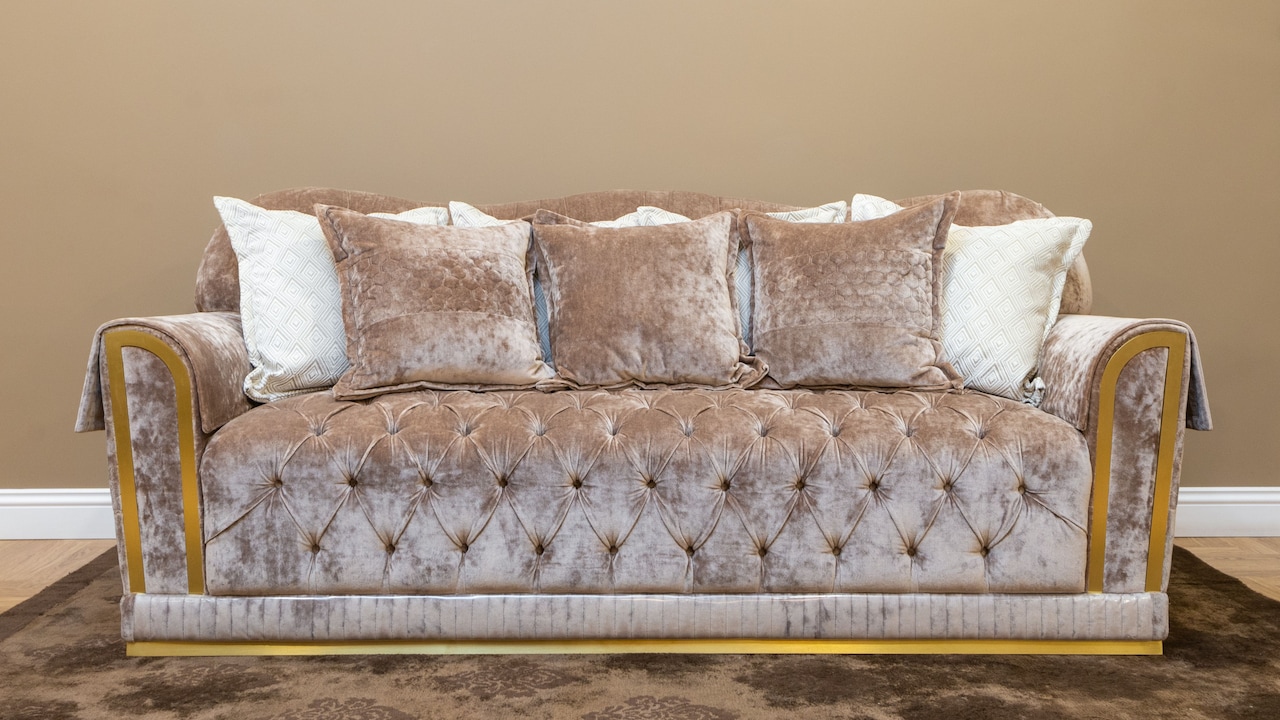
Ensure that the sofa has a strong and sturdy frame that can withstand everyday use
Photo Credit: Pexels
Choose An Easy Opening Mechanism
A sofa bed loses much of its usefulness if opening it feels complicated. The best mechanism is one that suits the user, the room and the expected frequency of conversion.
Pull-out sofa beds usually hide a folded mattress beneath the seat. They often provide a more traditional sleeping surface, though they require enough space in front. Click-clack designs allow the backrest to fold flat. They are quick to operate and work well in compact spaces, but the centre join may feel noticeable while sleeping.
Drawer-style designs slide forward and lift into place. These can create a broad, even platform and often include storage. Futon-style models are simple and affordable, although comfort depends heavily on cushion quality. Some modular sofas rearrange into a bed rather than using a mechanical system. They offer flexibility but may require more effort and floor space.
Test the mechanism without assistance. It should move smoothly and lock securely. Check whether fingers can get trapped near hinges. Older family members may struggle with heavy pull-out frames, so ease of use should never be treated as a minor feature. A sofa bed that needs three people and a motivational speech to open will rarely be used.
Pay Attention To Cushion Filling
Cushion filling affects comfort, appearance and maintenance. It also influences how quickly the sofa begins to look tired.
High-density foam cushions provide firm support and usually retain their shape well. They suit households that prefer a neat sofa with minimal upkeep. Lower-density foam may feel soft at first but can flatten with regular use. Fibre-filled cushions offer a relaxed, sink-in feel, although they need frequent plumping. Feather blends feel luxurious but may not suit people with allergies, and they require more maintenance.
Some sofa beds combine foam cores with softer fibre wrapping. This gives the cushions structure while keeping the surface comfortable. Such designs often work well for everyday seating because they avoid both excessive firmness and dramatic sagging.
Check whether the seat cushions stay in place when someone stands up. Sliding cushions can become irritating, especially when the sofa opens into a bed. Look for concealed fasteners, grippy fabric or a fitted cushion design.
Also consider how the cushions behave during conversion. Some models require every cushion to be removed and stored elsewhere. That can create clutter in a small flat. Designs with integrated cushions may offer a tidier and faster transformation.
Select Fabric For Comfort And Practicality
Fabric choice affects much more than appearance. It changes how the sofa feels against the skin, how easily it can be cleaned and how well it handles daily life.
Cotton and linen blends feel breathable and comfortable in warm weather, but pale colours can show stains quickly. Polyester blends usually offer good durability and are easier to maintain. Velvet adds richness and softness, though it may collect dust and show pressure marks. Leather and leatherette can be wiped clean, but they may feel warm or sticky during humid months.
Homes with children, pets or enthusiastic tea drinkers should prioritise stain resistance. Removable, washable covers can be extremely useful. Check the washing instructions before buying, as some covers require professional cleaning despite looking removable.
Colour and pattern also influence maintenance. Mid-toned shades, textured weaves and subtle patterns hide everyday marks better than plain cream or jet black. Dark colours may show dust, while very light tones reveal almost everything else.
Touch the fabric and sit on it for several minutes. Rough upholstery may become uncomfortable when used as a bed. Since sleepers may come into direct contact with the surface, softness and breathability deserve as much attention as style.
Consider Storage Without Sacrificing Comfort
Storage can make a sofa bed far more useful, especially in a compact home. Built-in compartments can hold bedsheets, pillows, light blankets and guest towels. They prevent the familiar last-minute search through cupboards when someone decides to stay overnight.
However, storage should not weaken the frame or make the seating too firm. Some box-style sofa beds place a large storage cavity directly beneath thin cushions. This saves space but may create a hard sitting surface. Check whether the seat includes enough padding and support above the compartment.
Lift-up storage should open smoothly and remain safely raised. Hydraulic hinges are convenient, but they should feel stable. A heavy lid that drops suddenly can be dangerous. Drawer storage requires free space in front, which may not suit rooms with closely placed tables.
Think about ventilation too. Bedding stored in a sealed compartment can develop a stale smell, particularly during humid weather. Keep items clean and completely dry before storing them. Breathable storage bags can help.
Storage adds value only when it remains easy to access. A compartment hidden beneath several heavy cushions may look clever in the showroom but become inconvenient during everyday use.
Set A Realistic Budget For Quality
A sofa bed is both seating and sleeping furniture, so the cheapest option may not deliver genuine savings. A sensible budget should account for the frame, mattress, upholstery and mechanism rather than focusing only on appearance.
Basic sofa beds may be available from around ₹15,000 to ₹25,000. These can suit occasional use, rented homes or temporary arrangements. Mid-range designs between ₹30,000 and ₹60,000 often provide stronger frames, better foam and smoother mechanisms. Premium models can cost ₹70,000 or more, particularly when they include solid wood, high-quality upholstery or advanced mattress systems.
Price alone does not guarantee comfort. A costly designer model may still feel awkward if the seat depth or mattress firmness does not suit the user. Compare specifications, test the mechanism and ask about warranties. A longer warranty on the frame and moving parts often shows greater confidence in construction.
Also include delivery, assembly and future maintenance in the calculation. Custom upholstery, replacement covers and mattress toppers can add to the total. Spending slightly more on dependable construction often makes sense when the sofa bed will be used regularly. Furniture should support the household, not become another monthly complaint.
Test The Sofa Bed Before Making A Decision
Online photographs can help narrow the search, but comfort remains personal. Whenever possible, visit a showroom and test the sofa bed in both positions.
Sit naturally rather than perching politely on the edge. Lean back, stretch out and change positions. Check whether the cushions support the lower back and whether the seat feels comfortable after several minutes. Then open the bed and lie down as a sleeper would. Test the centre, corners and edges. Listen for noise and notice any bars, joints or uneven sections.
Bring along the person most likely to use it. A sofa that feels perfect to one person may seem too firm, low or deep to another. For couples, both people should lie on it together to check space and stability.
Ask the salesperson to demonstrate the full conversion, then repeat it without help. Confirm the warranty, return policy and service arrangements. Photograph the dimensions and measure the room again before placing the order.
A sofa bed can look impressive under showroom lighting, but real comfort reveals itself through use. Ten thoughtful minutes of testing can prevent years of polite regret.
Products Related To This Article
1. Kunjal Furniture Solid Sheesham Wood Sofa Cum Bed with Storage for Living Room
2. AMATA Eagle Solid Wood 3 Seater Sofa Cum Bed
3. Solid Sheesham Wooden Sofa Cums Bed With Mattresses For Living Room
4. Solid Sheesham Wooden Sofa Cums Bed With Mattresses For Living Room
5. Ganpati Arts Sheesham Wood Headboard Design 3 Seater Scott Sofa Cum Bed
6. Adorn India Premium New Aspen 3 Seater Sofa Cum Bed
7. STRATA FURNITURE Sheesham Wood 3 Seater Sofa Set
Choosing a comfortable sofa bed requires more than finding a design that matches the curtains. It means thinking carefully about how often it will be used, who will sleep on it and how easily it fits into the room.
A strong frame, supportive mattress and smooth mechanism form the foundation of a good choice. Seat depth, cushion filling and upholstery then shape the everyday experience. Storage can add convenience, while careful measuring prevents unpleasant surprises on delivery day.
Most importantly, comfort should be tested rather than assumed. Sit on the sofa, open the bed and lie down for a few minutes. Furniture sellers may raise an eyebrow, but future guests will be grateful.
The right sofa bed can quietly transform a home. It creates a comfortable place for evening conversations, weekend naps and unexpected overnight stays. With a little patience and practical thinking, one piece of furniture can perform both roles beautifully without feeling like a compromise.
(Disclaimer: This article may include references to or features of products and services made available through affiliate marketing campaigns. NDTV Convergence Limited (“NDTV”) strives to maintain editorial independence while participating in such campaigns. NDTV does not assume responsibility for the performance or claims of any featured products or services.)














![Steam Iron Teflon Shoe Cover for ES-300,ST-96 [Only For ES-300 and ST-96 Model Electric Steam Irons]](https://m.media-amazon.com/images/I/51wwkttondL._SL160_.jpg)