How To Choose Wall Art For Small Spaces Without Making The Room Feel Crowded
Choosing wall art for small spaces can be tricky. The right size, colours and placement can open up a room, while the wrong choices can make it feel cramped. This guide shows how to get it right.
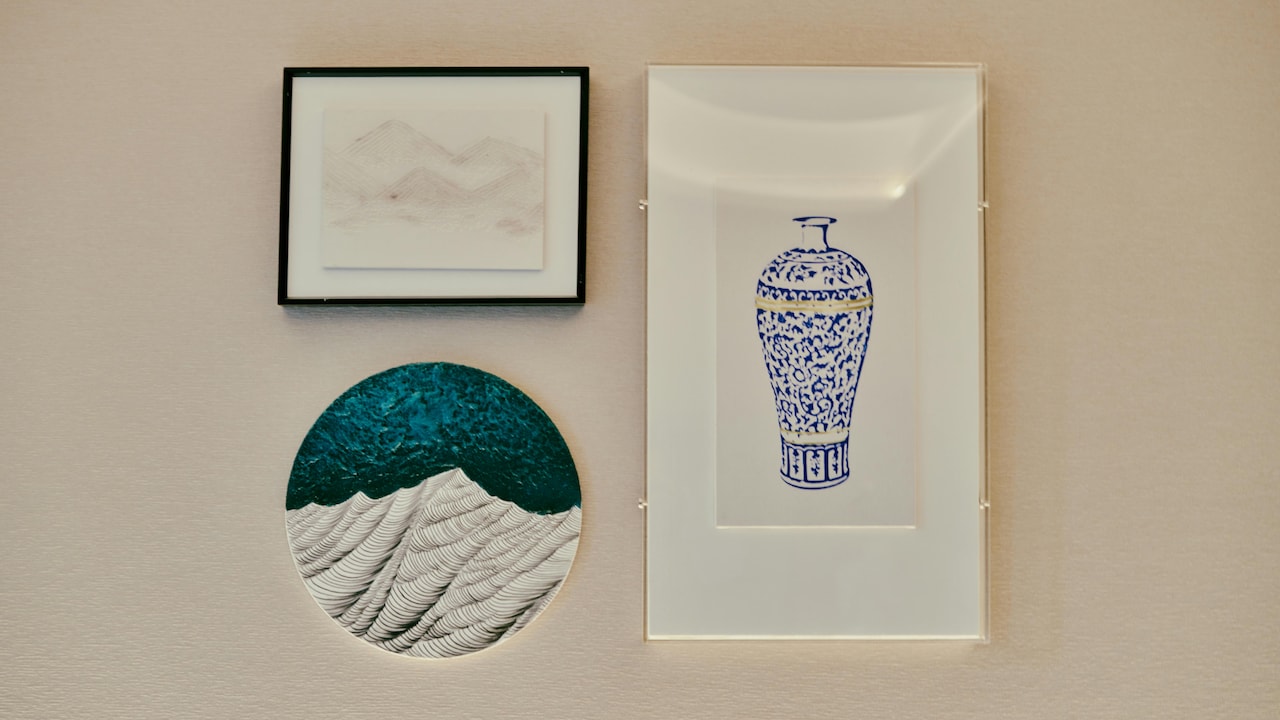
Wall Art For Small Spaces: Simple Ways To Decorate Without It Looking Overcrowded.
Living in a compact home has become a shared reality for many city dwellers. Whether it is a studio apartment in Bengaluru, a 2BHK in Pune, or a rental flat in Noida, space often comes at a premium. Walls, however, remain an untapped canvas. Many hesitate to decorate them, fearing clutter or visual chaos.
That fear deserves to be gently challenged. Wall art, when chosen with care, can open up a room, reflect personality, and even make spaces feel larger. The trick lies in balance. Oversized paintings, busy patterns, or poorly placed frames can crowd a room. Thoughtful choices, on the other hand, can transform it.
This article breaks down practical, relatable ways to choose wall art for small spaces. No jargon, no design snobbery. Just simple ideas, grounded examples, and a few smiles along the way.
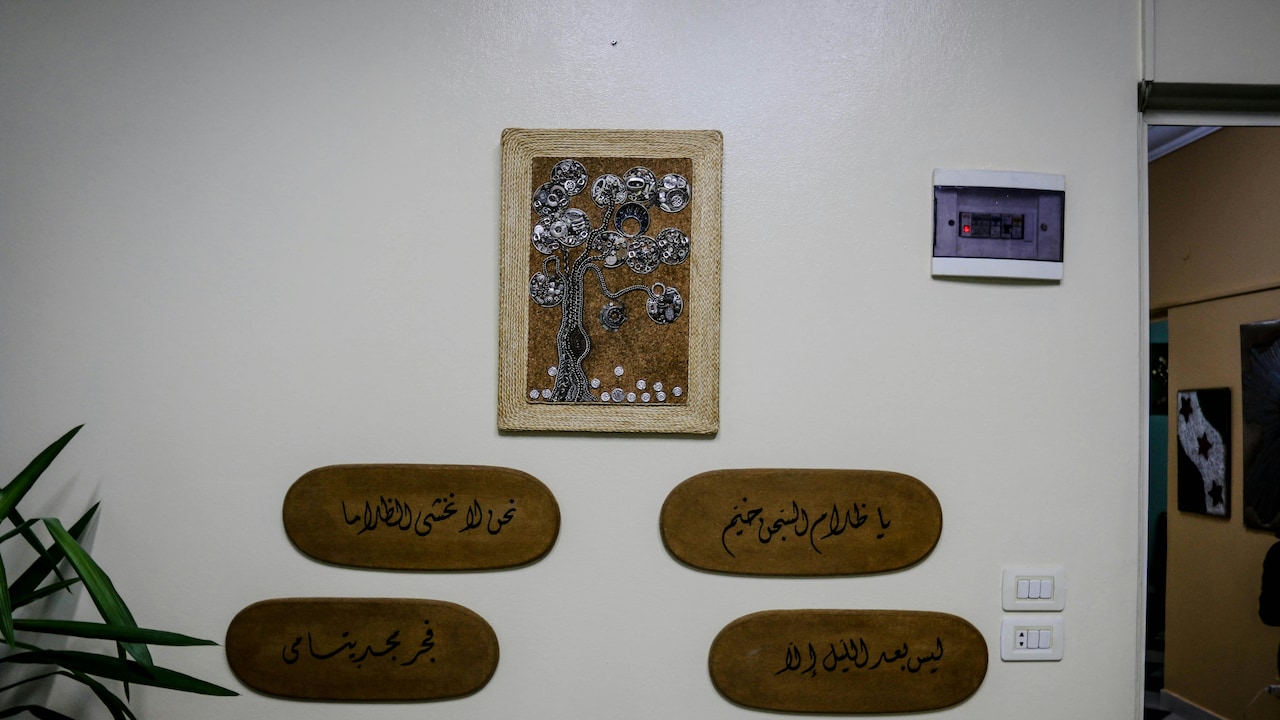
Wall Art For Small Spaces: Simple Ways To Decorate Without Overcrowding; Photo Credit: Pexels
Smart Wall Art Choices That Make Small Rooms Feel Bigger
1. Think Scale, Not Quantity
One common mistake in small rooms involves filling every empty patch of wall. The result often feels chaotic rather than cosy. Instead of many tiny frames, consider one or two well-sized pieces that command attention without shouting.
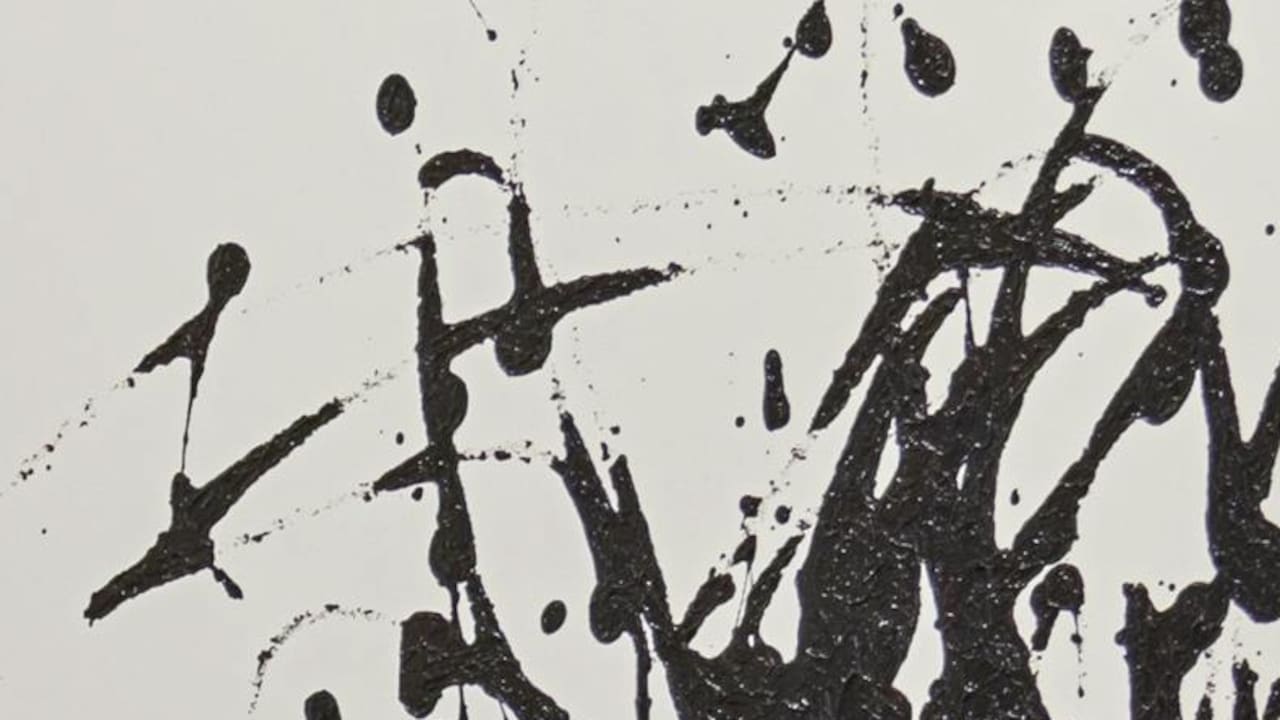
Large does not always mean overwhelming. A single medium-to-large artwork can act as a focal point and reduce visual noise. It gives the eye a place to rest. For example, a calm landscape above a sofa or a bold abstract above the bed can anchor the room beautifully.
Measure the wall before buying anything. A piece that covers about two-thirds of the wall width usually works well. Anything smaller may feel lost, while anything larger may dominate the space. Scale keeps harmony intact.
Budget-conscious shoppers can find great options in the ₹2,000–₹5,000 range at local markets or online sales. The focus should stay on proportion, not price. A thoughtfully sized artwork always beats a wall cluttered with mismatched frames.
2. Let Colours Breathe
Colour plays a powerful role in how a room feels. In small spaces, wall art should complement the palette rather than compete with it. Loud colours on already vibrant walls can feel suffocating.
Soft neutrals, muted pastels, or monochrome art often work wonders. They add interest without overwhelming the senses. A black-and-white photograph, for instance, can feel striking yet light.
This does not mean avoiding colour altogether. A pop of blue or rust can energise a neutral room. The key lies in repetition. If the cushions carry hints of teal, artwork with subtle teal accents can tie everything together.
Avoid artworks with too many contrasting shades. Simpler palettes feel calmer. They allow the room to breathe, which matters even more when square footage runs low.
Also Read: 5 Best Wall Decor Art Pieces To Refresh Living Rooms And Bedrooms
3. Vertical Art Creates Height
Low ceilings often make small rooms feel boxed in. Vertical wall art offers a clever workaround. Tall frames or vertically oriented prints draw the eye upwards and create an illusion of height.
Think of long botanical prints, calligraphy scrolls, or abstract strokes that stretch vertically. These pieces guide attention from floor to ceiling, making the room appear taller than it actually is.
Hanging art slightly higher than eye level can also help. It avoids cutting the wall visually and adds a sense of openness. This trick works particularly well in dining nooks or narrow hallways.
Vertical art does not demand a large wall. Even slim sections between windows or doors can host a tall piece. Such placements often go unnoticed but add unexpected charm.
4. Keep Frames Light and Simple
Frames matter more than most people realise. Heavy, ornate frames can visually weigh down a small room. They draw attention away from the artwork and towards themselves.
Light-coloured frames, thin borders, or even frameless canvases suit compact spaces better. Wooden frames in light oak or simple black metal frames offer structure without bulk.
Consistency also helps. Using the same frame style across multiple pieces keeps the look cohesive. Mixing too many styles can feel messy, especially in tight spaces.
Affordable frames in the ₹500–₹1,500 range can look surprisingly elegant when chosen well. The goal remains clarity. Let the art shine, not the frame.
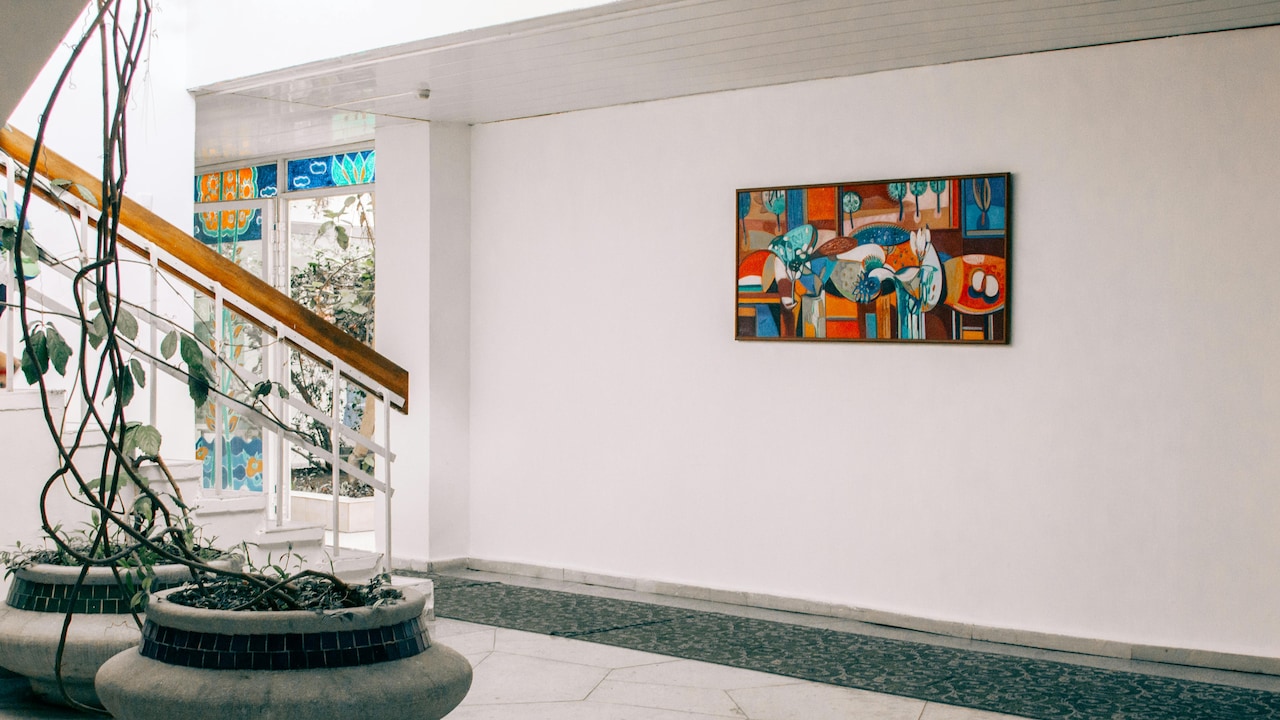
Wall Art For Small Spaces: Simple Ways To Decorate Without Overcrowding; Photo Credit: Pexels
5. Gallery Walls Need Breathing Space
Gallery walls can look stunning, even in small rooms, but they demand planning. Random placement or overcrowding turns them into visual clutter.
Choose a clear layout before hammering nails. Symmetrical grids feel orderly, while loose arrangements need careful spacing. Leave enough space between frames to avoid a cramped look.
Limit the number of pieces. Five to seven artworks usually work better than ten or more. Each piece should feel intentional. Mixing photographs with illustrations adds texture without chaos.
Gallery walls thrive on storytelling. Family photos, travel sketches, or favourite quotes can coexist beautifully when tied together by colour or frame style. The wall becomes personal, not busy.
6. Mirrors Disguised as Art
Mirrors deserve a special mention. They reflect light, add depth, and make rooms feel larger. When designed creatively, mirrors double up as wall art.
Decorative mirrors with minimal frames or interesting shapes can replace traditional artwork. Placed opposite a window, they bounce natural light across the room and brighten dark corners.
In bedrooms or entryways, a mirror above a console table can feel both practical and stylish. It breaks monotony without adding bulk.
Prices vary widely, but good options often sit around ₹3,000–₹8,000. Consider them an investment in both function and aesthetics. Few elements offer such high returns in small spaces.
7. Choose Art With Personal Meaning
Art does not need to impress guests. It needs to resonate with the people living in the space. Personal meaning adds warmth that no trend can replicate.
A sketch picked up on a hill trip, a print from a local artist, or even a framed handwritten note can bring joy. These pieces tell stories. They invite smiles and conversations.
Meaningful art often feels lighter because it connects emotionally. It blends into daily life rather than standing out awkwardly. That sense of belonging reduces visual stress.
Avoid buying art just to fill walls. Empty walls feel better than art that feels forced. Patience often leads to pieces that feel right, not rushed.

Wall Art For Small Spaces: Simple Ways To Decorate Without Overcrowding; Photo Credit: Pexels
8. Play With Placement, Not Just Walls
Wall art does not always need to hang in obvious spots. Unexpected placement adds charm without clutter.
Leaning framed art on shelves, sideboards, or even the floor against a wall creates a relaxed vibe. It avoids drilling and allows flexibility. This approach suits renters particularly well.
Art placed above door frames or in narrow corners often goes unnoticed but adds character. These spots use space that usually stays blank.
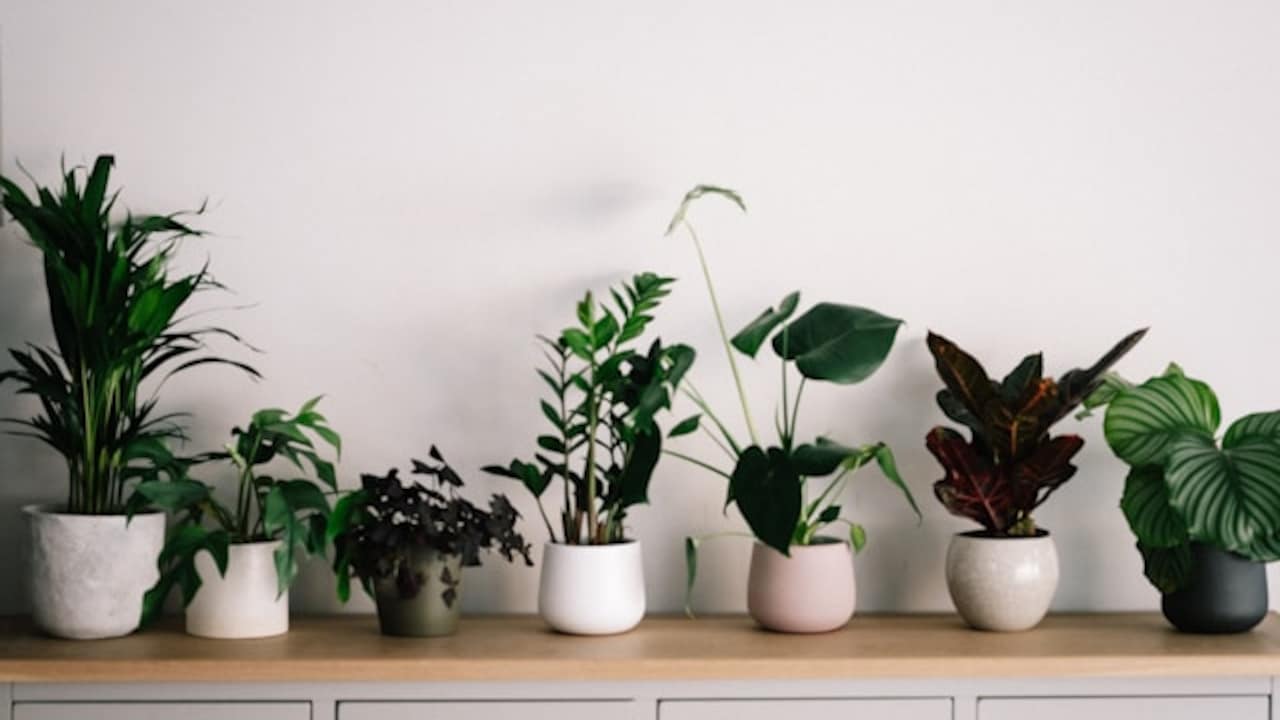
Layering art with plants or books softens the look. It creates depth without overwhelming the room. Balance remains the guiding principle.
9. Lighting Makes All the Difference
Poor lighting can make even the best artwork disappear. In small rooms, good lighting enhances art and the space around it.
Picture lights or adjustable wall lamps highlight artwork without taking up floor space. Warm lighting adds cosiness, while harsh white light can flatten textures.
Natural light deserves attention, too. Avoid placing delicate prints in direct sunlight, as fading becomes inevitable. Instead, choose walls that receive soft, indirect light.
Thoughtful lighting turns art into an experience rather than decoration. It sets the mood, draws attention, and adds depth to compact spaces.
10. Know When to Stop
Restraint often defines good design. Knowing when to stop adding art keeps small rooms comfortable.
If a room feels busy, it probably is. Step back and assess. Remove one piece and see how the space breathes. Often, less truly feels more.
Walls do not need to be filled edge-to-edge. Empty space allows art to stand out. It gives the room rhythm and balance.
Trust instincts. If a piece feels out of place, it probably is. Homes evolve, and wall art can move along with changing tastes and needs.
Products Related To This Article
1. Art Street Yellow & Brown 3 Pieces Birds & Animals Printed Wall Arts
2. Myntra Elegant Homes White & Orange Running Horses Vastu Canvas Wall Art
3. WENS Black & Brown 3 Pieces Floral and Botanical Painting Wall Art
4. Livin'luxe Beige & Red Wooden Aesthetic Quote Wall Art
5. STASH HOUSE Wall Art
6. RANDOM White & Black 3 Pieces Floral Printed Painting Wall Art
7. Art Street Brown Set of 3 Piece Paper Wall Paintings
Small spaces carry immense potential. With thoughtful wall art choices, they can feel expressive, open, and deeply personal. The secret lies not in avoiding decoration, but in approaching it with intention.
Scale, colour, placement, and meaning all play a role. When these elements align, walls stop feeling crowded and start telling stories. They reflect lives lived fully, even within limited square footage.
Decorating small spaces does not require deep pockets or design degrees. It asks for awareness, patience, and a little courage. Walls, after all, are waiting to listen.
(Disclaimer: This article may include references to or features of products and services made available through affiliate marketing campaigns. NDTV Convergence Limited (“NDTV”) strives to maintain editorial independence while participating in such campaigns. NDTV does not assume responsibility for the performance or claims of any featured products or services.)







![Steam Iron Teflon Shoe Cover for ES-300,ST-96 [Only For ES-300 and ST-96 Model Electric Steam Irons]](https://m.media-amazon.com/images/I/51wwkttondL._SL160_.jpg)