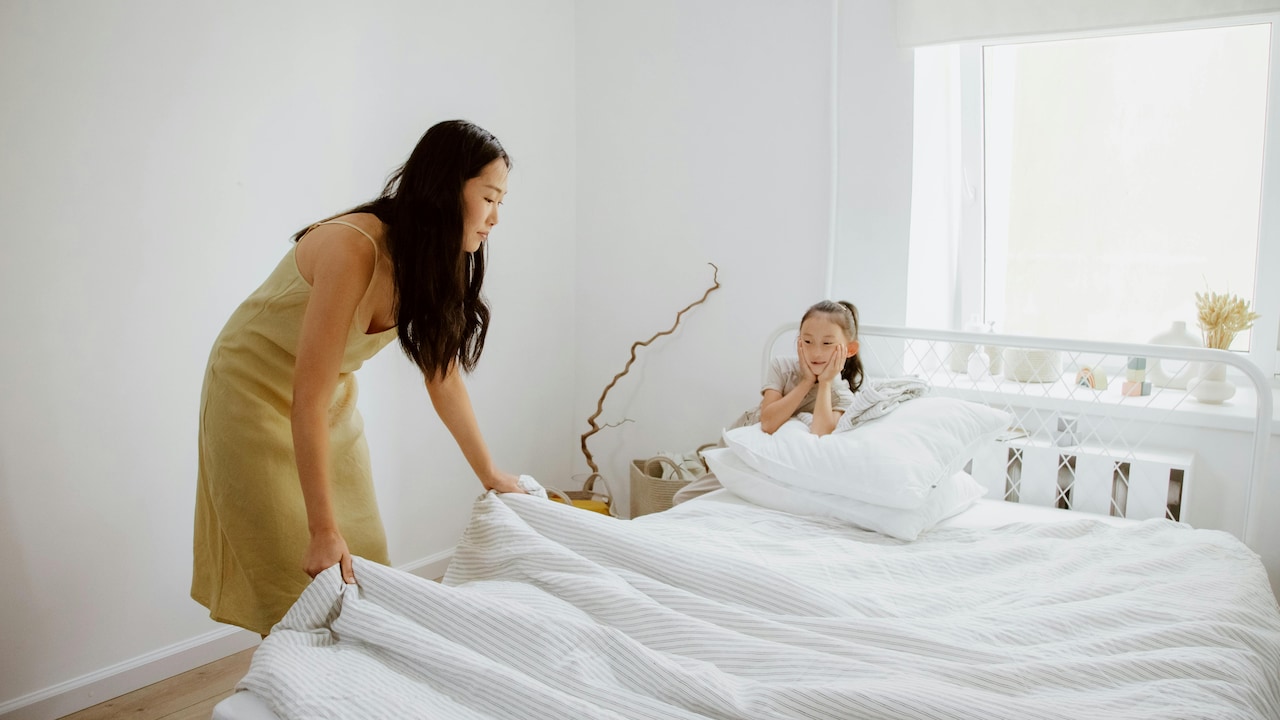
How To Create A Relaxing Bedroom With Soft Furnishings Only
Transform your bedroom into a calm retreat using only soft furnishings. From bedding and curtains to lighting and textures, discover simple ways to create comfort without renovation.
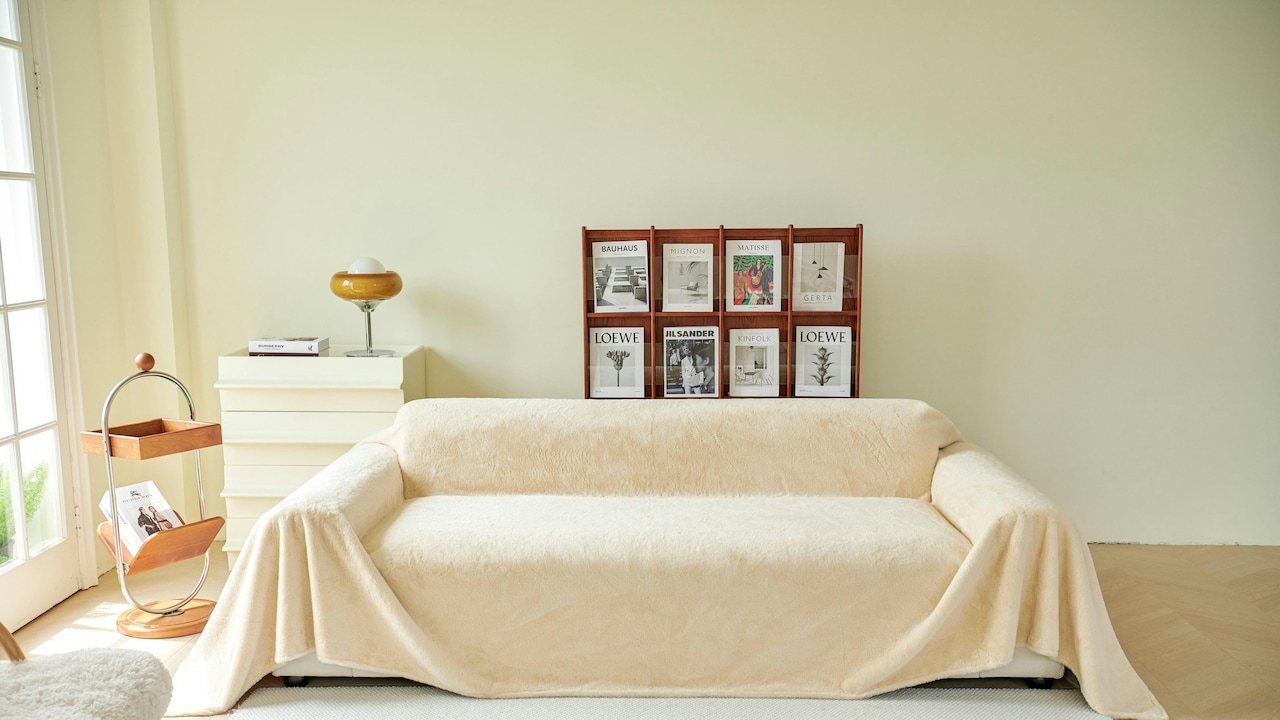
Create a Peaceful Bedroom Without Renovation: Soft Furnishing Ideas That Work.
A bedroom should feel like a gentle pause at the end of a long day. Yet many rooms end up as storage zones for half-folded clothes, buzzing gadgets, and harsh lighting. The good news is that calm does not need carpenters or costly furniture swaps. Soft furnishings, when chosen with care, can change everything.
Fabrics speak to the senses faster than furniture ever can. They soften sound, filter light, and create warmth. A simple bedsheet upgrade or a well-placed rug can help the body relax without conscious effort. These changes also stay flexible. Tastes evolve, seasons change, and soft furnishings adapt with ease.
This article focuses on ten practical ways to build a peaceful bedroom using only soft elements. Each idea works in flats, family homes, and rented spaces. Budgets stay realistic, examples stay relatable, and the focus stays firmly on comfort. A relaxing bedroom, after all, should feel welcoming, not intimidating.

How To Create A Relaxing Bedroom Using Only Soft Furnishings
Photo Credit: Pexels
Simple Ways Soft Furnishings Can Transform Your Bedroom
1. Start With Soothing Bed Linen
Bed linen sets the emotional tone of the bedroom. Crisp cotton sheets in calm shades signal rest the moment the bed comes into view. Breathable fabrics such as cotton percale or linen blends suit warm nights and restless sleepers. They also age well with regular washing.
Neutral colours like off-white, sand, pale grey, or muted sage feel timeless and easy on the eyes. Loud prints may look exciting online, but can feel overwhelming after a tiring day. A subtle stripe or fine weave adds interest without shouting for attention.
Thread count matters less than weave and finish. A well-made ₹1,800 cotton sheet can feel better than an overpriced option that traps heat. Pillowcases deserve equal care since they touch the face for hours. Smooth textures reduce friction and support better sleep.
Fresh linen carries a sense of quiet luxury. It turns bedtime into a ritual rather than a routine. That shift alone can improve rest without changing anything else in the room.
2. Layer Cushions for Comfort, Not Clutter
Cushions bring personality, softness, and comfort in one easy step. The trick lies in restraint. Too many cushions feel decorative but impractical. Too few can make the bed look unfinished.
Three to five cushions work well for most beds. Mix sizes rather than shapes for a relaxed look. Large cushions support reading, while smaller ones add texture. Fabrics like washed cotton, velvet, or soft knits invite touch and warmth.
Colour coordination keeps the space calm. Choose one base colour and two supporting tones. For example, cream sheets pair well with rust and olive cushions. This approach avoids visual chaos and keeps the palette grounded.
Cushion covers also offer seasonal flexibility. Light cottons suit summer, while velvets or wool blends feel cosy during cooler months. A simple swap refreshes the room without spending more than ₹600 per cover. Comfort should always lead design, not the other way around.
3. Curtains That Calm the Senses
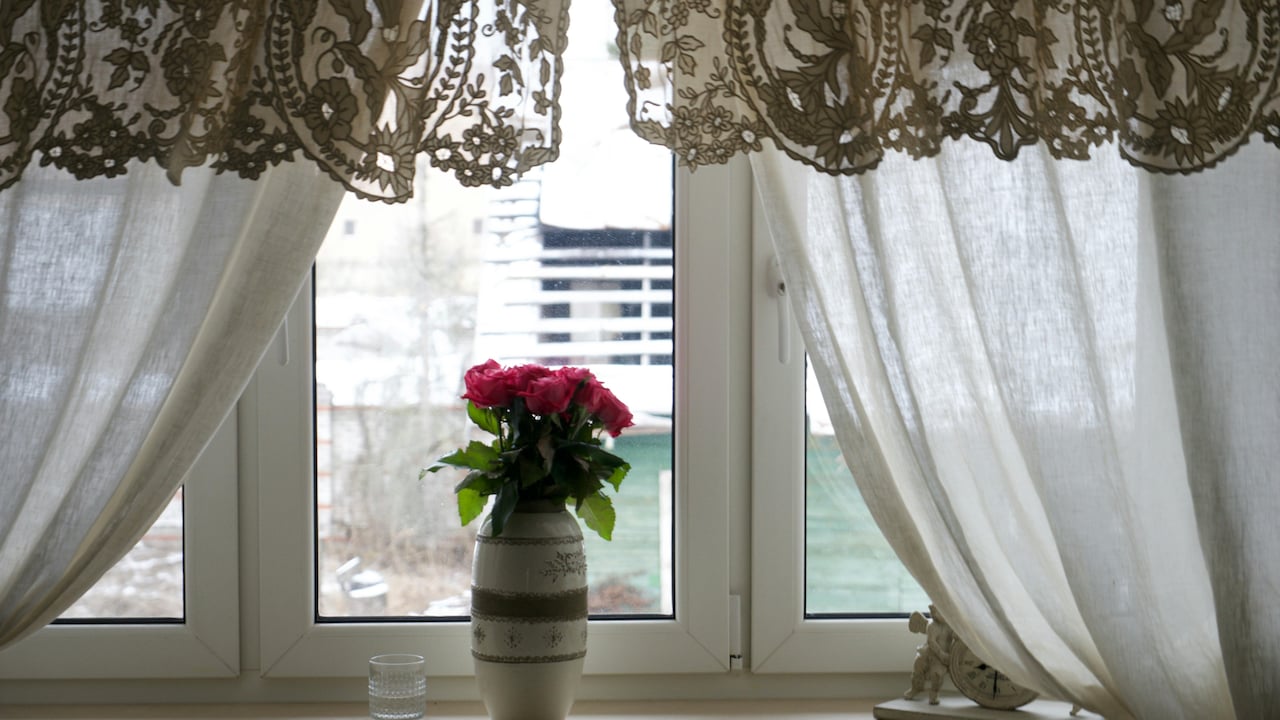
Curtains do more than frame windows. They control light, sound, and privacy, all of which influence sleep quality. Heavy drapes block noise and harsh sunlight, while lighter curtains create an airy feel for daytime calm.
Layered curtains work especially well. Sheer curtains soften daylight, while thicker outer panels offer darkness at night. This combination suits busy streets and early sunrises alike. Colours should stay within the room's palette to avoid visual breaks.
Fabric choice matters. Cotton blends hang well and are easy to maintain. Linen offers texture but wrinkles easily. Polyester blends resist fading and cost less, often under ₹2,500 for a full set.
Curtains that brush the floor add a sense of luxury and height. Short curtains can feel abrupt and unfinished. When closed at night, well-chosen curtains create a cocoon effect. That feeling of enclosure helps the mind switch off with ease.
4. Rugs That Ground the Space
A rug underfoot changes how a bedroom feels instantly. Cold tiles or plain floors can break the sense of comfort. A soft rug adds warmth, absorbs sound, and visually anchors the bed.
Placement matters more than size. A rug that extends beyond the sides of the bed allows soft landings in the morning. Smaller rugs at the bedside also work in compact rooms. Texture should stay gentle, not shaggy or scratchy.
Natural fibres like cotton or wool feel breathable and durable. Flat-weave rugs suit allergy-prone homes and are easy to clean. Prices vary widely, but good options start around ₹3,000.
Colour should complement the bed linen rather than compete with it. Earth tones, faded patterns, or simple borders keep things calm. A rug should feel like part of the room, not a statement piece demanding attention. Quiet comfort always wins here.
5. Throws That Invite Slow Moments
A throw draped across the bed adds softness and style without effort. It signals rest, warmth, and ease. Beyond looks, throws serve practical purposes during afternoon naps or cooler nights.
Material choice shapes the experience. Cotton throws suit for warm climates and daily use. Knitted or wool blends offer warmth without weight. Avoid synthetics that trap heat and feel stiff over time.
Colour coordination matters here too. A contrasting shade works best when subtle. For example, a dusty blue throw on white bedding adds interest without overpowering the room.
Throws also hide wear and tear on bedspreads, extending their life. A well-chosen throw costs around ₹1,200 and refreshes the bed instantly. Fold it neatly or let it fall casually. Both styles work, as long as the space feels lived-in, not staged.
6. Upholstered Headboards for Gentle Support
An upholstered headboard changes how a bed feels and functions. It provides back support for reading and adds softness to the room's visual lines. Fabric headboards also reduce noise and create a cosy backdrop.
Neutral upholstery works best for longevity. Beige, grey, or muted pastels blend easily with changing linen styles. Textured fabrics like linen-look or soft suede add depth without drama.
For rented homes, removable or wall-mounted fabric panels offer a flexible solution. These options cost less than full bed replacements and often stay under ₹6,000.
A padded headboard encourages slower evenings. It supports pillows, reduces wall contact, and makes the bed feel like a true retreat. Comfort improves without adding bulk or clutter, which keeps the room feeling open and calm.

How To Create A Relaxing Bedroom Using Only Soft Furnishings
Photo Credit: Pexels
7. Soft Lighting Through Fabric Shades
Lighting affects mood more than colour ever can. Harsh overhead lights disrupt relaxation. Soft, diffused lighting encourages rest and calm. Fabric lampshades play a key role here.
Table lamps with cotton or linen shades cast warm, even light. Floor lamps with fabric diffusers work well in corners. Avoid glossy or metallic shades that reflect light harshly.
Warm white bulbs complete the effect. Cool white lighting feels clinical and alert. A lamp with a fabric shade and a warm bulb costs around ₹1,500 and transforms evenings instantly.
Lighting placement matters too. Two smaller light sources feel gentler than one bright fixture. Soft shadows and warm tones create a sense of safety and comfort. The bedroom should feel like a quiet harbour, not a workspace.
8. Wall Hangings That Soften Sound
Bare walls can make rooms feel cold and echo-prone. Fabric wall hangings add texture and reduce noise without drilling or painting. Tapestries, fabric art, or quilted panels work well.
Choose simple designs that echo the room's colours. Nature-inspired patterns, abstract shapes, or subtle motifs feel calming. Avoid busy prints that demand attention.
Wall hangings also hide imperfections or uneven paint. Lightweight options stay easy to change and store. Prices range from ₹800 to ₹2,500 depending on size and material.
Beyond aesthetics, fabric absorbs sound and reduces sharp echoes. This creates a quieter environment, especially in apartments. A calmer soundscape supports better sleep and deeper rest, making wall textiles a smart and gentle addition.
9. Cushioned Seating for Quiet Corners
A bedroom benefits from one comfortable seating option. A cushioned chair, pouffe, or floor cushion creates a quiet corner for reading or reflection. It also keeps the bed reserved for rest.
Soft seating should stay compact and comfortable. Upholstered stools or fabric pouffes work well in small spaces. Floor cushions suit relaxed homes and casual routines.
Choose washable covers in neutral tones. This keeps maintenance simple and the look cohesive. A good pouffe or chair often costs between ₹2,000 and ₹4,000.
This small addition supports mindful habits. Sitting down with a book or tea feels more intentional when the bed stays untouched. That separation strengthens the bedroom's role as a place for rest, not constant activity.
10. Textural Harmony Over Trend Chasing
The final step lies in harmony. A relaxing bedroom relies on balance, not trends. Mixing too many textures or colours creates visual noise. Thoughtful repetition brings calm.
Choose three main textures and repeat them subtly. For example, cotton, wood tones through colour, and soft knits. Keep the colour palette tight, with one main shade and two accents.
Avoid buying everything at once. Let the room evolve slowly. This approach prevents impulse buys and ensures each piece earns its place. A calm room feels collected, not rushed.
Trends fade quickly, but comfort lasts. Soft furnishings should support rest and joy, not impress visitors. When the room feels good to live in, it succeeds fully.
Products Related To This Article
1. Handmade Wool & Blend Carpet for Living Room Home Bedroom Hall Kitchen Office Anywhere Color Multi Hand Tufted Carpets
2. HOMEMONDE Solid Blackout Curtains 7 Feet Long Set of 2
3. STITCHNEST Woven 1 Seater Sofa Protector with 2 Hand Rest Covers
4. AEROHAVEN Set Of 5 Decorative Hand Made Jute Throw
5. Shaggy Floor Carpet for Living Room & Modern Fluffy Fur Rugs
6. Home Ecstasy 100% Cotton Double Bedsheet with 2 Pillow Covers
7. COZY FURNISH Summer Single Bed Blanket 144x220CM
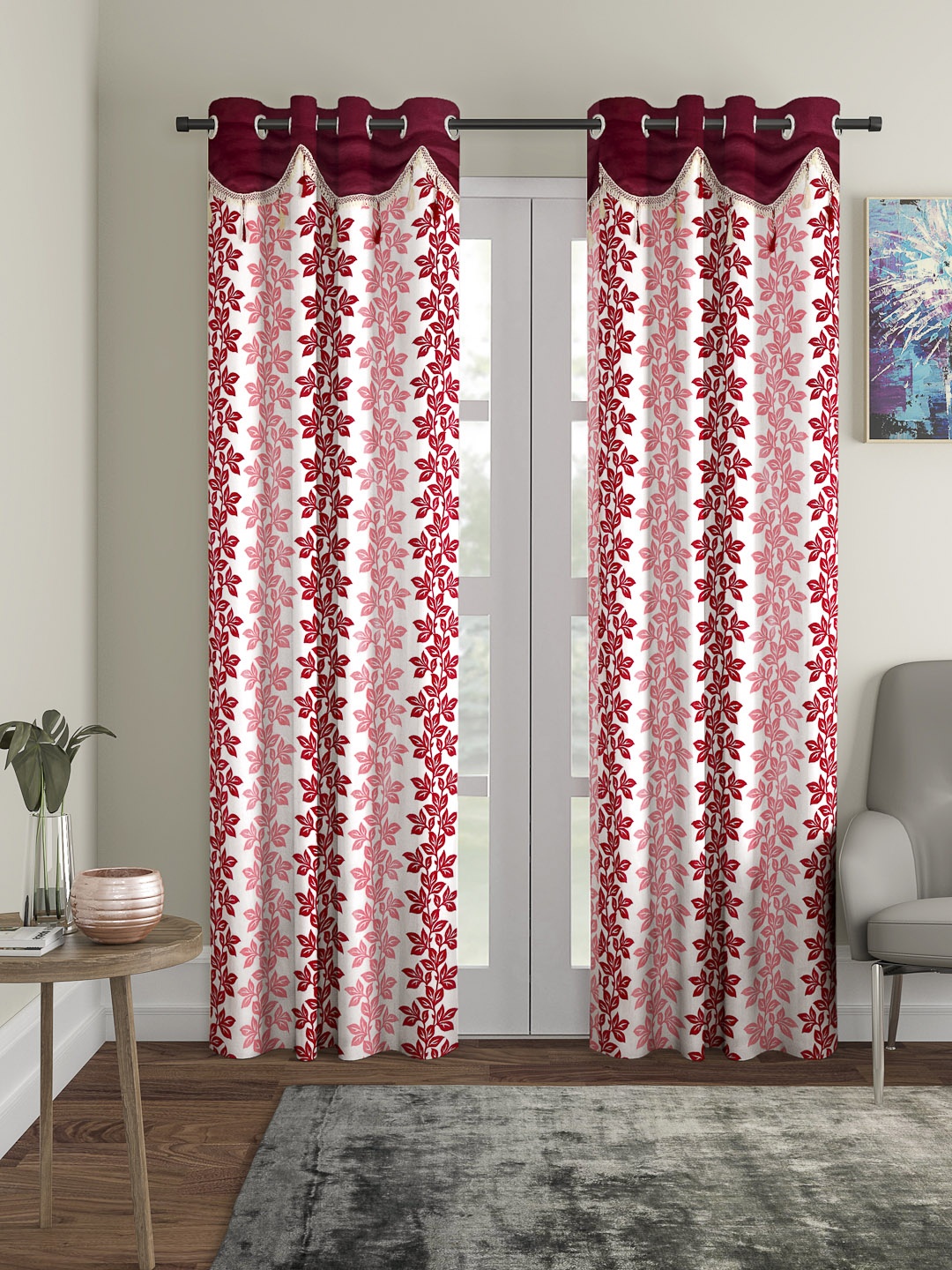
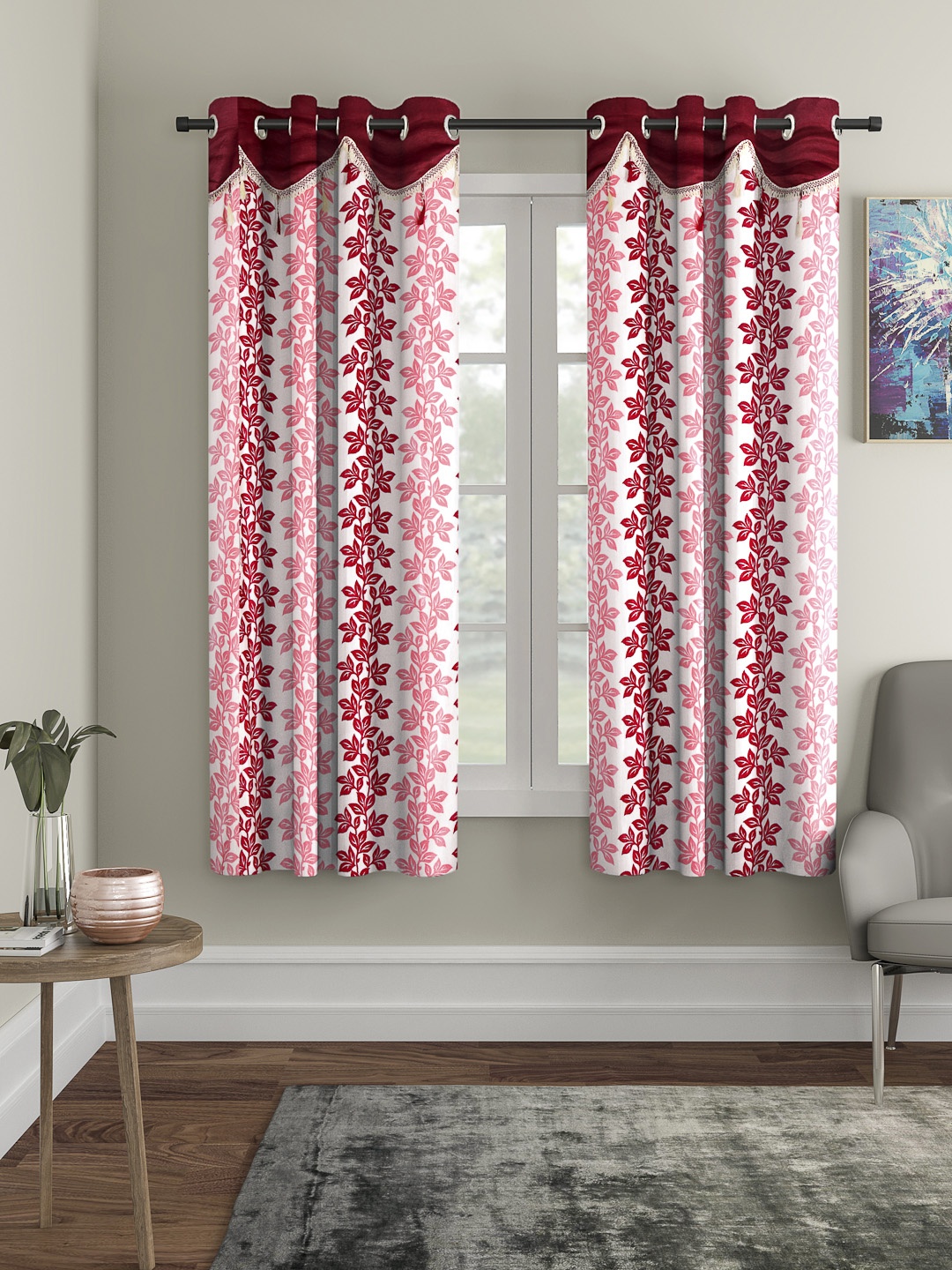
8. Home Sizzler 2 Pieces Floral Flow Grommet Polyester Window Curtain
A relaxing bedroom does not require a heavy investment or structural change. Soft furnishings alone shape mood, comfort, and rest in powerful ways. Thoughtful choices in fabric, colour, and texture turn ordinary rooms into personal retreats.
These changes remain accessible, flexible, and renter-friendly. They adapt to seasons, budgets, and evolving tastes. More importantly, they support better sleep and slower living.
Comfort grows through small decisions made with care. A softer sheet, a warmer light, or a quieter wall can shift daily life gently. When the bedroom feels calm, the rest of the home often follows.
(Disclaimer: This article may include references to or features of products and services made available through affiliate marketing campaigns. NDTV Convergence Limited (“NDTV”) strives to maintain editorial independence while participating in such campaigns. NDTV does not assume responsibility for the performance or claims of any featured products or services.)













![Steam Iron Teflon Shoe Cover for ES-300,ST-96 [Only For ES-300 and ST-96 Model Electric Steam Irons]](https://m.media-amazon.com/images/I/51wwkttondL._SL160_.jpg)